Road Bikes
Van Rysel RCR-F vs RCR: Two Aero Race Bikes, Two Different Jobs
The RCR-F targets flat, fast racing while the RCR covers everything else. Here is what the engineering, wind tunnel work and rider feedback actually tell you.
Introduction
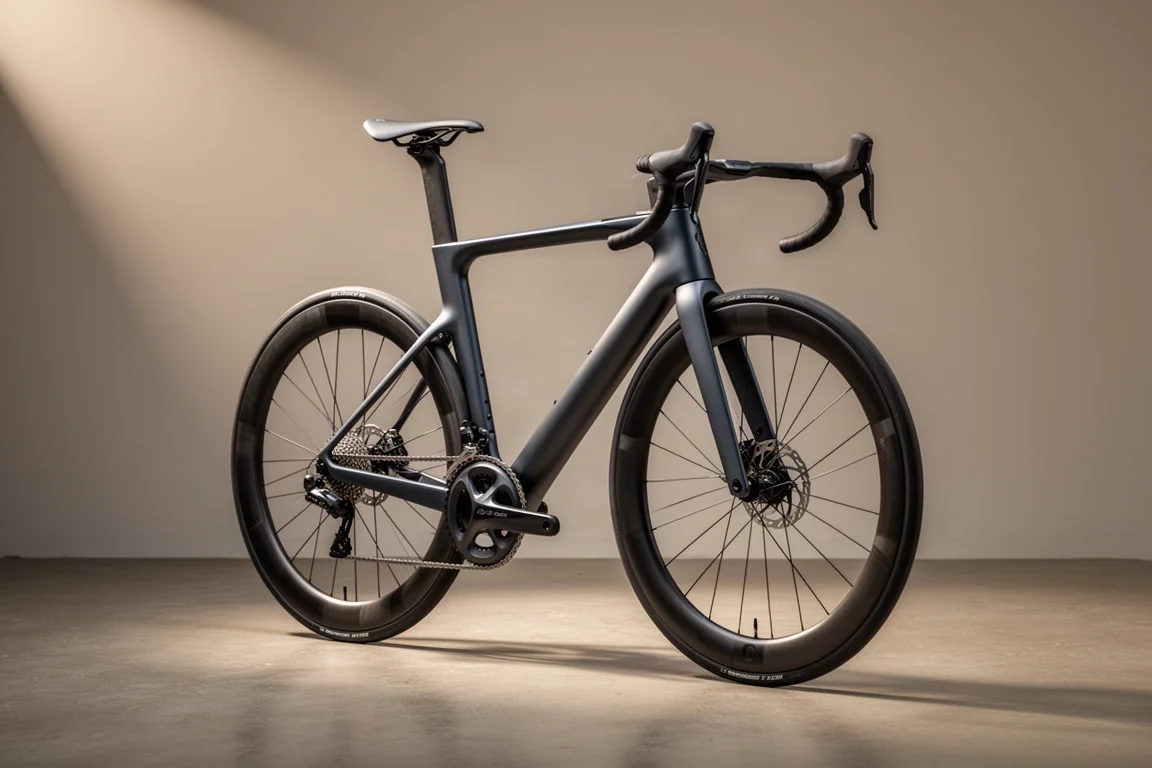
Van Rysel’s RCR was the brand’s first world tour level race bike, and it arrived as an all-rounder that went on to win races. The RCR-F is the second flagship, a more dedicated aero machine with deeper tube sections throughout, built to sit alongside the RCR rather than replace it. Understanding why Van Rysel chose a two-bike approach explains almost everything about how the RCR-F rides.
Why Van Rysel Built a Second Aero Bike
Engineers at Van Rysel and Swiss Side ran modelling studies and simulations across more than 20 grand tour stages. The conclusion was that in around 50 percent of those stages, a slightly heavier but more aerodynamic bike would be faster. That single finding created the case for the RCR-F.
The performance targets were then defined precisely. Van Rysel wanted the new frame to outperform the RCR on stages with less than 1,500 m of elevation gain per 100 km, average speeds of at least 35 km/h, and average gradients of up to 5 percent. That covers flat and rolling stages with a sprint finish, plus medium mountain stages with steady climbs.

Speed is the multiplier here. The faster the ride, the larger the aerodynamic advantage, which is why the RCR-F prioritises drag reduction over the last few grams of weight.
Van Rysel RCR-F: The Flat-and-Fast Flagship
The RCR-F is a dedicated aero bike, and the front end received the most attention. Cockpit, fork, down tube and head tube were all reshaped with the goal of making the bike as invisible as possible in the airflow.
Across those four areas, the claimed savings add up to 13.6 watts at 45 km/h over the RCR, rising to 20.1 watts at 55 km/h. For a rider holding around 400 watts, a 20 watt saving is roughly 5 percent, which is a significant gain rather than a marginal one. In a sprint, the same package is described as being worth about a metre.
The trade-off is weight. Additional carbon for stiffness, plus the larger tube profiles, adds a total of 600 g. That is too much of a penalty for the highest mountains, which is exactly why the RCR remains in the range.
Van Rysel RCR: The All-Rounder That Started It All
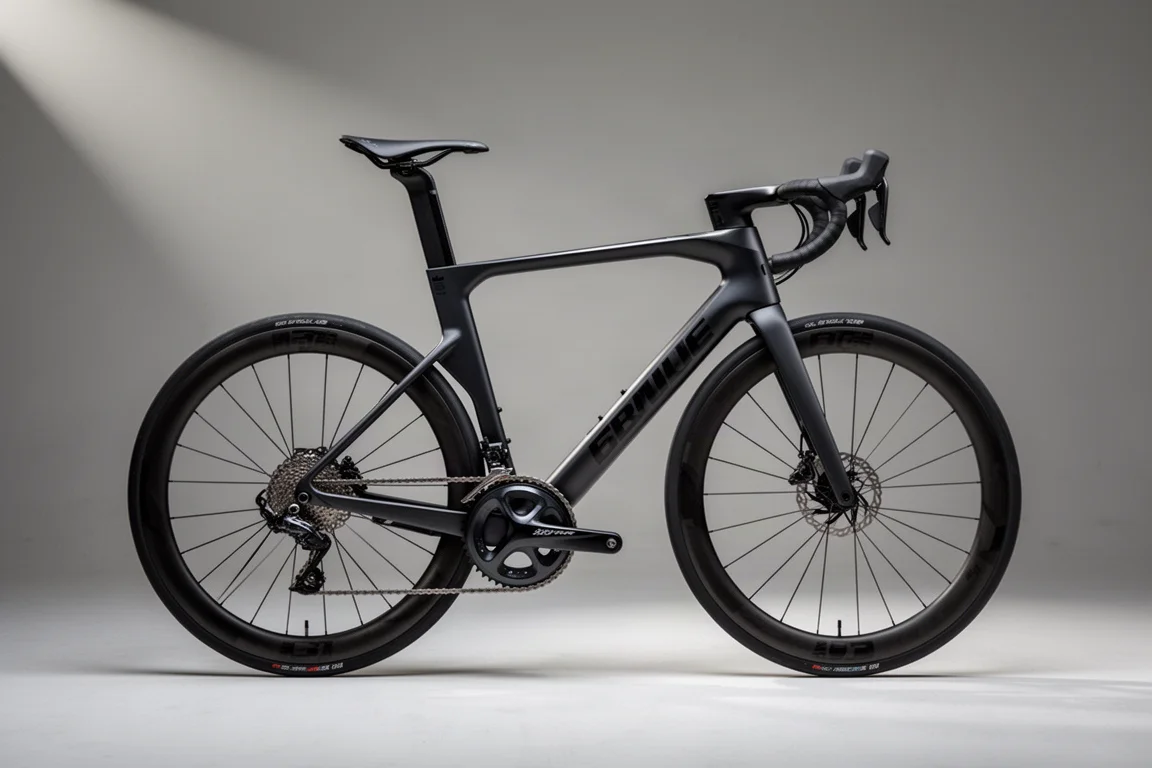
The RCR was already considered an aero optimised bike when it launched, so the RCR-F is being measured against a genuinely quick baseline rather than a compromise. It was the bike that turned around a team’s fortunes, collecting numerous victories along the way.
Van Rysel describes the line between the two models as close, which is why they had to be separated clearly by purpose. The RCR stays the choice for climbing-heavy days and mixed terrain, where its lighter build matters more than the final few watts of drag.
Frame, Carbon Layup, and the Weight Trade-Off
The frame is built mainly on a base of 1,100 carbon fibre, with very high modulus 60-ton and 40-ton carbon added locally where stiffness is needed, particularly around the head tube and chainstay. The team started with the shape of the top tube, balancing it against the highly aerodynamic down tube, then worked through several carbon layup recipes to find the best match.
Stiffness is a balancing act rather than a target to maximise. Van Rysel’s engineers point out that without the right symbiosis between bike and rider, a sprinter cannot place the bike where they want it, and handling suffers on descents. Too stiff, in other words, is not good either.
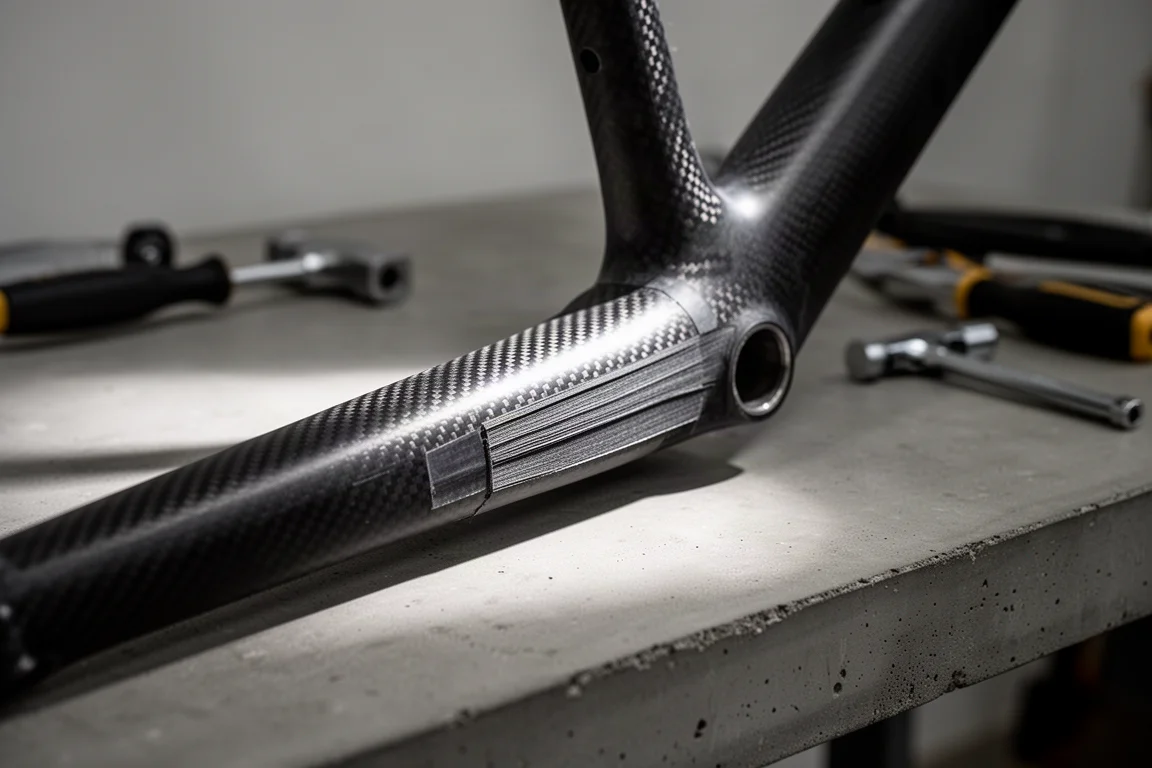
Durability work came out of crash analysis. Every frame involved in a crash is examined, and the data showed that 44 percent of damaged frames were affected on the top tube, caused by the handlebar rotating into it. Because Van Rysel wanted the top tube left stiff and light, the solution was a bumper on the bar and stem combo that absorbs the impact instead.
What Riders Notice on the Road
Prototype testing with pro riders shaped the final feel of the bike. The feedback describes a noticeably stiffer frame, with power transferring from the handlebars all the way to the rear axle and less flex between the front fork and the rear triangle.
On the flat at around 180 watts, riders reported holding 36 to 38 km/h without pushing hard, along with a strong sense of the bike rolling and taking off. Cornering response was singled out as well, with the impression that everything going into the pedals was coming back out.
In a bunch sprint the practical difference is about positioning. Popping out into the wind to fight for a place and then slotting back in takes less effort, and the final 50 to 100 metres are where those saved watts count most. Feedback on handlebar shape, chainring choice and consistency under race pressure continues to feed into production.
Wind Tunnel Testing and the Pressure Rake
Development moved through simulation, CFD and then the wind tunnel, with six different iterations tested. CFD carries a large share of the work, but low-speed aerodynamics, from roughly 25 km/h up to 60 or 70 km/h, behaves differently in reality, so wind tunnel and on-road testing are needed to confirm that the models correlate with the real world.
The most distinctive tool in that process is the total pressure rake developed by Swiss Side, adapted from Formula 1. It runs behind a rider in the wind tunnel and measures total pressure using an array of pitot tubes connected to LEDs, visualising where the wake and drag come from. Instead of a single drag figure, engineers can see which parts of the bike and rider system are fast and which are slow.
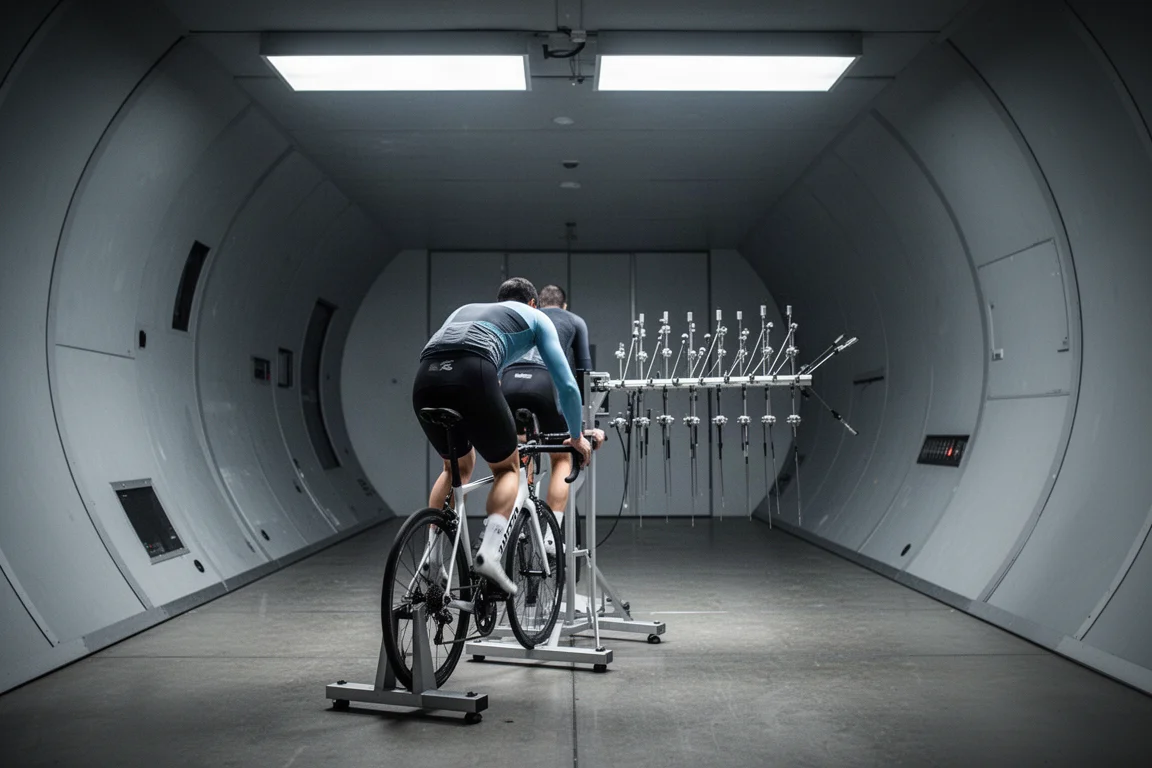
In the comparison between the climbing bike and the RCR-F, most of the gains showed up around the head tube, cockpit and upper fork area. The LEDs also allow long exposure photographs that trace a silhouette of the drag behind the rider.
Real-World Validation on Race Roads
Before release, selected riders raced prototype versions of the bike, and the feedback loop ran in both directions. The RCR-F was also ridden over the Tour of Flanders course at the same power as the RCR, where the engineers claim a saving of 1 minute 30 over 268 km, a margin that could decide a race-winning breakaway.
The production version is said to be faster again than the prototype raced earlier in the season, and the bike had already won three races before it was available to buy.
Buying Advice
Which Van Rysel makes sense depends on the riding you actually do. The RCR-F is the pick if your riding is dominated by flat and rolling terrain, if your average speeds sit above 35 km/h, or if you sprint. The deeper tubes, the front-end gains and the extra stiffness all point at those situations, and the 600 g weight penalty is the price of that speed.
The RCR remains the better answer if your routes include longer and steeper climbs, or if you want a single bike that covers varied terrain well. It is the lighter and more versatile option, and it was a fast bike in its own right before the RCR-F existed.
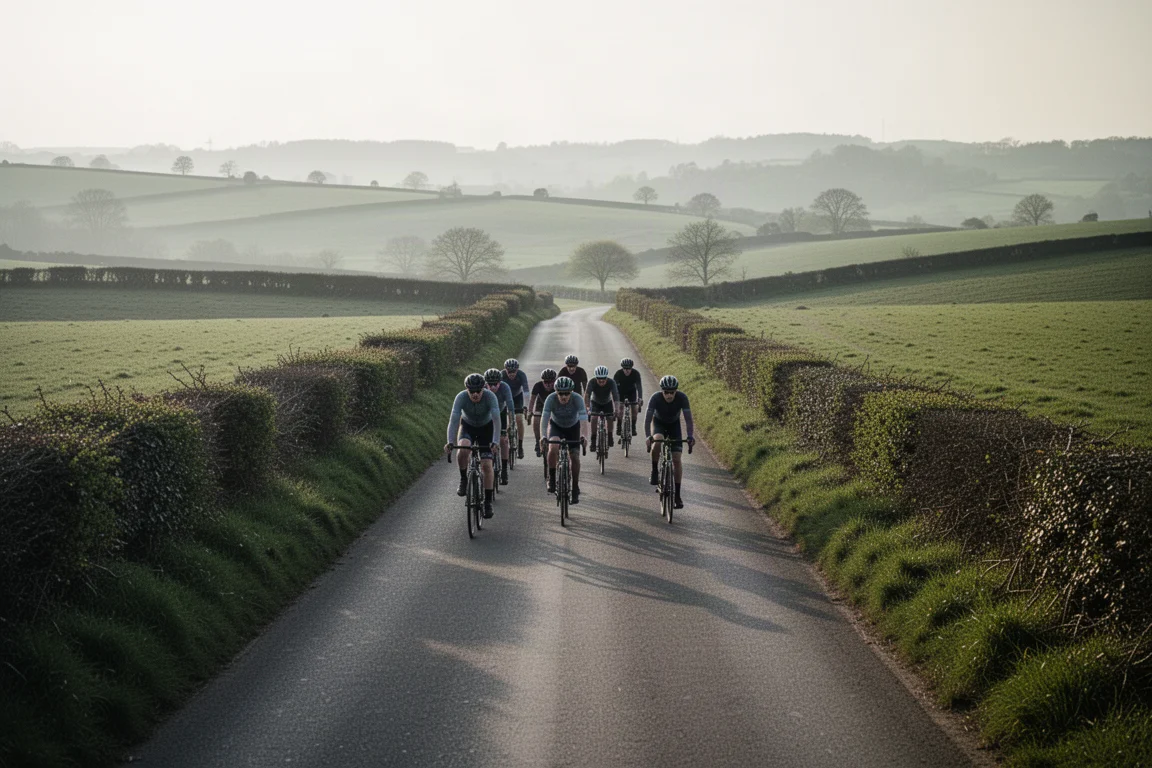
Two practical points are worth keeping in mind. Aero bikes of this type feel noticeably quicker to amateurs as well as professionals, and amateur race speeds have risen accordingly. Weight, meanwhile, matters more the steeper the road becomes, so be honest about the gradient profile of your usual rides.
Conclusion
The RCR-F is not a replacement for the RCR, and that is the whole point. Van Rysel’s modelling showed that a heavier but more aerodynamic bike wins on a large share of grand tour stages, and the RCR-F is the answer to that specific question: a stiff, deep-tubed race bike with claimed aero savings of 13.6 watts at 45 km/h and 20.1 watts at 55 km/h over the RCR. If your riding is fast and mostly flat, it is the more rewarding of the two. If your roads climb, the RCR remains the smarter buy.
Further reading
Related Reviews

Road Bikes
10 New Road Bikes Worth Watching: Aero, Titanium, Steel and Endurance Standouts
A practical roundup of 10 new road bikes, from aero flagships chasing single-watt gains to titanium, steel and endurance platforms built for real roads.
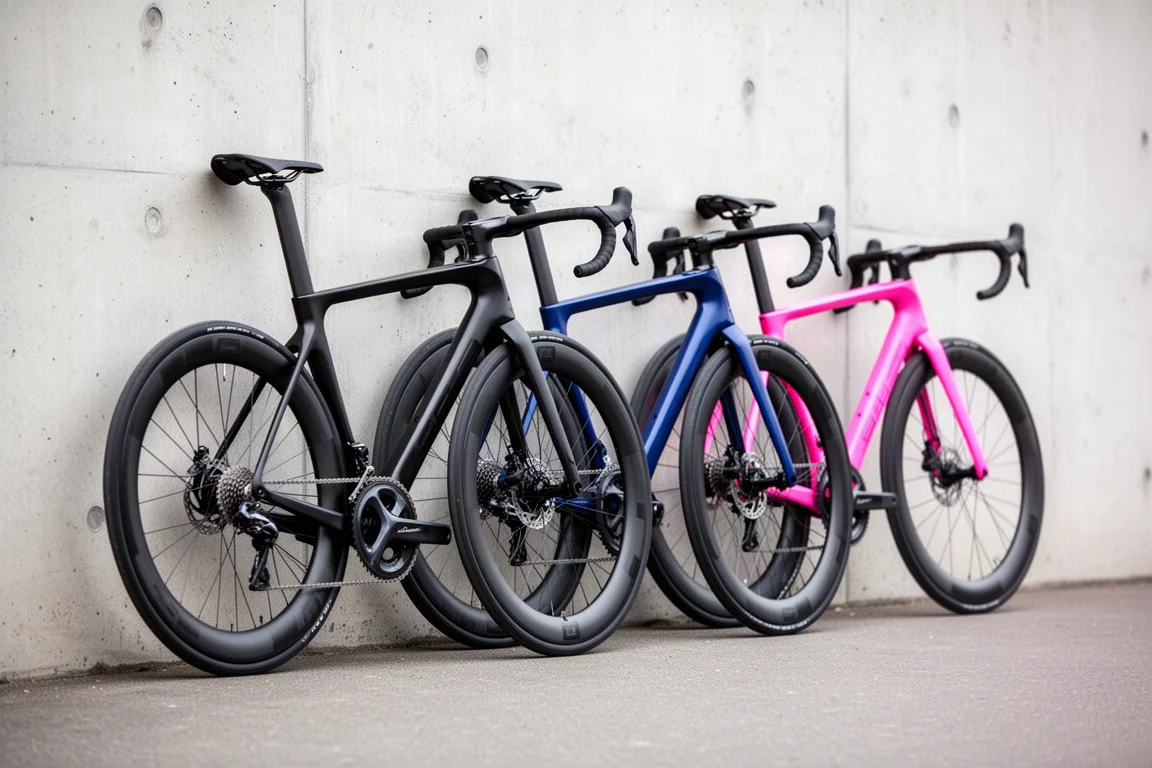
Road Bikes
2026 Tour de France Road Bikes: Six Race Machines Worth a Closer Look
Six race bikes from the 2026 Tour de France grid, reviewed for paint, silhouette, wheels and the specification details that matter to buyers.
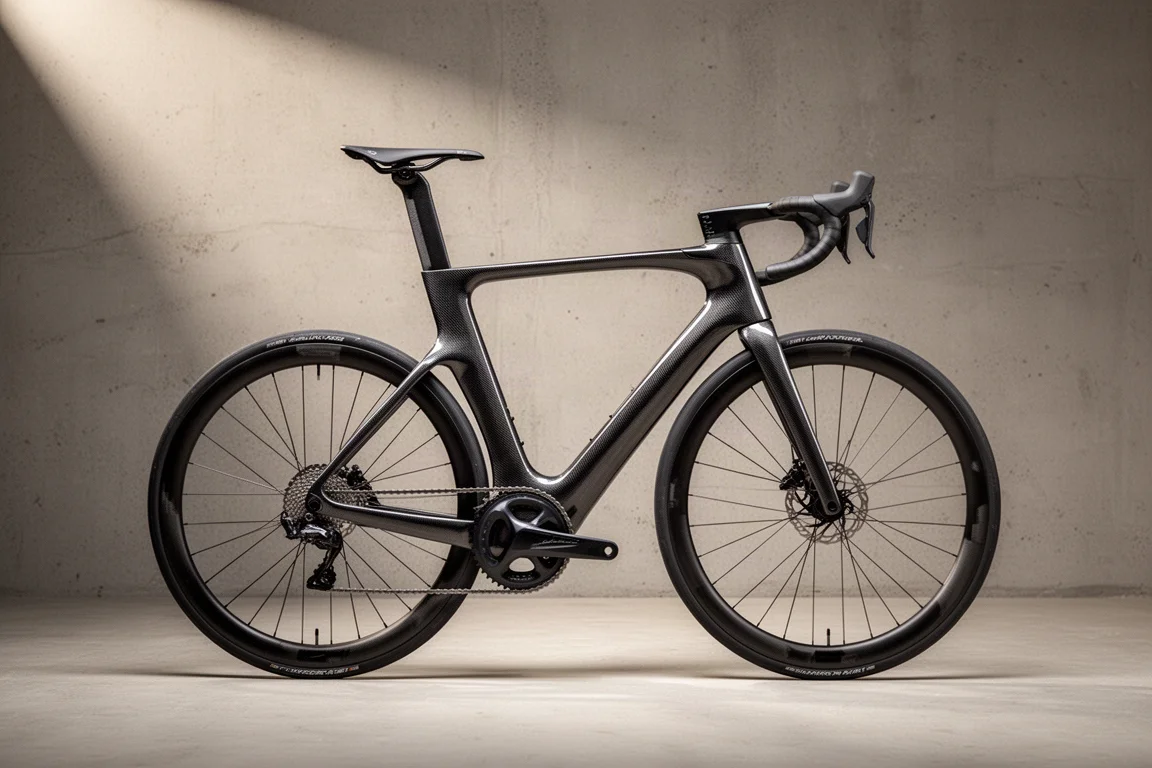
Road Bikes
3T Strada Italia Review: A Radical Aero Road Bike That Rides Smooth
A made in Italy carbon aero road bike with a deep head tube, wide tire clearance and a genuinely comfortable ride. Here is what to know before buying.