Road Bikes
Used Road Bikes Worth Buying: Eight Nearly New Models With Serious Savings
Eight pre-owned road bikes from Giant, Cannondale, Trek, Scott and Specialized that still deliver current performance for roughly half the price of a new flagship.
Introduction
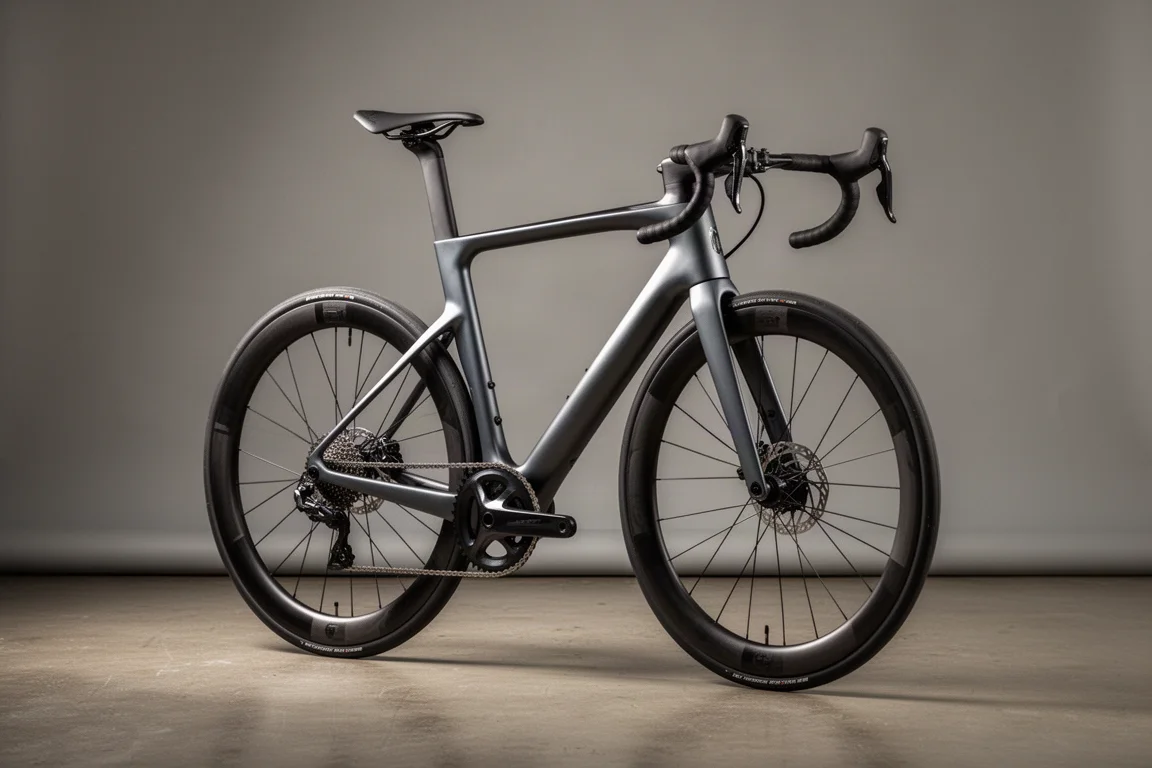
Flagship road bikes have pushed well past the point where most riders can justify the outlay. The current top-tier Tarmac from Specialized is roughly a £12,000 proposition, and that single number explains why so many riders are shopping a couple of seasons back instead.
The interesting part is how little has actually changed in that time. A bike from two or three years ago shares the same carbon construction, the same geometry thinking and the same race-ready ride quality as what is hanging in the shop window today. In the examples below, the savings sit close to fifty percent in several cases.
What follows is a look at the models that make the strongest case in the pre-owned market right now, with the prices and equipment seen on real listings, plus the small imperfections you should expect to find along the way.
Why Used Road Bikes Make Sense Right Now
The appeal is not only price. Bikes that are just a couple of years old are still current in every meaningful sense: the frames are modern, the wheelsets are modern, and the group sets are the same ones that were being praised when the bikes launched.
Mechanical Shimano Ultegra appears again and again in this price bracket. It is no longer sold new, which is precisely why it shows up so often secondhand, but it remains a genuinely high-performance group set with fast, reliable shifting and no batteries to charge. Eleven-speed Ultegra Di2 is also common at this level, and it still shifts quickly and consistently.
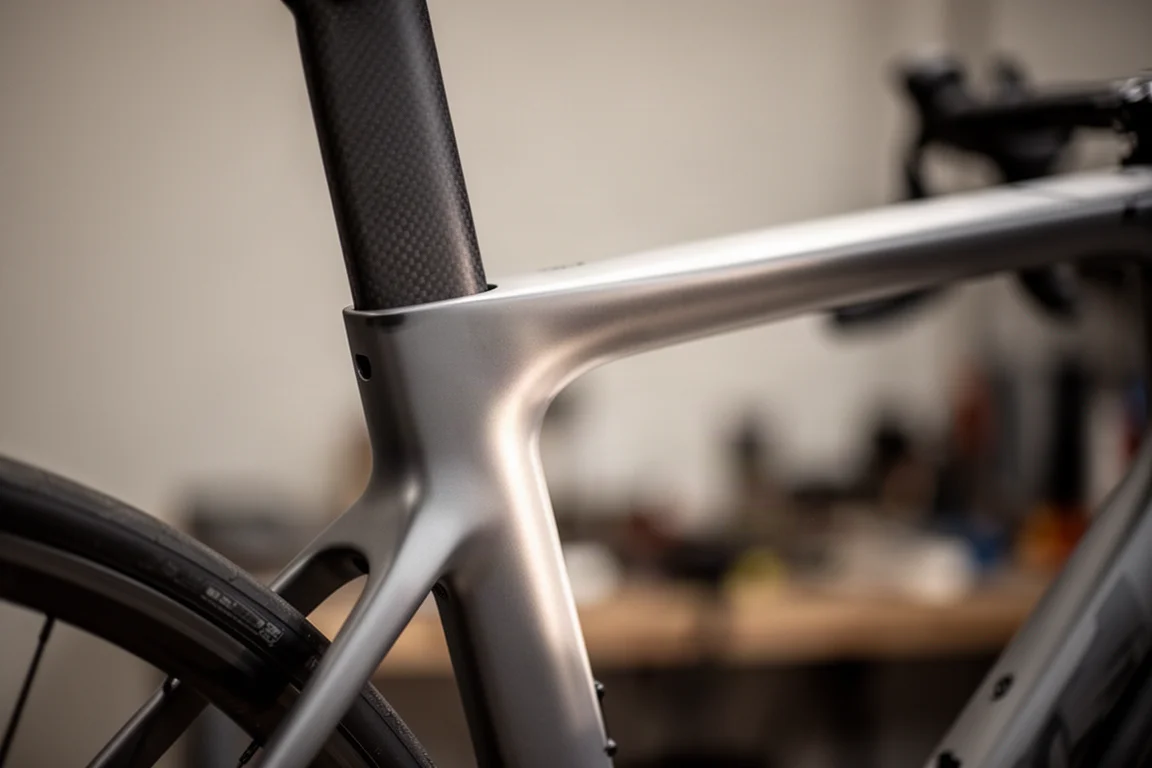
Buying used does ask something of you. Carbon frames need to be inspected carefully for impact damage, and a mark on a top tube or a chainstay might be cosmetic or might be structural. Listing photos are a starting point, not a verdict. Budgeting for a professional service, a new chain and fresh bar tape is a sensible part of the plan, and where a frame has a scuff, a carbon repair specialist can usually assess and fix it for far less than the saving you have already made.
Plenty of these bikes also come with upgrades the previous owner already paid for, from carbon handlebars to integrated power meters, without adding much to the asking price. That is one of the quiet advantages of shopping nearly new.
The Benchmark: Specialized Tarmac SL8
Specialized’s current flagship, the Tarmac SL8, sells for around £12,000. It sets the reference point for everything else here: it is lighter and more aerodynamic than the generations below it, and it is what you would be buying if budget were no object at all.
For everyone else, the useful question is what you actually give up by stepping back a generation, and the honest answer is less than the price gap suggests.
Giant TCR Advanced Pro
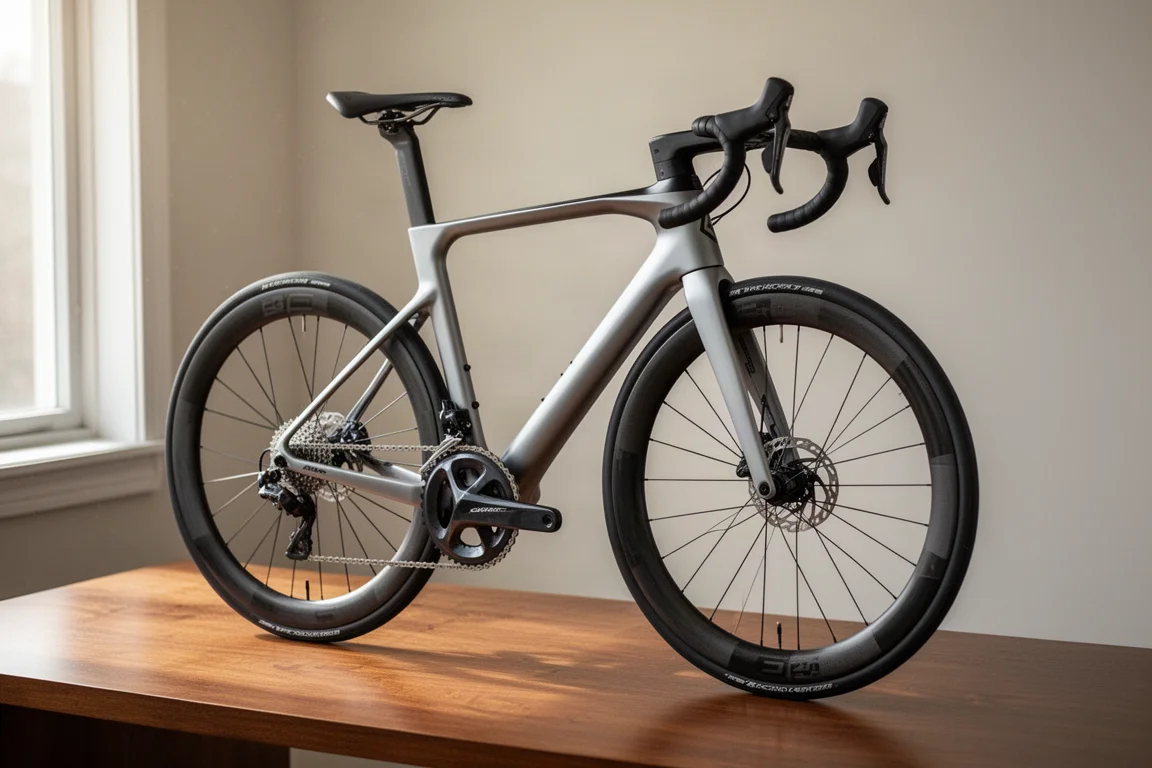
Giant’s TCR Advanced Pro is a well-liked all-round race bike, and it is one of the strongest value plays on the used market. A Pro 2 build with mechanical Ultegra in size ML, which is a 56cm, is listed at £1,750, a very reasonable figure for the specification on offer.
That particular bike carries Giant’s own dual-sided power meter, a design that has proven reliable and accurate in use. Two things are worth noting: the disc brake rotors are missing, and the rear derailleur shows a scrape. Both are fixable, but they are exactly the sort of detail worth spotting before you commit.
A second TCR example is even cheaper. An Ultegra Di2 model in size medium is listed at £1,500, fitted with new wheels, tires and handlebar. It is an earlier generation of the frame, though it still looks close to the current shape, with the differences mainly around the head tube and in minor aerodynamic details. There is a scratch on the chainstay and an impact mark on the top tube, and that top tube mark is the one to look at closely, since it could be superficial or something more significant.
Cannondale SuperSix Evo
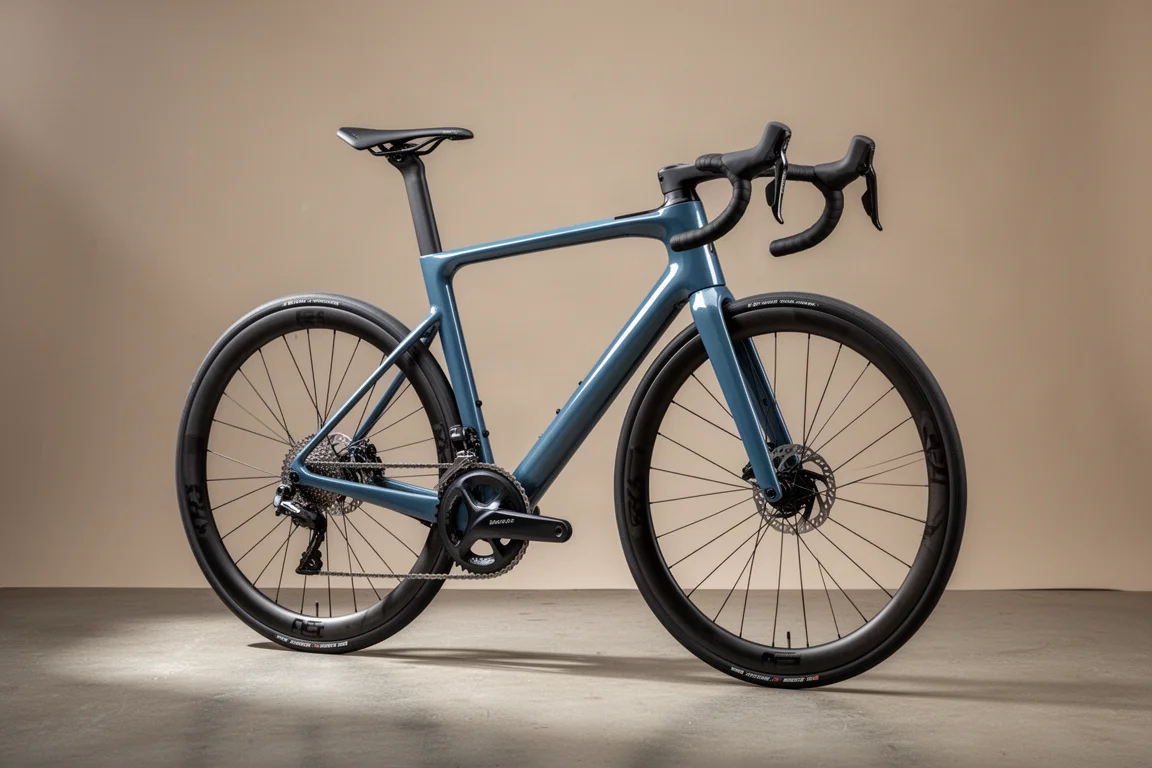
At £2,200, this SuperSix Evo looks like one of the better deals of the group. You get a carbon frame, carbon wheels and a mechanical Ultegra group set, and the bike is only around two years old, having been superseded by a newer version rather than replaced entirely.
The paint finish is striking and the frame reads clean from every angle. One useful clue sits at the front end: a tall stack of stem spacers suggests the original owner never adjusted the fit, which in turn hints at very light use. That is a promising sign rather than a guarantee, and there is no substitute for seeing a bike in person.
The eleven-speed mechanical shifting is light and dependable, with no batteries to manage and a wide spread of gear ratios.
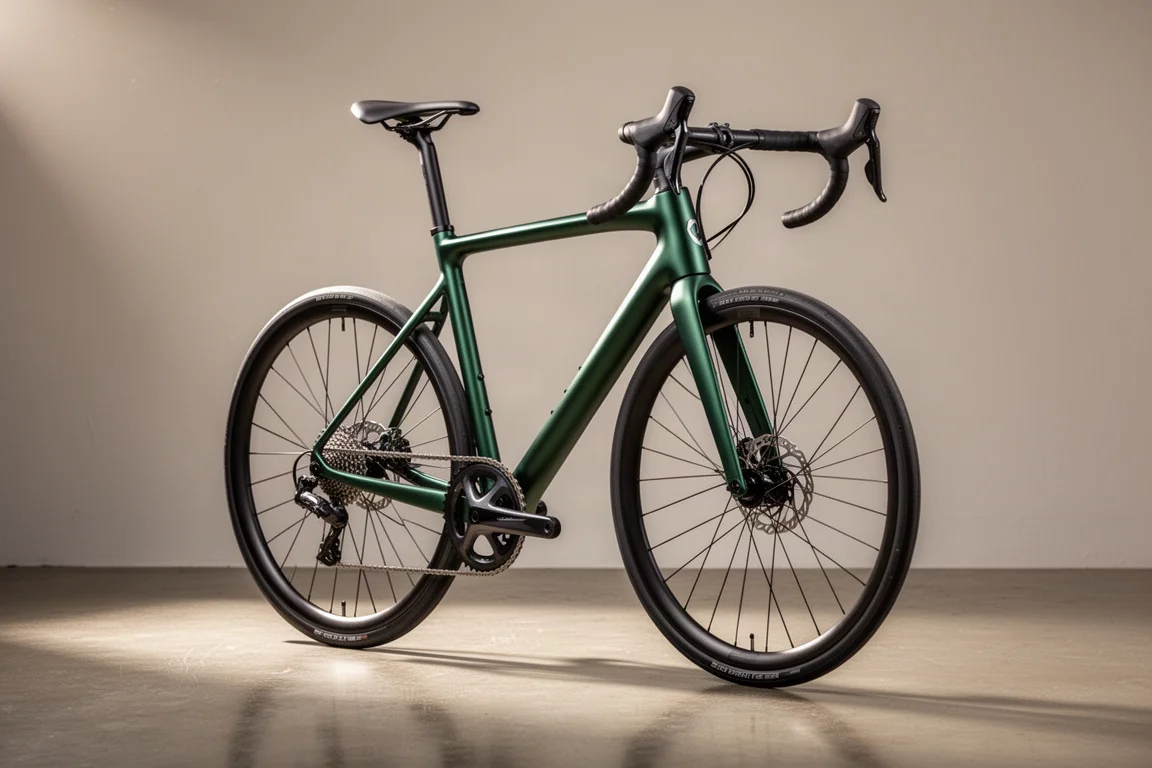
Trek Emonda SLR 7 Project One
A Project One Emonda is a custom-order bike, and a new one can run to around £10,000 depending on the paint and the specification chosen. This example is listed at £5,250, which is a substantial discount on a bike that remains part of Trek’s current line-up.
The real draw is the frame. The SLR Emonda is a sub-700g chassis, and it comes with twelve-speed Ultegra Di2, which is about as current and as reliable as road shifting gets. The custom paint scheme is the other reason these bikes hold their appeal, and it looks spectacular in the photos. The oversized down tube logo divides opinion, but that is a matter of taste rather than performance.
For context, the same bike without the Project One treatment is listed at £8,300, which shows how much the custom build normally adds to the bill.
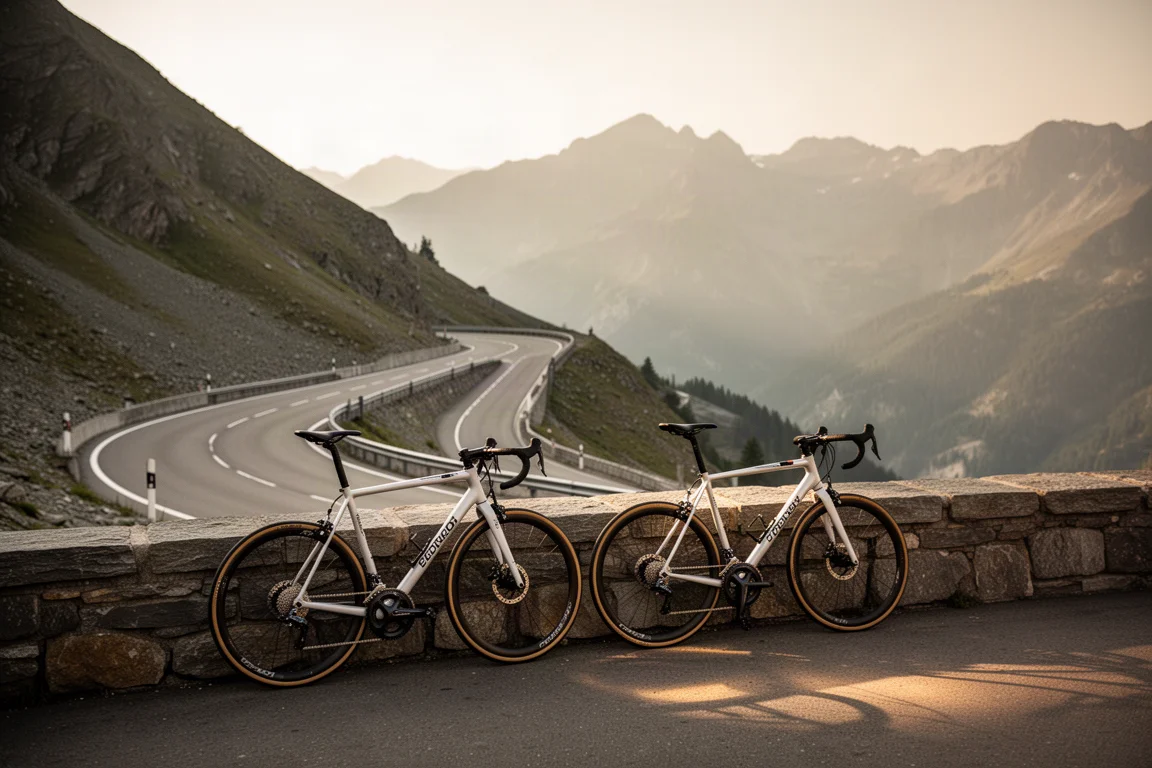
If a lightweight climbing frame is what you are after, this is the part of the market to watch closely.
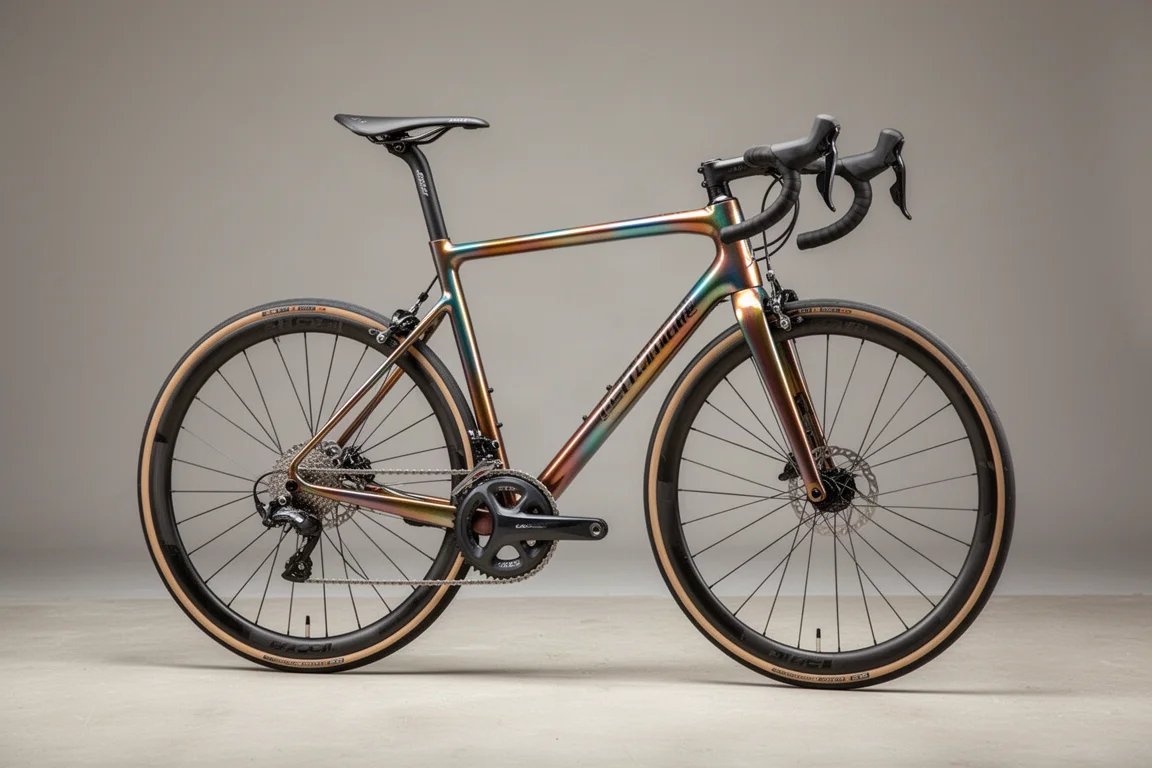
Scott Addict RC30
The Addict RC30 is the quiet one of the group. At £1,800 it flies under the radar compared to the Giants, Specializeds and Treks, but it is a genuinely nice riding bike, and the frame here is fully internally routed with an aero seat post and a clean, modern silhouette.
The build uses a mechanical Ultegra eleven-speed group set, and the listing notes new wheels and tires. The fitted DT Swiss R470 aluminium wheelset is modest, but the money you save against a new Addict leaves plenty of room for a set of carbon hoops, which would turn this into a very impressive bike for the total outlay.
The paintwork looks tidy and there are no obvious scratches in the photos. The size is a 54, which suits a medium rider.
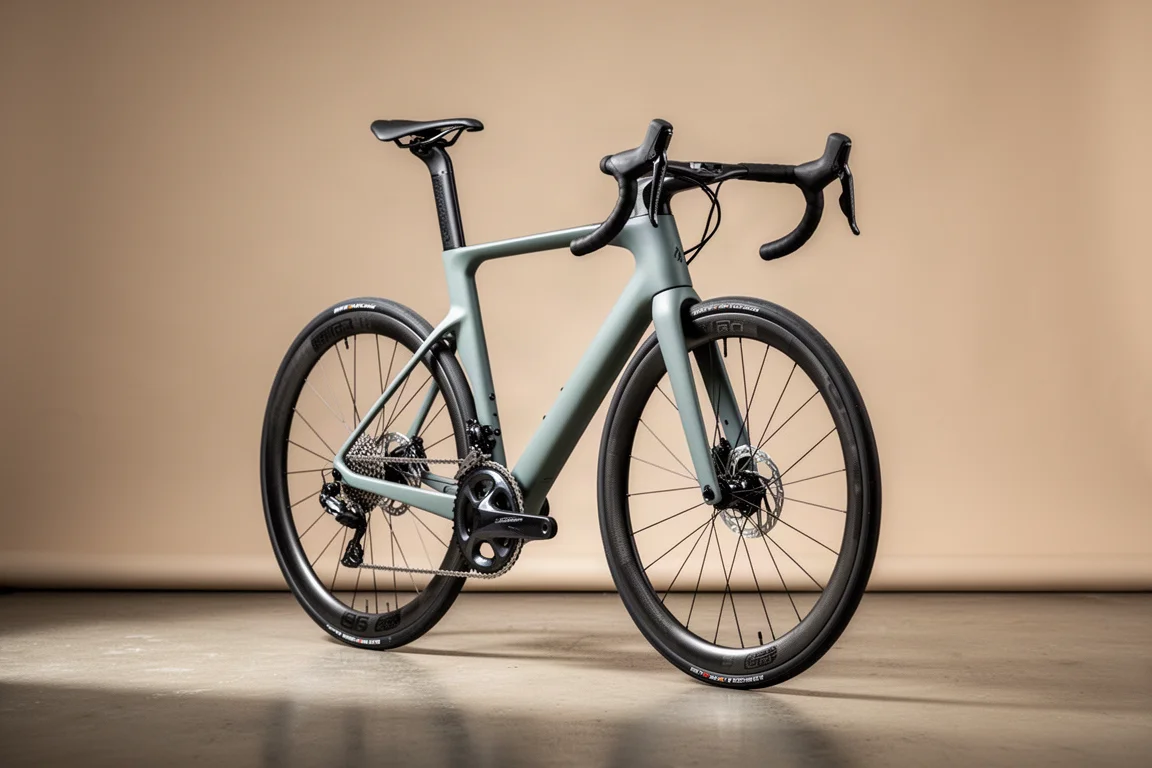
Specialized Tarmac SL6
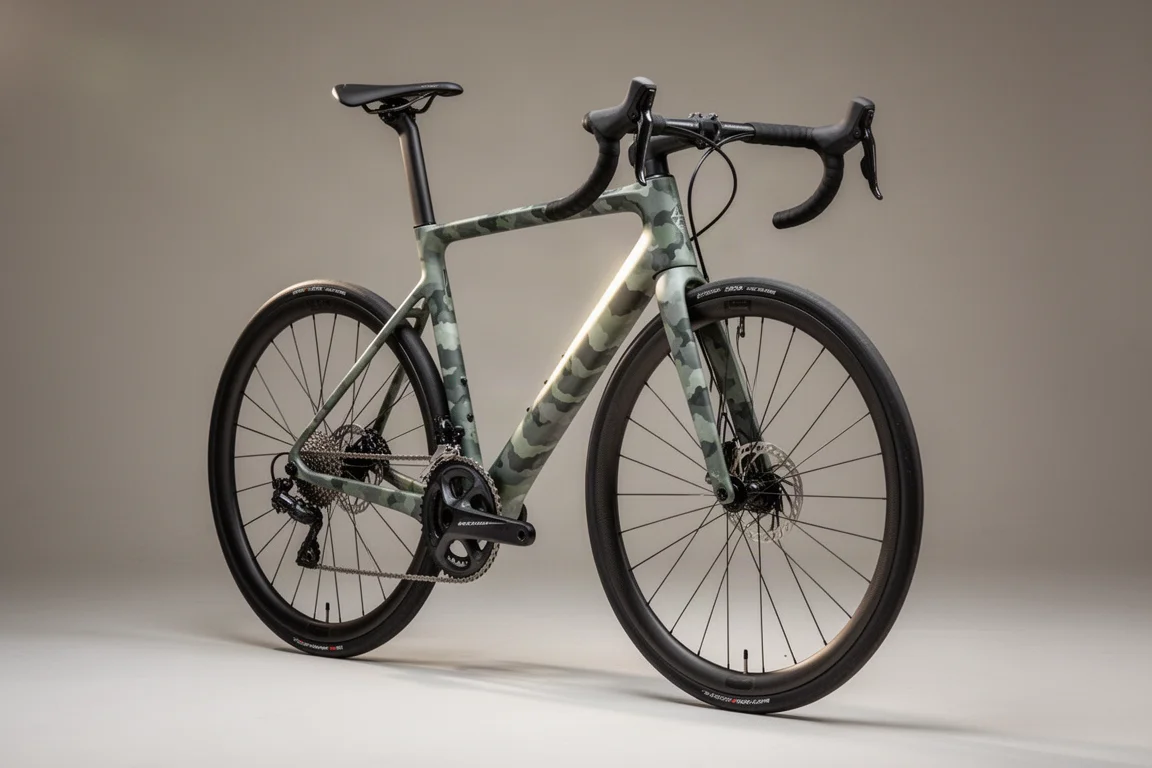
The Tarmac SL6 is the model that opened this whole comparison, and it remains a very capable bike. It is light, quick-handling and thoroughly sorted on the road, and it still looks sharp years after launch.
This example is £2,000 in a size 61, with mechanical Ultegra and a camo paint scheme. That size is on the large side, so smaller riders will need to look elsewhere, but the bike itself is a strong buy at the money.
Specialized Tarmac SL7
When Specialized launched the SL8, the SL7 moved down the range rather than out of it, and it is still sold new as the more affordable option. That makes the SL7 one of the smartest used purchases in the whole Tarmac family.
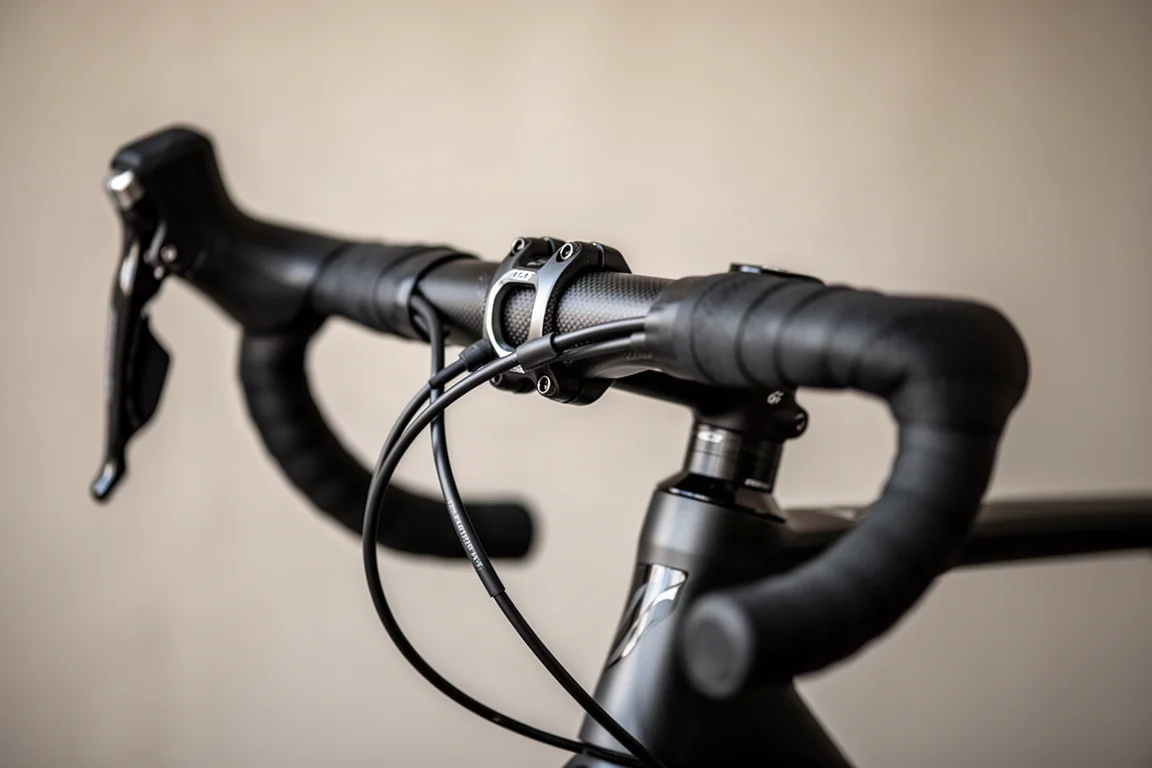
This particular bike is listed at £3,600 with a compelling specification: a Shimano Dura-Ace crank set with an integrated power meter, the rest of the drivetrain in Ultegra Di2, a Darimo carbon seat post, carbon wheels and Continental GP5000 tires. Darimo is a Spanish brand known for exotic lightweight carbon parts, so the seat post represents a meaningful weight saving.
The paint fade looks excellent and the bike appears well maintained. One detail worth tidying is the Di2 junction box mounted under the stem, which can be moved into the handlebar with the appropriate part.
It will not be as light or as aerodynamic as an SL8, but performance is still very high, and the price reflects the generation rather than any real shortcoming.
Specialized Aethos
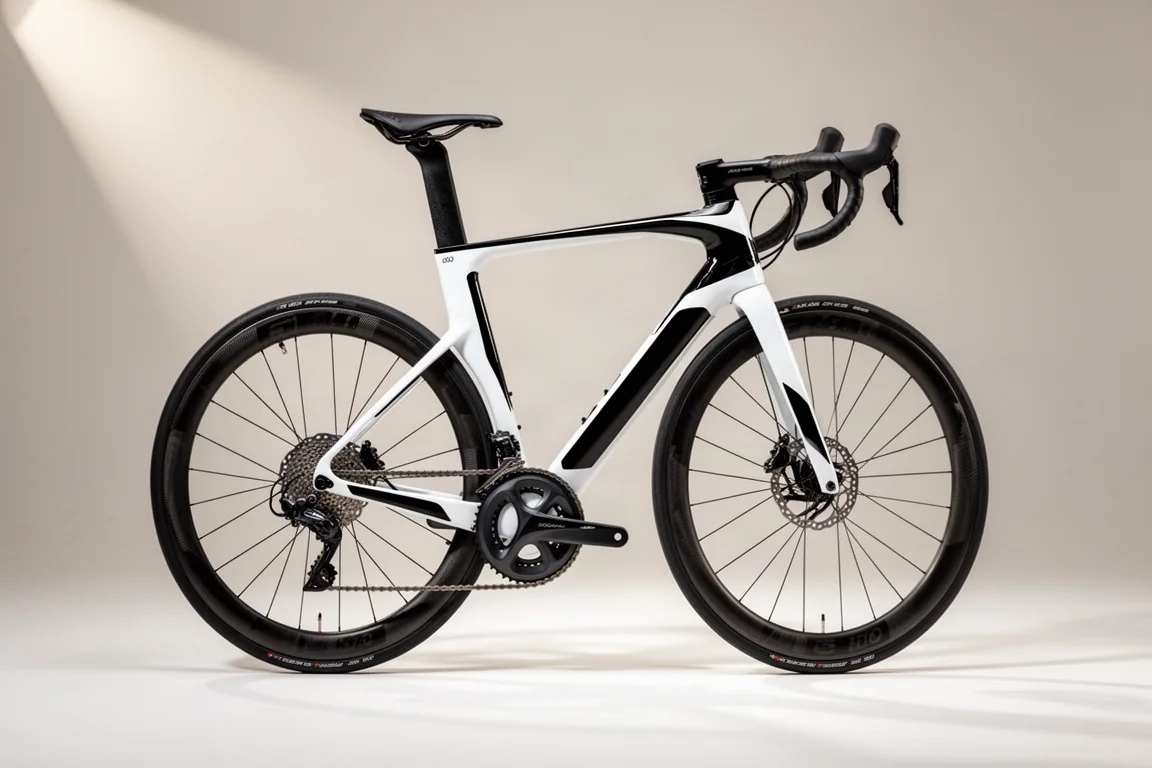
The Aethos takes a deliberately different approach: a lightweight road frame with no integration and no aerodynamic shaping, which makes it simple to live with and easy to upgrade. It has been on the market for a few years now, and prices are starting to soften.
This example runs SRAM Rival AXS at £3,000, against a new price of around £6,000. The frame is superlight, the Roval wheels suit it well, and the two-piece handlebar and stem is a design many riders prefer for its adjustability. There is a scuff on the cranks to note, and the listing shows a top tube clamp in one photo, which is not ideal on a carbon frame, though the pressure involved is minimal.
Specialized Aethos Pro
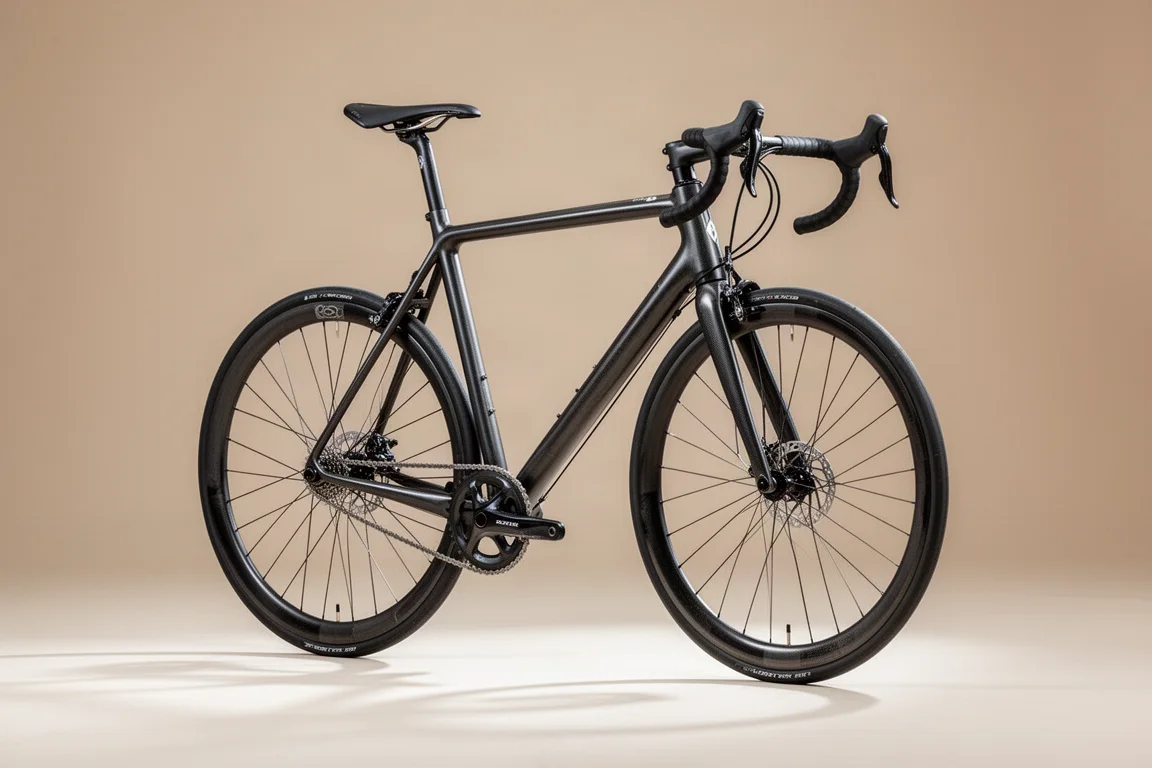
The Aethos Pro is the higher-spec version of the same idea, and this one is listed at £4,100 in a size 56 with Ultegra Di2 eleven-speed and Roval carbon wheels. A new example currently sells for around £8,200, so the saving is close to the full price of the bike.
The newer bike does move to twelve-speed Ultegra, but the size of the saving here is large enough to cover a twelve-speed group set upgrade and still leave money in your pocket. As it stands, the bike looks ready to ride and clean throughout.
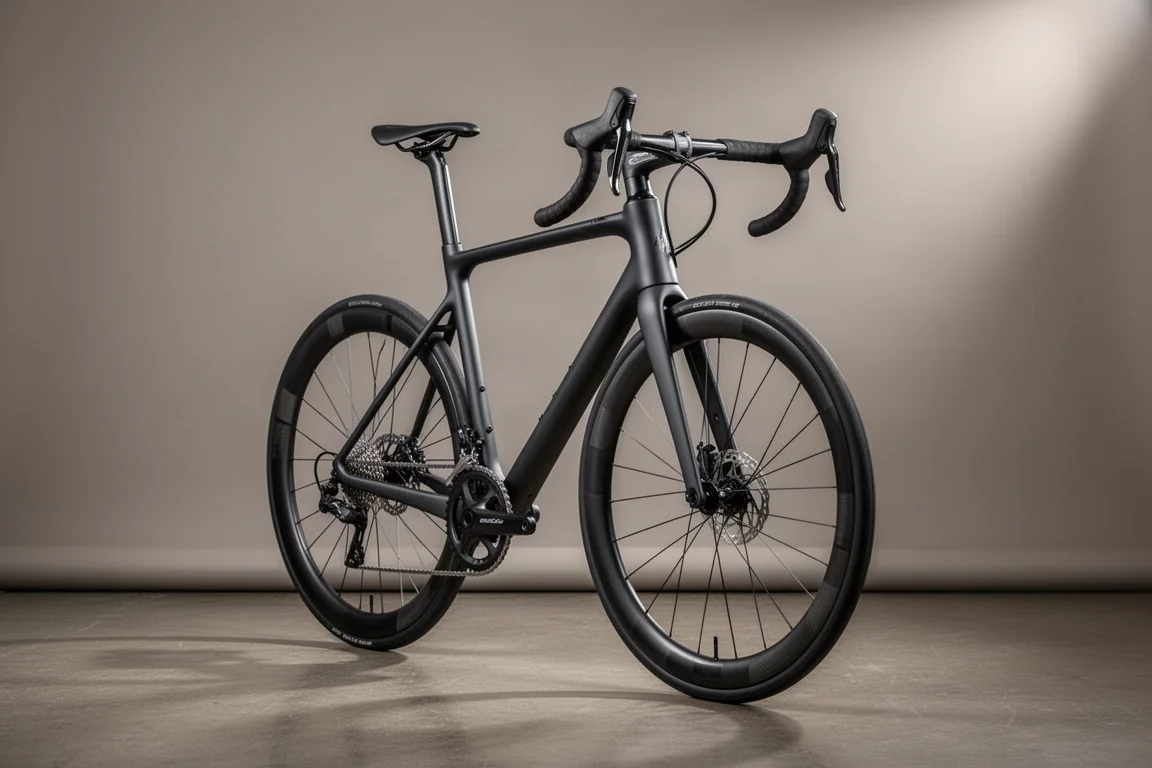
Overall Buying Advice
Across all of these listings, a few habits separate a good purchase from a risky one.
Study the photos closely for impact marks, particularly on top tubes and chainstays, and ask for extra images of any area that looks suspect. Missing parts such as brake rotors are cheap to replace, but they hint that a bike may not have been maintained with much care. A tall stack of stem spacers, on the other hand, often signals light use.
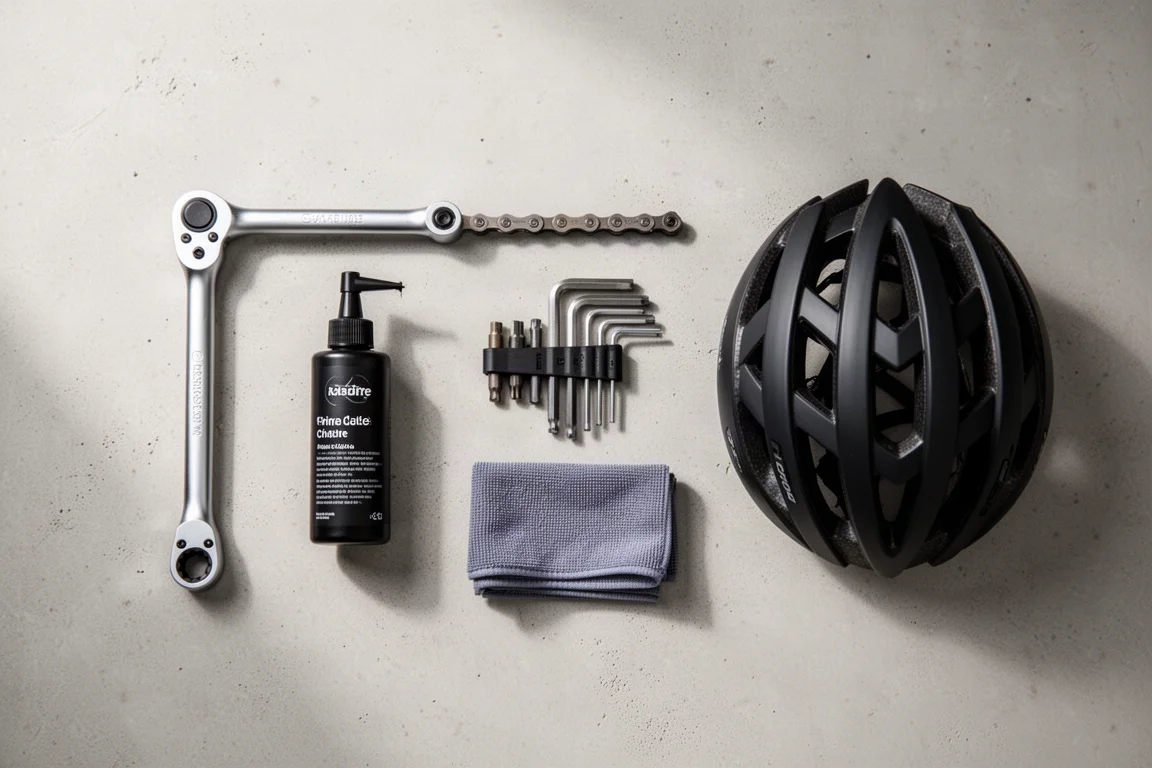
Factor a professional service into your budget, and if a frame has a mark you are unsure about, have it assessed by a carbon repair specialist before riding it hard. There is enough choice in this market that you can afford to be fussy and wait for a bike with a clean history and the right size.
Conclusion
The gap between a new flagship and a two-year-old bike from the same family is wider than it has ever been, and most of what you give up is a generation badge. Of everything here, the Aethos stands out as the most appealing proposition: it is one of the lightest road bikes you can buy, it needs no proprietary integration, and it is straightforward to maintain and upgrade. Whichever model you choose, buying nearly new puts genuinely modern performance within reach for a fraction of the showroom price.
Further reading
Related Reviews

Road Bikes
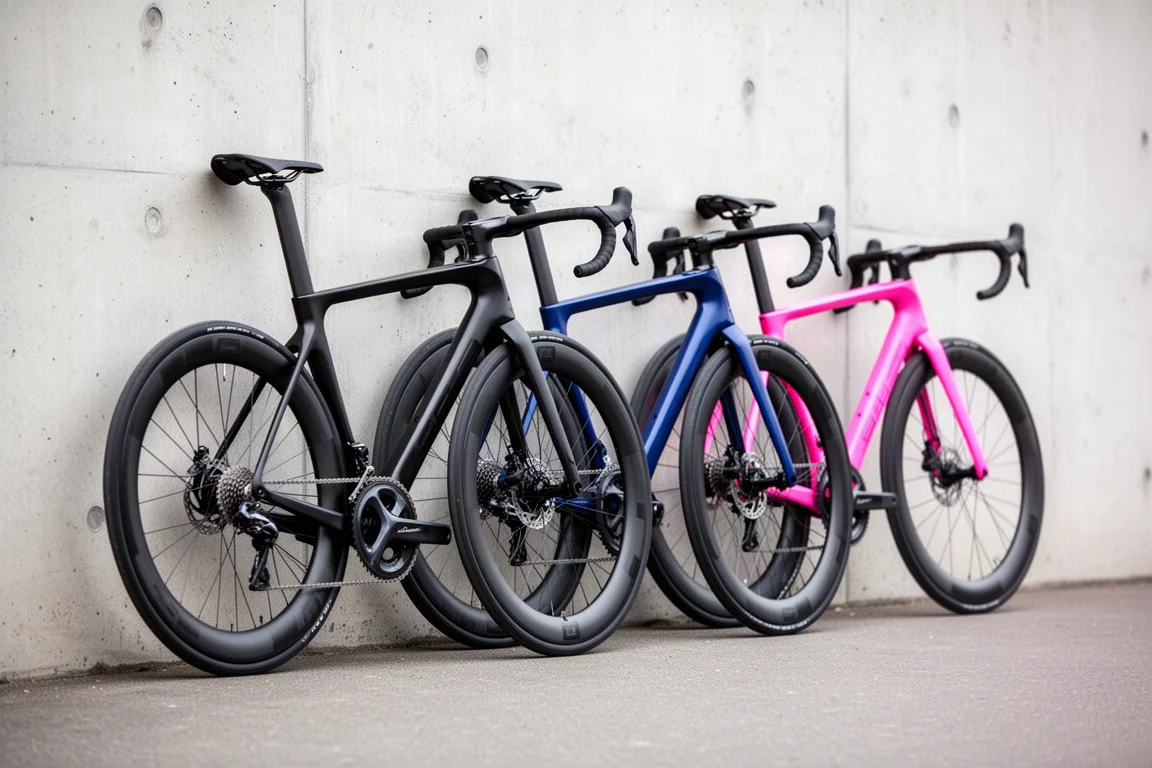
10 New Road Bikes Worth Watching: Aero, Titanium, Steel and Endurance Standouts
A practical roundup of 10 new road bikes, from aero flagships chasing single-watt gains to titanium, steel and endurance platforms built for real roads.
Road Bikes
2026 Tour de France Road Bikes: Six Race Machines Worth a Closer Look
Six race bikes from the 2026 Tour de France grid, reviewed for paint, silhouette, wheels and the specification details that matter to buyers.
Road Bikes
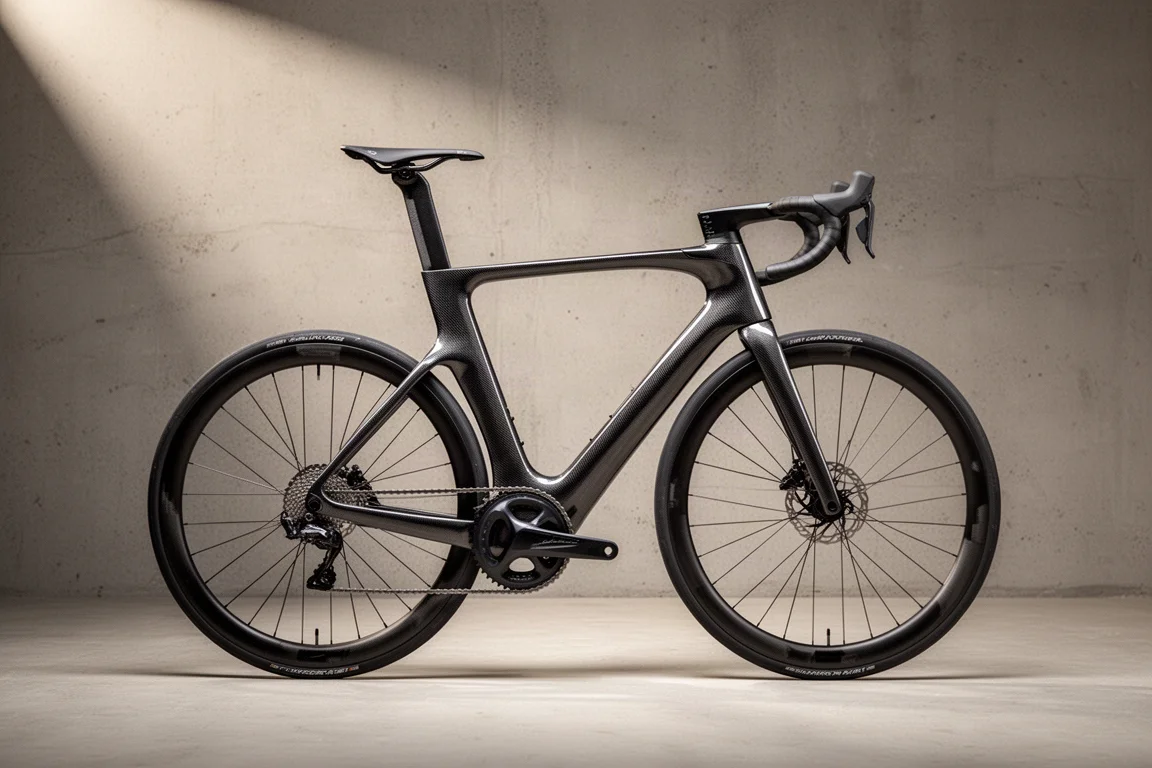
3T Strada Italia Review: A Radical Aero Road Bike That Rides Smooth
A made in Italy carbon aero road bike with a deep head tube, wide tire clearance and a genuinely comfortable ride. Here is what to know before buying.