Stationery
Seven Uniquely Overengineered Japanese Erasers Worth a Look
From a 28-corner eraser to a motorized electric model, these Japanese erasers solve specific erasing problems with surprisingly clever engineering.
Introduction
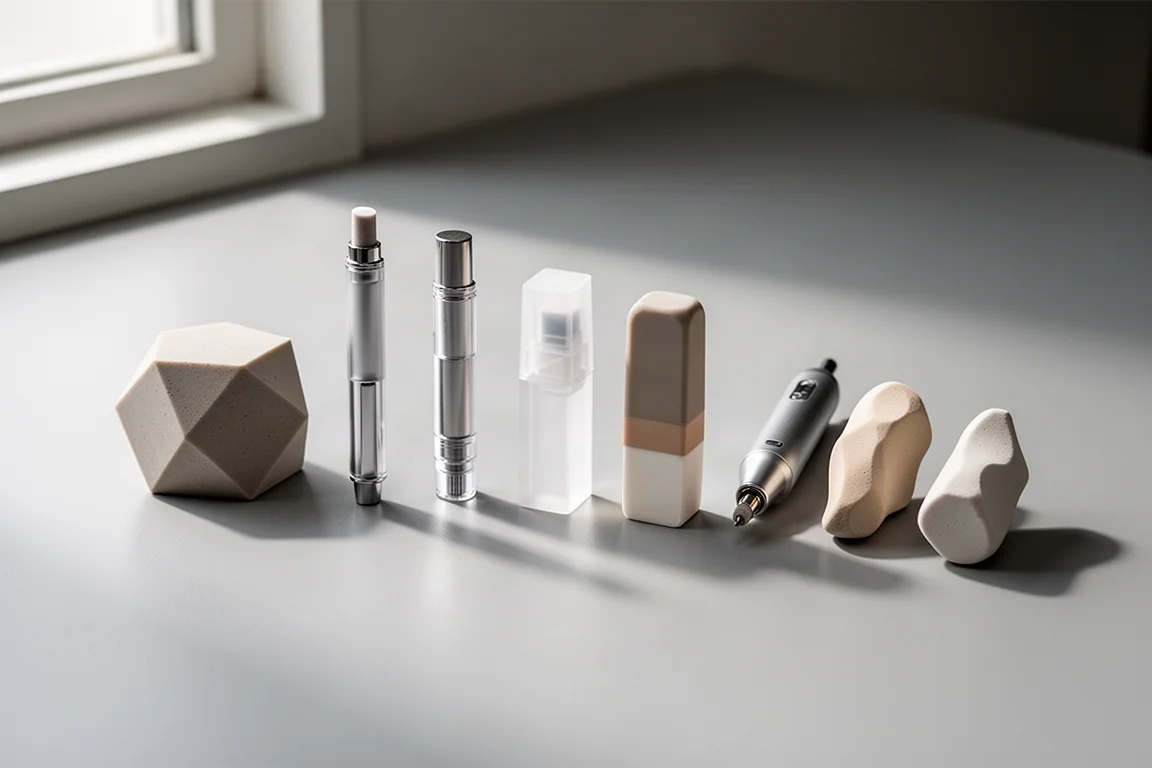
Most of us grew up with a standard pink rubber eraser, maybe graduating to a white plastic one later on. Japanese stationery makers, however, treat the humble eraser as an engineering challenge. The result is a category full of unusual shapes, motorized mechanisms, transparent bodies, and precision tips, each designed to solve a specific erasing problem. Here are seven of the most unique, and possibly most overengineered, Japanese erasers you can add to your pencil case.
Endless Corners: Kokuyo Kadokeshi
A normal eraser gives you eight corners to work with. The Kokuyo Kadokeshi takes that idea to the extreme with 28 corners, which means you will almost always have a sharp corner available for clean, precise erasing. The many inner corners are not meant to be reached right away; they become accessible as the eraser wears down. If you do want to use an inner corner early on, expect to fiddle with the angle a bit to get it right.
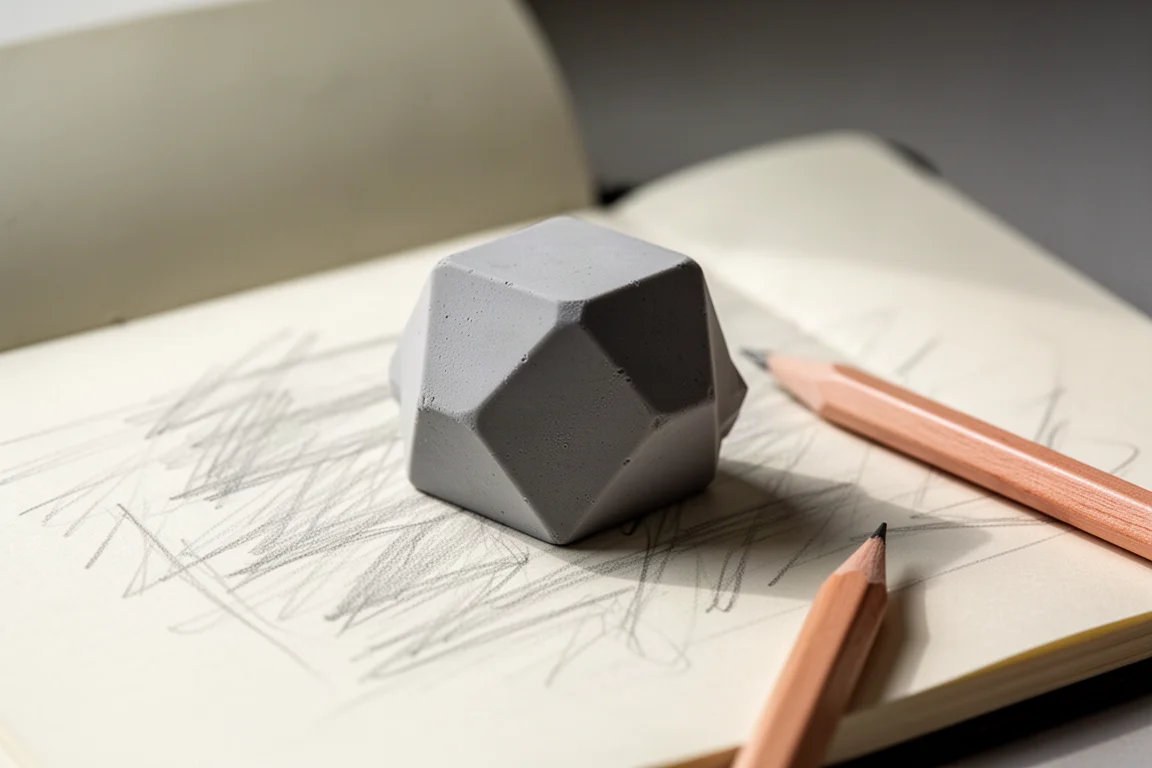
This is a fun, low-cost way to always have a fresh sharp edge on hand, and it works especially well for people who erase small details frequently.
Motorized Erasing: Sakura Sumo Grip Electric Eraser
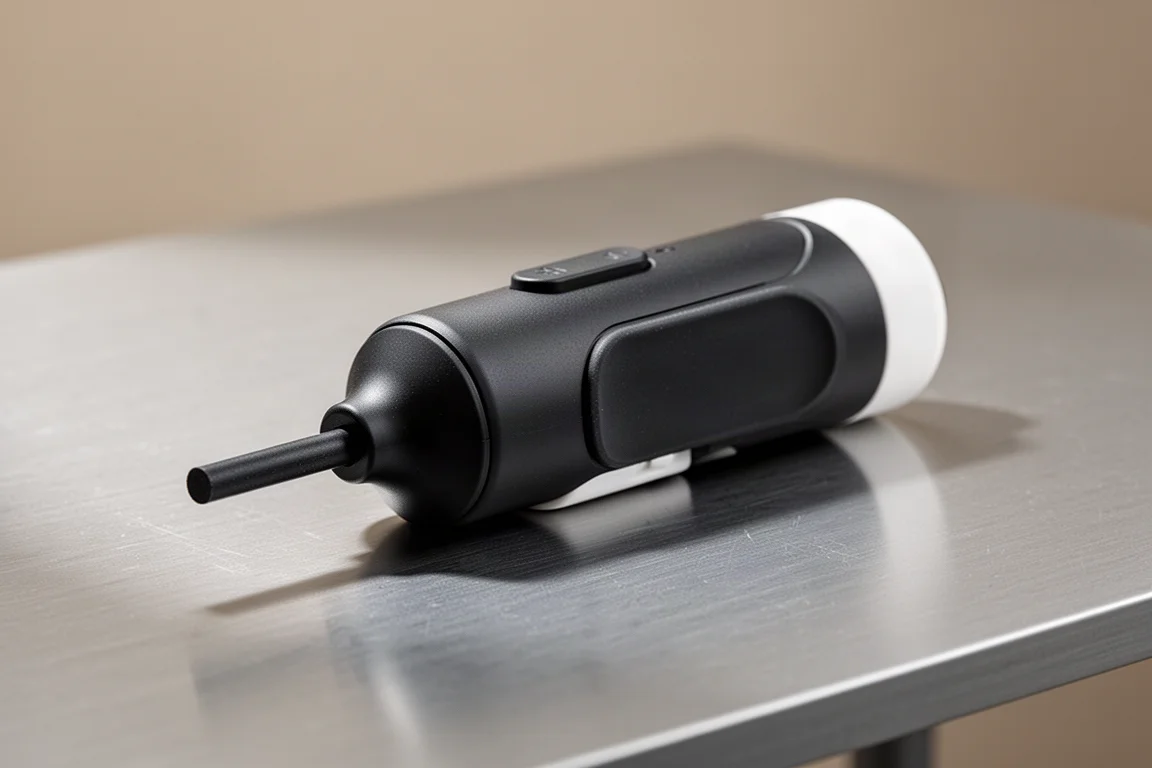
When it comes to overengineering, the Sakura Sumo Grip Electric Eraser takes the cake. Built for cleaning up art projects, diagrams, and similar work, it pairs a powerful yet quiet motor with a precise 4.5 mm tip. The motor rotates the eraser an impressive 10,000 times per minute, so erasing happens quickly and evenly with very little pressure.
It also comes prepared for the long haul, with 20 eraser refills and two eraser holders included in the box.
Precise Erasing: Kokuyo Mirikeshi Eraser
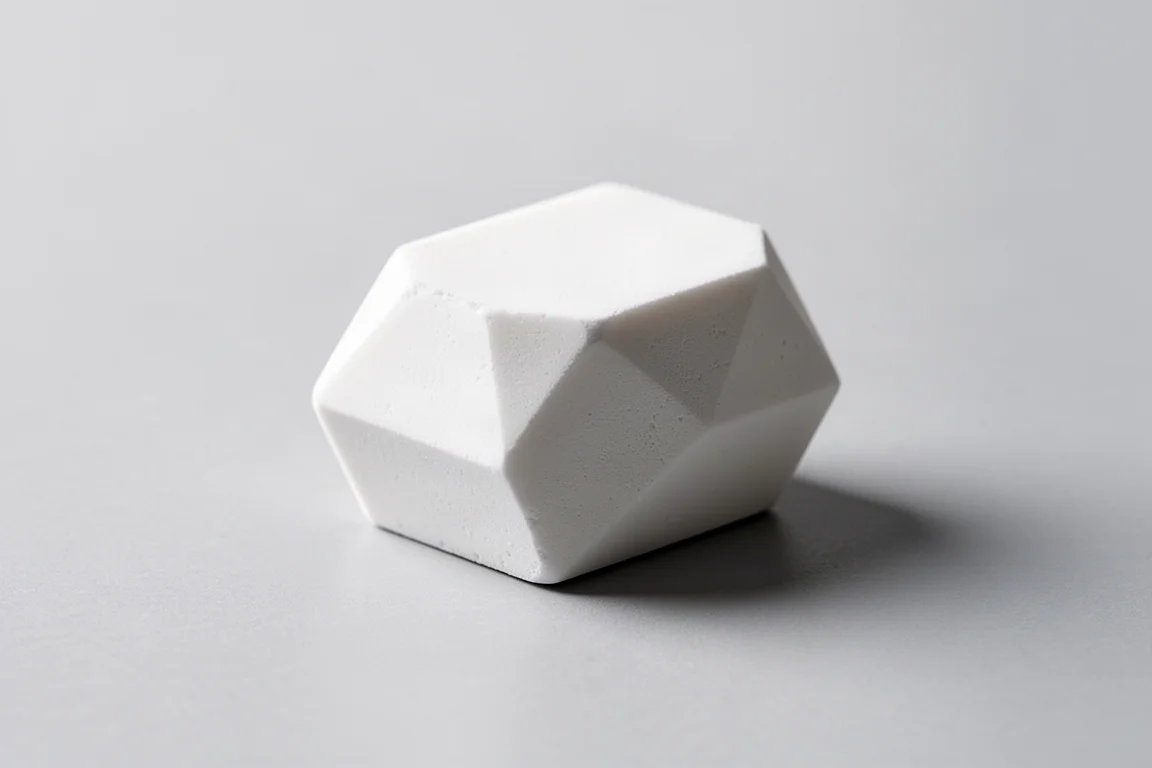
The Kokuyo Mirikeshi Eraser has an odd shape, but there is more to it than meets the eye. It offers five edges of different widths so you can match the eraser to the size of your mistake. The corner, 3 mm, and 4 mm edges are ideal for single letters or small errors, while the 5 mm and 6 mm edges handle entire lines or larger handwriting.
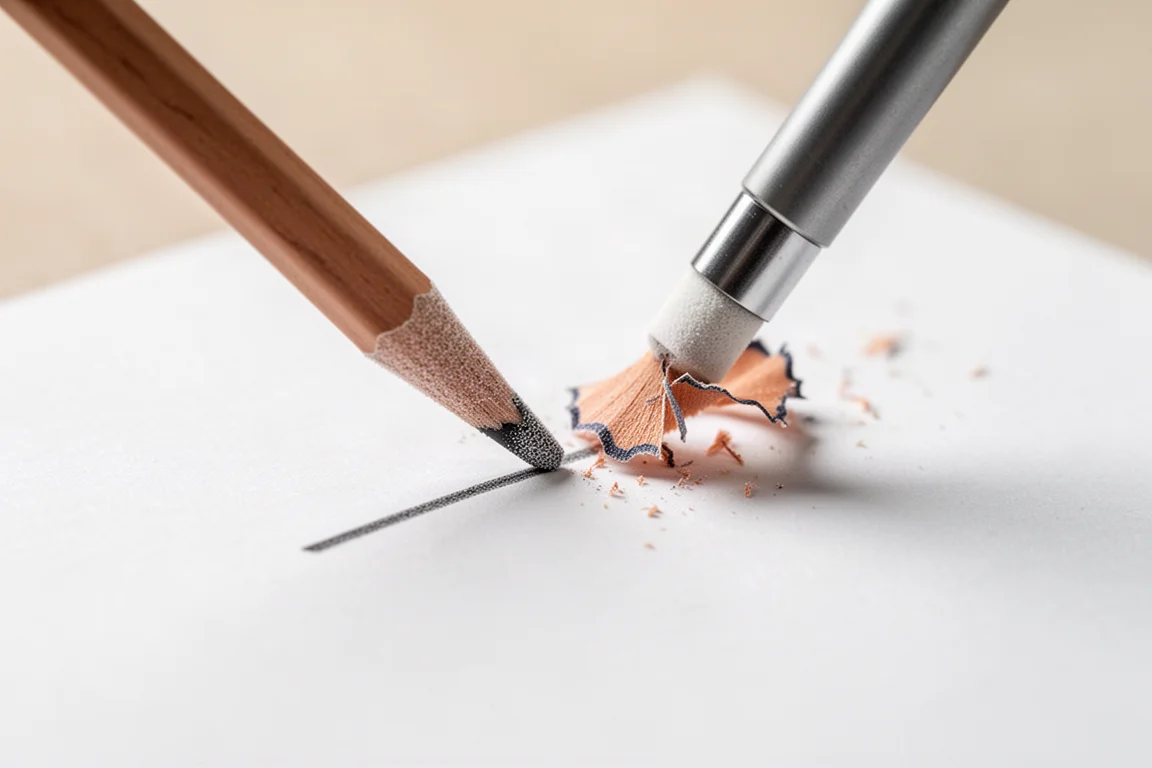
It is also available in a fun mini size if you want to carry the same idea in a more compact form.
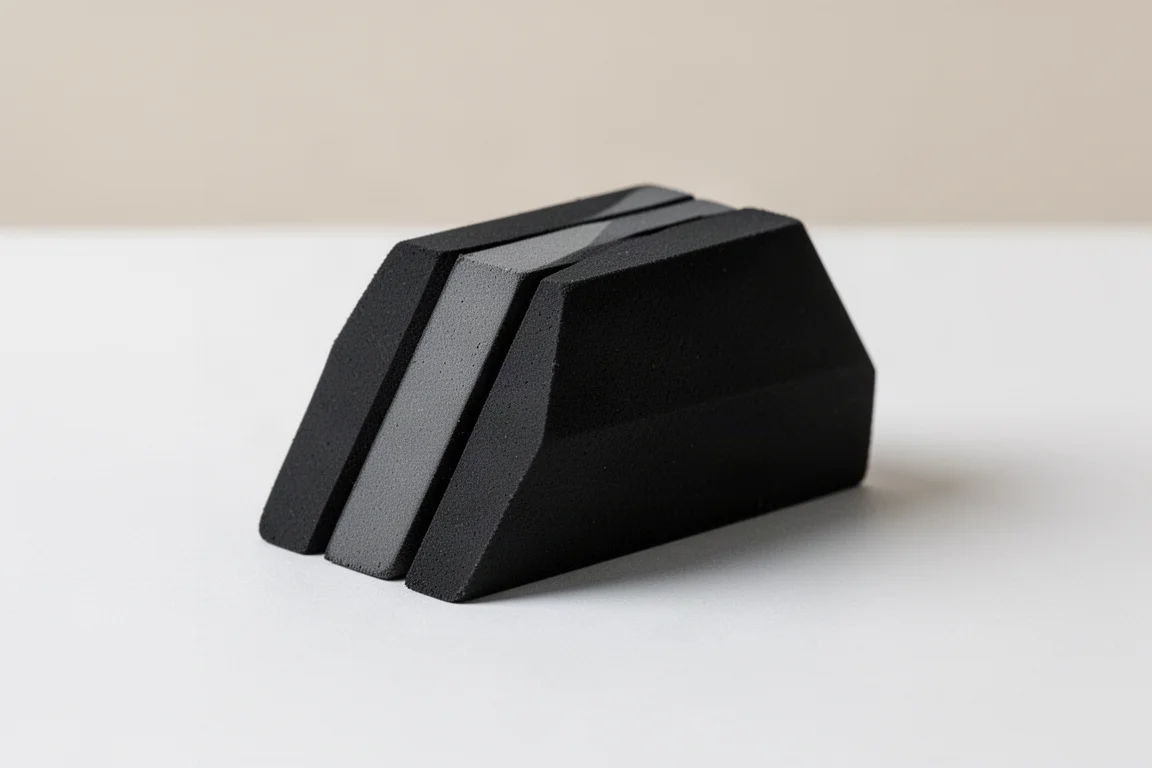
Slim Designs for Tight Spaces: Tombow Mono Zero and Seed Slendy
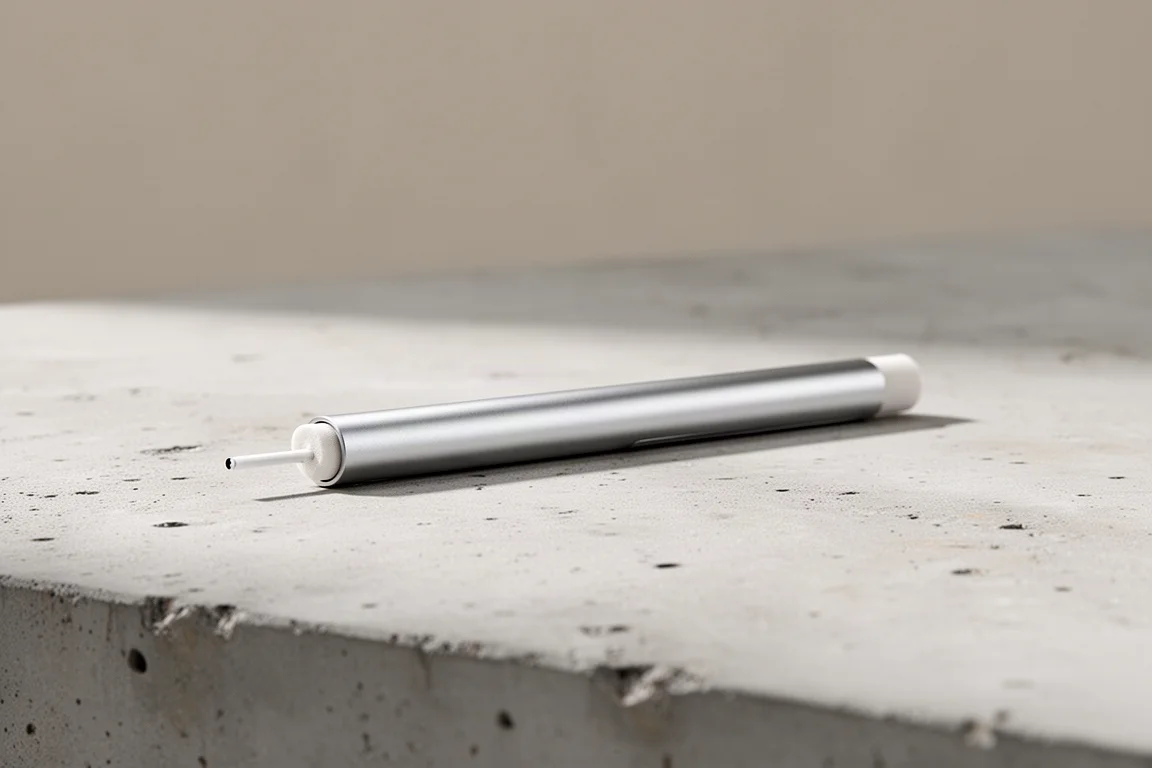
For incredibly precise erasing, the Tombow Mono Zero Retractable Eraser is hard to beat. It uses Tombow’s iconic Mono eraser formulation and comes in two tip options: a 2.3 mm round eraser and a 2.5 mm rectangular eraser. The refill sits in a sturdy metal holder with a clip that attaches easily to books or pockets, so it travels like a pen rather than a block eraser.
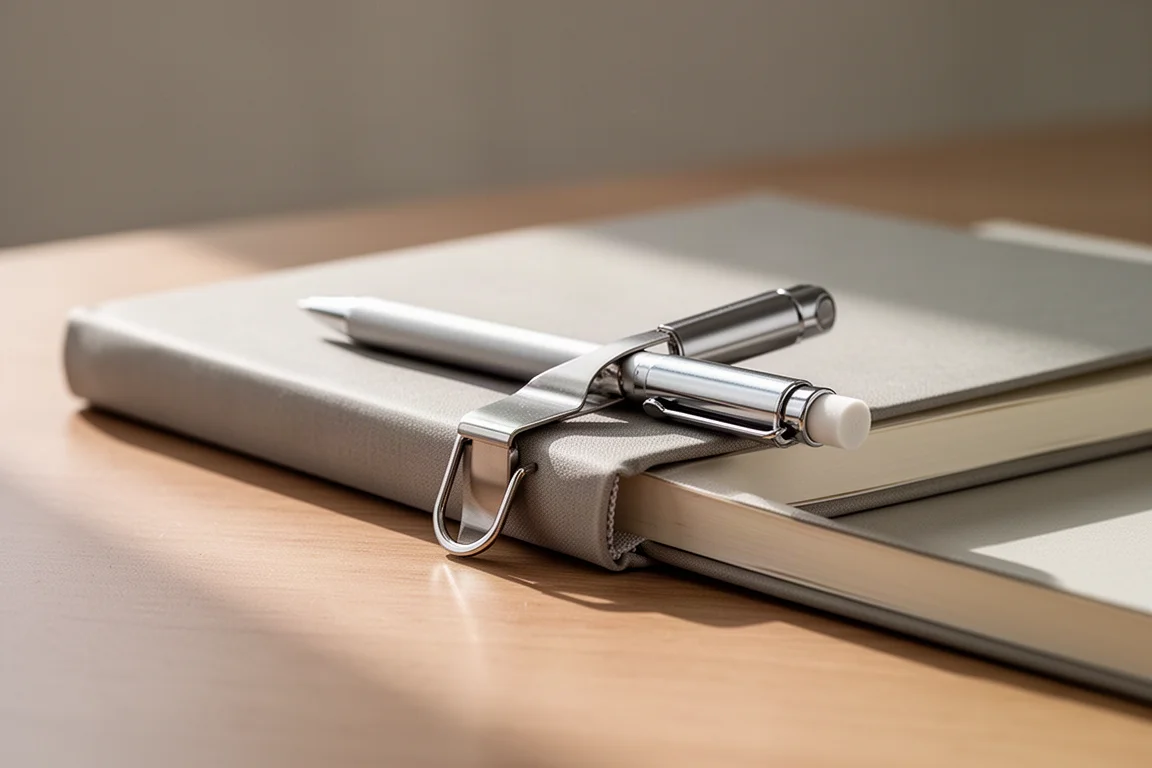
If you want to go even slimmer, the Seed Slendy + Super Slim Knock Eraser is an impressive 2 mm wide. A strong metal sleeve firmly holds the eraser in place so it will not break easily, and the ultra slim design lets it attach to a notebook without adding much bulk.
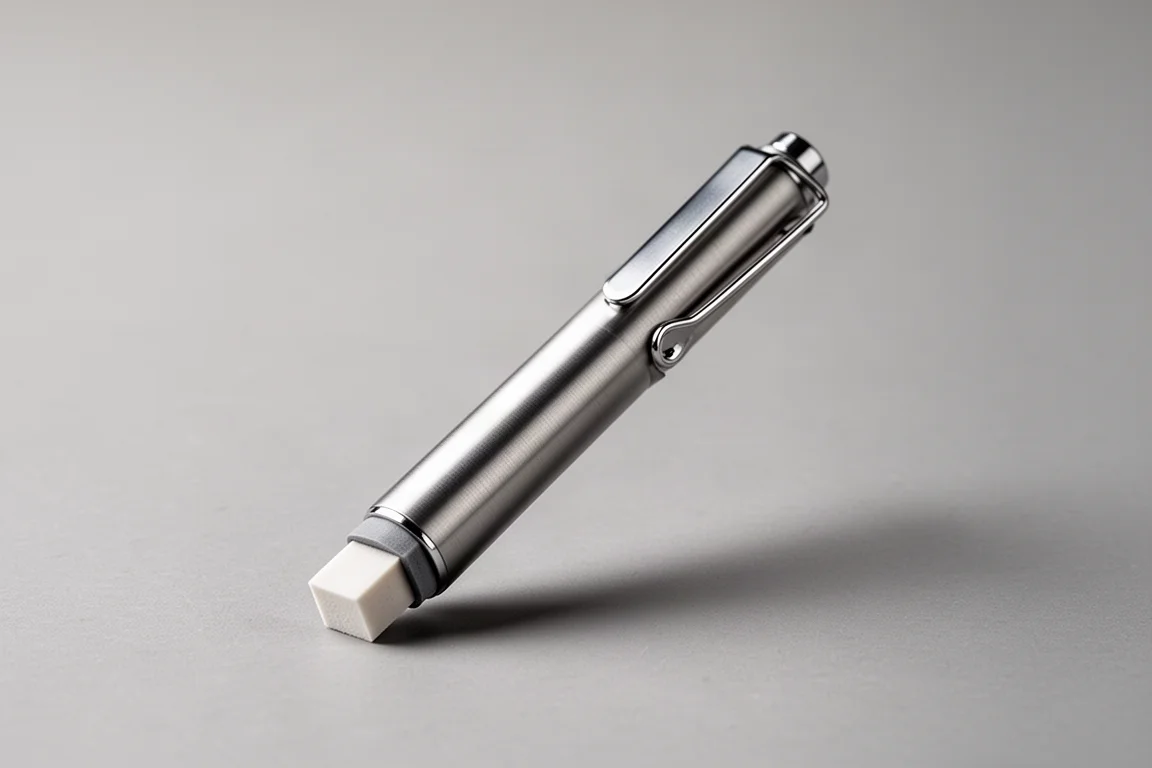
Transparent Body: Seed Clear Eraser
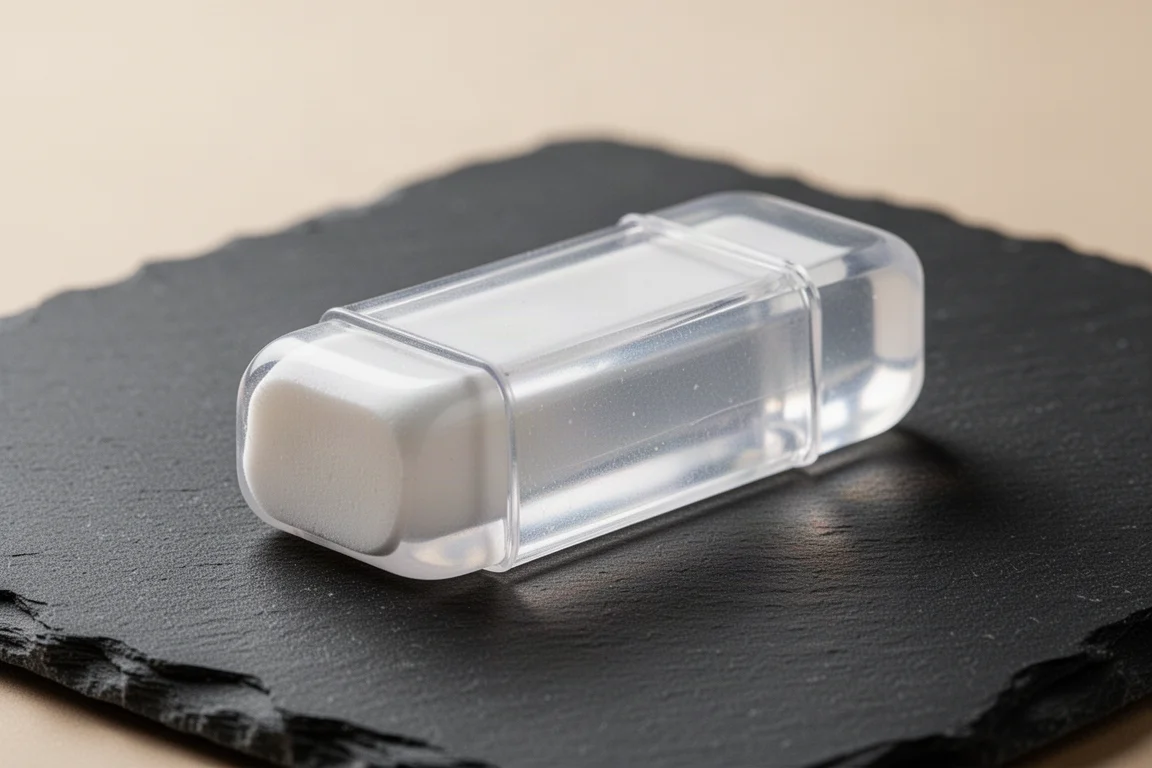
Have you ever used a transparent eraser? The Seed Clear Eraser is made of see-through plastic, so you can see exactly where you are erasing on the page. Because of its soft material, the shavings clump together rather than scattering as dust, which keeps your desk cleaner. The sleeve also has notches in its corners that distribute pressure between the eraser and the sleeve, reducing the chance of nicks while erasing.
Two-in-One: Nakabayashi Logical Eraser
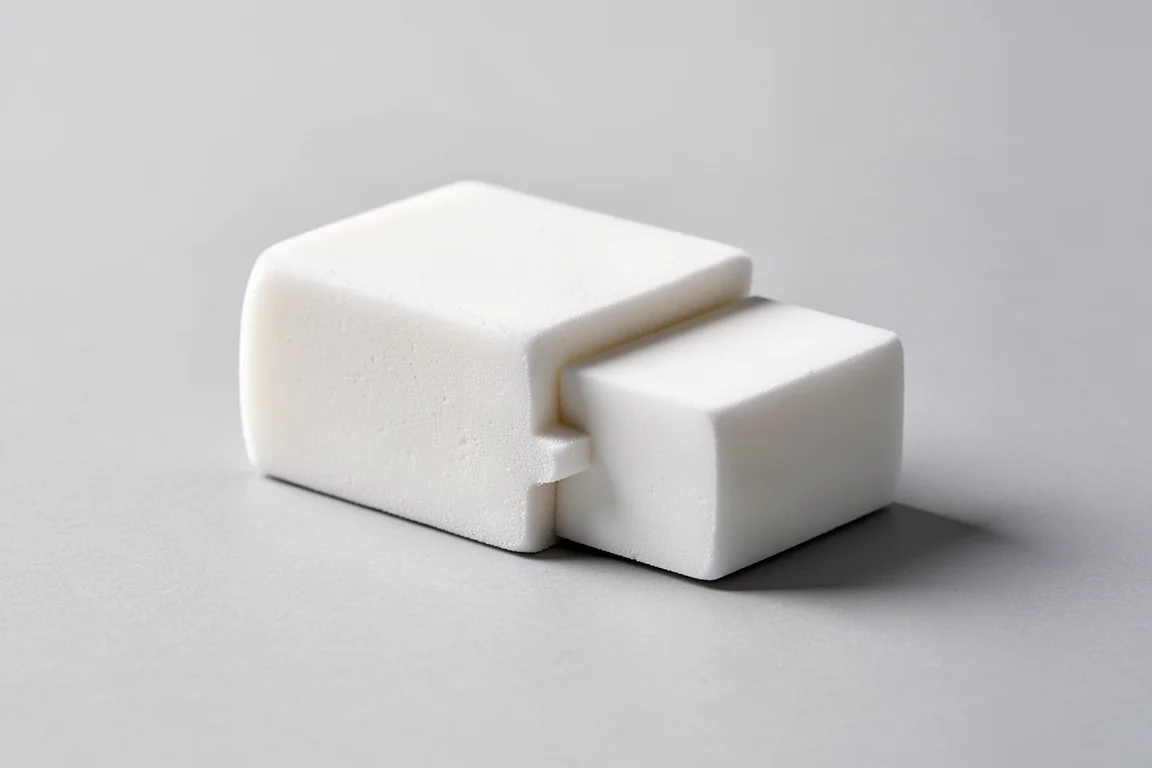
The Nakabayashi Logical Eraser is really two erasers in one. The larger white section is softer and geared toward erasing large areas with a light touch, while the narrow black section is firmer and designed for removing small mistakes. You slide the bottom forward for precise erasing, then push it back in the other direction when you want to use the larger section.
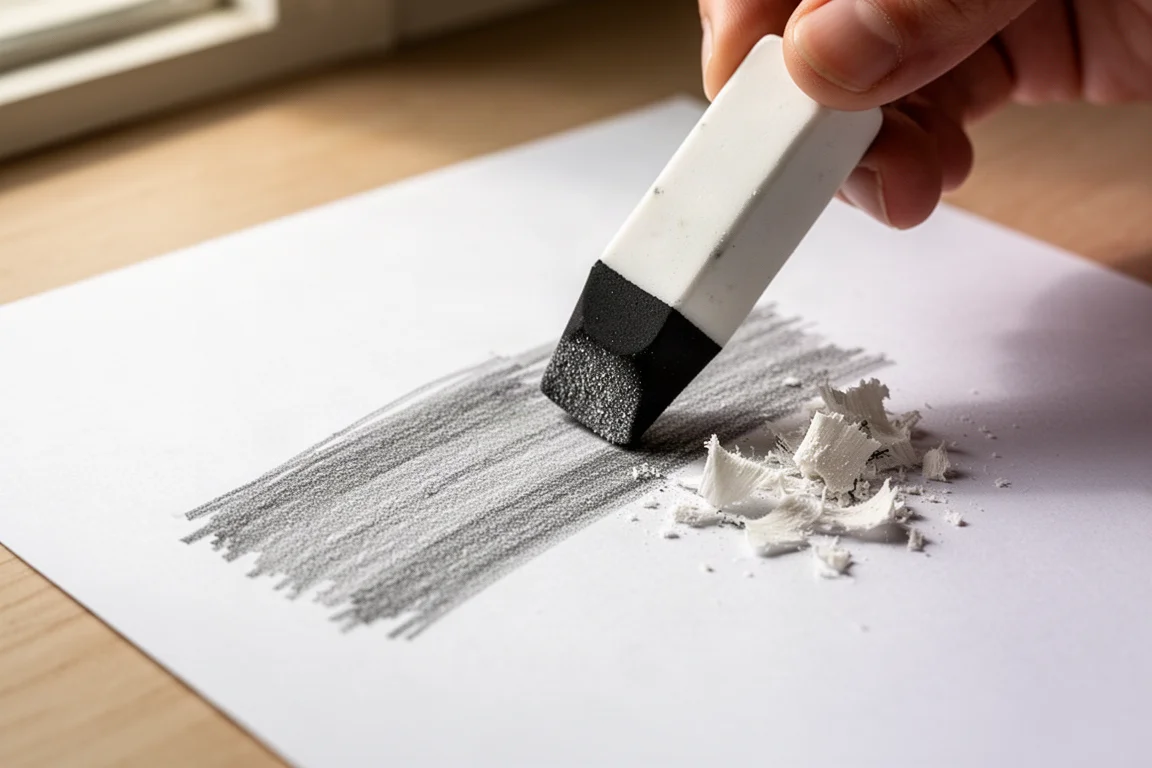
Both sections are made of a dust-gathering polymer, so the shavings clump up for easy cleanup instead of scattering across the page.
Overall Buying Advice
The right pick depends on what you erase most. Detail-heavy artists and technical illustrators get the most from the Tombow Mono Zero, the Seed Slendy, or the electric Sakura Sumo Grip. Writers and students who fix small errors will appreciate the Kokuyo Mirikeshi or the Kadokeshi’s endless corners. The Seed Clear and Nakabayashi Logical round out the list for anyone who values clean erasing and easy shavings cleanup.
Conclusion
Japanese erasers prove that even the most ordinary desk tool can be rethought from scratch. Whether you want more corners, motor speed, slimmer tips, or a transparent body, there is a design here that turns erasing into a surprisingly satisfying part of the writing process.
Further reading
Related Reviews
Stationery
Musgrave Pencils Review: Four Classic Pencils from Tennessee's Last Pencil Factory
We put four Musgrave pencils to paper, from the classic Harvest to the Unigraph 1200 drawing pencil, to see what a century-old Tennessee workshop can still do.
Stationery
Fountain Pen Tiers Explained: From Starter Pens to Luxury Grails
A practical overview of the different levels of fountain pens and inks, from a sub-$20 starter setup to Italian piston fillers and retractable gold-nib everyday carries.
Stationery
HP Premium 32 lb Copy Paper Review: A Fountain Pen Friendly Everyday Printer Paper
A heavy, smooth 120 GSM copy paper that handles fountain pens far better than standard printer stock, with only minor trade-offs in shading and sheen.