Splitboarding
Union Expedition Splitboard Bindings: A Few Seasons In
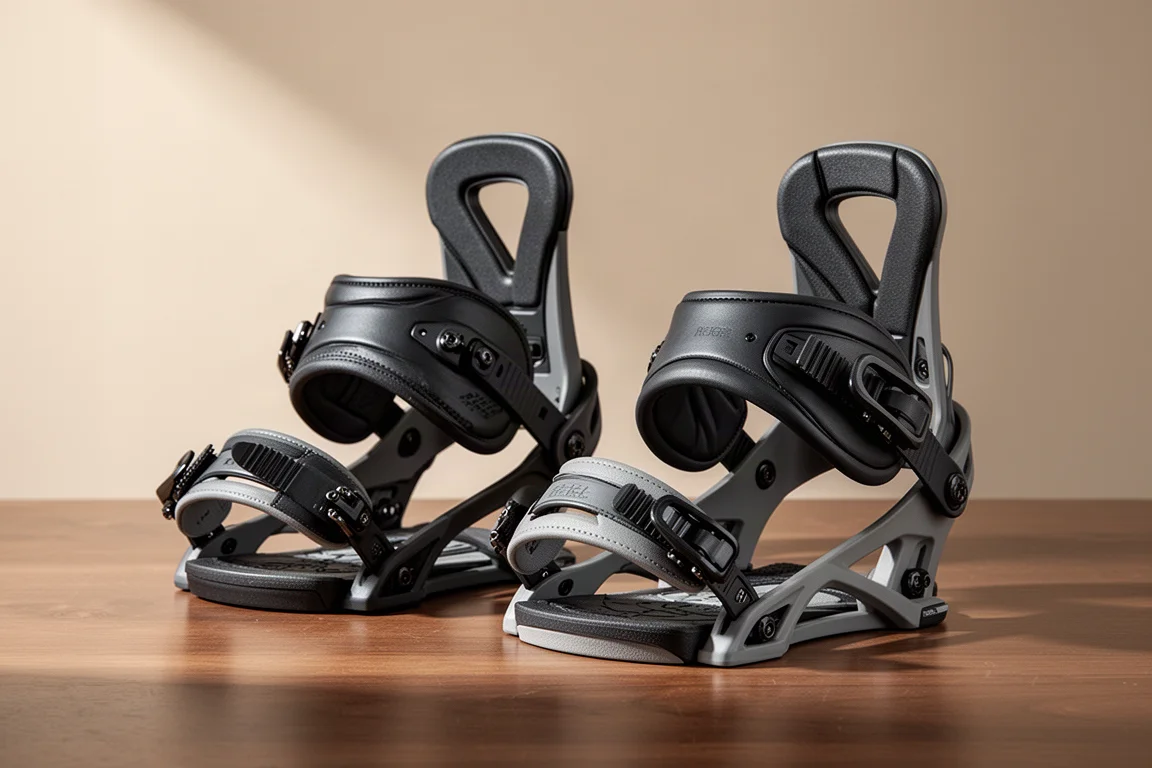
After multiple seasons of use, the Union Expedition has proven itself as a splitboard binding that trades a slightly slower transition for a much more natural ride down.
Introduction
Splitboard bindings always involve a compromise: how fast you transition versus how good the board feels on the way down. The Union Expedition leans clearly toward the ride down, and after running it for a couple of seasons, it has earned a spot as a go-to binding for backcountry days where the descent matters most.
The version covered here is the 2020-2021 model, which fixed the three biggest problems from the original generation. Those refinements matter, and they are what make this binding easier to recommend than before.
Who This Product Is For
The Expedition is aimed at splitboarders who spend real time in the backcountry and care more about a natural, snowboard-like feel on the descent than about shaving seconds off transitions. If your days look like long approaches, variable snow, and a handful of turns in the trees, this is the kind of binding built around that rhythm.

Main Strengths
The core of the design is a pin-based system. You clear the snow, rotate the bindings onto the pucks, and the rotation helps press the splitboard together for a more solid, unified feel underfoot. That is the whole reason the ride down feels more natural: the materials, the straps, and the overall construction are closer to what you would expect from a regular resort binding.
Transitions are straightforward. Rotate until the binding locks into place, slide the pin through, flip to snowboard mode, and you are riding. It takes a couple of minutes, which is a little slower than some other systems, but the payoffs come on the descent. Despite that touring-friendly construction, the bindings remain very lightweight.
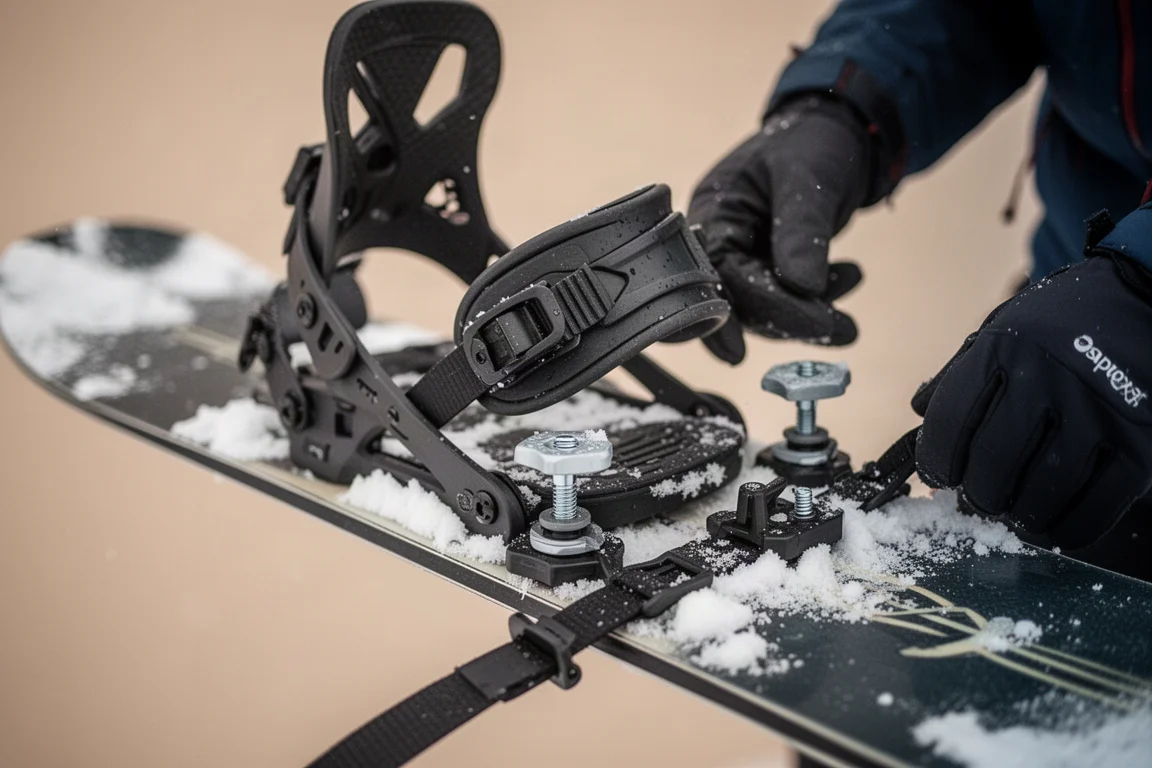
The newer version also adds stoppers, so you rotate the binding until it locks into exactly the right position for the pin to slide through correctly. That removes the guesswork and makes the whole process quicker and less fiddly.
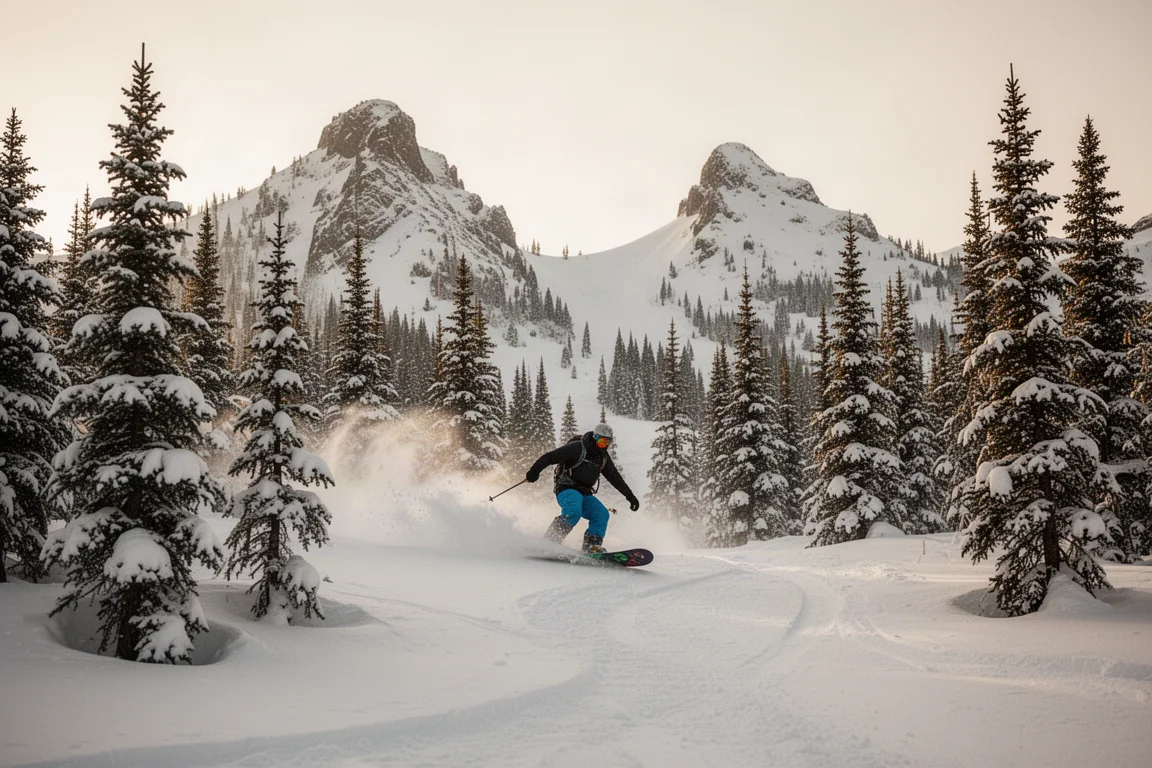
The pin itself now has a lock as well, which is a small detail that adds confidence when you are riding a line with sketchy, isolated terrain features. Minor on paper, but the kind of thing you stop noticing because it just works.
Things to Consider Before Buying
The main trade-off is transition speed. The pin-based system is a bit slower to switch than some competing systems, so if minimal transition time is your top priority, that is worth weighing against the improved downhill feel.
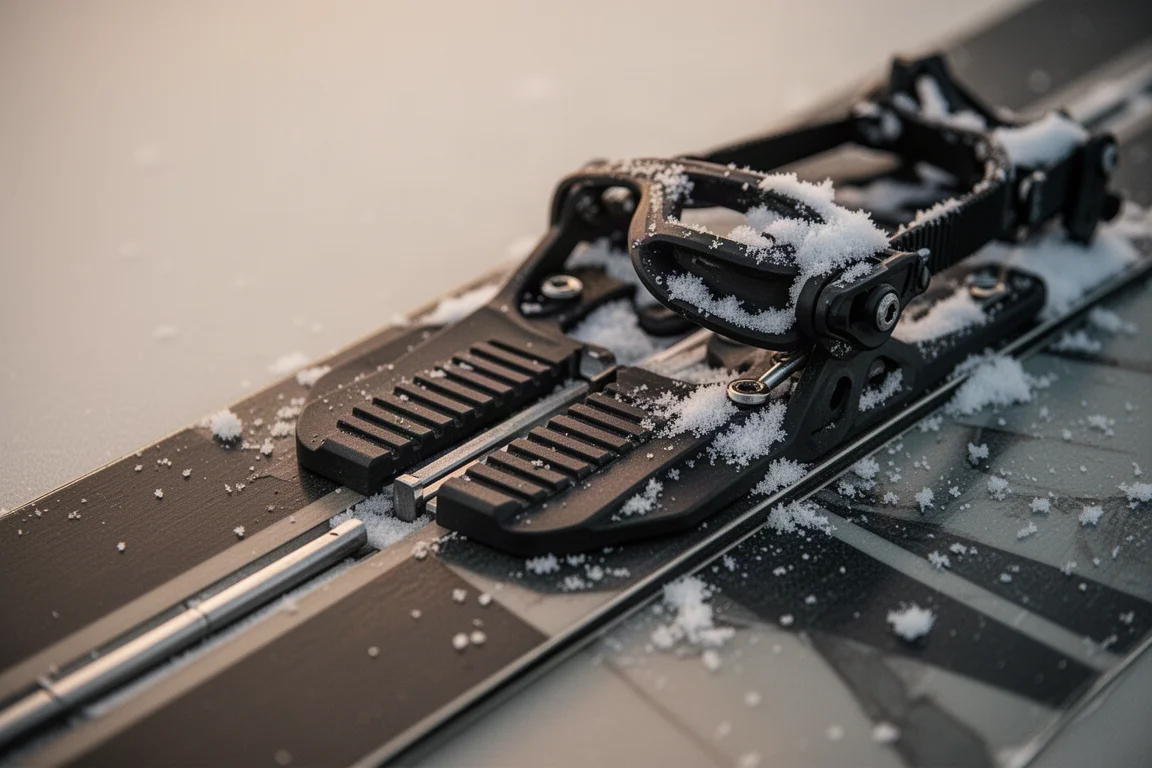
One other refinement worth knowing about: switching back to walk mode now benefits from small grooves added under the base of the binding. These guide the base into the exact position needed to line up for the pin to slide through the toe piece. It saves a little time on the transition back to touring mode, and it is one of the critical improvements that separates this version from the original model.
Buying Advice
If you are choosing a splitboard binding this season, the Expedition makes sense when your priority is a solid, natural feel on the descent and you can live with a slightly longer transition. The 2020-2021 generation resolved the original’s biggest frustrations, making it a much more complete package than the first version.
If you ride mostly mellow, short missions where speed of switching matters more than downhill feel, other pinless-style systems may suit you better. But for full backcountry days with long climbs and rewarding descents, the Expedition is a strong pick.
Conclusion
After a couple of seasons, the Union Expedition has held up well. It is lightweight, it presses the board together for a more solid ride, and the newer generation’s stoppers, pin lock, and walk-mode grooves fix the small frustrations that used to get in the way. For riders who want a snowboard-feel descent without giving up serious touring capability, it remains an easy recommendation.
Product link
View more details for Union Expedition
This product is mentioned in the review. Check the specifications, options, and compatibility before buying.
View more details for Union ExpeditionFurther reading
Related Reviews
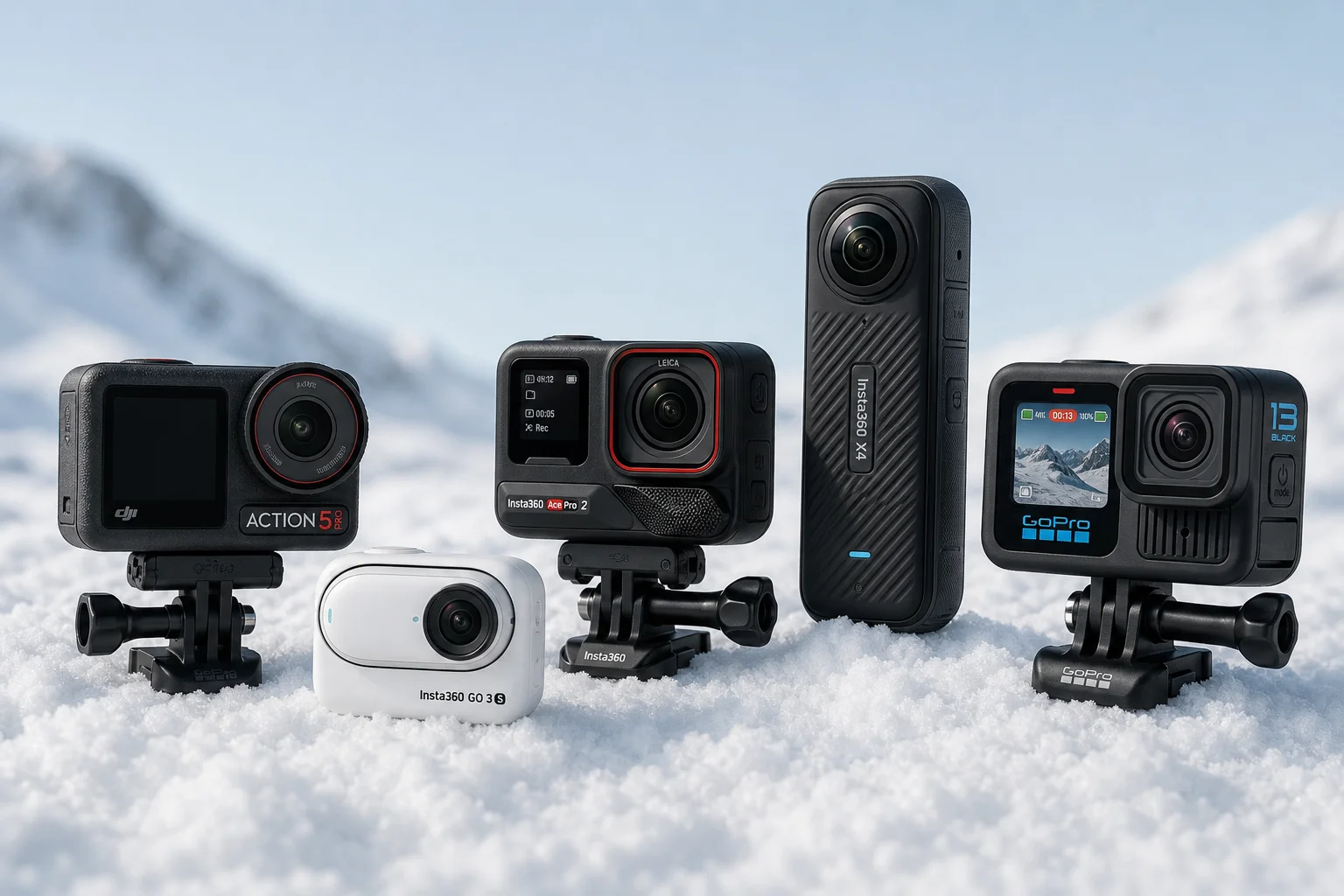
Action Cameras
Best Action Cameras for Skiing and Snowboarding: Five Tested Options
Five action cameras tested on the slopes: DJI Action 5 Pro, Insta360 GO 3S, Insta360 Ace Pro 2, Insta360 X4, and GoPro Hero 13. Each excels in different ways.
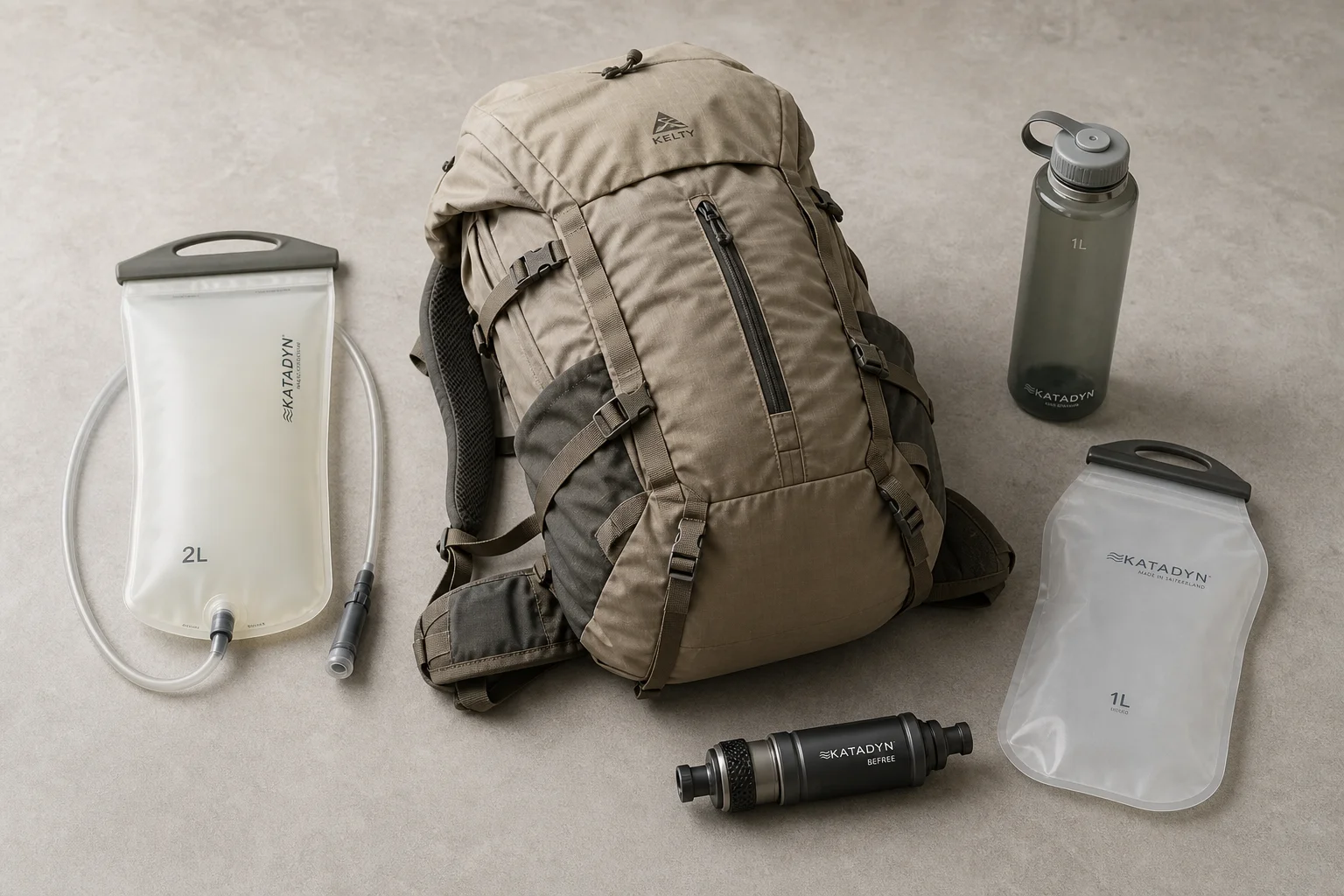
Hiking Gear
Water Bladder vs Water Bottle for Hiking: Pros, Cons, and a Practical Multi-Day Setup
A detailed comparison of water bladders and bottles for backcountry hiking, with real trade-offs and a tested multi-day water strategy.
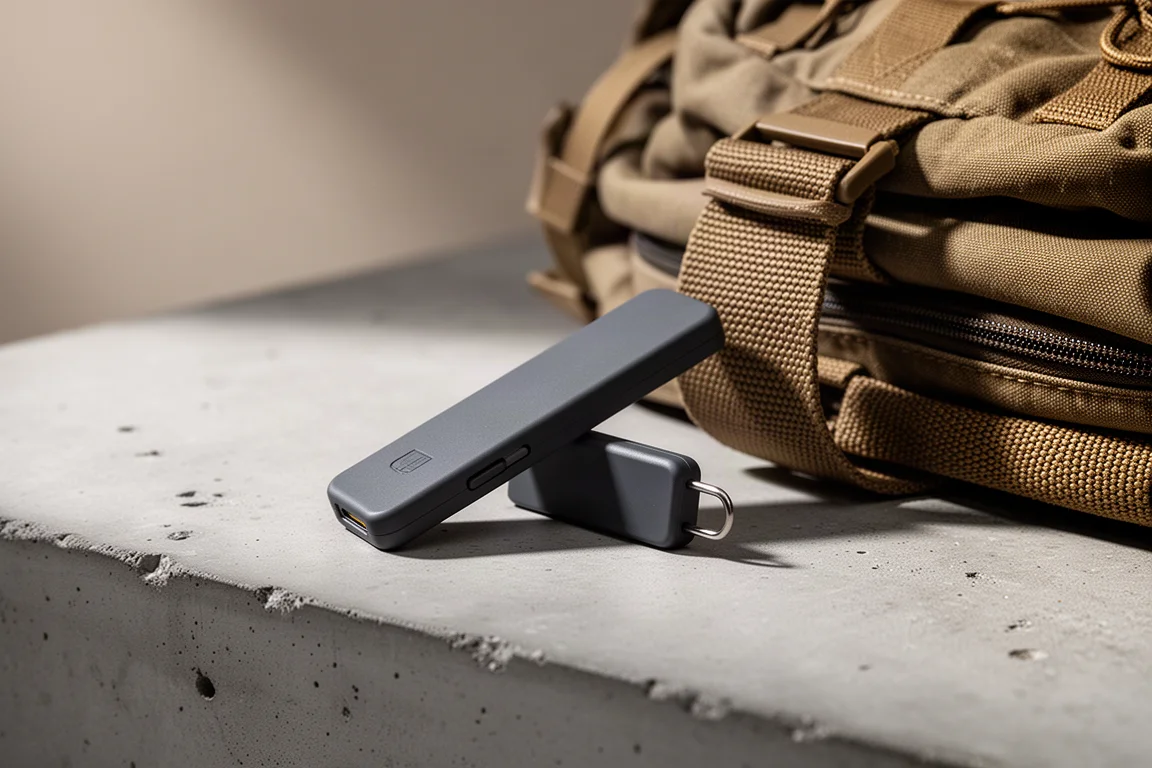
Safety Gear
Recco Backpack Rescue Reflector Review: Passive Rescue Tech for the Backcountry
A tiny, battery-free reflector that clips to a pack and can help search and rescue radar find you. Here is how it works and who it makes sense for.