Safety Gear
Recco Backpack Rescue Reflector Review: Passive Rescue Tech for the Backcountry
A tiny, battery-free reflector that clips to a pack and can help search and rescue radar find you. Here is how it works and who it makes sense for.
Introduction
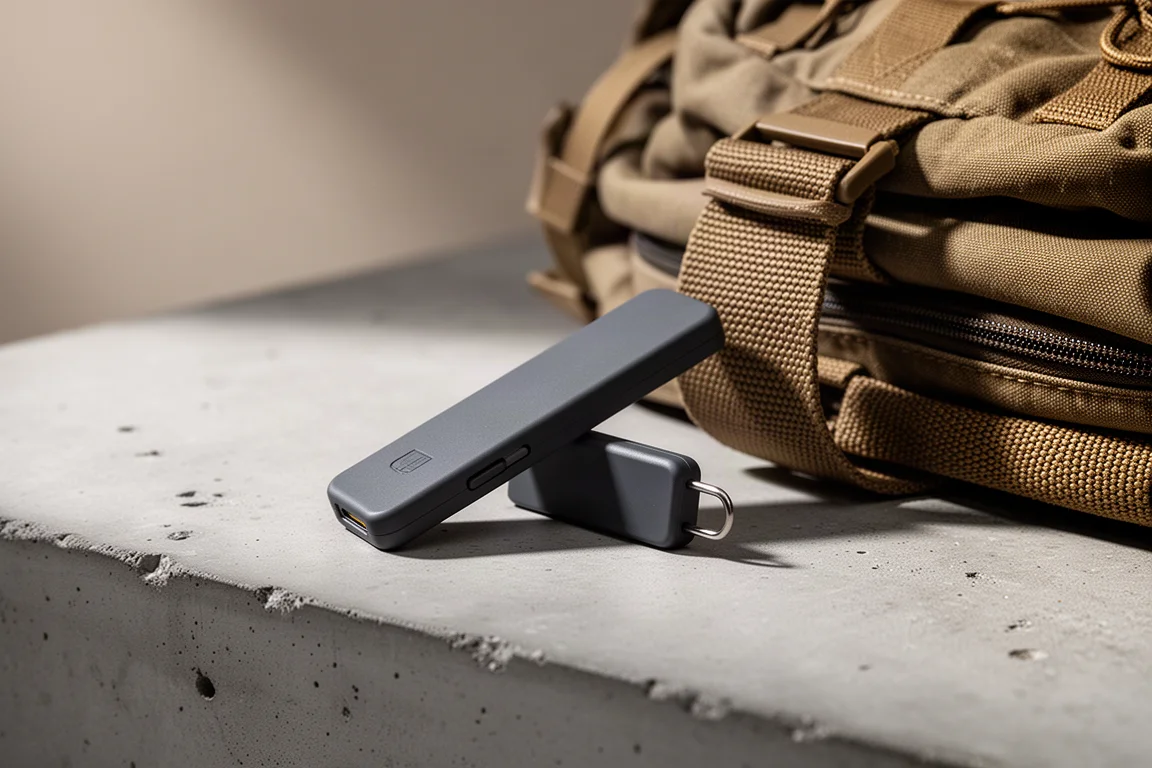
The Recco backpack rescue reflector is a small passive device that clips onto the back of a backpack, and it can just as easily be attached to a hat or other gear. It weighs essentially nothing, adds a few grams at most, and there is nothing to switch on, charge, or maintain. That simplicity is the entire point.
Recco has long been associated with safety in snow sports, particularly snowboarding and avalanche response. What prompted a closer look this year is that search and rescue reports from California, other western states, and Utah have described aircraft deployed with Recco radar on board. That shift moves the technology from a niche snow-sports tool toward something a broader group of hikers may want to consider.

The appeal is straightforward: a device that weighs almost nothing, costs very little, and stays permanently attached to a pack can quietly improve the odds of being located in a situation where you cannot call for help yourself.
Who This Product Is For
This reflector makes the most sense for hikers, backpackers, and backcountry travelers who spend time in terrain where search and rescue teams operate Recco radar equipment, whether carried by hand or mounted to an aircraft.
It is also a natural fit for snow-sports riders who already understand the technology from avalanche safety contexts, and for anyone who wants a passive layer of safety that requires no batteries, no pairing, and no user input in the moment it matters.
Because the technology only helps when rescuers are equipped with compatible radar, the value depends on local coverage. Recco maintains a list of the services that use its detectors, which is the first thing worth checking before deciding whether this belongs on your pack.
Main Strengths
The core strength is the physics behind it. There are two parts to the system: a radar unit and a radar reflector. The radar, which can be handheld or mounted on an aircraft, transmits a signal on a specific frequency. The reflector, the small dongle in question, contains a piece of copper with a diode. The copper antenna is tuned to receive that exact frequency, passes the signal through the diode, and returns it at a different frequency.
The radar unit has a receiver that recognises that specific returned frequency, which tells the operator that a reflector is present and that someone or something is there. There is no battery inside the reflector and no power source of any kind. It works continuously, using only the energy of the incoming signal.
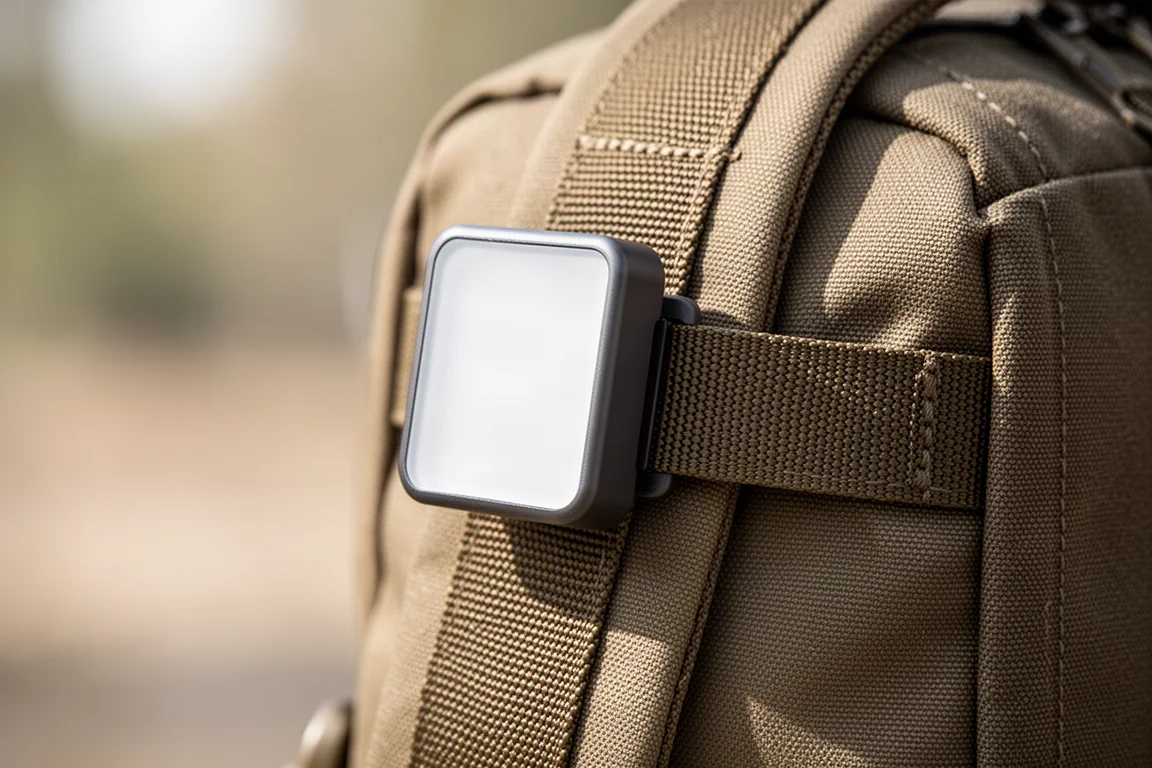
Practically, that means zero maintenance and no chance of a dead battery at the worst possible moment. It clips on and stays on, whether that is a backpack strap, a hat, or another piece of gear.
Things to Consider Before Buying
The most important consideration is what this device is not. It is not an emergency beacon and it does not send an SOS. It cannot summon help on its own, and it will not be detected by rescuers who are not carrying compatible radar equipment.
Coverage varies by region, which is why checking whether local search and rescue services use the technology matters more than the price of the reflector itself. In areas where the equipment is not in use, the reflector is simply a few grams of plastic and copper with no practical function.
It is best understood as a complement to the rest of your safety setup rather than a replacement for anything. If you are unconscious, injured, or otherwise unable to trigger a distress signal, a passive reflector still has the potential to be found by a radar-equipped search, which is precisely the scenario it is designed for.
Buying Advice
The decision comes down to three questions: do you travel in terrain where this technology is deployed, do the rescue services in your area use Recco radar, and do you want a safety item that requires nothing from you in an emergency?
If the answer to those is yes, the case is easy. The unit is small, light, and inexpensive enough that the cost of carrying it is negligible compared with the rest of a backcountry kit. Attach it to the outside of your pack where it will not be buried, and leave it there permanently.
If your local rescue coverage does not include Recco equipment, there is little reason to add one. In that case, put the same attention toward the tools your regional teams actually use.

For riders and hikers who already cross into areas covered by radar-equipped searches, this is one of the cheapest and least intrusive additions available: a few grams that never need charging and never need remembering.
Conclusion
The Recco backpack rescue reflector is a rare kind of safety product, one that asks nothing of you after it is clipped on. It has no battery, no controls, and no maintenance, and it works by returning a specific frequency to radar equipment carried by rescue teams on foot or in aircraft.
Its limits are real and worth understanding. It only helps where compatible radar is in use, and it does not replace an active distress beacon. But for those who travel in covered terrain, it is a small, low-cost addition that quietly increases the chance of being found when you cannot ask for help yourself.
Product link
View more details for Recco Backpack Rescue Reflector
This product is mentioned in the review. Check the specifications, options, and compatibility before buying.
View more details for Recco Backpack Rescue ReflectorFurther reading
Related Reviews

Backpacking Gear
Building a 10 lb Base Weight: An Ultralight Backpacking Gear List
A practical walkthrough of the ultralight pieces behind a 10 lb base weight, from a 765 g pack and a roomy one-person tent to a full camp chair and a dependable water filter.

Road Bikes
10 New Road Bikes Worth Watching: Aero, Titanium, Steel and Endurance Standouts
A practical roundup of 10 new road bikes, from aero flagships chasing single-watt gains to titanium, steel and endurance platforms built for real roads.
Bikepacking Gear
11 Bikepacking Essentials for Long-Distance Cycling
Eleven bikepacking essentials for long-distance cycling, from a steel gravel frame and a two-person tent to helmet lights, packable gloves, and a frame bag that puts weight in the right place.