Hiking Gear
Water Bladder vs Water Bottle for Hiking: Pros, Cons, and a Practical Multi-Day Setup
A detailed comparison of water bladders and bottles for backcountry hiking, with real trade-offs and a tested multi-day water strategy.
Introduction
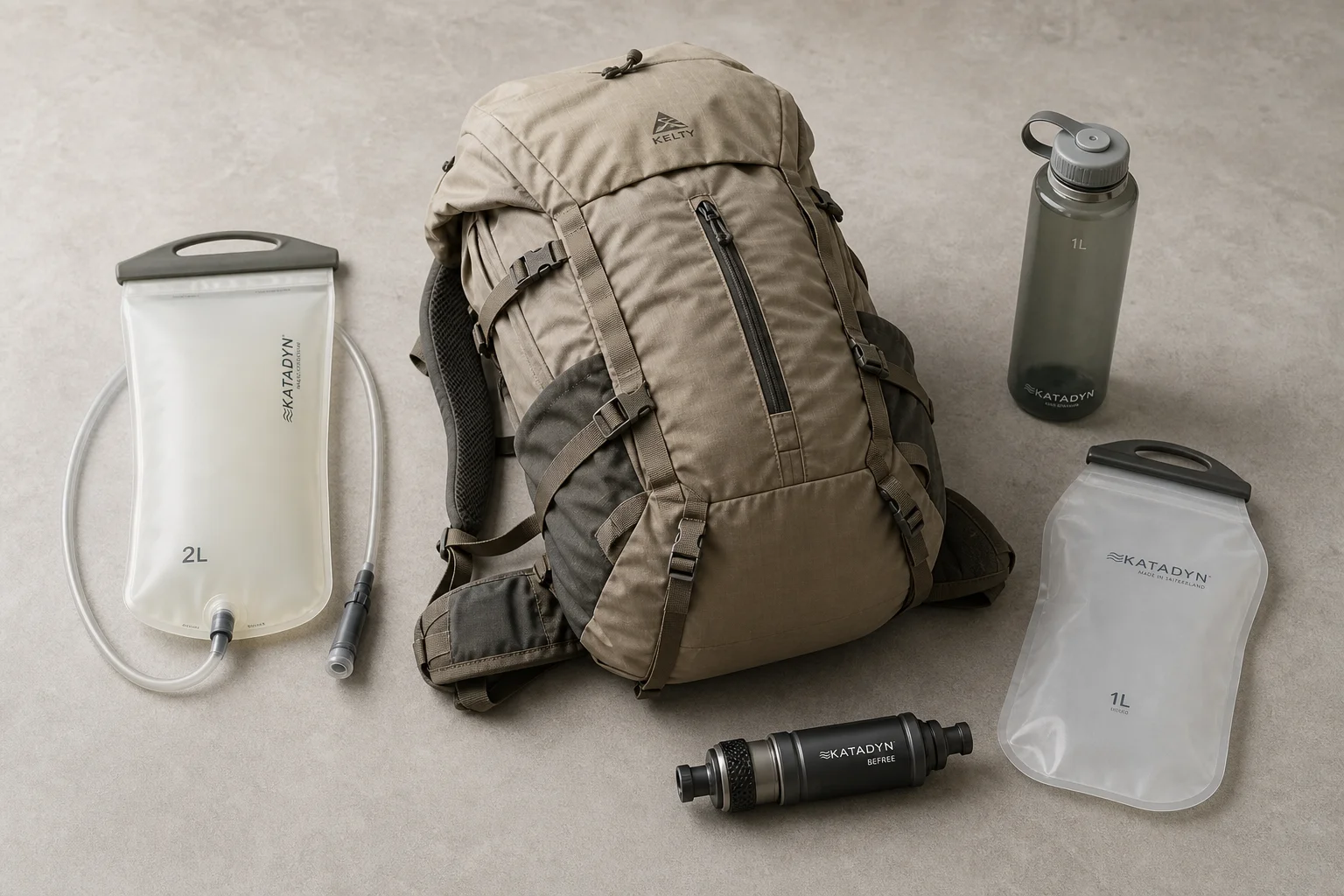
Water is essential for backcountry hiking, but how you carry and treat it shapes your entire trip. Two main approaches dominate: water bladders built into backpacks and standalone water bottles. Each has genuine strengths and real drawbacks. Understanding the trade-offs helps you build a water strategy that matches your hiking style and the terrain you’ll face.
Water Bladder Advantages
Convenience and Accessibility
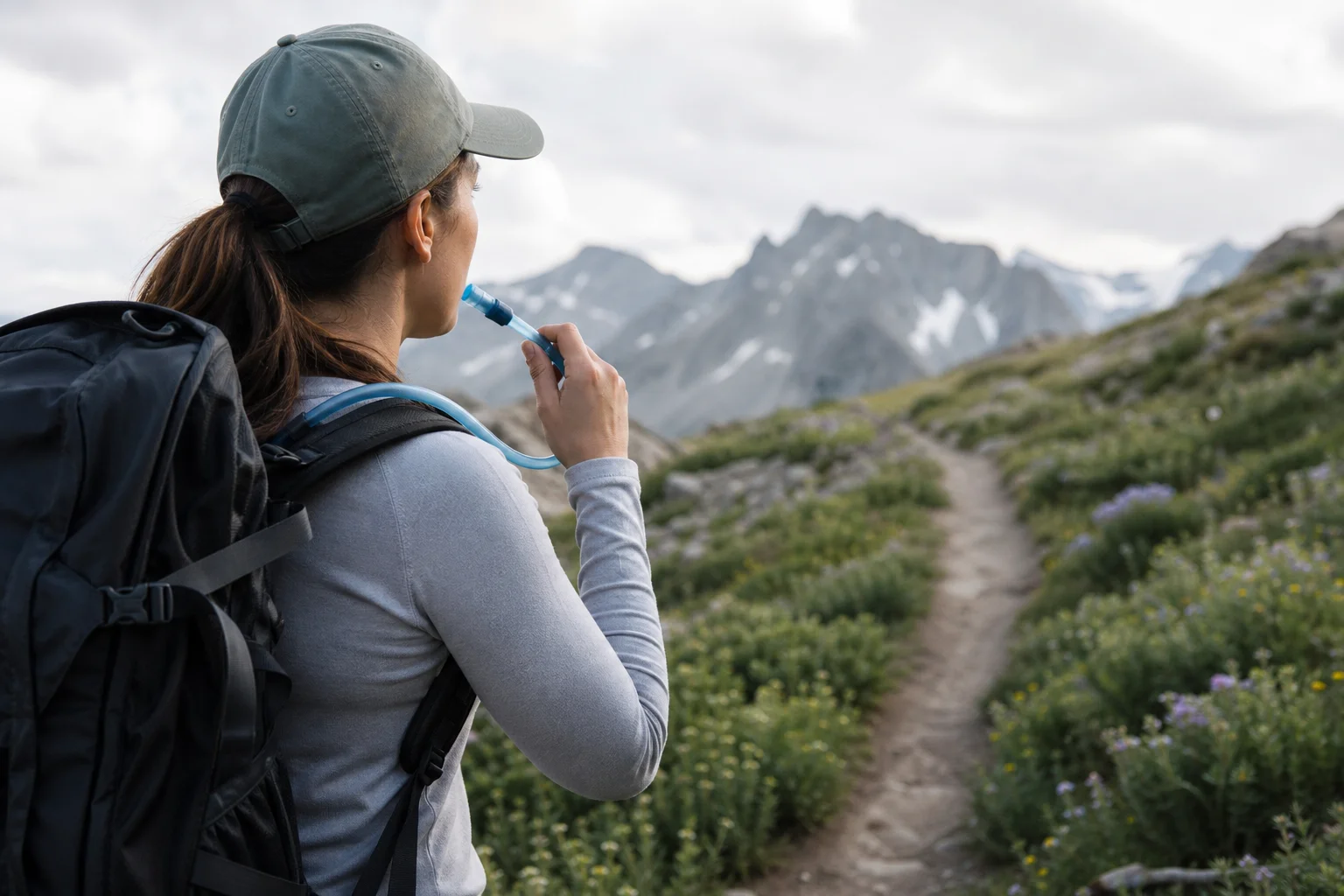
A water bladder with a tube running to your shoulder strap puts water within reach without removing your pack. You can drink while walking, standing, or sitting without contorting your arms to reach a bottle behind you. This constant access encourages more frequent hydration, which matters on long days.
A backpack clip for the tube is essential. Without one, the hose flops around and becomes a distraction rather than a convenience.
Carrying Capacity
Bladders typically hold 2 to 3 liters, compared to 1 liter for most bottles. On multi-day hikes with no water sources, this capacity advantage is significant. Carrying 5 to 6 liters of water across a full day is easier with a bladder than with multiple bottles taking up side pockets.
Pocket Space
A bladder tucked inside your pack preserves side pockets for other gear like cameras, rain covers, and emergency supplies. This matters more than it sounds on long trips where easy access to small items adds up.
Temperature Retention
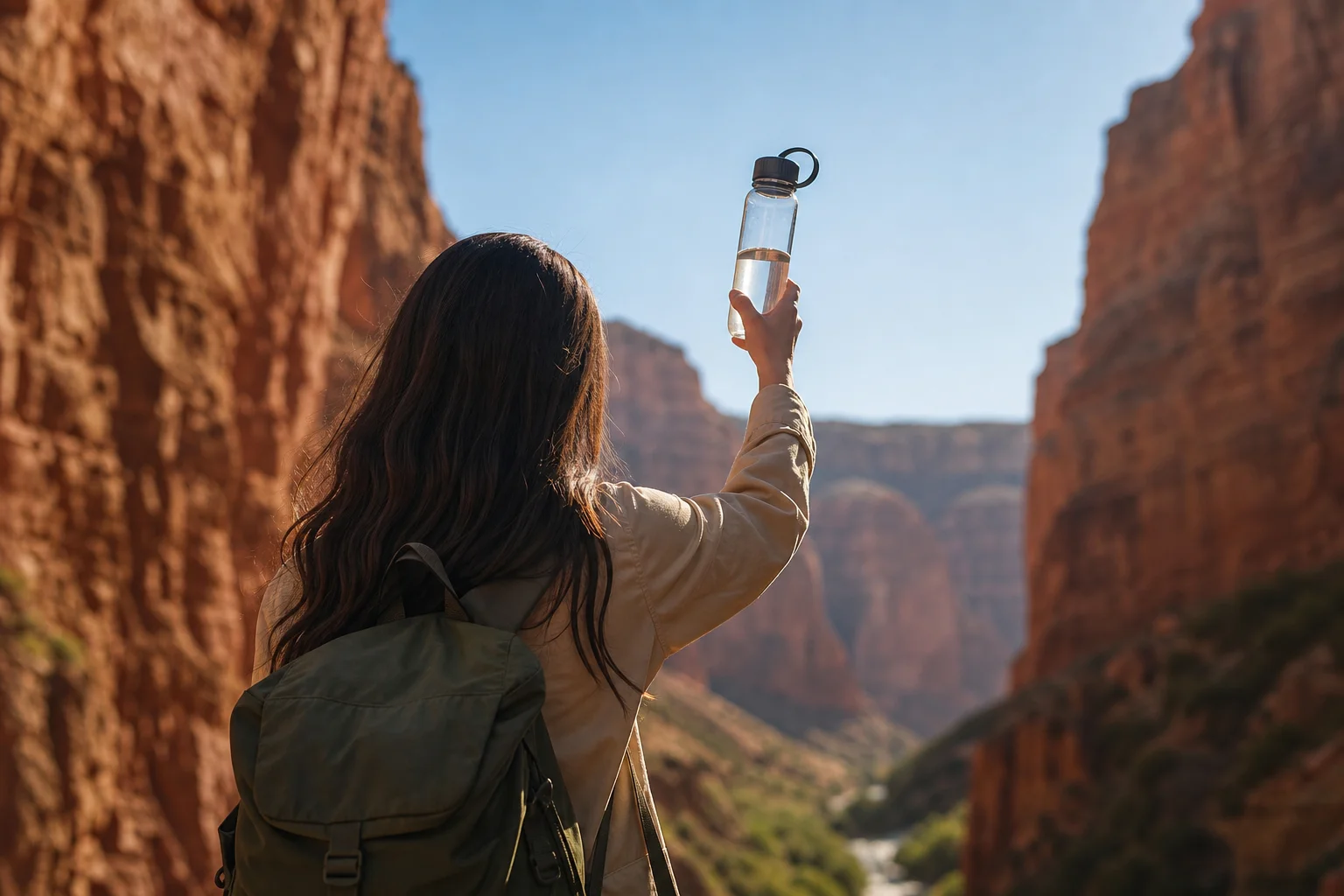
A bladder positioned against your back, inside the pack and away from direct sunlight, retains coolness better than a bottle exposed on the outside of your pack. On hot days in places like the Grand Canyon, this difference is noticeable and genuinely refreshing.
Weight Distribution
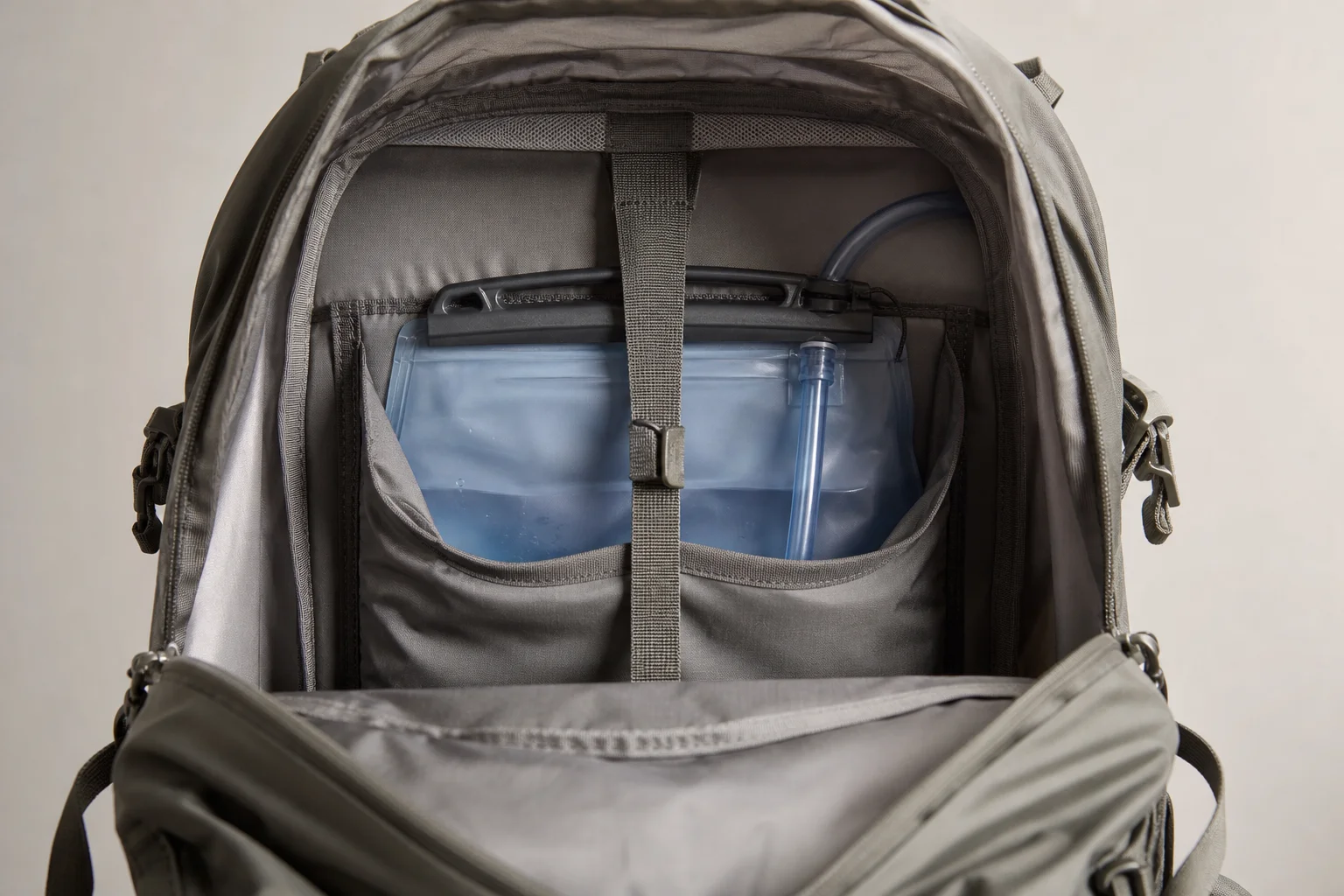
Water is heavy, and a bladder positioned close to your back and centered in the pack improves weight distribution. This is one of the first things experienced hikers optimize, and a bladder does this naturally.
Water Bladder Drawbacks
Hidden Water Level
Because a bladder sits deep inside your pack, you cannot see how much water you have consumed or how much remains without unpacking it. With a bottle, you get a visual reminder to drink more, which some hikers find valuable.
Cleaning and Maintenance
Bladders are harder to clean than bottles. Most water bottles can go in the dishwasher, but soft plastic bladders often cannot. They also take longer to dry and are more susceptible to mold growth if not cleaned and dried thoroughly. A dedicated cleaning routine is necessary to avoid taste issues and contamination.
Taste Issues
Some bladders impart a plastic taste, especially when new. This usually fades over time, but some users report the taste never fully disappears. Platypus bladders marketed as “taste-free” tend to avoid this problem. Electrolytes and other additives can also leave lingering tastes in bladders, so caution is needed.
Leakage Risk
A hole in the bladder or a loose valve can result in lost water and a wet pack. While this has not been a personal issue for many hikers, it remains a real risk that bottles do not share to the same degree.
Higher Cost and Weight
Quality water bladders cost more than most water bottles, especially disposable plastic bottles. Bladders also tend to weigh more. Some hikers find them fiddly to fill and manage.
Limited Versatility
A water bottle can be used for multiple purposes: filling a sleeping bag with warm water, pouring boiling water without waiting for it to cool, rolling out sore muscles, or serving as a pot. A bladder cannot do any of these things without risk of melting or bursting.
A Practical Multi-Day Water Setup
For a 4-day hike with water access at the end of each day, a tested approach combines multiple containers and filtration methods.
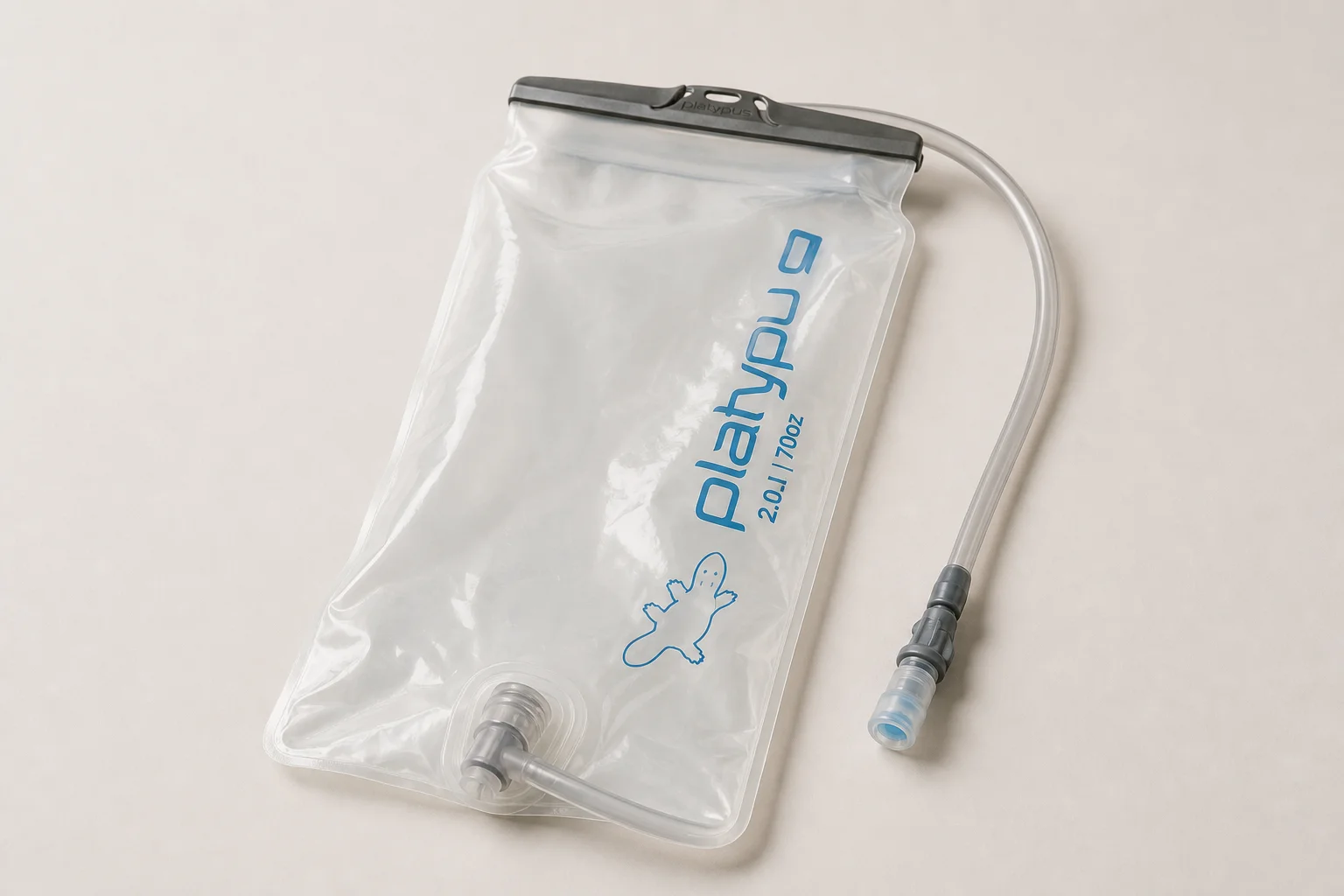
Primary Hydration: Platypus 2L Bladder
The Platypus 2L water bladder is one of the lightest on the market. Fill it just over 1 liter on cooler days, or all the way to 2 liters on hot days. Place it in the backpack sleeve, always with a pack liner underneath as a secondary defense against leaks. Drink from this during the day while hiking.
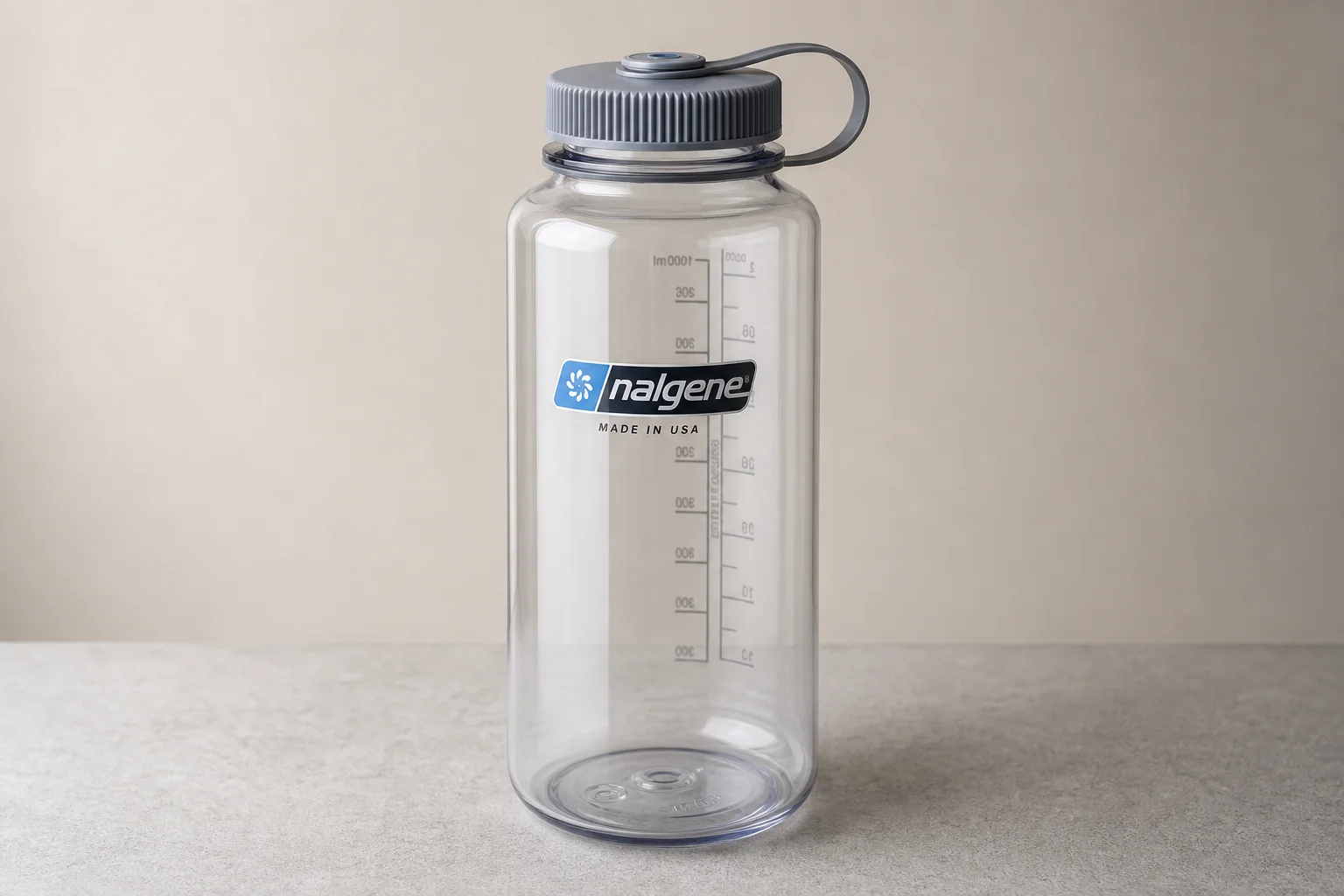
Secondary Bottle: 1L Supermarket Bottle
A basic 1-liter plastic bottle from any supermarket serves multiple roles. Drink from it during breaks when your pack is off. Use it as the vessel for filtering clean water. Use it for brushing teeth and cooking dinner. This single bottle handles most camp tasks.
Electrolyte Reserve: Small Bottle
A small Coke-sized bottle reserved purely for electrolytes prevents the taste of electrolytes from lingering in your main water containers. On hot days like those in the Grand Canyon, this dedicated bottle becomes a second 1-liter capacity.
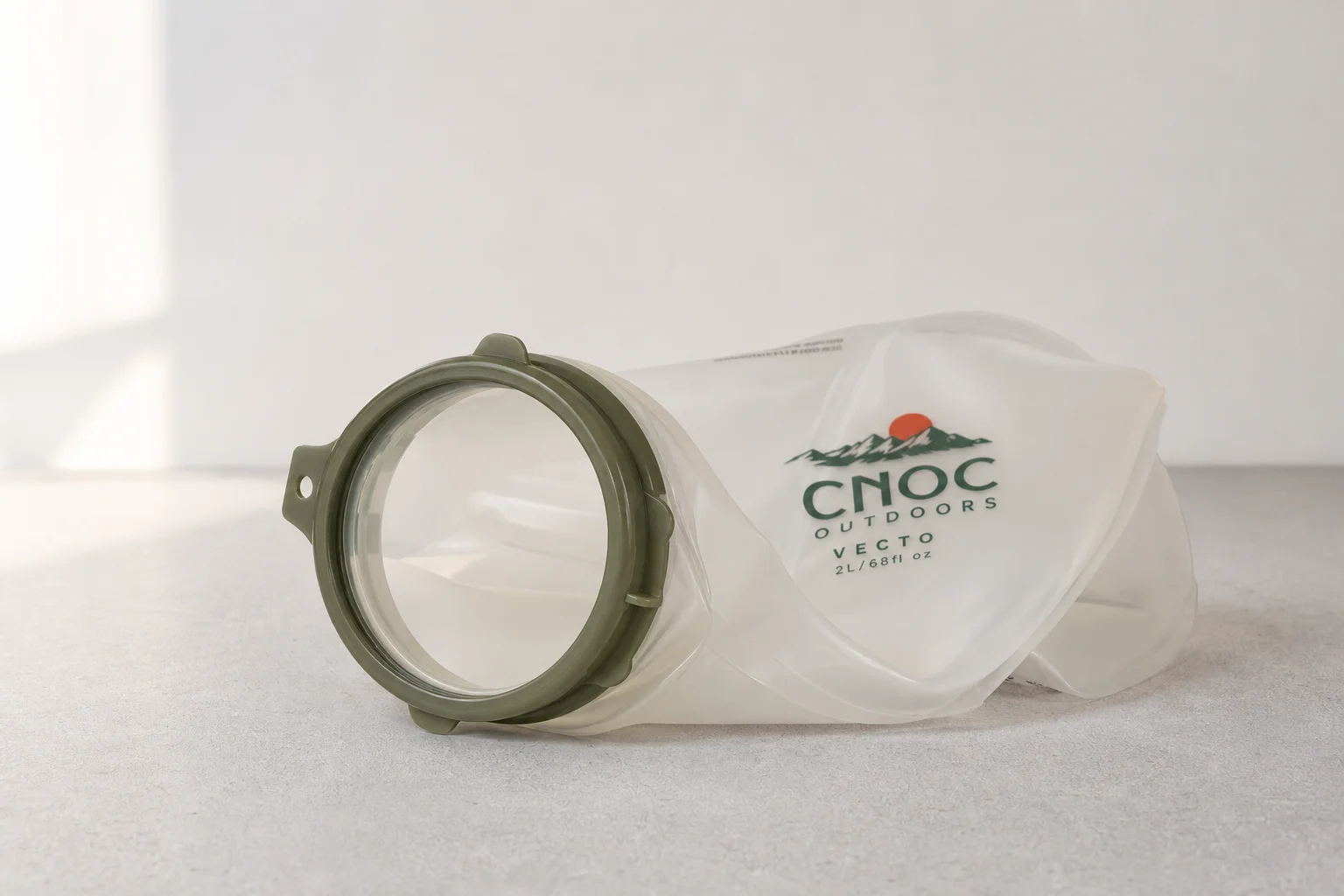
Collection Bladder: CNOC Wide-Mouth
A second bladder dedicated to collecting unfiltered water from rain tanks, springs, or streams. The wide opening makes collection easy. Filter this water into your plastic bottle, then use the bottle to refill your drinking bladder and other containers.
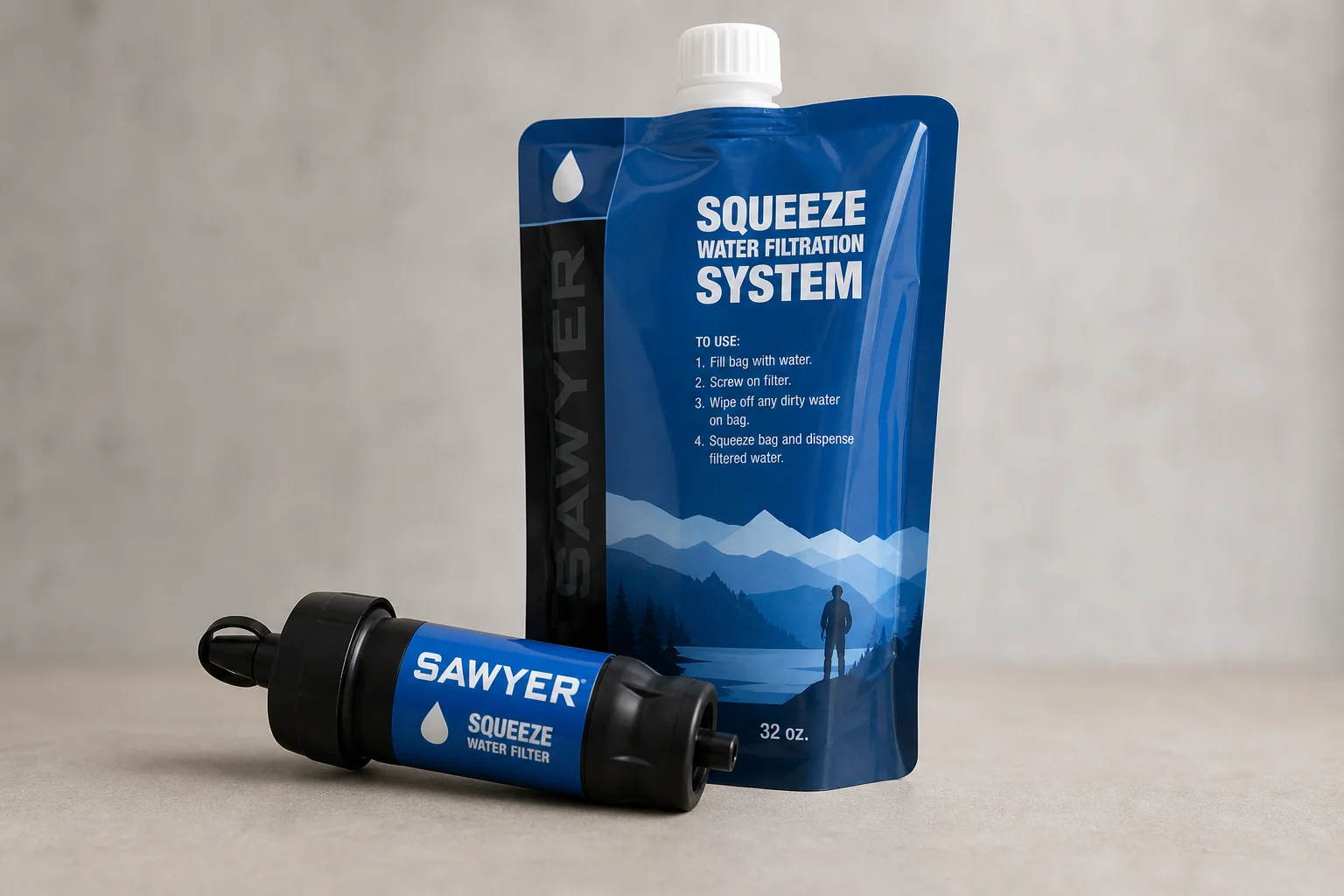
Filtration: Sawyer Squeeze
A Sawyer Squeeze water filter handles the day-to-day filtration of collected water. It is lightweight and reliable for multi-day trips.
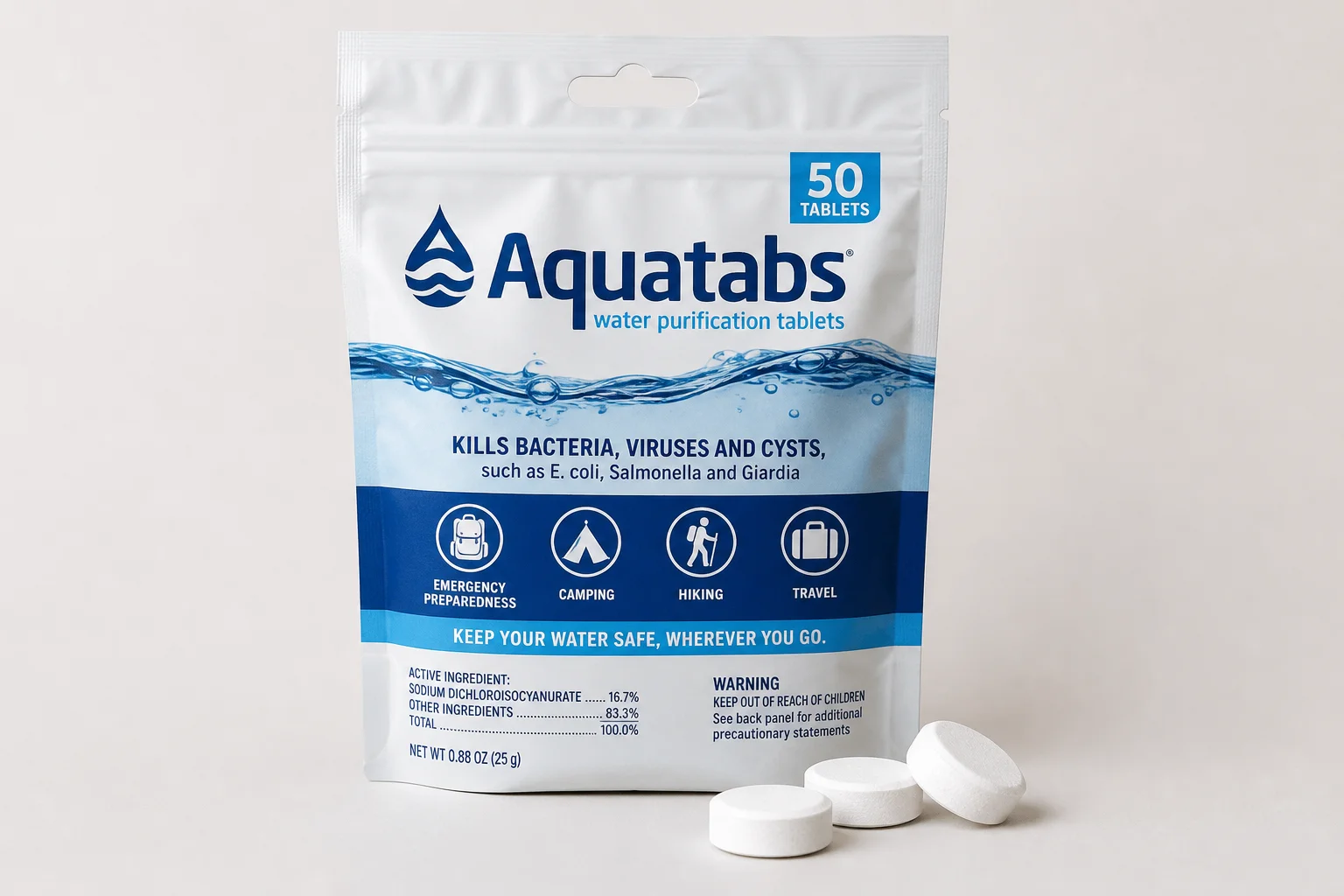
Backup Purification: Aquatabs
Aquatabs water purification tablets provide a backup method and are useful when filtering alone is not enough or when you want a second layer of treatment.
Foldable Reservoir
If you need more than 6 liters total capacity, a flimsy foldable water reservoir can be added. These collapse when empty and take minimal pack space.
Conclusion
Neither water bladders nor bottles are universally better. A bladder excels at convenience and capacity on long days, while a bottle offers versatility and visibility. The best approach for most multi-day hikers is a hybrid: a bladder for primary hydration during the day, a bottle for camp tasks and filtering, and a second bladder for collecting unfiltered water. Test different setups on shorter trips to find what works for your hiking style, terrain, and personal preferences.
Further reading
Related Reviews
Hiking Gear
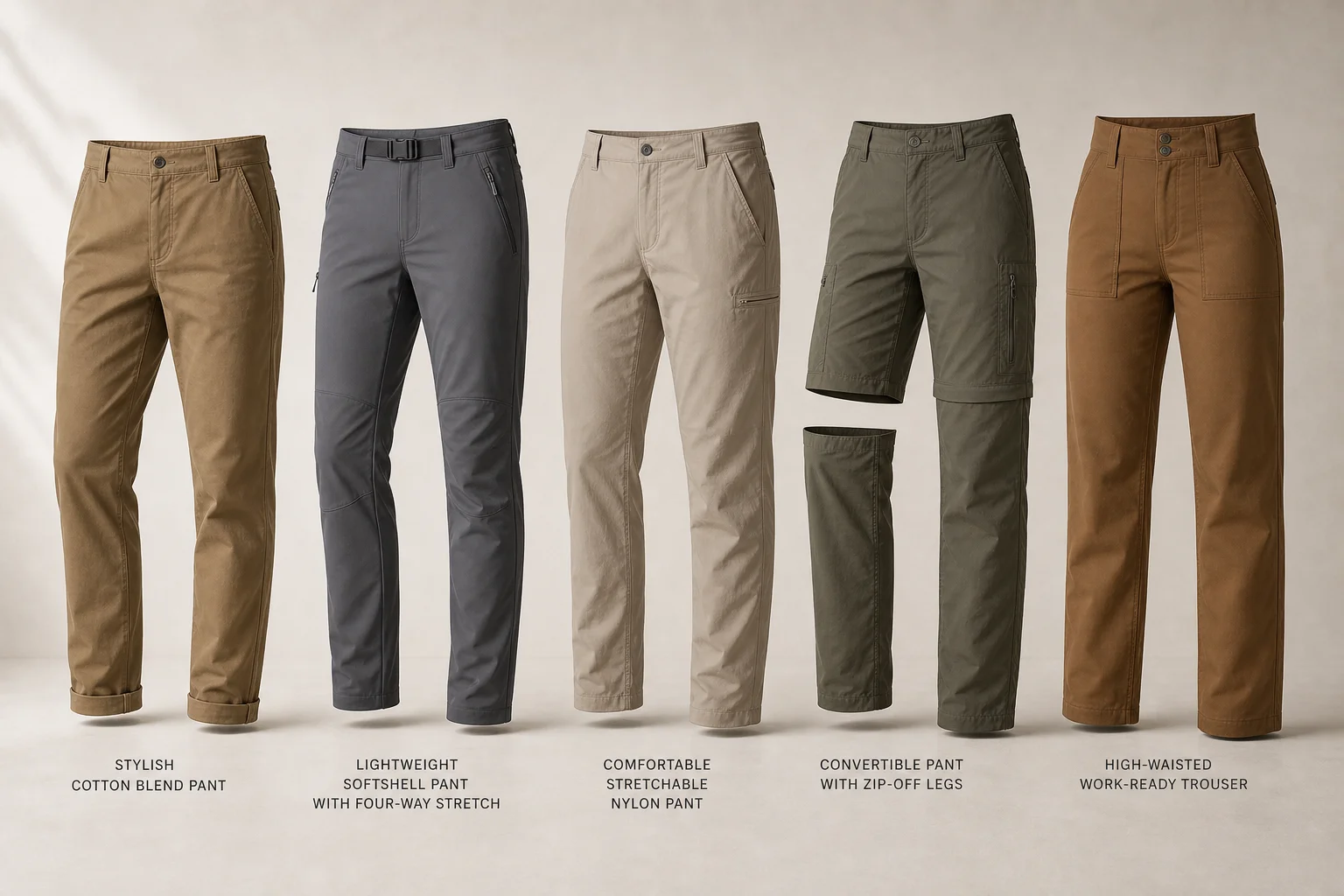
Best Hiking Pants on Amazon: Five Practical Options for Different Needs
A practical review of five hiking pants with clear strengths and trade-offs, from lightweight convertible styles to durable work-ready trousers.
Hiking Gear
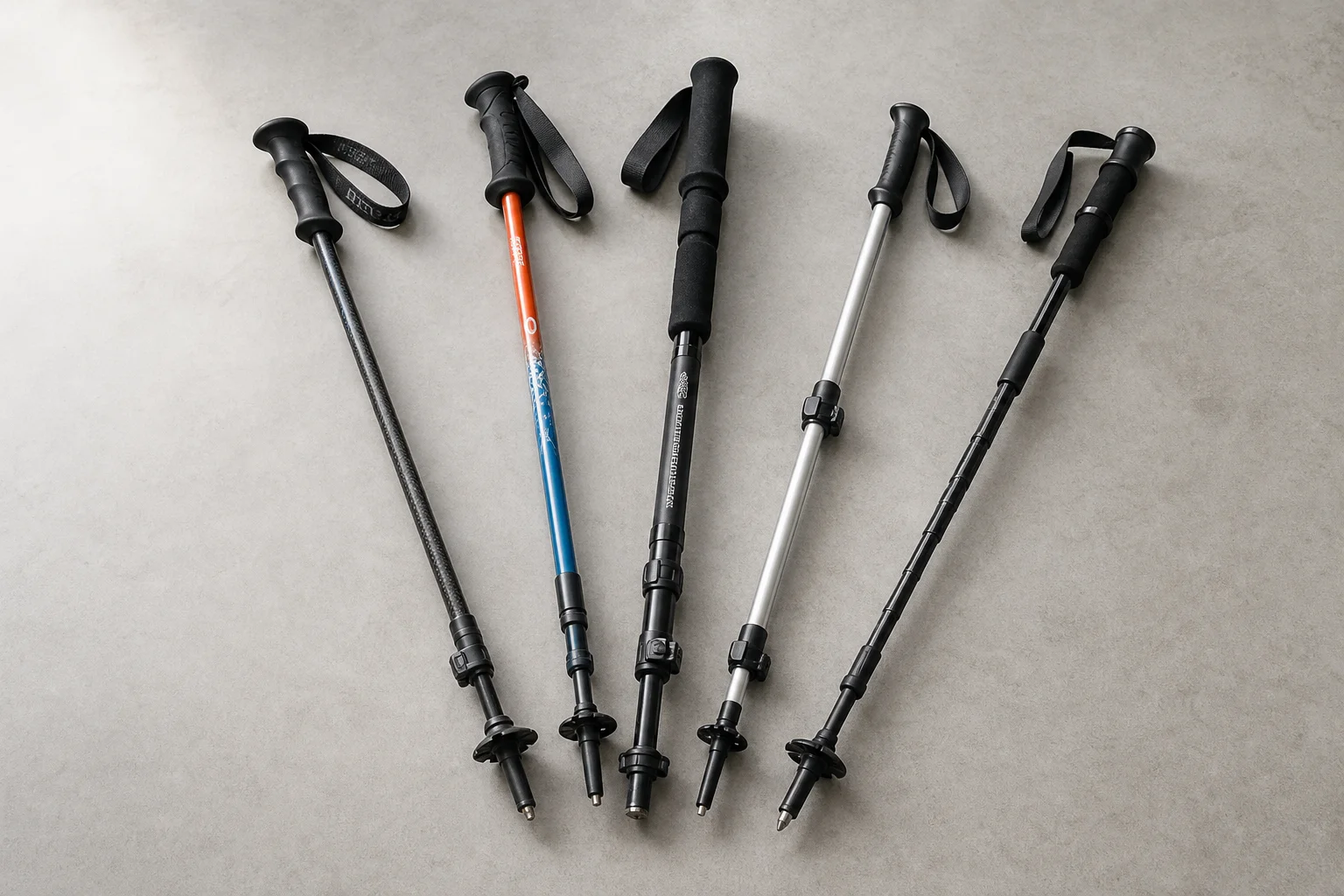
Best Hiking Poles 2026: Five Options for Different Trail Needs
A practical review of five hiking poles, from lightweight carbon designs to versatile all-terrain options, with clear strengths and trade-offs for each.
Hiking Gear
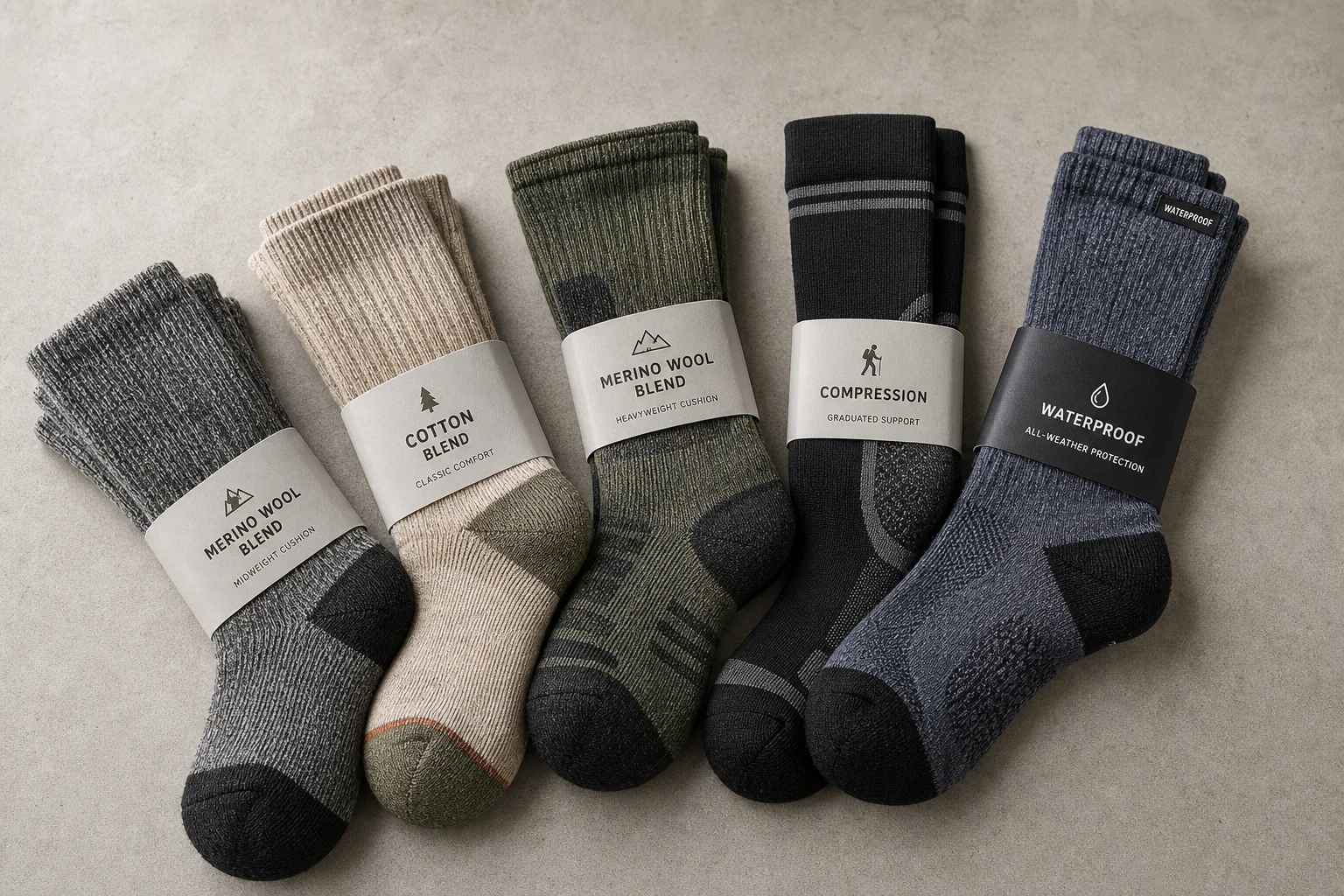
Best Hiking Socks 2026: Five Top Choices for Different Trail Needs
A practical roundup of five hiking socks, from lightweight merino options to heavy-duty compression styles, with clear guidance on which suits your outdoor activity.