Stationery
Uni-ball Zento vs the Best Water-Based Ballpoints: A Five-Pen Comparison
Uni-ball's new Zento line goes head to head with the Pilot V-CON Knock, OHTO CR-01, and ZOOM L1 across grip, smoothness, bleed-through, and value.
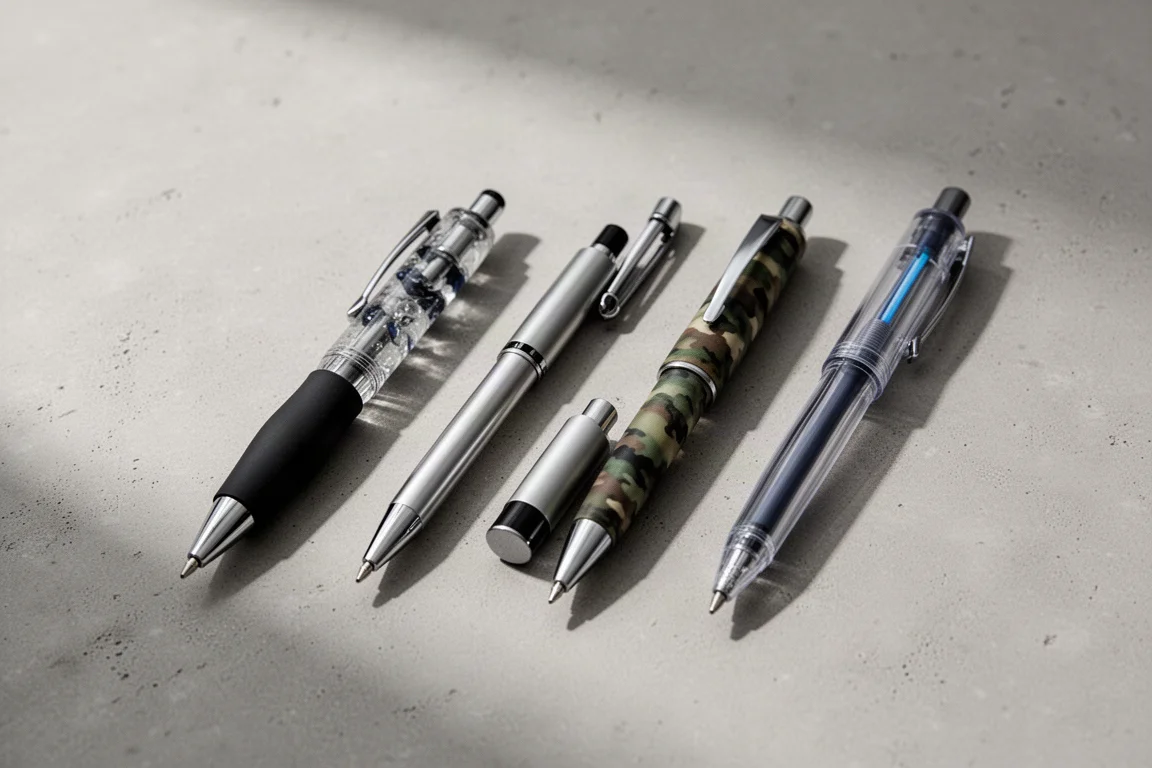
Introduction
Uni-ball’s Zento arrived with unusual fanfare for a ballpoint pen. Built on newly developed water-based ink refined over six years of development, it promises lower friction while writing, reduced bleed, and better behaviour on cheap paper than previous water-based inks. The line launched in February with a Standard model and a Signature model, and early demand has been strong enough that the Signature has repeatedly sold out.
But Zento is entering a crowded field. The Pilot V-CON Knock has been a quietly excellent budget choice since 1991, the OHTO CR-01 brings a no-dry ink mechanism in an aluminium body, and the ZOOM L1 shows what a premium gel option looks like. We wrote with all five on plain copy paper to see where each one genuinely earns its price.
How We Compared the Pens
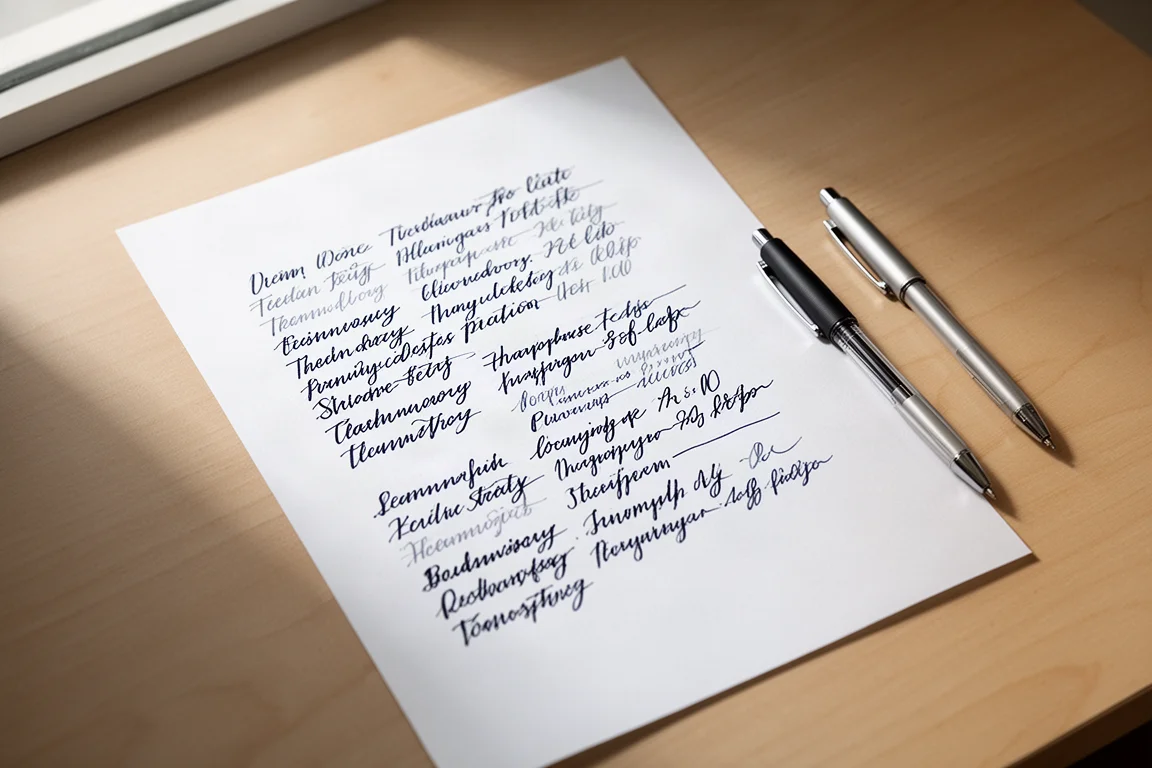
To keep things fair, every pen was tested on ordinary, inexpensive copy paper, the kind most of us actually write on day to day. No specialty notebooks, no fancy stock. The comparison focused on two things: how the pen itself feels to hold and use, and how the refill performs, including smoothness, ink darkness, and bleed-through.
All the oil-based comparisons used 0.5mm refills, which makes the differences easier to judge directly.
Budget Knock-Type Pens: Zento Standard vs Pilot V-CON Knock
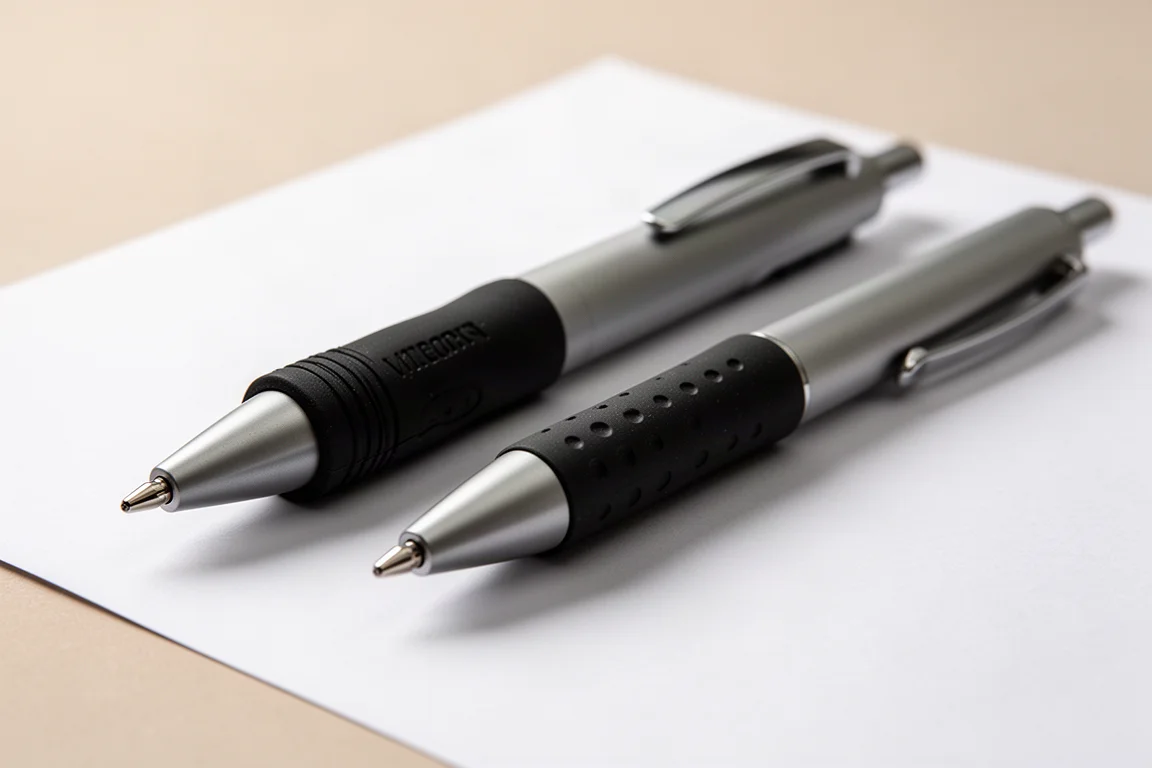
The Zento Standard costs ¥275 including tax and is the entry point for the new ink. It uses a resin body with more than half the barrel covered in rubber grip, and it is a knock-type design. In hand, the grip bites well and the pen is easy to hold, and at 11mm across the grip it shares a similar thickness with the V-CON Knock. The ink itself is the highlight: the familiar scratchy sensation of water-based ballpoints is almost entirely suppressed, and the pen glides across the page with remarkably little resistance.
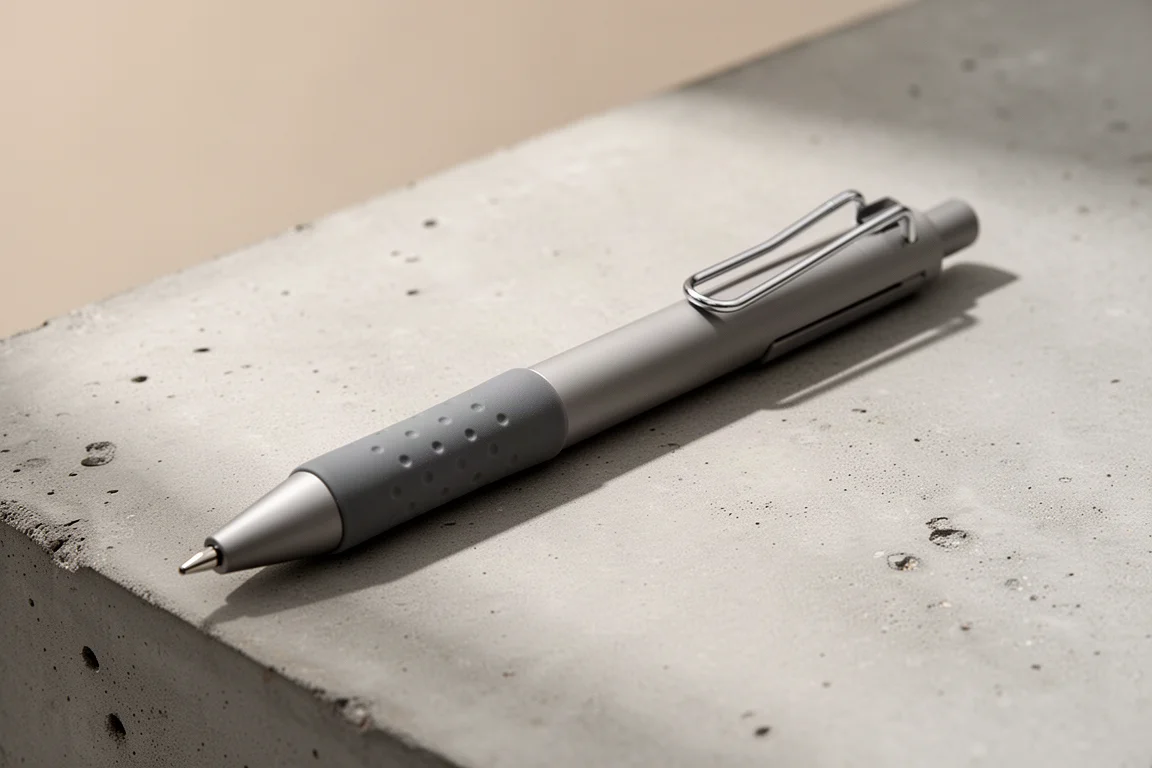
The Pilot V-CON Knock, at ¥165 including tax, is the latest version of a series born in 1991. Its ink resists bleeding and dries quickly, and it remains a long-selling pen with a well-regarded writing feel. The knock action is firmer, and the design is undeniably dated, the kind of silhouette every manufacturer was producing around 2020, with a clip that can dig into your hand. Still, it is light, cheap, and the grip works well.
Writing side by side, the V-CON Knock surprised us. It has a touch of viscosity at the tip, a slight catch on the paper that is not unpleasant and gives the line a bit of character. The Zento Standard, by contrast, is simply smooth, with no roughness at all. Both inks are dark and pleasant; the V-CON reads slightly blue-black to the naked eye.
On bleed-through, the V-CON shows through the page noticeably while the Zento does not. The V-CON sits with a central balance point, while the Zento Standard is top-heavy. The Zento’s knock button is wider with softened edges, so it is more comfortable to click, whereas the V-CON’s narrower button can make your thumb ache a little. With a price gap of just ¥110 in the V-CON’s favour, the overall verdict narrowly favours the Zento Standard, but the margin is small and the V-CON Knock’s quality is genuinely impressive for the money.
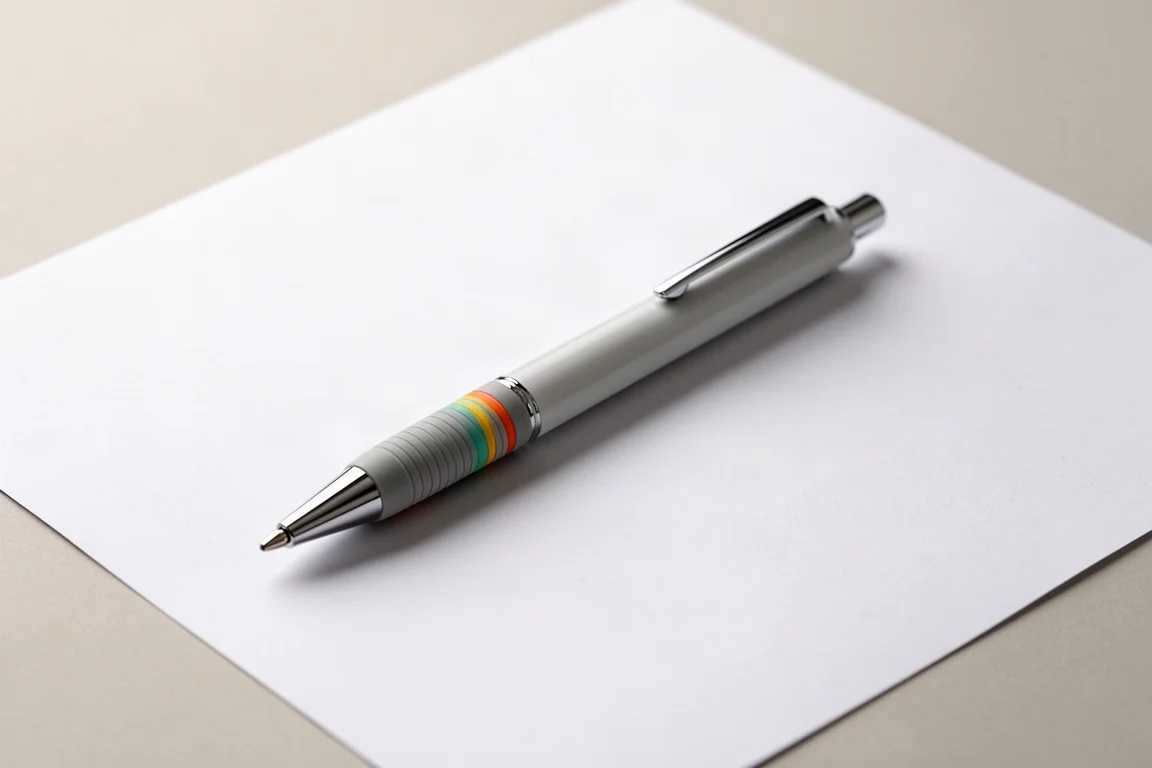
Premium Capped Pens: Zento Signature vs OHTO CR-01
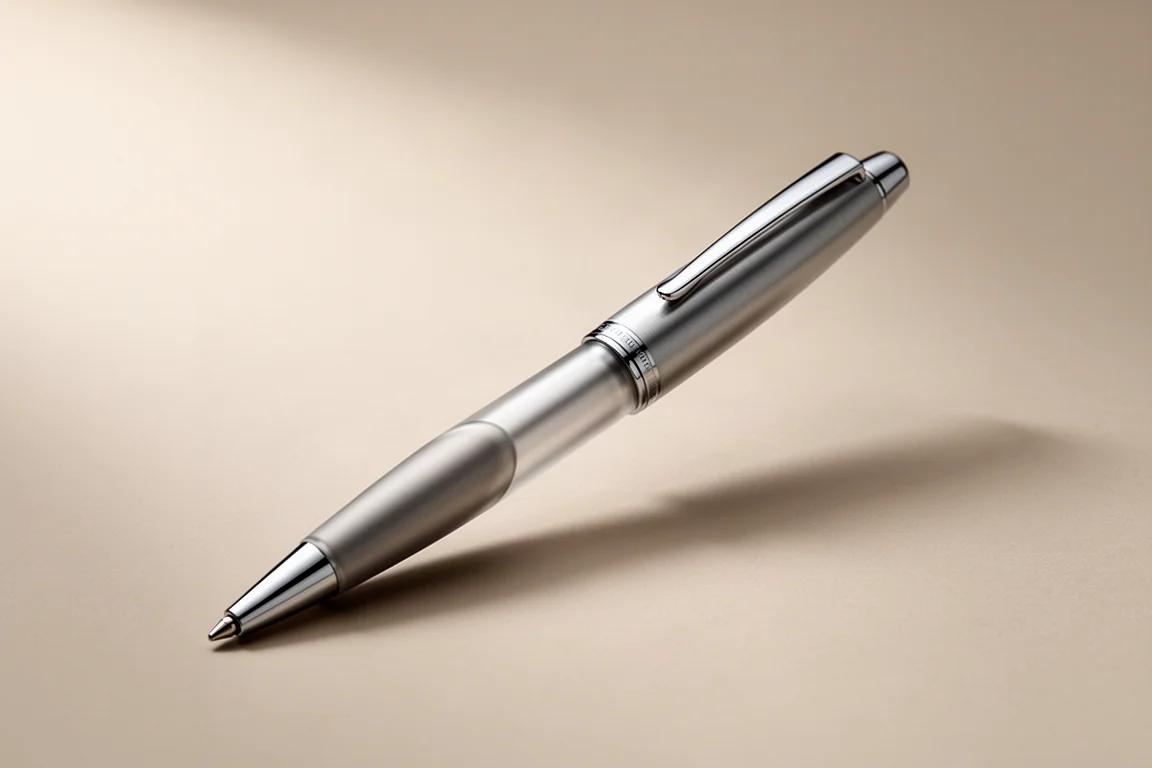
The Zento Signature costs ¥3,300 including tax and takes the new ink into a metal-and-resin body with a magnetic cap. The barrel is shorter and fits the hand beautifully, the mixed-metal finish feels silky, and the magnetic cap closes with a satisfying certainty. There is nothing to criticise about the build. While writing, the ball produces a faint click as it meets the paper, which is a sign of the ball moving smoothly, and the ink’s elasticity, driven by its surfactant formulation, is noticeable at the tip. It is a genuinely soothing writing experience with zero wobble.
The OHTO CR-01 costs ¥2,200 including tax and goes a different direction entirely: an aluminium barrel with a bold camouflage finish among its colour options. The initial refill uses a low-viscosity ink with a no-dry mechanism, so the ink will not dry out even if you forget to tighten the cap. The barrel feels smooth but the camouflage coating has a slight texture you can feel, the elastomer grip holds firmly without slipping, and the pen is heavier than the Signature, which gives it a reassuring stability. The cap, however, opens and closes very stiffly and takes real force.
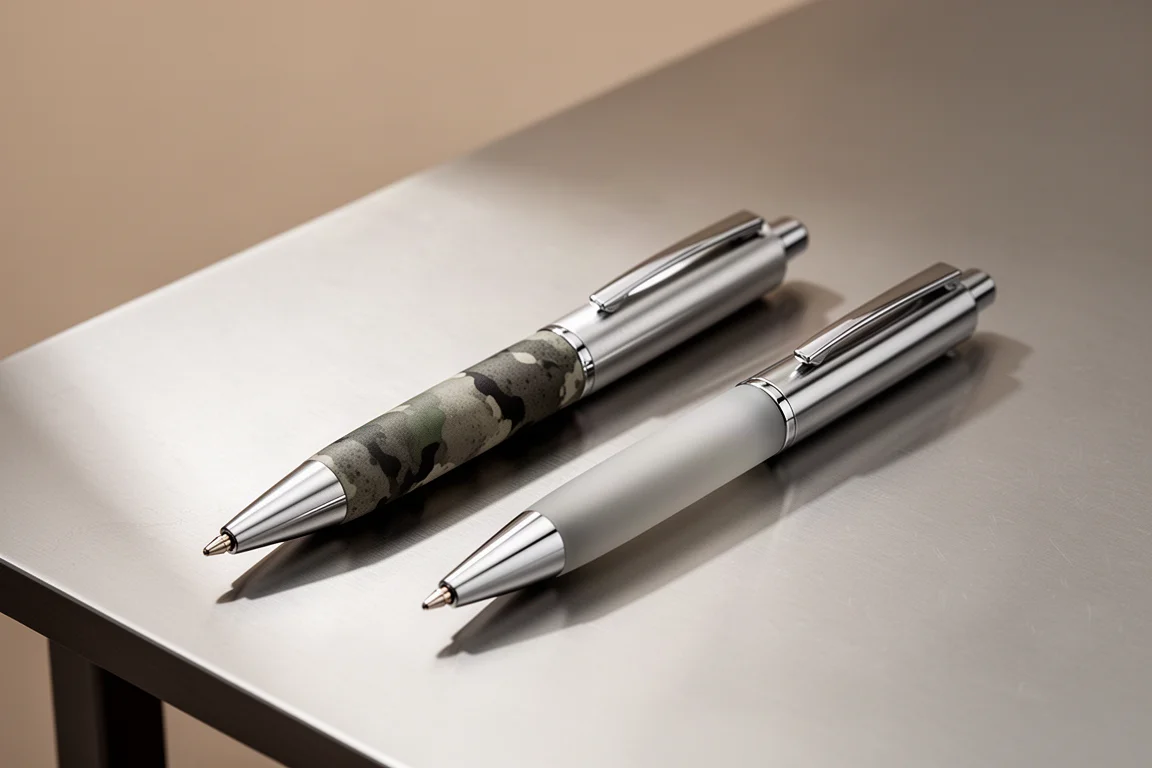
In writing feel, the CR-01 is less silky and more crisp, a classic water-based texture that is easy to love but shows a scratchy sensation when you press harder. Ink darkness is roughly equal between the two. The CR-01 does bleed through the page while the Signature does not, and both pens stay low in balance whether the cap is posted or removed. With a ¥1,100 price difference, the Signature edges ahead on quality and finish, but the CR-01 is far from a losing proposition and made this a very close contest.
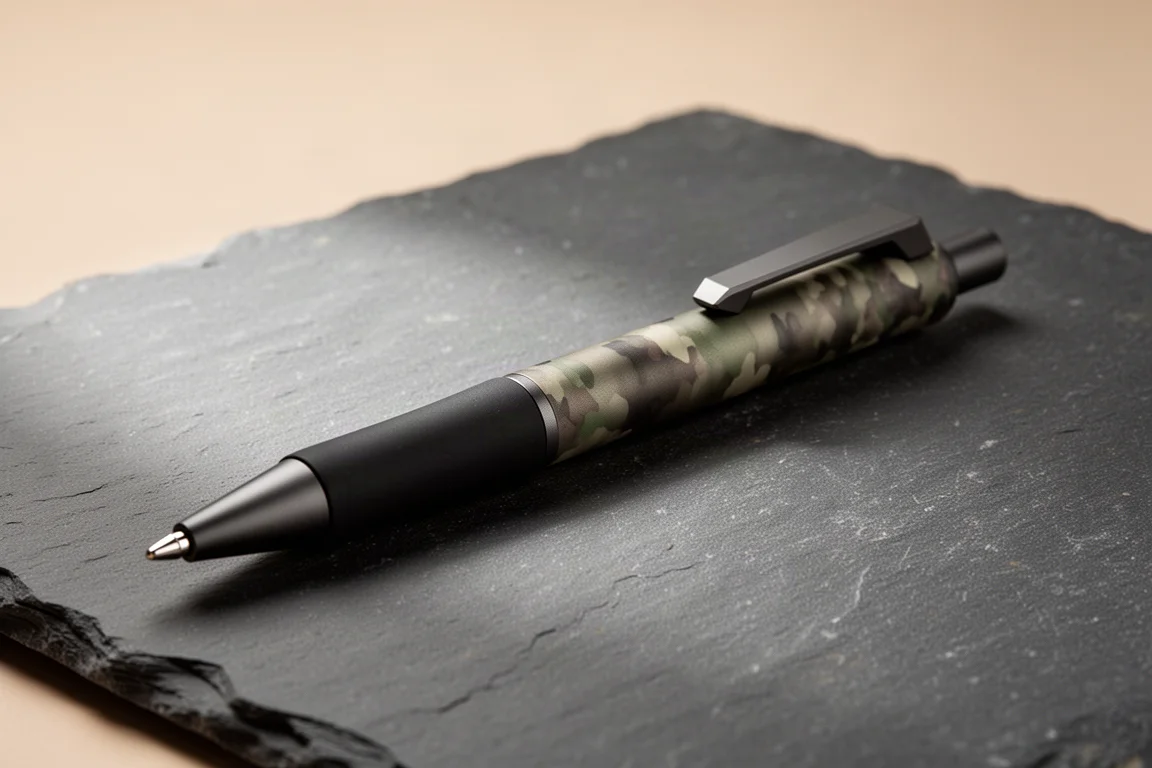
Bonus Gel Pick: ZOOM L1
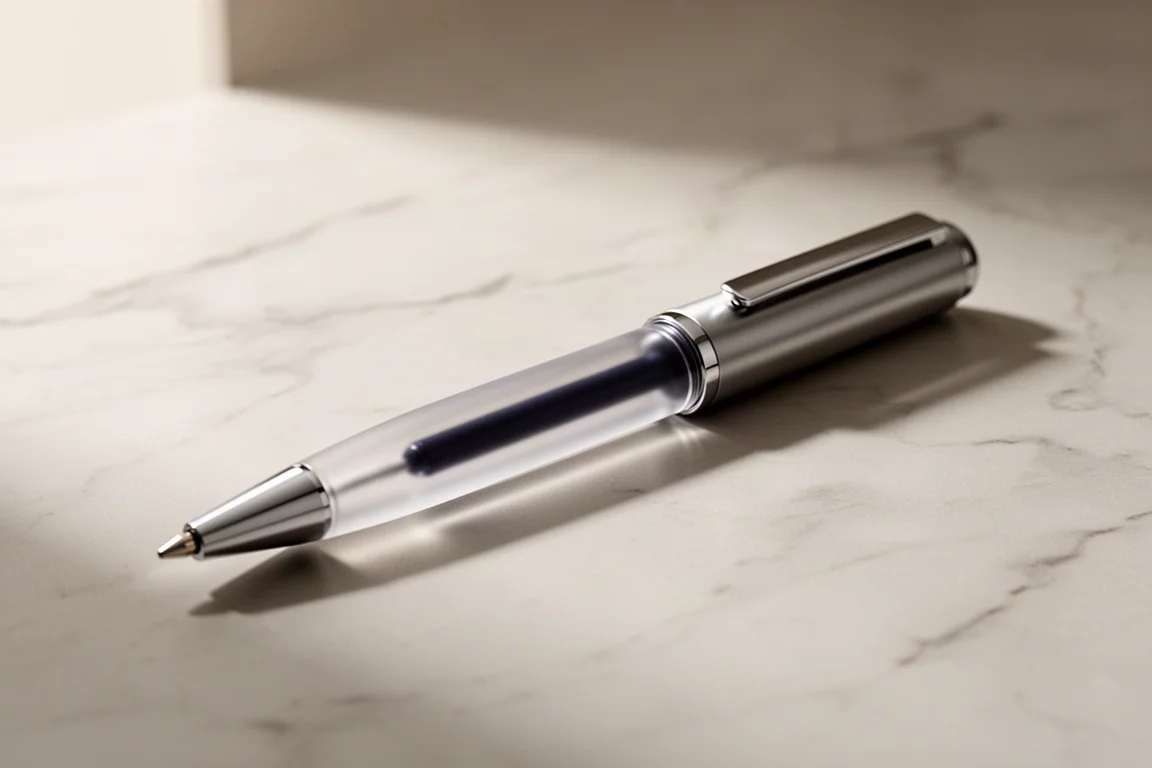
Gel ink falls outside the water-based ballpoint category, so treat this as a bonus entry. The ZOOM L1 costs ¥4,400 including tax and features a barrel with a high-transparency property: the inner refill becomes visible depending on the viewing angle. It is a capped pen with striking design, but the refill deserves equal credit.
In the hand it is lighter than it looks, the magnetic cap opens and closes comfortably without being stiff, and the blue-black ink is rich in colour and very smooth. Gel ink has higher viscosity than water-based ballpoint, so the feel is different, and bleed-through is minimal, with only faint traces visible where the pen stopped. Balance is low.
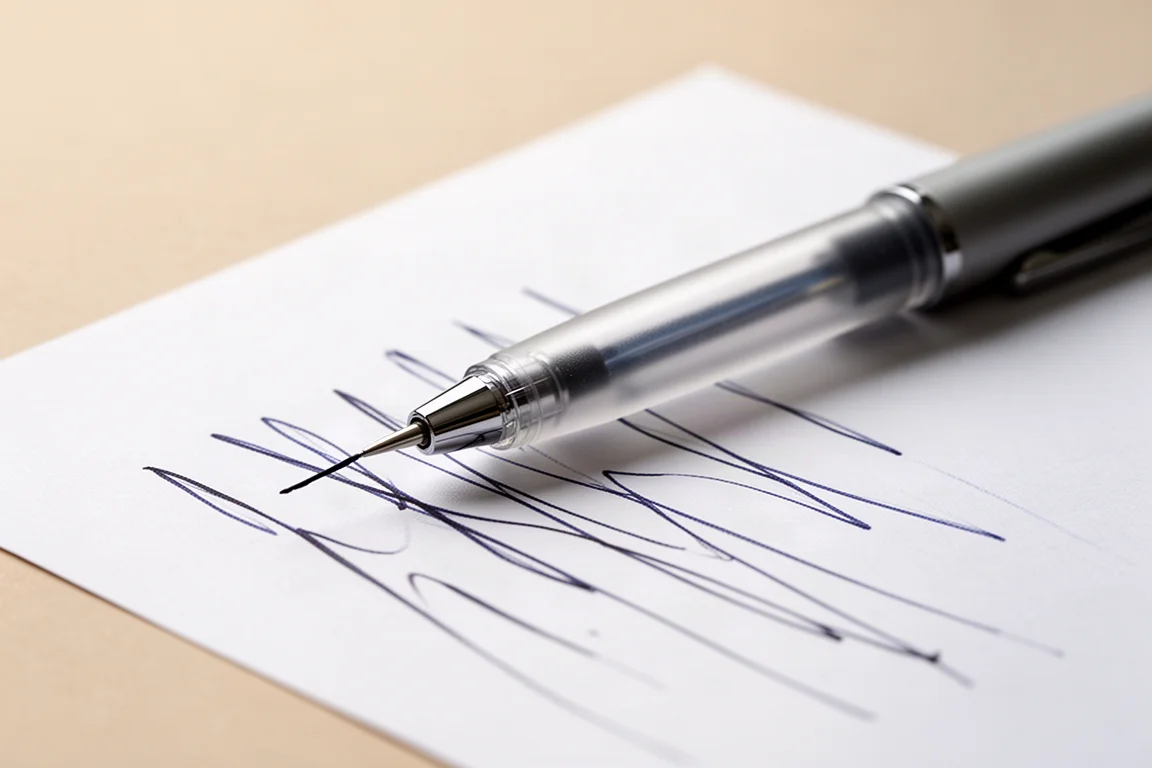
Priced ¥1,100 above the Signature, the premium materials partly explain the gap. Between the two, this comparison actually favoured the ZOOM L1 for its character, precisely because it sits closer to an oil-based writing feel while still being a gel. Within pure water-based ballpoints, though, the Signature remains the favourite.
Buying Advice
If you want the best everyday knock pen and can spare the extra ¥110, the Zento Standard is the stronger all-rounder thanks to its smoothness and lack of bleed-through. If value matters most, the Pilot V-CON Knock remains a superb budget pen whose writing feel has aged extremely well.
At the premium end, the Zento Signature justifies its price with the best build quality of the group, but the OHTO CR-01 offers most of the writing performance for noticeably less, with the bonus of an ink that cannot dry out in the barrel. And if you are open to gel and want something visually special, the ZOOM L1 is the pick, provided the higher price fits your budget.
Conclusion
The Zento line lives up to its billing: the new ink is smoother and cleaner on ordinary paper than what came before, and both the Standard and Signature models are easy to recommend. That said, this comparison was a useful reminder that the Pilot V-CON Knock is still excellent, the OHTO CR-01 is a serious competitor at its price, and the ZOOM L1 proves a gel pen can hold its own in a water-based showdown. Every pen here is worth owning for the right reason.
Further reading
Related Reviews
Stationery
Musgrave Pencils Review: Four Classic Pencils from Tennessee's Last Pencil Factory
We put four Musgrave pencils to paper, from the classic Harvest to the Unigraph 1200 drawing pencil, to see what a century-old Tennessee workshop can still do.
Stationery
Fountain Pen Tiers Explained: From Starter Pens to Luxury Grails
A practical overview of the different levels of fountain pens and inks, from a sub-$20 starter setup to Italian piston fillers and retractable gold-nib everyday carries.
Stationery
HP Premium 32 lb Copy Paper Review: A Fountain Pen Friendly Everyday Printer Paper
A heavy, smooth 120 GSM copy paper that handles fountain pens far better than standard printer stock, with only minor trade-offs in shading and sheen.