Ultralight Backpacking
Ultralight Thru-Hiking Gear: Eight Pieces Worth Carrying
A practical roundup of ultralight thru-hiking gear for three-season trails, from a modular 60 L pack and a 395 g shelter to a 25 g stove, with the trade-offs that matter before you buy.
Introduction
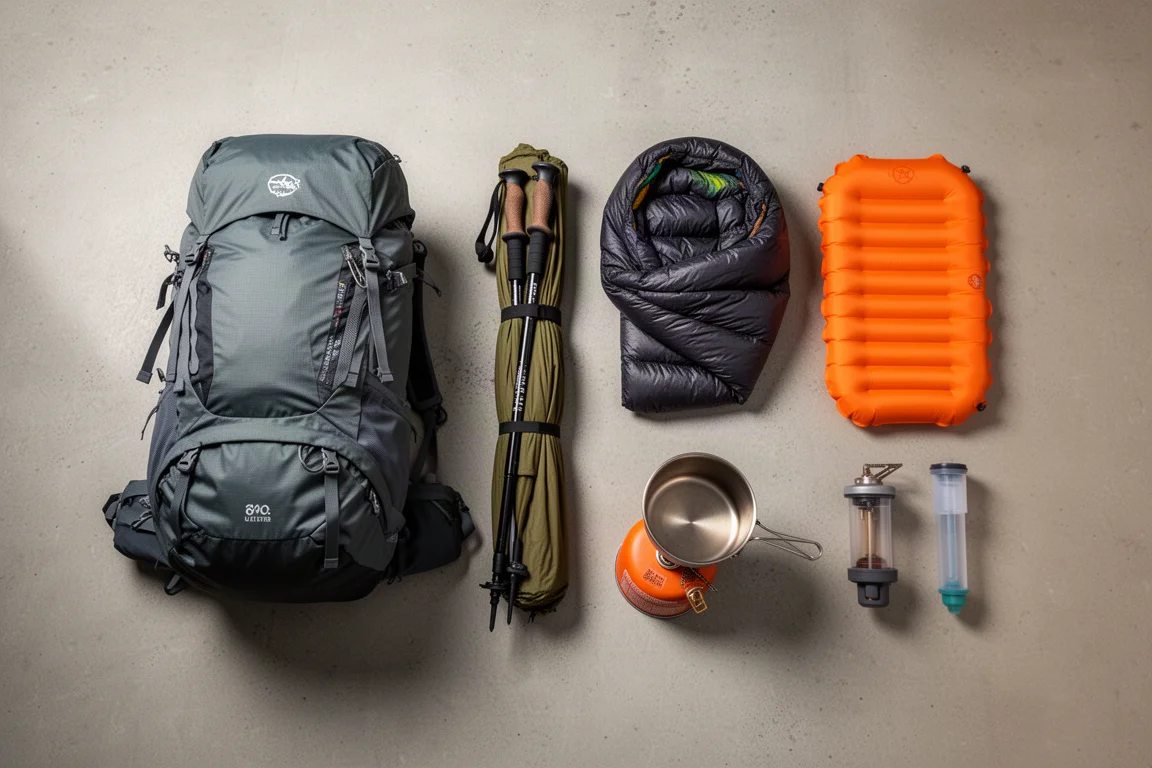
Ultralight thru-hiking gear is a balancing act. Trails such as the Appalachian Trail, the Pacific Crest Trail, and the Continental Divide Trail each ask something different from a kit, and the same item that saves weight in the desert can leave you exposed higher up. What follows is a roundup of eight pieces that cover the core of a three-season setup: a modular pack, a satellite messenger, a one-person shelter, a down quilt, a sleeping pad, a water filter, a canister stove, and a synthetic insulated jacket.
Each entry explains what the item does well and where it asks something of you in return. None of it is exotic for the sake of being exotic. The point is to make the trade-offs visible before you commit.
How to Evaluate Ultralight Gear for a Thru-Hike
Weight is the number everyone quotes, but it is rarely the deciding factor over several months on trail. Three criteria matter more.
Modularity comes first. A pack that can be stripped down for a fast, light stretch and rebuilt for a heavy water carry or a bear canister covers far more of a long trail than a fixed design at the same base weight.
The second is the ratio of weight to warmth, or weight to comfort. A shelter or quilt that saves grams but costs sleep will slow you down, because recovery is part of the daily routine.
The third is behaviour in bad conditions. Damp insulation, sustained rain, and long gaps between resupply points reveal weaknesses that a spec sheet never shows.
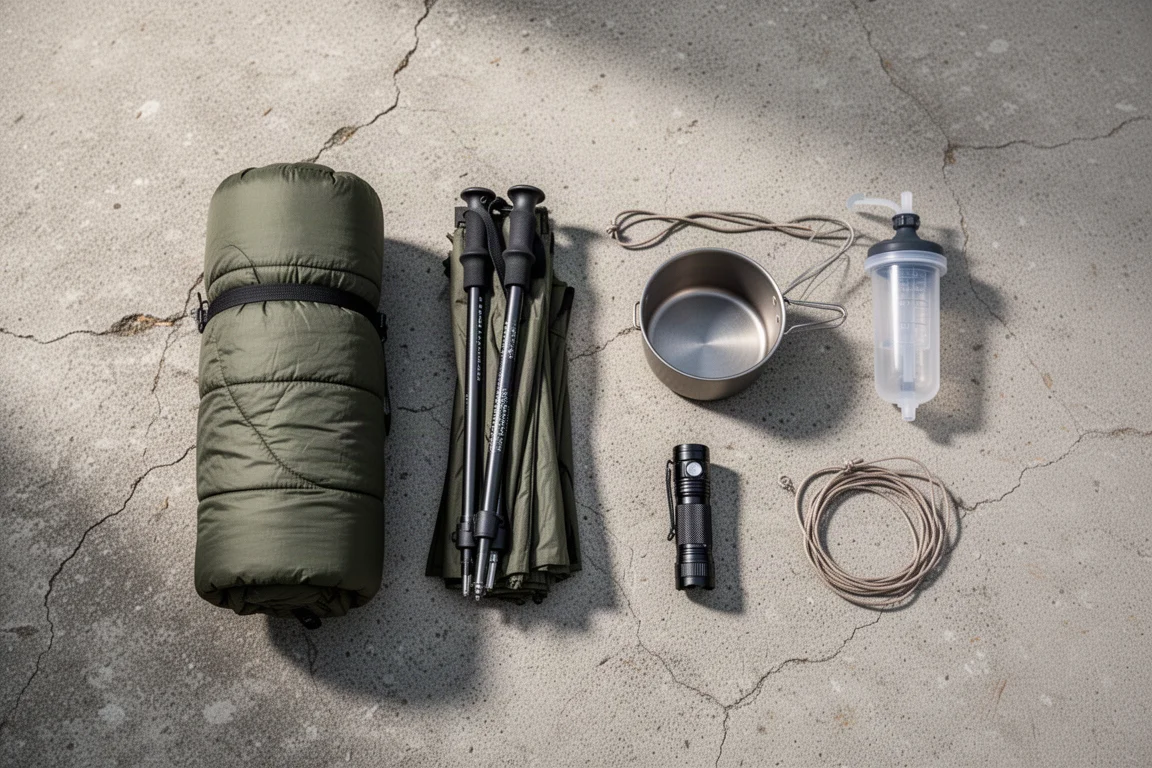
A practical rule follows from all three: buy for the conditions you will meet across the whole trail, not for the best week of it.
Gossamer Gear Mariposa: A Modular 60 L Pack
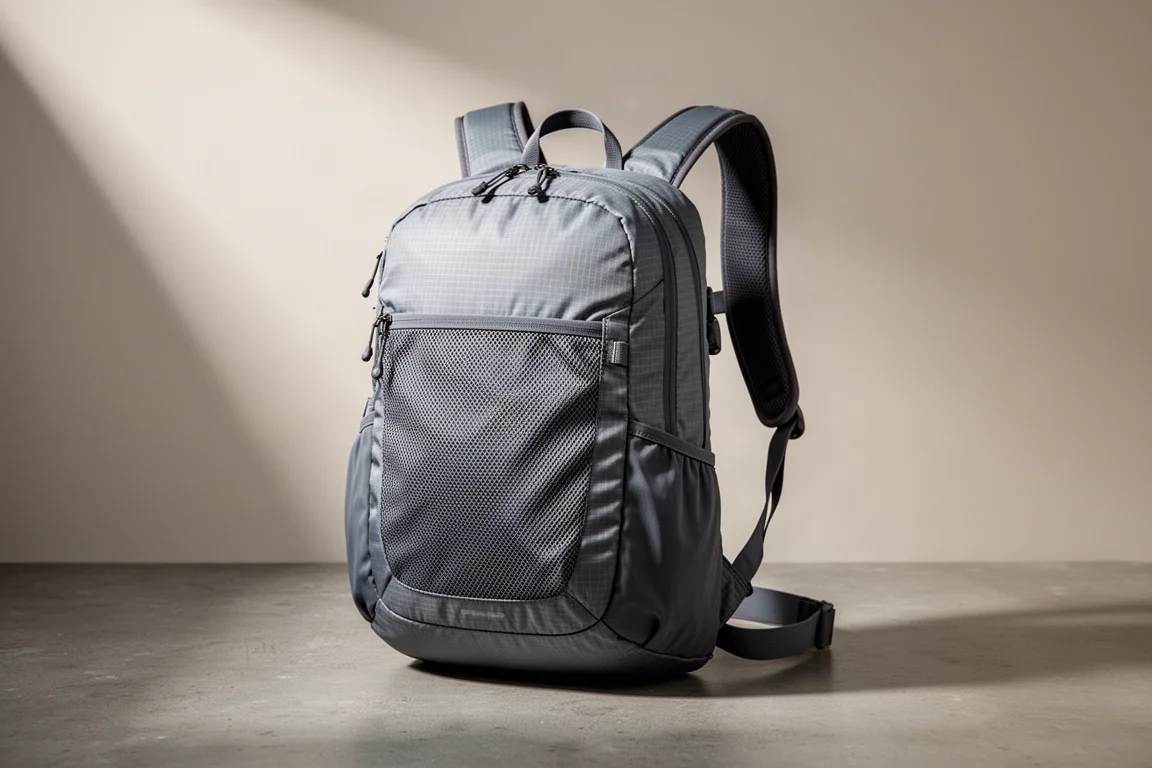
The Mariposa is a 60 L pack built around three removable components: the hip belt, the aluminum stays that act as a frame, and the foam back panel. Fully assembled it weighs about 870 g. Take out the hip belt and the stays and it drops to about 570 g, and removing the foam panel as well brings it to roughly 500 g.
That range is the reason it suits a thru-hike. With the stays and hip belt fitted, the pack carries 40 to 45 lb comfortably, which covers long desert water carries or a bear canister. Stripped down, it still handles a 30 lb load without the frame or the hip belt.
The pocket layout is generous by ultralight standards. There are two side pockets, a low pocket on the right that holds two 1 L bottles, a larger left pocket for trekking poles, a tent, or spare water, a stretchy front pocket for a rain jacket, and a lid pocket that many ultralight packs leave out. The side pockets are reachable while the pack is on, so bottles can go back without stopping.
Durability is the one thing to weigh carefully. This is not the toughest pack available, and it rewards a little care if it is going to survive a full thru-hike. Hikers who want a burlier option that carries more weight should look at the Durston Kakwa series, offered in 40 L and 55 L versions.
Garmin inReach Messenger: Satellite Messaging Without the Bulk
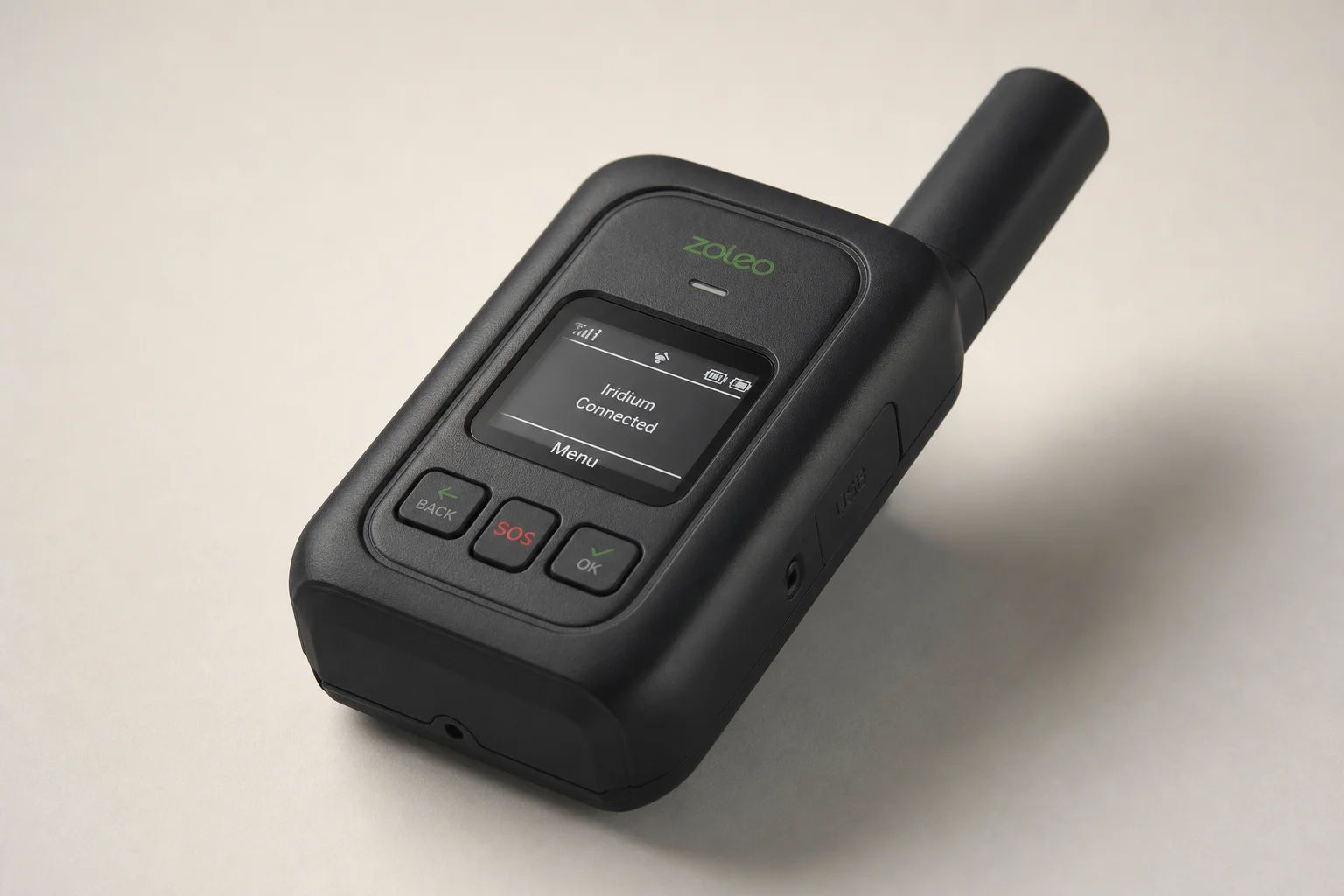
A satellite messenger is the piece of safety gear that most thru-hikers end up glad they carried. The inReach Messenger concentrates on messaging and battery life. Its advantage over the inReach Mini 2 is longer runtime between charges, while the Mini 2 is the one that adds on-device navigation. If you already navigate from a phone and would rather not think about charging another device every few days, the Messenger is the more sensible choice.
It is small enough to live in a pack lid pocket, which keeps it accessible without adding bulk to the main compartment.
Zpacks Plex Solo: The Lightest Fully Enclosed Shelter
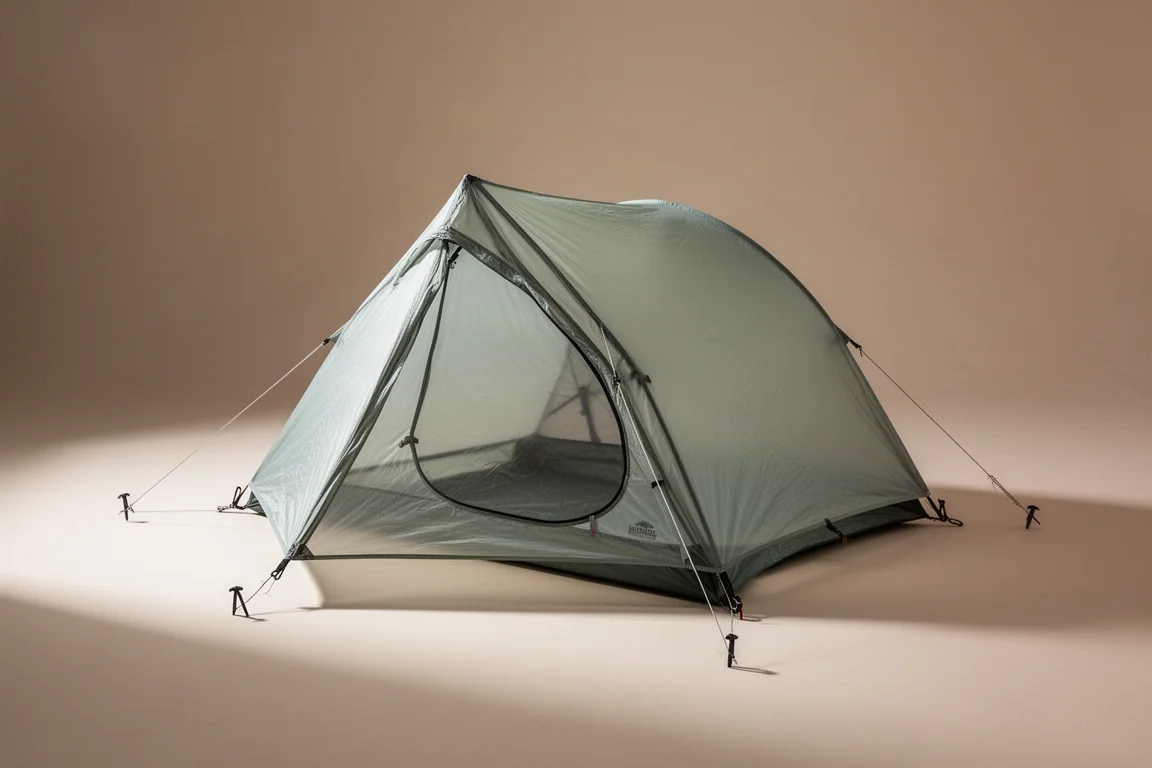
At 395 g, the Plex Solo is the lightest fully enclosed one-person tent in this roundup, and that number is the whole argument for it. It pitches with a single trekking pole, which has a practical benefit beyond weight: if one pole fails you still have a spare, and in terrain where a suitable stick cannot be found, a one-pole shelter still goes up while a two-pole design may not.
For a one-person tent it is roomy. There is enough interior space to move around, change clothes, and sit out a stretch of rain without feeling sealed in. Hikers who want more space can look at the Durston X-Mid Pro 2 or the roomier X-Mid Pro 2 Plus, and anyone who wants a lower price with solid thru-hike performance should consider the Six Moon Designs Lunar Solo or the two-person Lunar Duo.
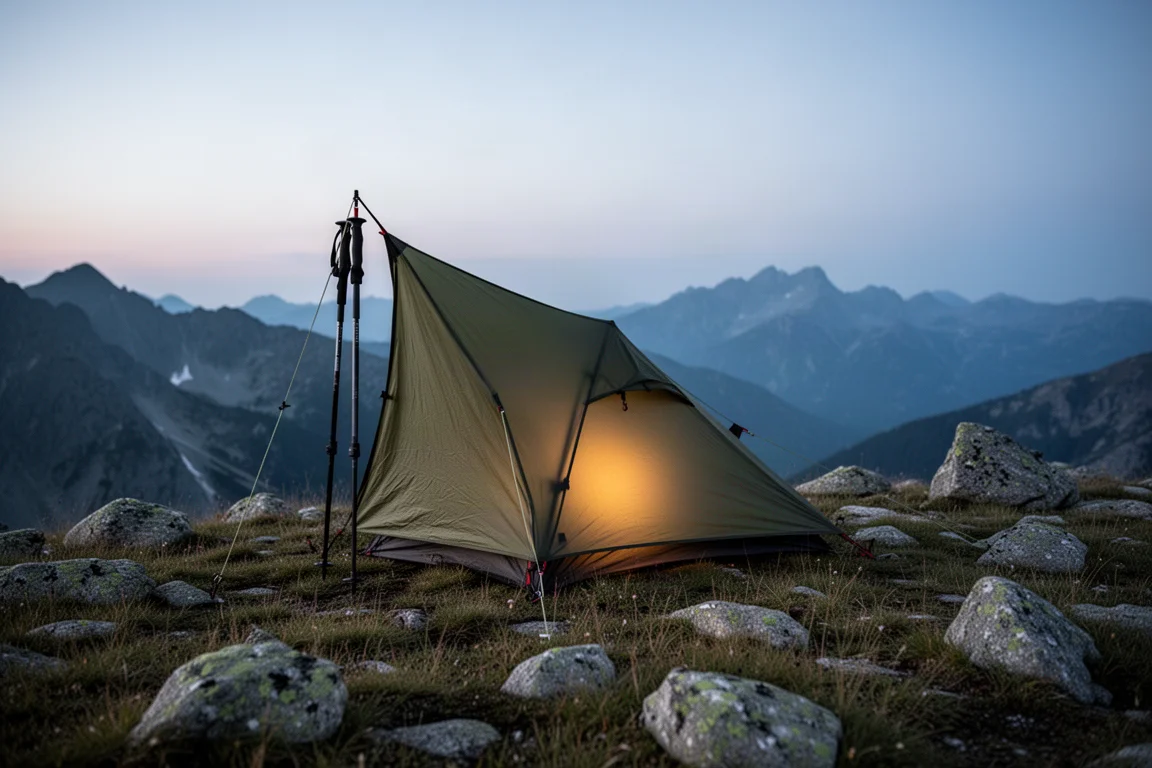
The trade-off is cost. This is a premium shelter, and the price reflects the weight. If the budget is tight, the alternatives above are the sensible route.
Enlightened Equipment Enigma 20: A Quilt for Three Seasons
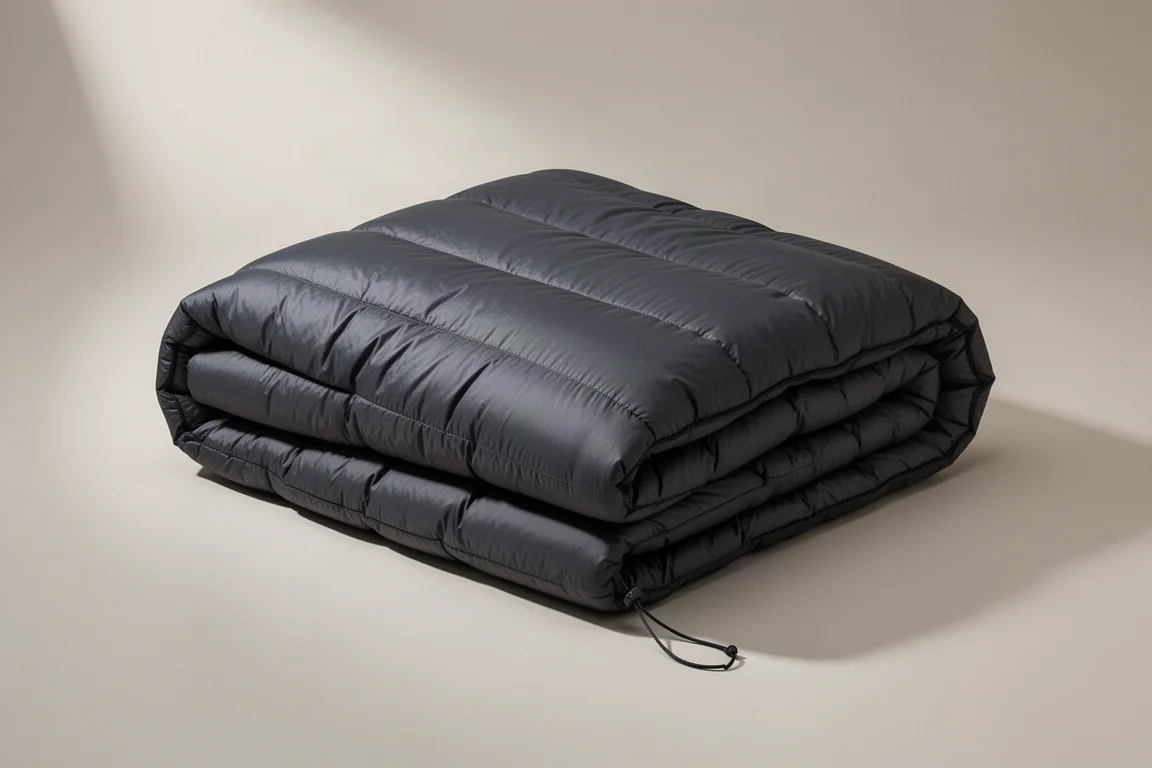
A down quilt is hard to beat on warmth-to-weight, and it also solves a comfort problem that mummy bags create: you can toss and turn onto your side without wrestling the bag back into position. The Enigma 20°F sits in the versatile middle of the range, warm enough for the three-season conditions that most North American thru-hikes throw at you without carrying the weight of a colder-rated bag.
The one caveat applies to all down: it is more compromised when damp. Keep it dry and it will outperform most alternatives for its weight.
Exped Ultra 3R: Comfort at a Lower Weight
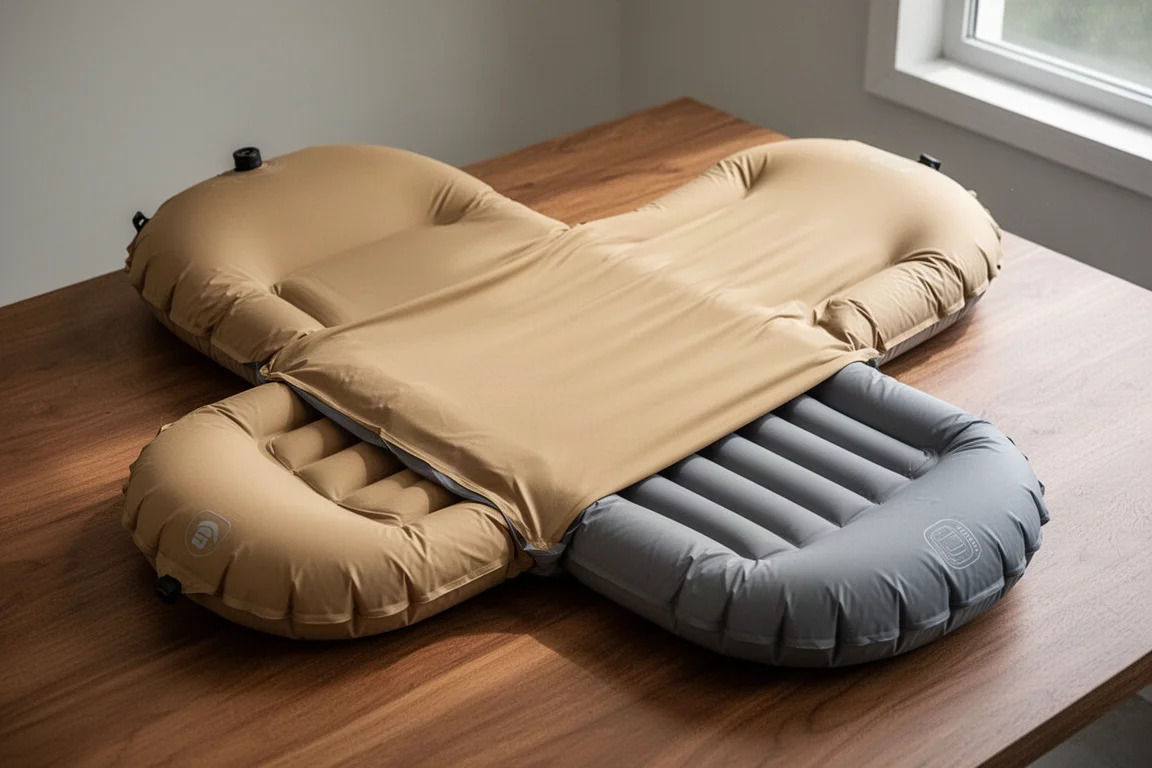
The Ultra 3R is the lighter half of Exped’s Ultra range and the better fit for a three-season thru-hike. Its sibling, the Ultra 5R, has a reputation for feeling warmer than its R-value suggests, but the 3R saves meaningful weight while keeping the comfort that makes the Ultra line appealing.
That weight lands close to the Therm-a-Rest NeoAir XLite, one of the most popular pads on long trails. The XLite is the warmer pad; the Ultra 3R is the more comfortable one. For most three-season hikes, comfort is the attribute you notice every night.
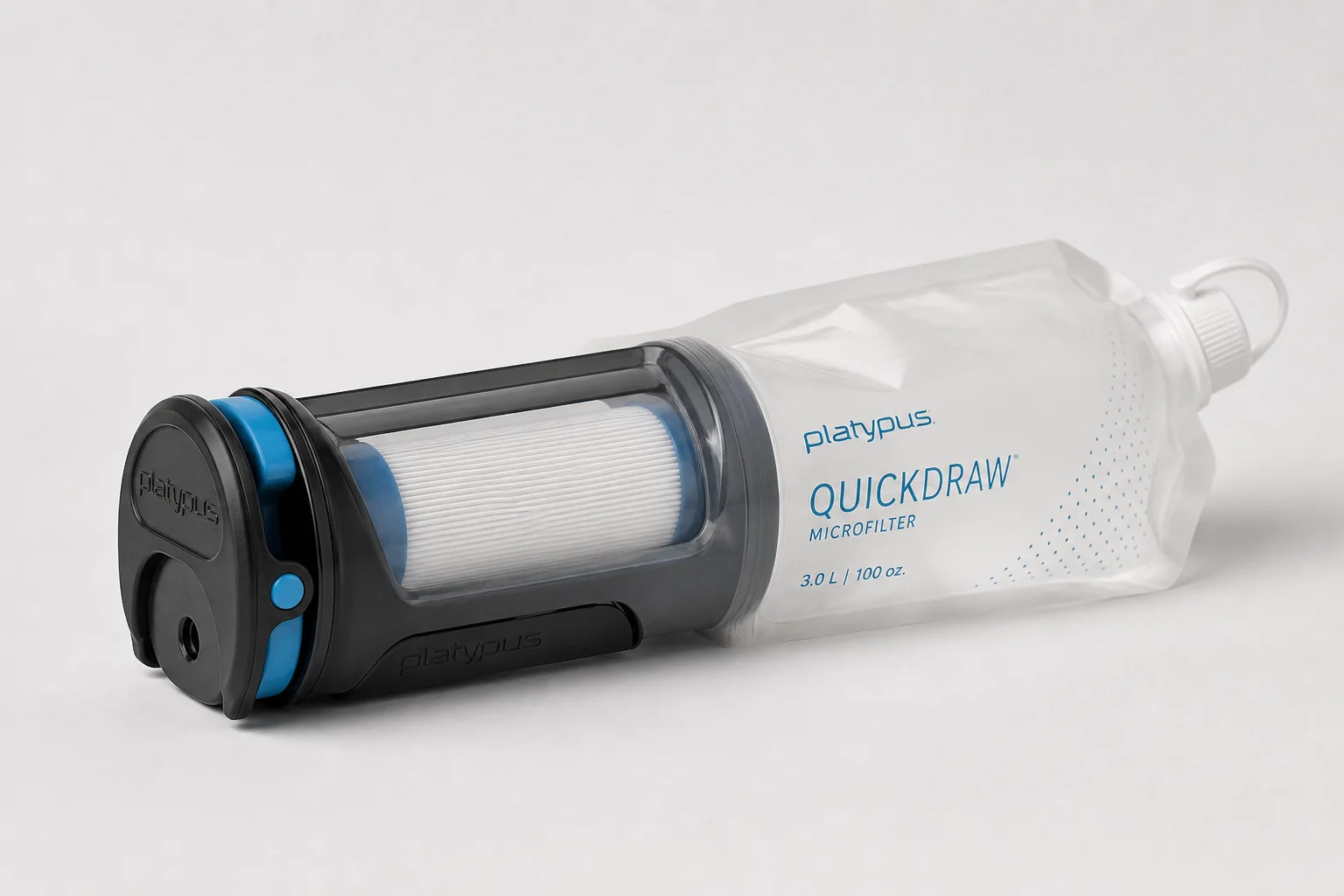
Platypus QuickDraw: Fast Water Treatment With Caps at Both Ends
Water treatment is the item you use most often and think about least, so speed and simplicity matter. The QuickDraw filters quickly, comes with its own bag, and has caps on both ends, which makes the whole system self-contained and easier to keep tidy between uses.
BRS 3000: The Cook Kit Workhorse
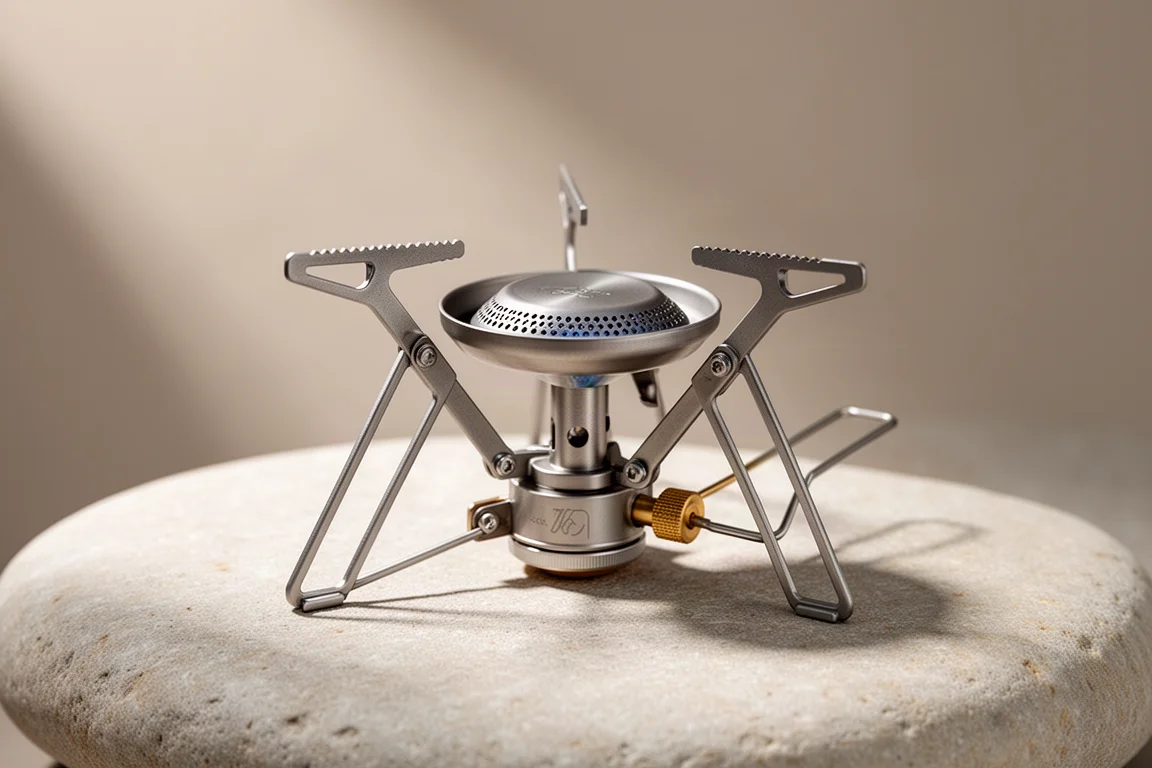
The BRS 3000 weighs 25 g and does the one job that matters on trail: it boils water. It has been a fixture in ultralight cook kits for years and keeps working without fuss.
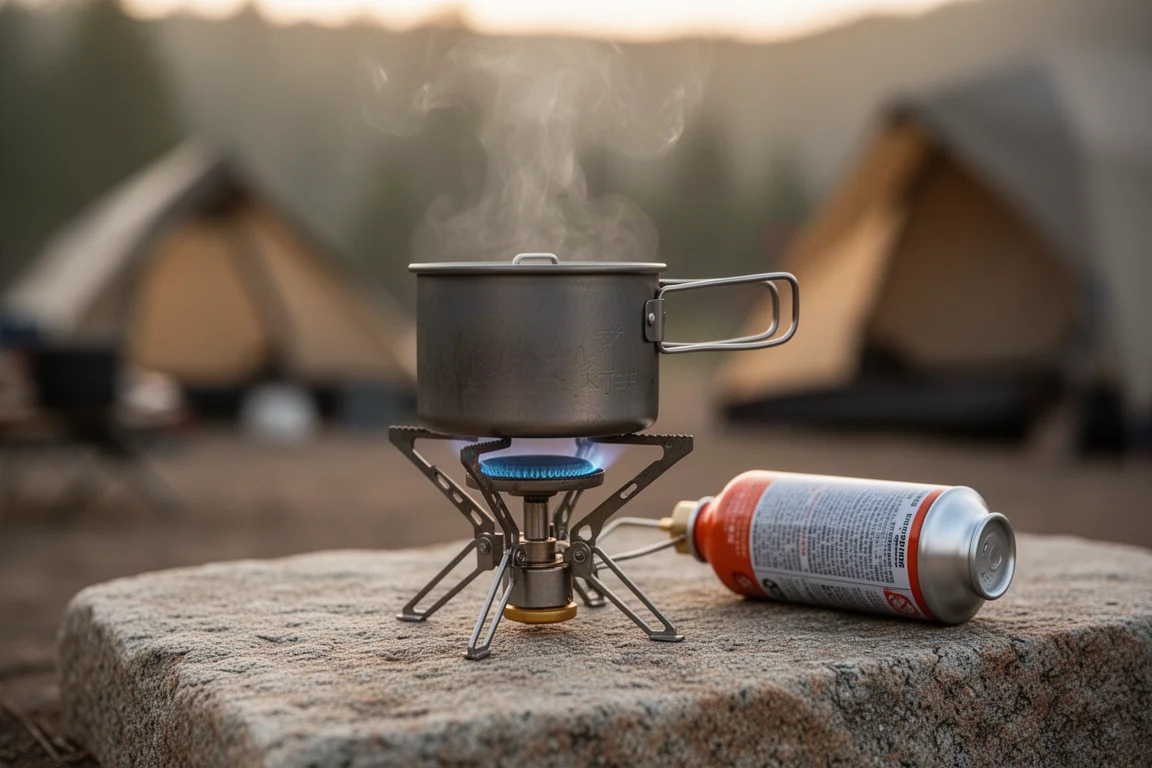
It pairs naturally with a 550 ml titanium pot, which has no handles of its own. A 3 g pot gripper solves that, and it is both lighter than built-in handles and easier to use when pouring boiling water into a freeze-dried meal. Fuel is simple too: a 110 g canister covers roughly 10 to 14 days of backpacking.
Enlightened Equipment Torrid Apex: Insulation That Handles Damp
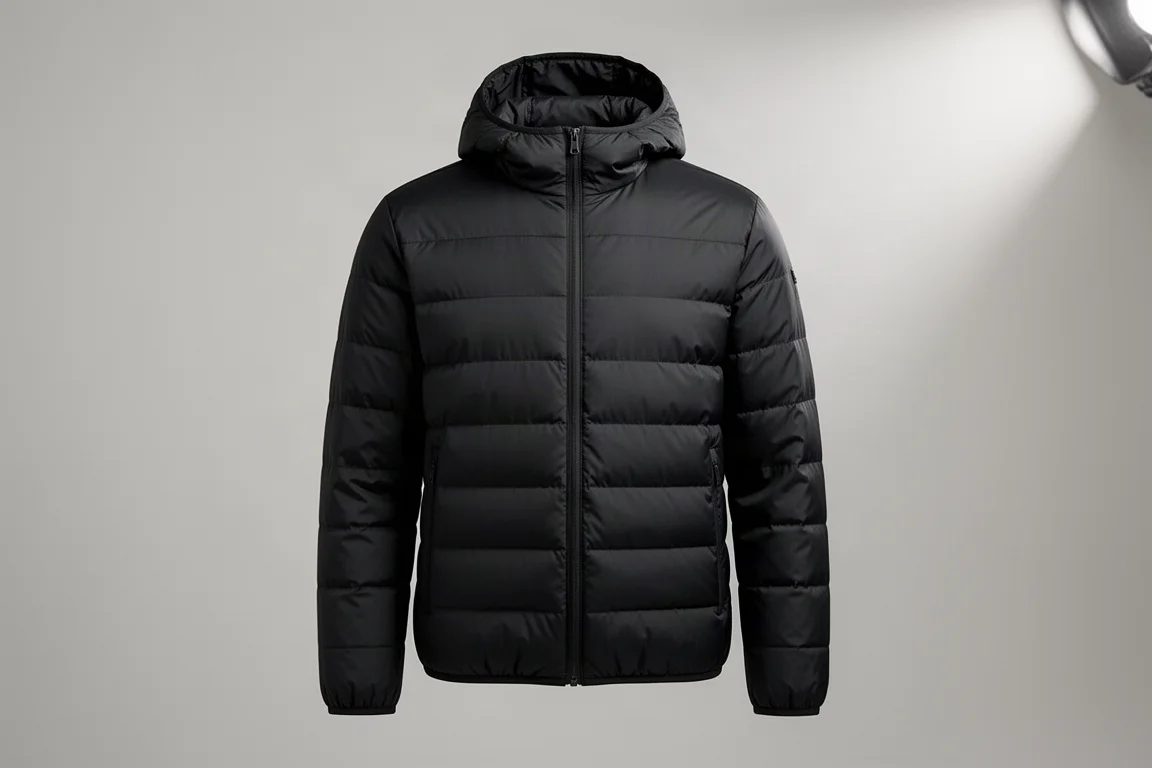
The Torrid Apex uses synthetic insulation, which means it does not pack down as small as down and it is not the most fashionable jacket on the market. What it offers instead is damp-weather performance: it stays warmer than down when it is raining or when you are sweating into it, and it is almost as light as a comparable down jacket.
For a three-season thru-hike where rain is likely and laundry is not, that trade is usually worth making.
Overall Buying Advice
Spend where the consequences are largest. Shelter and sleep system decide whether you recover each night, and the pack decides how the whole load feels on your hips and shoulders. Those three are worth the extra money.
Save where the job is simple. A 25 g canister stove, a fast squeeze filter, a titanium pot, and a small pot gripper all do their work for very little, and none of them need to be premium to be reliable.
Modularity deserves more attention than it usually gets. A pack that adapts to a heavy water carry and to a light stretch covers more of a long trail than a lighter pack that cannot. The same logic applies to insulation: synthetic layers earn their place when the forecast is uncertain.
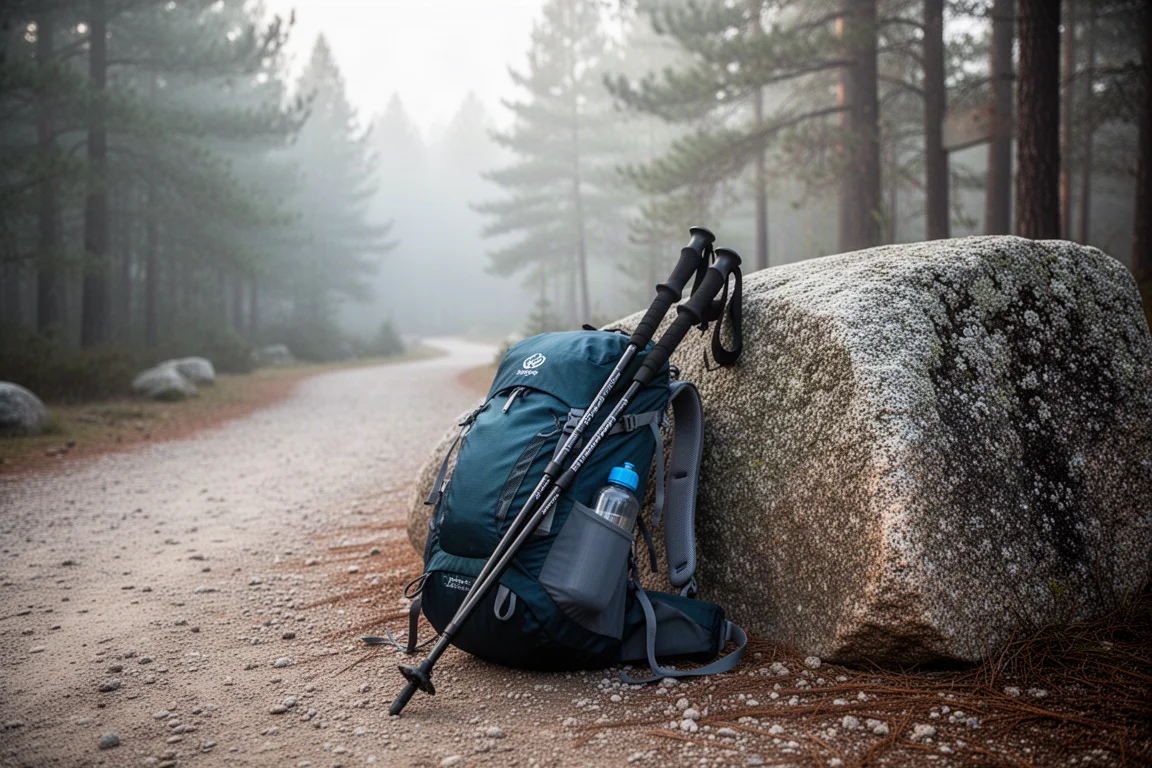
Finally, resist the urge to buy the whole kit at once for a first thru-hike. Replace what fails or annoys you, and let the pack list settle around the way you actually hike.
Conclusion
The eight items here share a common trait: each one solves a specific problem on a long trail, and each one makes a trade you can see in advance. The Mariposa covers load flexibility, the Plex Solo covers shelter weight, the Enigma 20 and the Ultra 3R cover sleep, the QuickDraw and the BRS 3000 cover the small daily tasks, the inReach Messenger covers safety, and the Torrid Apex covers damp-weather insulation.
Match those trade-offs to the trail in front of you, and the kit will hold up from the first resupply to the last.
Further reading
Related Reviews
Ultralight Backpacking
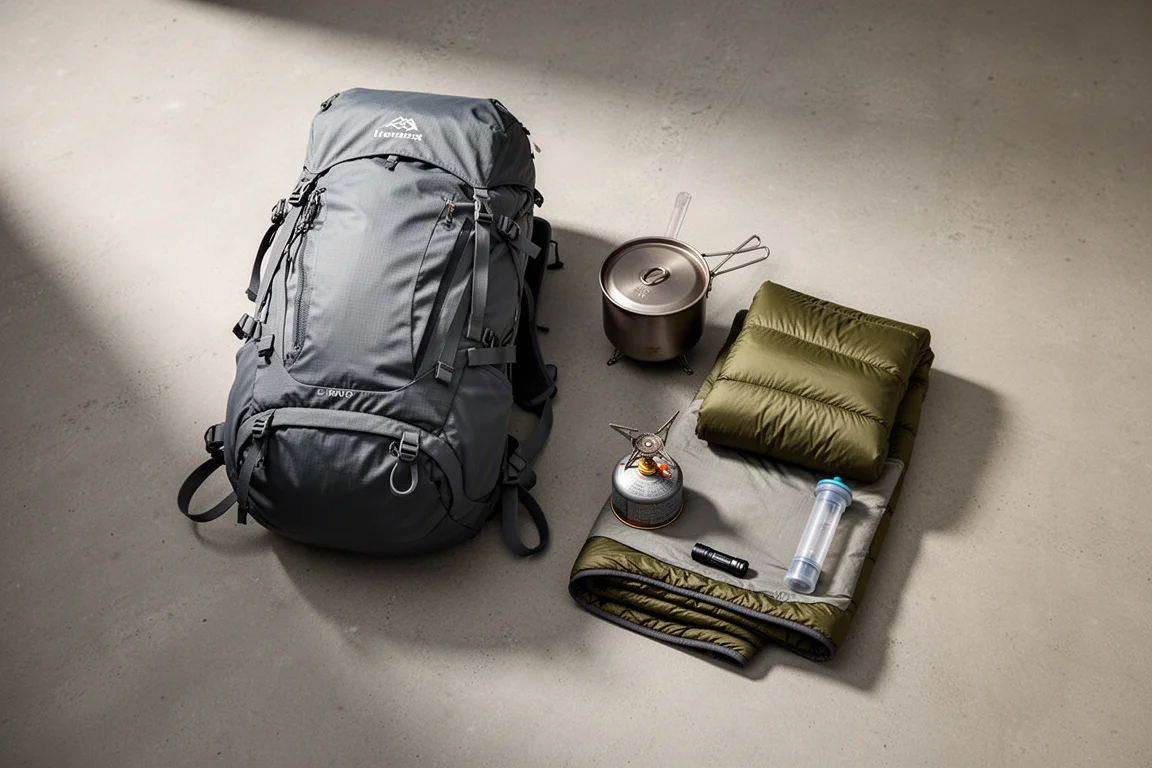
Ultralight Backpacking Gear List: Building an Eight-Pound Base Weight
A practical ultralight backpacking gear list covering pack, shelter, sleep, cook, and safety choices, with notes on what each item does well and where it makes trade-offs.
Ultralight Backpacking
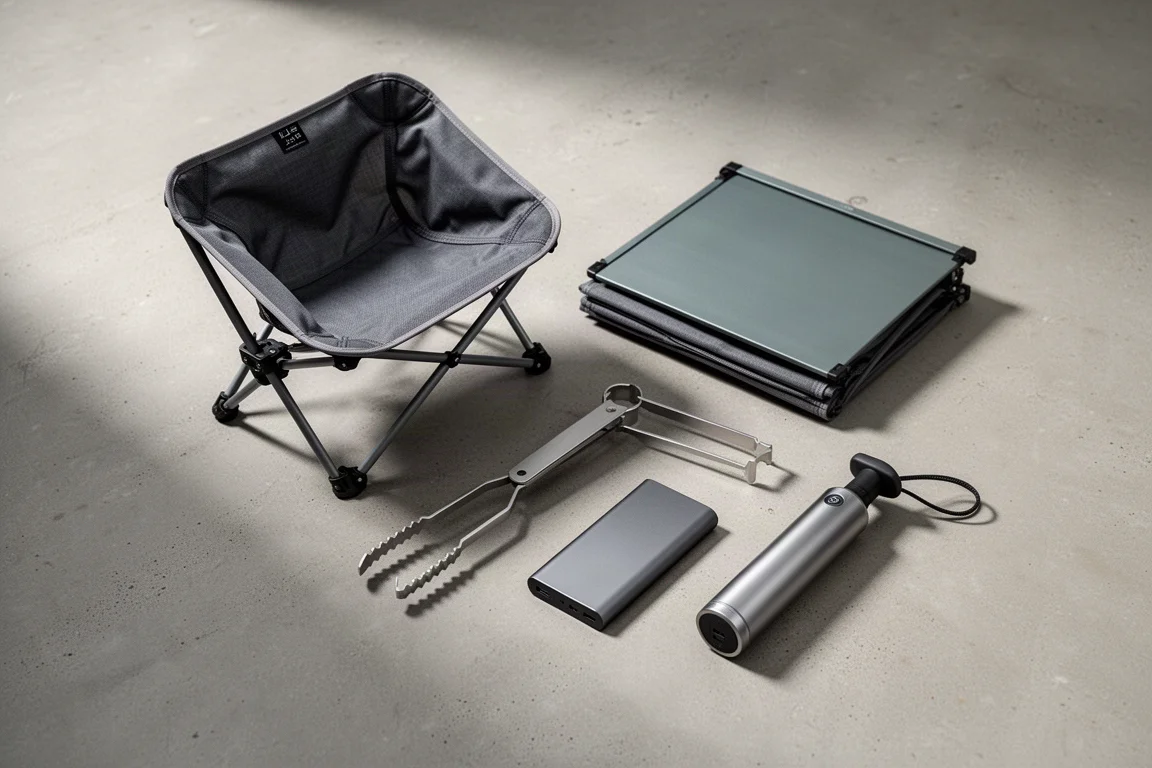
Best Ultralight Backpacking Gadgets 2026: Six Lightweight Upgrades Worth Knowing
Six ultralight backpacking gadgets, from a 488 g camp chair to a 4.5 g pot grabber, with practical notes on weight, usability, and price.
Ultralight Backpacking
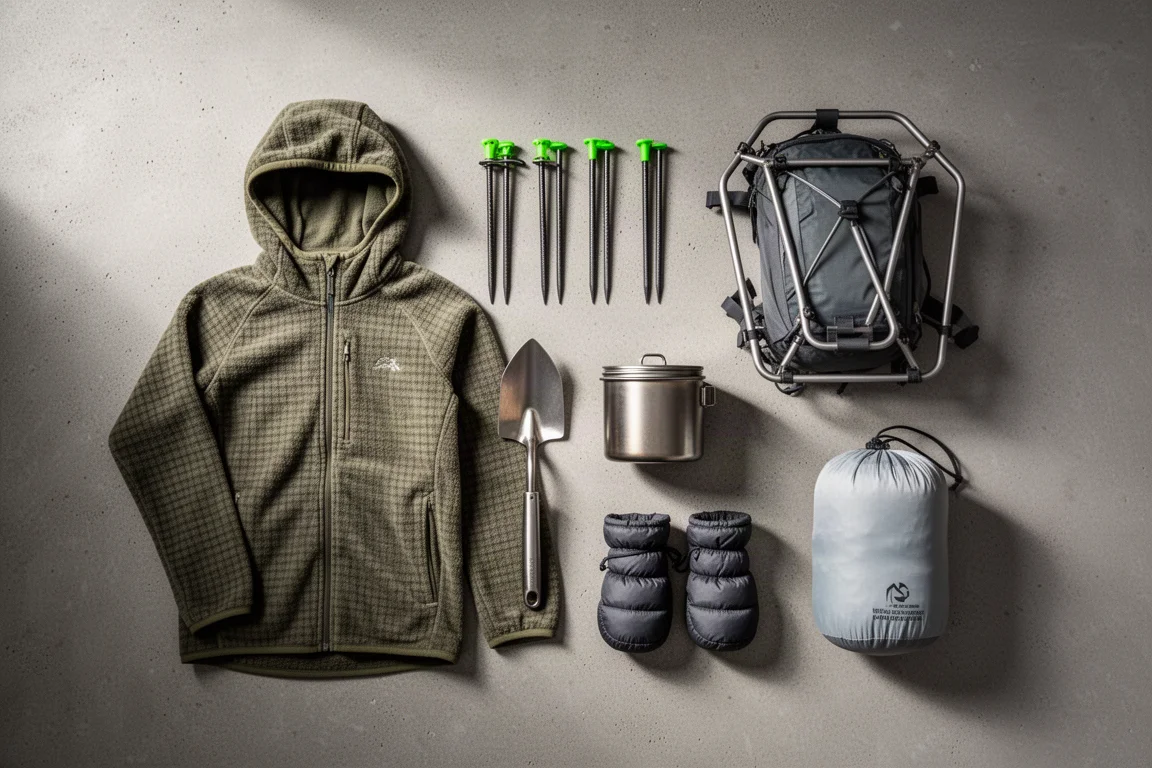
Five Small Ultralight Brands and the Gear Worth Packing
A closer look at five cottage ultralight brands and seven pieces worth considering, from a 4 oz fleece layer to carbon fiber tent stakes you can barely feel.