Ultralight Backpacking
Five Small Ultralight Brands and the Gear Worth Packing
A closer look at five cottage ultralight brands and seven pieces worth considering, from a 4 oz fleece layer to carbon fiber tent stakes you can barely feel.
Introduction
Backpacking gear is a crowded space. There are thousands of brands developing, manufacturing, and marketing equipment in the hope that you will buy from them, and some of those names are so familiar that they have become almost cliche. Then there are the cottage operations, where gear is sometimes literally made in a garage by one or two people.
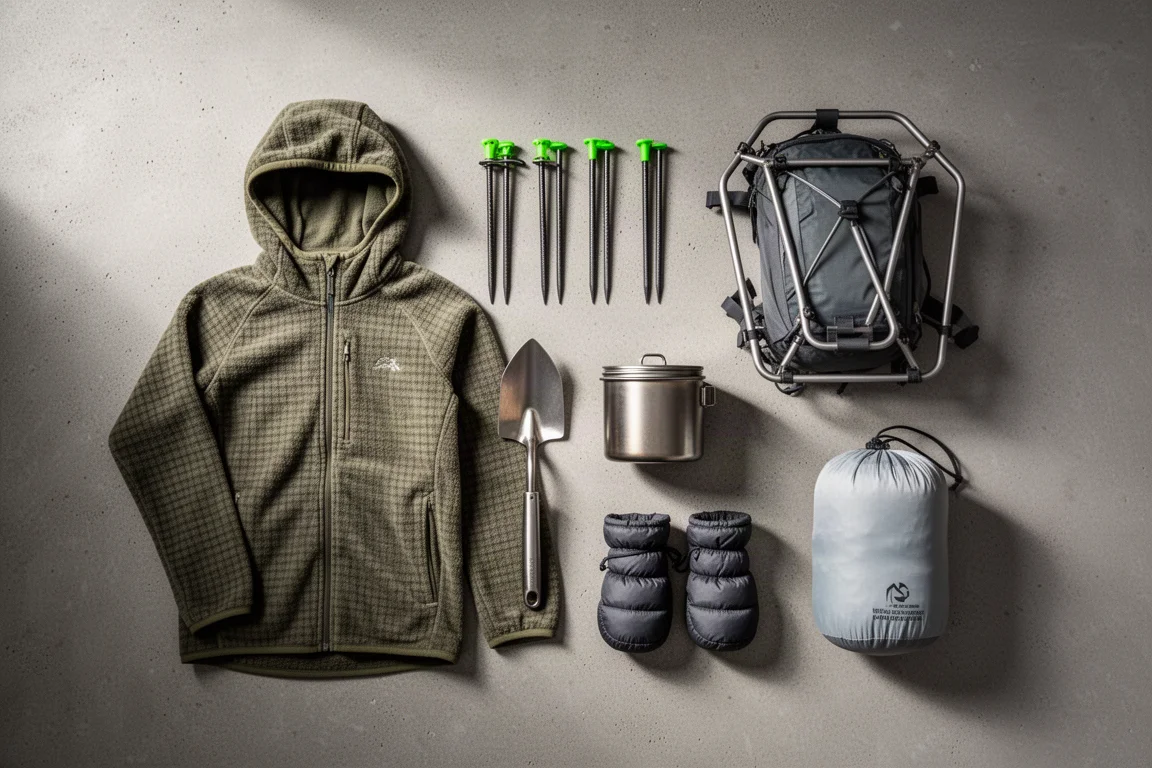
That second group is where the most interesting ideas often come from. This roundup covers five small brands and seven pieces of ultralight gear worth considering for your next trip, from a 4 oz fleece layer to carbon fiber tent stakes that barely register on a scale.
What Sets These Small Brands Apart
Cottage makers tend to build around one specific problem rather than a full catalog. That focus shows up in details: a lid that seals properly, a tip that clears an obstruction, a knit that breathes when you are climbing. Production runs are usually small, which means popular items can sell out quickly and restock on their own schedule.
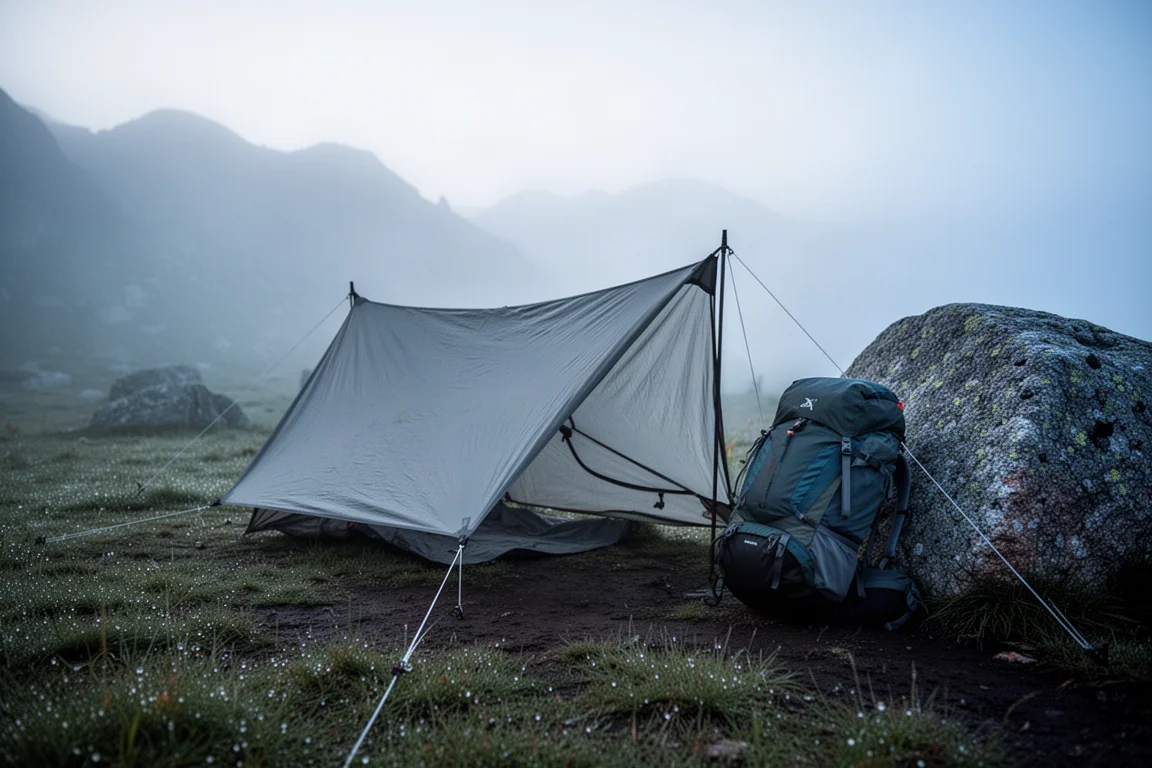
When you evaluate gear from a small maker, weight is only one part of the picture. Durability, the terrain the item was designed for, and how easily you can replace it matter just as much. A 3 gram stake and a titanium trowel solve very different problems, and each one only pays off if it matches the trips you actually take.
Farpoint Alpha Cruiser Hoodie: 4 Ounces of Active Warmth
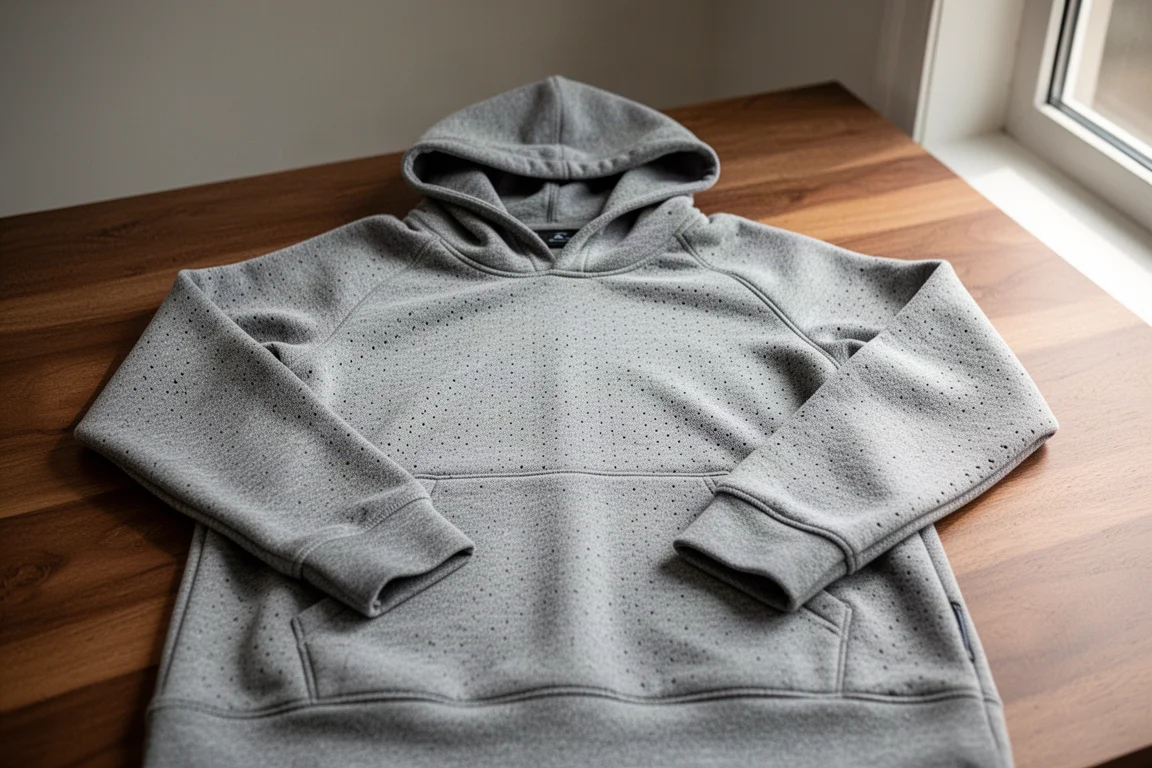
A fleece mid-layer is a staple of almost every loadout, but it is also the piece people most often carry without ever wearing. Fleece is rarely light, and most mid-layers land close to a pound, which is a real cost in a pack. The Farpoint Alpha Cruiser Hoodie weighs 4 oz.
The open, grid-like knit is deliberately airy. That structure is what makes it an active insulating layer: it holds warmth while you are moving and lets heat escape once you start working hard, which is exactly the situation where you are not ready to shed a layer but know you will warm up soon.
The trade-off is wind. On its own the hoodie does not block much, so it works best layered under a rain jacket or beneath a puffy for extra warmth. Since most hikers carry a shell anyway, that is an easy arrangement to live with. It is light enough to bring just in case and small enough that you stop noticing it. Batches do sell out quickly, so it is worth ordering as soon as it appears in stock.
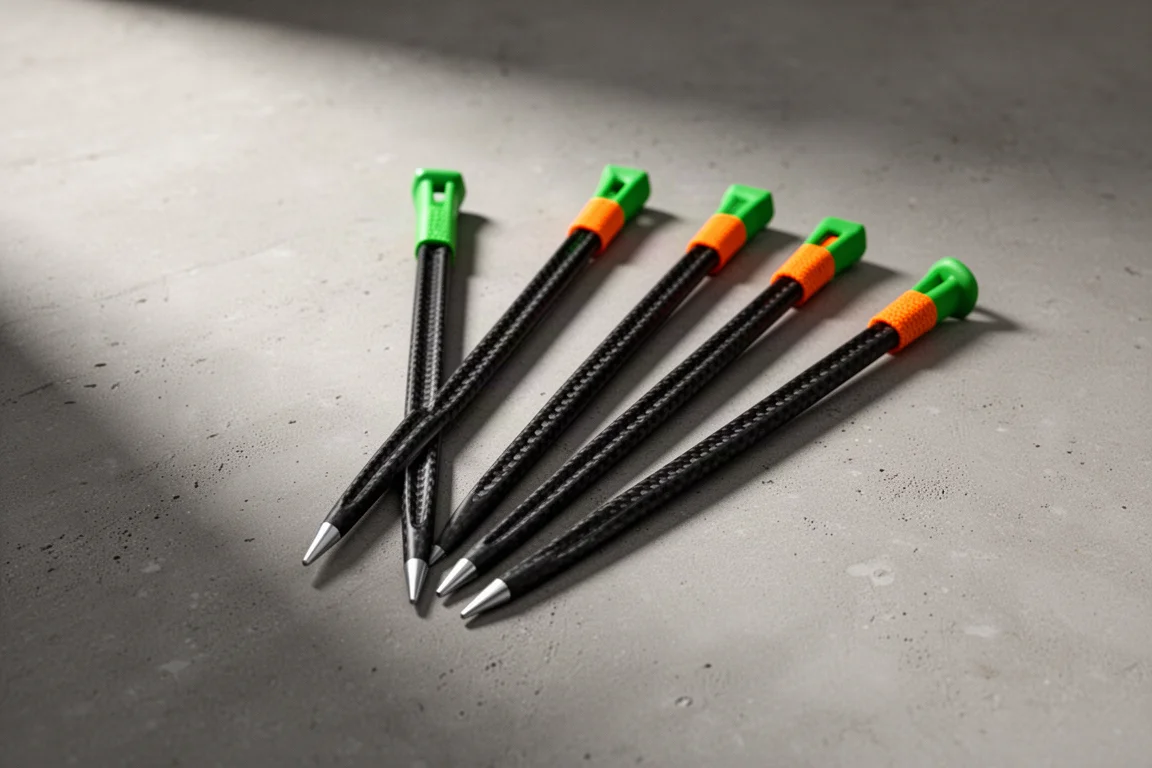
At Stakes Carbon Fiber Tent Stakes: Stakes You Can Barely Feel
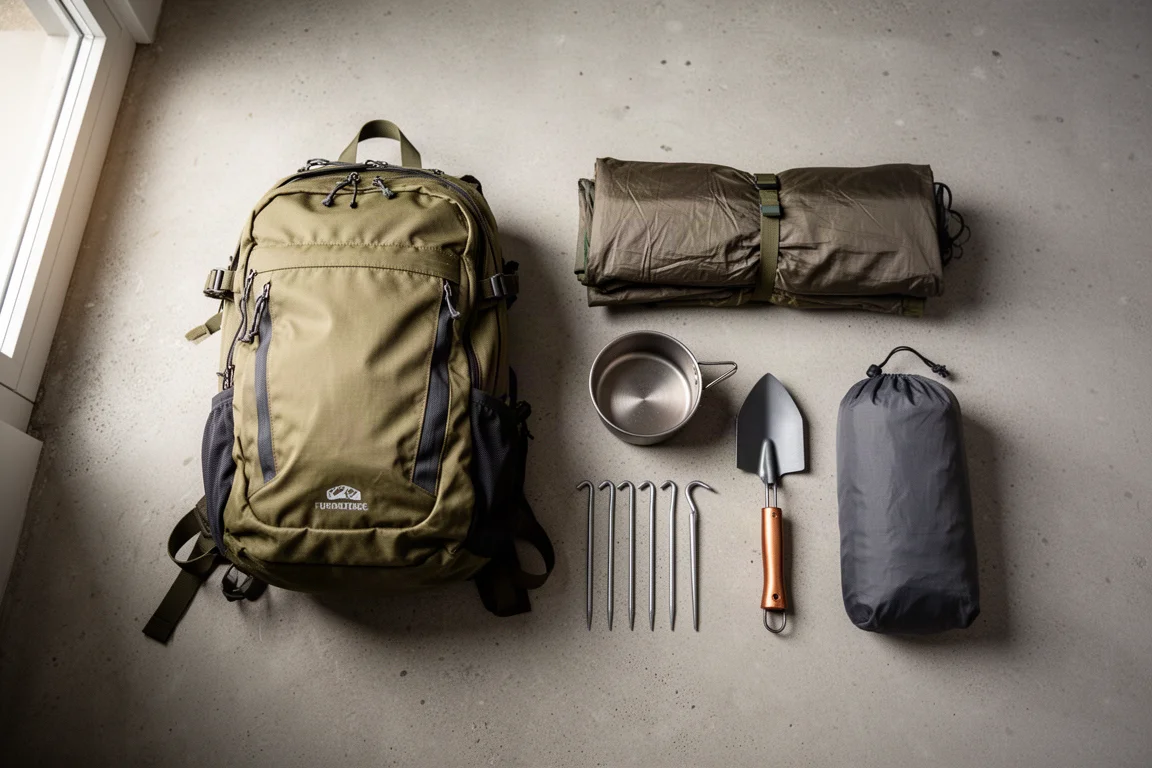
At Stakes is a husband-and-wife team making carbon fiber tent stakes in their garage. Each stake weighs roughly 3 to 4 grams, light enough that a typical scale may not register it at all. Held next to a standard aluminum stake, the difference is immediate. Bright color options are available, and the green version glows in the dark, which helps you spot guy lines when you are moving around camp at night. A solid metal tip helps each stake get past small obstructions as it goes into the ground.
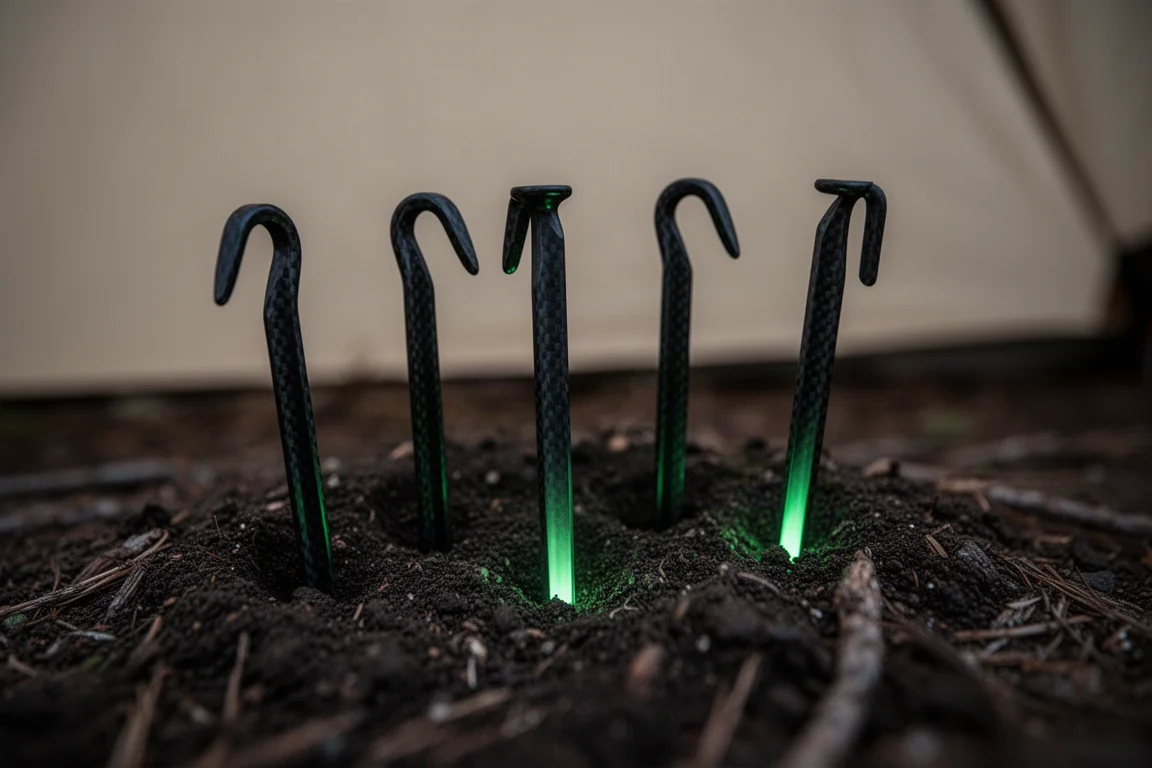
Carbon fiber is not as strong as aluminum or titanium, so these are not the stakes to hammer into hard, rocky desert ground. On soft soil, where driving a stake is as simple as stepping on it, they are a natural fit, and that covers a large share of where most people camp.
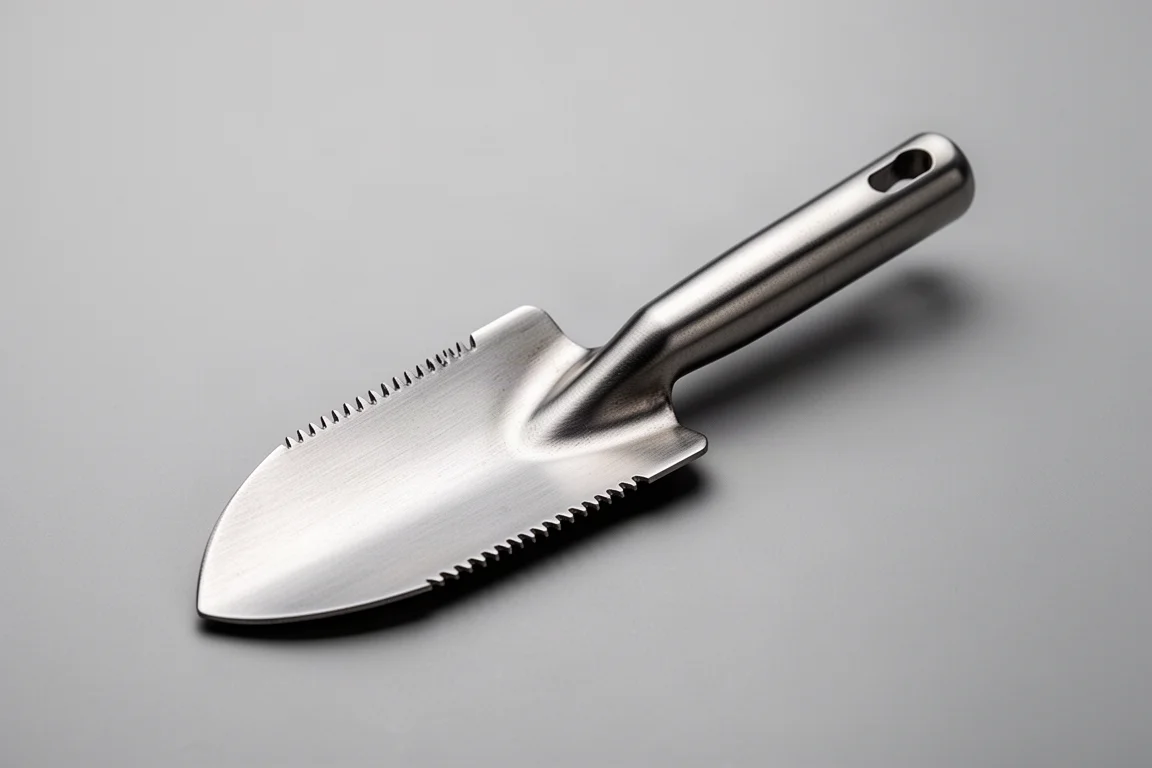
Vargo Dig Dig Trowel: Titanium for Backcountry Business
Titanium is the metal of choice for ultralight backpacking, and Vargo builds a wide range of gear from it. The Dig Dig Trowel is the best known of the bunch. Serrated edges cut through roots and small sticks when you are digging a cat hole, and the rounded top edge is shaped so it does not bite into your palm while you push.
There is one small gripe worth knowing about. A notch is cut into the body of the trowel, and if you hold it at the wrong angle that notch can still press into your hand. For most digging positions it stays out of the way, and the rest of the design is a clear step up from the trowels people usually carry.
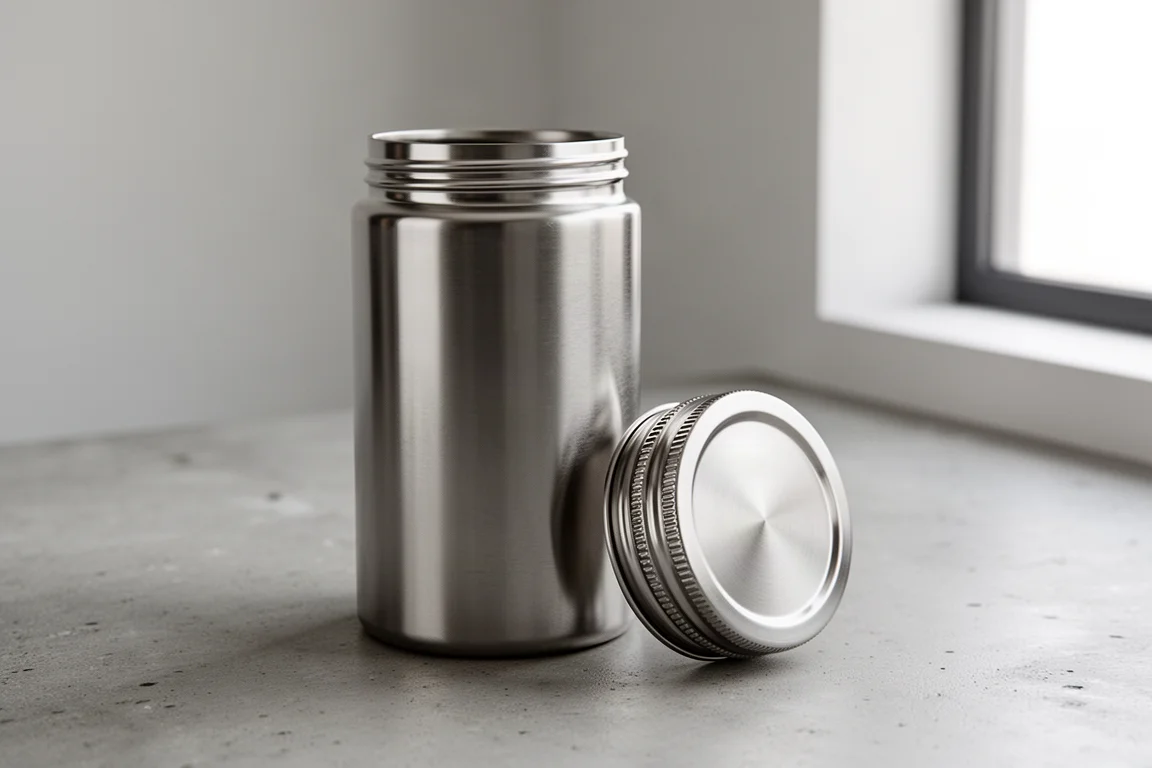
Vargo 700 ml Titanium Bot: A Pot That Seals
The 700 ml titanium bot is a titanium container with a screw-on, waterproof lid. Invert the lid and it sits loosely on the rim, which is what you want while cooking. Screw it down and leftovers stay sealed, so a meal or a drink will not leak through your pack if a plastic bag fails somewhere along the way.
That sealing lid is what makes the bot appealing for cold soaking, and it is just as useful for anyone who alternates between hot meals and cold-soaked ones. Few pieces of cookware cover both habits in a single container.
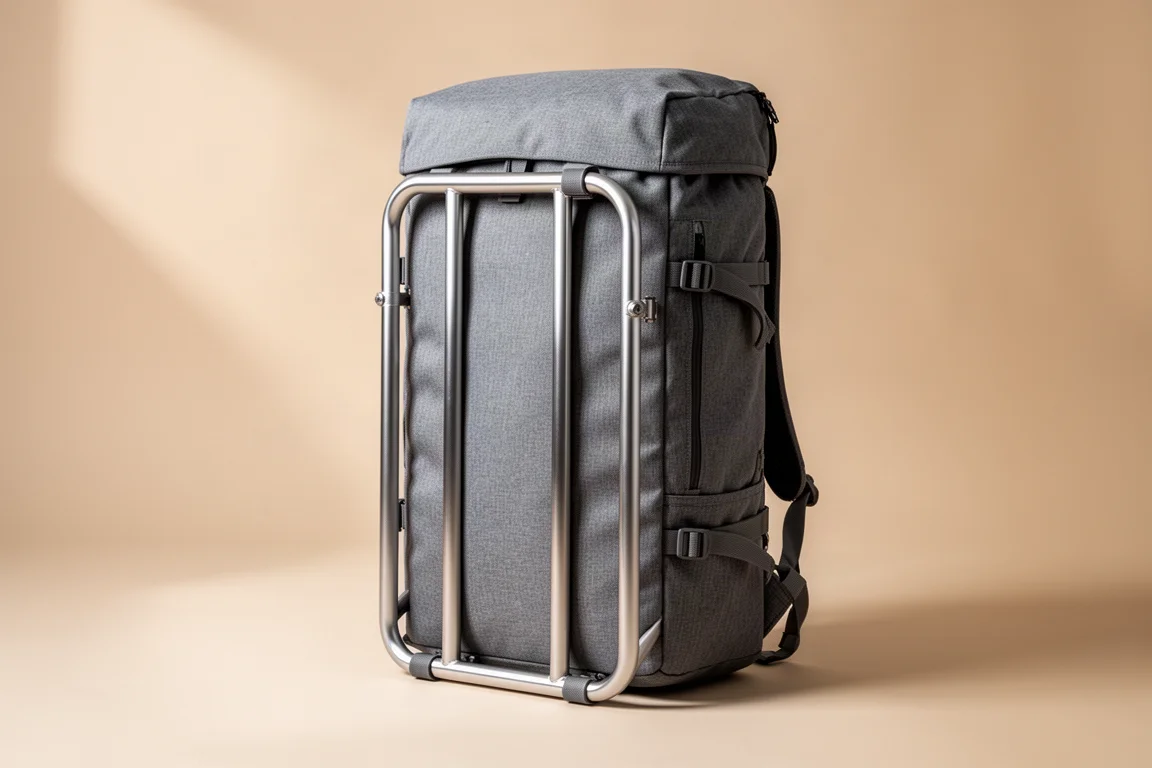
Vargo ExPed 50: An Ultralight External Frame Pack
External frame packs all but disappeared from the market a couple of decades ago, but the design still has genuine benefits. The Vargo ExPed 50 uses a titanium frame, which makes it one of the only ultralight external frame packs in existence. For hikers who like the load-carrying character of an external frame but are not willing to give up a light pack, this is a rare option worth a look.
Goose Feet Down Socks: Warm Feet and Protected Batteries
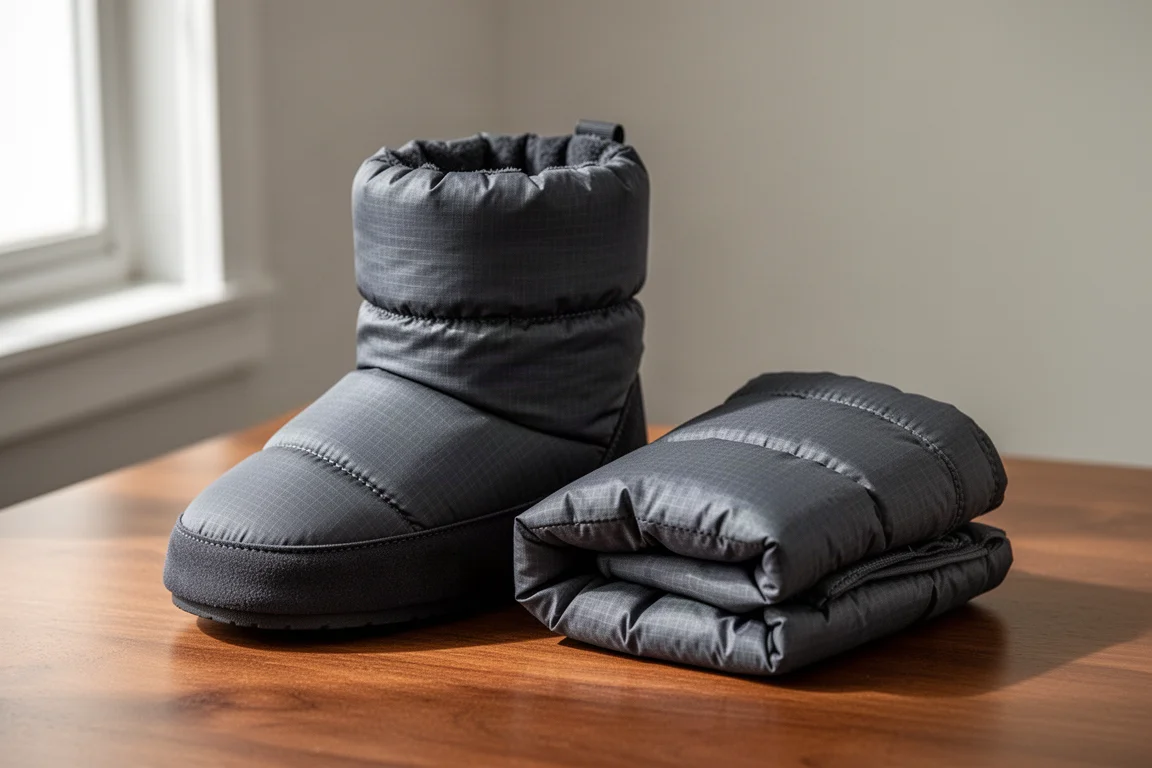
Cold feet at night are a common problem, and down socks are a simple answer. A pair of Goose Feet down socks weighs about 2 oz and packs down small enough to live in a pack without a second thought. They are ideal for sitting around camp before bed, and the brand also sells over booties that slip over the down socks so you can walk around camp or make a middle-of-the-night trip without soaking the down fill.
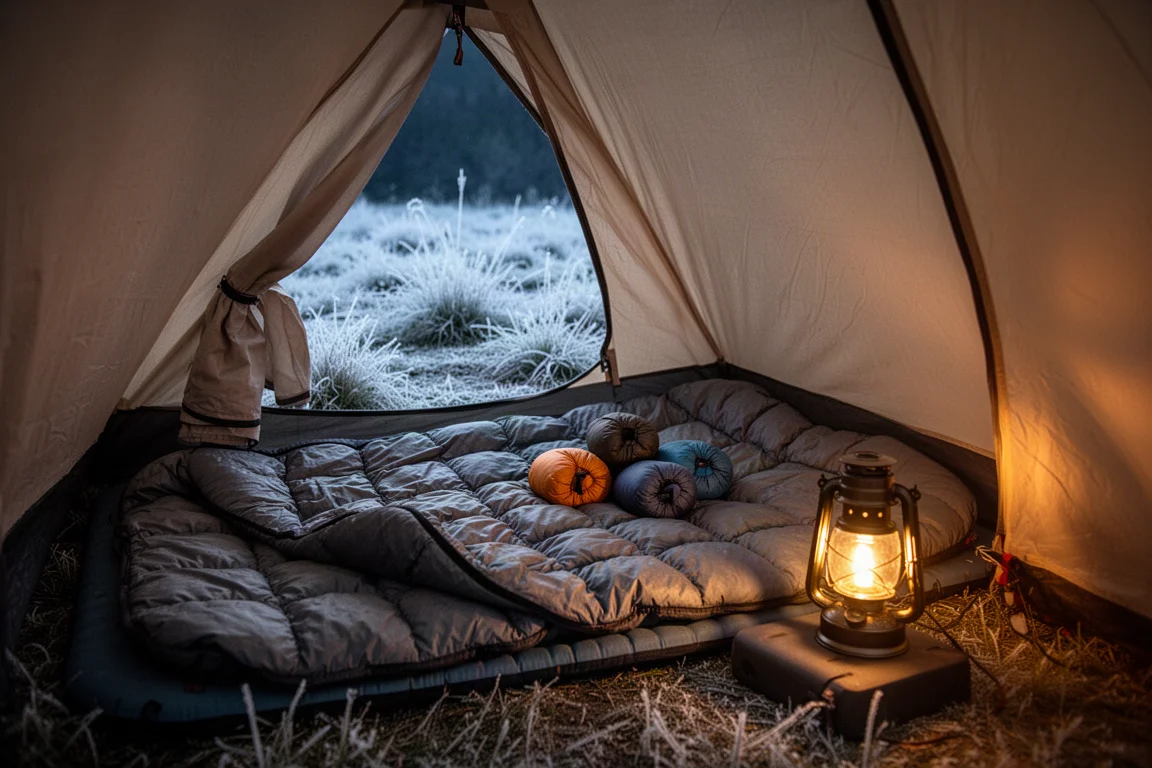
They earn their place in a pack in other ways too. Overnight, down socks can insulate camera and phone batteries so they do not lose power in the cold, and they can wrap an extra camera lens to protect it inside a pack. That kind of double duty is what makes a small item worth carrying.
Hilltop Packs Dyneema Chair Bag: Rain Protection for Camp Furniture
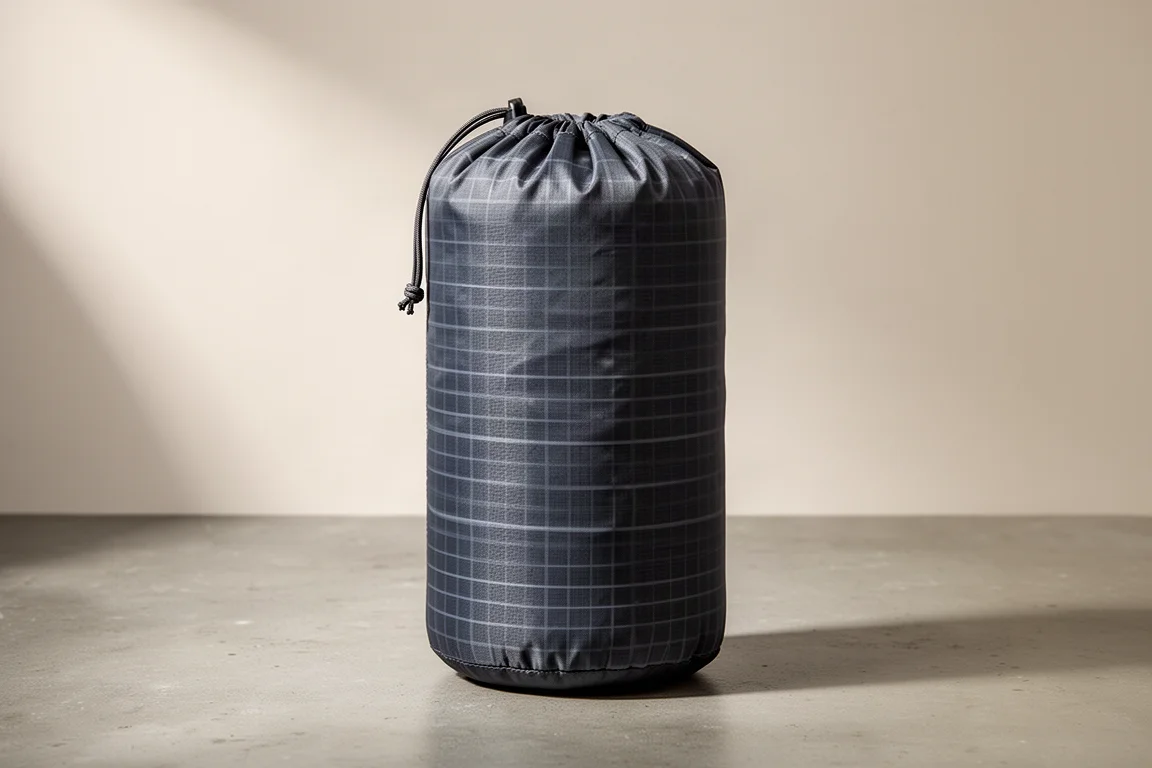
Hilltop Packs makes packs, custom printed food bags, battery bags, and lightweight stuff sacks, including a Dyneema chair bag. A chair carried on the outside of a pack is exposed to weather, and the bag a chair usually ships in is nylon, which soaks up water. Dyneema does not absorb water the same way, and while these bags are not seam sealed, the seams are minimal, so it takes a serious downpour to get the chair wet inside.
The bag can be ordered plain or custom printed. For anyone gradually replacing nylon stuff sacks with lighter, more water-resistant options, this is a straightforward upgrade rather than a complicated one.
Buying Advice: Matching These Pieces to Your Trip
The right pieces depend on where you hike and when you go. Carbon fiber stakes make sense on soft forest soil and alpine meadows, not on hardpack or rock. The alpha fleece is best treated as one part of a layering system that includes a windproof shell. Titanium tools and cookware pay off across many trips rather than one.
If you are replacing gear gradually, start with the item that solves your most persistent problem. That might be cold feet, a leaking food bag, a trowel that hurts your hand, or a mid-layer you leave at home because it weighs too much. Small brands tend to be strongest at exactly those specific, well-defined jobs.
Conclusion
Cottage makers rarely compete on breadth. They compete by solving one problem better than the big catalogs do, and the seven pieces here are good examples: a fleece you can bring without thinking about it, stakes that weigh almost nothing, a titanium trowel and pot built around real trail habits, an external frame pack that barely exists anywhere else, down socks that warm more than your feet, and a stuff sack that keeps a chair dry.
Supporting smaller brands is one way to keep that kind of innovation coming. Pick the piece that matches your next trip, and the weight savings and small design details will make the case for themselves.
Further reading
Related Reviews
Ultralight Backpacking
Ultralight Backpacking Gear List: Building an Eight-Pound Base Weight
A practical ultralight backpacking gear list covering pack, shelter, sleep, cook, and safety choices, with notes on what each item does well and where it makes trade-offs.
Ultralight Backpacking
Best Ultralight Backpacking Gadgets 2026: Six Lightweight Upgrades Worth Knowing
Six ultralight backpacking gadgets, from a 488 g camp chair to a 4.5 g pot grabber, with practical notes on weight, usability, and price.
Ultralight Backpacking
Framed vs Frameless Ultralight Backpacks: OV CS40 and Outer Vitals Skyline 30 Compared
A practical look at when a frame earns its weight and when a frameless fast pack makes more sense, with two ultralight options to consider.