Ultralight Backpacking
Ultralight Backpacking Gear List: Building an Eight-Pound Base Weight
A practical ultralight backpacking gear list covering pack, shelter, sleep, cook, and safety choices, with notes on what each item does well and where it makes trade-offs.
Introduction
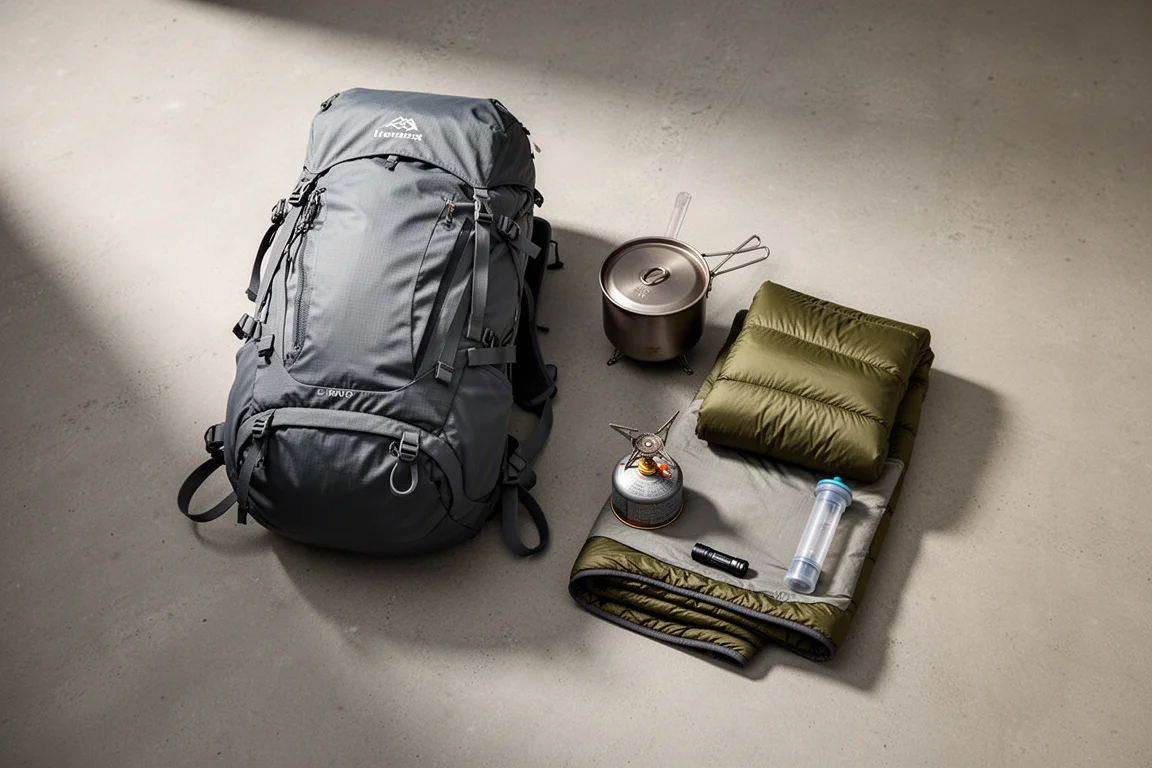
Ultralight backpacking has a reputation for sacrifice, but a genuinely light load can still be safe and comfortable. The gear below keeps a base weight at roughly eight pounds before food and water, and every item was chosen for a specific job rather than for the number on the scale alone.
Some of these pieces are long-standing ultralight standards. Others are the affordable alternatives that get you most of the way for less money. This guide covers what each item does well, where it makes trade-offs, and who it suits.
How This Base Weight Comes Together
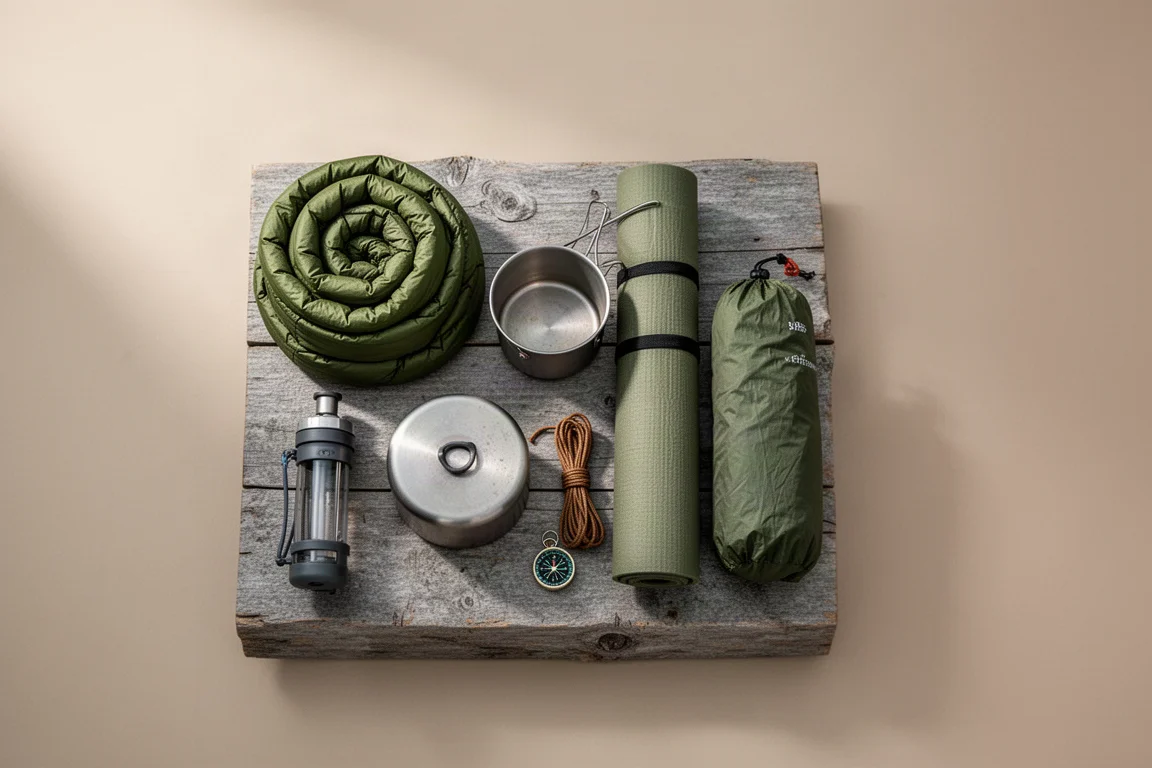
The loadout follows a simple rule: an item only stays if it is light, packs small, and does something the trip actually needs. Multi-use pieces, and anything that saves a stop during the day, get priority over marginal weight savings.
The second principle is access. Water, snacks, navigation, sunscreen, and rain protection live on the outside of the pack or in shoulder pockets, while camp gear and clothing stay sealed inside a pack liner. That split keeps the walking day efficient and means fewer breaks spent digging through the main compartment.
Carry quality matters as much as weight. A pack that turns unstable at 30 pounds is not really ultralight in practice, which is why the pack and shelter choices here were made with load transfer in mind as much as grams.
The Pack: Mountainsmith Zerk 40
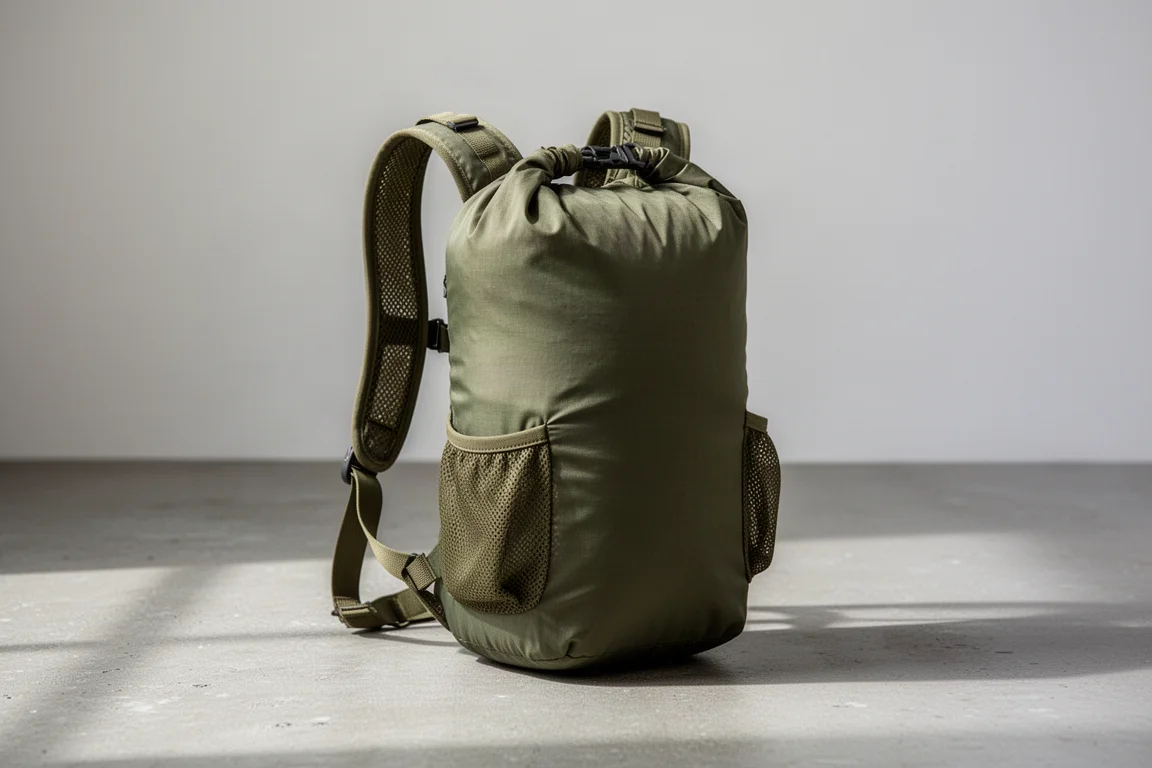
The Mountainsmith Zerk 40 is frameless, has no hip belt, and offers 40 liters of capacity, which is where most of its low weight comes from. What makes it work is the harness. Running vest style shoulder straps wrap the torso and distribute load far better than conventional shoulder straps, so the pack stays stable even when it is heavy.
That was proven with more than 30 pounds during an eight-day food carry, and the pack handled it well. Two side pockets hold water bottles and stay reachable while walking, and each side adds a second stretchy mesh pocket, one for snacks and one for garbage. The large stretchy front pocket swallows a bathroom kit, a water filter, a first aid kit, and a rain jacket.
Narrow-profile water bottles slide in and out of those side pockets easily and can be reused for weeks at a time, so there is no need to buy new bottles for every trip.
Pack Alternative With a Hip Belt: Gossamer Gear Mariposa
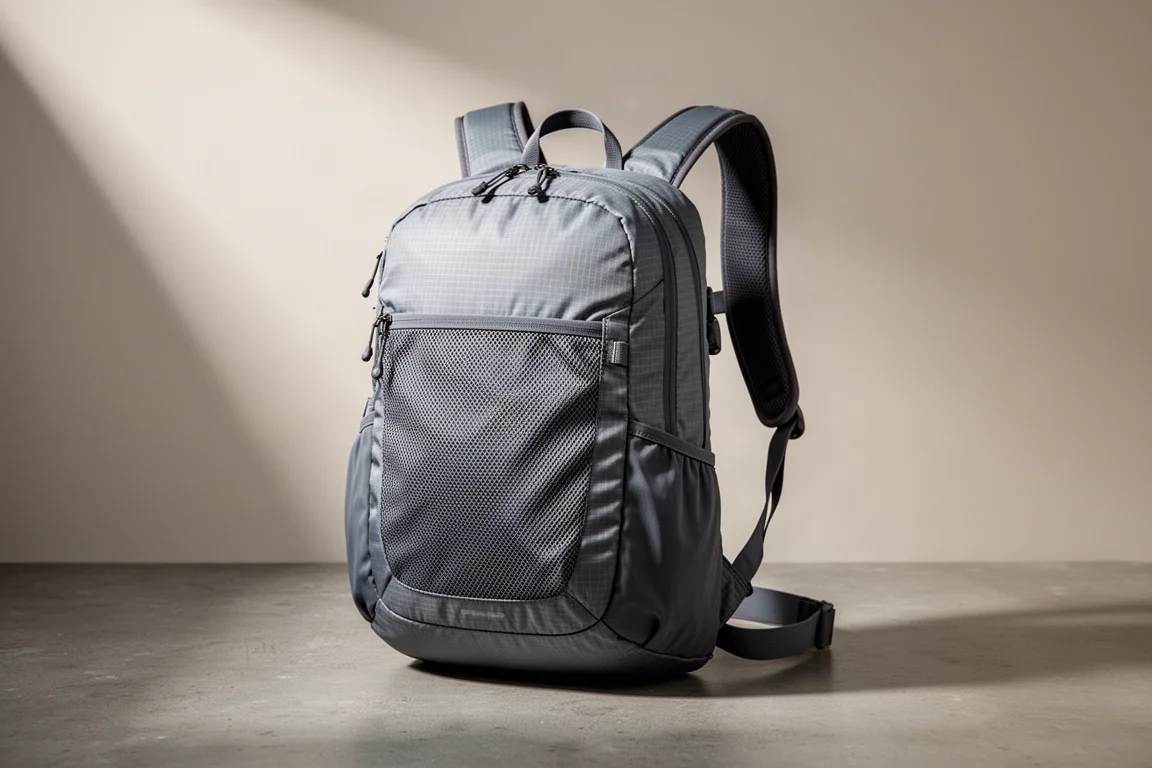
A frameless, beltless pack is not for everyone, and the Gossamer Gear Mariposa is the natural alternative. It is an ultralight pack that keeps a hip belt, and both the hip belt and the frame can be removed later if you want to experiment with a stripped-down setup.
Water bottle pockets are genuinely easy to reach, which is less common than it should be, and it makes the pack comfortable on long days when you drink constantly without stopping.
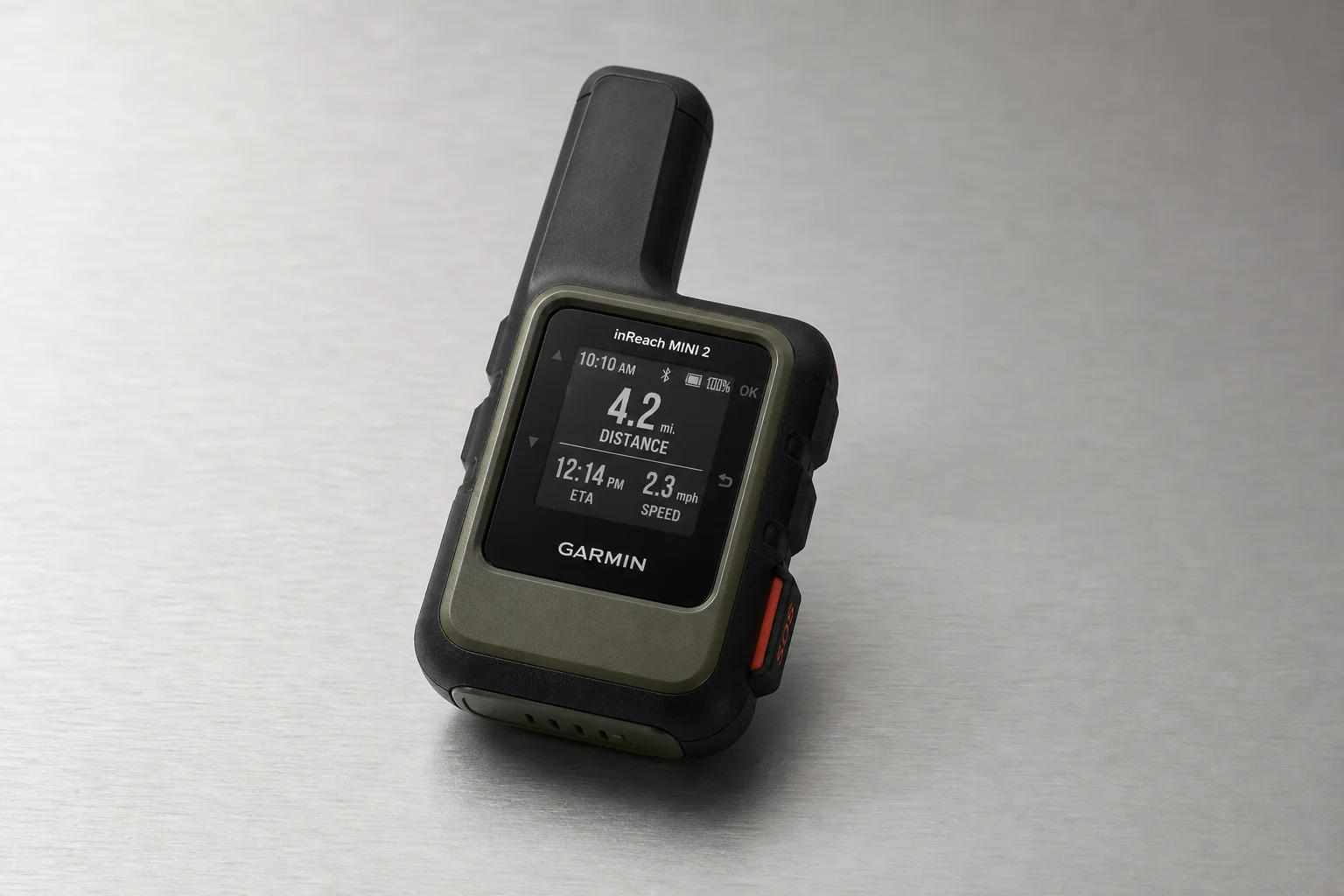
Safety and On-Trail Access: Garmin inReach
The Garmin inReach is a satellite SOS communication device carried on the front left shoulder strap. It is used to check in with people at home during a trip and, if something goes wrong, to send an SOS and call for help. Keeping it on the strap rather than inside the pack means it is always within reach.
The right shoulder strap carries the small items that get used every day: sunscreen and SPF lip balm in one pocket, a toothbrush and toothpaste tabs in the other. Sunscreen still matters on the nose and lips even with long sleeves and long pants, and toothpaste tabs allow exact rationing, a handful for a weekend or a full supply for a month-long trip.
Water Treatment: Platypus QuickDraw
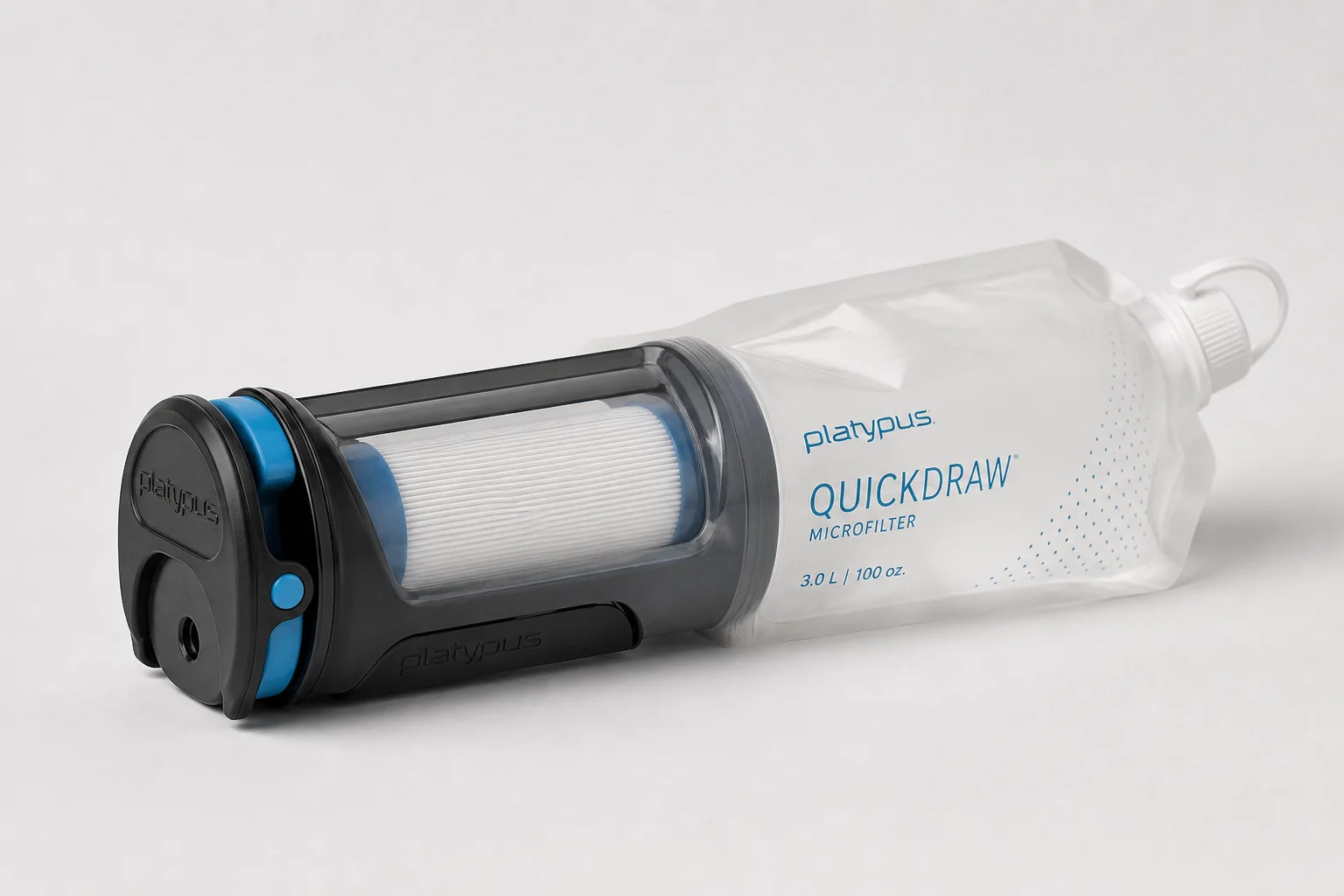
The Platypus QuickDraw lives in the front pocket for quick access and has become the filter of choice after trying options from Sawyer, Katadyn, Lifestraw, and Platypus. Even after hundreds of liters of water, it is the one that has not significantly slowed down.
Flow rate is what separates filters on a long trip. A filter that clogs early turns every water stop into a chore, and a slow one adds minutes to each break. That is the main reason this one keeps its place in the kit.
Bathroom Kit and Trowel: BoglerCo UL Trowel
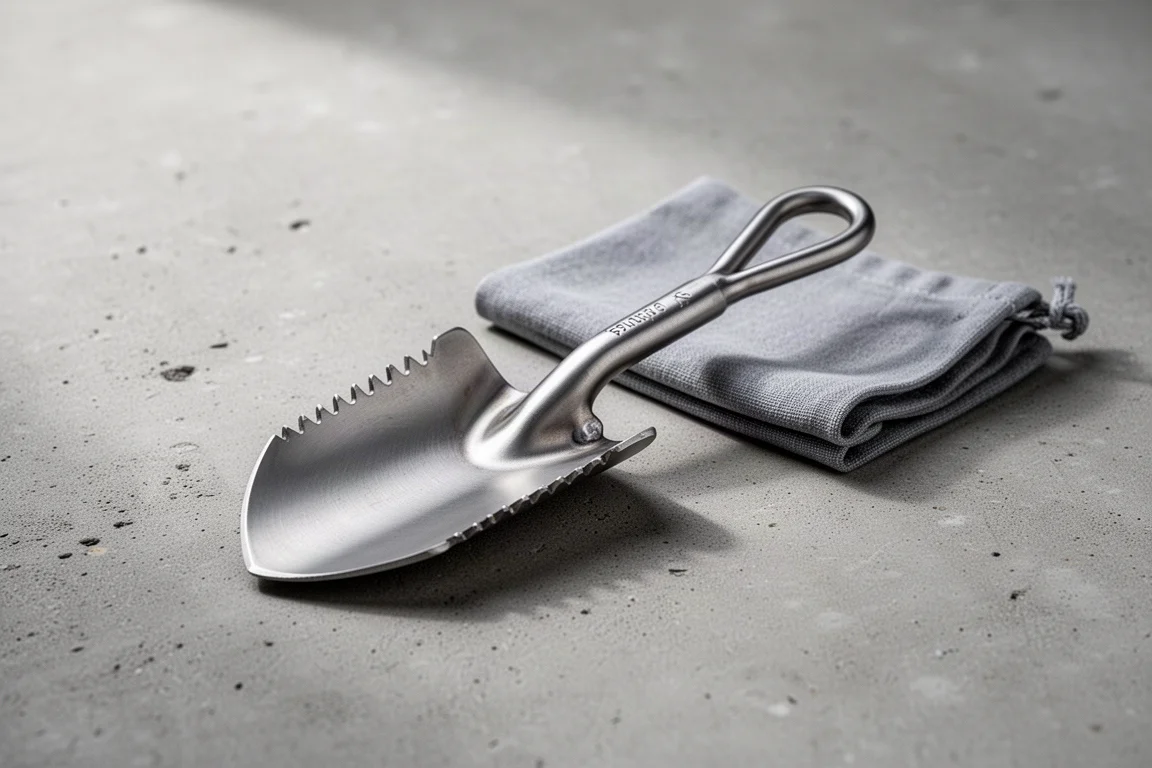
The trowel in the kit is the BoglerCo UL Trowel, which weighs 13.5 grams. It has serrated edges that cut through roots, it holds up to repeated use, and the handle is comfortable enough for the job.
The rest of the kit lives in a bag from Space Bear Bags. Toilet paper is rationed by the day, three squares per wipe and three wipes per trip to the bathroom, with wet wipes for extra cleanup, plus hand sanitizer and soap. Soap does a better job than sanitizer alone, and it doubles as a way to wash up when a trip gets dirty.
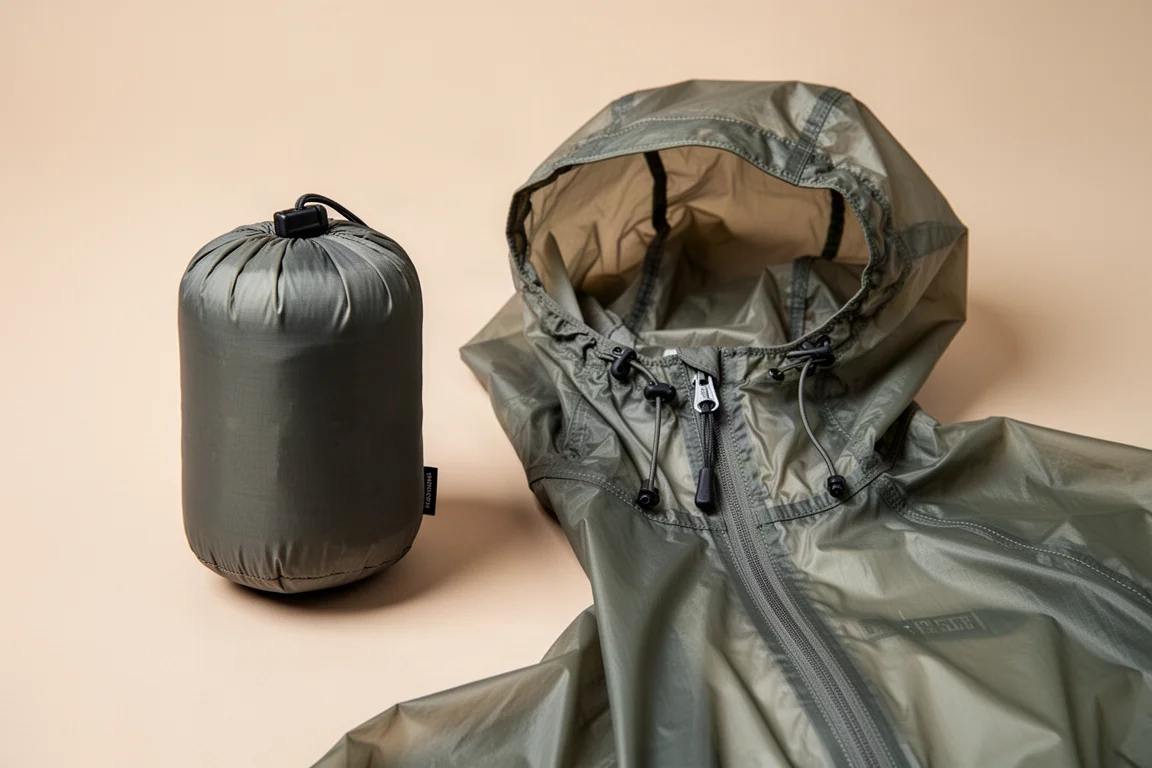
Rain Protection: Enlightened Equipment Visp
The Visp rain jacket is waterproof, more durable than Frogg Toggs, and includes mechanical pit zips for venting on the move. Frogg Toggs remains a good affordable option when the budget is tight, but the Visp holds up better over time.
Packability is the other reason it stays in the front pocket. It compresses to roughly the size of a baseball, so it takes up far less room inside the pack than a bulkier shell.
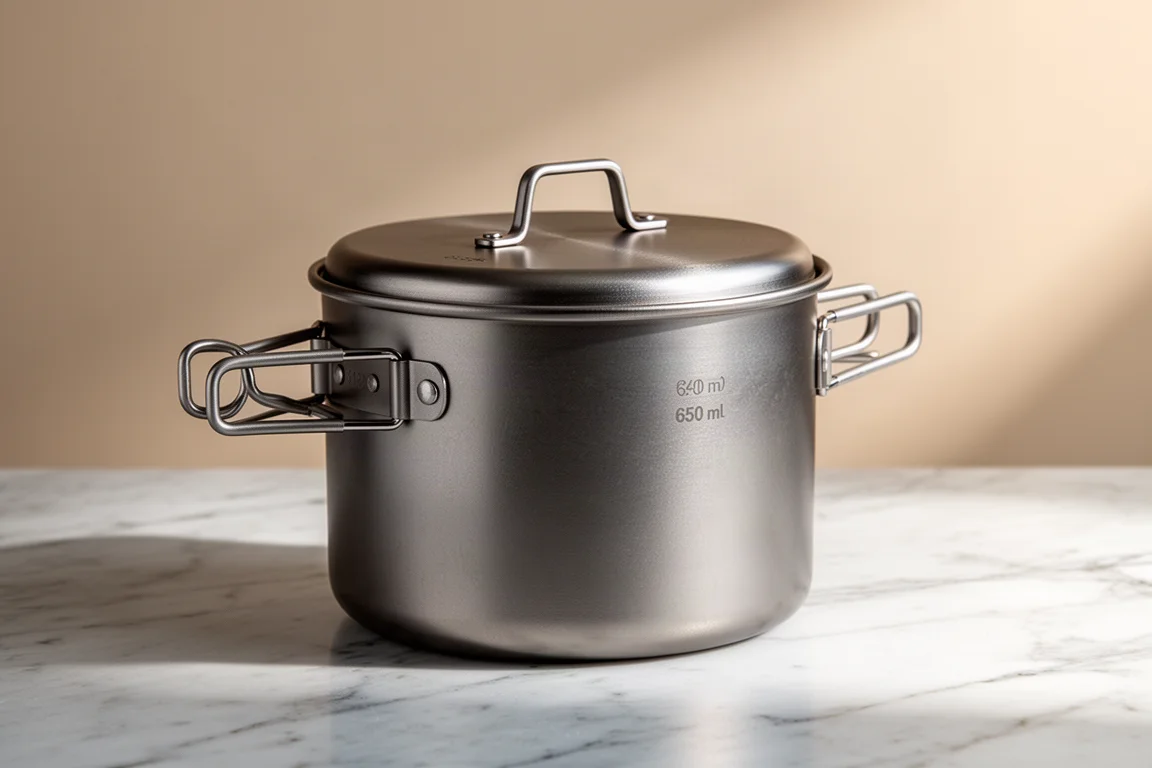
Cook Kit: Toaks 650ml Titanium Pot
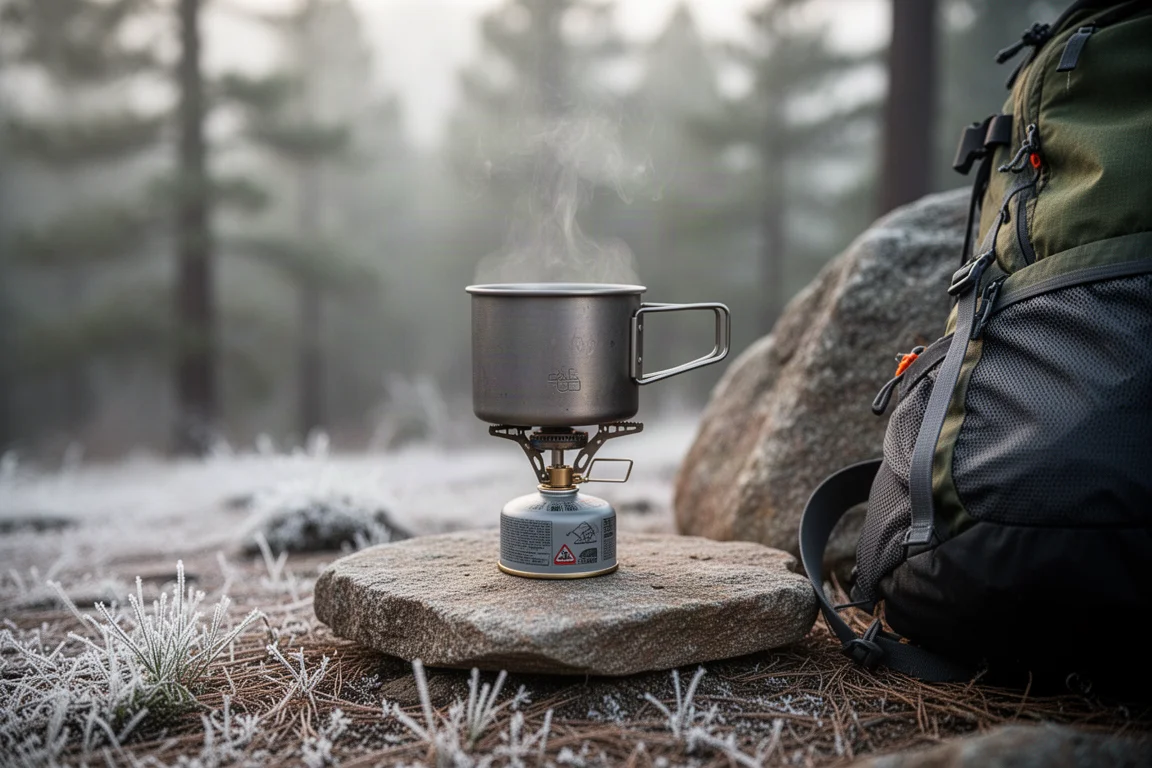
The Toaks 650ml titanium pot weighs 80 grams and has more than enough capacity for one person. The fuel canister, a mini lighter, and the stove all nest inside it, so the whole cook setup takes up a single space in the pack.
Food travels in a Hilltop Packs DCF food bag, with an Ursack used instead when the route passes through bear country.
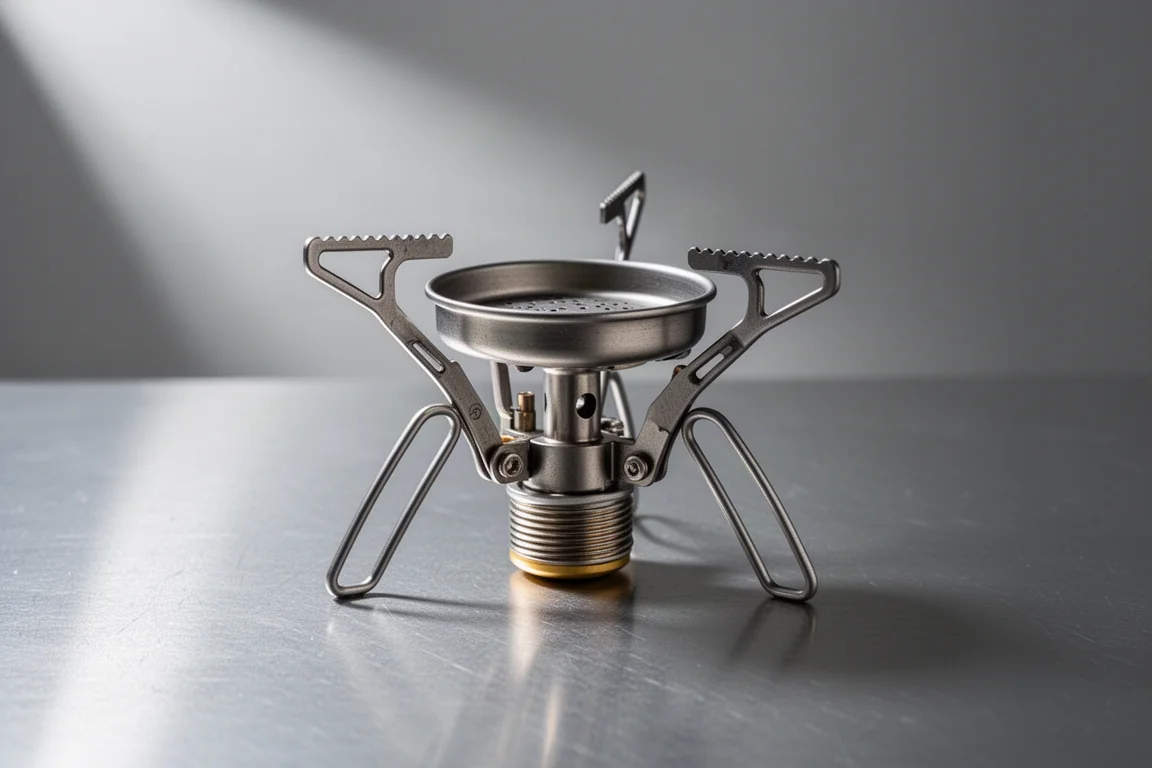
Stove: BRS 3000
The BRS 3000 weighs 25 grams and boils water relatively quickly. It has not failed on a trip, and it costs very little compared with most canister stoves, which makes it an easy recommendation for anyone building a light cook kit from scratch.
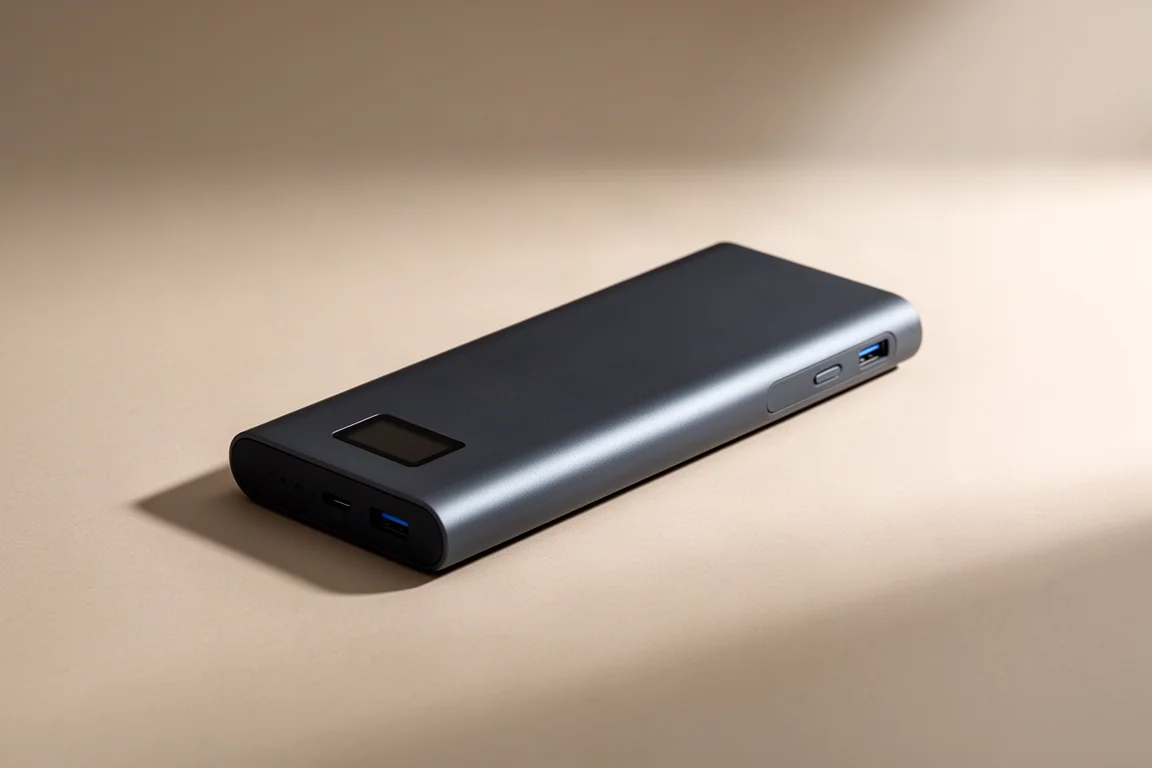
Power: Nitecore NB5000
The Nitecore NB5000 is enough for three to four days of trail when taking plenty of photos and charging a phone, a satellite communicator, and a watch. For a week or longer, the 10,000 mAh version of the same battery is the better pick.
Cables, earplugs, lip balm, medication, and caffeine pills ride in a small ditty bag with the battery. A 650-lumen USB-rechargeable clip light also lives there: it glows in the dark so it is easy to find inside a tent, weighs 14 grams, and comes in at less than half the weight of a Nitecore NU25 headlamp.
Shelter: Zpacks Plex Solo
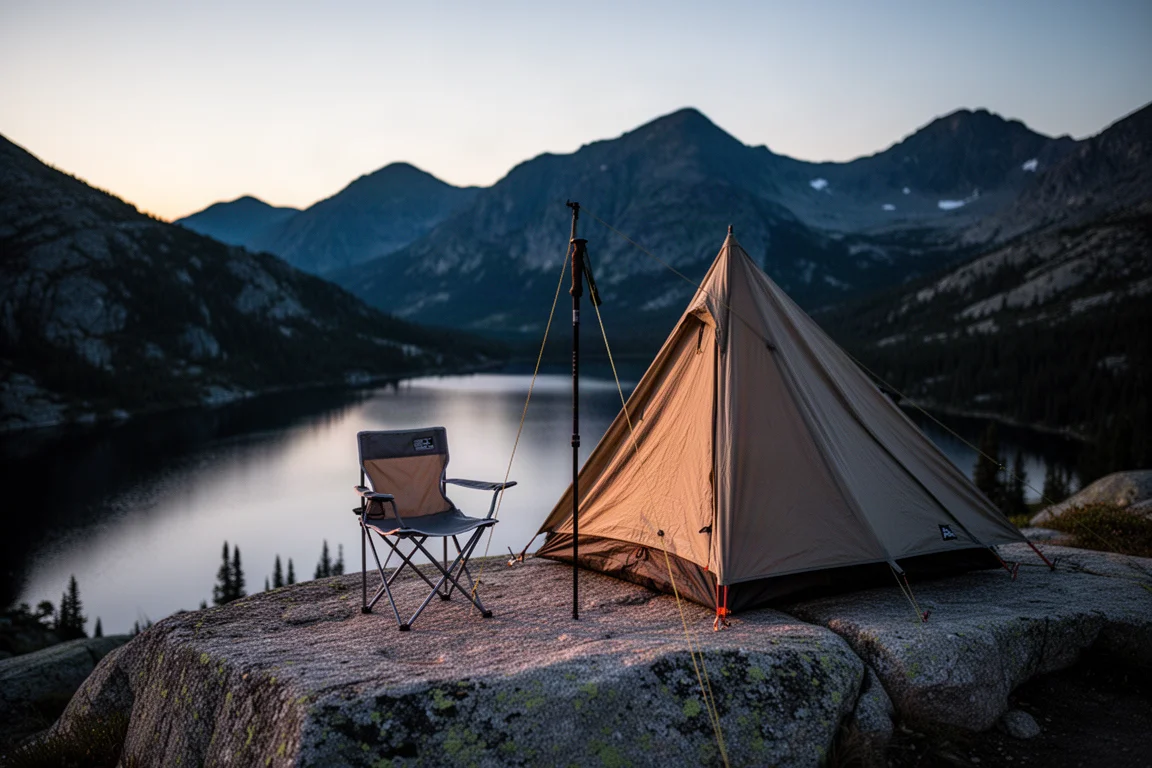
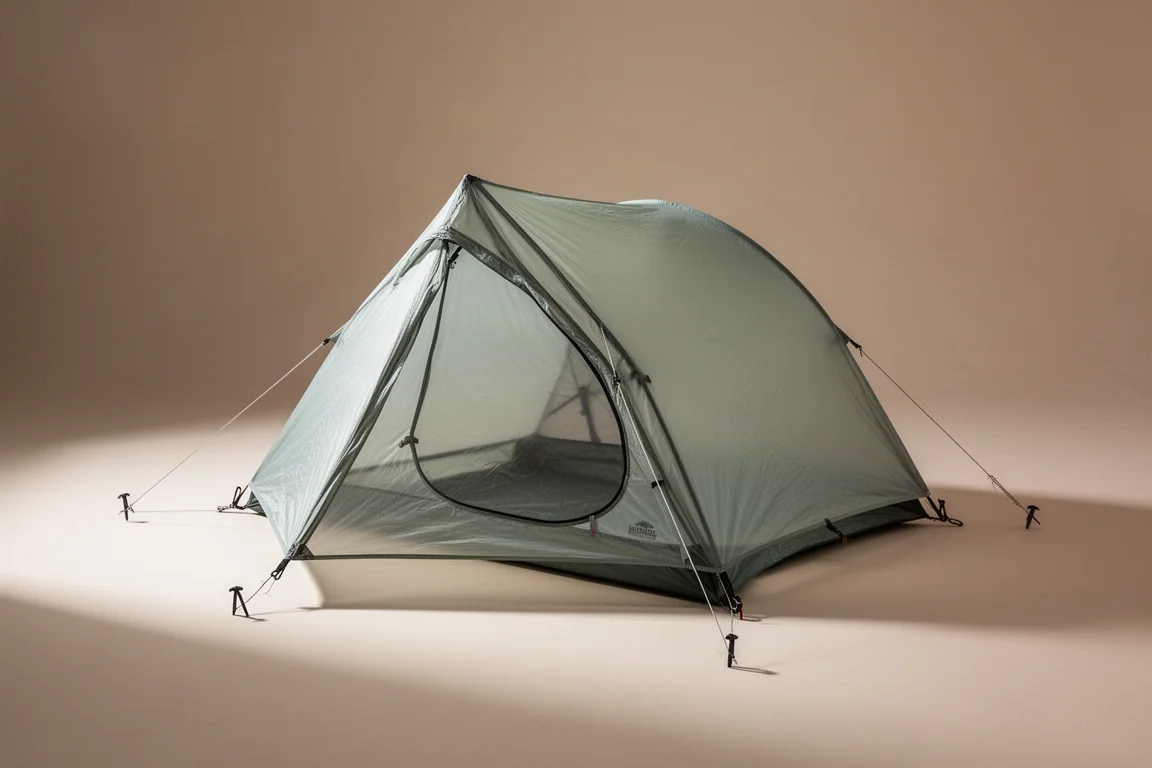
The Zpacks Plex Solo is a single trekking pole tent that is remarkably light for a fully enclosed shelter. Unlike the Altaplex, it pitches with a standard trekking pole, which is what makes it pair so well with the Cascade Mountain Tech carbon fiber two-piece poles.
It is surprisingly roomy for a one-person trekking pole tent. There is enough space to get changed inside, store gear, and hunker down through a storm, and you can kneel up without feeling boxed in.
Carrying two trekking poles has a practical benefit with this design. Since the tent needs only one, a broken pole can be swapped for the other instead of searching for branches to prop up the shelter.
Budget Shelter Alternative: Six Moon Designs Lunar Solo
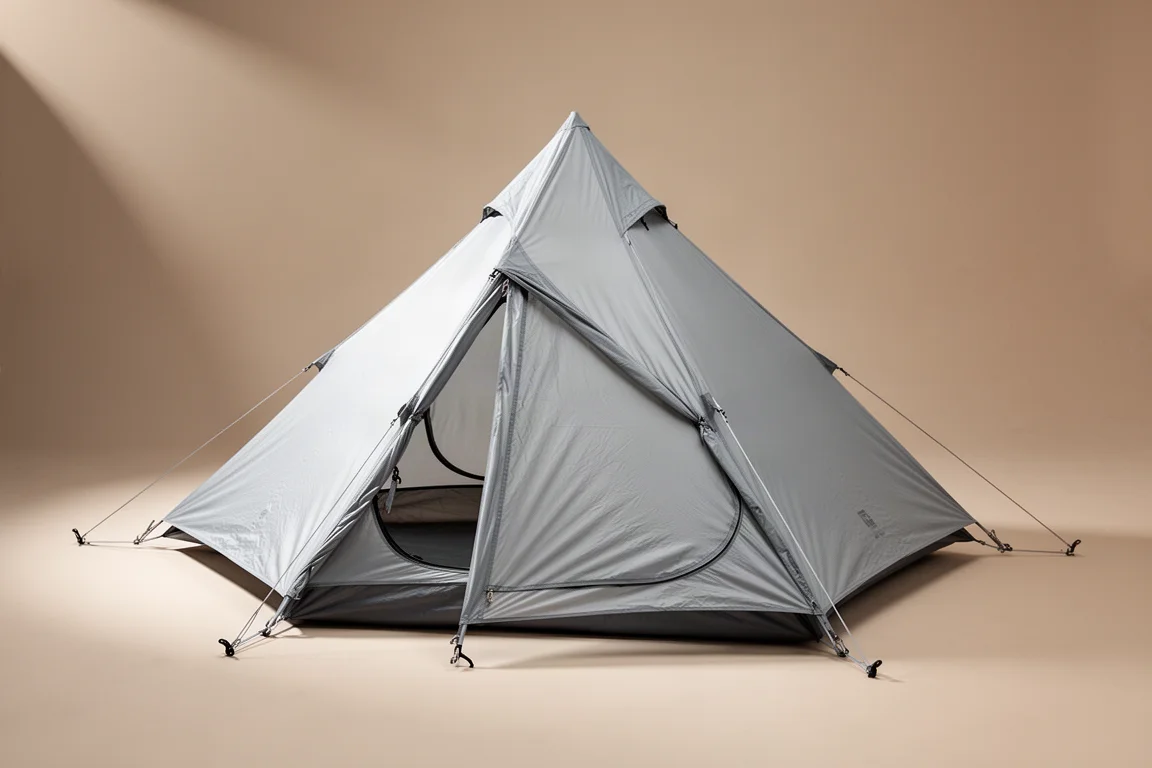
The Six Moon Designs Lunar Solo is much more affordable than the Plex Solo and highly recommended. It is made with silnylon, an excellent tent material, and it is very roomy, even roomier than the Plex Solo.
Stakes: MSR Groundhog
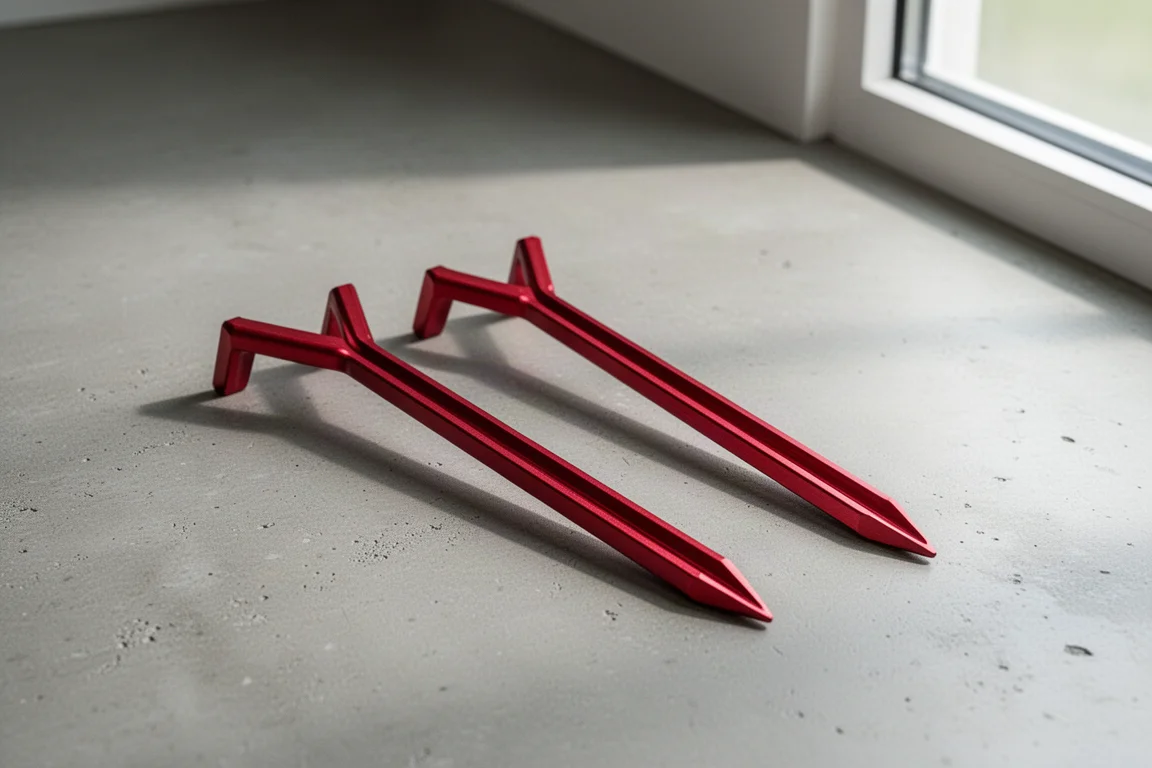
Staking uses a mix of MSR Groundhog and Groundhog Mini stakes, kept in an Allmansright Holster Sack with a wide opening that makes them easy to grab. The full-size Groundhogs go at the corners and the vestibule door, while the Minis handle tie-outs and extra stakeout points.
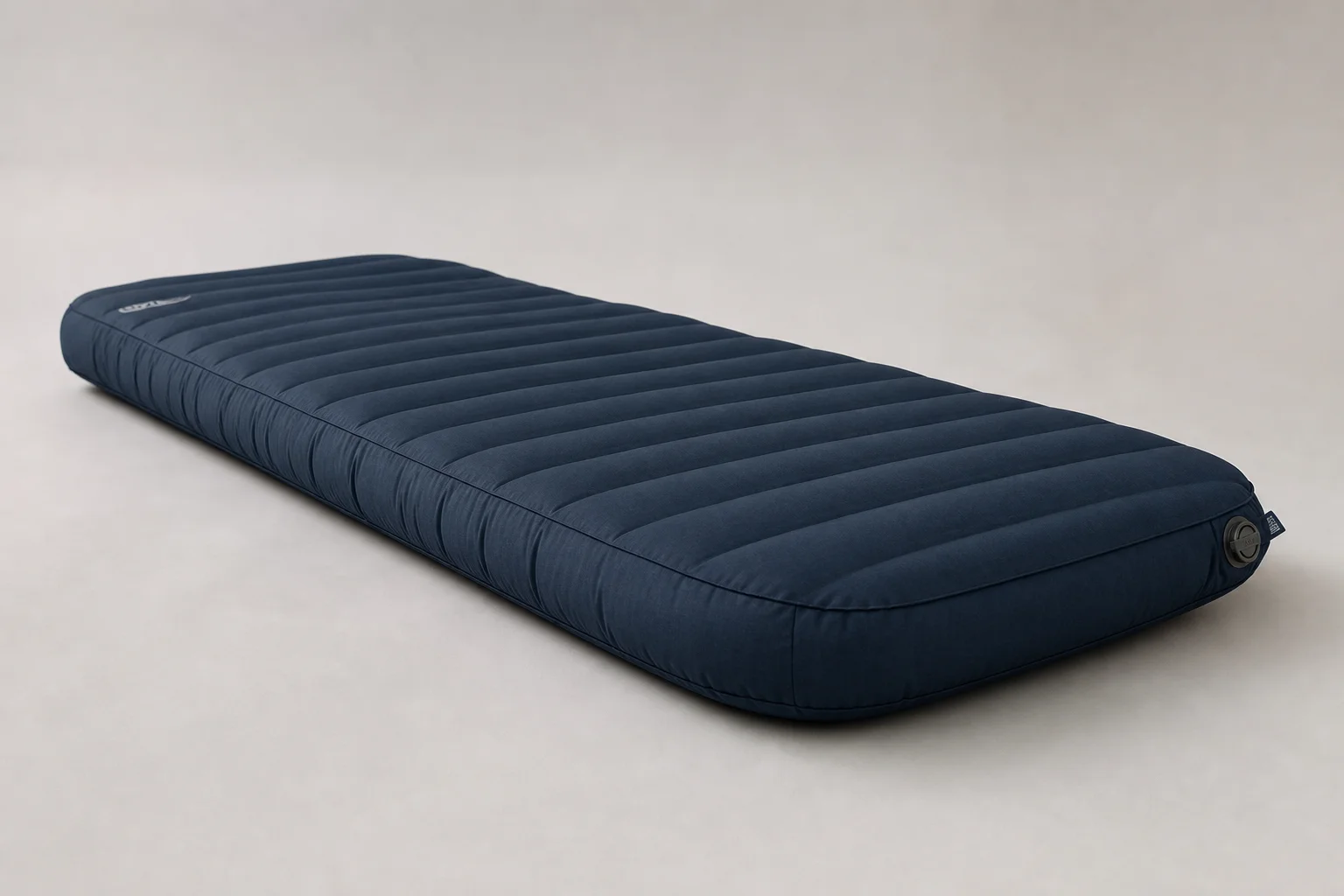
Sleep System: Therm-a-Rest NeoAir XLite
The sleeping pad is the regular width Therm-a-Rest NeoAir XLite. Wide pads are generally more comfortable, but regular width has been working well and is the better choice when weight is the priority. After a long day of miles, a good night of sleep tends to happen either way.
Quilt: Enlightened Equipment Enigma
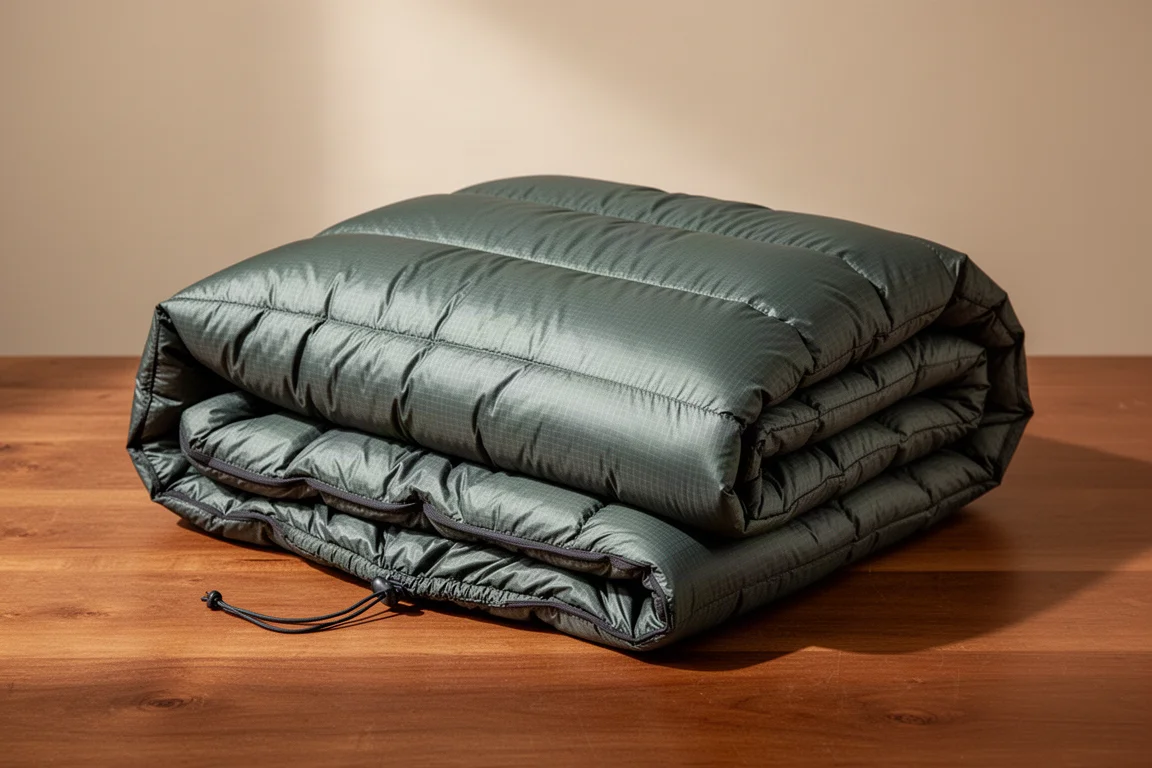
The Enlightened Equipment Enigma is a 20-degree quilt built with 950 fill power down and 7D shell fabric inside and out. The lightweight materials are obvious in how small and light the quilt packs, which matters when the shelter and the rest of the sleep system already take up space.
There is a trade-off worth knowing about. A 950 fill power down does not hold its loft as well as a lower fill power down once conditions turn wet and humid, so this quilt rewards keeping it dry inside a pack liner.
Rounding Out the Loadout
Everything that needs to stay dry goes inside a Nylofume pack liner, a clear plastic bag that twists closed and tucks down the side of the pack. It has kept gear dry through days of heavy rain.
Clothing is kept loose at the top of the pack: Darn Tough merino wool camp socks, a Farpointe Alpha Direct fleece sweater that is remarkably warm for its weight, and a Patagonia Ultralight Down Sweater for colder evenings. The down sweater weighs 150 grams because it skips the frills, with no zippered pockets, just warmth. Fleece pants from Decathlon cover the legs affordably, and a Buff and a merino wool beanie handle the head.
Two small extras round things out. A Trekology 2.0 pillow is the most comfortable option found so far with a pad strap, though something lighter would be welcome. The Cascade Mountain Tech carbon fiber two-piece trekking poles double as the shelter’s main support.
Buying Advice
Start with the pack and the shelter. They set the weight ceiling and the comfort level for everything else, and a pack that carries poorly will make every other saving feel pointless. If a frameless, beltless pack sounds like a gamble, the Mariposa gives you the option to strip the frame and belt later once you know how you like to carry.
Budget does not have to mean compromise. The BRS 3000, the Toaks pot, the MSR Groundhog stakes, and Frogg Toggs as a rain shell cover the essentials for very little, and the Six Moon Designs Lunar Solo delivers a roomy, well-made shelter for far less than a premium tent.
Match the gear to the trip. Bear country calls for an Ursack instead of a food bag, trips longer than a few days call for the larger battery, and wet, humid conditions are worth thinking about before choosing a high fill power quilt.
Conclusion
The lesson from this loadout is that an eight-pound base weight does not require giving anything up. Water treatment that keeps flowing, a shelter that stands up to storms, a sleep system that stays warm, and a way to call for help are all still in the pack. Pick the pieces that match your trips, and the weight takes care of itself.
Further reading
Related Reviews

Backpacking Gear
Building a 10 lb Base Weight: An Ultralight Backpacking Gear List
A practical walkthrough of the ultralight pieces behind a 10 lb base weight, from a 765 g pack and a roomy one-person tent to a full camp chair and a dependable water filter.
Backpacking Gear
A 15-Pound Lightweight Backpacking Gear List for Solo Trips
A beginner-friendly 15-pound backpacking setup built from easy-to-find gear, with notes on what each piece does, how it packs, and where to spend your attention.
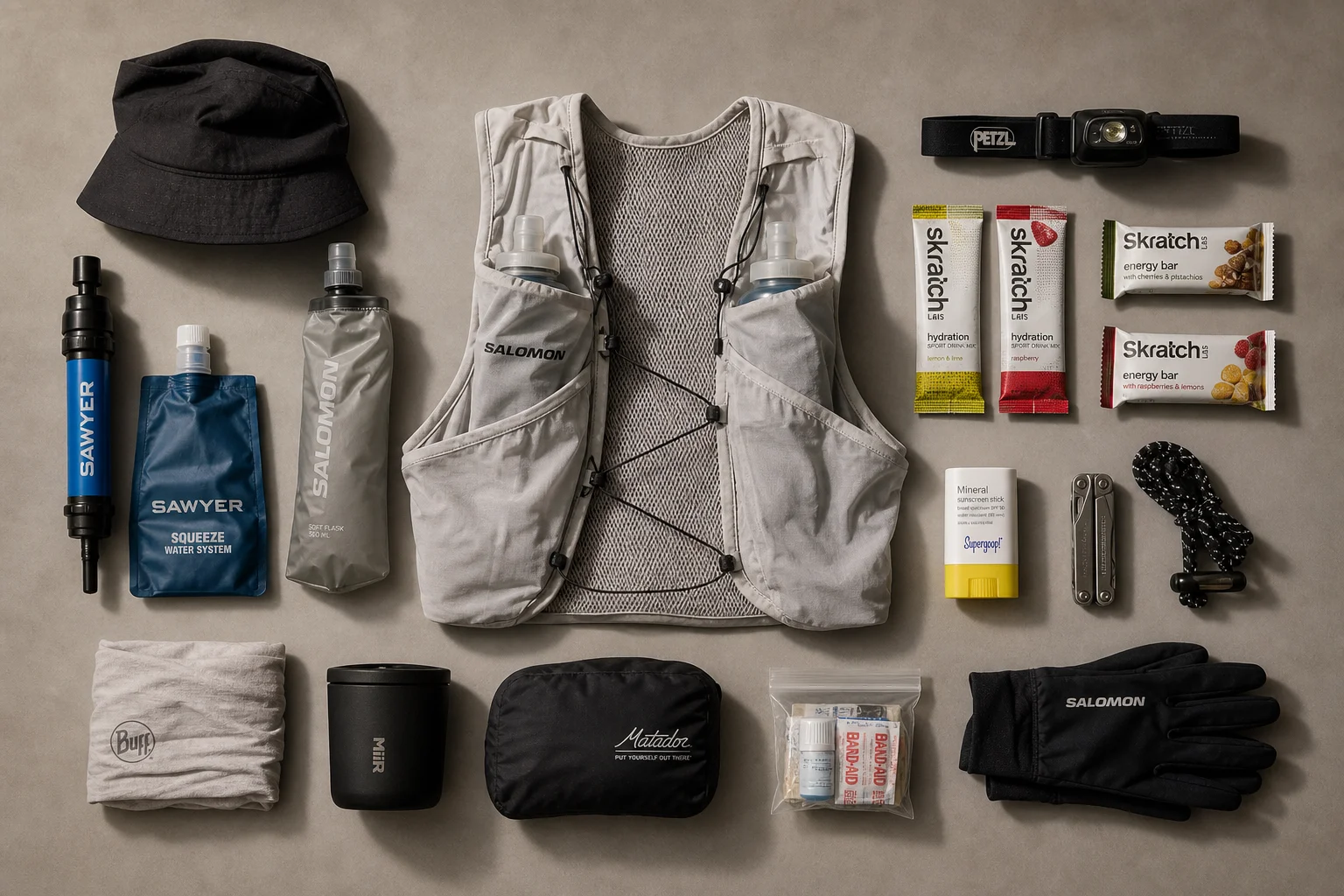
Trail Running Gear
28-Mile Trail Run Pack Loadout: Ultralight Gear for High Alpine Self-Supported Running
A complete breakdown of gear, clothing, hydration, nutrition, and safety equipment for a 28-mile high alpine trail run with 7,800 feet of elevation gain.