Backpacking Gear
Ultralight Thru-Hiking Gear List: Ten Essentials Worth Carrying
A practical ultralight gear list for long-distance trails, covering packs, shelter, sleep insulation, electronics, and cooking, with the trade-offs of each pick made clear.
Introduction
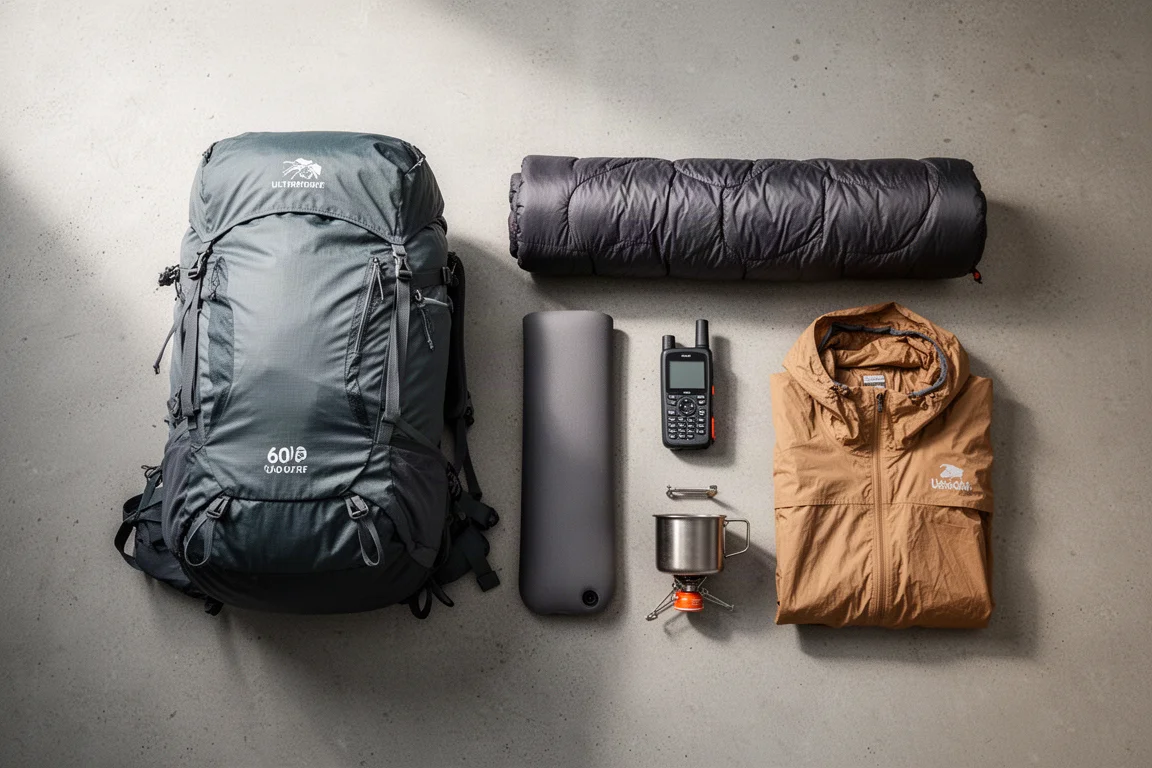
Long-distance trails such as the Appalachian Trail, the Pacific Crest Trail, and the Continental Divide Trail ask a great deal from a kit. Gear has to work every single day for months, survive repeated packing and unpacking, and stay comfortable when the weather turns. Weight compounds over that distance, which is why so many thru-hikers rebuild their loadout after the first few hundred miles.
The ten items below are the pieces that hold up to that kind of use: packs, shelter, sleep insulation, electronics, rain protection, and cooking. The selections draw on a hundred days of trail time, including a full traverse of the Great Divide Trail. Nothing here is unusual for the sake of being unusual, and each entry states its trade-offs plainly so you can judge whether it fits your own route.
What to Look For in Thru-Hiking Gear
Weight matters, but it is not the only number worth tracking. A pack that is 300 grams lighter but collapses under a bear canister or a long desert water carry is a worse choice than a slightly heavier pack that stays stable. The most useful thru-hiking gear tends to be versatile: it adapts to a heavy resupply day and still works when the load gets light.
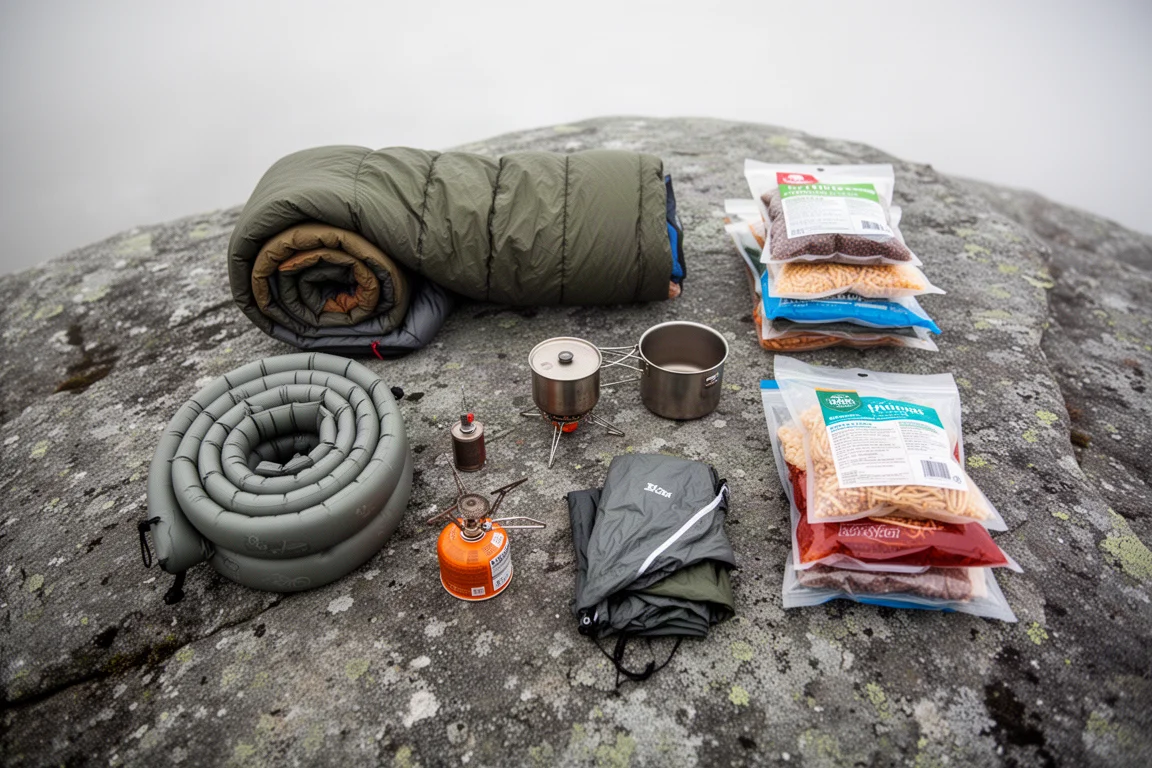
Durability and repairability deserve equal attention. A shelter or pack that survives one season but not a full trail costs more in the end than one that is a little heavier and lasts. Beyond that, look at how often you will resupply. Battery capacity, fuel canister size, and food storage rules all shape what makes sense on your specific route, and they often matter more than a few grams saved.
Gossamer Gear Mariposa: The Versatile 60L Pack
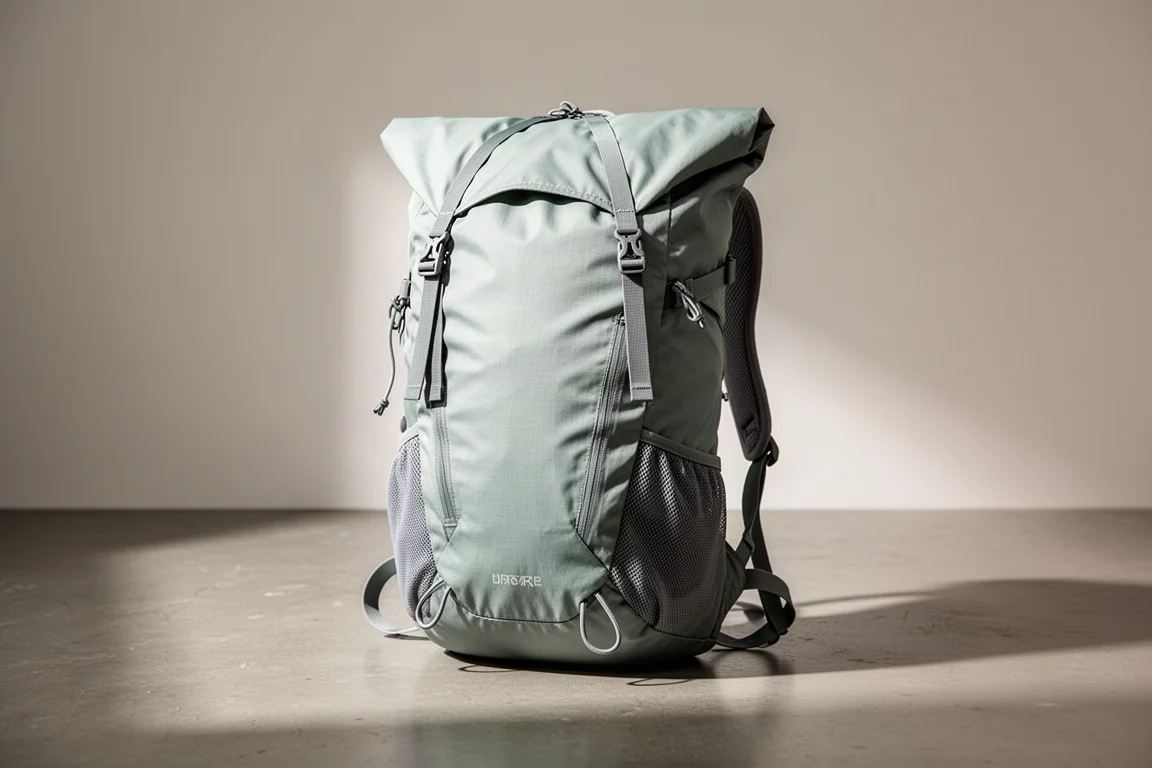
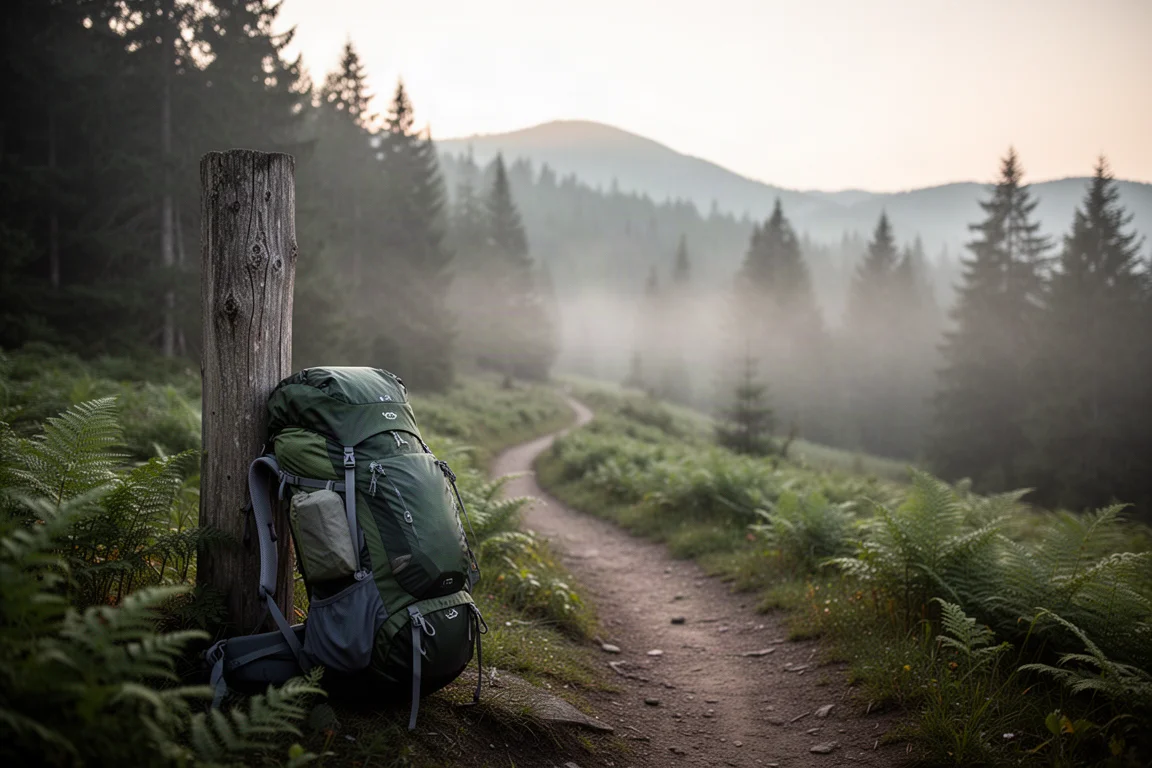
The Mariposa earns its place through adaptability rather than any single headline number. At 60 litres it offers more capacity than most thru-hikers need, and the exterior pocket layout keeps frequently used items within reach without unpacking. A low pocket on one side holds two bottles, while the larger pocket opposite fits trekking poles, a tent, or extra water.
The modularity is the real story. Three components come out: the hip belt, the aluminium stays that act as a frame, and the foam back panel. Fully assembled the pack weighs 870 g; removing the hip belt and the stays brings it to 570 g; removing the foam as well brings it to roughly 500 g. With the stays and hip belt in place it carries 40 to 45 lb comfortably, which covers bear canister trips and long water carries. Stripped down it still handles around 30 lb without complaint.
The trade-off is durability. This is not the toughest pack on the market, and it will need some care if it is going to survive an entire thru-hike. Hikers who expect to be hard on their pack, or who routinely carry heavier loads, should look at the Durston Kakwa series instead.
Durston Kakwa 40: A Tougher Pack for Heavier Loads
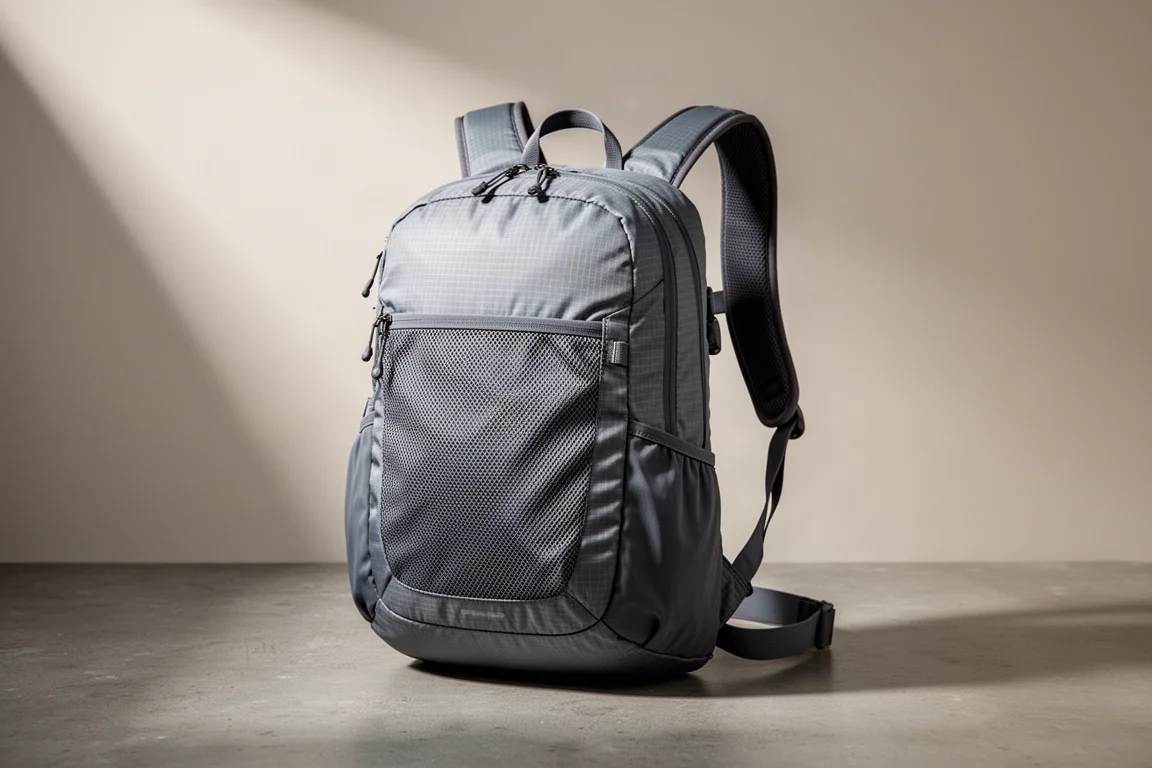
Where the Mariposa prioritises low weight, the Durston Kakwa series leans toward durability and load carrying. The Kakwa 40 and the larger Kakwa 55 cover different volume needs, so the choice comes down to how much space your kit occupies rather than to any difference in philosophy.
Both versions are worth considering if you want a pack that can take more punishment and carry a little more weight than a pure ultralight design. For hikers whose base weight is already low, the extra toughness may be unnecessary, but for anyone hauling camera gear or long food carries it is a sensible insurance policy.
Garmin inReach Messenger: Satellite Messaging With Longer Battery Life
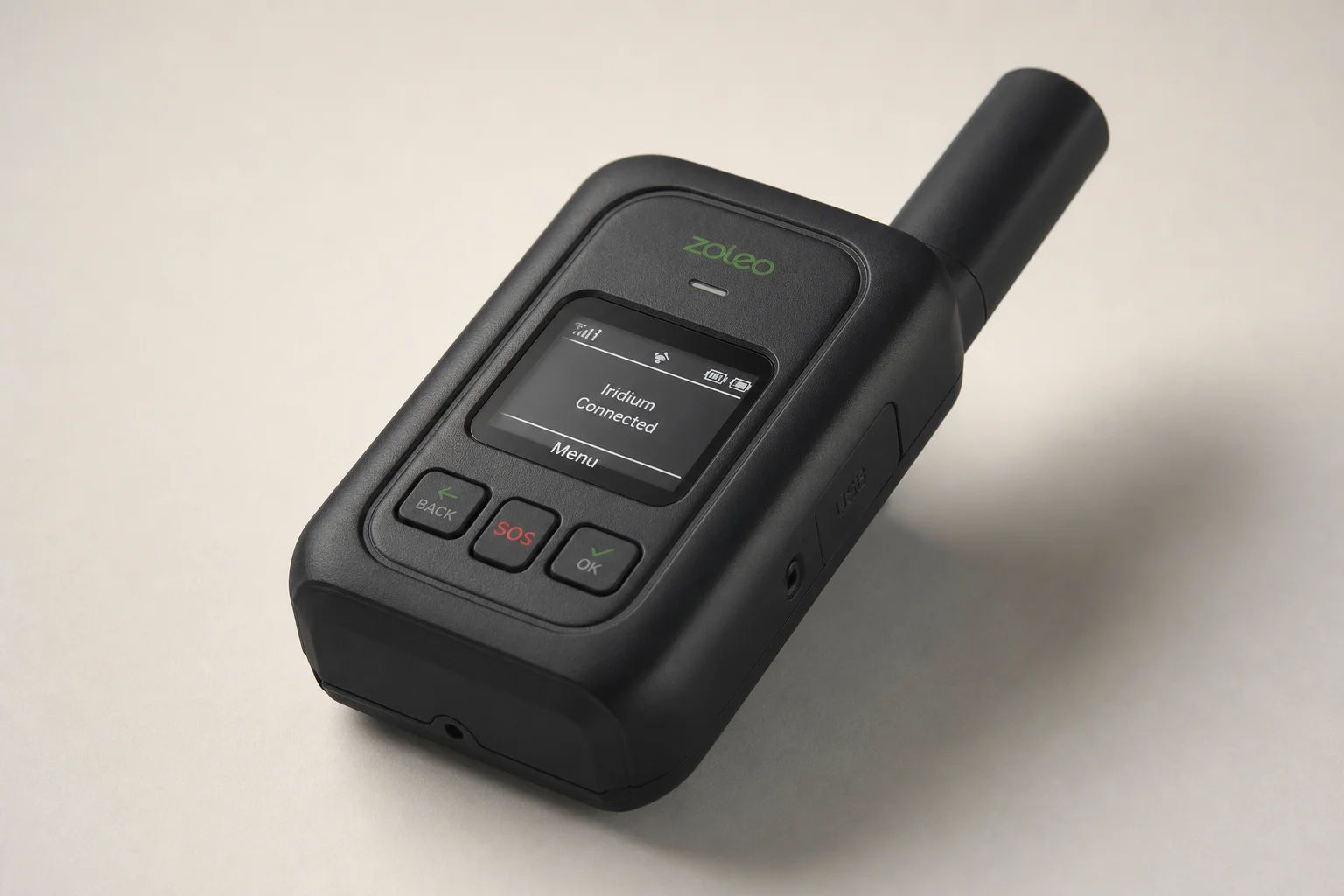
Carried in the pack lid, the inReach Messenger covers the essentials of staying in contact off grid. Navigation is not its focus; the inReach Mini 2 is the model to look at if on-device mapping matters to you. The Messenger instead leans on battery life, which is the more useful trait on long stretches between resupply points.
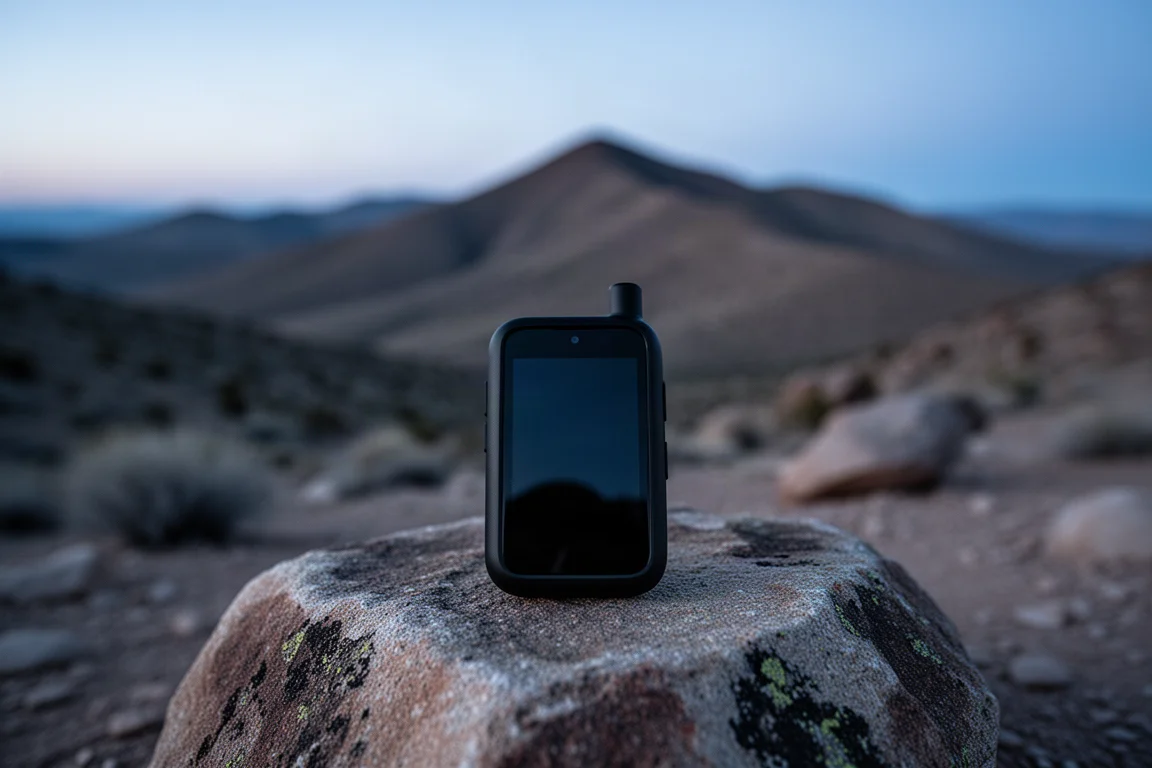
For hikers who navigate from a phone and simply want reliable satellite messaging as a safety net, that trade makes sense. Both devices sit in the same family, so the decision is really about whether you want mapping on the unit itself or more days of runtime.
Nitecore Carbo 10000: Power That Lasts a Week
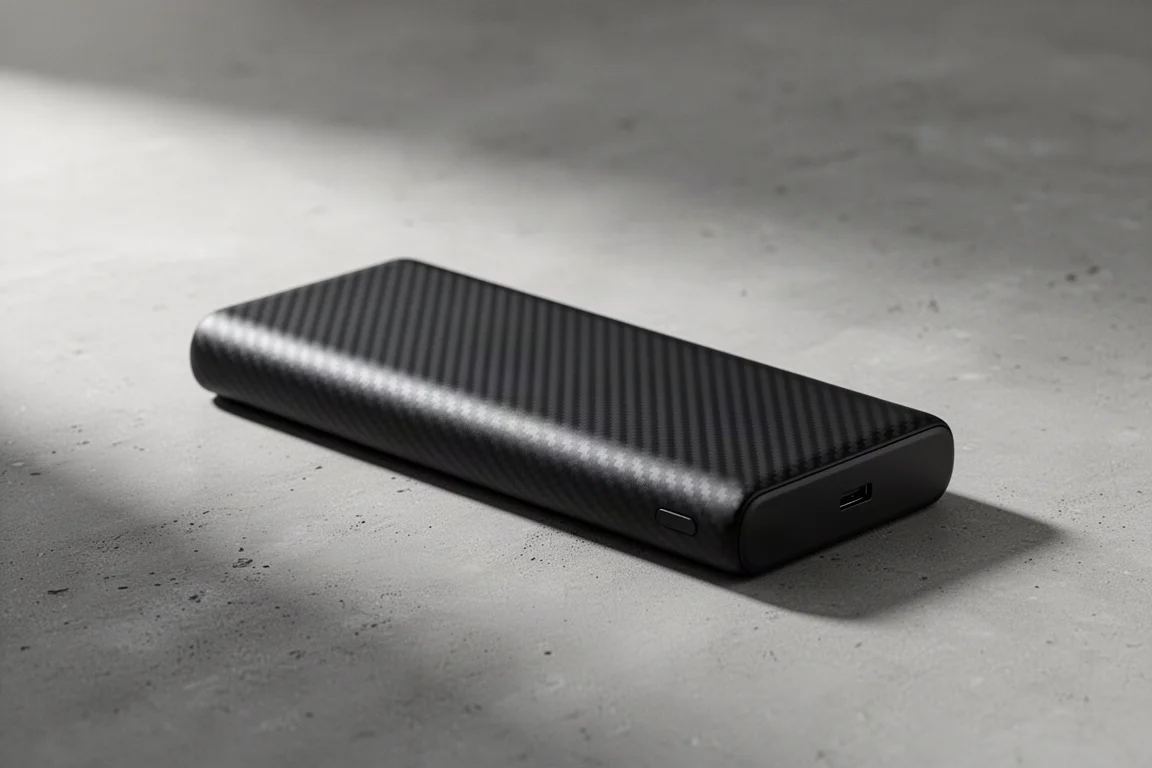
A 10,000 mAh power bank is a sweet spot for thru-hiking. It covers roughly seven to eight days even with heavy phone use for navigation and filming, which lines up neatly with a typical resupply interval. The Carbo 10000 is light enough that it does not undermine the rest of an ultralight kit.
Pair it with a compact wall charger for town stops. Once you are sitting in a resupply town with limited time, charging speed matters more than total capacity, so a fast charger is worth the few grams it adds.
RovyVon A5: A Tiny Light for Summer Conditions
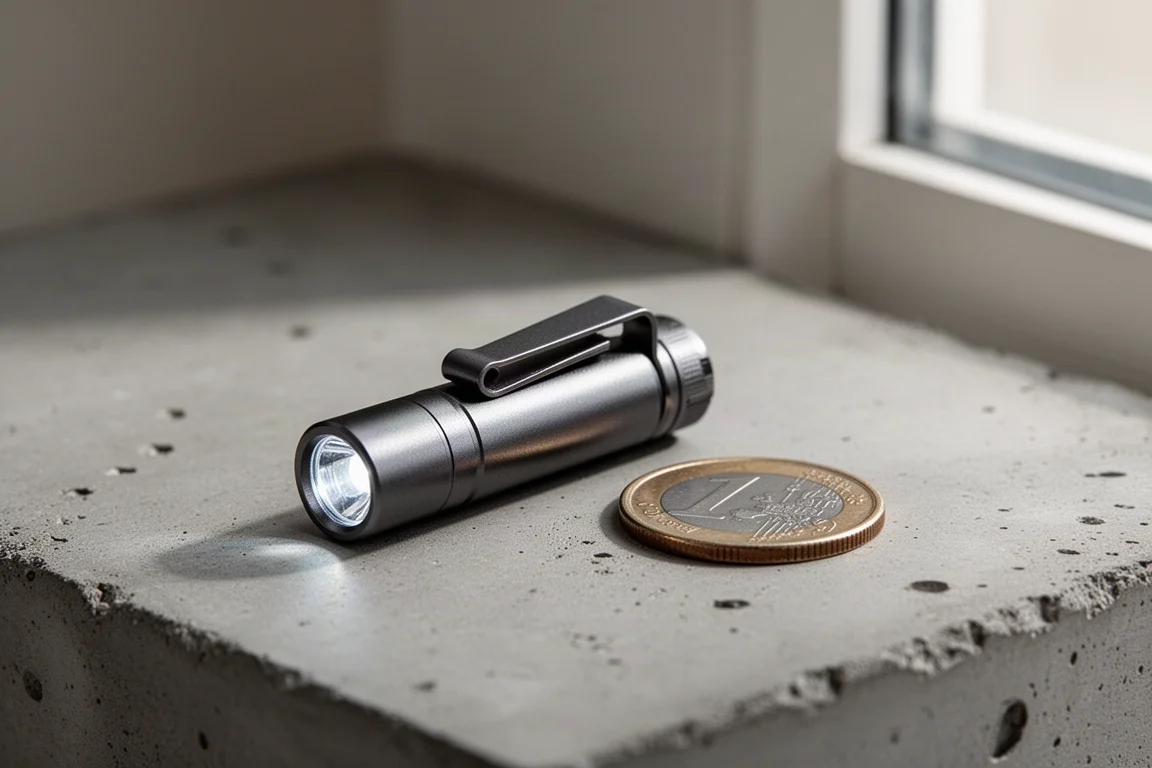
For most summer thru-hiking conditions a small flashlight covers everything you need after dark: camp chores, late arrivals, and the occasional pre-dawn start. The RovyVon A5 is small and light enough to disappear into a hip pocket or an electronics bag, and it stays out of the way the rest of the day.
It is worth being honest about the limit, though. Hikers who regularly walk into the night may prefer a headlamp so that both hands stay free, and a flashlight is a less comfortable choice once the evenings get long. For shorter summer days, it is more than enough.
Zpacks Vertice: Rain Protection That Stays Packable
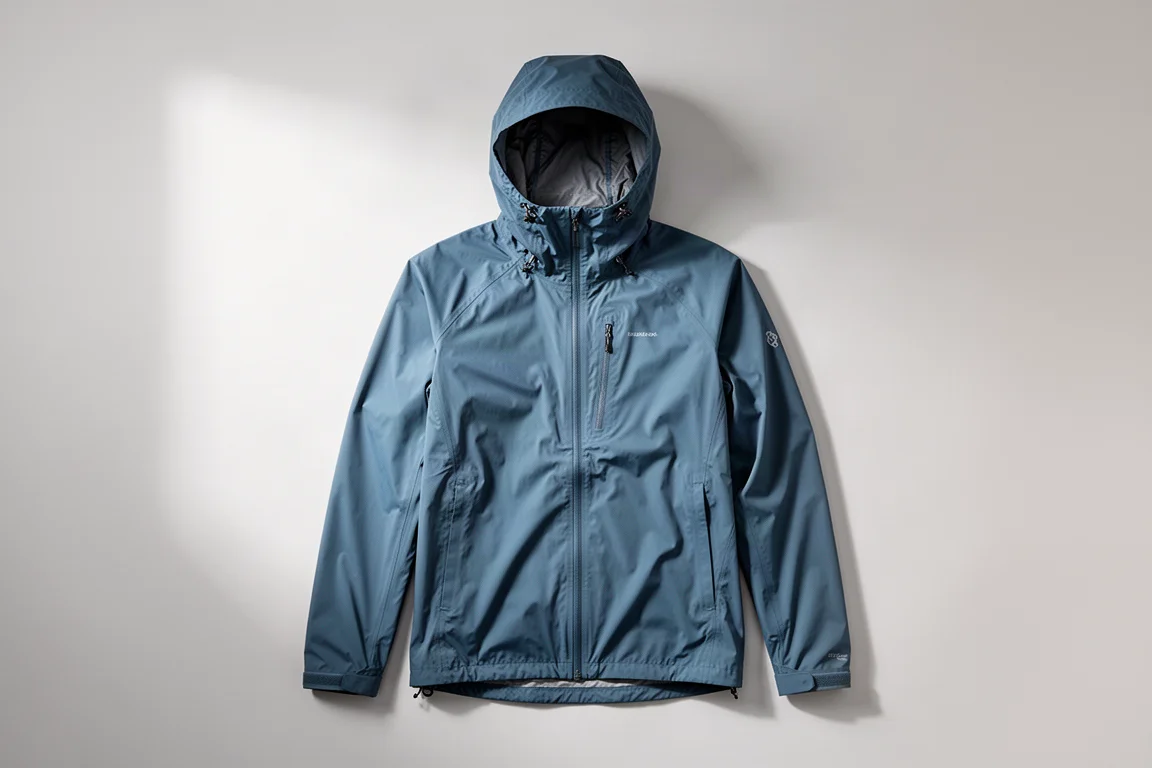
An ultralight rain jacket has to do two things well: keep water out and pack down small enough that you actually carry it. The Vertice does both. It resists wetting out, so it keeps breathing after hours of rain, and the large pit zips let you dump heat on a climb without stopping to take the jacket off.
Packability is the quiet advantage. Some budget rain shells save money but do not compress well, which makes them awkward to stow when the weather clears. The Vertice packs small enough to live in the front stretch pocket and be forgotten until it is needed.
Zpacks Plex Solo: The Lightest Fully Enclosed One-Person Shelter
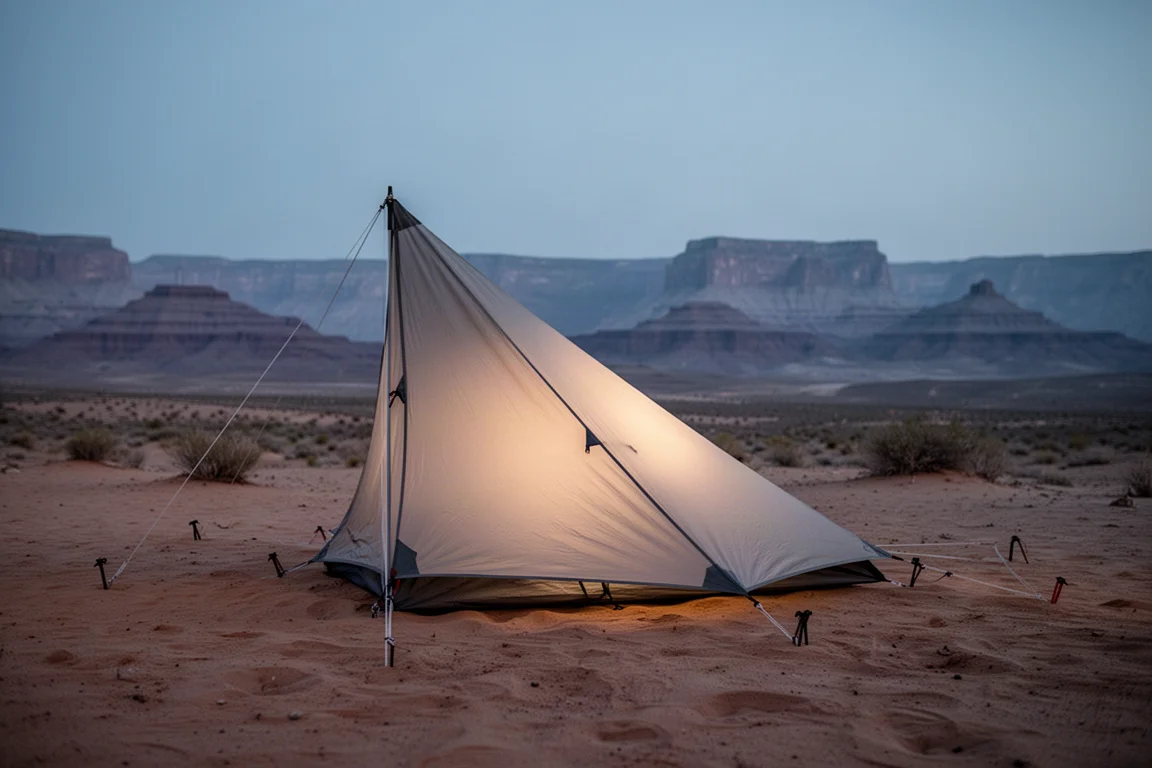
At 395 g the Plex Solo is the lightest fully enclosed tent on this list, and for a one-person shelter it is surprisingly roomy. There is enough space to move around, get changed, and wait out rain without feeling boxed in, which matters when a storm keeps you inside for a full afternoon.
It pitches with a single trekking pole, which leaves a second pole as a spare. That redundancy is valuable on a long trail, and it also means the shelter still works in terrain where you could not improvise a second pole from a stick, such as open desert.
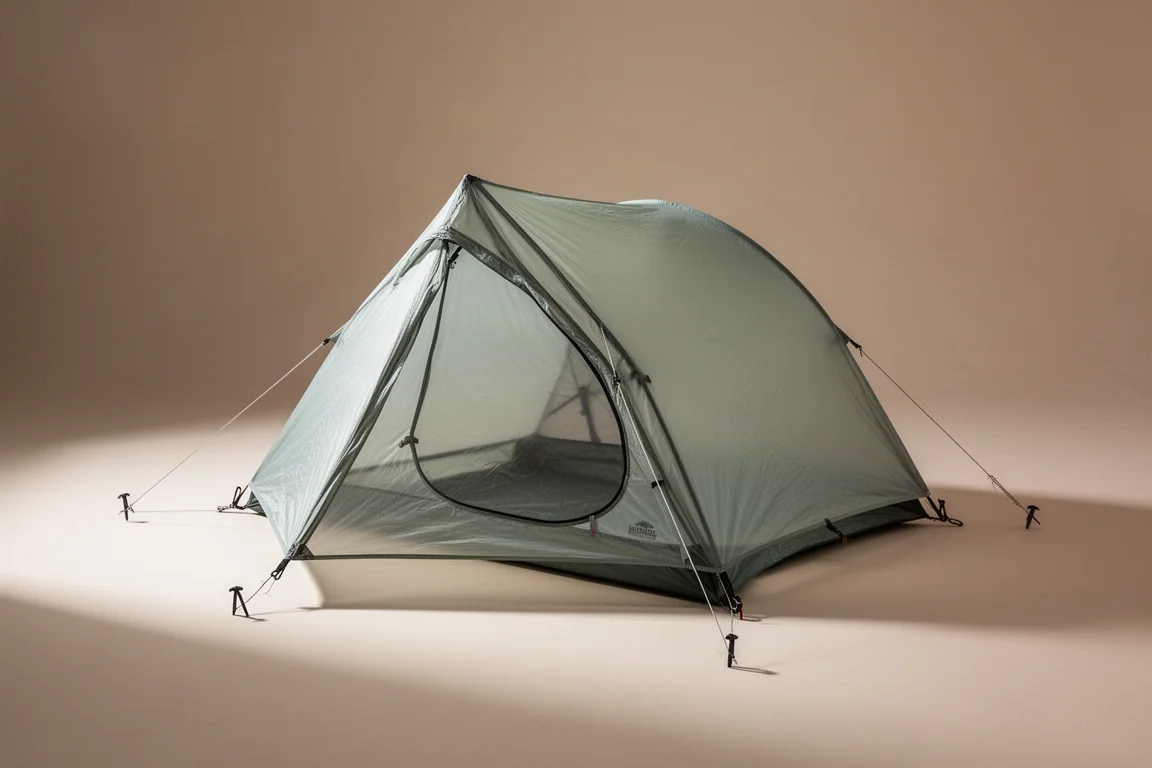
If you want more space, the Durston X-Mid Pro 2 and the X-Mid Pro 2 Plus offer roomier layouts. Hikers who would rather spend less and still get a capable thru-hiking shelter should look at the Six Moon Designs Lunar Solo or the Lunar Duo.
Enlightened Equipment Enigma 20: A Down Quilt Built for Three Seasons
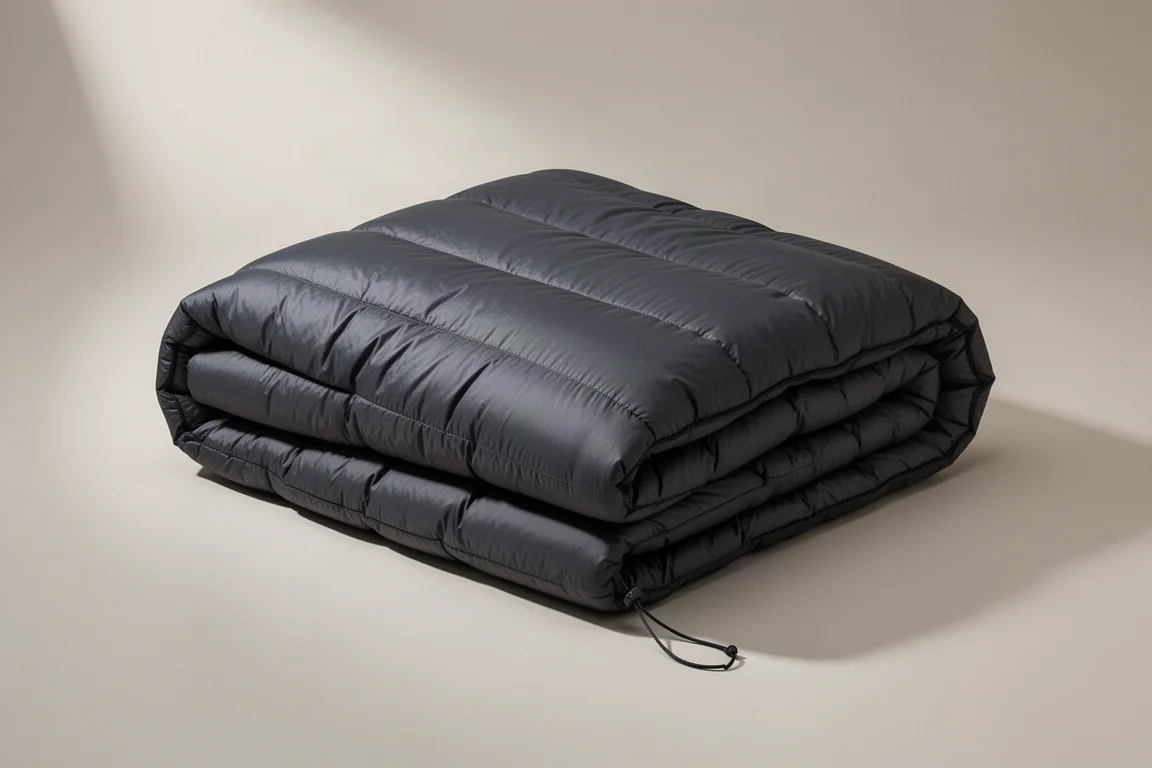
Down quilts are hard to beat on warmth-to-weight, and the Enigma 20 makes a strong case for itself as a single-quilt solution. A 20-degree rating covers three-season conditions on the major North American thru-hikes, and the quilt format stays comfortable for side sleepers and anyone who moves around at night.
That versatility is the reason it earns a place here rather than a warmer or lighter specialist option. One quilt that handles the full range of conditions you are likely to meet is simpler to live with than two.
Exped Ultra 3R: Comfort Without the Weight Penalty
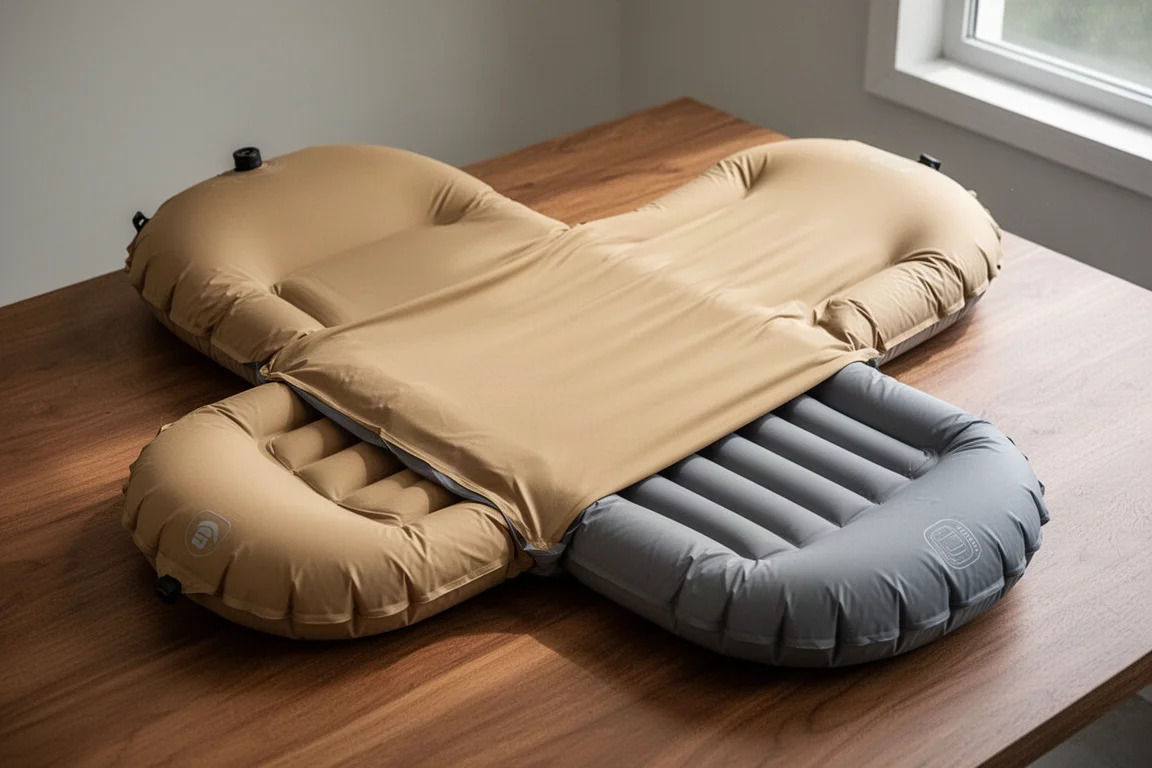
The Ultra 3R is the pad to look at if comfort is high on your list. Time on the warmer Ultra 5R showed it to be comfortable and warmer than its R-value would suggest, and the 3R brings that same feel to a lighter package. It lands close to the weight of the popular Therm-a-Rest NeoAir XLite, which is warmer but, in practice, less comfortable.
For three-season thru-hikes that balance is usually the right one. A pad you sleep well on matters more than a marginally higher R-value, especially on a trail where you are sleeping on the ground for months at a time.
BRS 3000: A 25 g Stove That Just Works
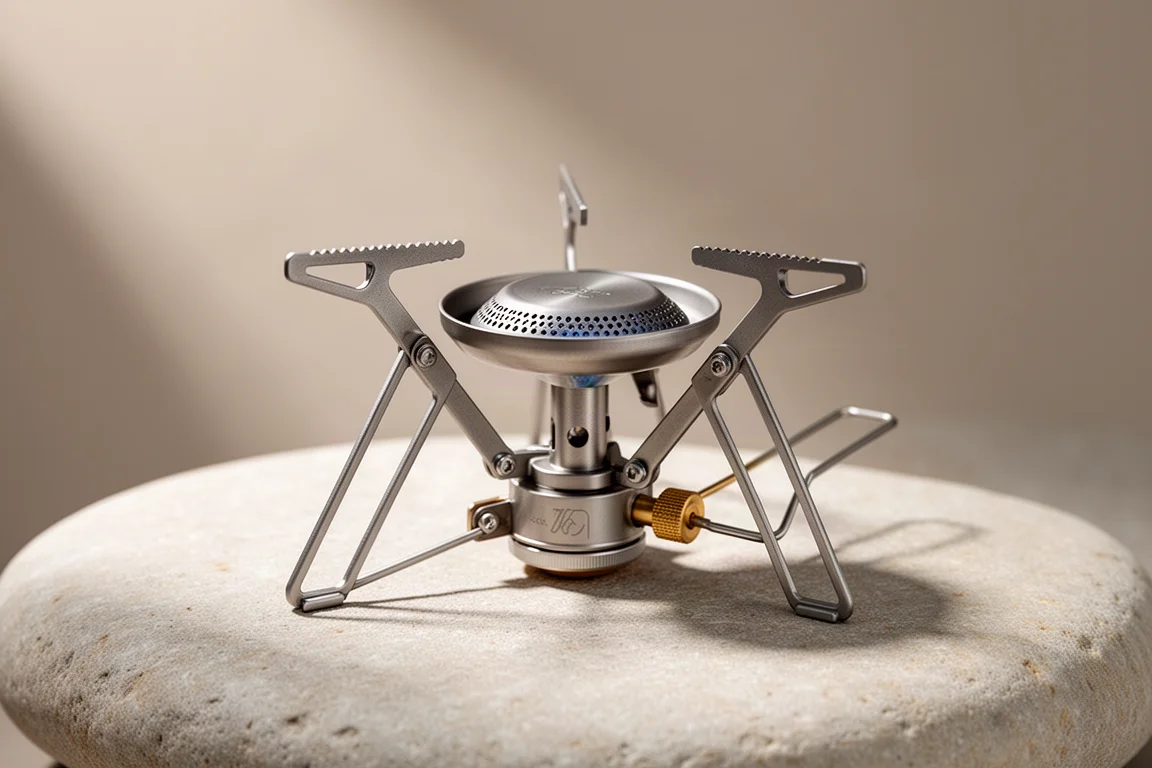
The BRS 3000 has been a dependable choice for years for a simple reason: it weighs 25 g and boils water without fuss. Paired with a 550 ml titanium pot and a 3 g pot gripper, the whole cook kit stays minimal, and the gripper is easier to handle on a pot of boiling water than built-in handles are.
A 110 g fuel canister covers roughly 10 to 14 days of backpacking, which is a comfortable match for most resupply spacing. Store food in whatever container your route requires, whether that is a bear canister or an approved food bag.
Overall Buying Advice
Start with the pack, because it has to handle your heaviest realistic load: a full food carry, a bear canister, or a long water haul. If that load usually stays under 30 lb, a frameless or stripped-down pack works well. If it regularly pushes past 40 lb, the stays and hip belt are worth the extra grams.
Sleep insulation is the next decision. A 20-degree quilt and a comfortable three-season pad cover the widest range of conditions, and that combination is where most hikers get the best return on the weight they carry. Electronics and shelter come down to your route: satellite messengers and power banks should be sized to your resupply interval, and your shelter should match how much room you want and whether you hike with trekking poles.
Conclusion
None of these items is complicated, and that is the point. The Mariposa and the Kakwa series represent two different pack philosophies, the Plex Solo and the Enigma 20 handle shelter and sleep at very low weight, and the smaller items, from the inReach Messenger to the BRS 3000, solve specific problems without adding bulk. Build the kit around your heaviest carry and your resupply spacing, and the rest tends to fall into place.
Further reading
Related Reviews

Backpacking Gear
Building a 10 lb Base Weight: An Ultralight Backpacking Gear List
A practical walkthrough of the ultralight pieces behind a 10 lb base weight, from a 765 g pack and a roomy one-person tent to a full camp chair and a dependable water filter.

Backpacking Gear
A 15-Pound Lightweight Backpacking Gear List for Solo Trips
A beginner-friendly 15-pound backpacking setup built from easy-to-find gear, with notes on what each piece does, how it packs, and where to spend your attention.

Backpacking Gear
8 Ultralight Backpacking Gear Upgrades Worth Carrying
Eight small, affordable backpacking upgrades that solve real trail annoyances, from a pillow that stays put to a fuel valve that rescues leftover canister gas.