Backpacking Gear
Ultralight Sleep System Review: Nemo Tensor Elite, Zpacks Solo Quilt, and Big Sky Pillow
A three-piece sleep system that weighs about 1.5 lb in total, tested over four days: where the Nemo Tensor Elite, Zpacks Solo Quilt, and Big Sky Ultralight Pillow shine, and where they fall short.
Introduction
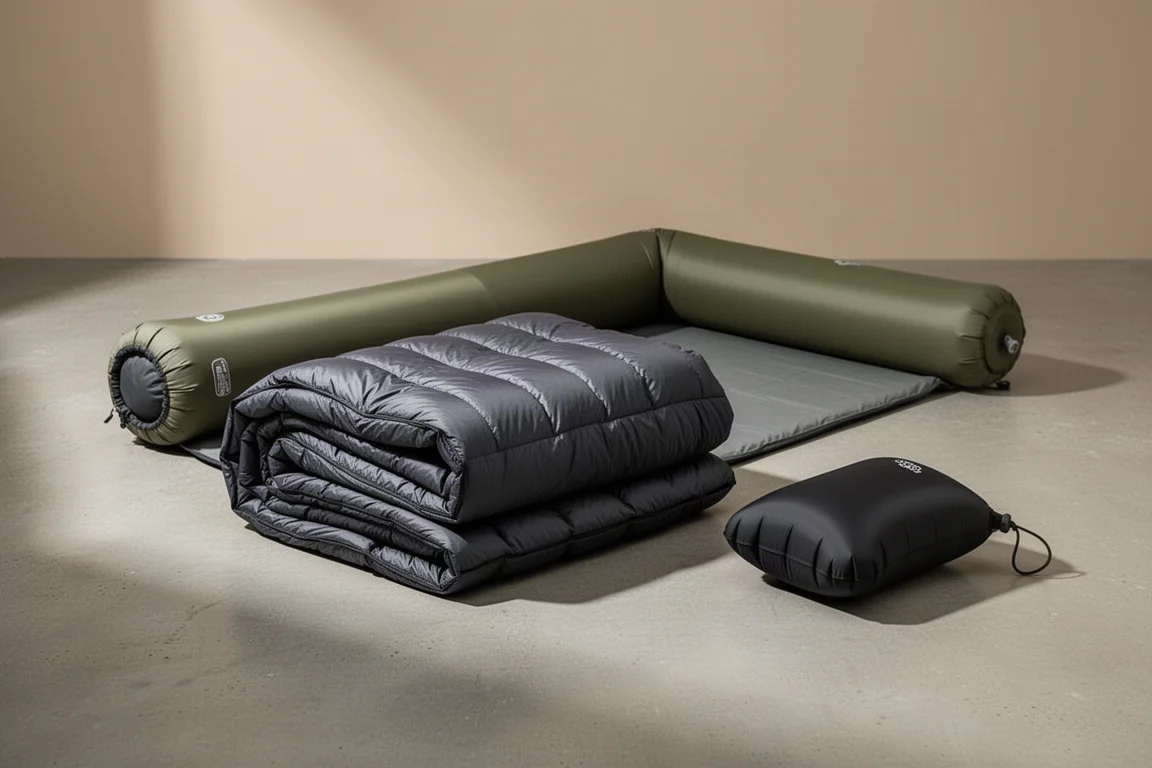
A complete sleep system that comes in around 1.5 lb in total, including the sleeping pad, the quilt and the pillow, is an unusual thing. That is the number this three-piece kit reached across four days of use, and the interesting question is not whether it is light. It is whether it still does the job a sleep system is supposed to do: keep you warm and let you sleep comfortably.
The short answer is that two of the three pieces carried the kit, and one became the clear limit of the system. Here is how each piece performed, what it is good at, and who should realistically consider it.
How This System Was Evaluated
Testing focused on three categories: warmth, comfort and durability. The trip was a four-day outing in early autumn conditions, with recorded overnight lows of 3°C on the first night and 8°C on the following two nights. Those temperatures turned out to be useful, because they sit right around the point where one piece of the system stops working in your favour.
Sleeping clothing was deliberately minimal but realistic: an Alpha Direct 60 top, Alpha Direct bottoms and Alpha Direct socks, plus a merino beanie. That is a fair baseline for a fast and light trip, and it means the results reflect the insulation the kit actually provides rather than heavy layering.
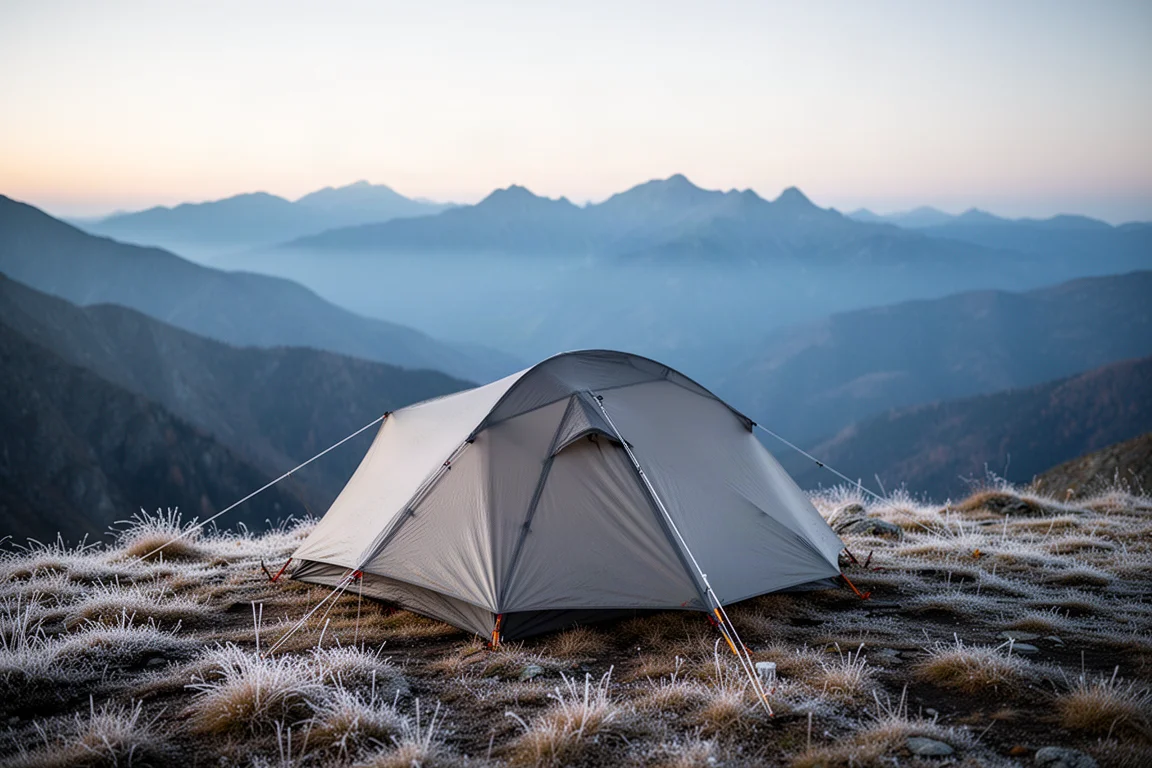
What emerged is a fairly clear split. The quilt held its warmth rating down to freezing. The pad did not, and the pillow pulled heat from the head once a hat came off. Comfort, on the other hand, was better than expected across all three pieces, and durability remains an open question on two of them rather than a confirmed problem.
Nemo Tensor Elite Sleeping Pad
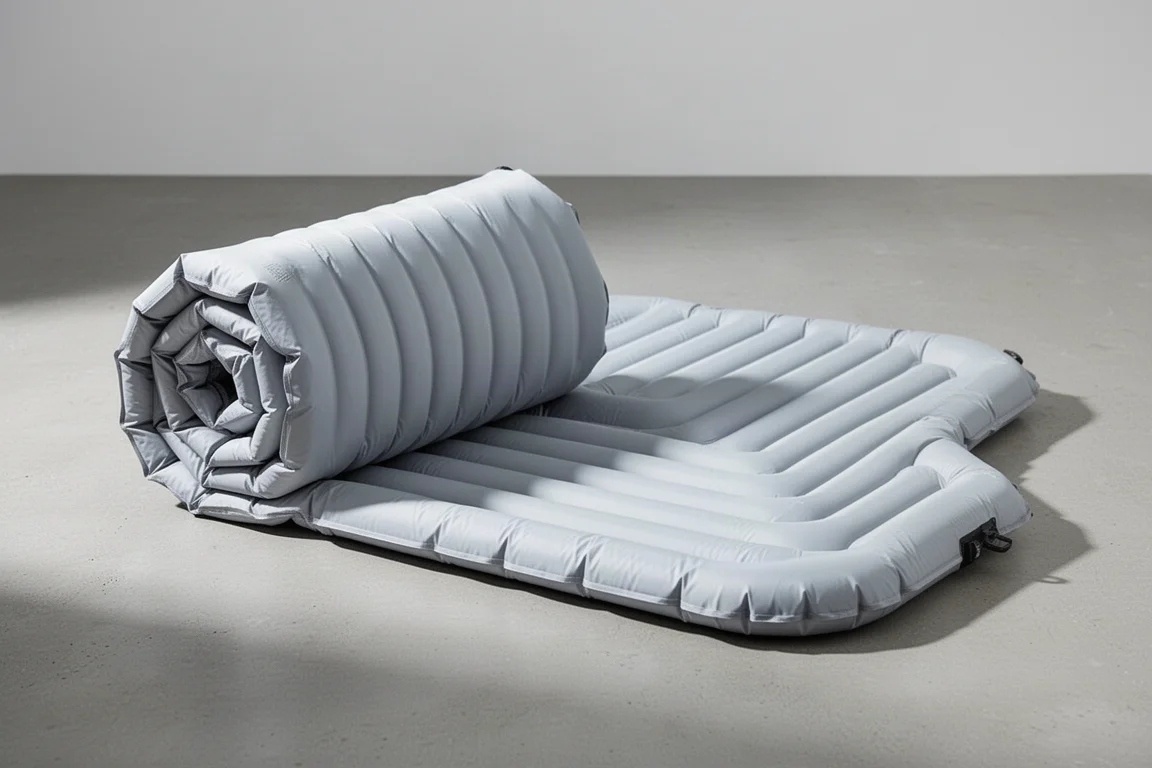
The Nemo Tensor Elite in the regular size measures 20 in wide and just under 6 ft long, and weighs 254 g. That makes it the lightest sleeping pad currently on the market now that the Therm-a-Rest Uberlite has been discontinued, and low weight is the entire reason this pad exists.
The thinner shell material used here behaves differently from thicker pads. It has more give and springiness to it, and that translates into a surprisingly decent amount of pressure relief for a pad this light, especially relative to other pads in the Nemo Tensor line.
Warmth is where the limits show. With an R-value of 2.4, the pad is the weak point of the system. At the 3°C low, heat was clearly being drawn out through the pad, while at 8°C the same setup was fine. The practical ceiling sits somewhere around 5°C for this pad, which makes it a three-season and cool-weather piece rather than a cold-weather one.
Durability is the other open question. The construction uses a thin denier shell fabric on the outside and a thin TPU layer inside to keep it airtight, and that combination raises fair concerns about how the welds hold up over years of use, or how easily the pad could be punctured. The counterpoint is real: the pad has been on the market for about a year with few reported failures, and the current generation has not shown the weld failures that affected an earlier Nemo Tensor generation. There simply is not enough long-term data yet to settle it.
Zpacks Solo Quilt
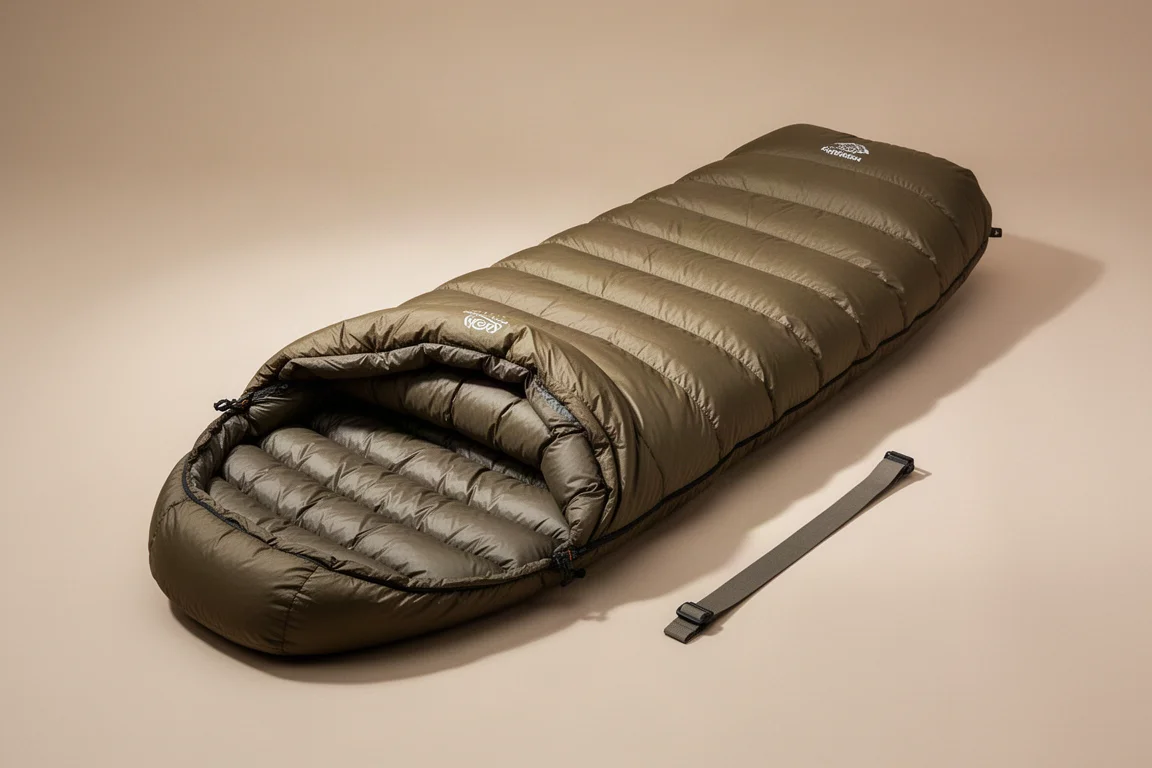
The Zpacks Solo Quilt used here is the 30°F version in a regular size, and it weighs 430 g. It is a minimal design built from very lightweight materials, which puts it among the lightest quilts available in this temperature range.
Construction quality is the quiet strength of this piece. After a couple of years of use it still feels like high quality gear, and the materials are the kind that can be patched easily if something goes wrong. Down, looked after properly and washed occasionally, lasts a very long time, so this is the one item in the kit that could plausibly last a lifetime.
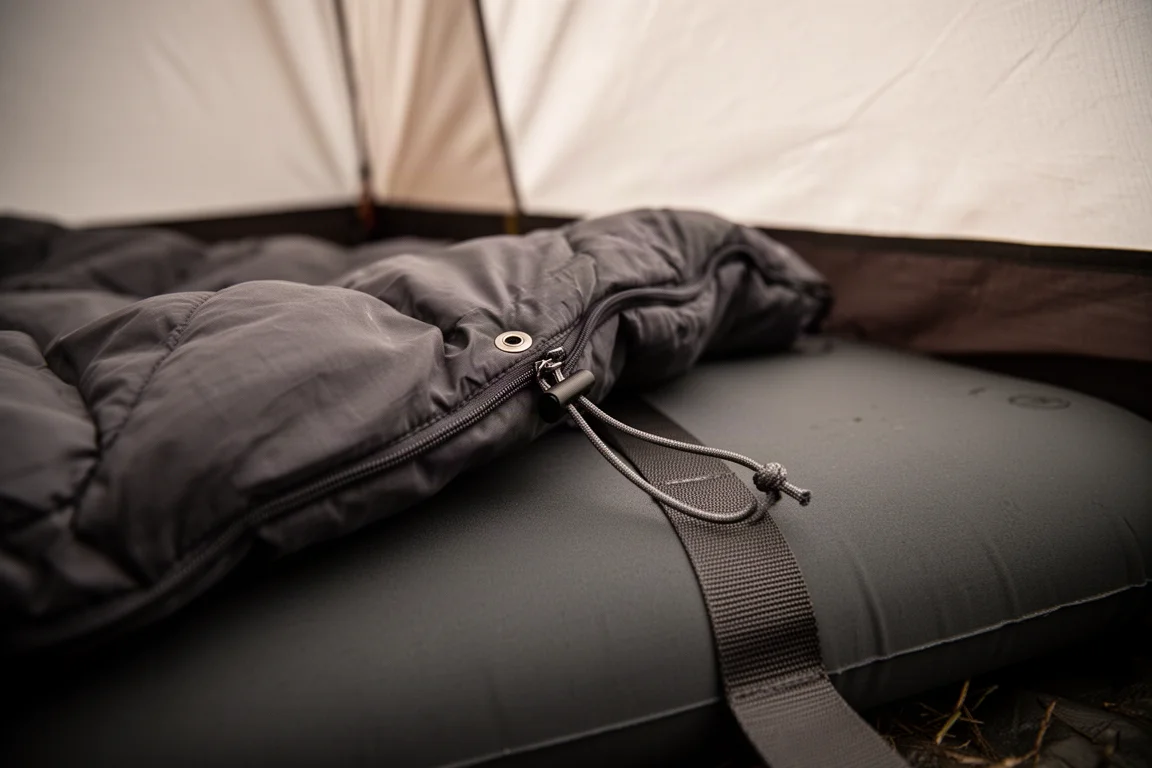
Warmth held up well. The quilt reads as a genuine 30°F quilt down to freezing for someone who sleeps warm, though anyone who sleeps cold should give themselves extra buffer rather than trusting the rating exactly. The neck snap lets you close the quilt around your neck and cinch it down, which seals drafts around the shoulders, and a single pad strap locks the quilt onto the pad.
That single strap comes with a learning curve. It needs to sit roughly at armpit or chest level to seal effectively; placed too high or too low, it allows a gap to open when you roll over, which is exactly what happened on the first night and produced some drafts. Positioned correctly, with the snaps tucked under the pad, the quilt stays locked in place and no drafts get through.
Comfort is the standout here. A quilt makes it easy to toss and turn underneath without the tangling and twisting that comes with a sleeping bag, and that mattered more than usual on a narrower pad. The regular size was still roomy enough to move around in.
Big Sky Ultralight Pillow
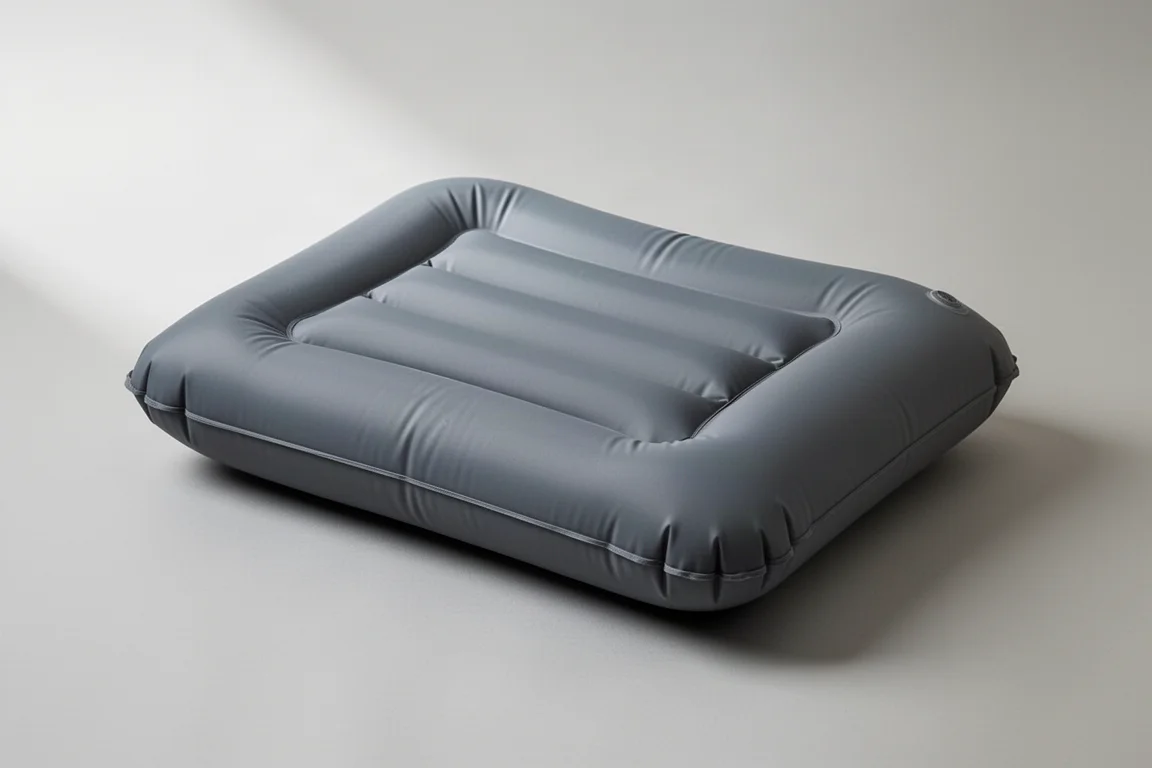
The Big Sky Ultralight Pillow weighs just 50 g, and its most useful feature is not the weight. It has loops on the sides that accept a piece of shock cord, so you can lock the pillow onto your sleeping pad. For anyone who moves around during the night, that solves the usual problem of a pillow sliding away by morning.
The shape works too. It has a good height to it, which suits side sleepers, and the baffling is well judged, so it feels supportive rather than like lying on a plain air bladder. For a pillow at this weight, that combination is genuinely underrated.
Temperature is the trade-off. Because it is an air bladder with nothing insulating on top, it draws heat away from your head. Sleeping on it without a hat, that heat loss is noticeable, so this is not a cold-weather pillow in the way the quilt is a cold-weather quilt. Bare-skin comfort is a reasonable question as well for anyone who does not sleep in a hat. Adding a light quilt topper over the top helps with both warmth and comfort for around 70 g if the cold becomes an issue.
Durability is the remaining uncertainty. The brand moved away from its previous manufacturer for this pillow, and it is too early to say how this construction holds up over the long run.
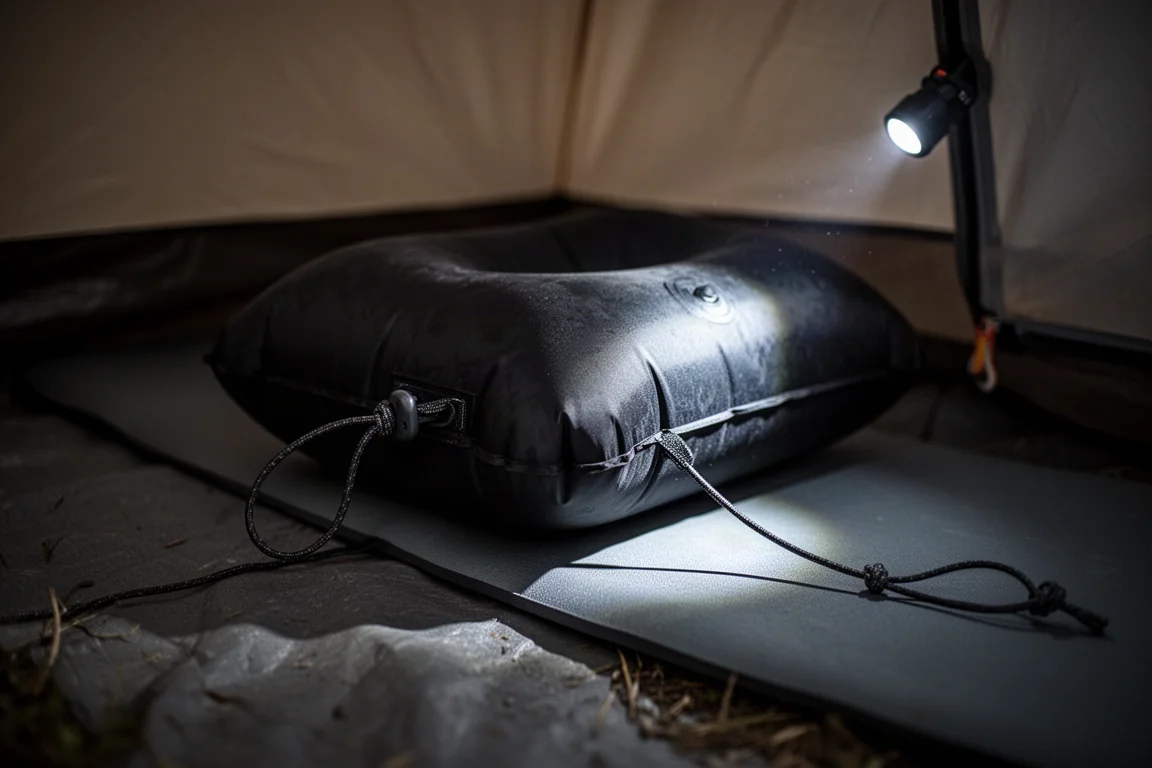
That said, for the weight involved, the pillow earns its place in the kit. It is the piece most people would dismiss on principle and then miss once they have used it.
Who This Sleep System Suits
This kit is a focused tool, not a general-purpose setup. It makes the most sense on trips where you are covering serious mileage, whether that is fastpacking or thru-hiking, and where every gram in the pack has to justify itself.
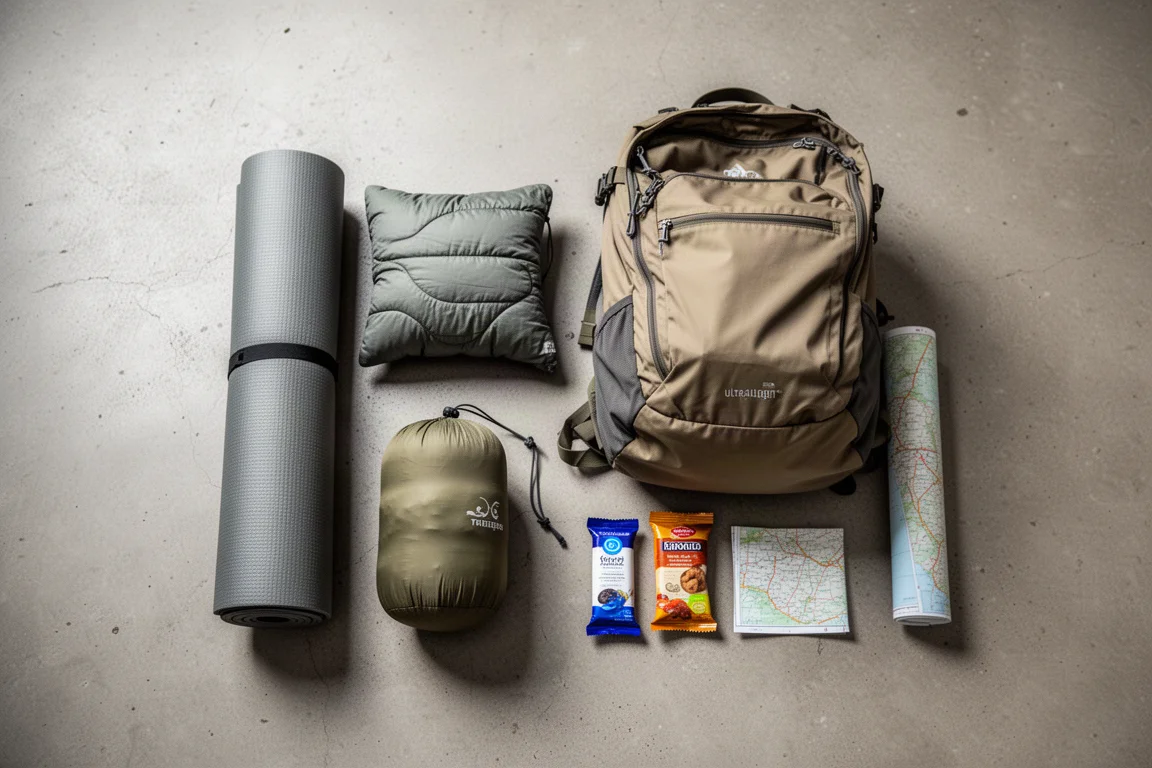
It also suits a specific kind of travel problem. On a four-day pack rafting trip, all of the gear, including pack rafting equipment and four days of food, fit into a single piece of checked baggage, and that bag came in right at the 23 kg limit. With a heavier sleep system, the bag would have been overweight and the gear would not have fit. That is a concrete, practical argument for going this light.
The trade-offs are real, though. The pad is narrow and cool, the pillow is not warm, and the quilt expects a warm sleeper. Anyone who sleeps cold, sleeps on their back, or camps in shoulder-season and winter conditions should look at a different combination rather than force this one to work.
Buying Advice
Treat the three pieces separately, because they do not stand or fall together. The Zpacks Solo Quilt is the strongest item in the kit: light, warm to its rating, well made and easy to repair. If you want one piece from this system, this is the one to start with, provided you are not sleeping in genuinely cold temperatures.
The Nemo Tensor Elite is the specialist choice. It is the lightest pad on the market and its pressure relief is better than its weight suggests, but its R-value of 2.4 makes it the system’s warmth limit at around 5°C, and its thin shell means long-term durability is unproven. Buy it if minimum weight is the priority and you can live with a 20 in width and a cool pad.
The Big Sky Ultralight Pillow is the easy add-on. At 50 g, it removes the usual reason to leave a pillow at home, and the side loops that let you tie it to the pad make a bigger difference to sleep quality than the weight suggests. Just plan for a hat in cold conditions, or add a topper.
Conclusion
A 1.5 lb sleep system is cutting edge gear, and it is not for everyone. But each piece can stand on its own merits: the quilt for warmth and construction, the pad for sheer low weight, and the pillow for comfort at almost no cost in grams. Match them to the conditions you actually camp in, and this kit does exactly what it promises.
Further reading
Related Reviews

Backpacking Gear
Building a 10 lb Base Weight: An Ultralight Backpacking Gear List
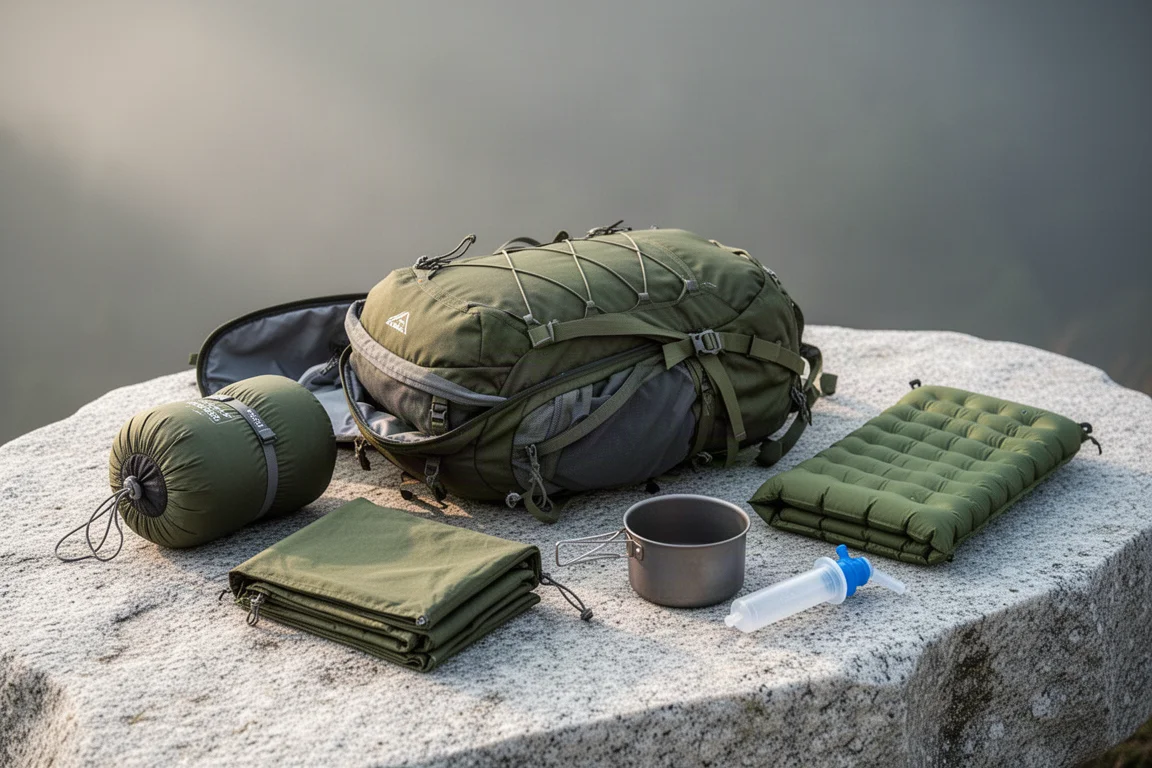
A practical walkthrough of the ultralight pieces behind a 10 lb base weight, from a 765 g pack and a roomy one-person tent to a full camp chair and a dependable water filter.
Backpacking Gear
A 15-Pound Lightweight Backpacking Gear List for Solo Trips
A beginner-friendly 15-pound backpacking setup built from easy-to-find gear, with notes on what each piece does, how it packs, and where to spend your attention.
Backpacking Gear
8 Ultralight Backpacking Gear Upgrades Worth Carrying
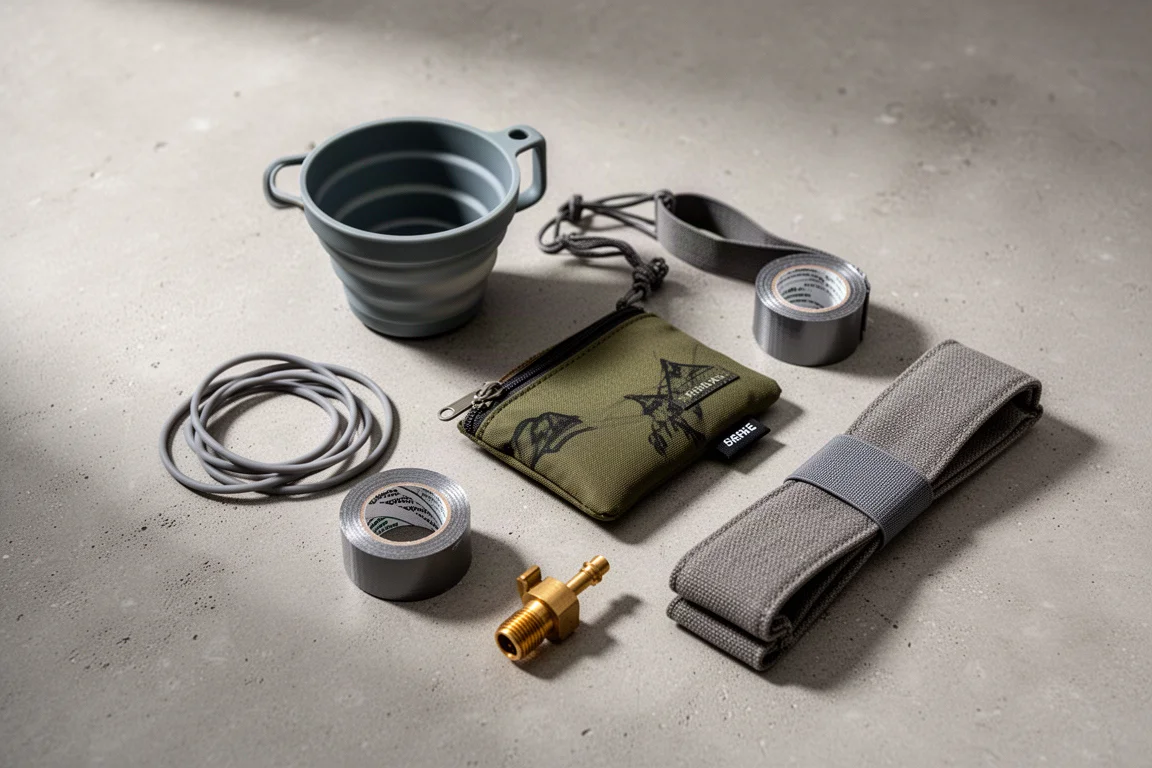
Eight small, affordable backpacking upgrades that solve real trail annoyances, from a pillow that stays put to a fuel valve that rescues leftover canister gas.