Camping and Backpacking Gear
Best Backpacking Gear Under $10: Nine Small Upgrades Worth Carrying
Nine lightweight backpacking accessories under $10 that solve small, real problems on the trail without adding meaningful weight.
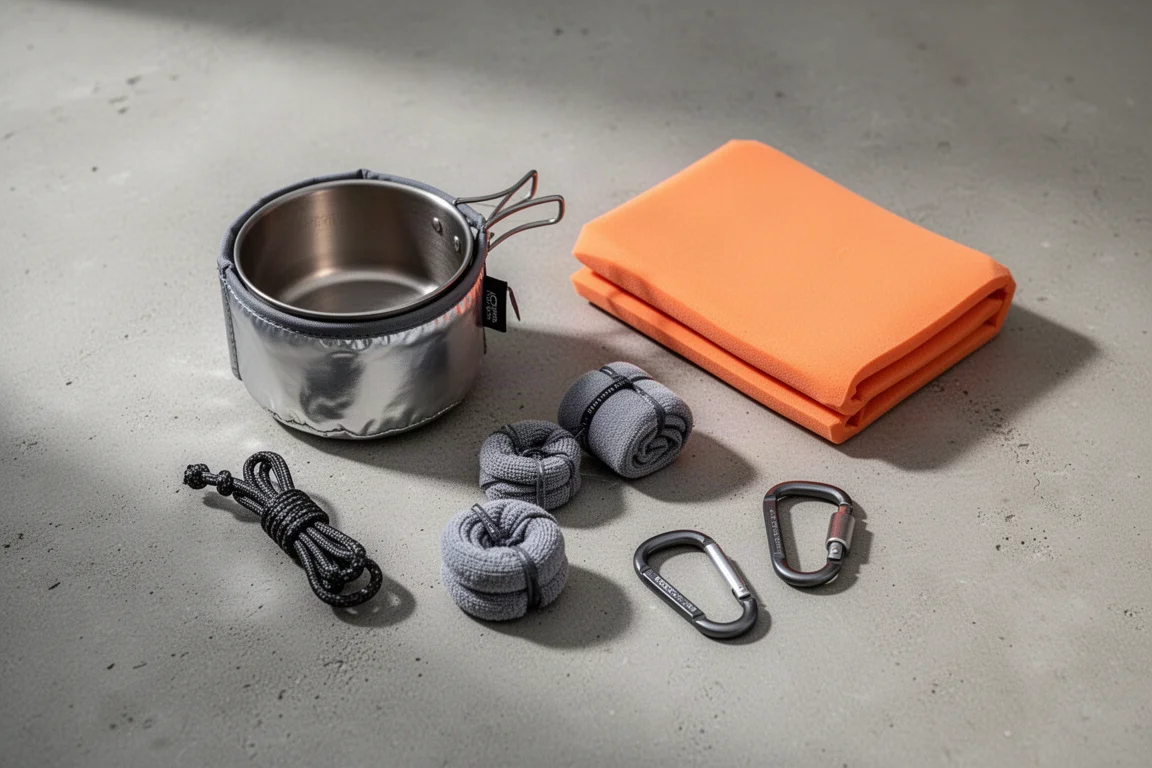
Introduction
Ten dollars does not buy much in the outdoor world, but it can buy a surprising number of small upgrades that make a pack easier to live with. The nine accessories below all sit at or under that mark, and each one solves a narrow, practical problem: keeping a titanium pot warm, finding a sleeping bag zipper in the dark, or stopping a cord from turning into a bird’s nest.
None of them reinvent anything. What they do is remove small daily annoyances for very little money and almost no added weight, which is exactly the kind of gear that tends to earn a permanent spot in a pack.
What These Low-Cost Backpacking Items Have in Common
Every item on this list shares a few traits worth looking for when shopping at the low end of the price range. They are light enough that carrying them costs almost nothing in weight, small enough to disappear into a hip pocket or a stuff sack, and simple enough that there is very little that can break.
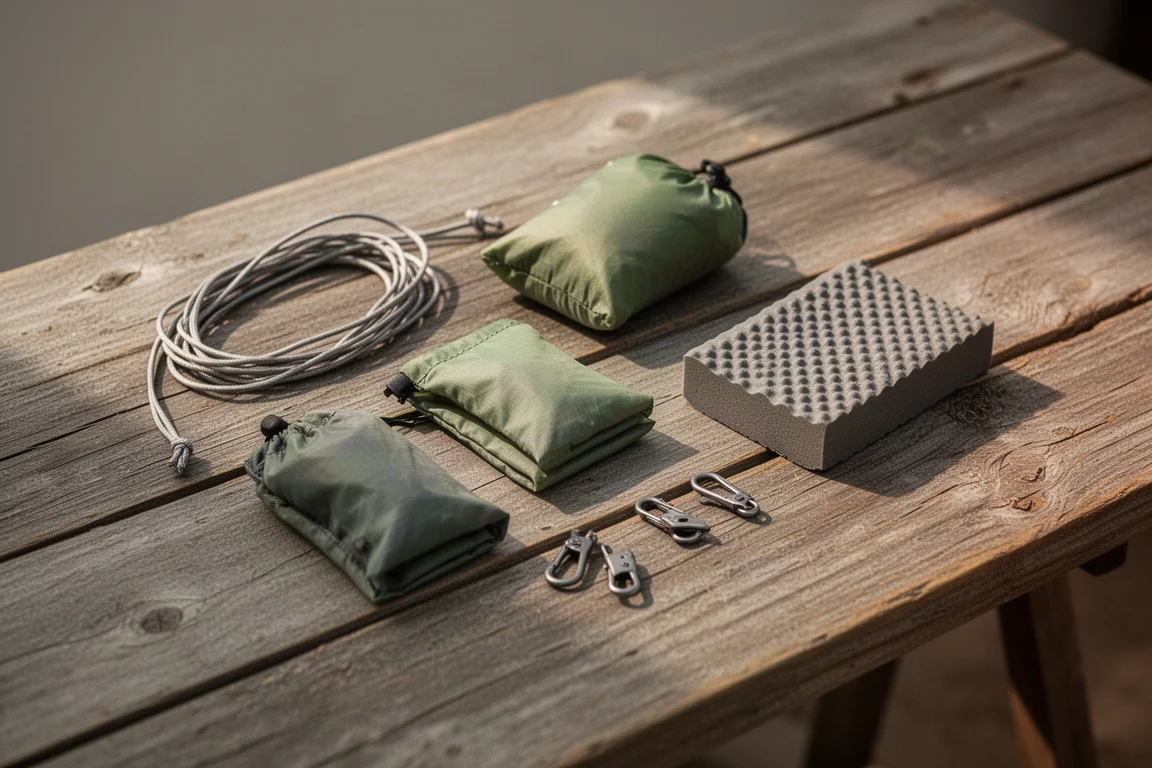
The other common thread is that these are accessories rather than core equipment. A stuff sack or a zipper pull will not change how a trip goes on its own, but a handful of them together can make a pack noticeably easier to organize. That is where inexpensive gear earns its keep: not by being clever, but by being small, light, and reliably present when you need it.
Toaks Pot Koozie
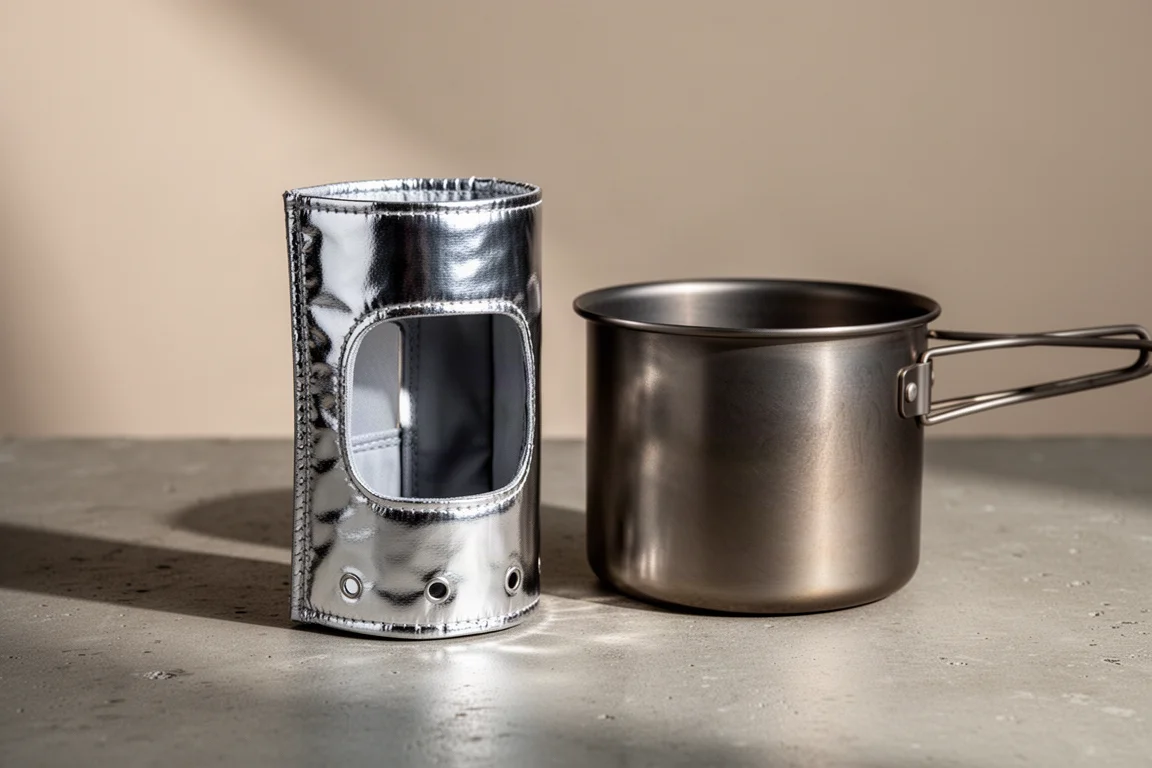
Titanium cookware is prized for being thin and light, and that thinness is also why it sheds heat quickly. This reflective koozie wraps around the outside of a titanium pot to slow that heat loss, so a hot drink or a rehydrated meal stays warm longer. It is not designed to cover an entire pot, which means the handles stay usable, and small drain holes at the base let spills escape rather than pool inside.
At 0.7 oz it adds almost nothing to a pack, and it comes in a smaller size and a larger size to suit different pots. It is a straightforward, low-cost way to make winter cooking and cold-morning coffee a little more pleasant.
Gossamer Gear Sit Pad
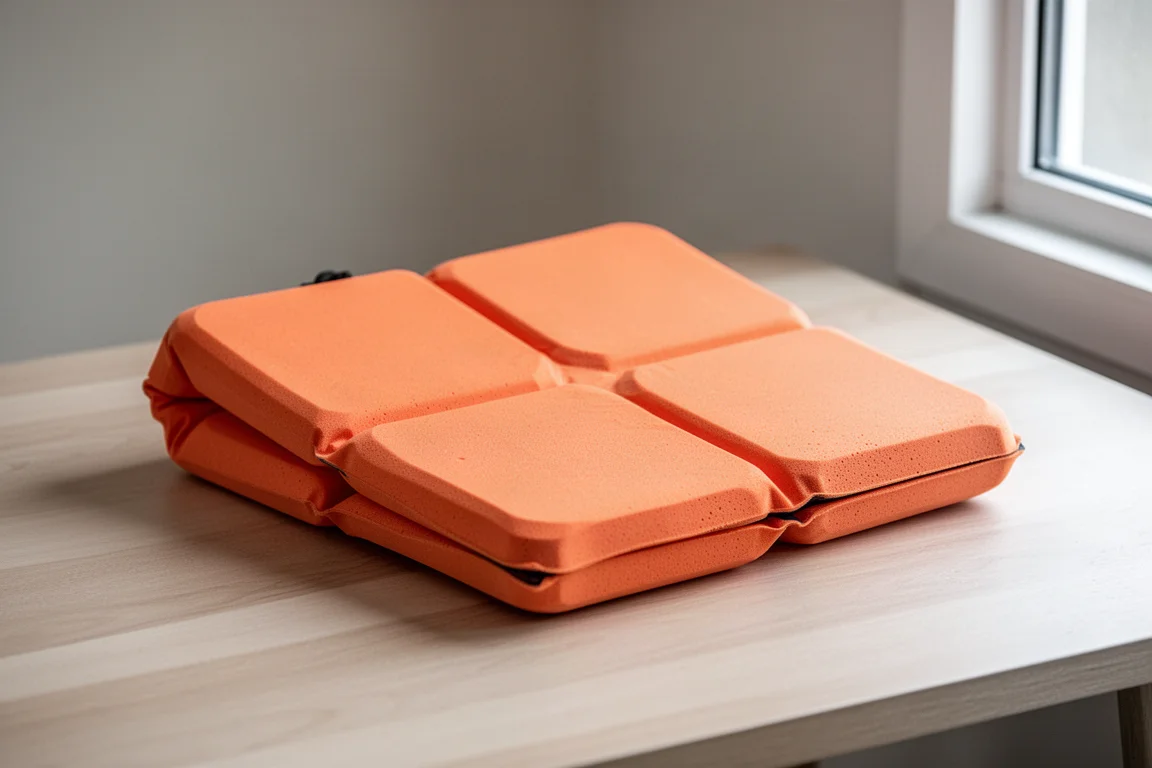
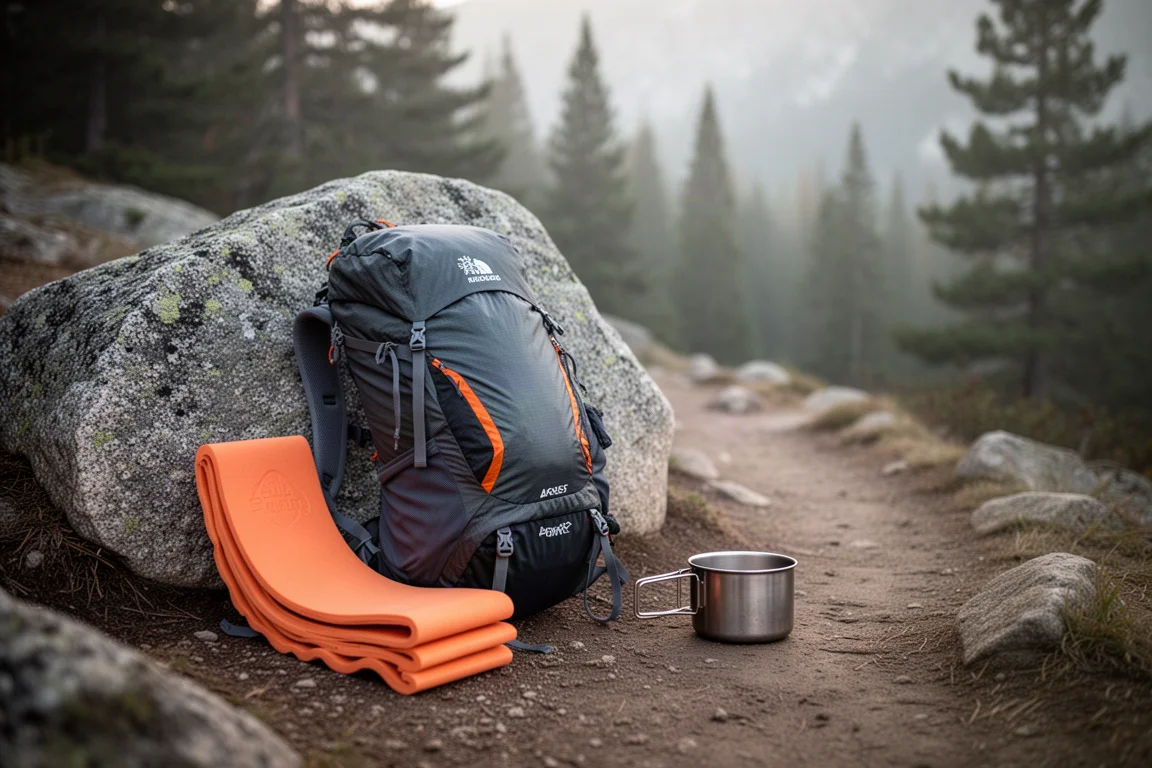
A sit pad is one of those items that seems unnecessary until the first time you stop for lunch on cold, wet ground. This one is made by Gossamer Gear, and its main selling point is how it folds. It can be packed flat, folded in half, or folded down further, so it fits wherever there is a little space left in a pack.
It is not as cushioned as some alternatives, though most pads in this category are thin by design. The bright orange color makes it easy to spot if it gets set down on the ground. At around $6, it is a cheap way to keep a dry layer between you and the dirt.
Wysi Wipe
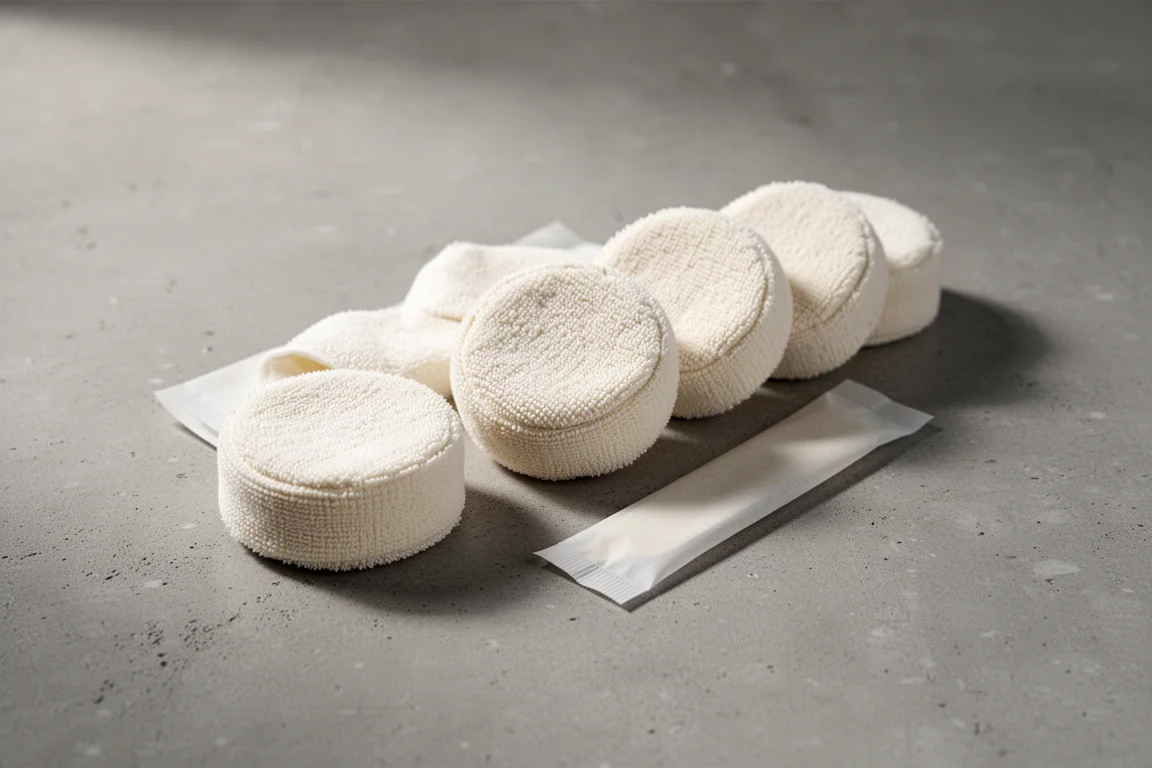
These compressed wipes look like small tablets and expand into a usable towel once water is added. They come in a bundle of 12 and are intended for multi-purpose cleanup: washing hands, wiping down a face, or a quick rinse after a sweaty climb. Most people will get a single use out of each one, though a couple of uses are possible if the situation is not too messy.
The appeal is size. They pack down into almost nothing, which makes them a better fit for a tightly packed ultralight kit than a bulky pack of wet wipes. A pack of 12 costs about $4.
Cam’s Backpacking Gear Tent Snake
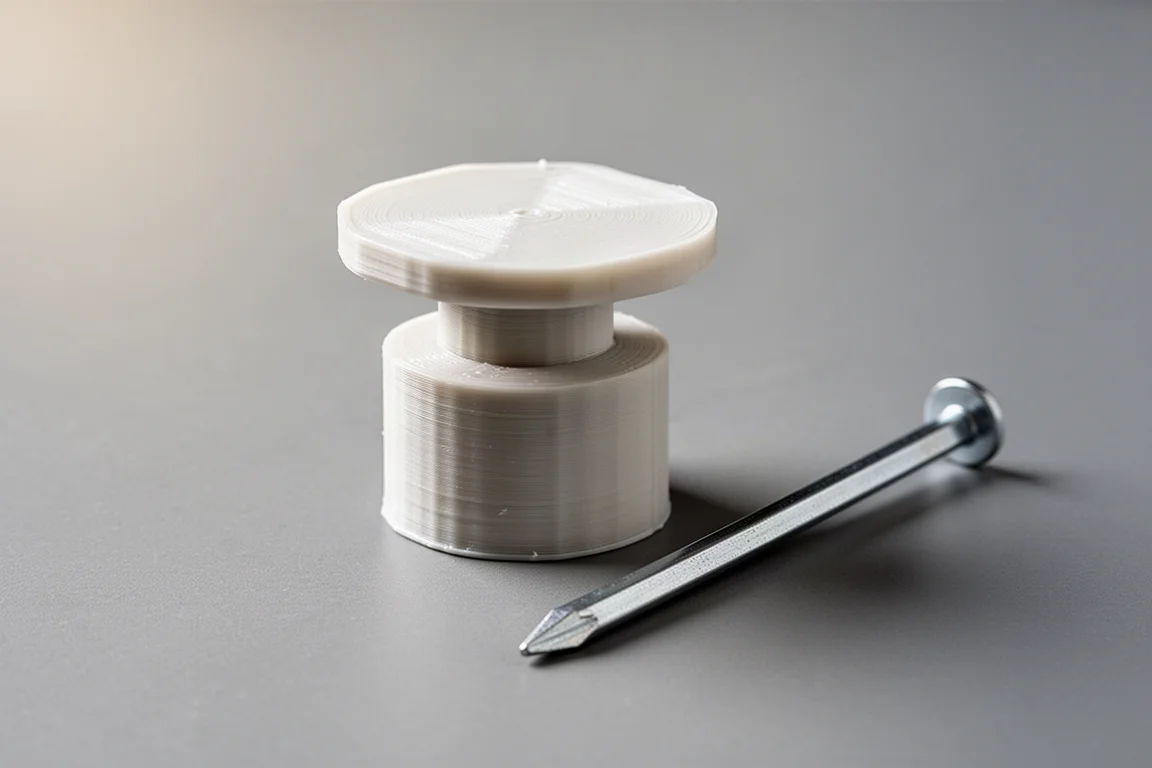
Pushing a stake into hard ground is one of the more annoying chores at the end of a long day, and this small sleeve is designed to make it easier. The tent snake slides over the top of a stake so it can be pressed in without digging a hand into rocky soil, and it also gives you something to grip when pulling the stake back out.
It is 3D printed in the United States and comes in versions sized for a range of common stake types, including MSR, Atani, and Z-Packs stakes. Because it is not a technical or wear-prone part, one will last a very long time, and there is no need to buy one for every stake in the set. Expect to pay about $10.
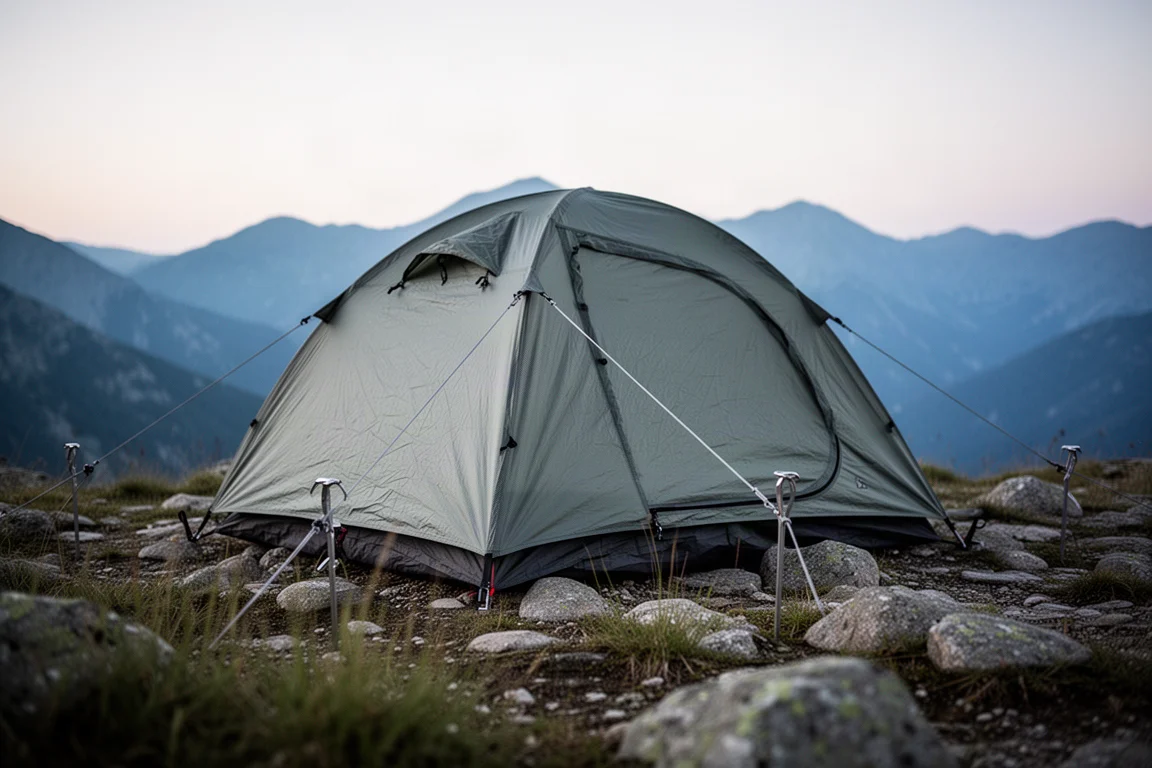
The wider appeal here is what small 3D-printed accessories have done for backpacking gear. A single maker can design and produce a niche part for a specific stake, which means solutions now exist for problems that larger manufacturers would never bother to address.
Lightheart Gear Stuff Sack
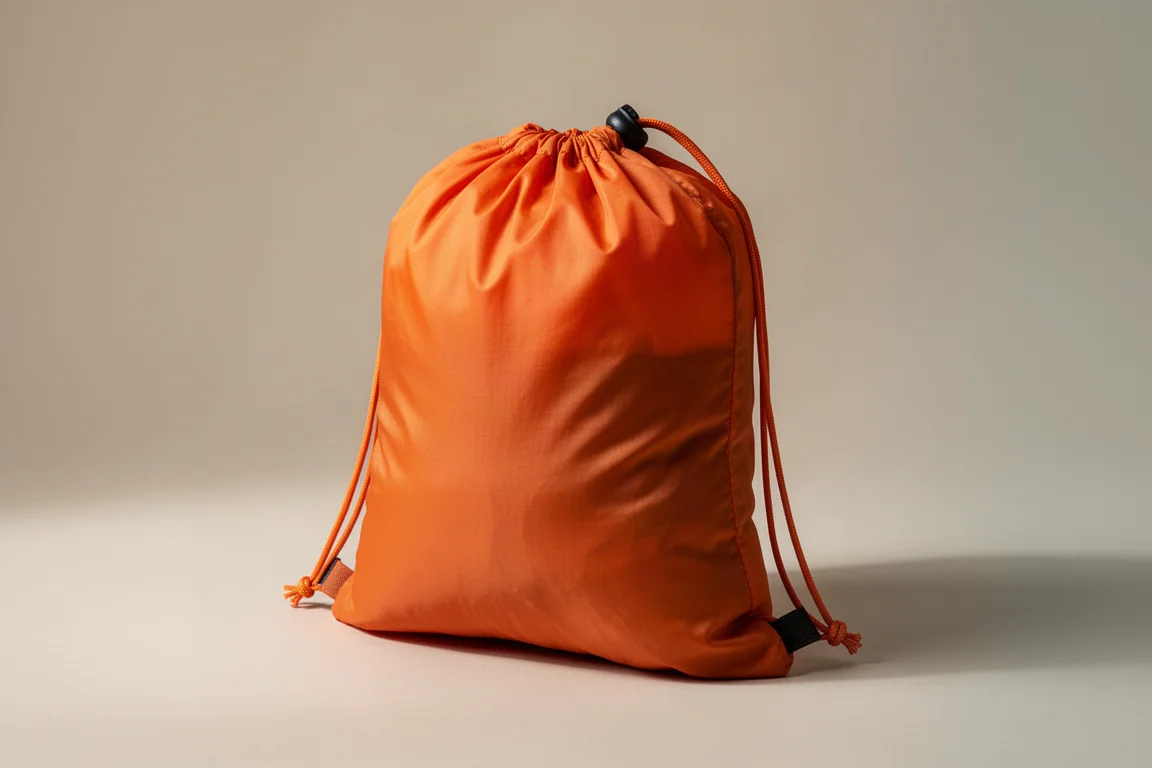
Lightheart Gear is known for tents, rain jackets, and fleece layers, and it also makes stuff sacks from leftover silnylon fabric. That origin shows in the price: a 1 liter sack costs about $3.50, a 2.5 liter sack about $5.75, a 6.5 liter sack about $8, and a 10 liter sack about $9.75.
The fabric feels notably thin and light, and the stitching is clean. These are not the most waterproof or the most abrasion-resistant sacks on the market, but a stuff sack usually lives inside a pack that already offers some protection, so that trade-off is easy to accept. The company is woman-owned and the sacks are made in the United States.
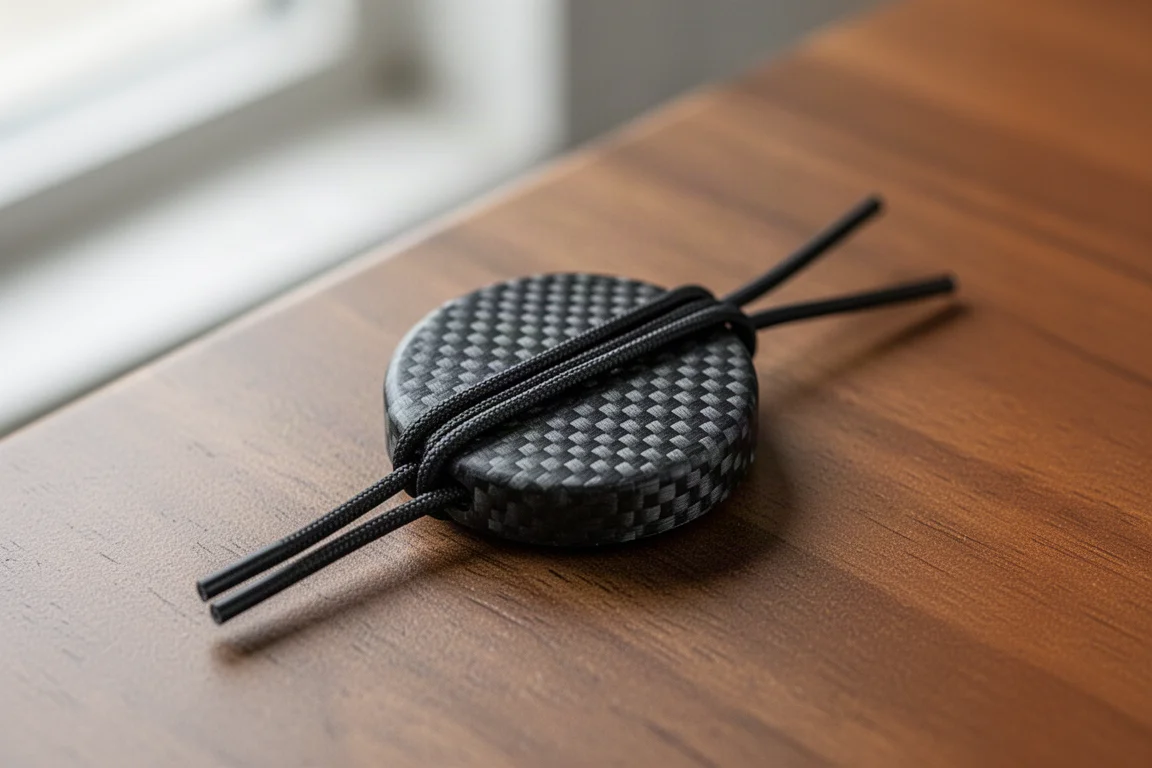
Ignous Gear Carbon Fiber Cord Winder
A loose cord shoved into a pack has a habit of coming out as a tangled nest. This small carbon fiber winder, made by Ignous Gear, gives cord, charging cables, and guy lines somewhere to wrap so they stay tidy between uses.
It weighs 0.1 oz, which is light enough that you will not notice it in hand, let alone in a pack. It is made in the United States and costs about $7.99. For anyone who carries cord regularly, it is a small amount of weight and money to avoid a genuinely irritating problem.
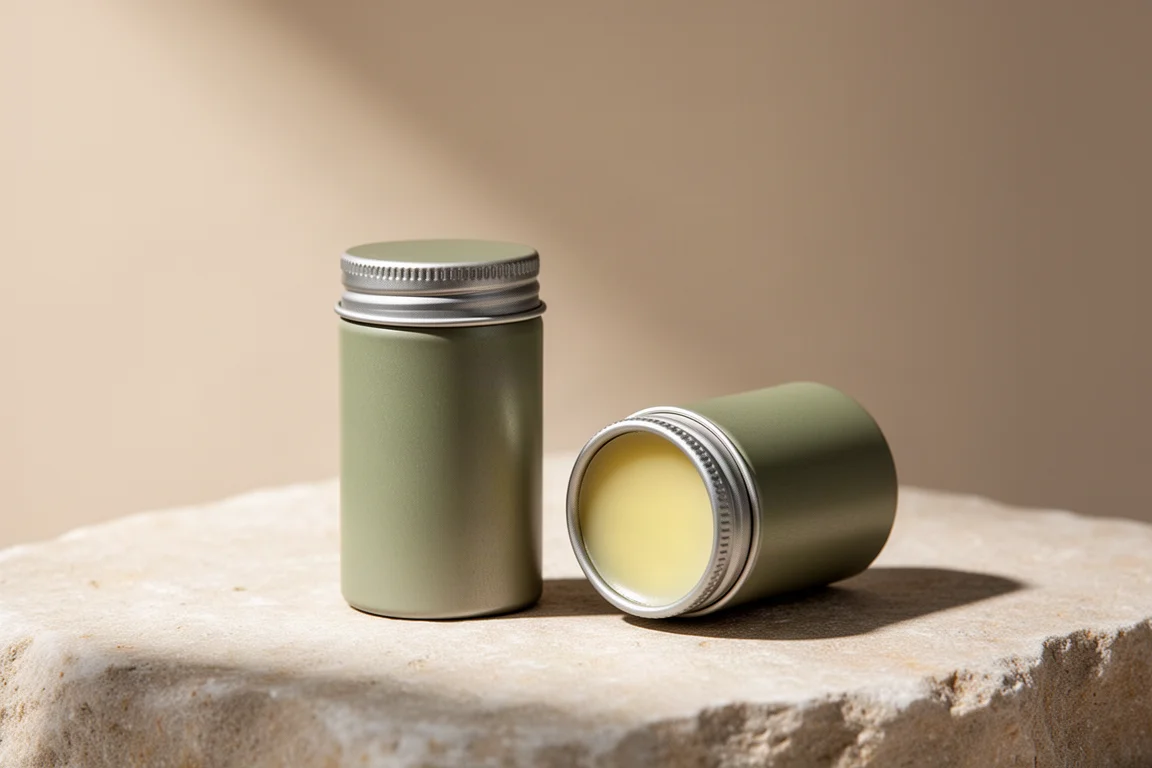
Joshua Tree Hiker Salve
This is a small lip and skin salve in a compact screw-top container. The screw lid is the important detail: balms that use a twist-up tube can soften in heat, push up too far, and turn messy inside a pocket or pack. A screw-top pot keeps everything contained even if the contents soften.
The container is small, so it holds a modest amount of product, which is worth knowing on longer trips where you may want to carry a spare or plan a resupply. At about $1.99, it is an easy item to keep in a hip belt pocket.
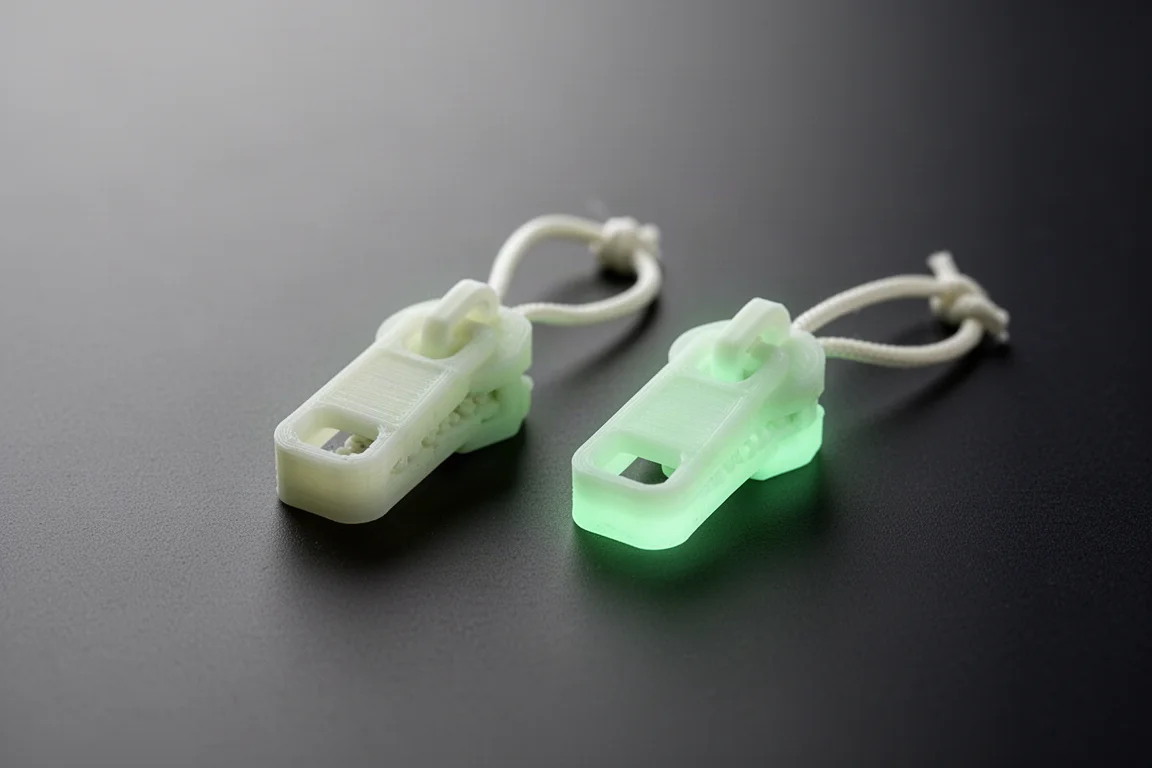
Jericho Gear Glow-in-the-Dark Zipper Pulls
Finding a sleeping bag zipper in the middle of the night, or a tent door zip in the dark, is a small problem that a glowing pull solves neatly. These 3D-printed pulls are made by Jericho Gear and glow after dark so they are easier to locate.
They are sold as a pair for about $3.99 and attach to tent, backpack, or sleeping bag zippers. The attachment point is solidly set into the pull, so there is no loose piece to work free over time.
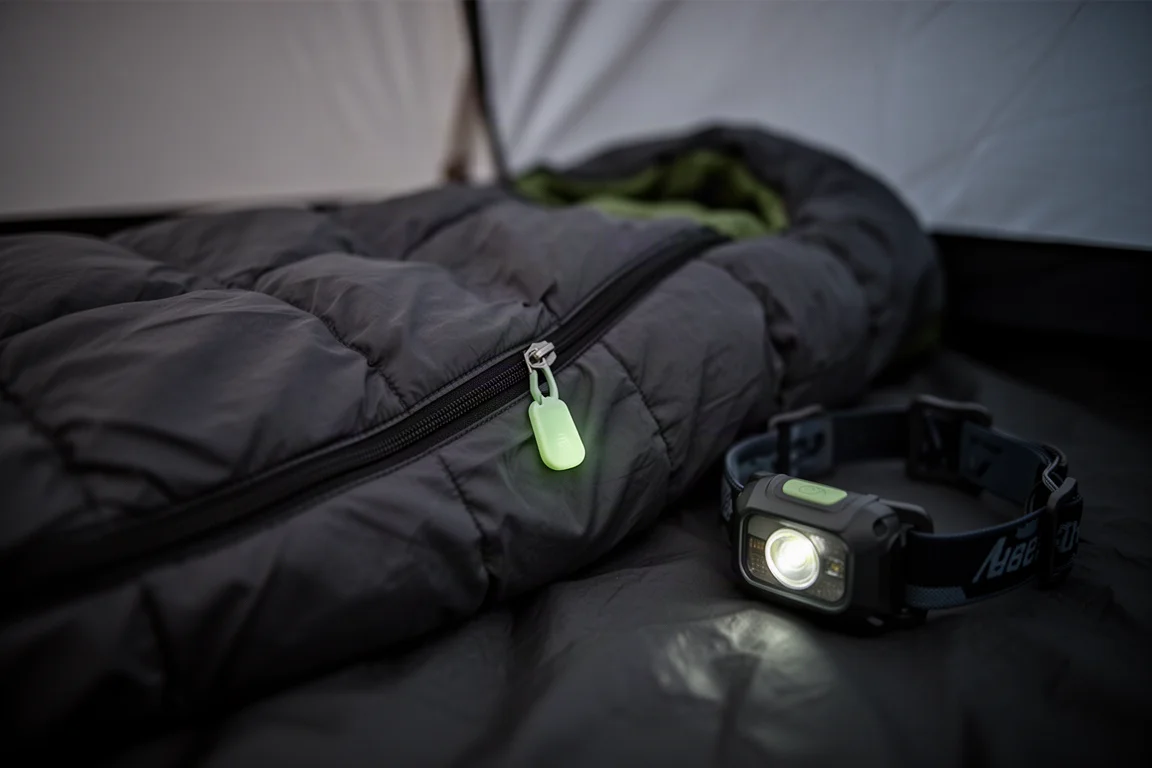
Whether they are strictly necessary is a fair question, since a zipper already has a pull. The counterargument is that the original pull is exactly what is hardest to find at night, and a glowing replacement costs very little and adds no meaningful weight.
Nite Ize S-Biner
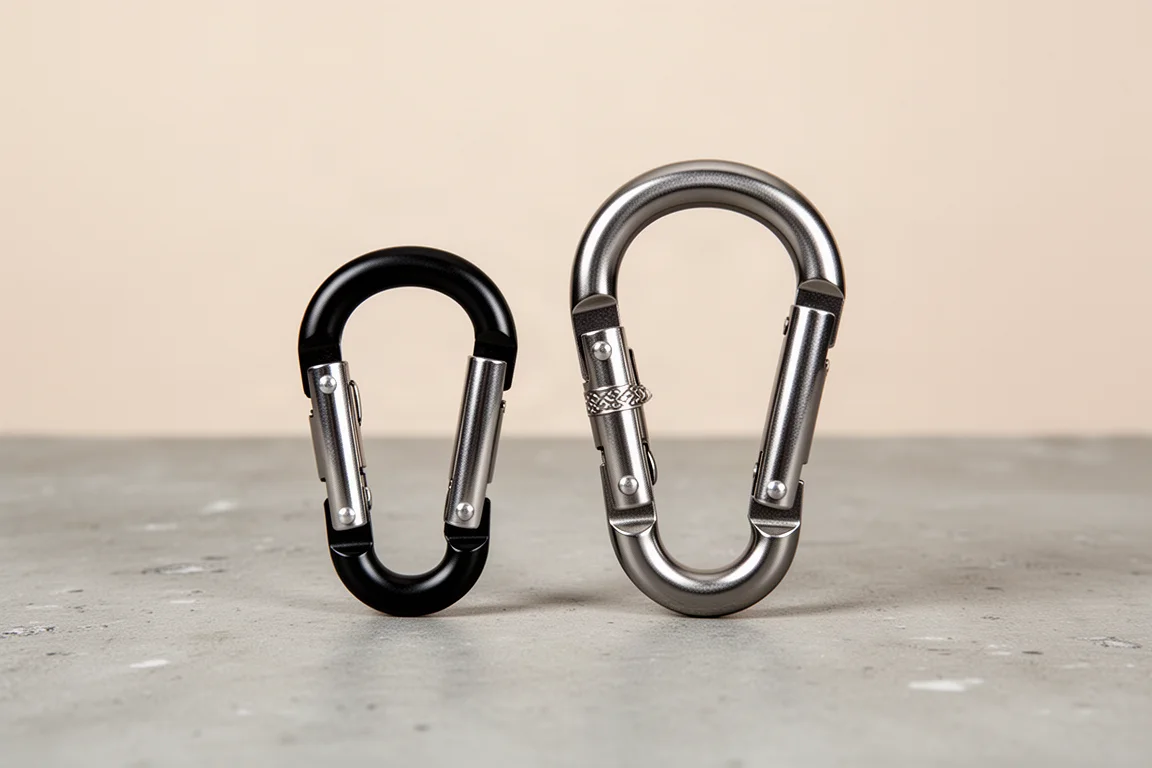
Nite Ize makes a wide range of small hardware, and this mini carabiner includes a locking gate: a small tab in the middle twists to the side to lock or unlock the gate. That makes it more secure than a plain clip for attaching items you do not want to lose.
It is not intended for climbing or any load-bearing safety use. For ordinary backpacking tasks, such as hanging small items inside a tent or clipping gear to a pack, it handles a reasonable amount of weight and is about as simple to operate as a carabiner gets. A prism color option is available. The smallest size runs about $4.99 for a pair.
Buying Advice
Cheap gear is only a good deal when it matches something you actually do. A pot koozie is worth buying if you cook in cold conditions, a cord winder is worth buying if you carry cord, and a glowing zipper pull is worth buying if you have ever fumbled for a zipper in the dark. Buying accessories you have no use for is how a light pack slowly gets heavier.
A practical approach is to pick two or three of these items that solve problems you have run into on real trips, then carry them for a season before adding more. The total cost stays low, the weight stays negligible, and you end up with a kit built around your own habits rather than someone else’s.
Two of the items here are worth flagging for expectations. The sit pad is thin, and the salve container holds a small amount of product, so both are best treated as light, packable conveniences rather than long-term supplies. Everything else on the list is durable enough that a single purchase should last for many trips.
Conclusion
None of these nine items will transform a backpacking setup, and that is not the point. They are small, inexpensive fixes for small, recurring annoyances, and at these prices the risk of trying one is minimal. Start with the problem that bothers you most on the trail, pick the accessory that addresses it, and let the rest of the list wait until you actually need it.
Further reading
Related Reviews
Camping and Backpacking Gear
Five Standout Pieces of Camping and Backpacking Gear to Consider
A modular sleep system, a three-season pad, a lightweight synthetic jacket, a wide-burner remote canister stove, and an ammo-can propane fire pit worth a closer look.
Camping and Backpacking Gear
REI Co-op Camping and Backpacking Gear: 7 Pieces Worth a Closer Look
Seven REI Co-op pieces for camping and backpacking, with the weights, prices and trade-offs that decide whether each one is worth buying.
Camping and Backpacking Gear
8 Camp-Worthy Backpacking Gear Picks for 2026
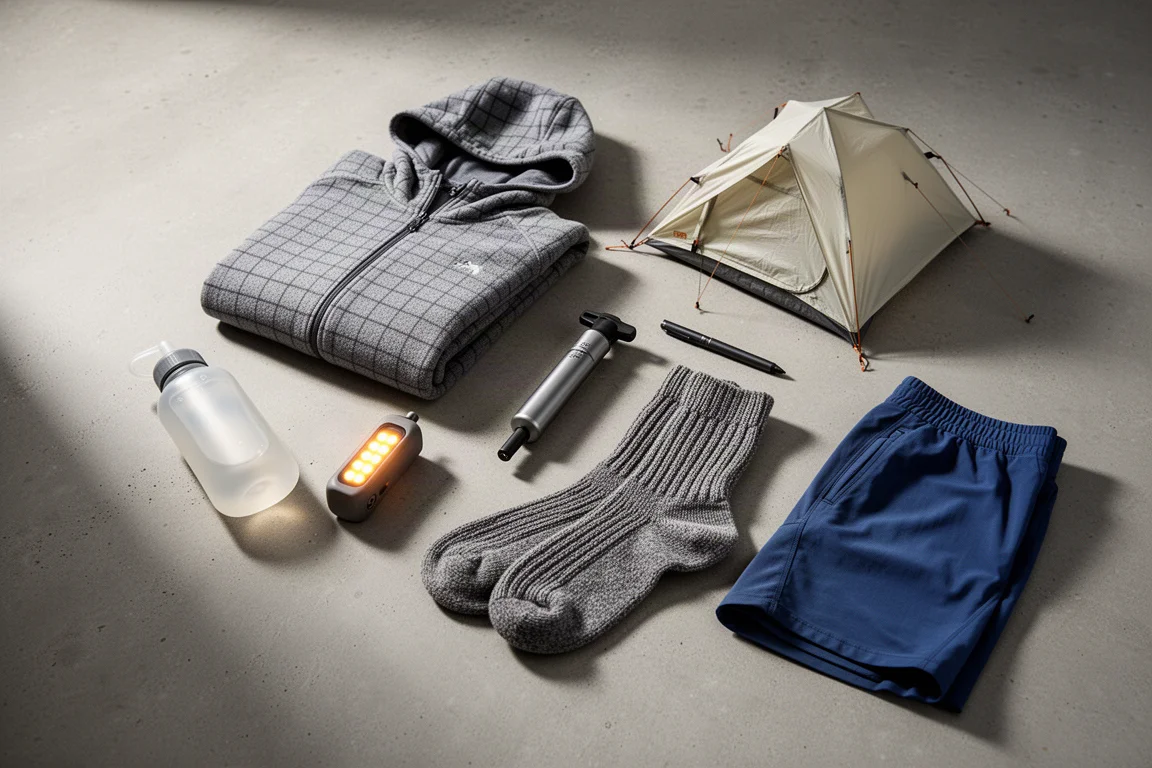
Eight camping and backpacking items worth knowing about, from a lighter squeeze bottle and a five-ounce fleece to a sub-two-pound freestanding tent.