Camping and Backpacking Gear
Five Standout Pieces of Camping and Backpacking Gear to Consider
A modular sleep system, a three-season pad, a lightweight synthetic jacket, a wide-burner remote canister stove, and an ammo-can propane fire pit worth a closer look.
Introduction
Not every piece of outdoor gear needs to reinvent anything. The most useful items tend to be the ones that solve a specific problem cleanly, whether that is staying warm through a cold night, carrying less weight on a long approach, or being able to cook a real meal without juggling a tiny pot.
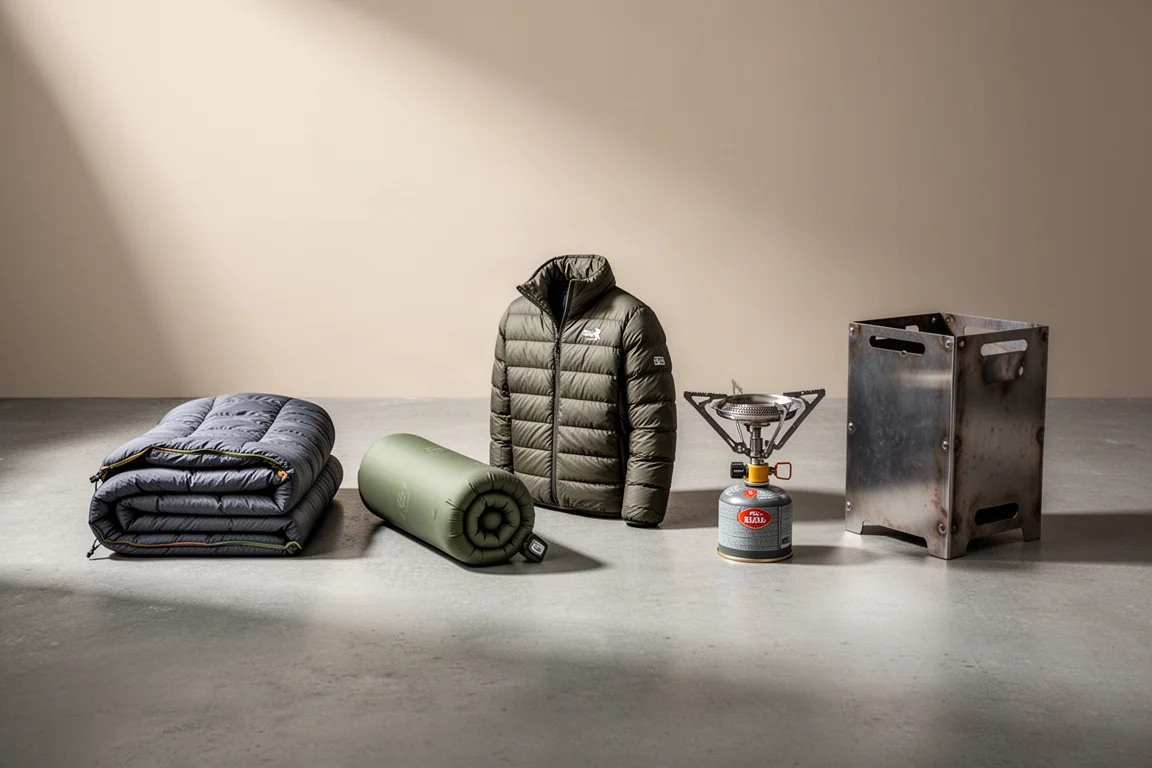
The five pieces below cover a wide spread of that ground. Two come from Big Agnes and work together as a sleep setup, one is a lightweight synthetic jacket that punches above its thin appearance, one is a remote canister stove built around a notably large burner, and one is a portable propane fire pit designed for car camping when open wood fires are off the table.
How These Pieces Fit Together
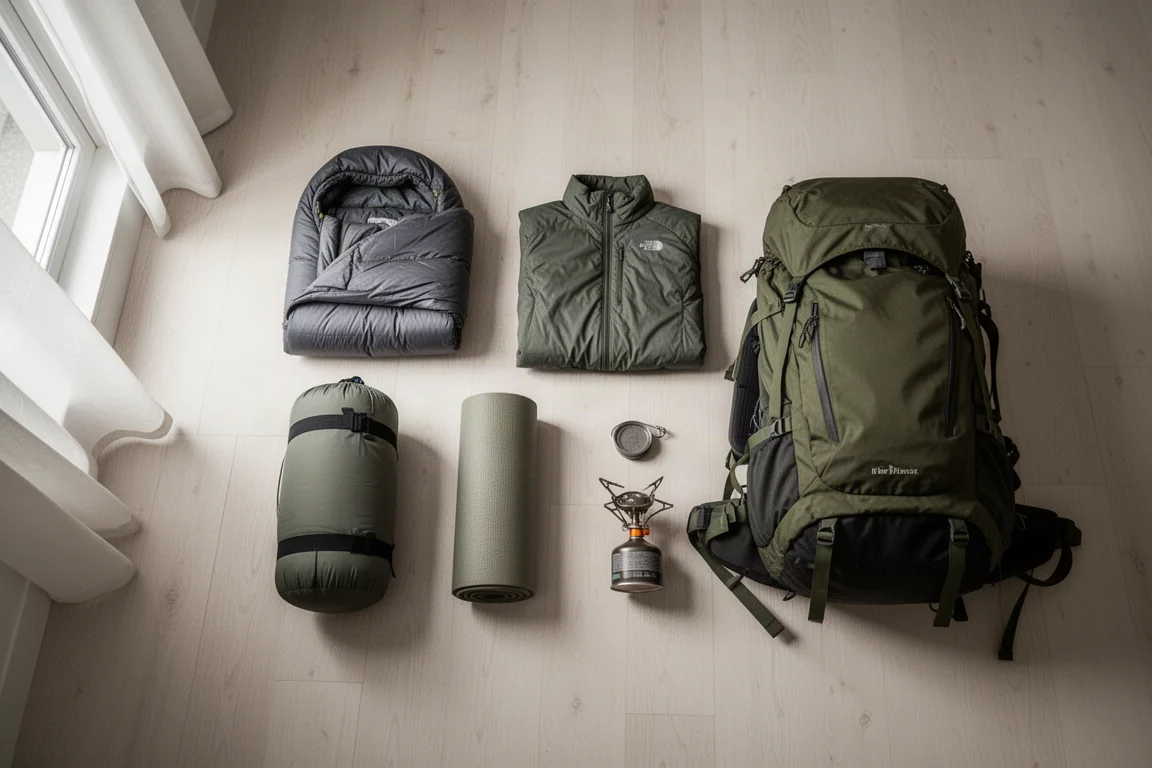
What links these five items is modularity. Each one is designed to be used in more than one configuration or to slot into a setup you already own, which makes them easier to justify than a single-purpose purchase. The sleeping system can be stripped down for summer, the pad pairs with a sleeve that accepts different pad widths, the jacket layers under a shell, the stove runs off a remote canister, and the fire pit shares a fuel tank with a two-burner camp stove.
That flexibility also means a little more thinking before you buy. Weight, packed size, and the temperatures you actually camp in matter more than headline numbers. A system rated for cold conditions is only useful if it stays comfortable when you are tired and the ground is frozen.
Big Agnes Lost Ranger 20 Sleeping Bag System
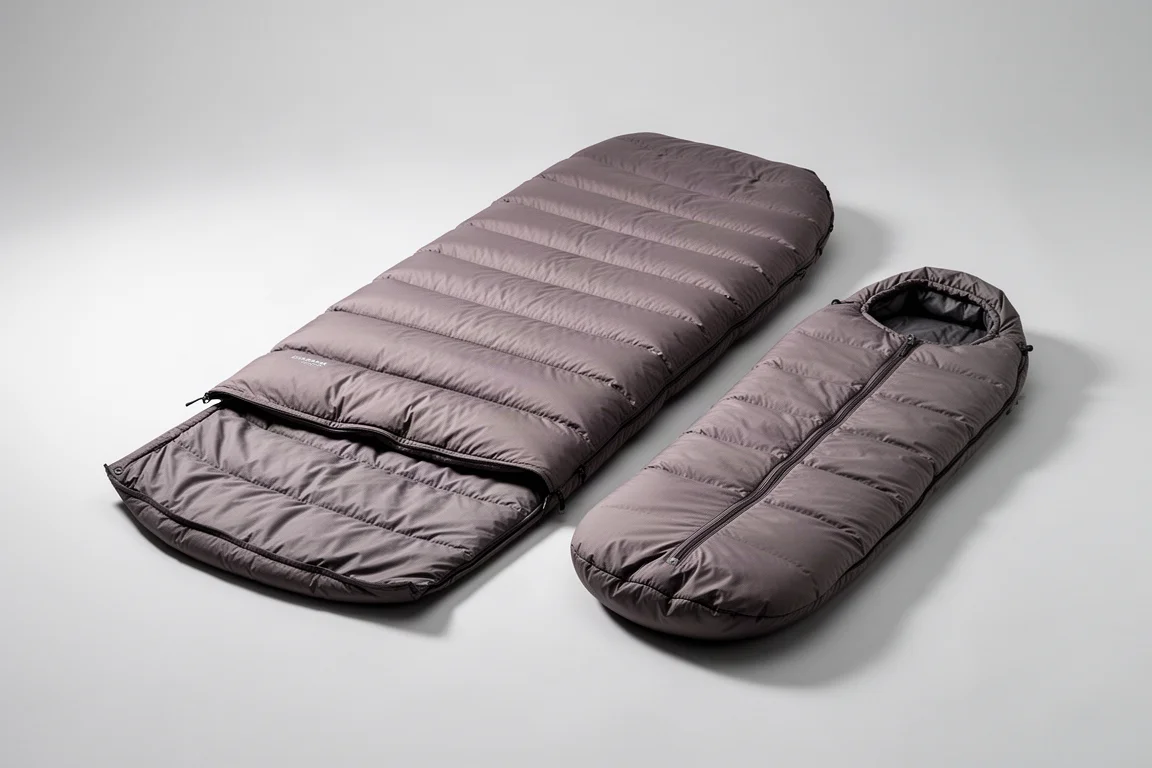
The Lost Ranger 20 is a three-in-one sleep system rather than a conventional bag. A pad sleeve forms the base, and a lightweight down top quilt rated at 50 degrees is sewn directly to it. That quilt uses sewn-through construction with horizontal baffles, which is typical for a bag in this temperature class. Because the quilt is attached to the sleeve rather than floating loose, down migration is less of a practical concern than it might be in a separate quilt.
The second component is a mummy-shaped liner rated at 35 degrees, also sewn-through, with a center zip that runs down to roughly knee length and a fitted mummy hood without a drawstring. The foot box is shaped and fully insulated. Combine the pieces and the system carries a 20 degree rating, though some product information lists 15 degrees. Treat that as a survival figure rather than a comfort figure, which puts a realistic comfortable range around freezing, perhaps into the mid 30s.
The whole system weighs just over two pounds, or about two pounds three ounces with the liner, top quilt, and pad sleeve together. One side of the sleeve is sewn to the quilt, while the other side uses a full-length zipper for easier entry and exit, and there is a dedicated pocket to hold a pillow in place on top of the pad. Because the sleeve is not sized to one specific pad, it accepts different pad widths. Used alone, the top quilt works for warm summer nights, and the liner alone gives roughly a 40 to 45 degree comfort range.
Big Agnes Rapide SL Sleeping Pad
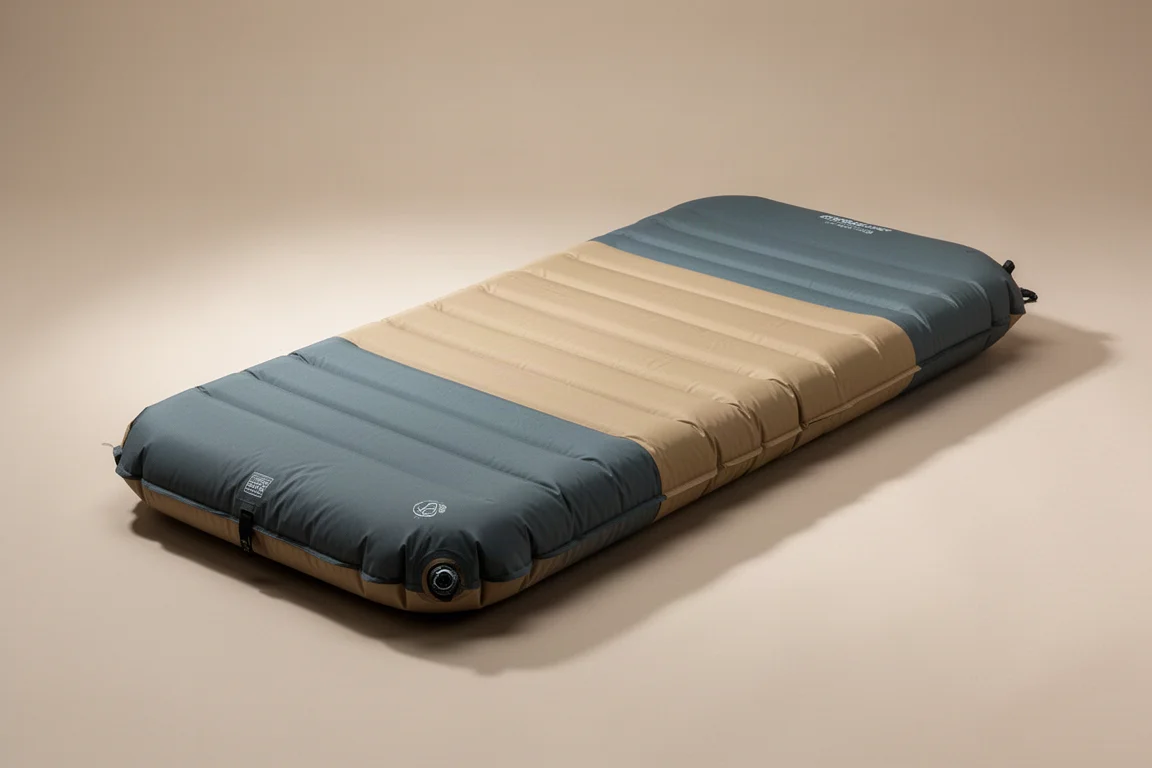
The Rapide SL is a newer addition to the Big Agnes pad range, with an R value of 4.2 and a platform shared with an existing pad in the lineup. It measures three and a half inches thick in the center, rising to four and a quarter inches at the side baffles, which creates a slight cradle that helps keep you centered through the night. In the 20 by 72 inch size it weighs 19 ounces, which is light for the insulation value on offer.
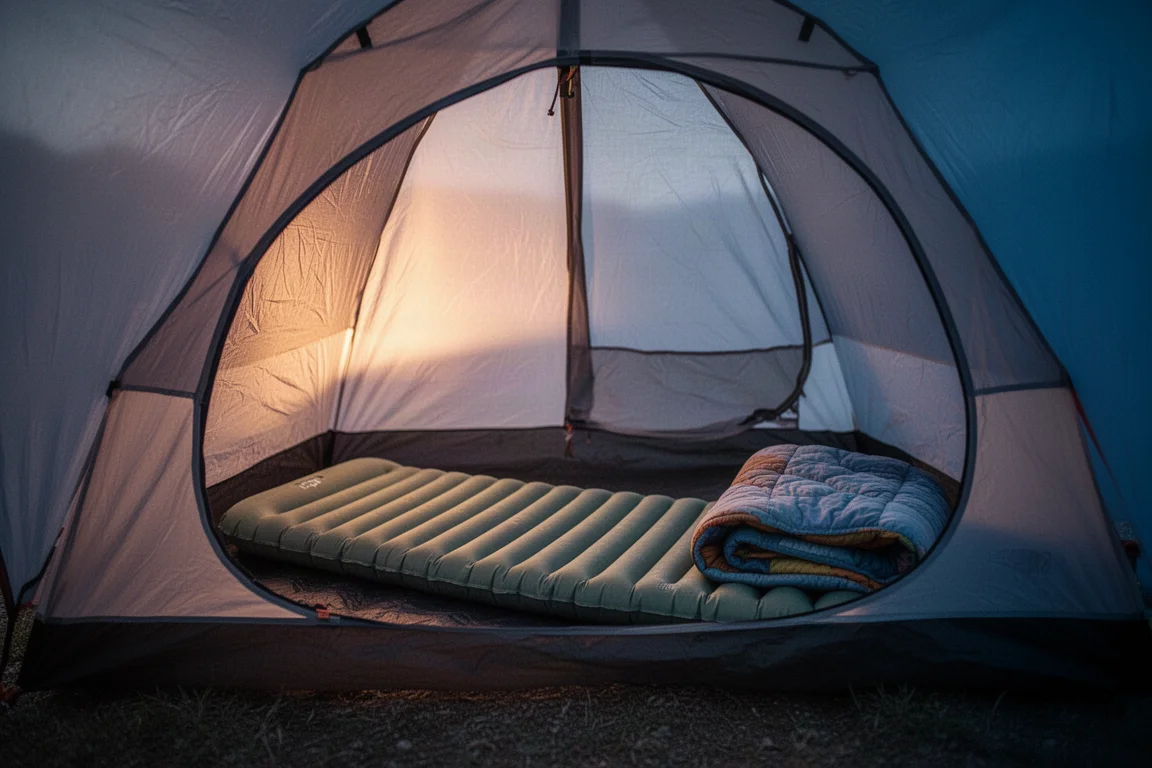
The valve system is the one part that draws reservations, since it is not the most user-friendly design in the Big Agnes range. Everything else about the pad points to genuine three-season backpacking use, and it compares well against other pads in the same R-value class on weight.
Outdoor Research SuperStrand LT Jacket
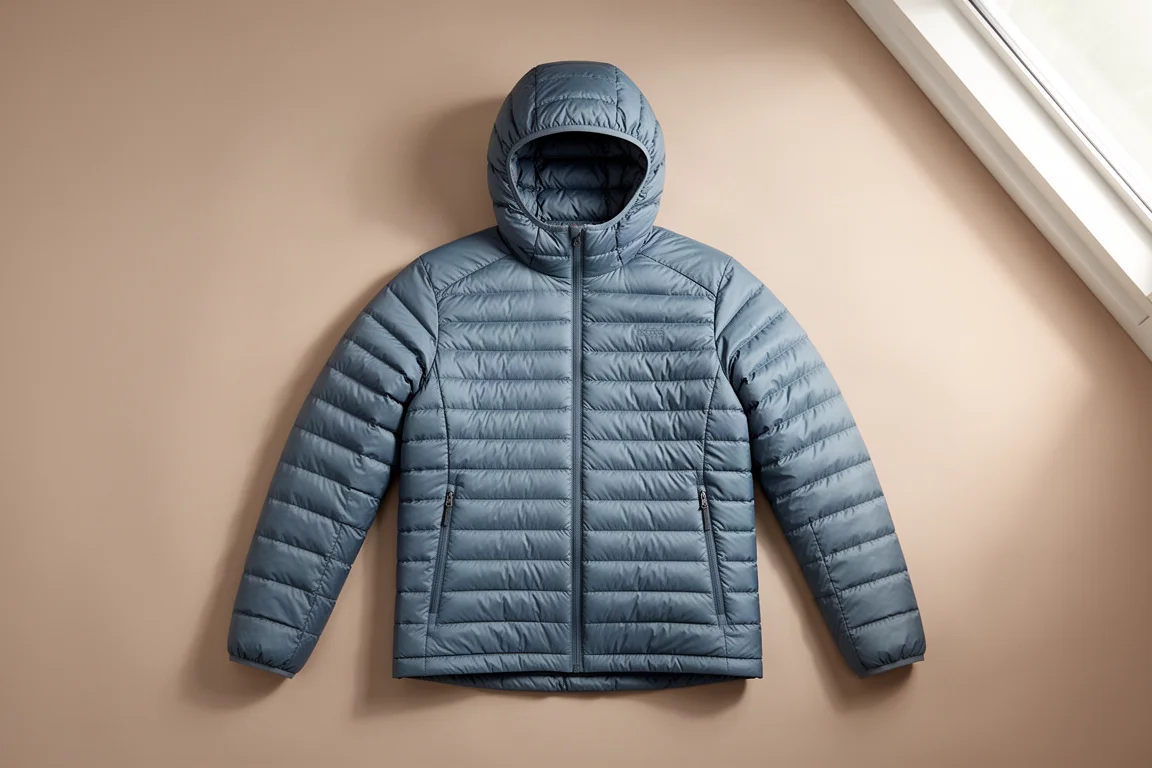
At first handling, the SuperStrand LT feels almost too thin to be a serious cold-weather layer. It uses a down-like synthetic fill rather than sheet insulation, and the quilted pattern is designed to reduce seams and stitching, which in turn trims weight. In practice it has proven surprisingly warm and comfortable for everyday wear around town and on cold commutes.
It is supple, packs down small, and weighs just under 11 ounces in a size medium. The main trade-off is the fit, which runs boxier and less athletic than other Outdoor Research jackets. That extra room may be intentional to allow more layering underneath, but it is worth trying on if a trim cut matters to you. At around $200, a lightweight synthetic option this warm is a genuinely interesting proposition.
Soto Fusion Trek Stove
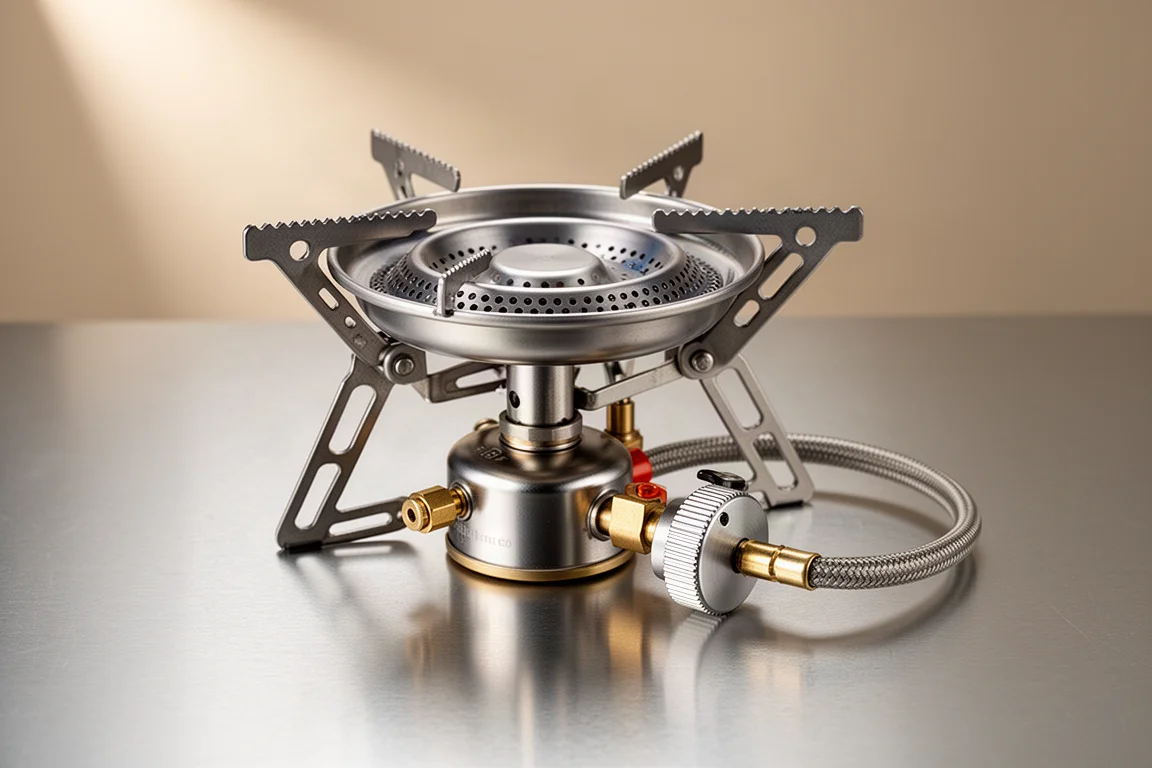
The Fusion Trek is a remote canister stove, a design that in principle supports four-season use, though managing a canister stove in genuine winter conditions is rarely as simple as the design suggests. A micro regulator sits in the valve system, following the same approach Soto uses on its other regulated canister stoves. The standout feature is a notably large burner head, which makes the stove well suited to frying pans and larger pots where surface area and simmer control matter.
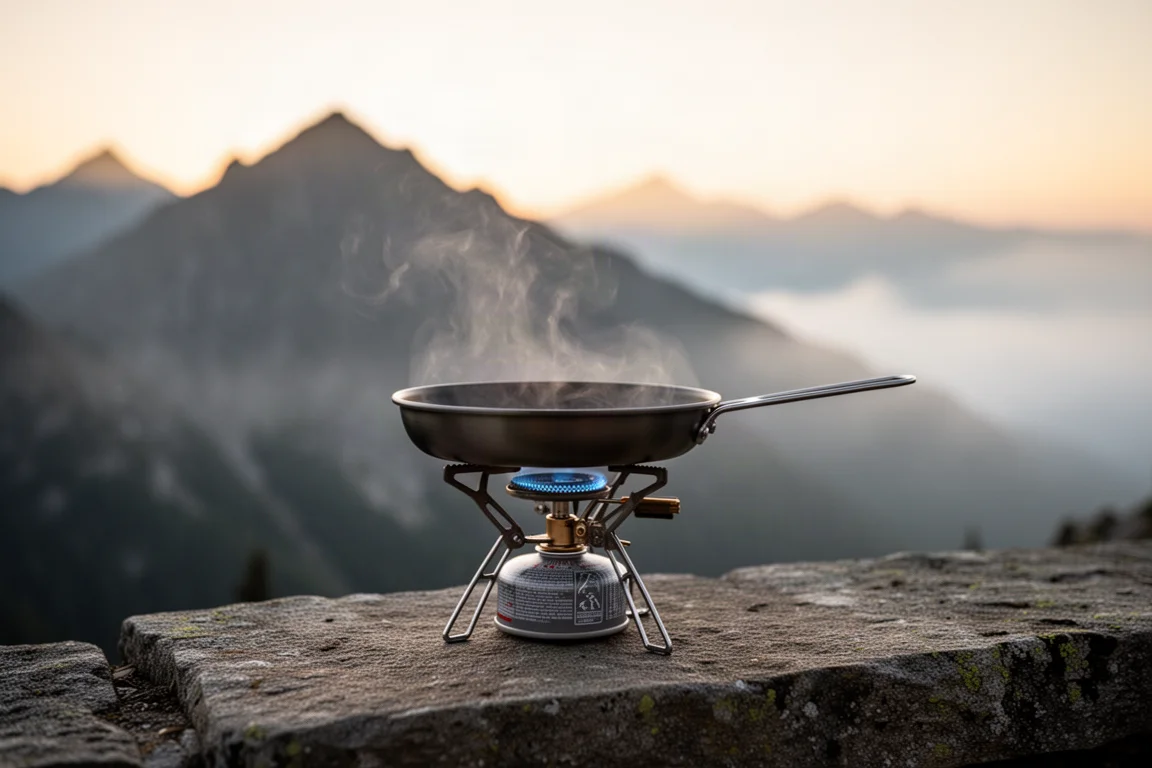
It weighs just shy of seven ounces, which is reasonable given the burner size. The price is the sticking point: at roughly $100, there are cheaper and arguably capable alternatives, so the Fusion Trek asks you to be convinced by the wide burner and regulated output. For anyone who cooks real meals rather than just boiling water, that case is easier to make.
Ignik FireCan Propane Fire Pit
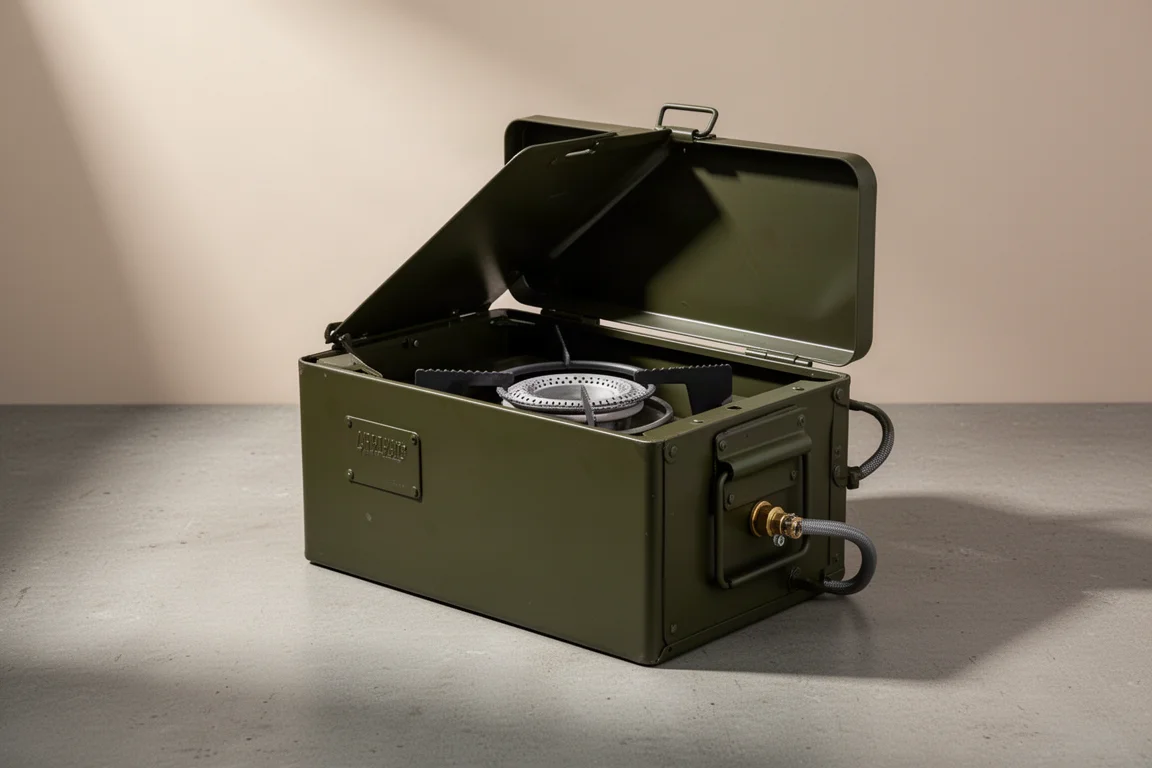
The FireCan takes the size and shape of an ammo can and puts a propane burner inside it. A hose connects to an inlet on the side, which is the one detail that could be better placed, since a connection at the end of the unit would sit more naturally in camp. Fuel comes from a five pound propane tank, the same size often carried for a two-burner camp stove, which keeps the packing list simple.
The appeal is straightforward: a portable, lightweight fire source for car camping trips in a small SUV, and the ability to run a fire when wood burning is restricted, switching it on and off in seconds. For quick, easy heat at a campsite, it is a practical piece of kit.
Buying Advice: Matching Gear to the Trip
Start with the trips you actually take rather than the ones you imagine. A modular sleep system earns its keep if you camp across multiple seasons, but a simpler bag may be better value if your nights are consistently mild. An R value of 4.2 suits three-season backpacking, while the jacket and stove are the kind of pieces that quietly become permanent fixtures in a pack because they cover so much ground.
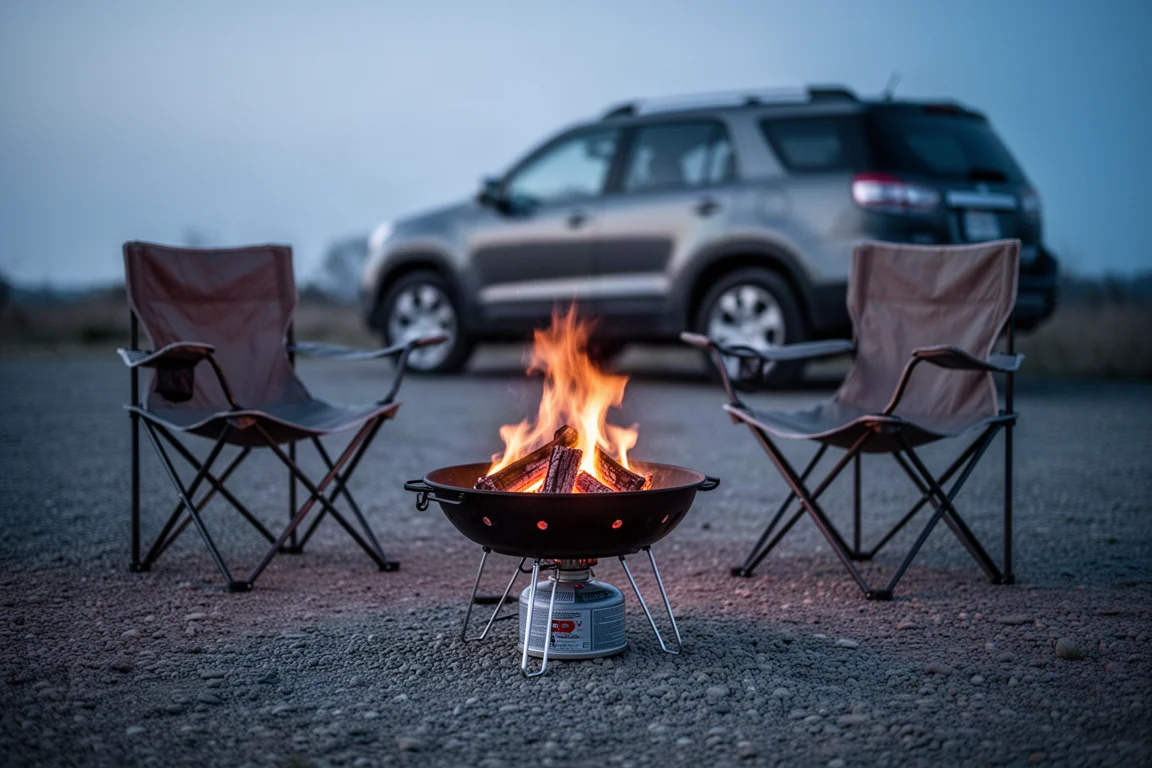
For car camping, weight matters far less than convenience, which is where the propane fire pit makes the most sense. And with the stove, be honest about how you cook. If you mostly boil water, a large burner is hard to justify at the price. If you simmer, sear, and use full-size cookware, it changes the calculation entirely.
Conclusion
Each of these five pieces is built around a clear idea: a sleep system that adapts to the season, a pad with a strong warmth-to-weight ratio, a thin-looking jacket that delivers real warmth, a stove with room for proper cooking, and a fire pit that works when wood fires are not allowed. Match them to how you camp, and they are easy to justify.
Further reading
Related Reviews
Camping and Backpacking Gear
REI Co-op Camping and Backpacking Gear: 7 Pieces Worth a Closer Look
Seven REI Co-op pieces for camping and backpacking, with the weights, prices and trade-offs that decide whether each one is worth buying.

Backpacking Gear
Building a 10 lb Base Weight: An Ultralight Backpacking Gear List
A practical walkthrough of the ultralight pieces behind a 10 lb base weight, from a 765 g pack and a roomy one-person tent to a full camp chair and a dependable water filter.
Road Bikes
10 New Road Bikes Worth Watching: Aero, Titanium, Steel and Endurance Standouts
A practical roundup of 10 new road bikes, from aero flagships chasing single-watt gains to titanium, steel and endurance platforms built for real roads.