Camping and Backpacking Gear
Ultralight Cold-Weather Accessories: 7 Small Gear Upgrades Worth Packing
Seven compact accessories that add warmth, navigation clarity, and small daily comforts on cold-weather backpacking trips, plus the trade-offs worth checking first.
Introduction
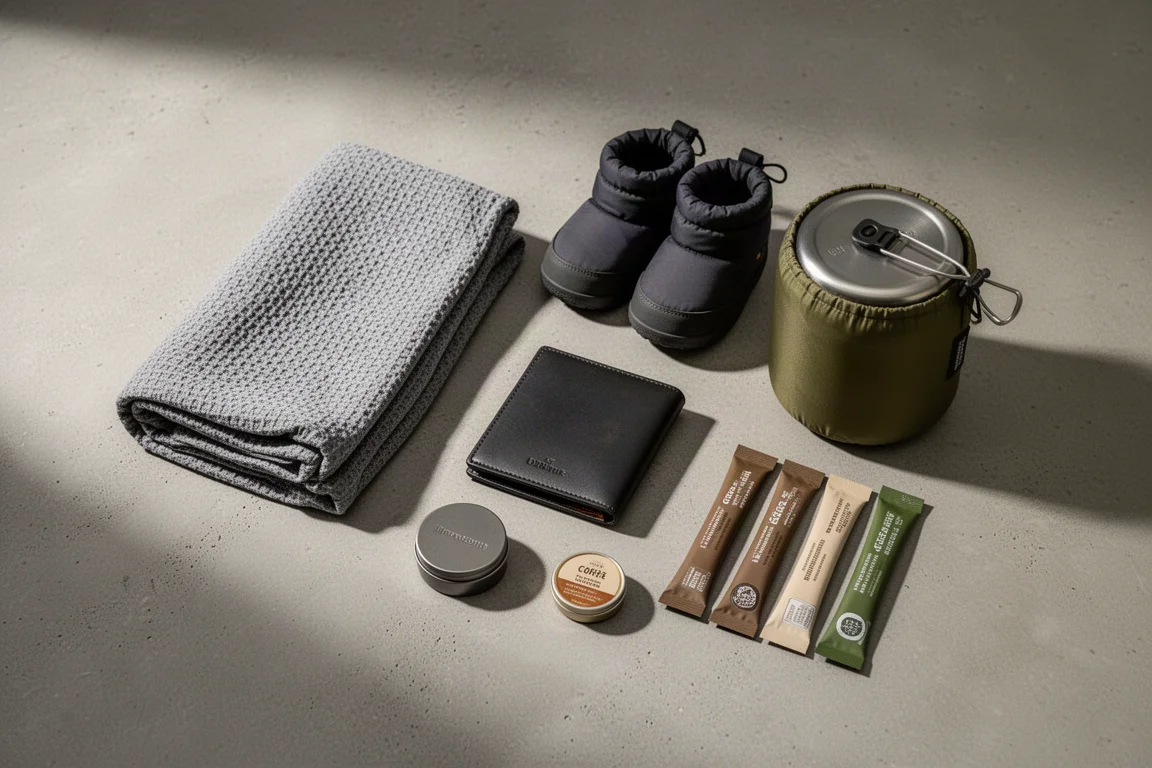
Cold-weather backpacking rewards small, deliberate additions. A sleeping liner, a pair of insulated booties, or a pot cozy can change how comfortable a night feels without adding meaningful weight to a pack. The seven items below all sit in that category: compact, mostly affordable, and each one aimed at a specific problem that shows up when temperatures drop.
Some are established favorites, others are newer to the market, and at least one is not widely available yet. Prices vary widely in this space, so each section notes what to expect and where the real value sits.
How These Accessories Were Evaluated
Four things matter most in this category. First, weight: an accessory has to justify the grams it adds to a pack. Second, warmth per gram, especially for anything designed for sleeping. Third, whether the item solves a recurring problem rather than a hypothetical one. Fourth, price relative to how often the item will actually be used on a trip.
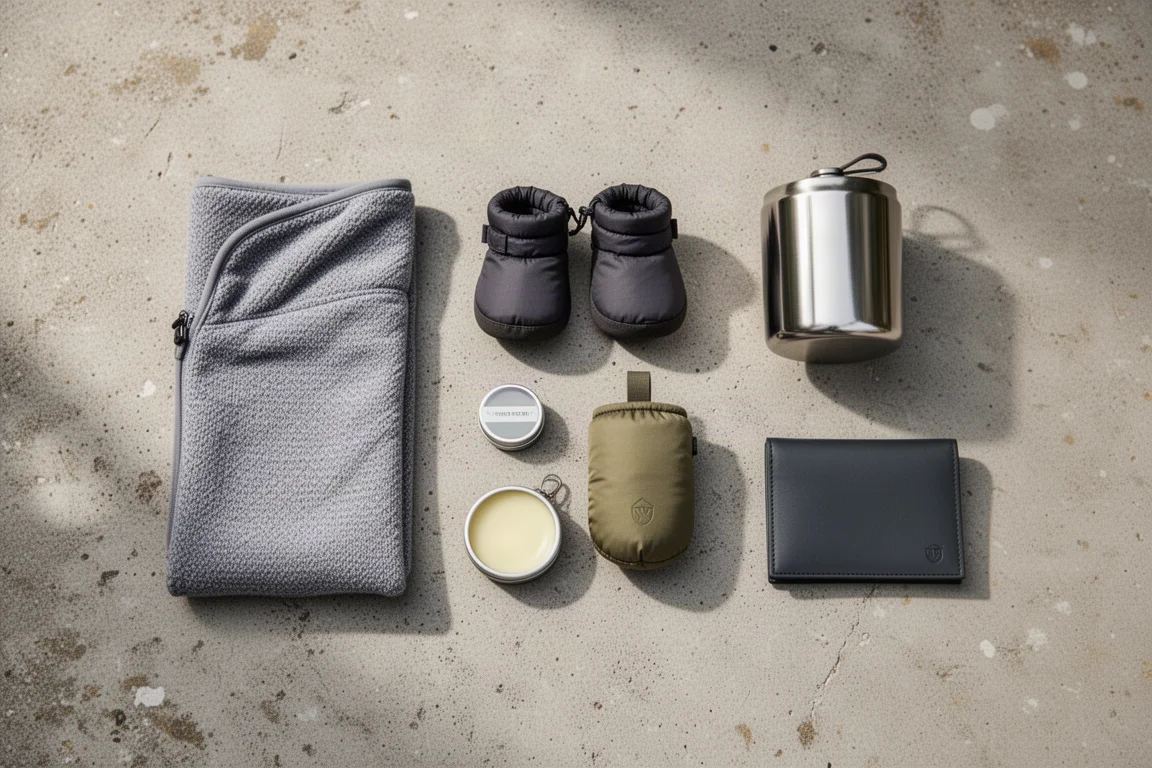
A useful test is whether the item would still earn a place in the pack after the novelty wears off. Sleeping layers, foot insulation, and skin protection tend to pass that test because they get used every night or every day of a trip. Convenience items, such as a pot cozy or instant coffee, are more personal and depend on how much a small comfort is worth to you.
Best Sleep Upgrade: Allmansright Alpha Sleeping Bag Liner
This liner is built from a 60gsm alpha fabric, a lightweight version of the material that has become popular in ultralight sleeping layers. It works two ways. In warm weather it can serve as a standalone sleep layer, and in cooler conditions it adds meaningful warmth inside a quilt or sleeping bag.
The other benefit is feel. Liners take the slick nylon sensation away from a sleeping bag and give the inside of a quilt a softer, more familiar texture, which matters to anyone who dislikes the feel of silk against the skin.
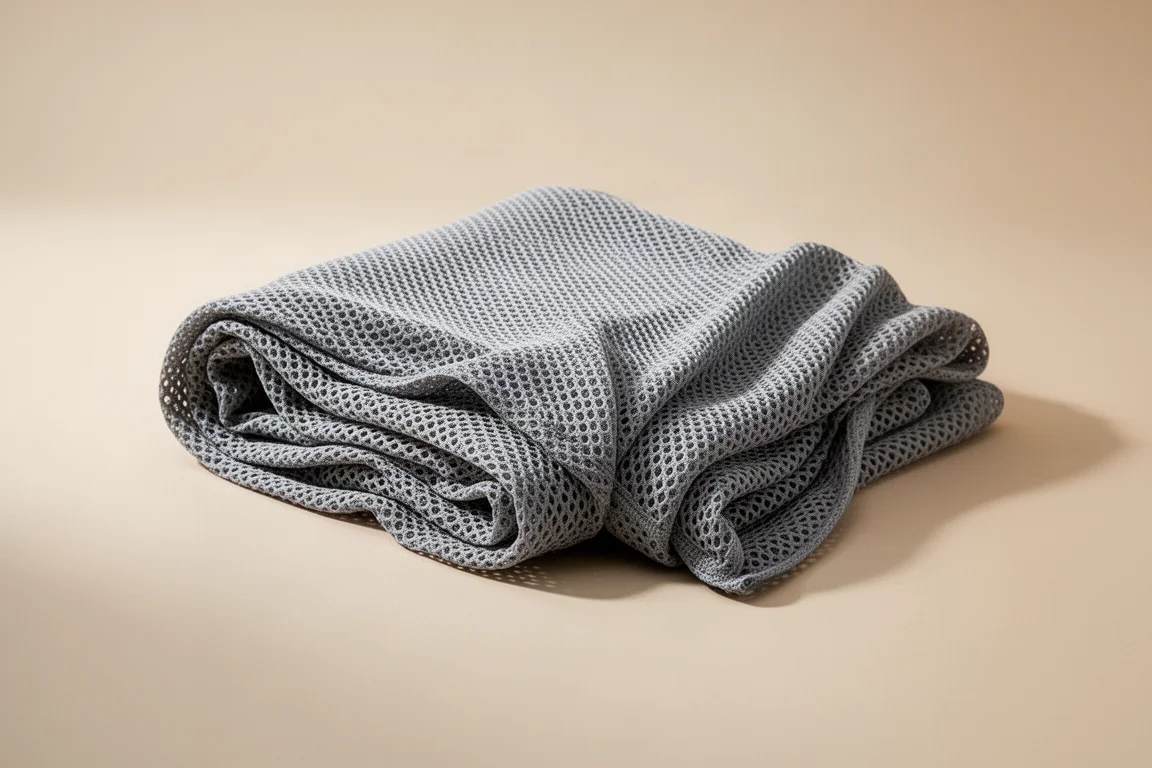
The catch is availability and price. This particular liner is not on the market yet and has no confirmed price. Alpha liners generally land somewhere between $100 and $150, which is a lot for a piece of fabric, although they use considerably more material than a comparable fleece layer and are simpler to sew than a garment. Comparable alpha liners from other makers are already available if you would rather not wait.
Best Navigation Upgrade: onX Backcountry
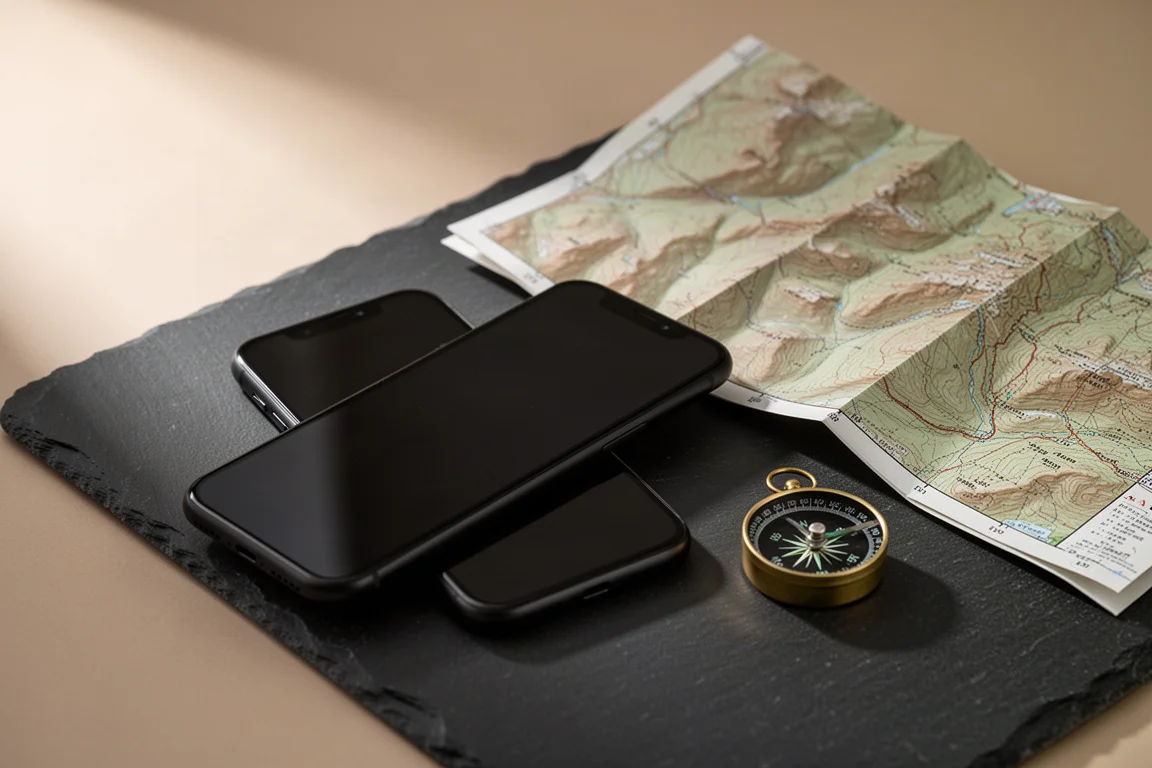
Paper maps and a compass remain worth carrying as a backup, but app-based navigation has changed how quickly and confidently you can read unfamiliar terrain. onX Backcountry works like a GPS unit for the backcountry, showing your position, your intended route, and what the ground actually looks like.
Offline 3D maps, lidar-based topographic data, and 3D peak labels make it easier to understand the landscape around you. Newer satellite imagery helps show current conditions rather than data that may be several years old. Because the maps work offline, the app stays useful well beyond cell coverage, and it removes a great deal of guesswork from route finding. It does not replace a map and compass, but it complements them well.
Best for Cold Feet: Enlightened Equipment Torrid Booties
Cold feet at night are one of the most common reasons a cold-weather sleep goes badly, and this is a straightforward fix. The Torrid Booties use a synthetic insulation on the inside with a light shell fabric on the outside. Because the insulation is synthetic rather than down, it keeps working when damp and holds up better over repeated use.
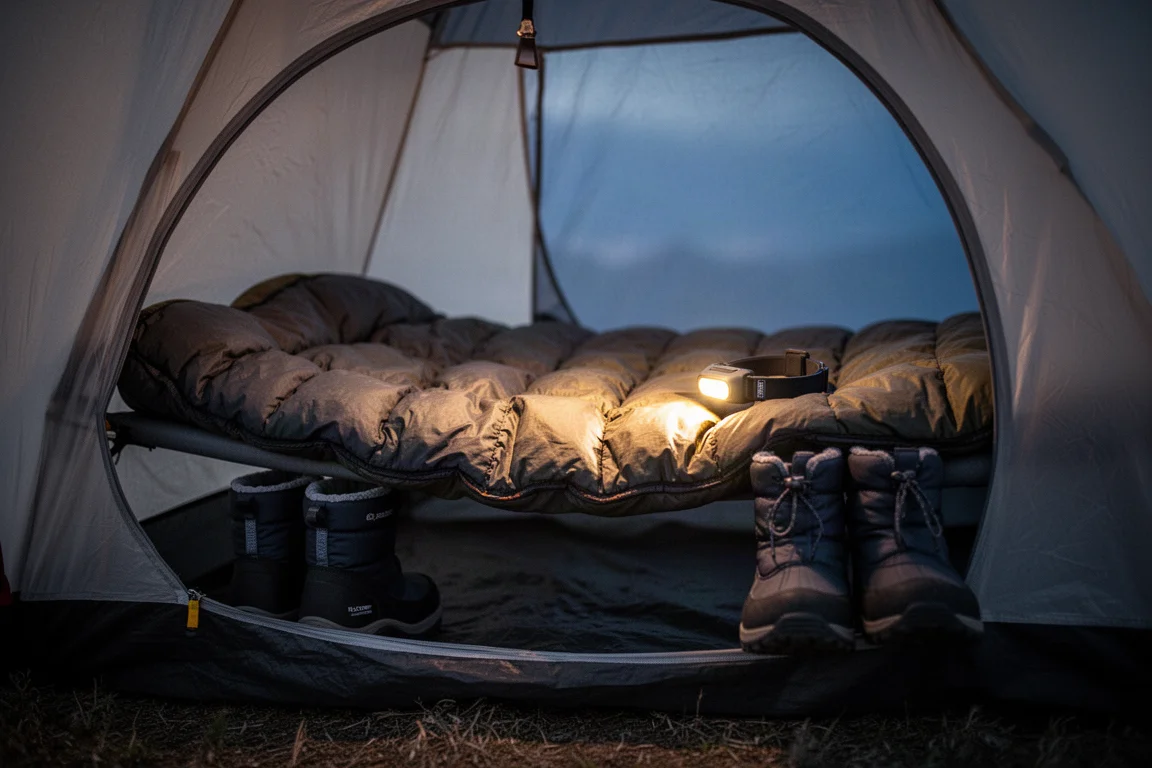
These are sleep booties first. They are not shaped or styled for walking around camp, although some people do tuck them into camp shoes. One practical note: put them on when your feet are already warm. Insulation slows heat loss rather than creating heat, so cold feet will stay cold inside them.
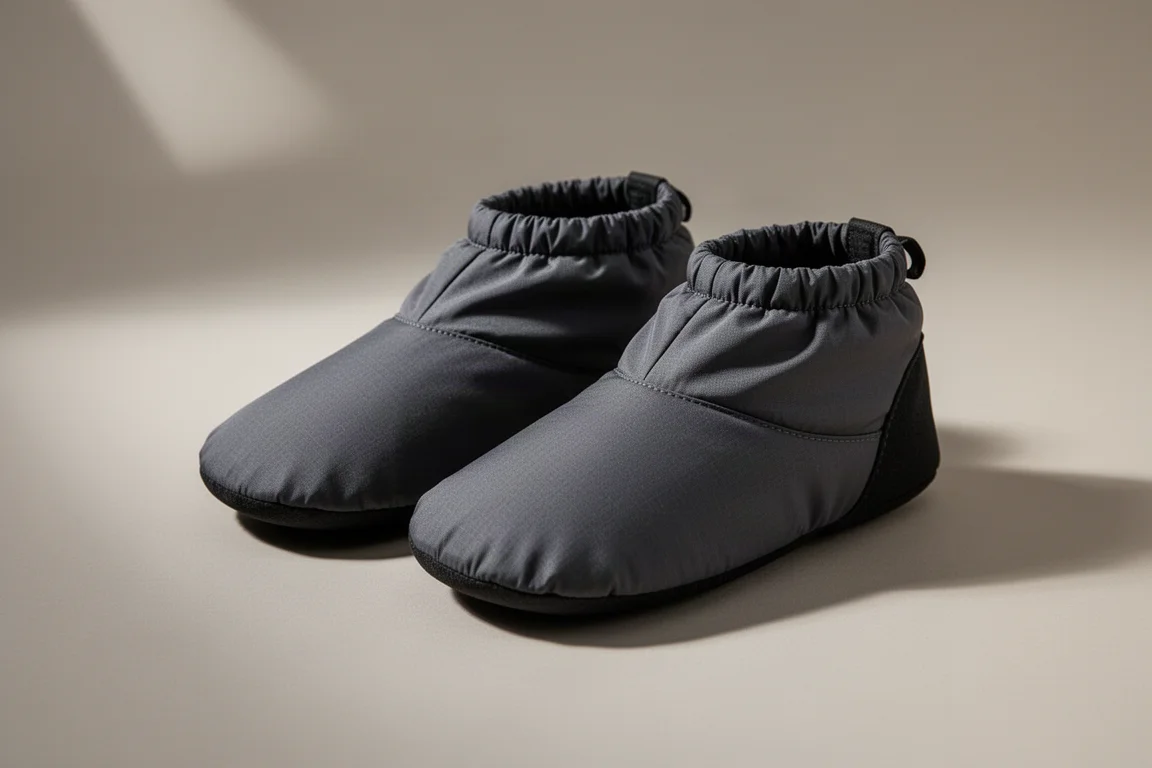
At $70 they are priced like the specialized sleep item they are, and for anyone who regularly sleeps cold that is a reasonable trade.
Best Everyday Carry: Dango Wallet
Not every useful item has to be technical. The Dango Wallet is a slim, minimalist wallet that has held up through daily use and draws comments for its design. It carries the essentials and keeps carrying them without stretching out or falling apart, which is more than many slim wallets manage over a year of use.
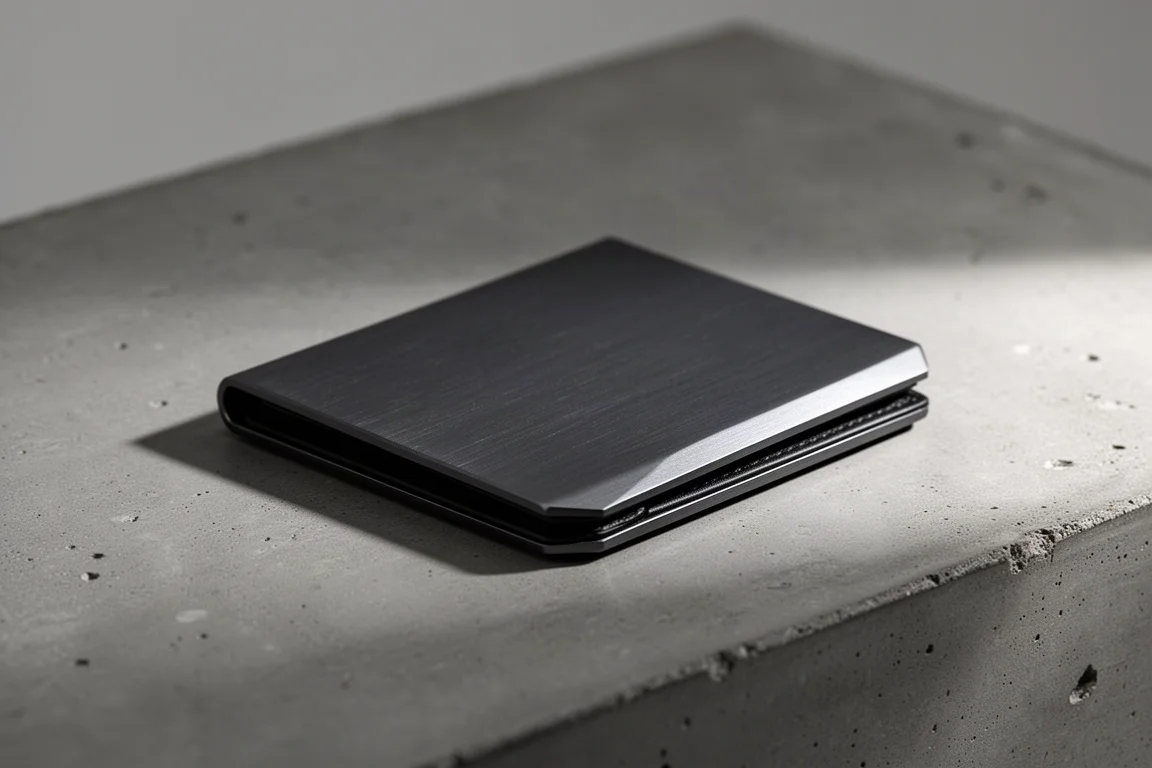
It is a small thing, but a wallet that survives daily carry and still looks interesting is a genuinely rare combination.
Best for Keeping Meals Warm: Gossamer Gear Pot Cozy
Cold food after a long day is a real disappointment, and a pot cozy is the simplest way to avoid it. The Gossamer Gear Pot Cozy is sized for a 550ml pot, with larger versions available for bigger cookware. It cinches down to hold heat in, and the design can be rolled down when you want quicker access.
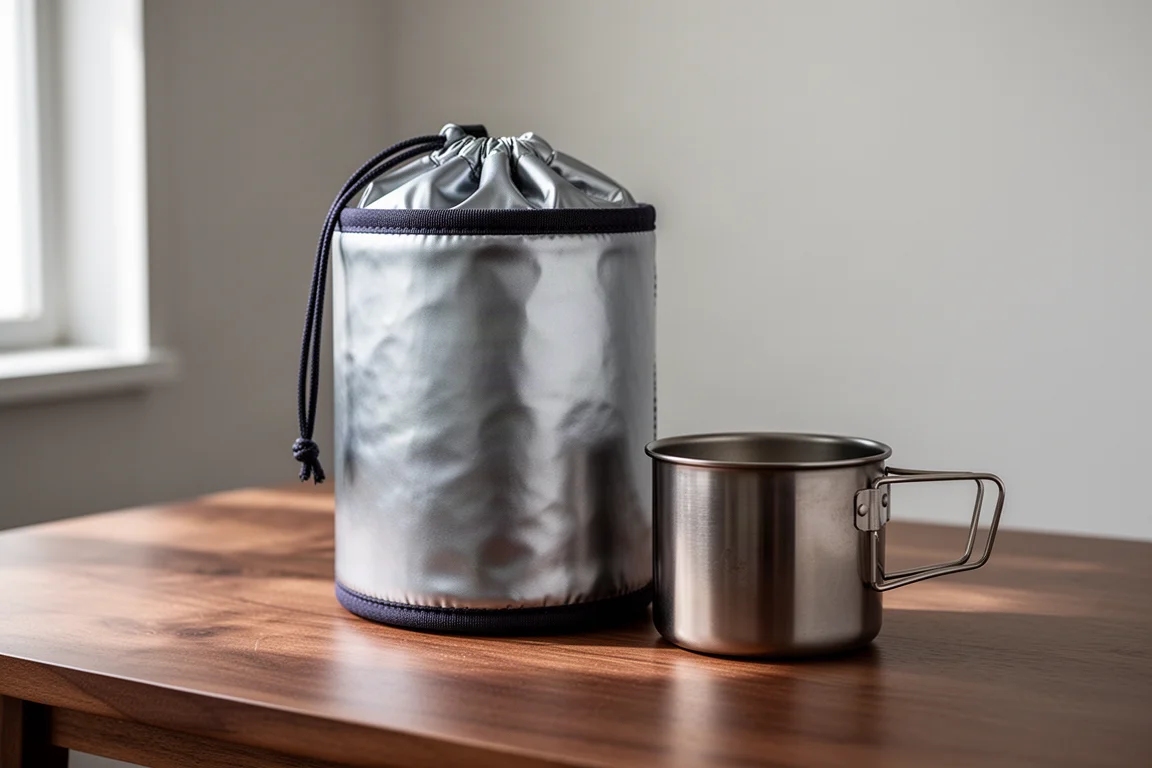
It retains heat well and makes a noticeable difference on cold trips. The medium size runs $22, which is on the expensive side for a piece of insulated fabric, and that price is the main argument against it. For anyone who hates cold soup, though, it does exactly what it promises.
Best Skin Protection: Dermatone Protective Balm
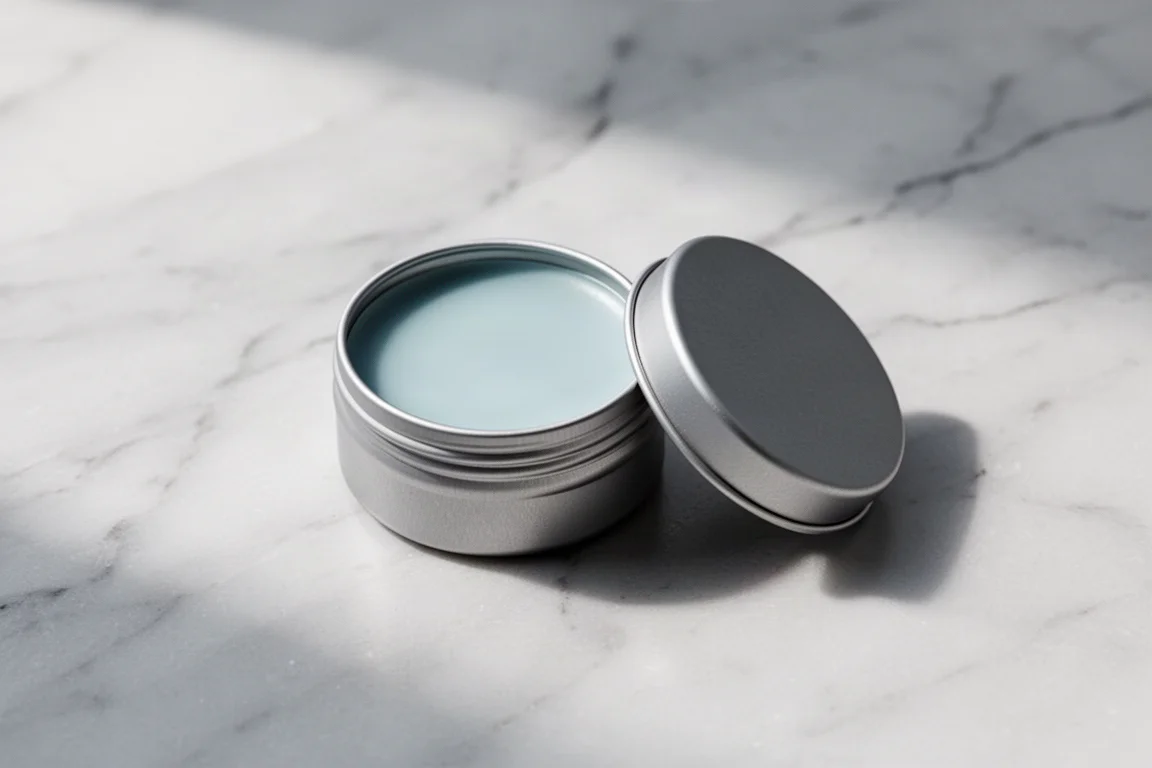
Sun and wind protection is easy to forget once summer ends, but bright days on snow are exactly when skin damage happens fastest. Dermatone Protective Balm is a zinc-based protective balm that goes on the nose, cheeks, and other exposed areas, and it costs around $9.
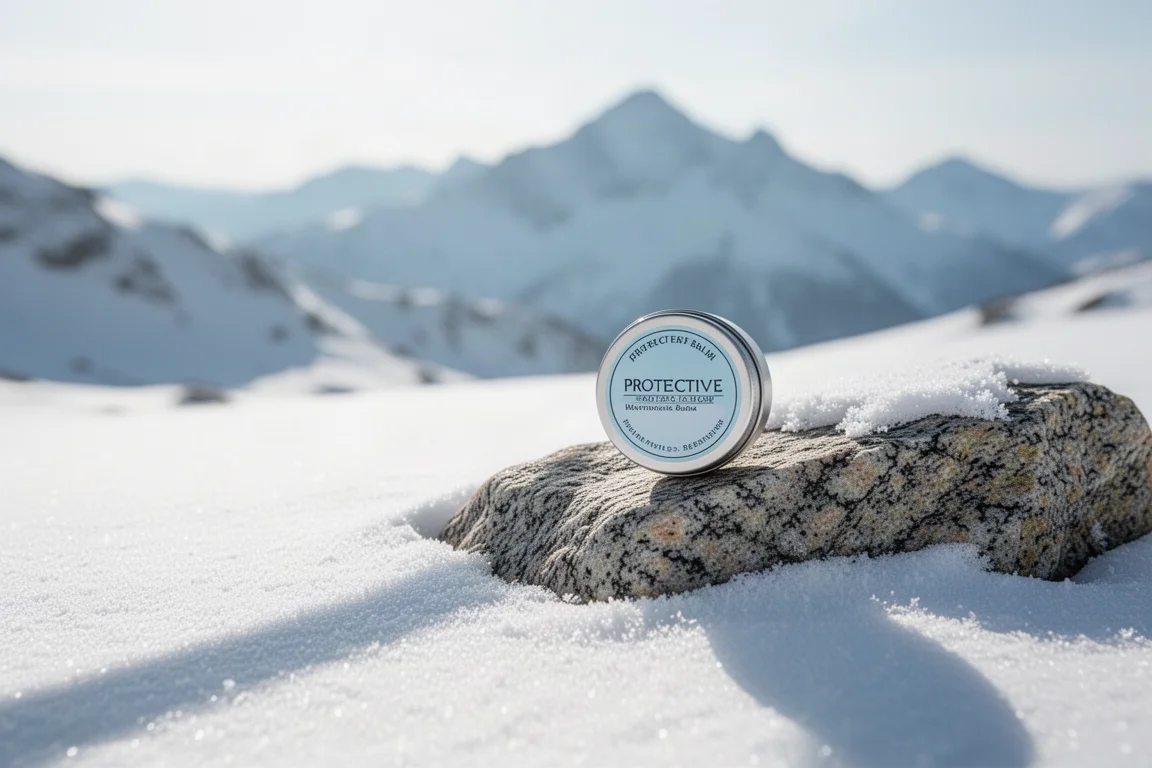
The brand also makes other sun protection products, including chapsticks and glide-style balms, so there are options for different routines. A small balm weighs almost nothing and addresses one of the most common reasons a cold-weather hike gets cut short: skin problems that could have been prevented.
Best Coffee Fix: First Descent Instant Coffee
Instant coffee has a reputation problem, and this is one of the better answers to it. First Descent Instant Coffee is a mild medium roast that avoids the acidic aftertaste common to cheaper instant options, which makes it a cup worth drinking rather than just a caffeine delivery method.
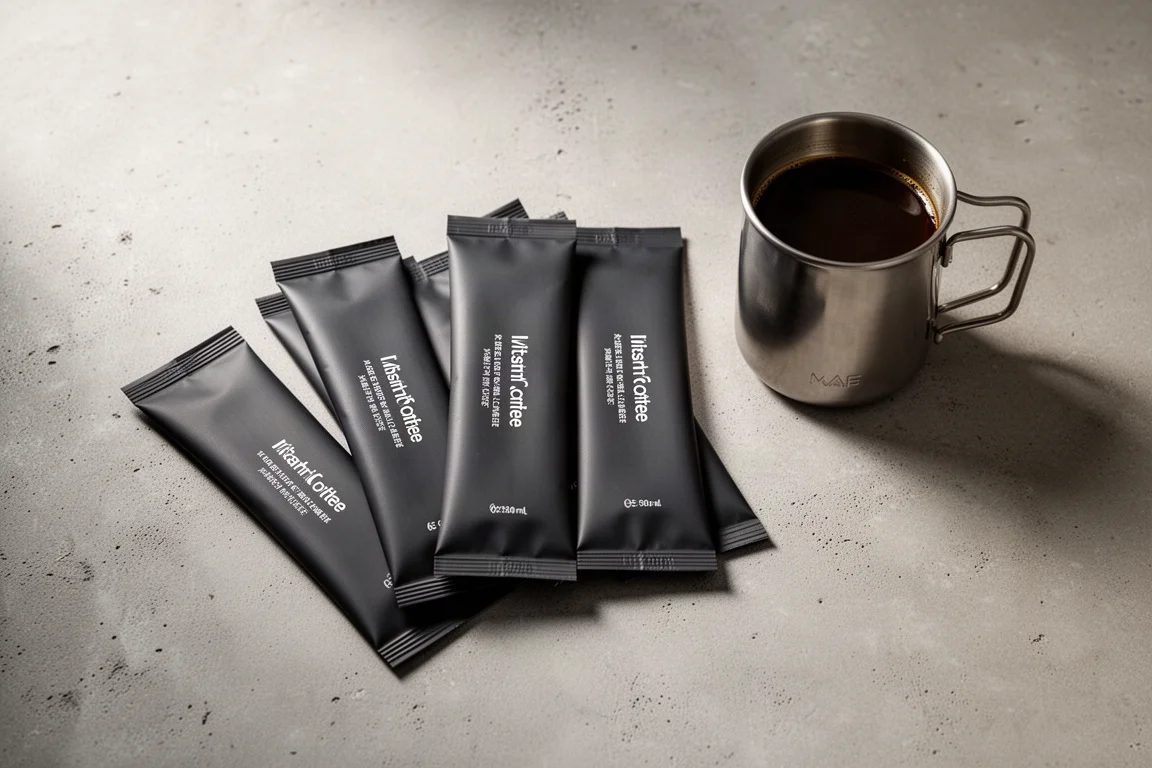
The new packaging is compact and easy to pack out. A six-pack costs about $15, or a little under $3 per cup. That is more than mainstream instant coffee, and the value depends entirely on how much you care about the quality of the cup you drink at the start of a cold morning.
Buying Advice
The right accessory is the one that solves a problem you actually have. If you sleep cold, start with a liner or insulated booties, because sleep quality affects everything else on a trip. If you struggle with route finding or navigation confidence, an offline mapping app will change more about your trips than any piece of fabric.
After that, prioritize by how often you will use an item. Skin protection and a coffee you enjoy are daily-use items on most trips, while a pot cozy and a minimalist wallet are smaller conveniences that still earn their place. Weight should be the last filter, not the first: an accessory that keeps you warm and comfortable is worth its grams, while one you never reach for is worth nothing regardless of how light it is.
Conclusion
These seven items share a common trait: each adds comfort in cold conditions without asking for much pack space or weight. Some are established, one is not yet widely available, and a few carry prices that make you think twice. Match them to the problems you actually run into, and the value becomes obvious on the first cold night out.
Further reading
Related Reviews
Camping and Backpacking Gear
Five Standout Pieces of Camping and Backpacking Gear to Consider
A modular sleep system, a three-season pad, a lightweight synthetic jacket, a wide-burner remote canister stove, and an ammo-can propane fire pit worth a closer look.
Camping and Backpacking Gear
REI Co-op Camping and Backpacking Gear: 7 Pieces Worth a Closer Look
Seven REI Co-op pieces for camping and backpacking, with the weights, prices and trade-offs that decide whether each one is worth buying.
Camping and Backpacking Gear
Best Backpacking Gear Under $10: Nine Small Upgrades Worth Carrying
Nine lightweight backpacking accessories under $10 that solve small, real problems on the trail without adding meaningful weight.