Hiking Backpacks
Ultralight Backpacks for Multi-Day Hikes: Four Packs That Reward a Proper Fitting
How to measure your torso length and choose between four lightweight multi-day packs: the Hyperlite Unbound 55, Gossamer Gear Mariposa, ULA Circuit 48 and Osprey Exos.
Introduction
A lightweight pack only earns its place on a multi-day trip if it fits. Back length, hip belt size and pocket layout matter far more than a headline weight figure, because a pack that measures correctly on paper can still sit badly once it is loaded with five to twelve kilograms of kit.

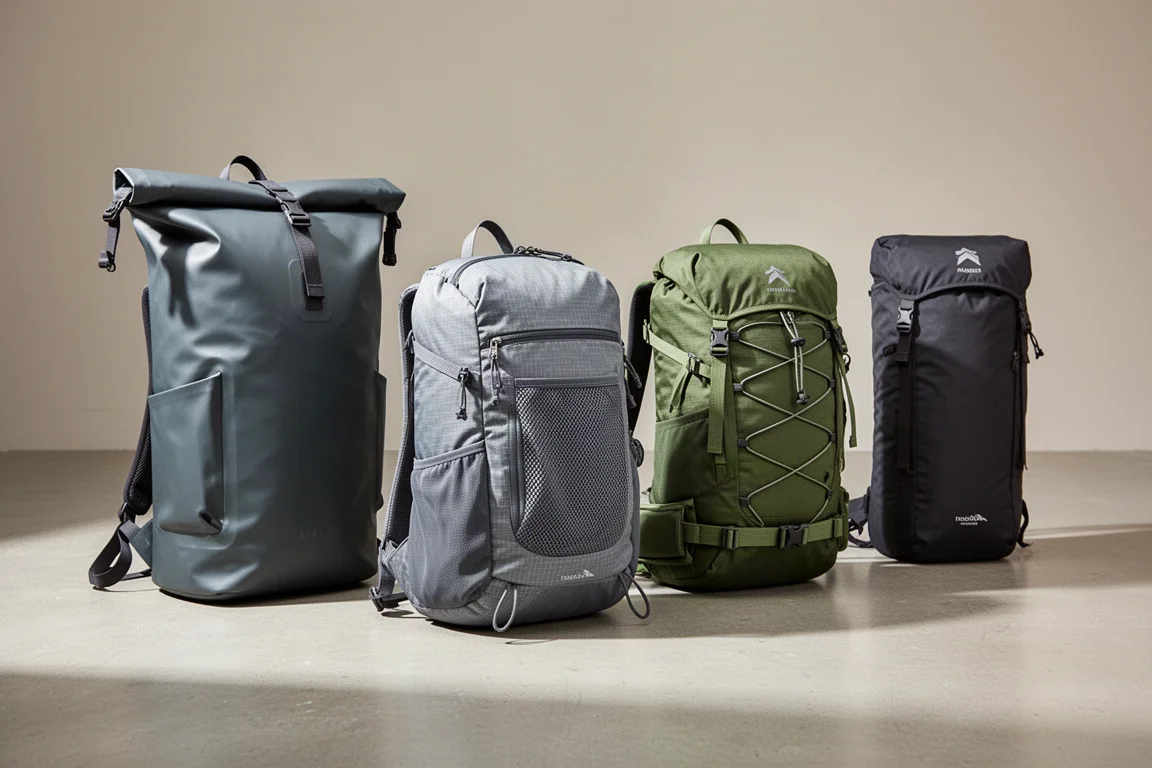
This guide covers how to measure your torso length, what to check when you try a pack on, and four lightweight multi-day packs worth shortlisting: the Hyperlite Unbound 55, Gossamer Gear Mariposa, ULA Circuit 48 and Osprey Exos.
How to Measure Your Torso Length
Torso length is measured between two landmarks: the top of the iliac crest, which is the top of the hip bone, and the C7 vertebra, the knobbly bone at the base of the neck. A purpose-made measuring device does this with a marker that rests on the top of the hip bone and a slot that sits against the C7 vertebra, giving a direct reading in centimetres.
At home, the same measurement is a two-person job. Stand with your hands on your hips and your thumbs meeting at the back to find the top of the iliac crest, then lean forward briefly to locate the most prominent vertebra at the base of the neck. Stand tall and measure in a straight line between the two points rather than following the curve of your back. Expect a small difference between methods: the same person can measure 51 cm with a dedicated device and 50 cm with a soft tape measure, so averaging the two is sensible.
Once you have a number, most brands publish a size guide that maps back length to pack size. Two practical points are worth remembering. First, sizing is not standardised, so a medium in one brand may sit differently to a medium in another, and a size chart is a starting point rather than a guarantee. Second, if you land on the border between two sizes, the usual advice is to size down: a pack that is too long will not support the load properly.
Hyperlite Unbound 55: Waterproof and Stripped Back
The Unbound 55 is built from waterproof Dyneema fabric with taped seams inside, which means no pack liner and no rain cover are needed. That removes a little weight and one more thing to think about when the weather turns.
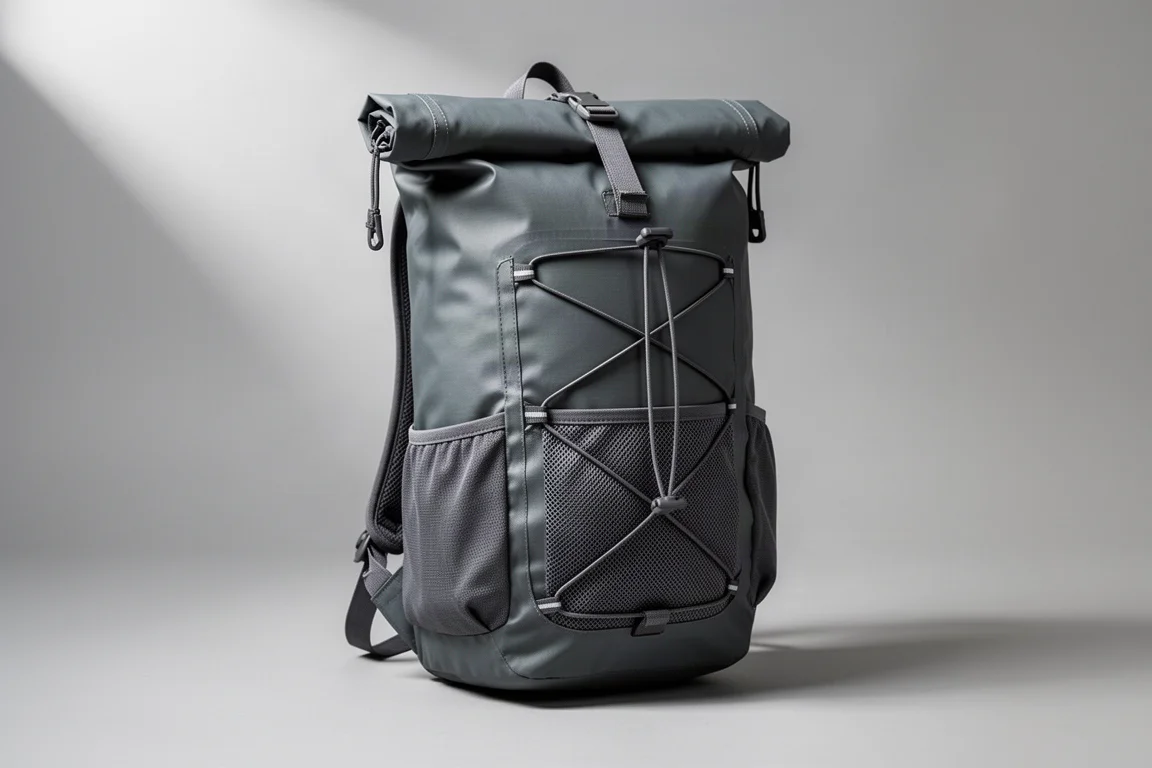
External storage is generous for a stripped-back design: pockets on both sides, a front mesh pocket that can also be reached from inside the main compartment, and an unusual pocket underneath the pack for wet or dirty kit and a lightweight layer you want to keep out of the main bag. The roll-top closure lets you overfill after a resupply or cinch everything down once you have eaten through your food.
There are trade-offs to know about. The back length is fixed and the straps are largely set, so the pack has to be tried on before it is loaded. It uses a single internal wire frame, which provides some support but is not intended for very heavy loads such as 20 kg. There are no load lifters, and because the back panel is not vented the pack sits close to your back, which can feel warm on a long climb. The front adjusters sit at the sides rather than across the front.
The wide side pockets take a tent with room to spare, and bungees plus a top strap add options for carrying kit on the outside, including a bear canister. The same 55-litre platform is available with different pocket configurations and pocket fabrics, including stretchy Dyneema, a see-through mesh for soaked gear, and a rigid fabric with a bungee top. Accessory pockets and bungees are available, and a solar panel can be strapped on top. A separate back pad can be added for a little airflow, although it is not made by the pack brand.
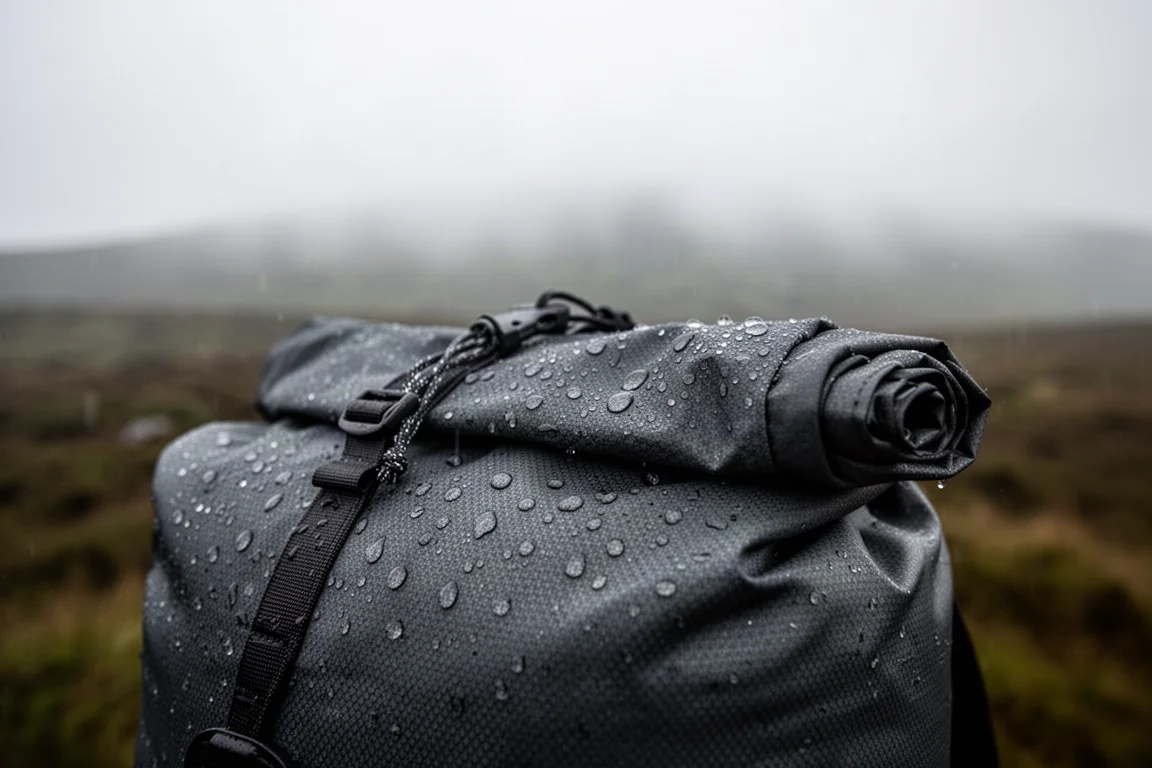
For hikers whose kit is compact and whose priority is weather protection rather than load support, the Unbound 55 is the most specialised option here.
Gossamer Gear Mariposa: Big Pockets and Ventilation
The Mariposa is available in multiple back lengths, and the difference is noticeable. A large felt longer than the frame needed, with the frame sitting above the shoulder straps, while the medium hugged the shoulders better on a torso that measured between sizes. It has load lifters, which pull the top of the pack in towards your back when it starts to feel as though it is hanging away from you.
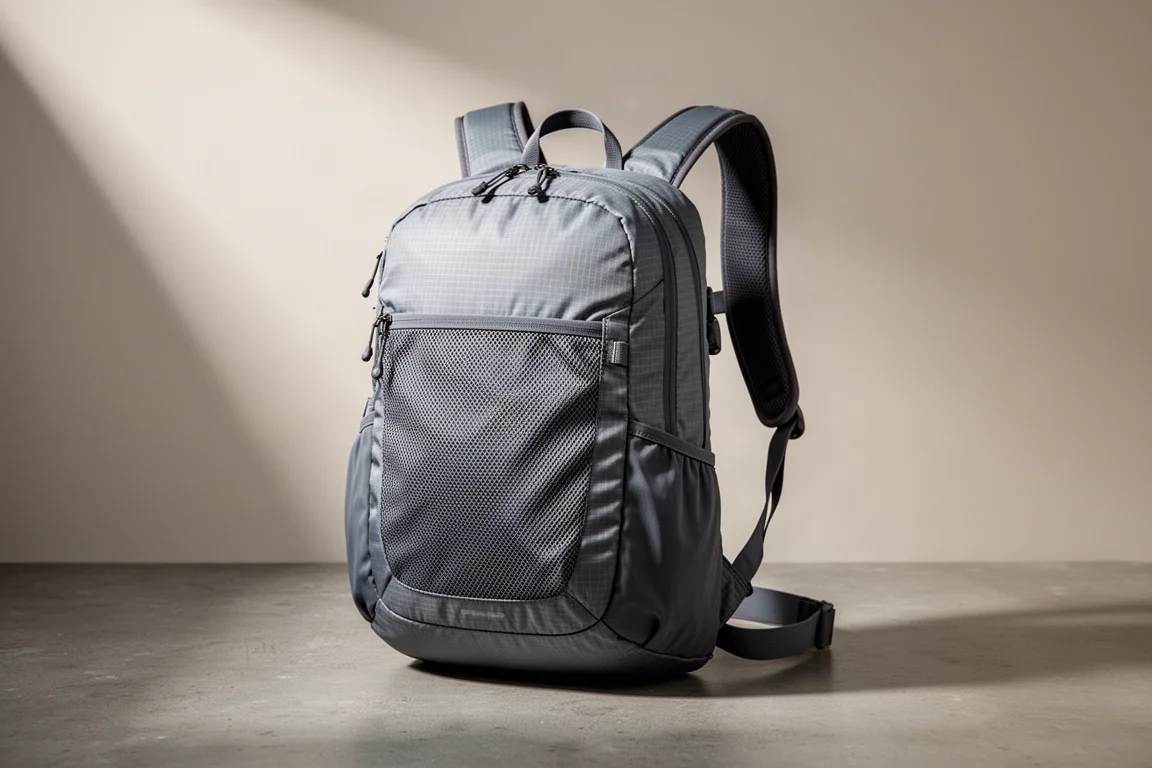
Its standout feature is storage. There are double pockets on the sides plus one very large side pocket that can swallow a tent, and a big mesh pocket on the back for wet weather gear or anything you need to reach quickly. Because those external pockets carry so much, the main compartment can be smaller, and wet items do not need to go inside at all.
The material is ripstop rather than taped-seam waterproof, so it will not shrug off sustained rain the way the Unbound 55 does. Dry bags are the sensible answer on a wet trip. The pack also sits a little further off your back than the Hyperlite, helped by a vented back panel and a removable sit pad that doubles as something to sit on at camp.
Fit is where personal shape matters most. The hip belt pockets sit relatively low, the medium version adjusts from the centre outwards, and shoulder strap width may not suit everyone, since small gaps around the shoulders can appear even when the back length is right. Colour options include green or grey and black.
ULA Circuit 48: Tough Fabric and Sized Hip Belts
The Circuit 48 is a 48-litre roll-top pack made from Robic fabric, a tough material with durability comparable to Dyneema. It is not taped seam, so it is not fully waterproof, and dry bags remain the reliable approach in wet weather.
Hip belt sizing is the detail that sets it apart. The pack comes with a choice of hip belt sizes, which lets you match the belt to your measurements rather than relying on adjustment alone, and saves a little weight in the process. Pulling in from two points also takes pressure off the hips. The frame is flexible enough to twist and bend as you move, and the pack carries noticeably better once weight is inside it than it does empty.
Practical touches include an attachment point and routing for a hydration bladder, hip belt zip pockets that can be opened with one hand, and a shallow side pocket with a bungee. One side pocket does not open and uses a strap instead, so access is not symmetrical.
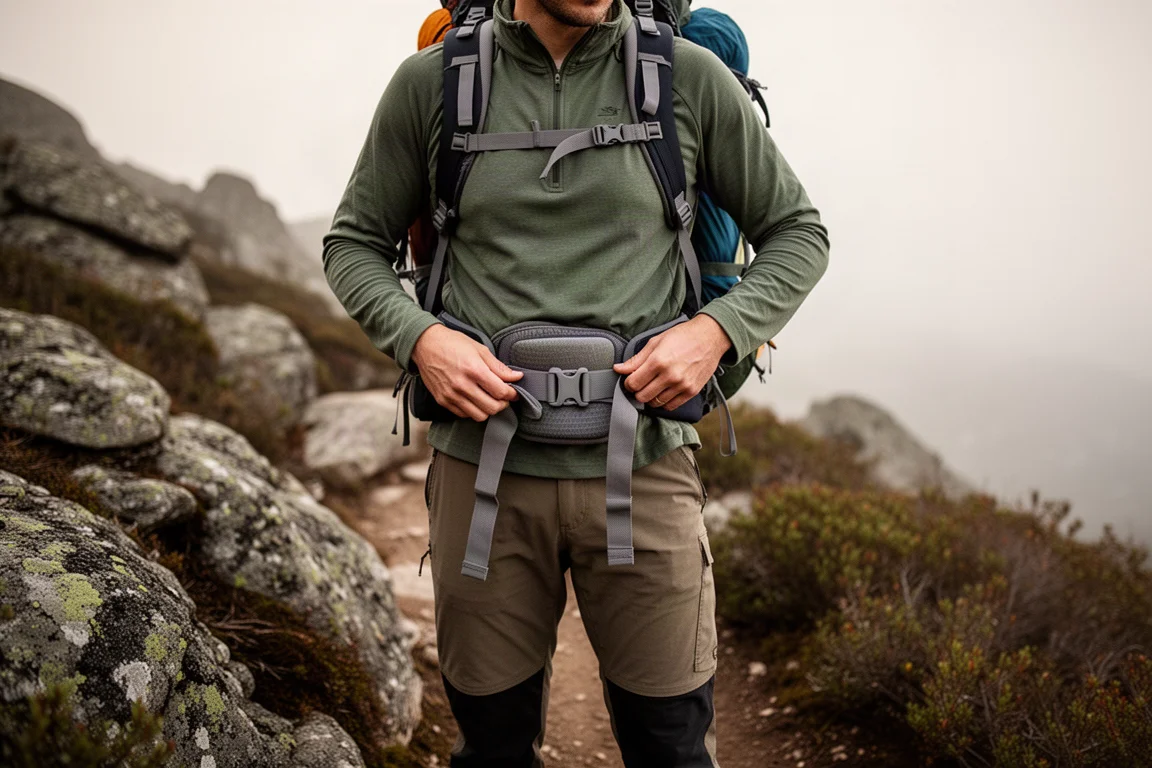
If your measurements fall between two back lengths, a pack with a selectable hip belt gives you one more variable to tune, which is often where comfort is won or lost.
Osprey Exos: A Lighter Take on the Traditional Pack
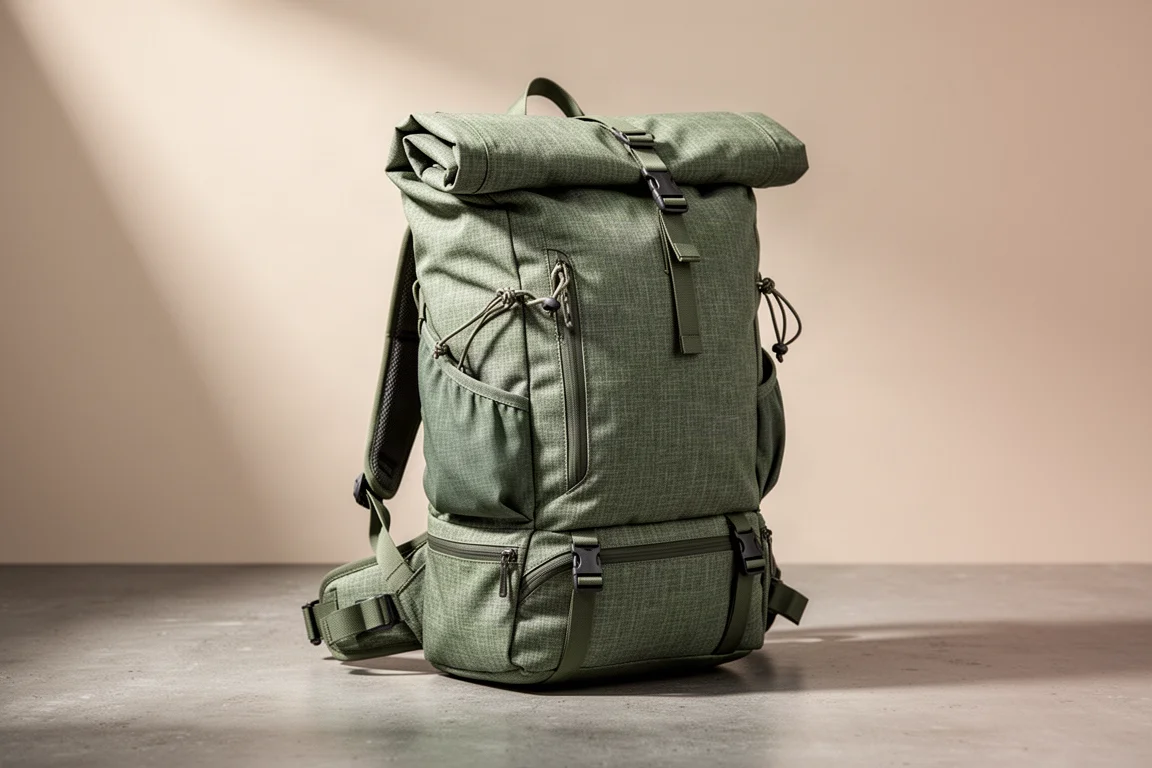
Osprey’s approach has been the more conventional top closure with storage in the lid, rather than a roll top, which suits anyone who prefers a familiar layout with a pocket they can reach without opening the main compartment.
As a super lightweight design, the Exos trades away some of the comfort features found on heavier traditional packs. The rear pocket is not stretchy, so it is less accommodating when you want to stuff bulky wet gear into it, and the shoulder straps carry less padding than the heavier alternatives. On light loads those compromises are easy to live with, and on heavier loads they are worth weighing up honestly.
Buying Advice: Volume, Weight and Weather Protection
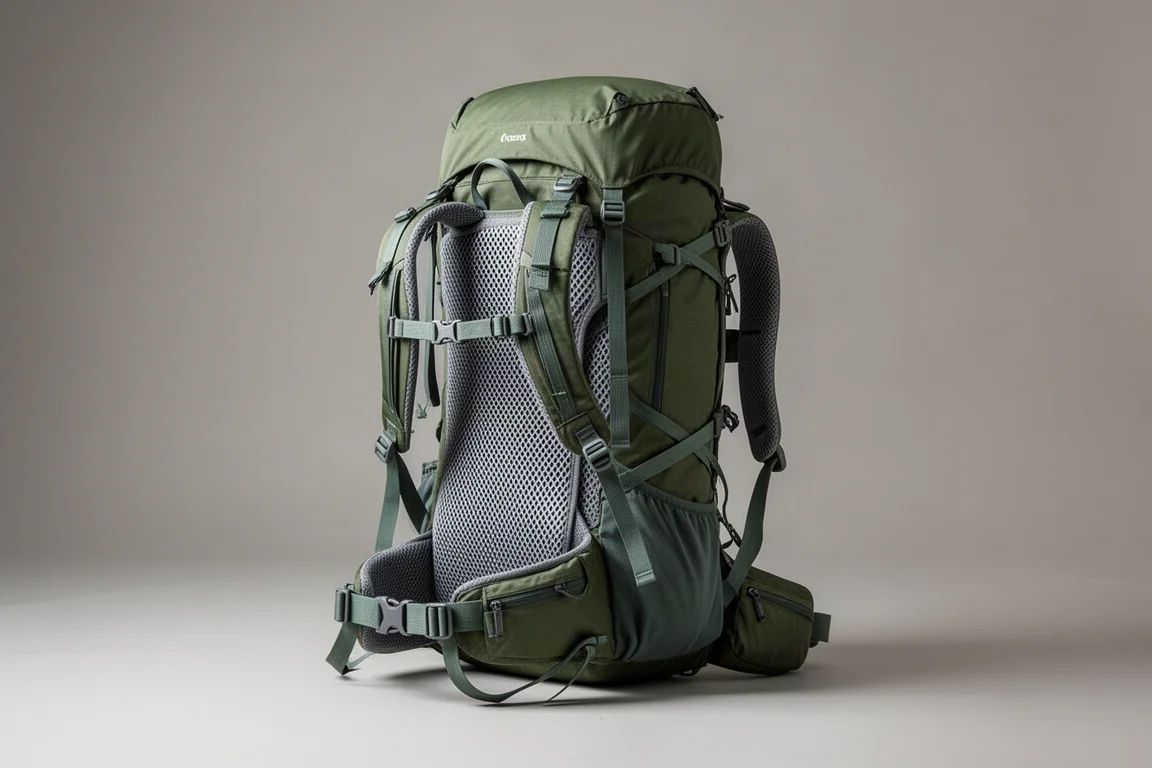
Volume is the first decision. A 45-litre pack can comfortably cover multi-day trips when the external pockets are generous, and large side pockets mean you can carry a smaller main compartment rather than a bigger pack. It is worth resisting the temptation to buy a 70-litre pack for summer trips: spare capacity invites you to overfill it with things you do not need, and a pack that is only part full will not carry as well as one that is properly loaded.
Weight is the second. Much of the difference between a 1.5 kg pack and an 800 g pack comes down to hardware, since straps, clips, buckles and chunky zips all add up. Lighter packs tend to use narrower straps and smaller clips, which is efficient but offers less padding and less adjustment.
Weather protection is the third. A fully waterproof fabric with taped seams removes the need for a liner or a rain cover. If the fabric is not taped, plan on dry bags, or accept the extra weight of a rain cover. Roll-top closures are useful here, since they let you expand the pack after a resupply and cinch it back down as your food supplies shrink.
Then there is fit, which matters more than any of the above. Start with the hip belt, then set the shoulder straps, then the chest strap, then the load lifters. Shoulder straps should sit snugly without sitting too high or cupping too low, because a low cup under load is what causes shoulder pain and, in some cases, tingling fingers from pressure on nerves. The aim is for the weight to sit on your hips rather than your shoulders, with the load held close to your back. When packing, keep the heaviest items in the middle to bottom of the pack and close to your back.
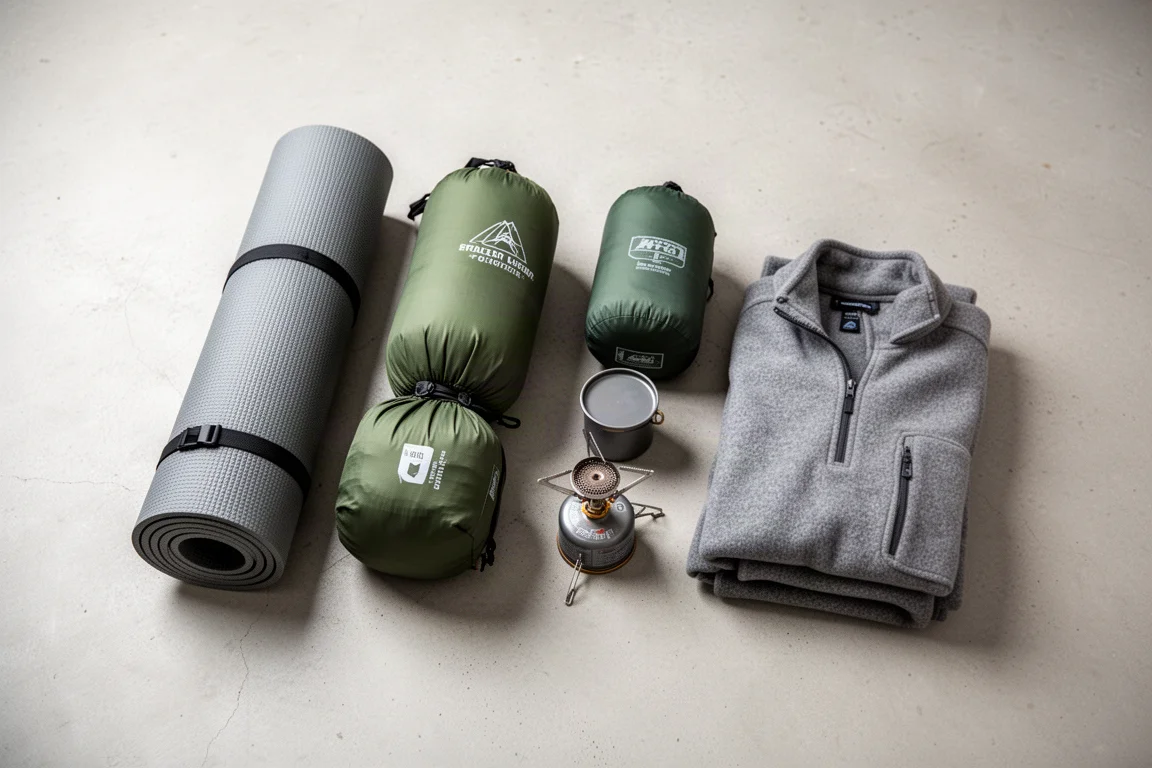
Finally, match the pack to the trip. A 60-litre pack on a day hike is unnecessary, and a summer multi-day trip with an ultralight tent and a light sleeping system does not need the same capacity as a winter expedition. Measuring your back length before you buy is the simplest way to avoid discomfort later, and if you can try a few packs on before committing, the differences between models become obvious very quickly.
Conclusion
The Hyperlite Unbound 55 suits hikers who want waterproof simplicity and a stripped-back design with excellent external pockets. The Gossamer Gear Mariposa is the better choice when external storage and ventilation matter most, and when you are happy to use dry bags. The ULA Circuit 48 stands out for tough fabric and a hip belt sized to your measurements, which is a real advantage if you sit between sizes. The Osprey Exos offers a familiar lid closure in a very light package, with the trade-offs that come with that.
Whichever you choose, start with the measurement: torso length first, then the hip belt, then the shoulders. A pack that fits properly will carry a load far better than a lighter pack that does not.
Further reading
Related Reviews
Hiking Backpacks
Decathlon MT 900 70+10 Backpack Review: Big Capacity, Heavy Weight, High Price
A feature-dense 80-liter hiking backpack with excellent build quality, ten pockets, and dual loading, held back by a six-pound weight and a $210 price.
Hiking Backpacks
Martingtop 65L MOLLE Hiking Backpack Review: Capacity and Value, Undone by Hardware
A 65-liter tactical-style internal frame pack with MOLLE webbing, an adjustable torso, and a rain cover, held back by slipping hardware and a flexible frame.
Hiking Backpacks
Osprey Rook 65L First Look: Osprey's Most Affordable 65L Backpack
A detailed first look at the Osprey Rook 65L, the least expensive 65-litre pack Osprey makes at $190, covering its suspension, storage layout, weight, materials, and the trade-offs to weigh before buying.