Hiking Backpacks
Osprey Rook 65L First Look: Osprey's Most Affordable 65L Backpack
A detailed first look at the Osprey Rook 65L, the least expensive 65-litre pack Osprey makes at $190, covering its suspension, storage layout, weight, materials, and the trade-offs to weigh before buying.
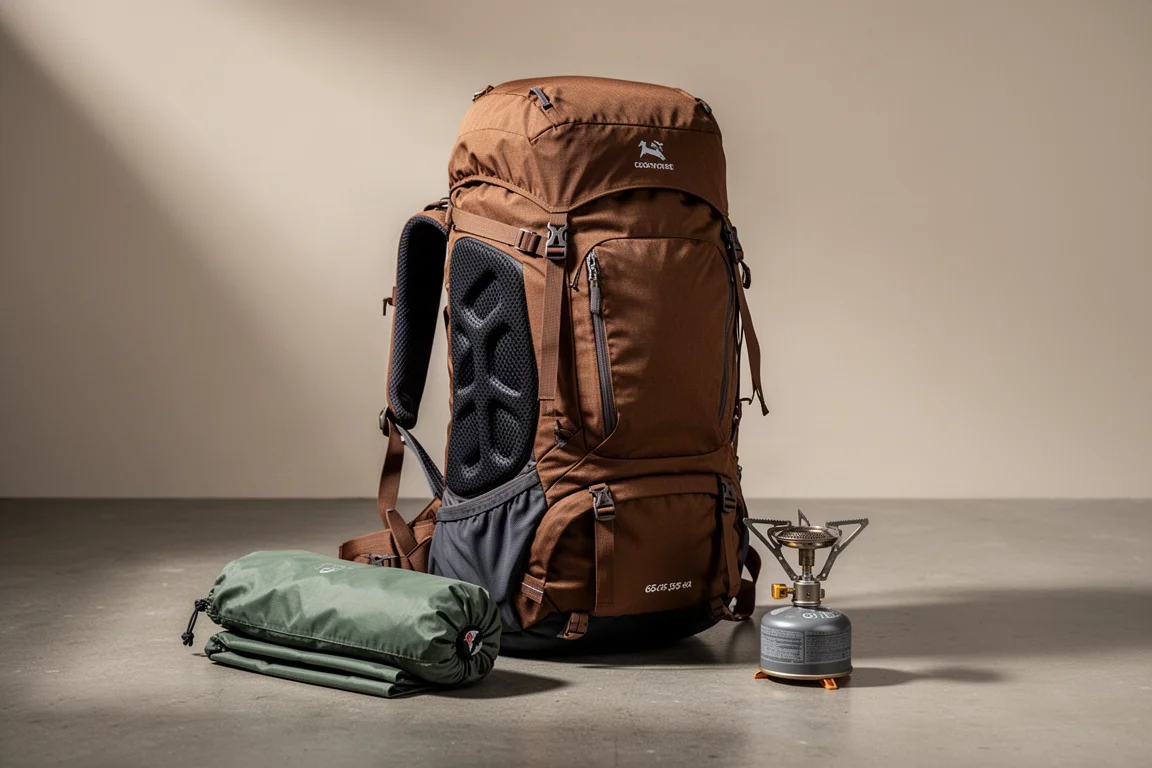
Introduction
Most 65-litre hiking backpacks from established outdoor brands now sit at or above the $300 mark, which makes the Osprey Rook 65L a genuinely interesting proposition at $190. As far as Osprey’s own range goes, this is the least expensive 65-litre pack the company offers, and it still arrives with a full frame suspension system, an adjustable torso harness, and a stated system weight of 3.7 lb.
This first look covers the layout, materials, and specifications in detail, along with the trade-offs that come with the lower price. Trail testing is the next step, and the central question is a fair one for anyone shopping in this category: which corners were trimmed to bring a 65-litre Osprey pack down to $190?
Who the Osprey Rook 65L Is For
The Rook 65L is aimed at multi-day hikers who want a large, fully featured pack without paying flagship prices. It comes in a 50-litre version, a 65-litre version, and a 65-litre extended version for larger individuals, and a women’s version is also available. Colour options are coyote brown, blue, and grey, and the pack measures 29.5 inches tall by 14.9 inches wide.

That combination of size and weight is the headline for this pack. A 65-litre backpack with a full frame suspension system that comes in at 3.7 lb is a light package, and it is one of the lighter options in this capacity class for anyone who wants a traditional framed design rather than an ultralight frameless setup.
Main Strengths
Build quality is the first thing to note. Stitching is tidy throughout, the construction looks consistent with what the brand is known for, and the finish is clean. The solid coyote brown body with grey hardware and a black back panel gives the pack a sharp, understated look that holds up well against the rest of the range.
Suspension, Fit, and Ventilation
Rigidity comes from two aluminium poles paired with a plastic frame sheet, and the back panel uses a tensioned mesh design that delivers a lot of ventilation and moisture control. The harness itself uses 3D mesh, which helps, though on hot days and hard efforts some sweat buildup in the shoulder area is still realistic.
Fit adjustment is where the Rook punches above its price. The ladder lock torso system offers four adjustment positions spanning four total inches, one inch per rung, which makes it straightforward to dial the pack in to your torso length. The hip belt uses 3D mesh as well, is fully adjustable, and carries a zippered pocket on each half with its own zipper pull. The sternum strap runs on rails and includes a built-in emergency whistle.
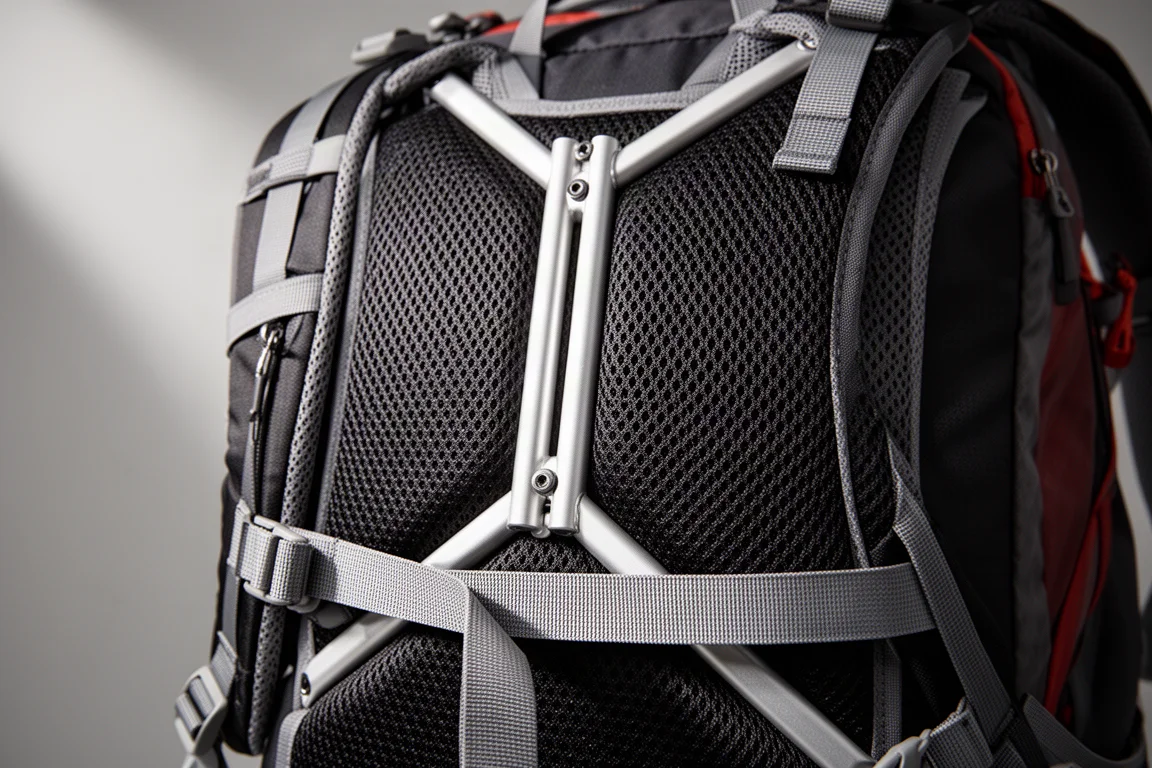
For most hikers, this means the pack can be fitted properly without tools or guesswork, which matters more on a 65-litre load than on a small daypack.
Storage, Attachment Points, and Compression
The main compartment is one large pocket with a drawcord closure, plus a hydration sleeve with a clip and a hydration port for the hose. A compression strap runs over the top of the load. There are no smaller internal pockets, so organisation inside the bag is down to how you pack it.
The sleeping bag compartment is generously sized and includes a divider that can be disconnected if you prefer one continuous space. Two additional attachment loops sit beside it. At the bottom of the pack there is a dedicated pocket with a raindrop icon holding the included rain cover, which comes in a bright green that does not match the rest of the pack.
Up top, the lid offers four attachment loops and a large zippered pocket inside with a key attachment point. It attaches with two fully adjustable buckles and is not a free floating lid. Notably, there is no centre zip pocket on the front, which is unusual for this brand’s hiking packs, but there are four loops and two compression straps in that area for strapping gear down.
On each side you get two adjustable compression straps that cannot be unbuckled, and very large stretchy mesh pockets that swallow a 48 oz bottle effortlessly. There is enough room that two bottles of that size could plausibly fit on each side.
Things to Consider Before Buying
The Rook looks and feels like a well-made pack, but the lower price does show up in a few specific places. These are the points worth weighing against your own trips.
Harness Padding and Load Carrying
The harness and hip belt padding is thinner than what you get on the Atmos AG 65L, and the difference is noticeable when you handle both packs side by side. Because of that, the Rook is unlikely to carry heavy loads as comfortably as the more expensive model.
Osprey does not publish a load rating for this pack, which leaves the real question open: whether it is designed around 30 lb or 40 lb. That may sound like a small gap, but on a multi-day trip with food and water it is a meaningful difference. Lighter loads should suit the Rook well, while heavier ones are the unknown.
Frame Contact and Fit Adjustments
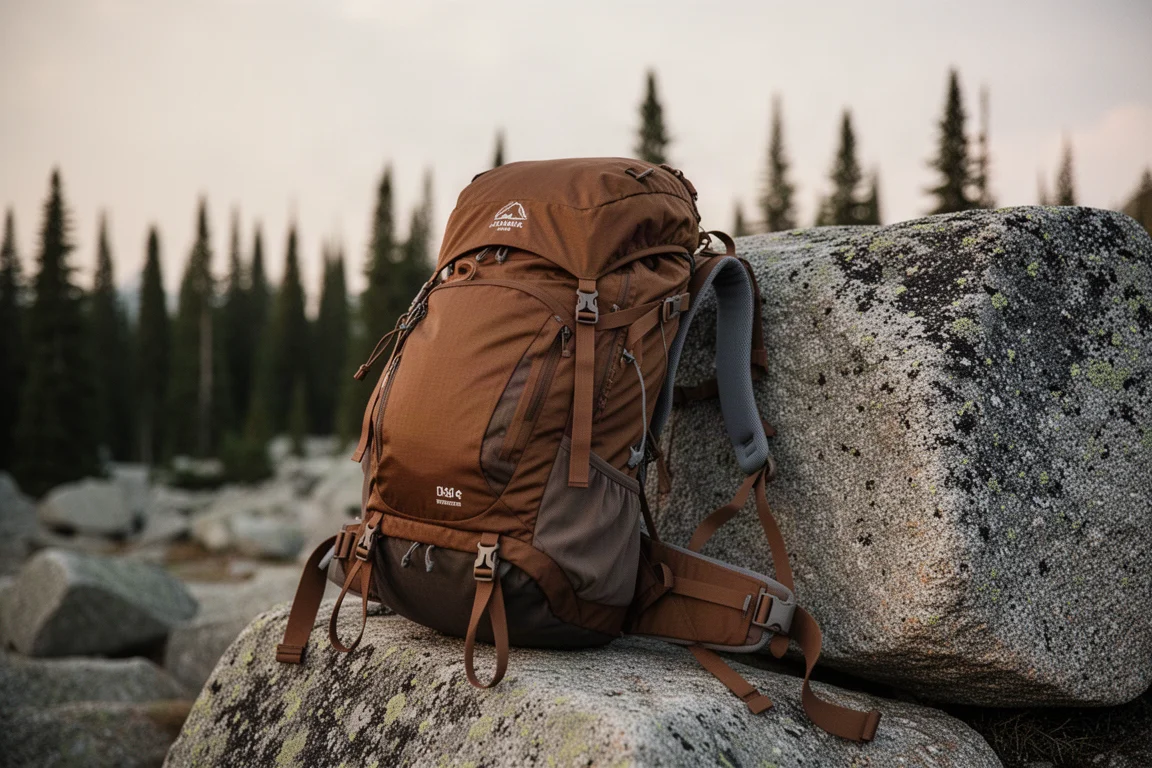
When standing upright with your head raised, it is possible to make contact with the frame system at the top of the pack. Load lifters pull the weight closer to your back, which is what you want with a heavy load, but tightening them increases the chance of that contact. Letting the lifters out pushes the frame away from you and largely resolves it, which works better with lighter loads.
None of this is a deal breaker on its own, but it is the kind of detail that becomes more noticeable over a long day, and it is the main reason the pack would benefit from a published load rating.
Price Positioning: Rook 65L vs Atmos AG 65L vs MT100 70L
The Rook 65L sits at $190, the Atmos AG 65L is priced at $325, and the Decathlon MT100 70L comes in at $120 with a torso system that can be adjusted while the pack is being worn. That spread is what makes the Rook interesting: it is far cheaper than the premium Osprey model, but it is also well above one of the most capable budget packs on the market. The gap in harness and hip belt padding between the Rook and the Atmos AG is real, and it is the clearest explanation of where some of the savings come from.
Buying Advice
If you want a large framed pack from a well-known brand with a proper adjustable torso system and a low weight, the Rook 65L at $190 is easy to recommend on paper. The suspension, ventilation, compression, and attachment points are all present, and the build quality looks consistent with the brand’s other packs.
The decision really comes down to how much weight you carry. Hikers running moderate loads will likely find the Rook comfortable and appreciate the 3.7 lb weight. Anyone regularly pushing toward heavier loads should look closely at the thicker padding on the Atmos AG 65L before deciding, and anyone whose priority is pure value should compare against the Decathlon MT100 70L at $120.
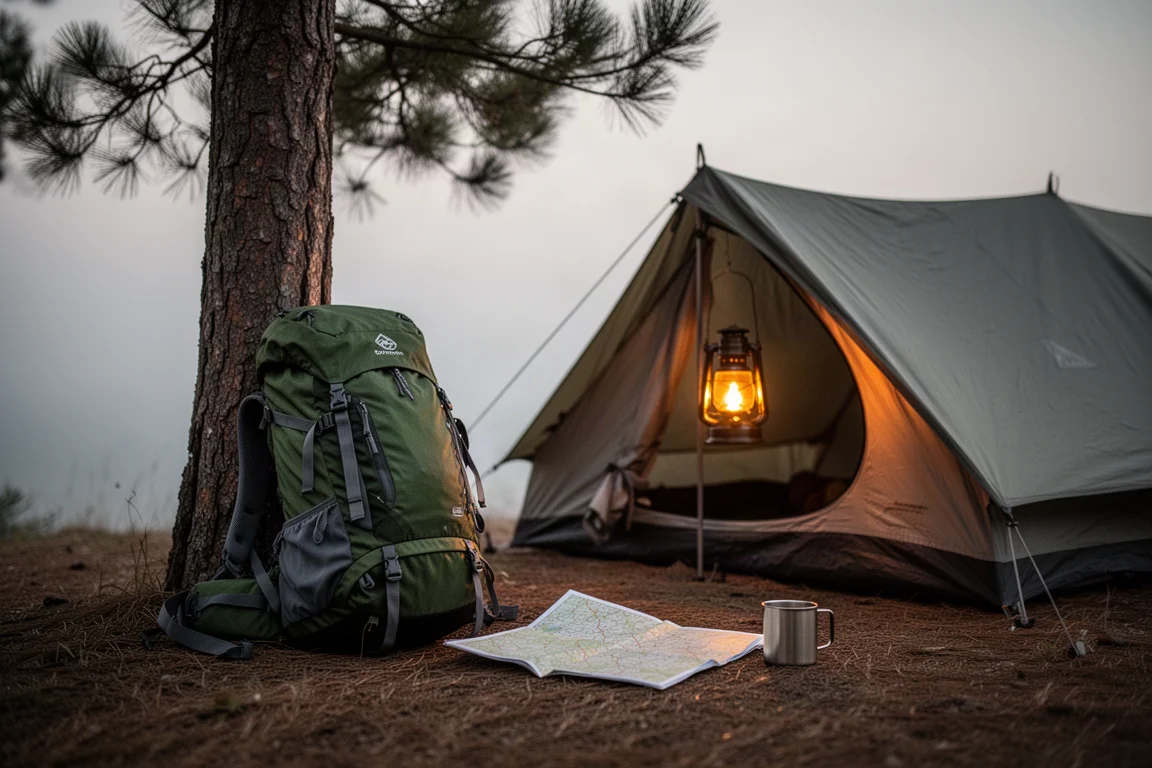
It is also worth asking yourself how much you rely on a front pocket. The Rook omits it, which keeps the pack lighter, but if your organisation depends on quick-access exterior storage, a kit bag or stuff sack inside the main compartment is the workaround.
Conclusion
The Osprey Rook 65L makes a strong first impression. It brings a full frame suspension system, four inches of torso adjustment, a large sleeping bag compartment, generous side pockets, and a rain cover into a 3.7 lb package for $190, which is a lot of pack for the money.
The open questions are honest ones. Harness padding is thinner than the Atmos AG 65L, the frame can contact the head when load lifters are cinched tight, and there is no published load rating to work from. On-trail testing will settle how much weight this pack genuinely carries well, and that answer is what determines whether it becomes the value pick in Osprey’s line or simply a well-priced compromise.
Product link
View more details for Osprey Rook 65L
This product is mentioned in the review. Check the specifications, options, and compatibility before buying.
View more details for Osprey Rook 65LFurther reading
Related Reviews
Hiking Backpacks
Decathlon MT 900 70+10 Backpack Review: Big Capacity, Heavy Weight, High Price
A feature-dense 80-liter hiking backpack with excellent build quality, ten pockets, and dual loading, held back by a six-pound weight and a $210 price.
Hiking Backpacks
Martingtop 65L MOLLE Hiking Backpack Review: Capacity and Value, Undone by Hardware
A 65-liter tactical-style internal frame pack with MOLLE webbing, an adjustable torso, and a rain cover, held back by slipping hardware and a flexible frame.
Hiking Backpacks
Waymark Mile 28L Review: A 16-Ounce Pack for Day Hikes and Overnights
An ultralight 28 liter backpack that covers day hikes and light overnights at roughly 16 ounces, with recycled fabrics and genuinely useful organization.