Hiking Backpacks
Martingtop 65L MOLLE Hiking Backpack Review: Capacity and Value, Undone by Hardware
A 65-liter tactical-style internal frame pack with MOLLE webbing, an adjustable torso, and a rain cover, held back by slipping hardware and a flexible frame.
Introduction
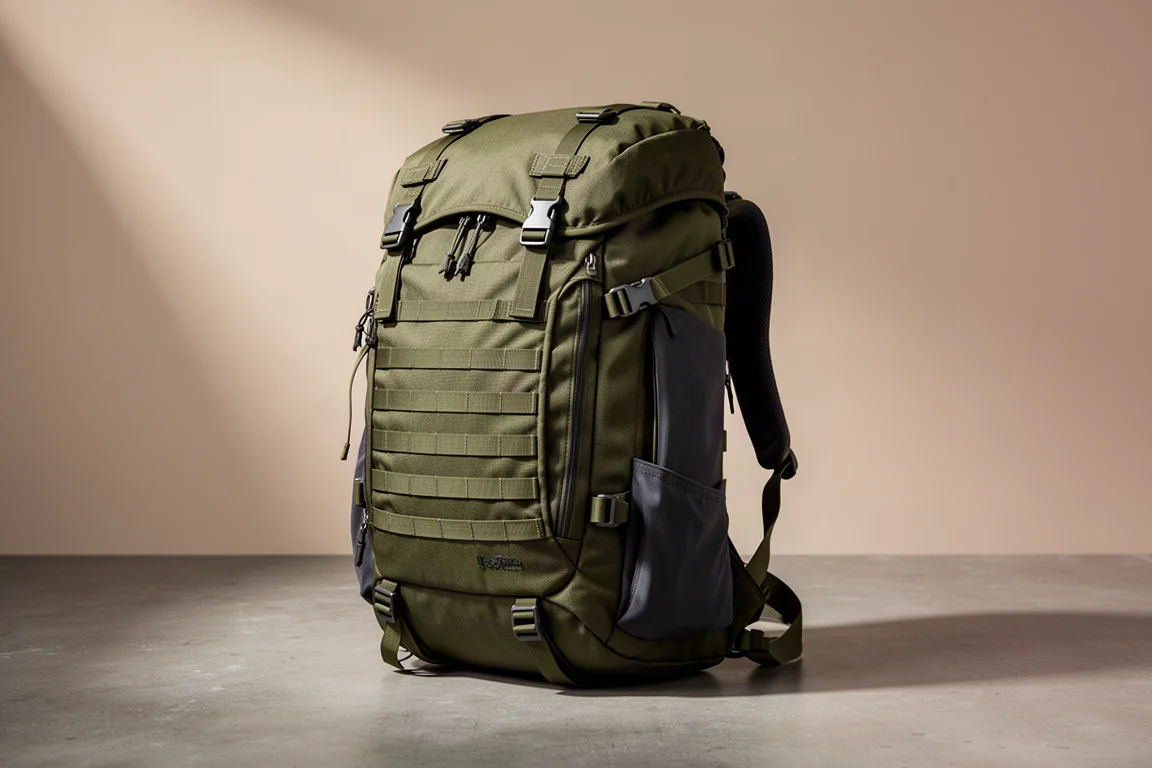
The Martingtop 65L MOLLE Hiking Internal Frame Backpack with Rain Cover is a low-cost, tactical-style pack positioned for camping, bushcraft, and military-style use. It offers 65 liters of capacity, a fully adjustable torso, and rows of MOLLE webbing running across the lid, the front panel, the sides, and the base.
That combination of capacity and price makes it an easy pack to shortlist. The harder question is whether it holds up once it is loaded and carried. Extended field use, including an overnight trip of roughly 10 miles and a steep out-and-back trail with about a mile and a half of descent followed by a mile and a half of climbing, gave a clear picture of where this pack works and where it struggles.
The short version: the storage layout is generous, the harness is comfortable, and the asking price is low. The hardware, the frame, and several usability details are the parts that let it down.
Who This Backpack Is For
This pack makes the most sense for buyers who want a large tactical-style bag at a low price and who plan to carry relatively light loads. With around 25 pounds or less inside, the pack is workable. Above that weight, the weaknesses in the frame and the hardware become far more obvious.
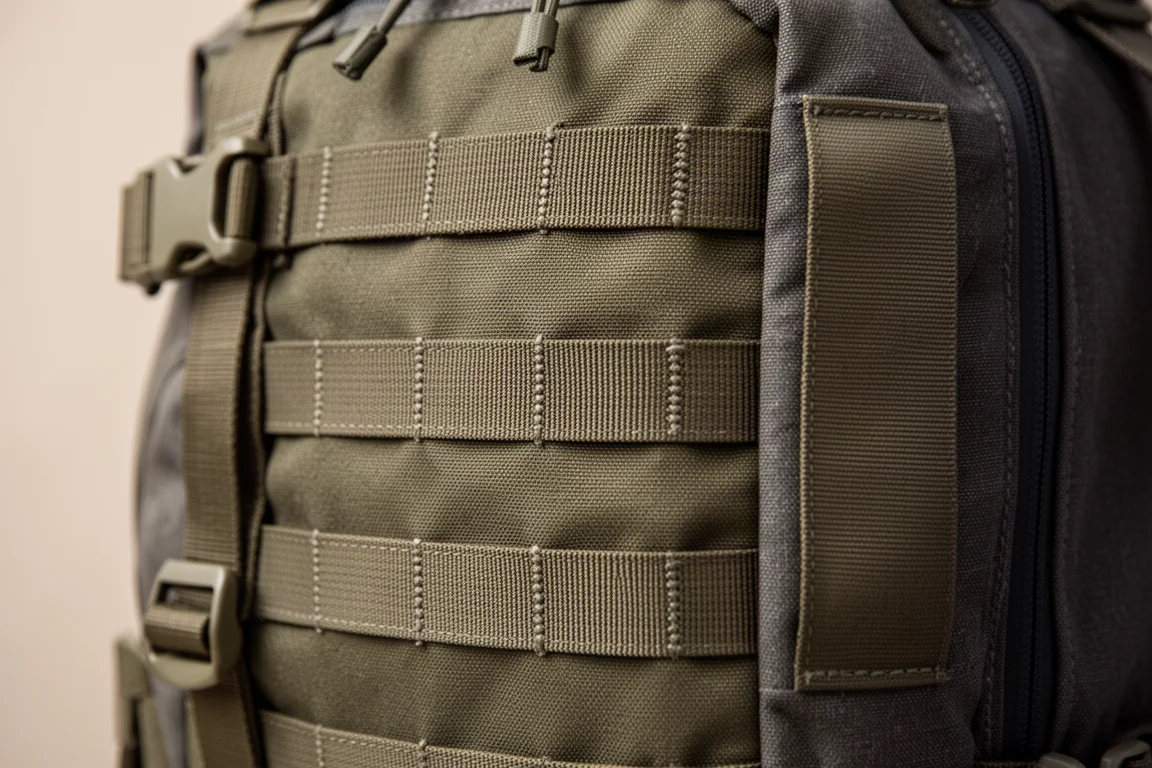
It also suits someone who enjoys customizing gear. The MOLLE and PALS webbing across the pack leaves plenty of room for attaching pouches, tools, and accessories, and the adjustable torso system can be raised or lowered to dial in fit.
It is a less natural fit for anyone who expects a pack to stay put without attention. Hikers who prefer to set their straps once and forget them will find this pack demanding, because it needs to be checked and re-tightened as the miles add up.
Main Strengths
Storage is where this pack delivers most. The lid has a zippered pocket that opens into the interior of the lid, plus velcro for patches and two buckles. The front panel includes a pocket that gives access to the main compartment, which is a genuinely useful feature when you want to grab something without unpacking the whole bag.
The sleeping bag compartment at the base is large, with two compression straps, three rows of PALS webbing, and two zippers. Inside, a divider separates it from the main body of the pack, and that divider can be opened when you need one continuous space. A rain cover is stored in a zippered pocket on the underside.
The sides carry a hydration sleeve with a compression strap, three rows of PALS webbing, an additional upper compression strap, and a sleeve measuring roughly nine by eight inches. Elastic gear loops sit on each side, with matching loops lower down for longer items.
On the back, the harness itself is comfortable, with padding, elastic loops, plastic D-rings for hanging small items, a sternum strap, and an adjustable torso system. Ventilation is reasonable thanks to some separation built into the padding.
Things to Consider Before Buying
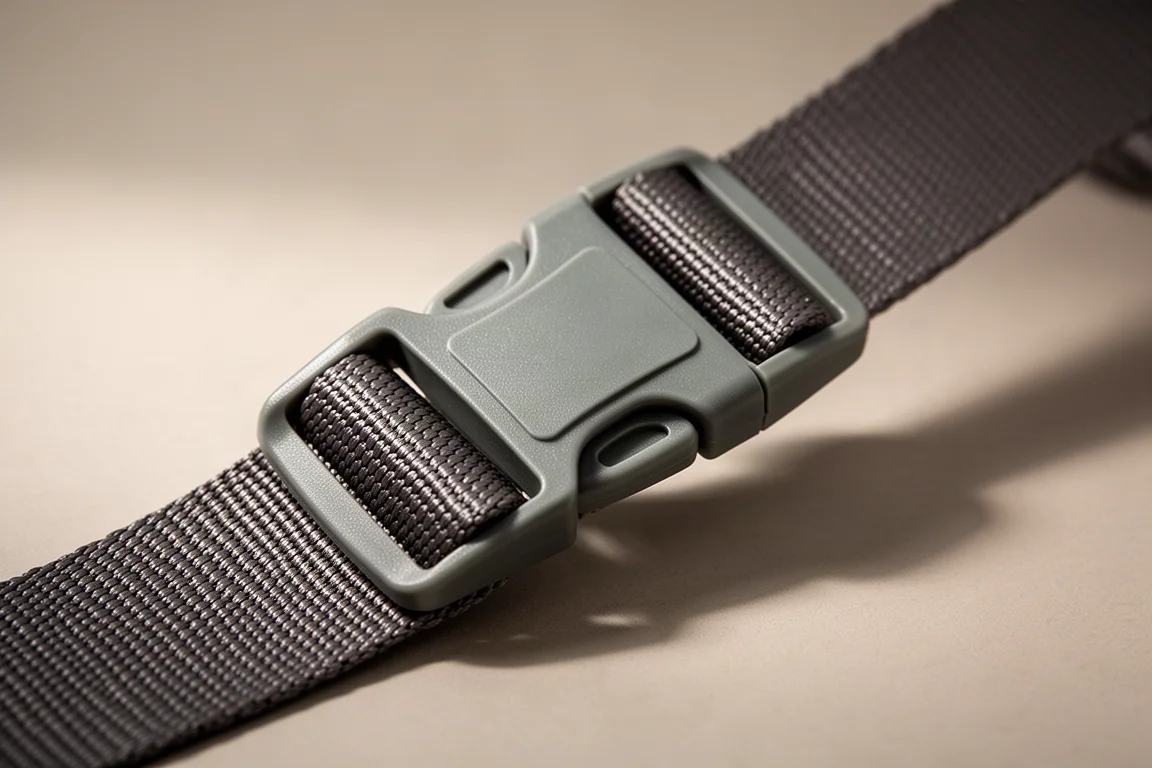
The most consistent problem is the hardware. The buckles and adjusters do not hold the straps in place, so the webbing works loose as you walk. The practical result is a pack that has to be stopped and re-adjusted repeatedly, and the looser it becomes, the more discomfort builds in the back and shoulders.
The frame is the second major issue. It is a thin plastic sheet with two aluminum rods, and it can be bent by hand. It is also barely connected to the bag, so the pack and the frame move somewhat independently. On sharp turns the load swings outward, and the pack flexes visibly as you move.
The load lifters share the same weakness. They are attached to fabric rather than directly to the frame, so they pull on the material instead of transferring weight toward the shoulders, and they come loose as well.
Other details are worth knowing before you commit. There is no lumbar padding, so the lower back panel is essentially flat. The waist belt pockets are too small to be usable, and the side water bottle pockets cannot be reached while the pack is worn. The pack weighs 5.9 pounds on a scale, which is heavy for a 65-liter bag. After two outings, the material on the back panel was already beginning to wear.
The stated materials are 600 denier polyester with YKK buckles and YKK zippers. Main body dimensions are 33.4 inches long, 11.4 inches wide, and 8.3 inches deep. The company does not publish a load range for this pack. It is offered in four colors, including army green, black, and khaki brown.
Buying Advice
At around $95, the value case is difficult to make. The flaws here are structural rather than cosmetic: hardware that will not hold tension and a frame that flexes under load are not problems you can adjust away on the trail.
If you already own this pack or are set on buying it, two upgrades help. Replacing the buckles and adjusters with hardware that grips properly makes a noticeable difference, and swapping or rebuilding the frame improves rigidity. Both take extra money and effort, and neither fixes the missing lumbar padding or the inaccessible bottle pockets.
The clearest way to decide is to match the pack to your load. If your typical kit stays under about 25 pounds and you do not mind checking and re-tightening straps along the way, the generous storage layout and comfortable harness have real appeal. If you regularly carry more than that, this is a hard recommendation to make.
Conclusion
The Martingtop 65L offers a lot of capacity and a lot of attachment points for the money, and the harness itself is comfortable to wear. Those strengths are undercut by hardware that slips, a frame that flexes, and small usability problems that compound over a long day. For light loads and modest expectations it can serve as a budget option, but buyers who want a pack that stays stable under weight should weigh the trade-offs carefully before committing.
Product link
View more details for Martingtop 65L MOLLE Hiking Internal Frame Backpack with Rain Cover
This product is mentioned in the review. Check the specifications, options, and compatibility before buying.
View more details for Martingtop 65L MOLLE Hiking Internal Frame Backpack with Rain CoverFurther reading
Related Reviews
Hiking Backpacks
Decathlon MT 900 70+10 Backpack Review: Big Capacity, Heavy Weight, High Price
A feature-dense 80-liter hiking backpack with excellent build quality, ten pockets, and dual loading, held back by a six-pound weight and a $210 price.
Hiking Backpacks
Osprey Rook 65L First Look: Osprey's Most Affordable 65L Backpack
A detailed first look at the Osprey Rook 65L, the least expensive 65-litre pack Osprey makes at $190, covering its suspension, storage layout, weight, materials, and the trade-offs to weigh before buying.
Hiking Backpacks
Waymark Mile 28L Review: A 16-Ounce Pack for Day Hikes and Overnights
An ultralight 28 liter backpack that covers day hikes and light overnights at roughly 16 ounces, with recycled fabrics and genuinely useful organization.