Ultralight Backpacking
Framed vs Frameless Ultralight Backpacks: OV CS40 and Outer Vitals Skyline 30 Compared
A practical look at when a frame earns its weight and when a frameless fast pack makes more sense, with two ultralight options to consider.
Introduction
Ultralight backpacking has a long-running argument about one part of the pack: the frame. Some hikers take it out entirely, others would not leave home without one. Both approaches can work well, and the deciding factor is rarely ideology. It comes down to how much weight you actually carry, how long your food and water carries run, and how you want the pack to feel on your back after a full day of miles.
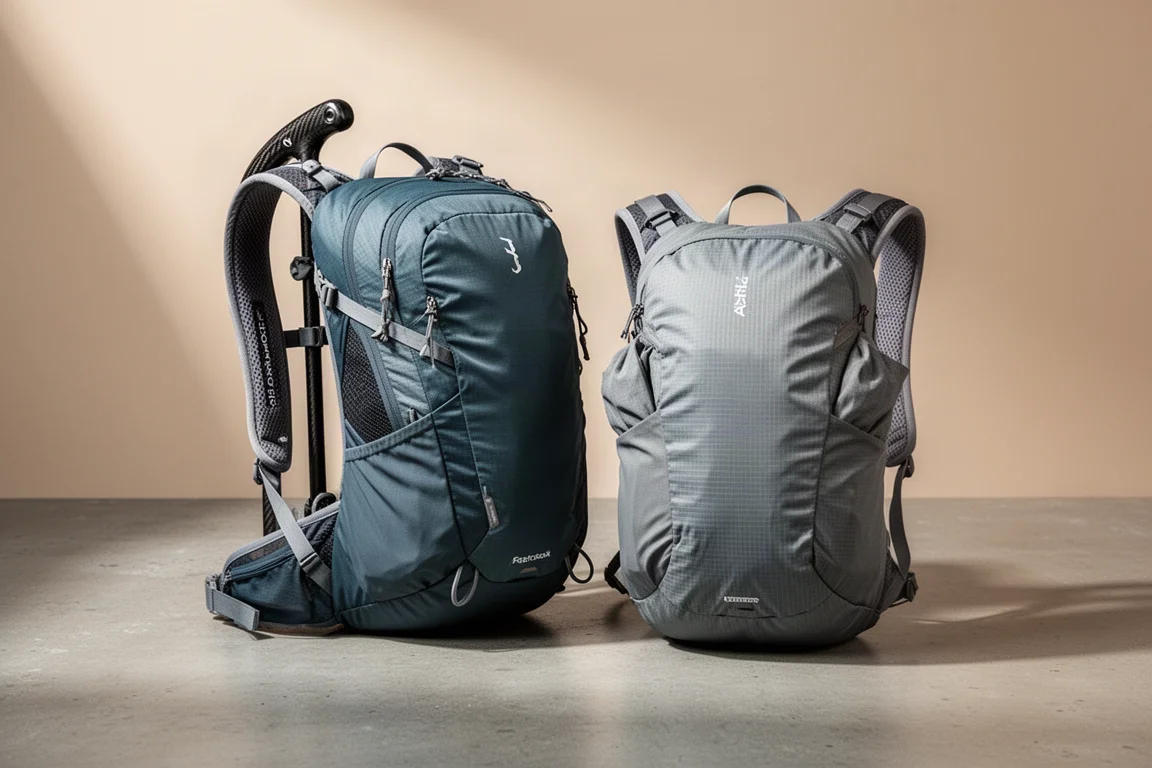
This guide walks through the real trade-offs between framed and frameless ultralight packs and looks at two packs that sit on either side of the divide: the OV CS40 backpack, built around a curved carbon frame, and the Outer Vitals Skyline 30 Fast Pack, a frameless design made for moving quickly.
The Framed vs Frameless Trade-Off
Dropping the frame from an ultralight backpack typically saves around eight ounces, or half a pound. When the goal is cutting base weight as low as possible, that saving is significant. A frameless pack can also sit more snugly against the body when it is packed well, so it moves with you instead of feeling like a stiff object on your back. For hikers covering long distances quickly, that can feel more natural and potentially more comfortable.
The trade-off is load transfer. A frame that rises above the shoulders, paired with a hip belt actually designed to carry weight, can move the load off your shoulders and onto your hips. Over a full day on trail, that is the difference between steady comfort and a pack that gradually wears you down. Short frames and weak hip belts do not deliver that benefit, so frame height and hip belt design matter as much as the frame itself.
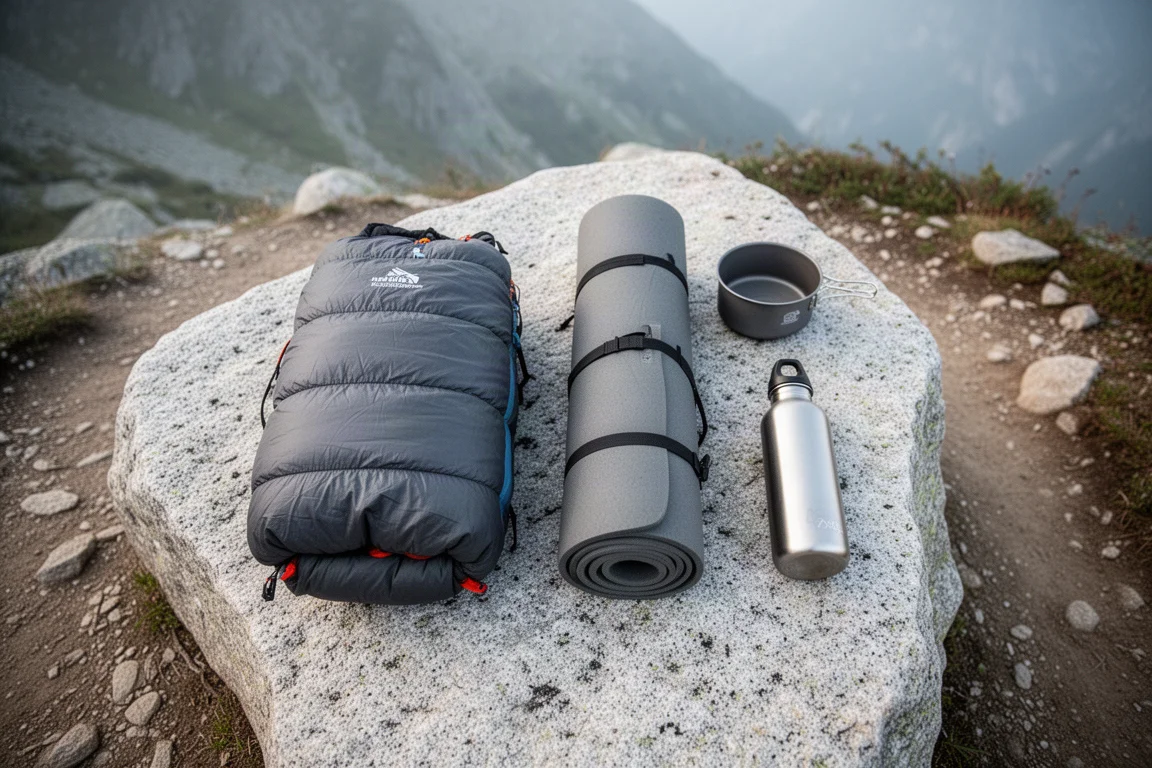
Weight discipline is the other half of the frameless equation. Frameless packs tend to work best for hikers who keep base weight well below ten pounds and total trail weight under twenty pounds, and more realistically under fifteen pounds once food and water are added. That usually means hiking in areas with plenty of water and frequent resupply points, where the pack is rarely asked to carry a heavy load for long.
When Frameless Makes Sense
Frameless packs make the most sense for trips of two to three days where maximum mobility matters and the total load stays low. They also suit hikers who want to run sections of trail, since a pack that hugs the body moves with you rather than against you.
The catch is honesty about total weight. It is easy to underestimate what a full setup weighs once water and three days of food are added. If that number lands well above the frameless comfort zone, a frame is likely the better call.
Best Framed Option: OV CS40 Backpack
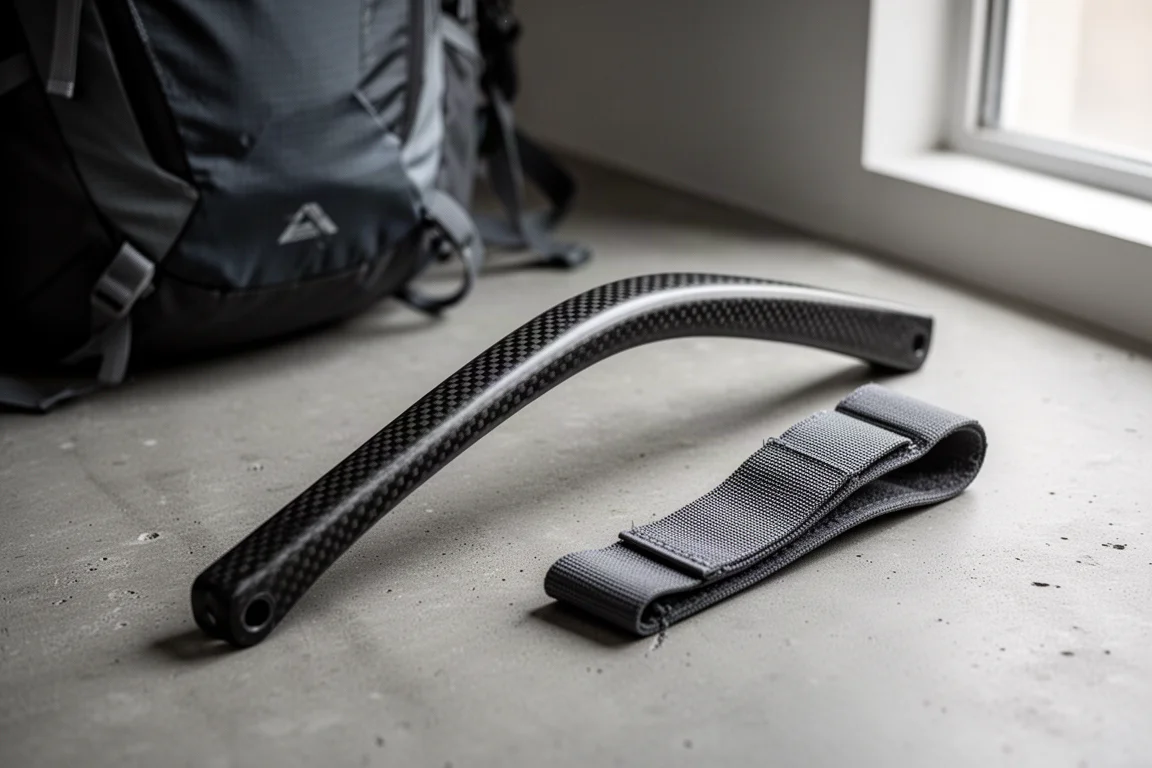
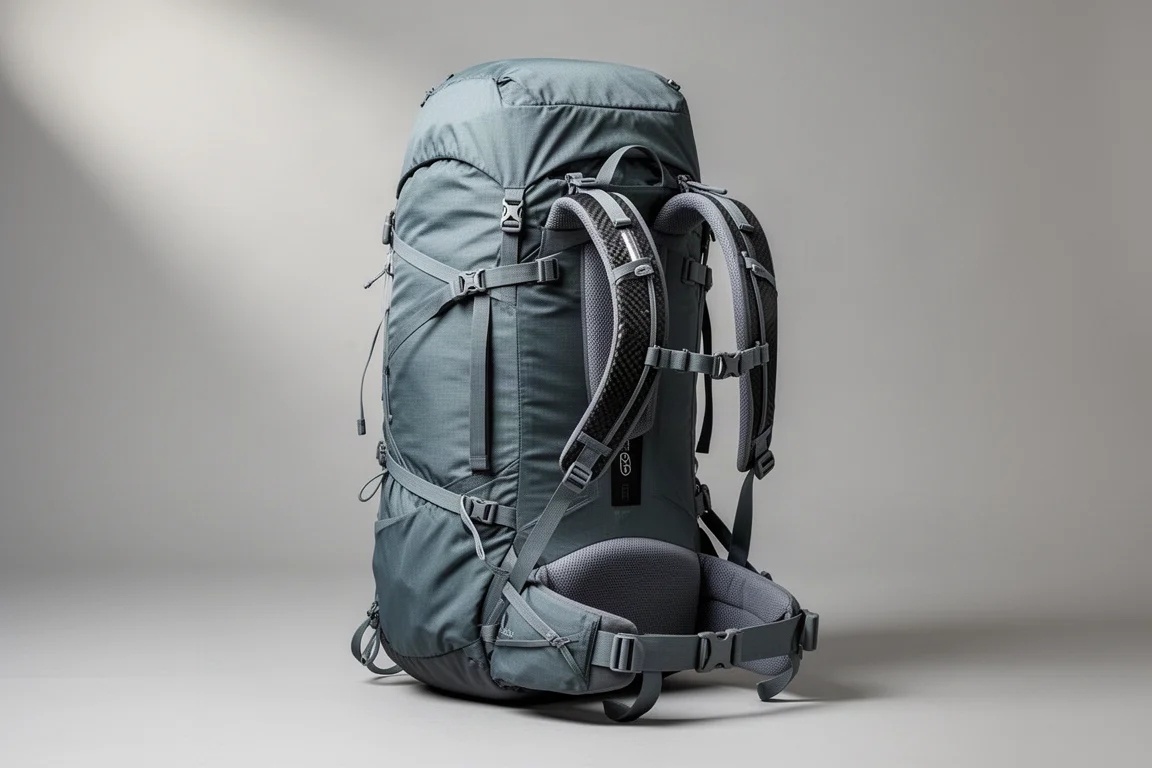
The OV CS40 backpack is a framed pack built around a curved carbon frame that runs 21 to 24 inches tall. The height matters: it lets the pack transfer load down to the hips rather than leaving it hanging on the shoulders. The curve is designed to give the pack a more comfortable connection with your back, and the carbon construction is intended to feel supple while still carrying weight well.
Frame weight is the interesting part. The frame itself weighs only two ounces, and the additional webbing that holds it in place may add another couple of ounces. That is a small penalty for the load-carrying benefit, which is why this style of pack suits hikers facing long water carries, more than three days of food between resupplies, or extra gear for fall, winter, and spring trips.
For hikers who carry a phone, a battery bank, and a few extras, the ability to lift that weight off the shoulders and onto the hips tends to pay off over a long day.
Best Frameless Option: Outer Vitals Skyline 30 Fast Pack
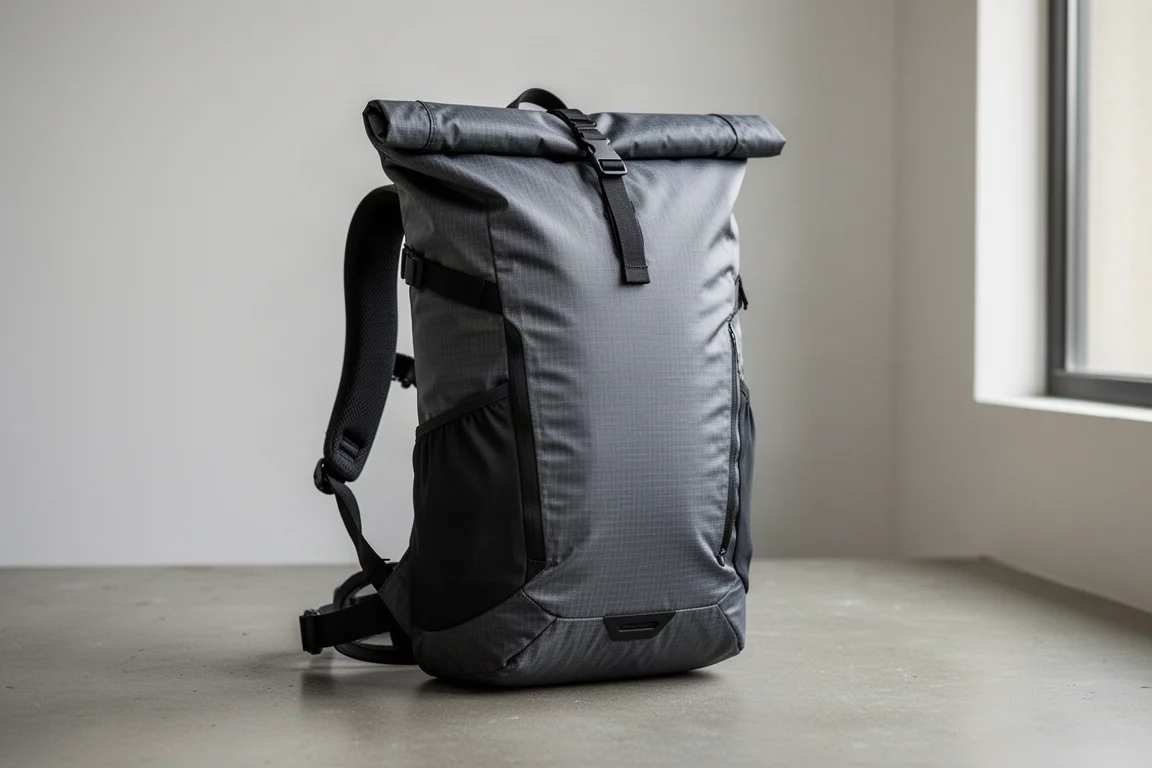
The Outer Vitals Skyline 30 Fast Pack sits on the other side of the argument. It is a frameless fast pack built for hikers who want to move quickly, and it can be hiked with or run with, including over ultramarathon distances. Pockets sit close at hand for items you want to reach without stopping.
Capacity is enough for roughly three days out with an ultralight setup, which lines up with the kind of trips where a frameless pack works best: short, fast, and light, with water and resupplies available along the way.

The trade-off is the same one that applies to any frameless pack. It rewards a genuinely low base weight and punishes a heavy load, so it is worth weighing a complete setup before committing.
Overall Buying Advice
The simplest way to choose is to start with the number that matters: what your pack actually weighs once water and food are added. If that total stays comfortably low, and your trips run two to three days with frequent resupply and plenty of water along the route, a frameless pack such as the Skyline 30 Fast Pack gives you mobility and a closer fit with less weight on your back.
If your trips involve longer water carries, more than three days of food, or extra gear for colder seasons, a framed pack such as the CS40 is the more comfortable choice. A frame that reaches above the shoulders, paired with a hip belt that can carry real weight, keeps the load on your hips instead of your shoulders. The roughly eight ounces you give up for a frame is a reasonable trade when the alternative is a heavy load pressing down all day.
Both styles are valuable in different situations, and the deciding factor is the load you actually carry rather than the one you plan to carry.
Conclusion
Framed and frameless ultralight packs are not competing philosophies so much as two answers to different questions. Frameless saves weight and moves with you when the load is genuinely light. A frame adds a little weight back and returns all-day comfort when the load is not. Match the pack to the trip and to your real total weight, and either approach can serve you well.
Further reading
Related Reviews
Ultralight Backpacking
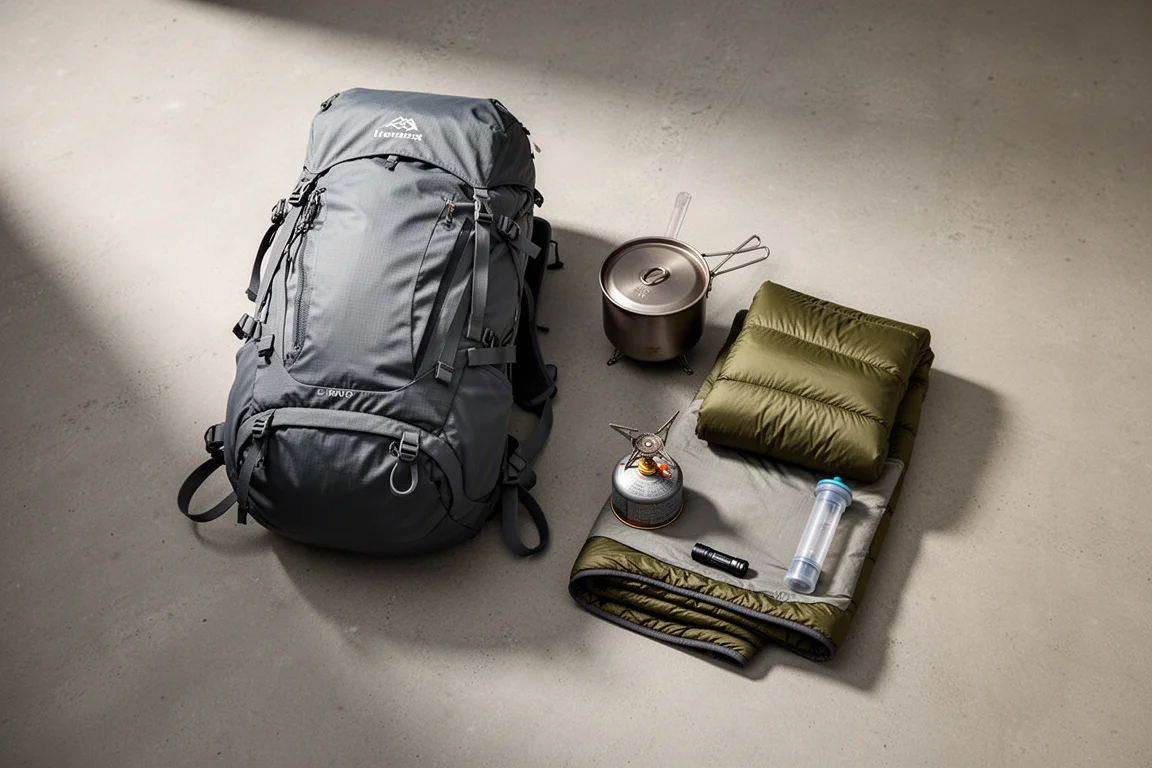
Ultralight Backpacking Gear List: Building an Eight-Pound Base Weight
A practical ultralight backpacking gear list covering pack, shelter, sleep, cook, and safety choices, with notes on what each item does well and where it makes trade-offs.
Ultralight Backpacking
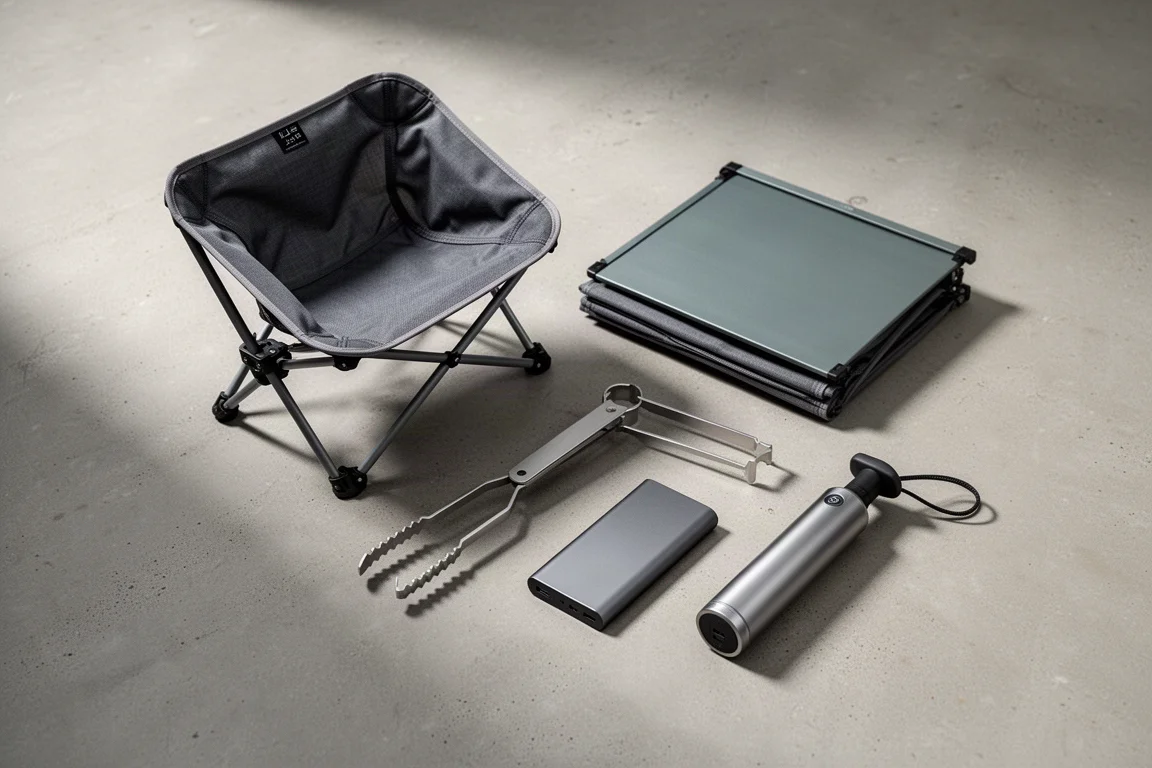
Best Ultralight Backpacking Gadgets 2026: Six Lightweight Upgrades Worth Knowing
Six ultralight backpacking gadgets, from a 488 g camp chair to a 4.5 g pot grabber, with practical notes on weight, usability, and price.
Ultralight Backpacking
Five Small Ultralight Brands and the Gear Worth Packing
A closer look at five cottage ultralight brands and seven pieces worth considering, from a 4 oz fleece layer to carbon fiber tent stakes you can barely feel.