Ultralight Backpacking
Ultralight Backpacking Gear: 16 Field-Tested Picks From a 5 lb Base Weight
A 5 lb base weight overnight kit in detail: the pack, shelter, sleep system, cook kit, shoes and water treatment that earned a place, plus the two experiments that did not.
Introduction
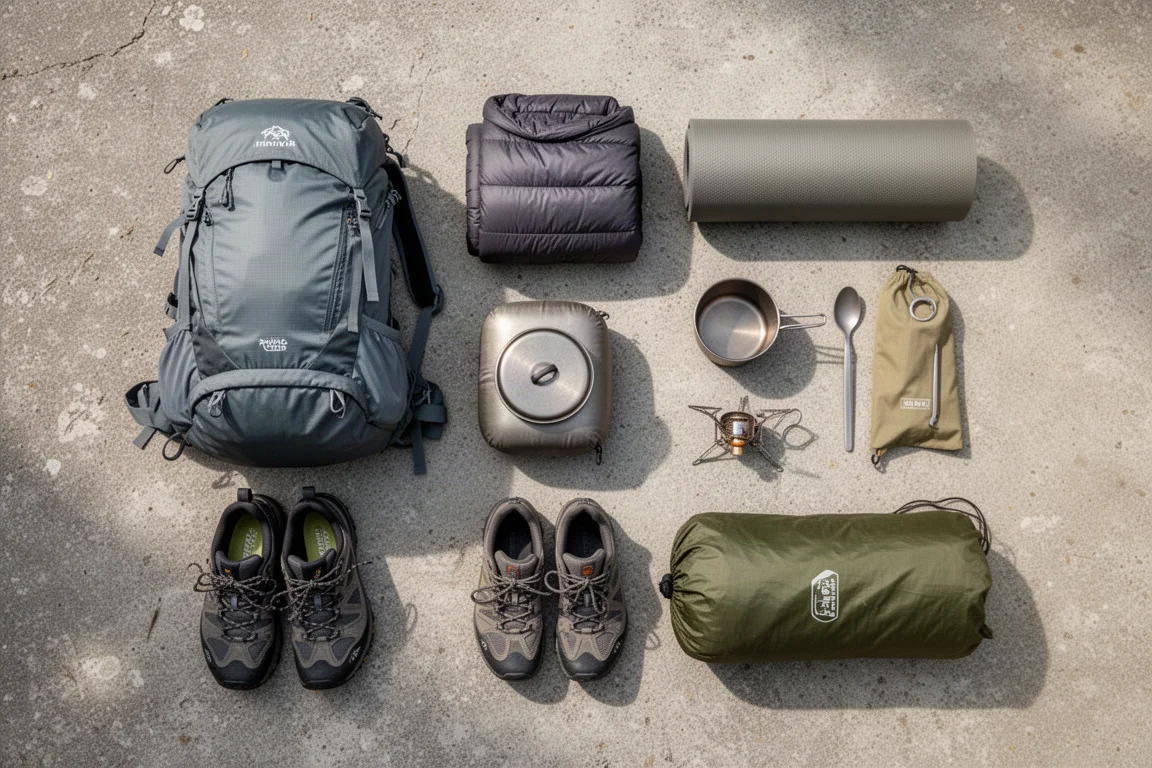
A 5 lb base weight is an abstract number until you carry it uphill. That was the premise behind this field test: an unsupported overnight trip with a total pack weight of roughly 9 lb including food and water, a 20 km target that had to be covered in four hours to reach camp before dark, an opening 500 m climb to gain a pass, a second pass and a valley crossing, and a finish on a mountain where the plan was to camp near the top.
The kit mixed long-standing ultralight staples with newer pieces. The route delivered its own stress test: heat on the climb, a two-hour stretch with no water source, an evening of rain and close thunder, heavy overnight condensation, and a low of about 10 C. Some items earned a permanent place in the pack. Two experiments did not.
What follows is the item-by-item breakdown: what each piece is, how it behaved in the field, and who it suits.
How This Kit Was Evaluated
Every item was judged on four things: weight, packed volume, how quickly it could be reached without stopping, and how it felt after a long day of step-ups. The trip supplied the rest of the assessment. Pace on the opening climb settled at around 3.6 km/h rather than the 4 km/h target, and the day finished near 12 to 13 km rather than 20 km, largely because of heat, repeated stops to hunt for water, and a water treatment delay that turned into dehydration.
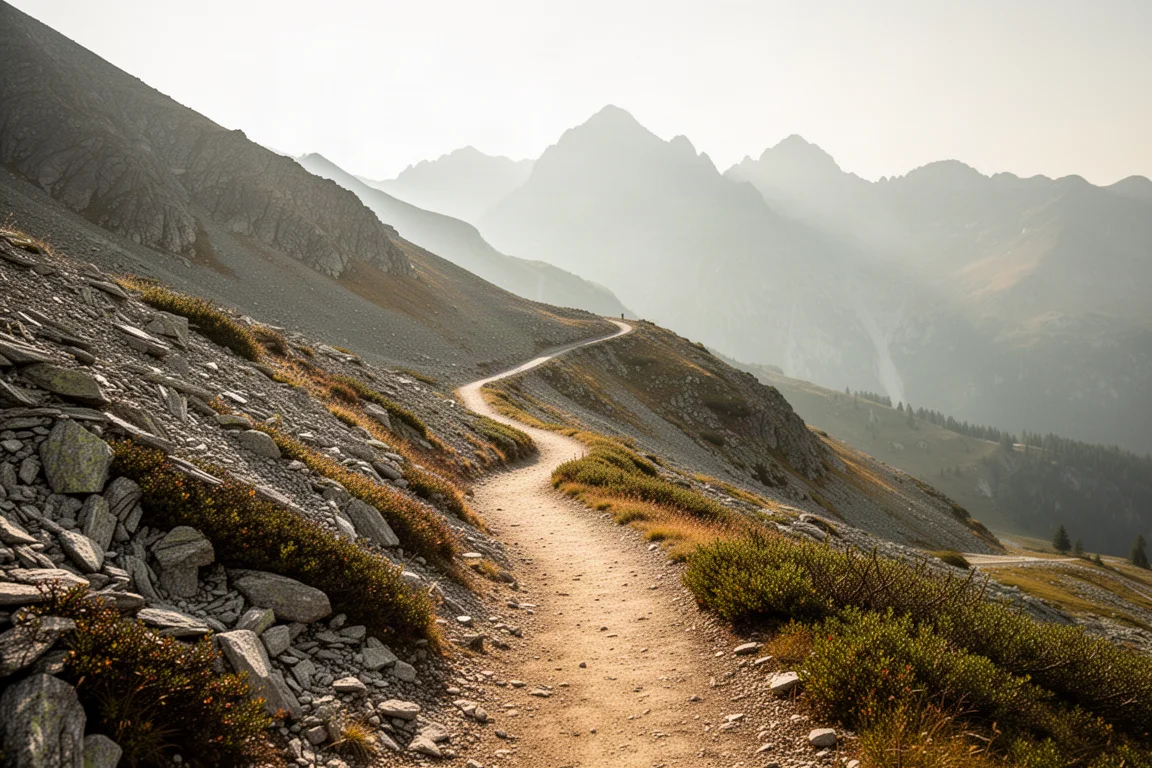
That outcome shapes the notes below. Gear that kept the body moving and the pack stable scored well. Gear that added friction, even when it saved grams, did not. Comfort at camp counted too, because a light kit only works if it lets you recover overnight.
Durston Wapta 30: The Pack
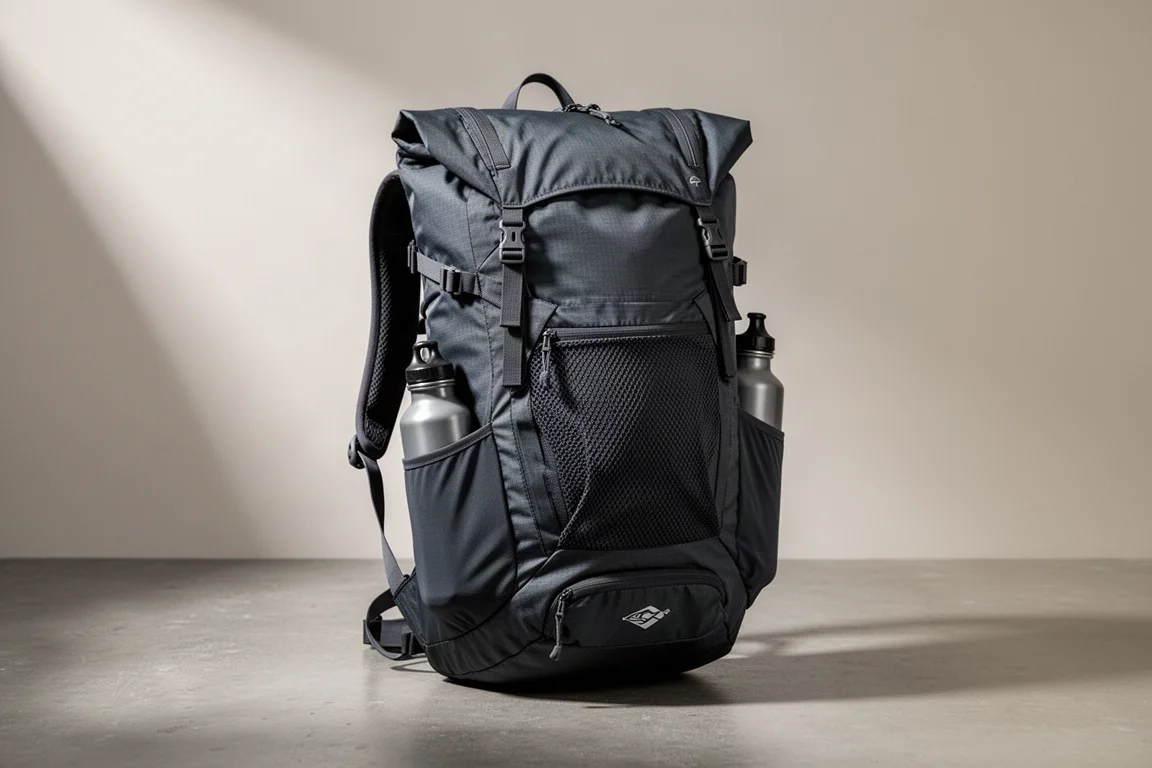
The Durston Wapta 30 was the most useful single item on the trip. It weighs 380 g without the hip belt, holds a sensible volume for multi-day loads, and puts gear exactly where it can be reached while walking: water bottle pockets that are easy to grab, a bottom pocket, and two shoulder strap pockets. The practical result is that you barely ever have to stop.
It also carries weight better than its own mass suggests. Comfort holds up well without the hip belt, though loads above roughly 25 lb start to feel uncomfortable, with about 30 lb as the ceiling. On longer trips with heavy food carries, the hip belt is worth the extra grams. Capacity is the other strength: the pack has handled four-day trips with a non-ultralight loadout, and with a genuinely light kit it could plausibly stretch to seven to ten days.
Zpacks Plex Solo: The Shelter
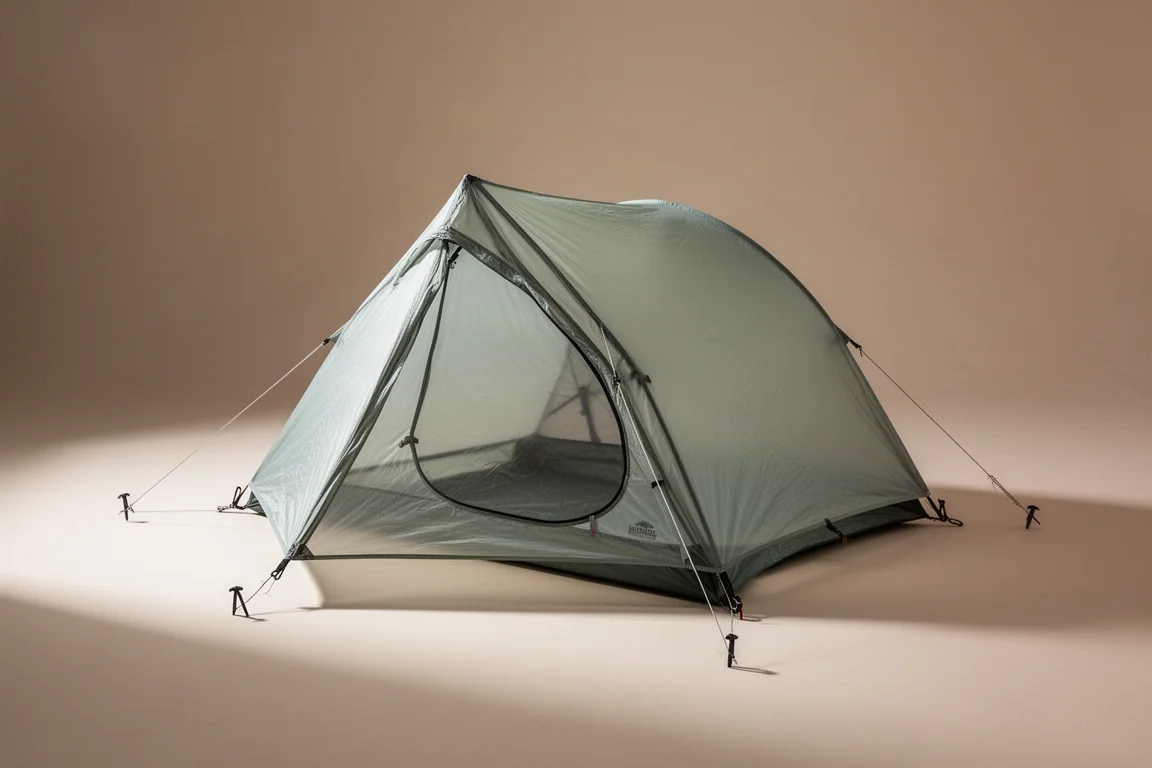
A fully enclosed shelter at a 5 lb base weight is the piece that sounds least likely, and the Plex Solo delivers it. It pitches from a single trekking pole, goes up quickly, and stayed dry through an evening of rain and thunder followed by heavy condensation. Interior space is generous for the weight. The pitch was anchored with 2 g solid carbon fibre stakes capped in 3D printed plastic, four of them at secondary guy-out points, and they held through the wind.
Condensation management matters as much as the fabric itself. Wiping the fly on the outside and the interior with a cloth before packing removes water weight that would otherwise be carried all day, and that can add up to hundreds of grams.
The trade-offs are size and long-term livability. Larger hikers may find the interior tight, and anyone on a three or four month thru-hike may want more room to live in. For trips of a handful of days, or even a month, the simplicity of one pole and the weight savings are hard to argue with.
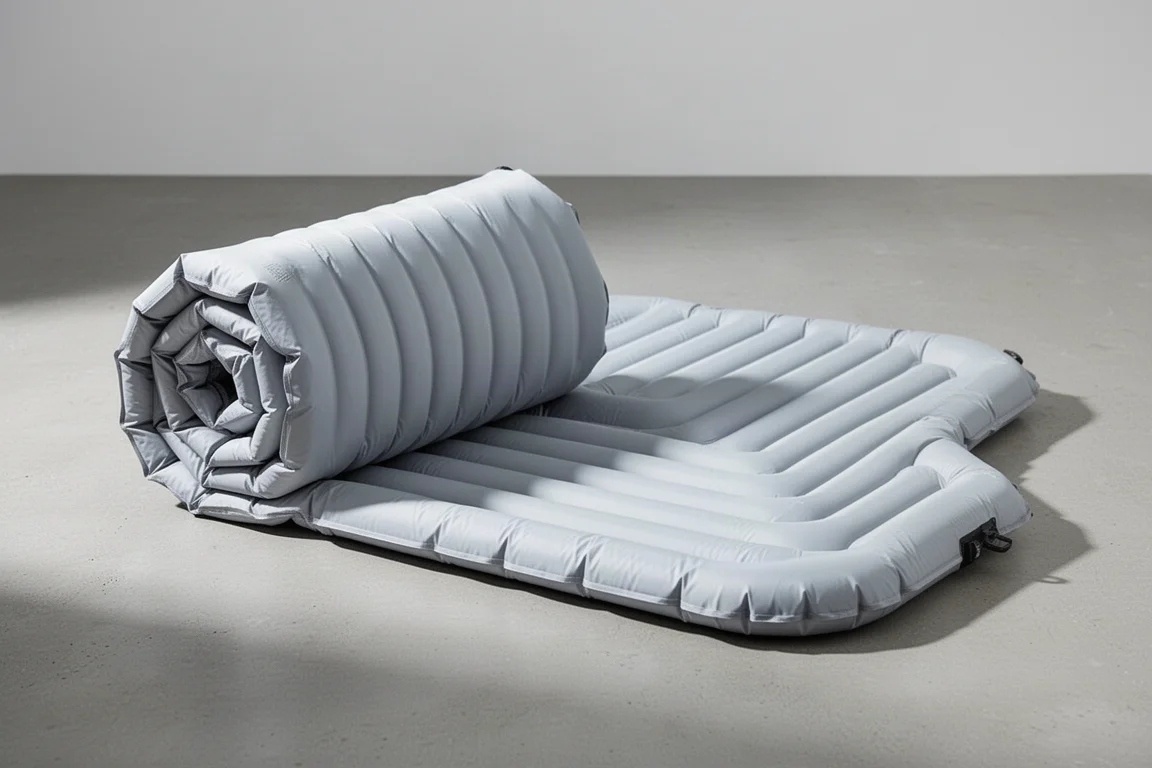
Nemo Tensor Elite: The Sleeping Pad
The Tensor Elite is the lightest sleeping pad on the market. The regular size weighs 250 g, and the regular wide used here weighs 301 g. The extra width is not a cosmetic upgrade. Side sleepers occupy far more of a pad’s width, and the wider version removes the sensation of sliding toward the edge when changing position.
Comfort is where it impressed most. The top fabric has a slight stretch, and running the pad partially deflated produced genuine pressure relief: no numb arms, and no pressure points at the shoulder or hip. Packed size is excellent.
Two limits are worth knowing before buying. Warmth is modest, good to just above freezing, which makes this a summer pad in most regions; in the Canadian Rockies, where summer nights can fall to freezing or below, that is not enough. The 10 denier shell fabric is also thin, so clearing the ground of sharp objects before pitching is essential.
Sea to Summit Aeros Ultralight: The Pillow
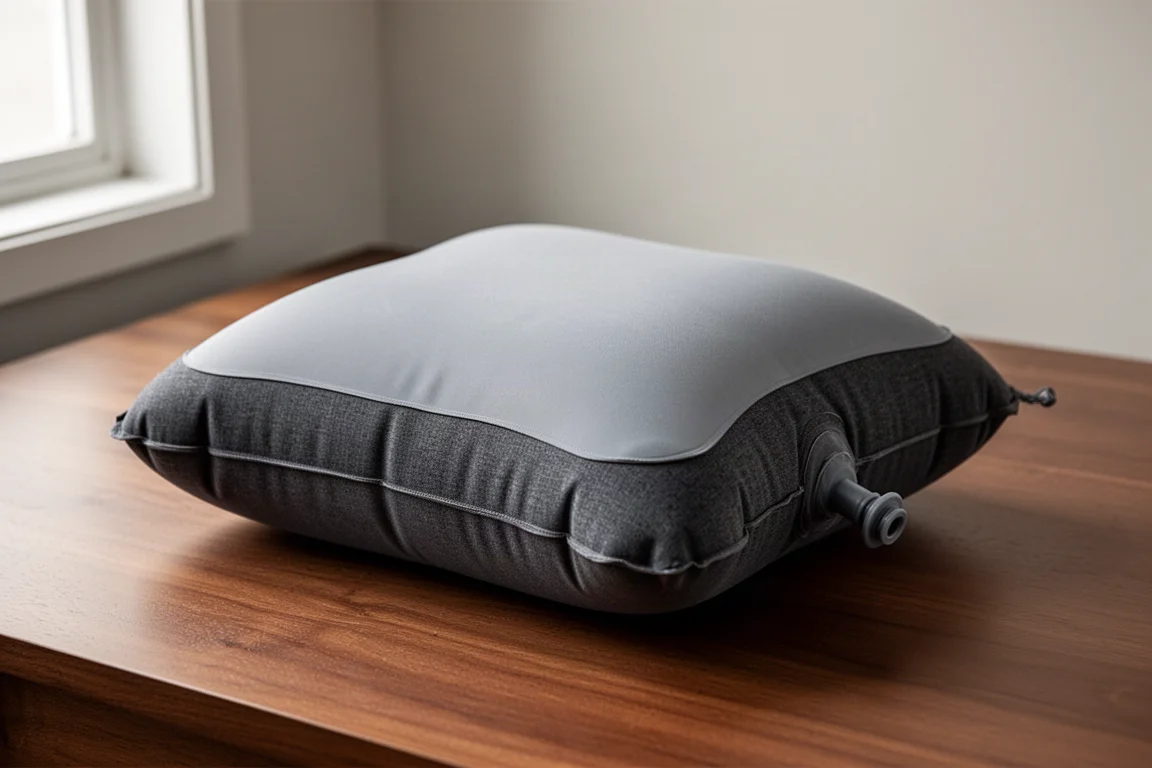
The Aeros Ultralight weighs 50 g and is a new addition for 2026. First impressions while inflating were mixed: fully inflated it felt firm, and with some air released it felt a little balloon-like. Overnight, that middle ground turned out to be comfortable, which was better than expected.
Three details explain it. The pillow has real height, so a side sleeper’s head is not cranked at an angle. The baffling is consistent across the whole surface, so shifting position does not wake you. And the soft top fabric gives enough pressure relief without ever feeling overly firm.
The Pillow Lock system is the standout feature. Velcro strips attach to the sleeping pad, and the soft back of the pillow grips them. Using only two of the four strips, the pillow did not move at all, even through aggressive position changes. It also removes the need for a pad strap, saves a few grams, and lets the pillow sit closer to the head end of the pad, which frees up usable length.
Big Sky Ultralight Pillow: The Alternative
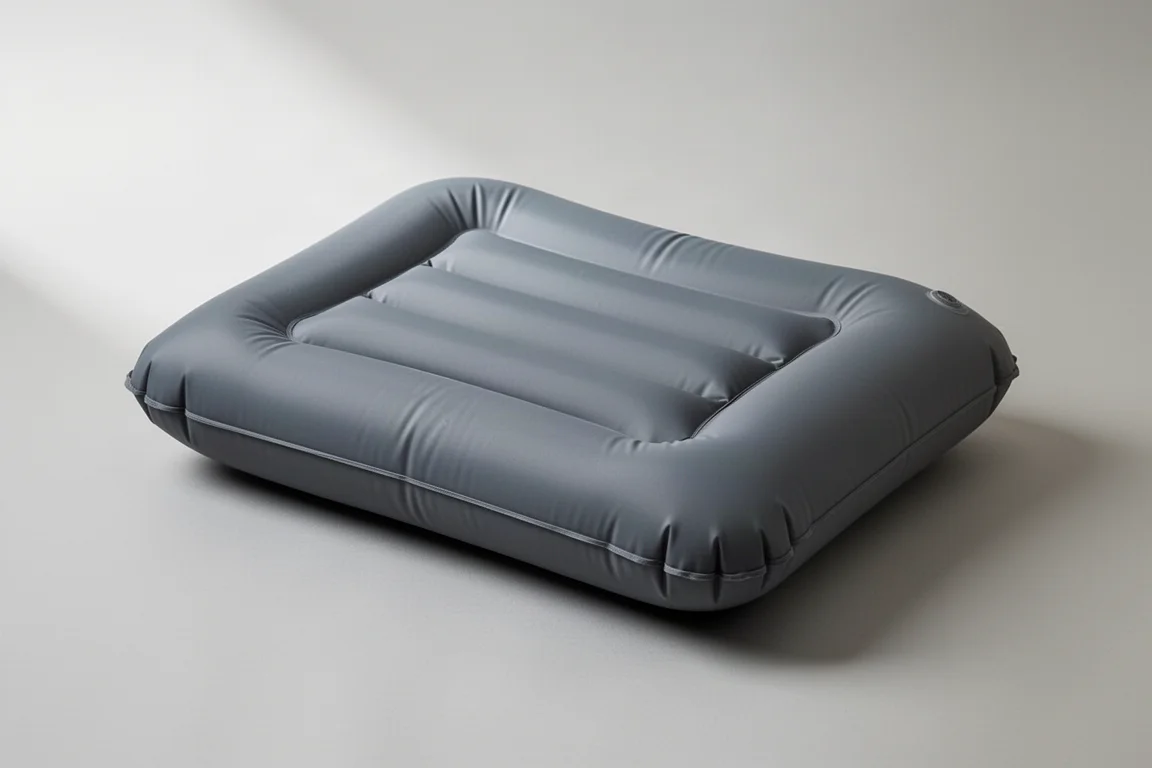
The Big Sky Ultralight is the established comparison point for pillows at this weight. It is supportive and comfortable, and it remains a legitimate option, but two differences stand out in use.
The first is surface feel. The Big Sky has a firmer, more balloon-like top, where the Aeros uses a soft material that is kinder on the head. The second is the valve: the Sea to Summit valve is easier to operate. The Big Sky also has a lower spot in the middle with taller baffles at each side, while the Aeros is more consistent across its surface.
Comfort between the two is close enough that the decision comes down to priorities rather than a clear winner. Anyone who dislikes pad straps will lean toward the Aeros and its Pillow Lock system. Anyone already happy with a Big Sky and a strap has little reason to change without a direct side-by-side comparison.
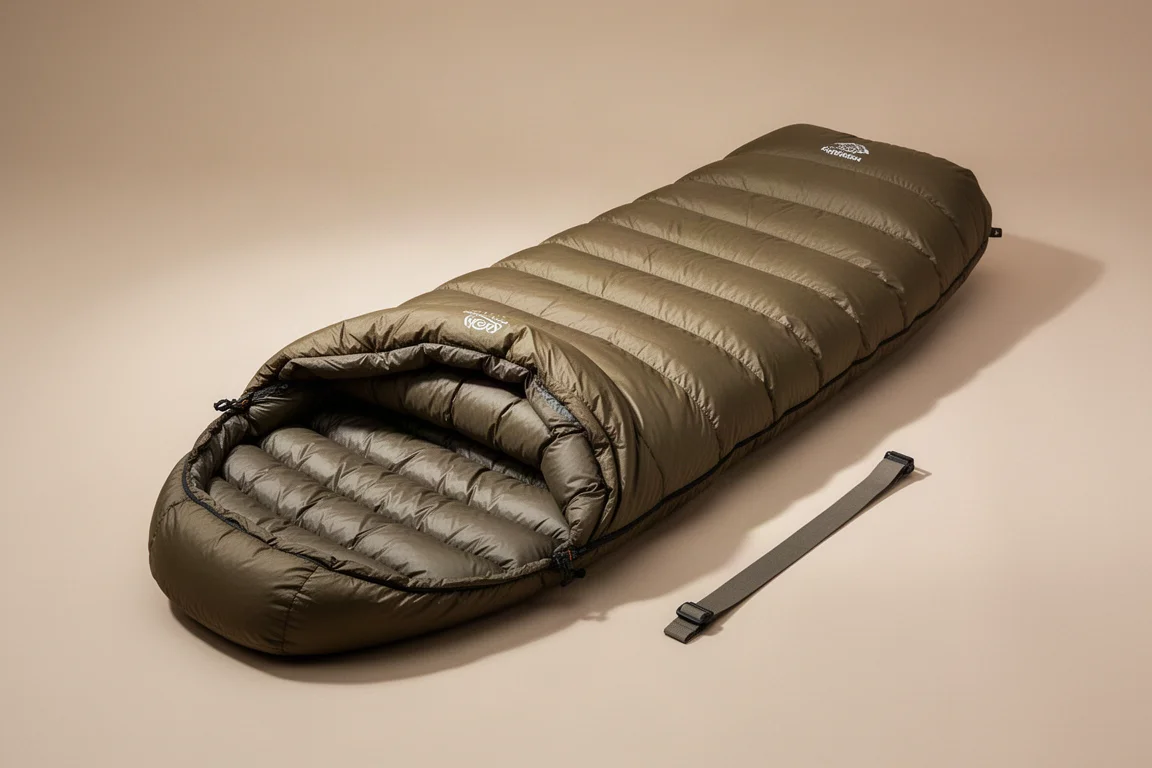
Zpacks Solo Quilt: The Quilt
The Zpacks Solo Quilt is a long-standing ultralight choice, and it has earned that status. This is the 30 degree version, and it sleeps warm. The minimalist pad strap is about as simple as an attachment system gets, and it has proven effective in practice: no drafts, even through a wet and windy night.
The appeal is straightforward. It behaves like a large bag of down while weighing very little, which is exactly what a quilt needs to do in a kit this light. Paired with a pad and a pillow that were both being tested for the first time, it was the stable, predictable part of the sleep system.
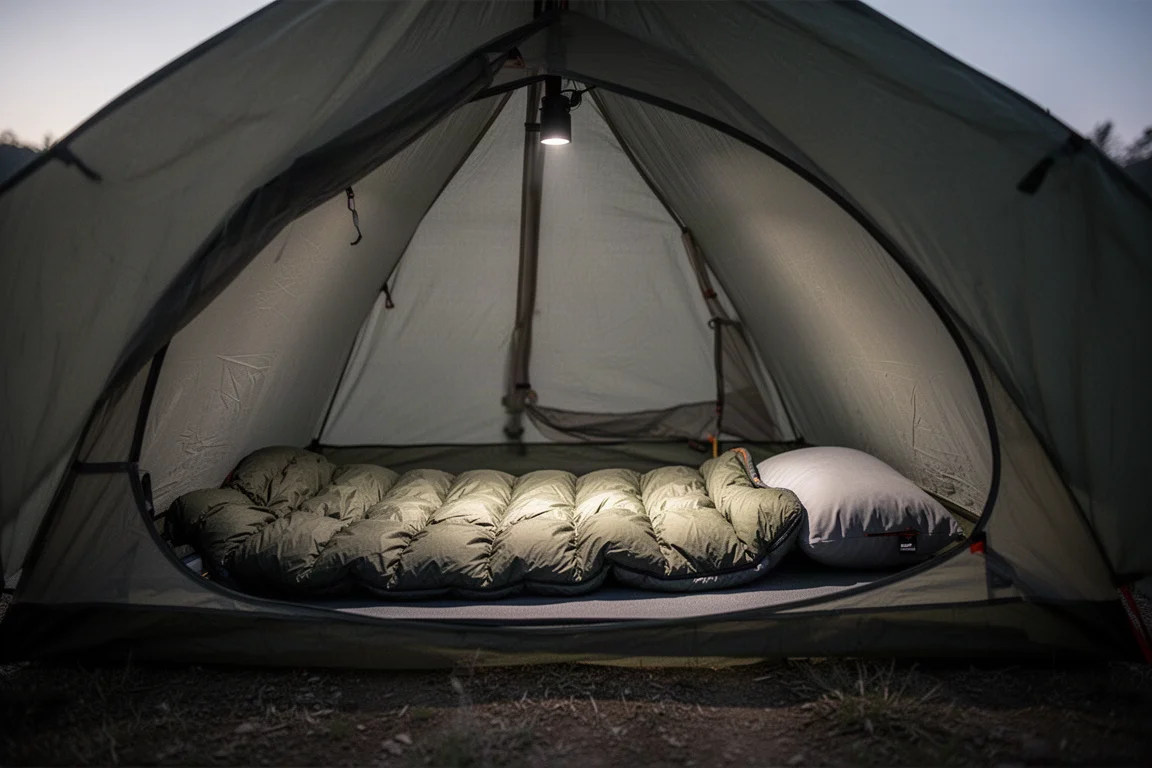
That reliability matters on a trip where everything else is new. A quilt that holds its loft, stays put and does not leak warmth lets you evaluate the rest of the system honestly instead of fighting the whole setup at once.
Toaks 550 ml Pot: The Cookware Base
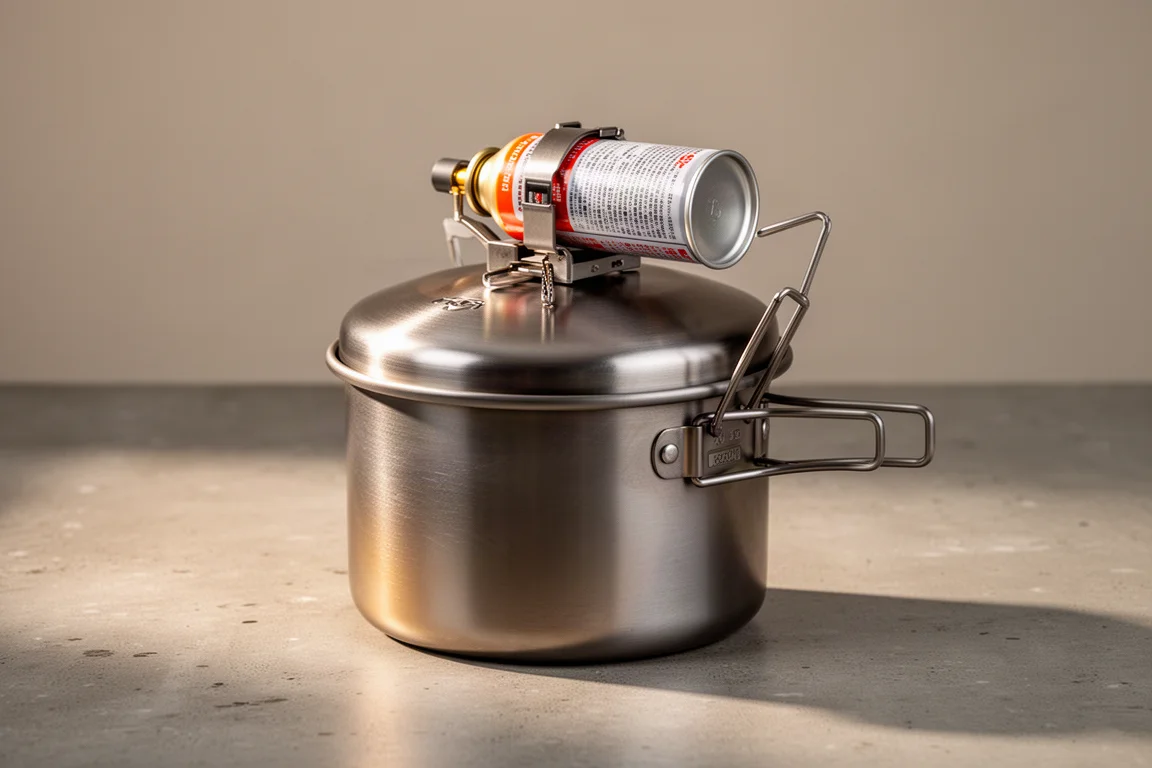
The Toaks 550 ml pot is a familiar foundation for ultralight cook kits. It has no handles, which saves weight, and it carries a temperature sticker that encourages restraint with fuel.
The sticker reflects a practical habit. Treated water only needs to reach around 70 C to rehydrate a meal, so there is no reason to burn fuel driving it to a rolling boil. Over a season of trips, that restraint shows up in how many canisters you buy.
Volume is the other consideration. A meal that needs only 325 ml leaves a lot of headroom in this pot, so a 750 ml pot now makes sense mainly for boiling water for two people, or for anyone who wants a hot drink alongside dinner.
Pico Lid v2: The Pot Lid
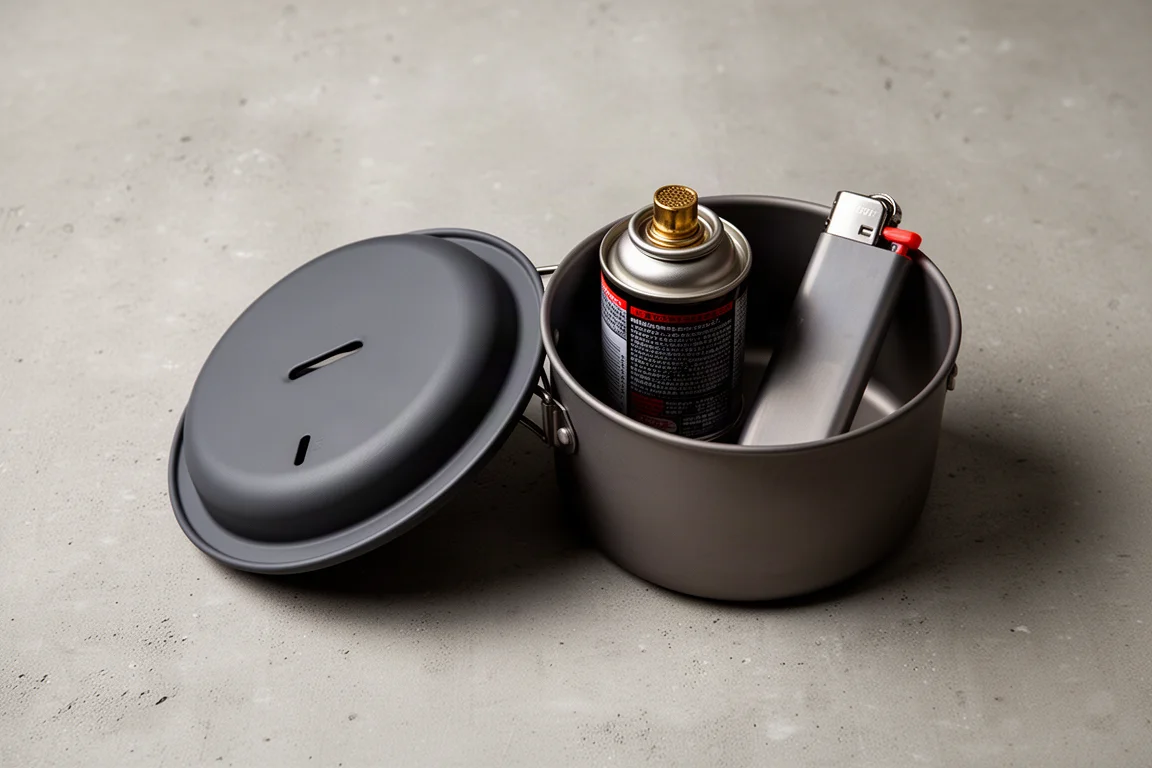
The Pico Lid version 2 is a prototype at the time of testing, with wider availability expected to follow. The changes are small but genuinely useful: it weighs just over 20 g rather than just under 30 g, the labelling is clearer, and it is easier to seat and remove while still holding a fuel canister and a lighter securely.
The lighter fits inside and pushes out more easily than with the previous design. That is the kind of detail that matters when you are cooking in a vestibule in bad weather with cold hands and limited patience.
BRS-3000: The Stove
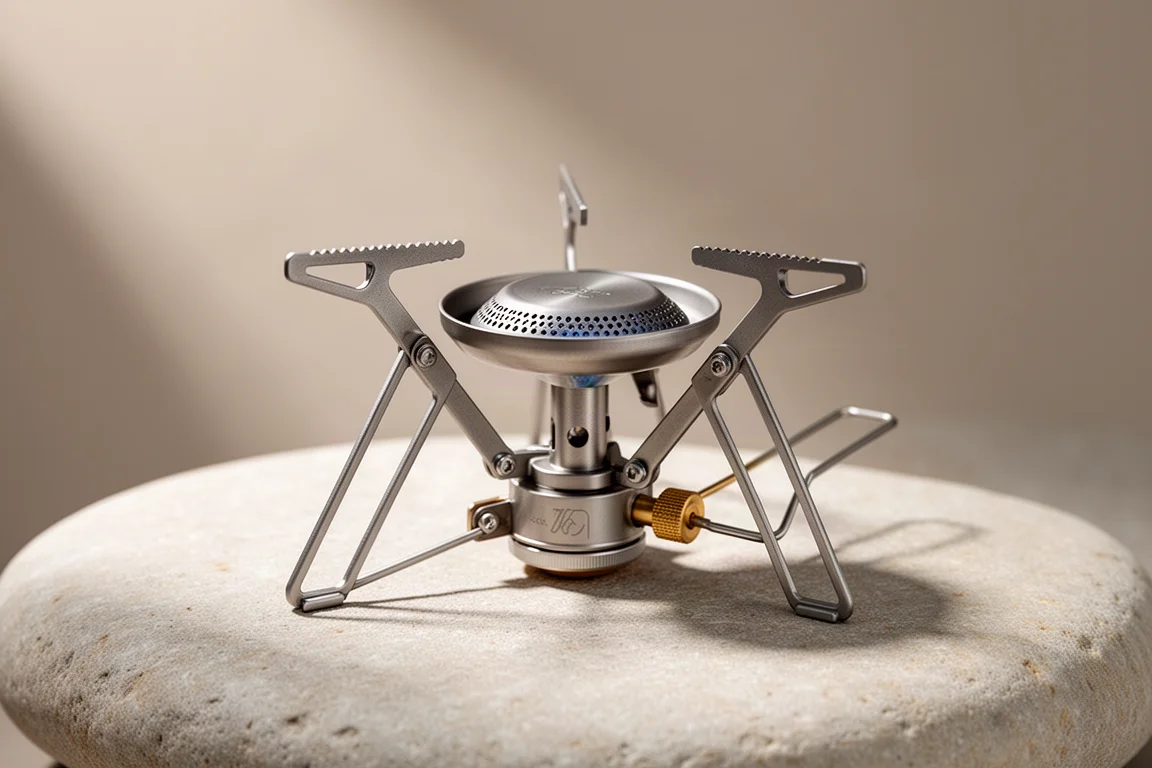
The BRS-3000 is the definition of a known quantity. This particular unit has been in service for five years, has covered roughly 100 nights of trips at minimum, and completed a 36 day thru-hike. It still works.
That record is the argument for it. It is tiny, light and inexpensive enough to treat as a consumable, yet it keeps going. In a kit where every gram is negotiated and every piece is scrutinised, a stove that has already proven itself across years of use is very hard to replace with something newer.
Ignis Gear Pot Grabber: The Tool
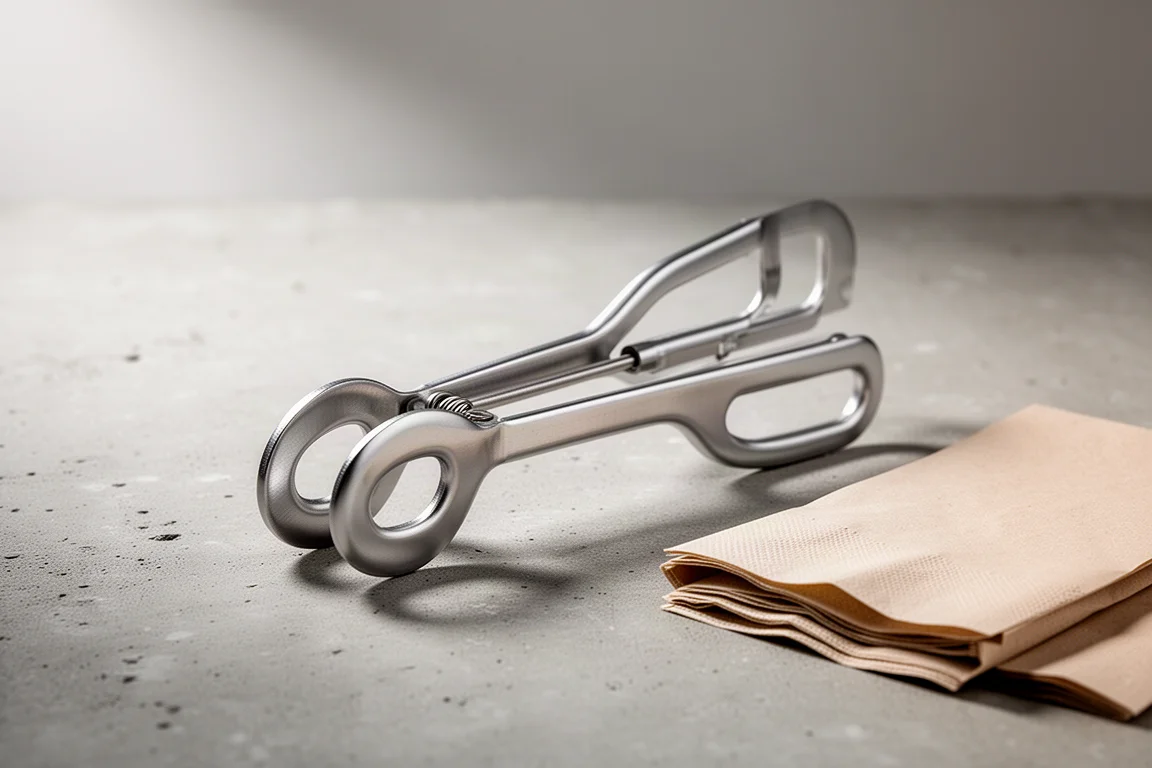
With no handles on the pot, a grabber is mandatory rather than optional. The Ignis Gear Pot Grabber is expensive for what looks like a simple tool, but the engineering explains the price: a spring made from space-grade materials gives it a pop-back action, and the grip has dedicated slots for a thumb and two fingers.
The result is a stable hold when pouring, better ergonomics than most ultralight grabbers, and a weight of just 4.5 g. For anyone who always cooks with a grabber and wants one that will outlast the rest of the kit, this is the piece to look at.
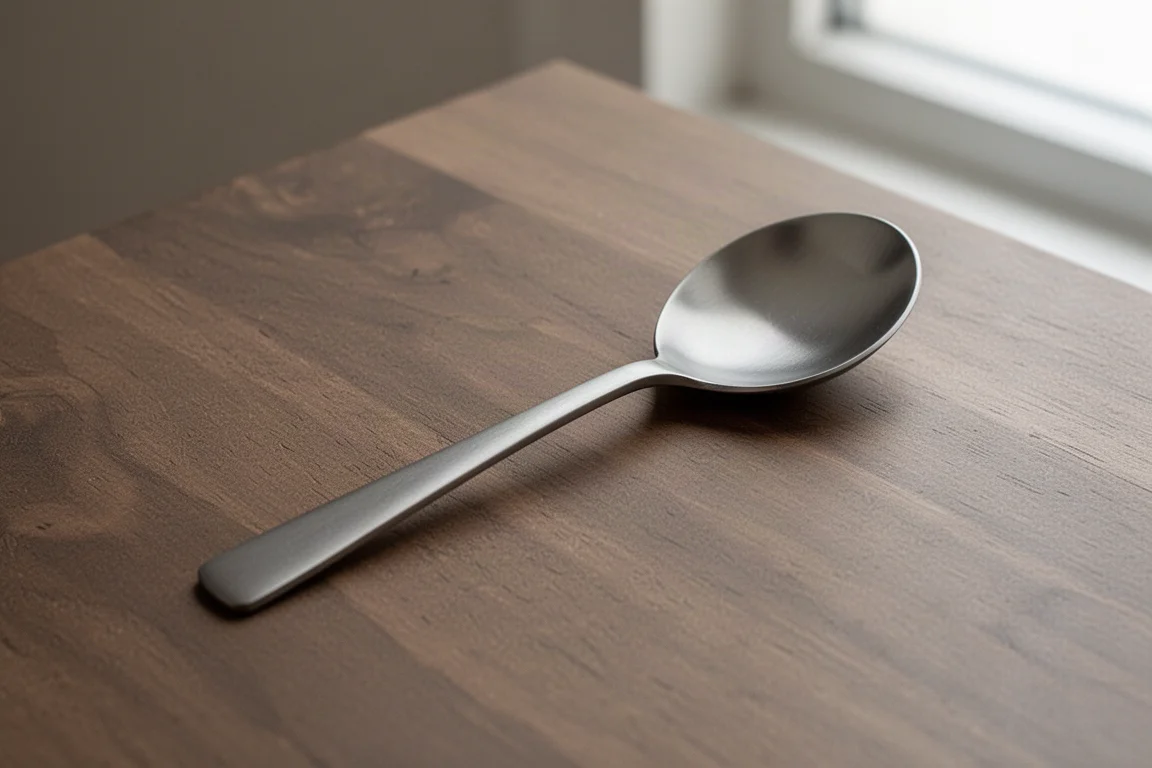
Sea to Summit Frontier Ultralight Spoon: The Utensil
A spoon is a small place to save weight, but in a super ultralight kit every gram is counted. The Sea to Summit Frontier Ultralight spoon weighs 11 g, against more than 15 g for the longer handled titanium options, and it was the utensil that went into the pack for this trip.
Length is the trade-off, and it depends on the meal. A long handle helps with deep, narrow freeze-dried pouches. With a shallow rehydrated meal eaten straight from a 550 ml pot, the standard length is more than enough, which makes this the spoon to bring when weight is the deciding factor.
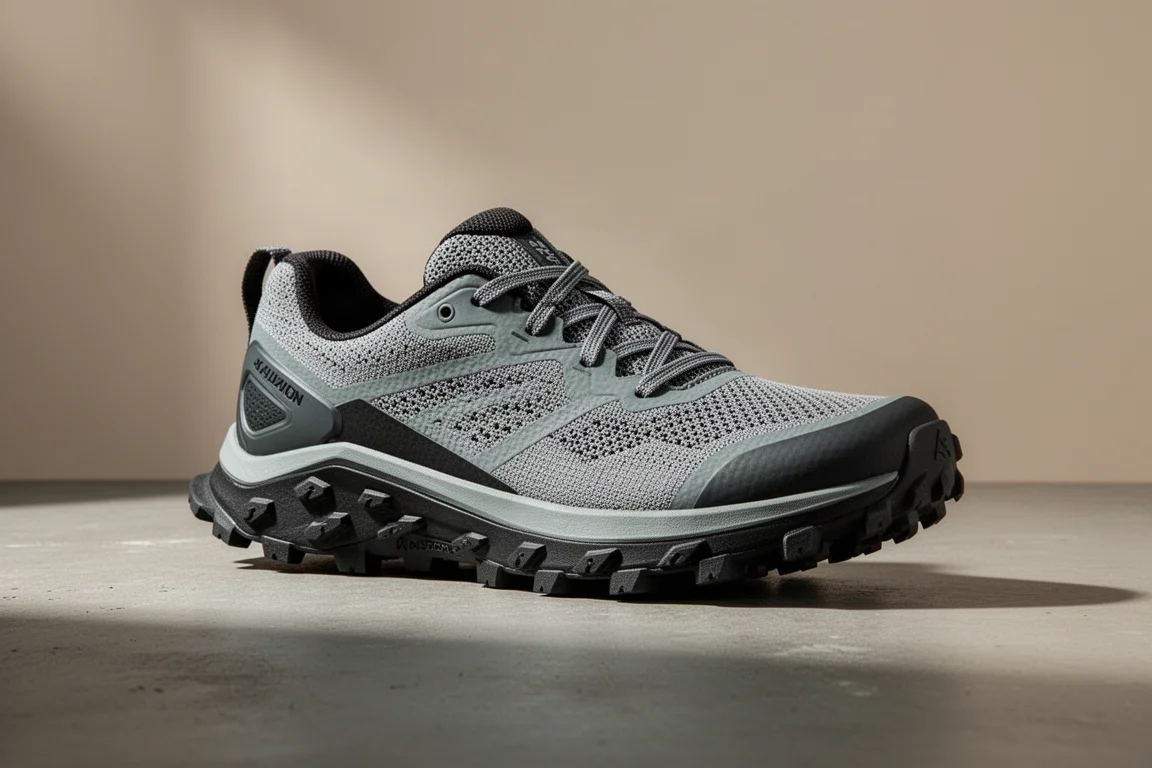
Norda 001: The Trail Shoes
Rocky, uneven ground is where a trail shoe either works or does not, and the Norda 001 held up across three trips, with this one the hardest test. The fit suits a slightly wider forefoot while the heel locks in firmly, a combination that is difficult to find. The grip is the headline: Vibram Megagrip runs along the entire sole, and it made a clear difference on loose rock and constant step-ups.
The shoe stays light even with that full rubber coverage, and the midsole is designed to rebound and keep the foot cushioned. After a full day of hopping between rocks, there was no foot pain at all. The next test is a longer day of 20 to 30 km to see how the feet feel after sustained distance, which is the kind of mileage the upcoming trips will demand.
Garmin inReach: The Satellite Communicator
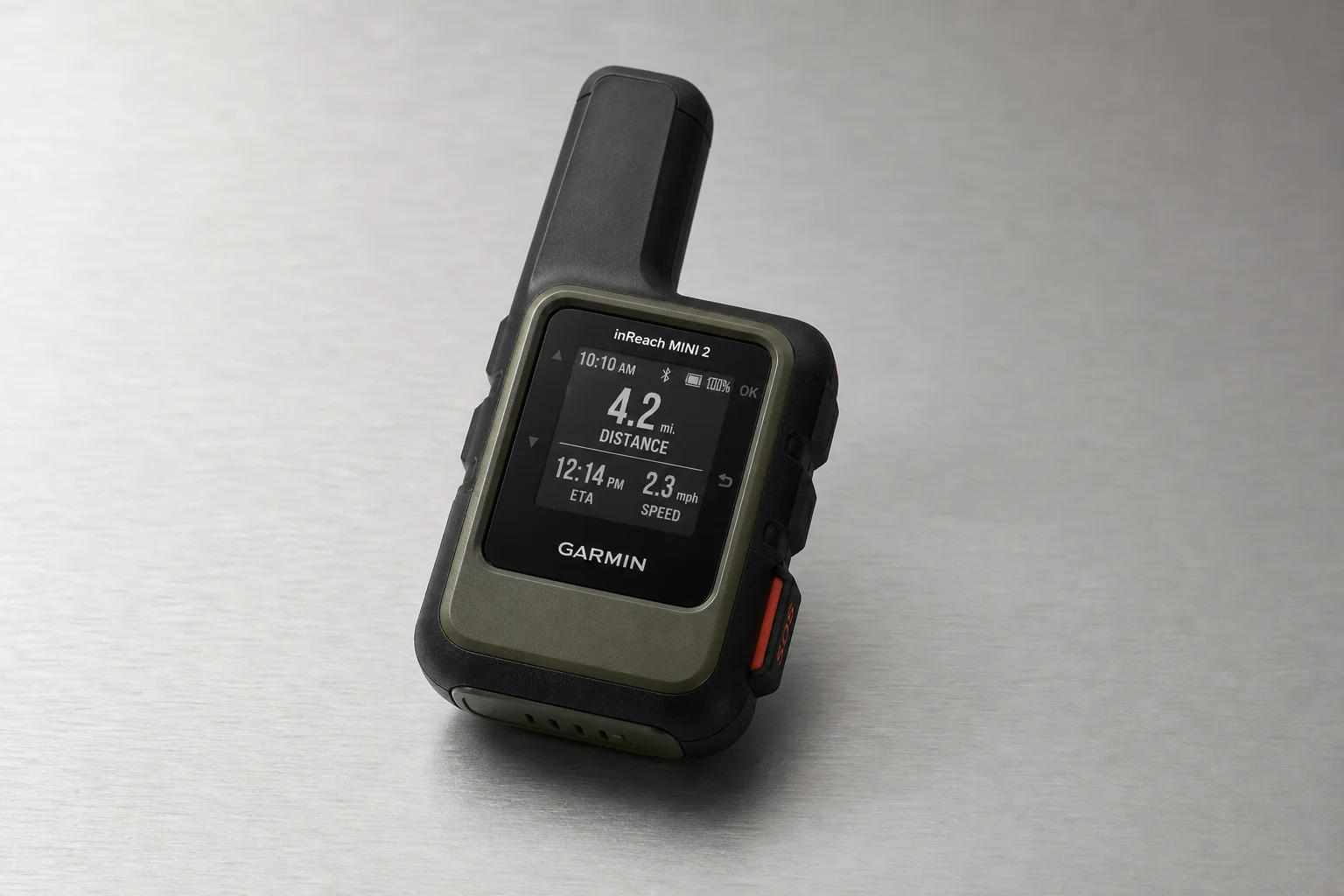
The inReach weighs about 120 g and was deliberately left at home for this trip, on the theory that a phone could cover both messaging and emergency signalling. The device itself remains the reference point for reliability: it connects to satellites more readily than a phone, particularly under tree cover or in canyon terrain, and it covers messaging, photo sharing and a dedicated SOS button.
The feature that is easiest to underestimate is photo messaging. Being able to send and receive a handful of pictures through the day is a meaningful part of what makes multi-day trips workable for people with families at home. In an ultralight kit, 120 g is a real cost, but it buys a level of connection and confidence that is difficult to replace.
Google Pixel 10 Pro: The Phone Experiment
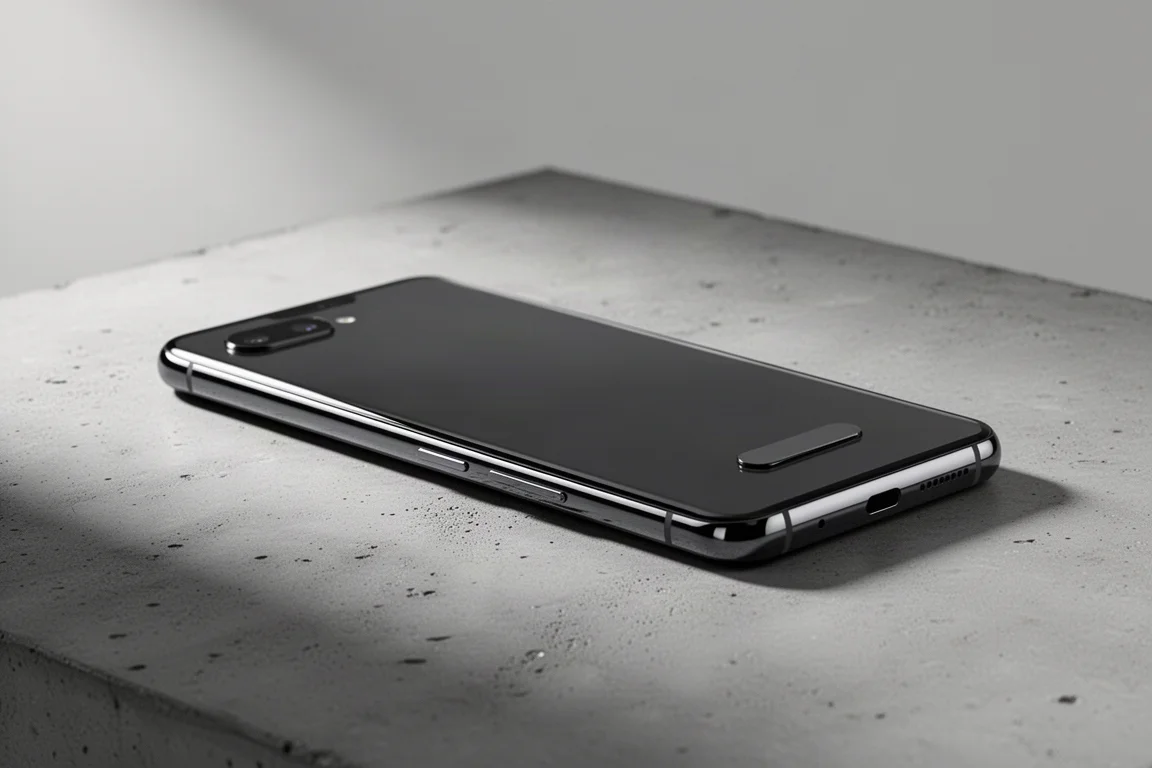
The Pixel 10 Pro was carried as a replacement for the inReach, with a satellite data plan intended to cover text messages, picture messages and mapping apps. In practice, messaging did not work at all on this route, and the reliability of the SOS function remains an open question. A successful SOS test did connect to a satellite, but the messaging failure left genuine doubt about depending on a phone for backcountry communication.
The earlier comparison still stands: the inReach connected more reliably than a phone, especially in covered or enclosed terrain. On open ridges and passes, a phone may well perform better than it did here. Until that is demonstrated consistently, a phone alone is not a substitute for a dedicated satellite communicator on a long thru-hike.
Aquatabs: The Water Treatment Experiment
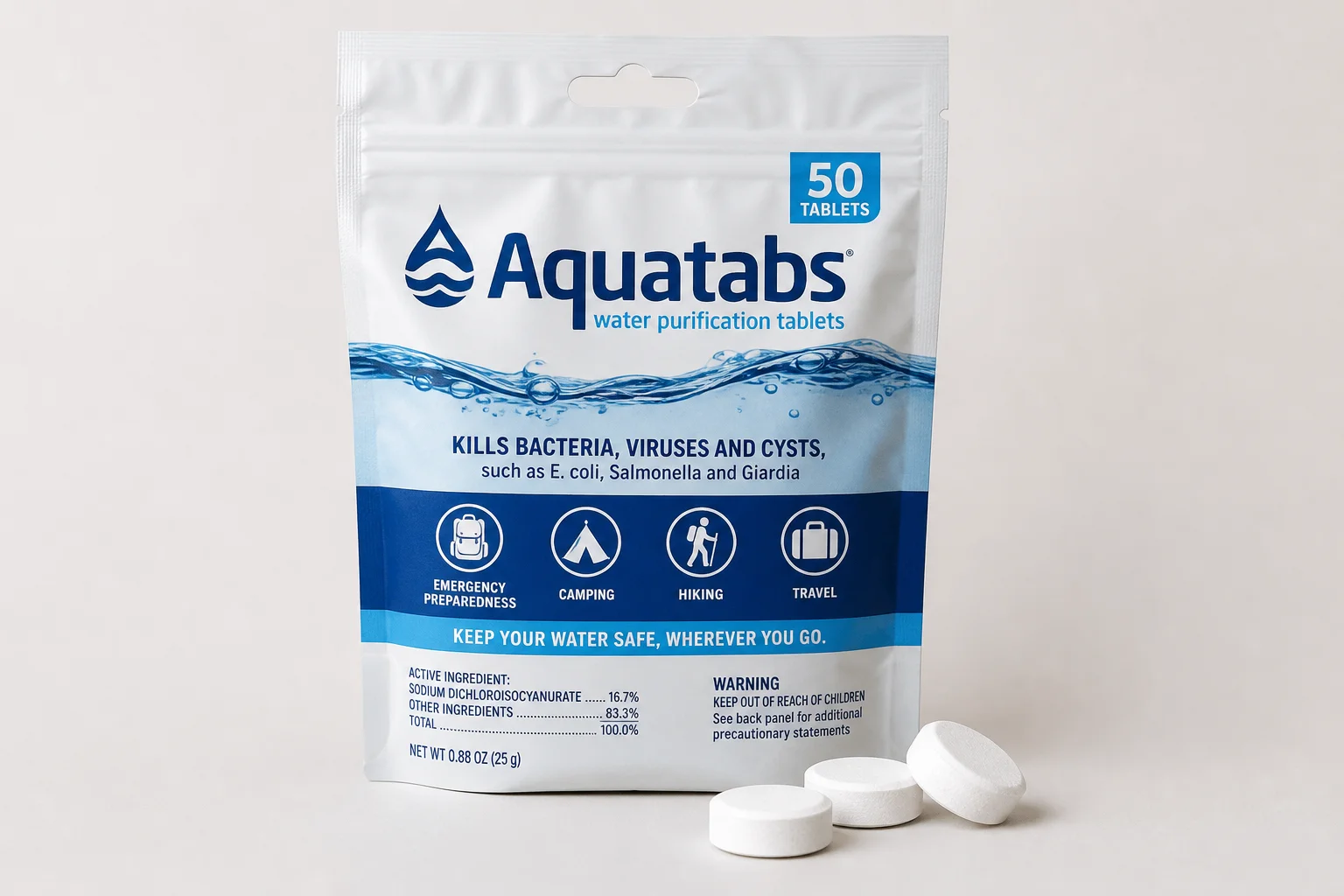
Aquatabs were used instead of a filter to save about an ounce. The routine is simple: one tablet per litre, dropped into the bottle or bladder, shaken, then left for about 30 minutes before drinking. A 3 litre bladder needs three tablets, so the count scales with volume.
The problems are structural rather than mechanical. Treatment time means you cannot drink at the source, and on a hot day with a long gap between water sources, that delay is punishing. Consumption also scales badly: at six to eight litres a day, the tablet routine becomes tedious, which limits the approach to shorter trips of two or three days.
Platypus QuickDraw: The Filter Alternative
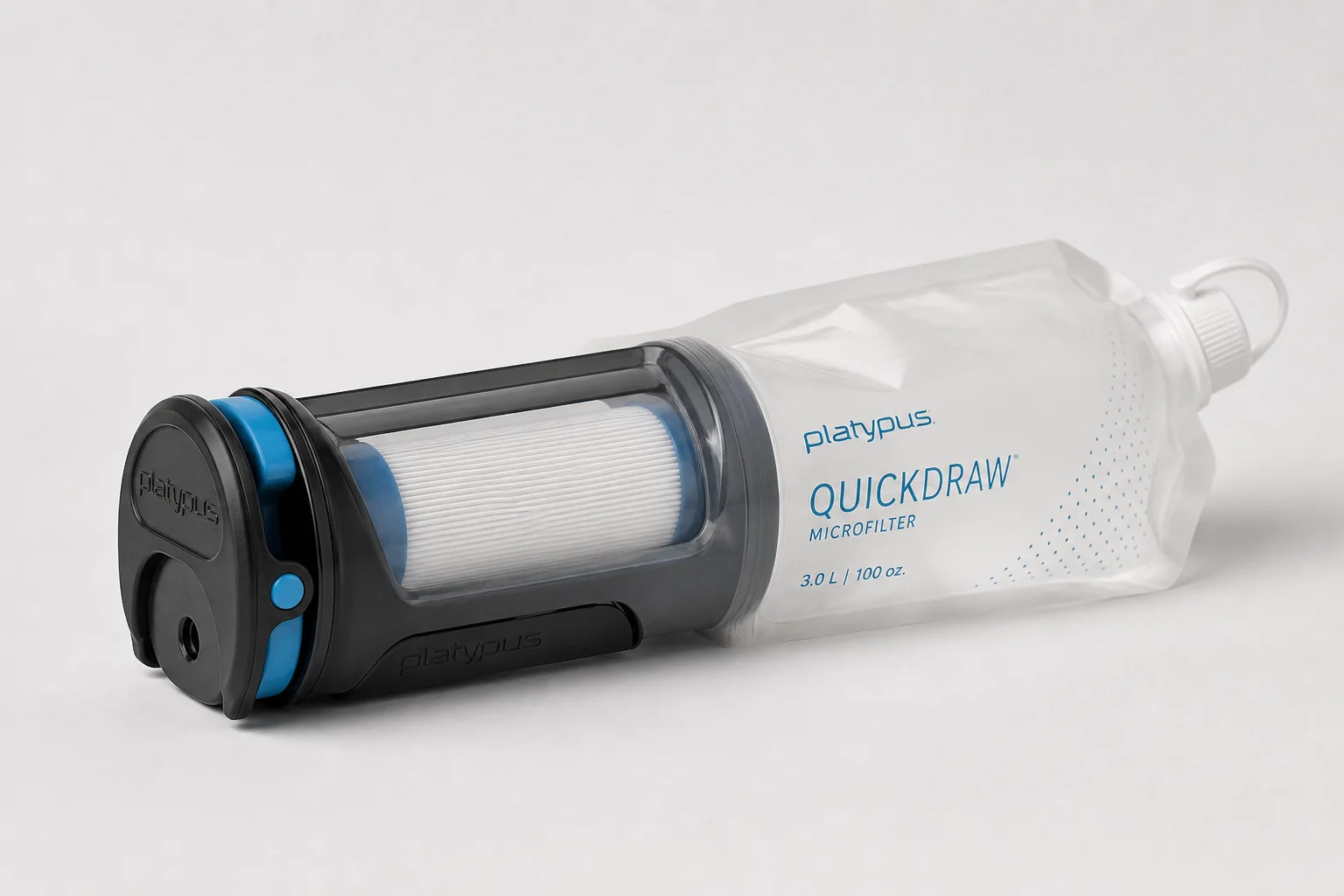
The QuickDraw is the item that should have been in the pack. At 75 g it works with the bladder already being carried, and it allows water to be drunk immediately at the source rather than 30 minutes later.
That immediacy is the entire argument. Good water management saves both weight and energy, and the reverse is equally true: a delayed drink turned a manageable day into a dehydrated one. For anything beyond a short trip, a filter is the more practical choice, and the small weight penalty is easy to justify against the cost of waiting.
Overall Buying Advice
Build the kit around the items that remove friction rather than the ones that save the most grams on paper. A pack with accessible pockets keeps you moving without stopping. A shelter that pitches fast and wipes dry protects you without carrying water weight all day. A pad and a pillow that let you sleep are worth their grams, because recovery is what makes the next day possible.
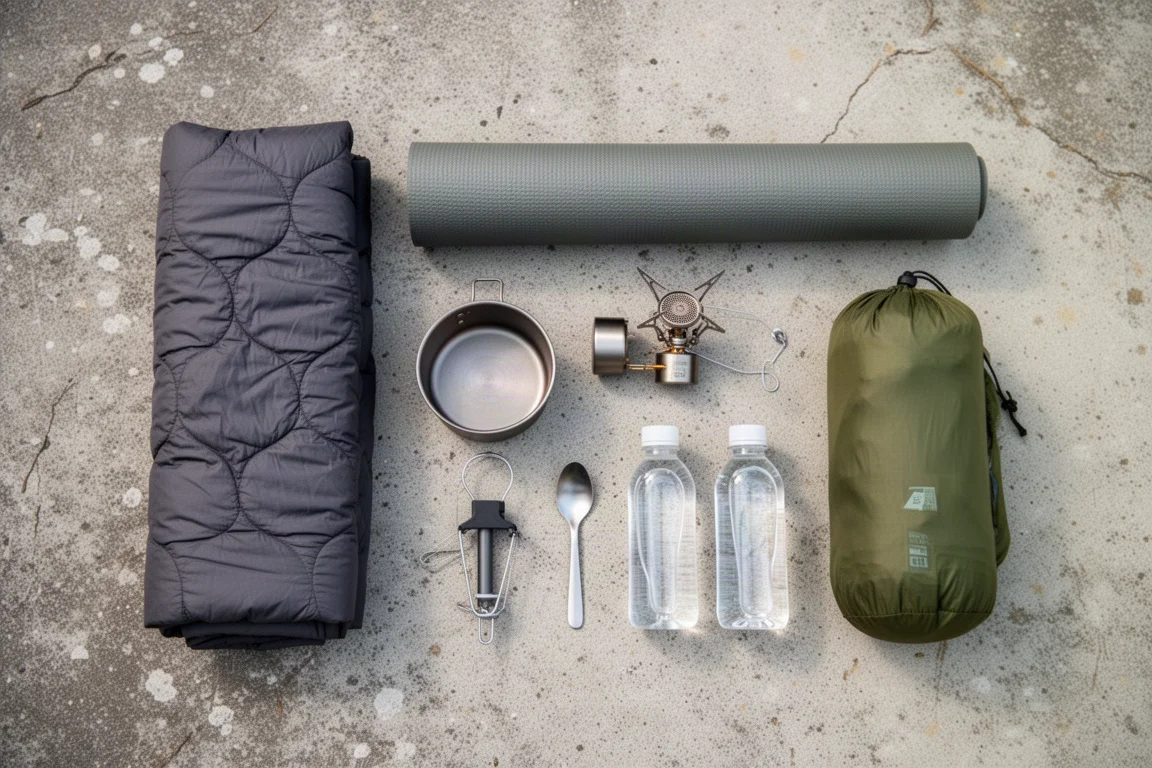
Weight discipline pays off most in the sleep and cook systems, where small, proven items do the job with very little compromise. It pays off least in water treatment and emergency communication, where the lightest option can cost you time, comfort or confidence. The right balance is different for a two-night summer trip than for a long thru-hike, and it is worth being honest about which one you are actually planning.
Conclusion
The 5 lb base weight kit worked, even though the day did not go to plan. The pack, the shelter, the sleep system and the cook kit all performed, and several pieces are now locked in for longer trips ahead. The two experiments that failed, phone-based satellite messaging and tablet water treatment, failed for clear and predictable reasons: reliability and delay.
The lesson is not that ultralight gear is fragile. It is that the lightest option is only the best option when it does not take something away that you actually need.
Further reading
Related Reviews
Ultralight Backpacking
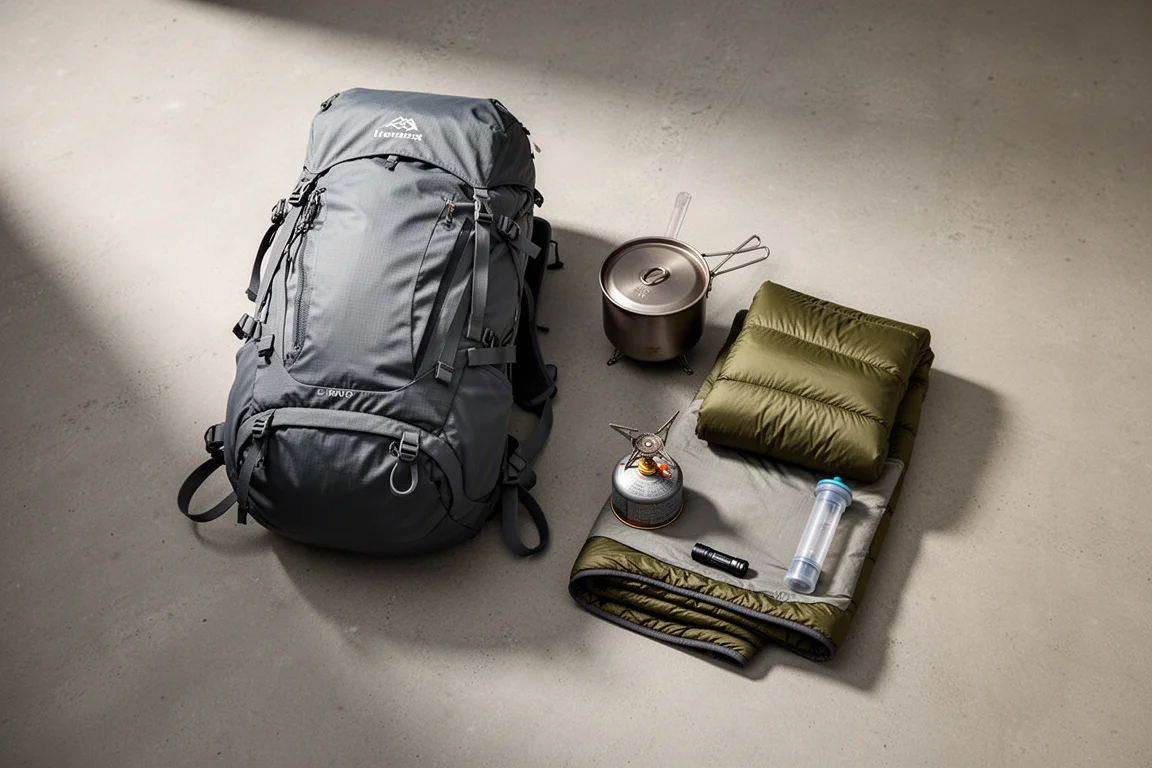
Ultralight Backpacking Gear List: Building an Eight-Pound Base Weight
A practical ultralight backpacking gear list covering pack, shelter, sleep, cook, and safety choices, with notes on what each item does well and where it makes trade-offs.
Ultralight Backpacking
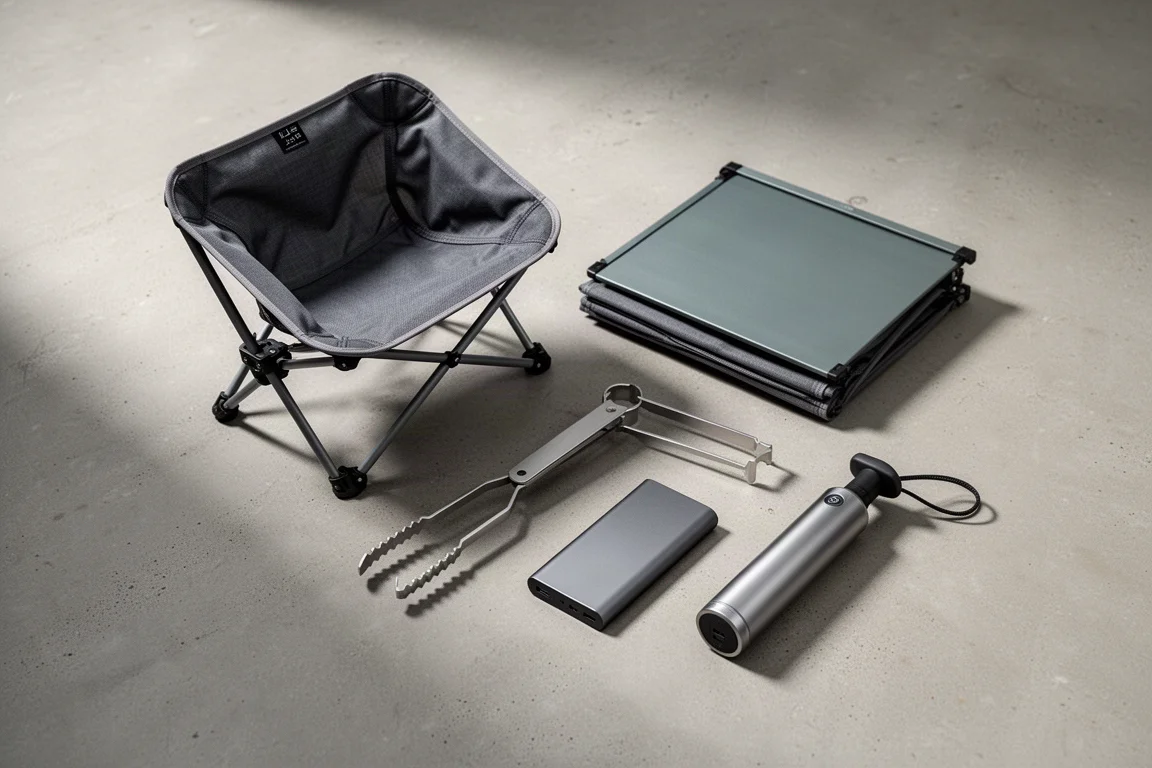
Best Ultralight Backpacking Gadgets 2026: Six Lightweight Upgrades Worth Knowing
Six ultralight backpacking gadgets, from a 488 g camp chair to a 4.5 g pot grabber, with practical notes on weight, usability, and price.
Ultralight Backpacking
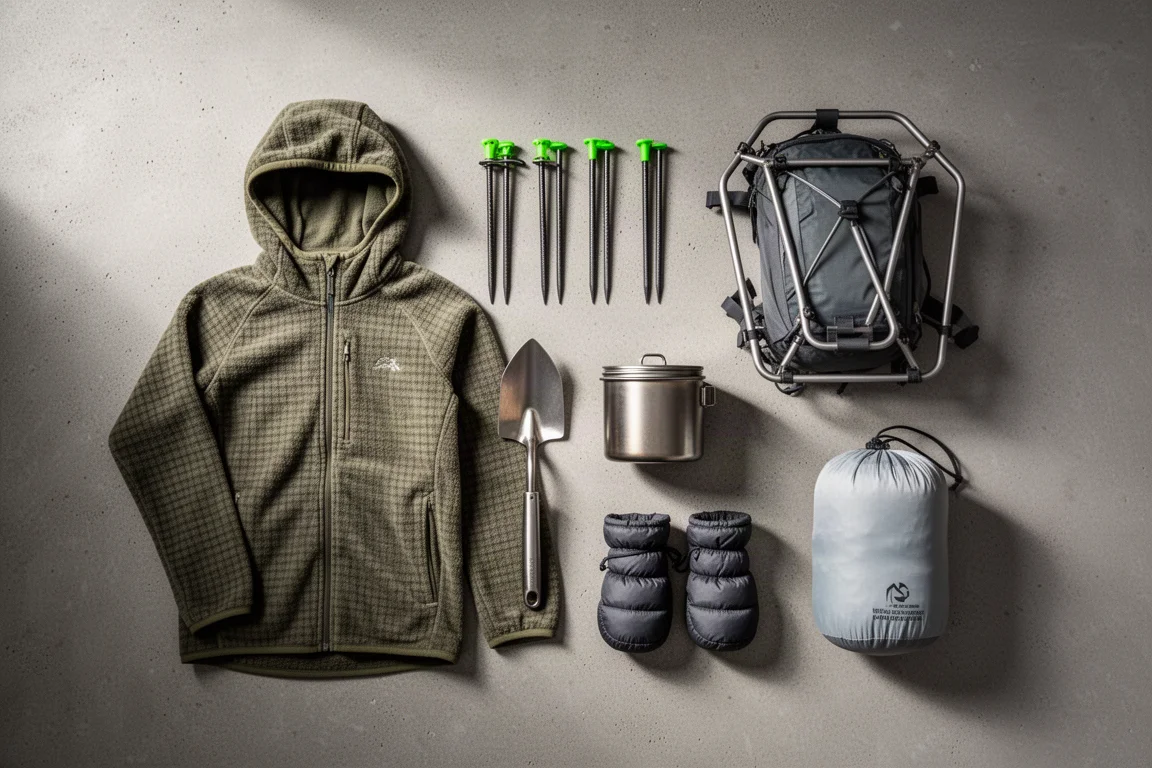
Five Small Ultralight Brands and the Gear Worth Packing
A closer look at five cottage ultralight brands and seven pieces worth considering, from a 4 oz fleece layer to carbon fiber tent stakes you can barely feel.