Ultralight Backpacking
Ultralight Arizona Trail Gear List: 8 Pieces Built for Desert Miles
A closer look at the ultralight backpack, camera setup, tarp, quilt, insulation layer, and water filter chosen for an 800-mile desert thru-hike.
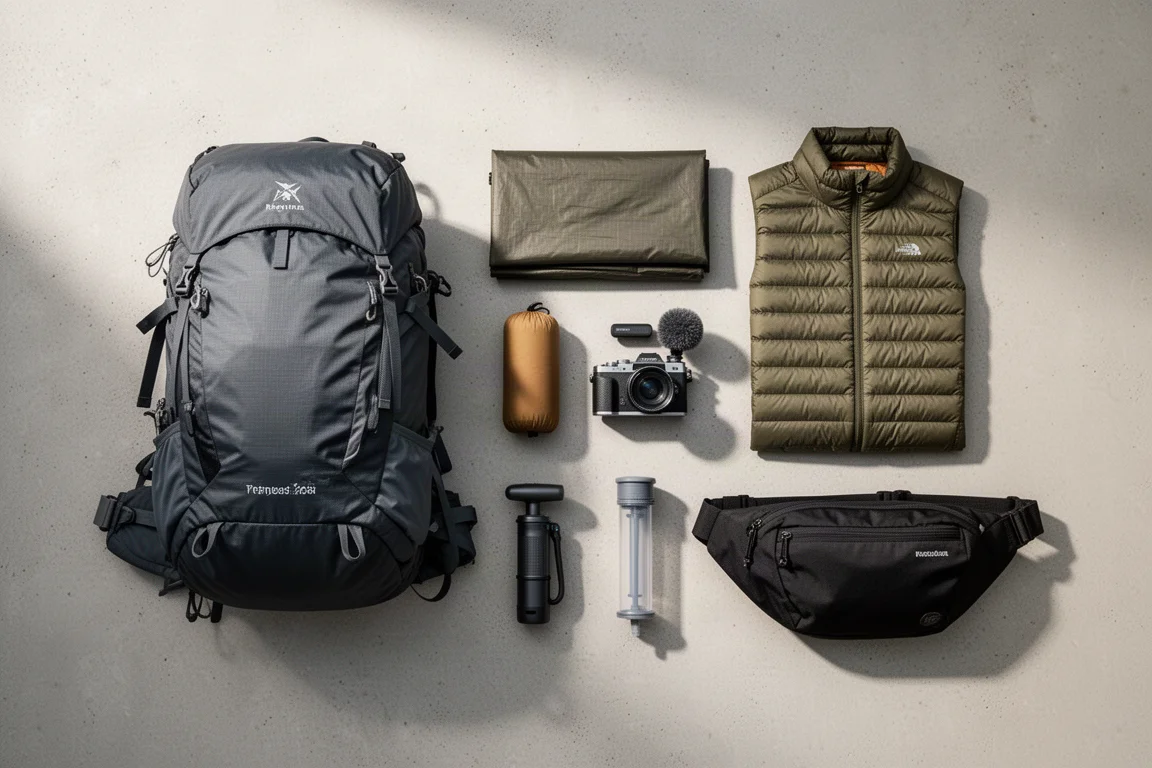
Introduction
The Arizona Trail runs roughly 800 miles from the Mexico border to Utah, and it asks a specific question of a gear list: how little can you carry while still handling serious heat, long water carries, and overnight temperatures that can drop into the 20s. Days are expected to be very hot, the route is heavily exposed, and reliable water sits far apart.
This kit answers that question with a 7.7-pound base weight, split between a roughly 26-liter backpack carrying about six pounds and a fanny pack carrying about 1.5 pounds. The camera accounts for most of the weight in the fanny pack, which is why the load is divided the way it is rather than concentrated in one bag.
What follows is a look at the pieces doing the most work in that setup: the pack, the camera and audio gear, the shelter, the sleep system, the insulation layer, and the water filter.
How to Think About an Ultralight Desert Kit
Weight is only one of the variables worth tracking. On a desert thru-hike, the useful questions are whether a piece of gear solves more than one problem, whether it can be trusted when conditions turn, and whether it stays accessible during a long day of walking.
Splitting the load matters too. Moving the camera and other frequently used items into a fanny pack keeps the heaviest and most fragile gear within reach without digging through the main pack, and it spreads weight across the body instead of concentrating all of it on the shoulders.
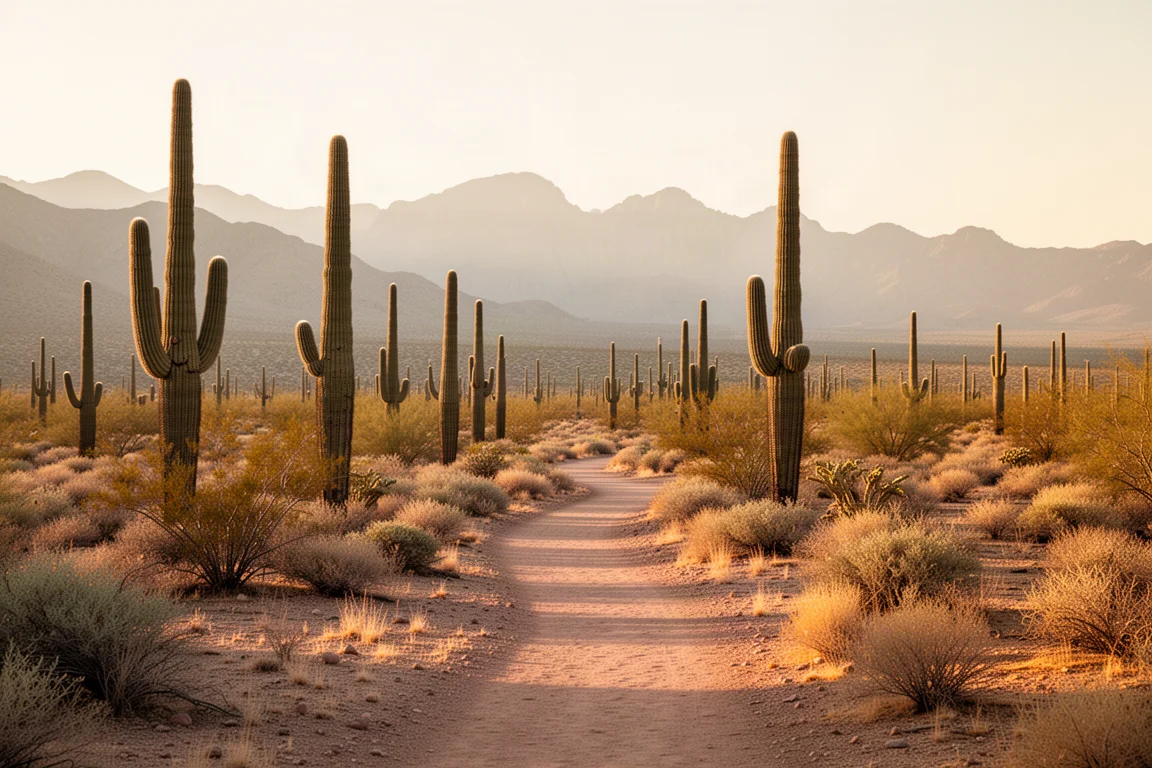
Water capacity is the other structural decision. This kit carries four liters across two one-liter bottles and a two-liter reservoir, which covers long carries without adding a bulky container that has to be filled every single time.
Durability expectations should also be set deliberately. Ultralight gear is generally less forgiving than standard gear, so it rewards careful handling and considered campsite selection rather than force.
Pa’lante Ultralight Backpack: The Core of the Kit
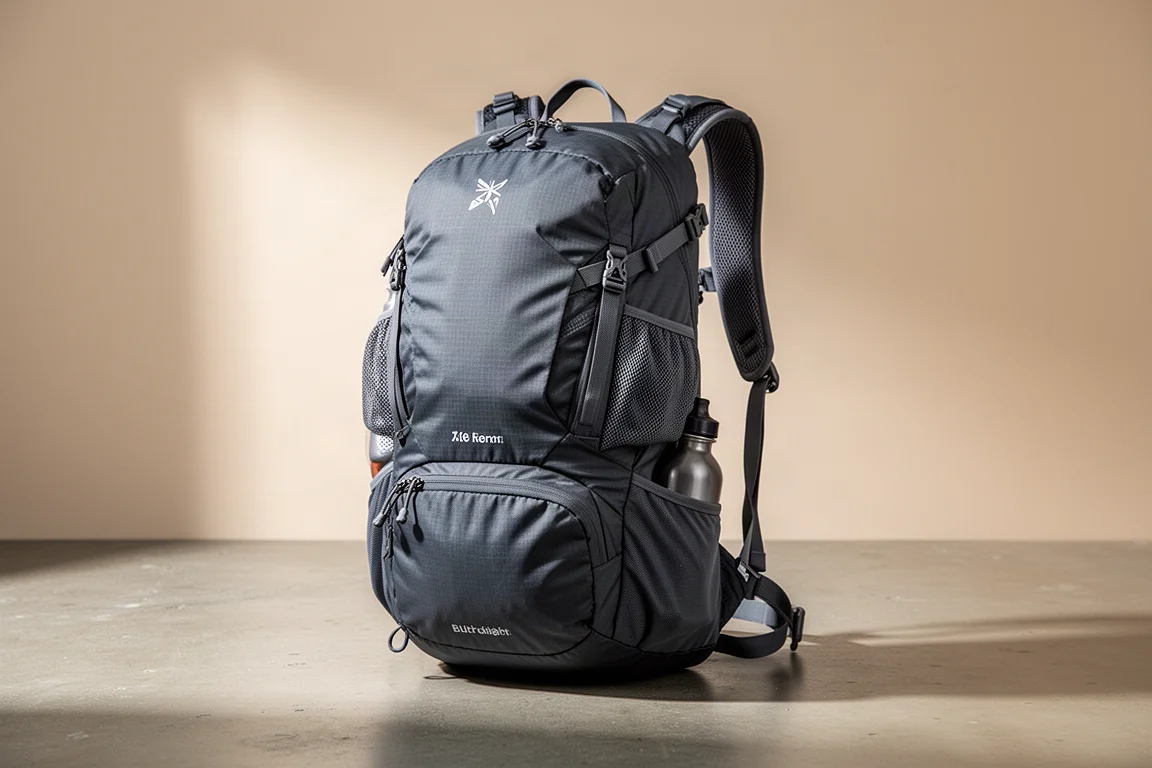
The main pack is a roughly 26-liter ultralight model built around efficiency rather than features for their own sake. Two shoulder strap pockets hold items needed through the day, a pocket at the bottom keeps snacks reachable without stopping, and the side pockets let water bottles be pulled out while the pack is still on your back.
For a kit that has already been trimmed to the essentials, that layout is the appeal: everything has a place, and the places are where you actually need them. The main limitation follows from the design. A 26-liter body leaves little margin, so it suits hikers who have their volume under control and want the pack itself to disappear.
Pa’lante Pax Fanny Pack: Camera Access on the Move
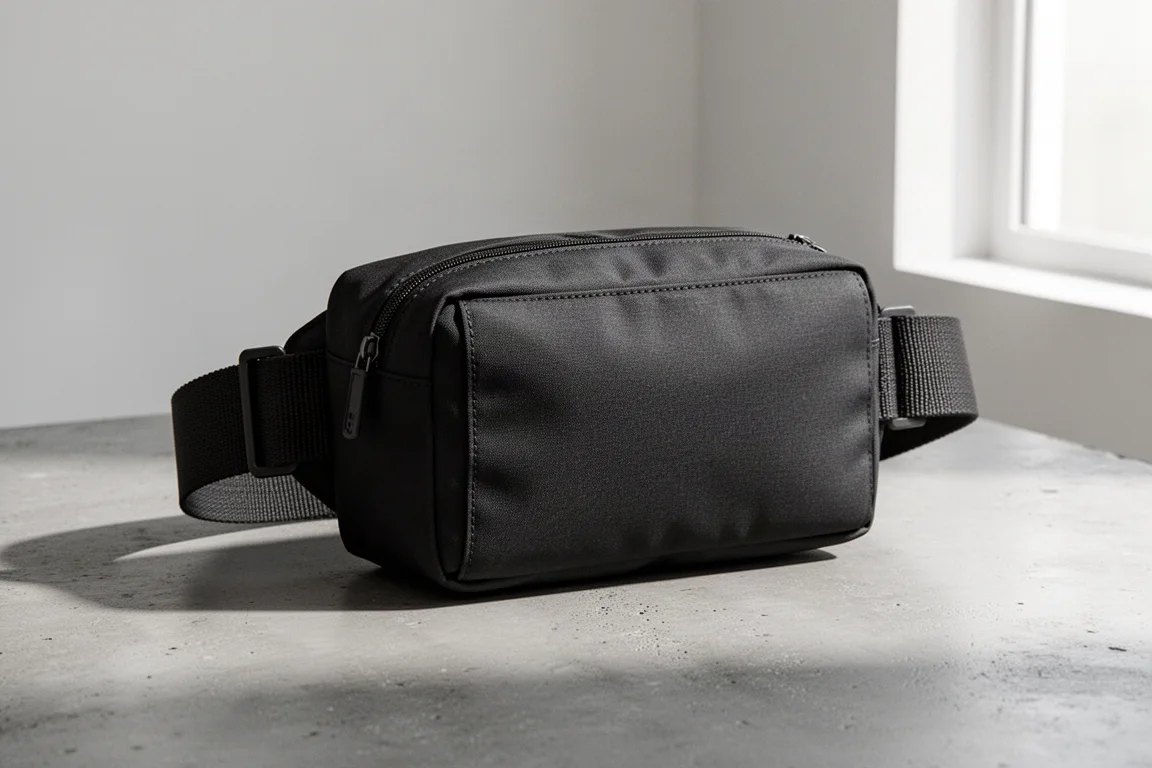
A large fanny pack handles everything used during the day, and it is sized specifically to hold a camera along with smaller items: a face mask, headphones, beeswax lip balm for desert-dry lips, a small handheld flashlight with a spare AAA battery, a tiny plastic tripod, and a phone used as the primary navigation tool.
The flashlight choice is deliberate rather than incidental. Held low to the ground, a small handheld light stretches out shadows and makes uneven terrain easier to read at night, where a headlamp pointing down from head height tends to flatten the ground into a uniform surface.
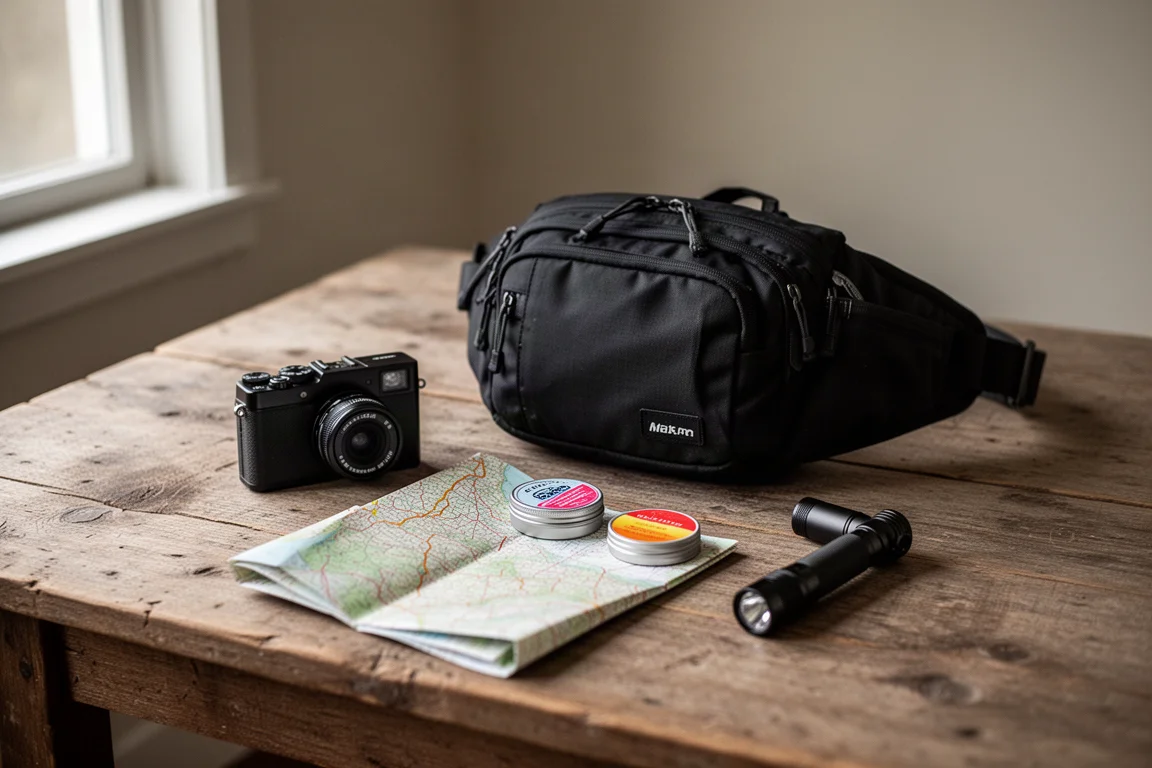
The plastic tripod is extremely light and is not expected to last long, but it opens up camera positions that would otherwise be out of reach. That is the trade this bag makes: a little extra weight at the front of the hips in exchange for a camera that is always available.
For anyone carrying a camera on a long trail, the value is clear. The gear you want most often should be the gear you can reach without stopping.
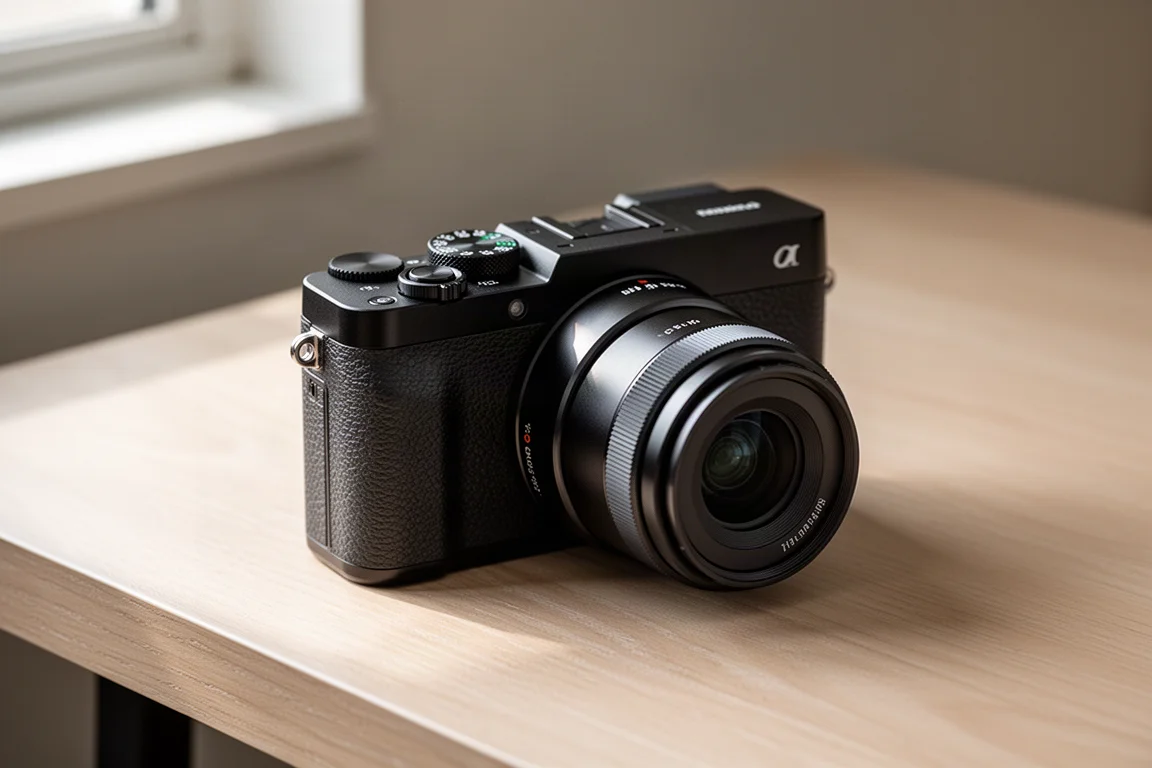
Panasonic Lumix G7: Lightweight Camera Body
The camera is the heaviest single item in the fanny pack, and it earns that spot by delivering a lot of image quality for its size and weight. It has been in regular use for about three years and remains a favorite for exactly that balance.
The lens paired with it is compact and very light, close in size and weight to the 14mm lens used previously, which keeps the whole setup easy to carry and quick to bring out. Power is handled with three batteries in total, one in the camera and two spares, charged in town with a dual battery charger that tops up both at once. A spare 128GB memory card travels as backup.
Best for: hikers who want noticeably better image quality than a phone without carrying a full-size camera kit.
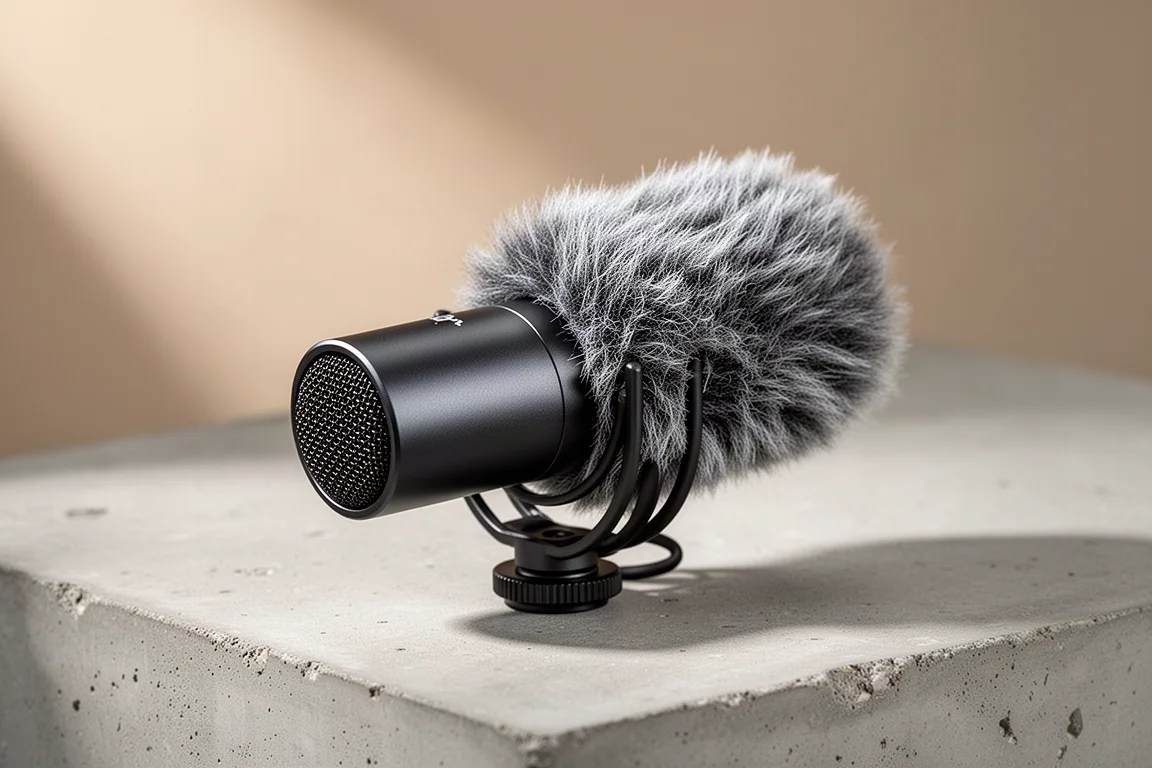
Rode VideoMicro: Clean Audio in Wind
A compact microphone mounted on top of the camera with a fuzzy wind sock. Its job is to capture crisp ambient sound in the wilderness, from footsteps to wildlife, while cutting down wind noise so that speaking into the camera still produces usable audio on an exposed and often breezy trail.
It is a small, light addition to the camera setup rather than a separate audio kit, which is what makes it realistic inside a 7.7-pound base weight.
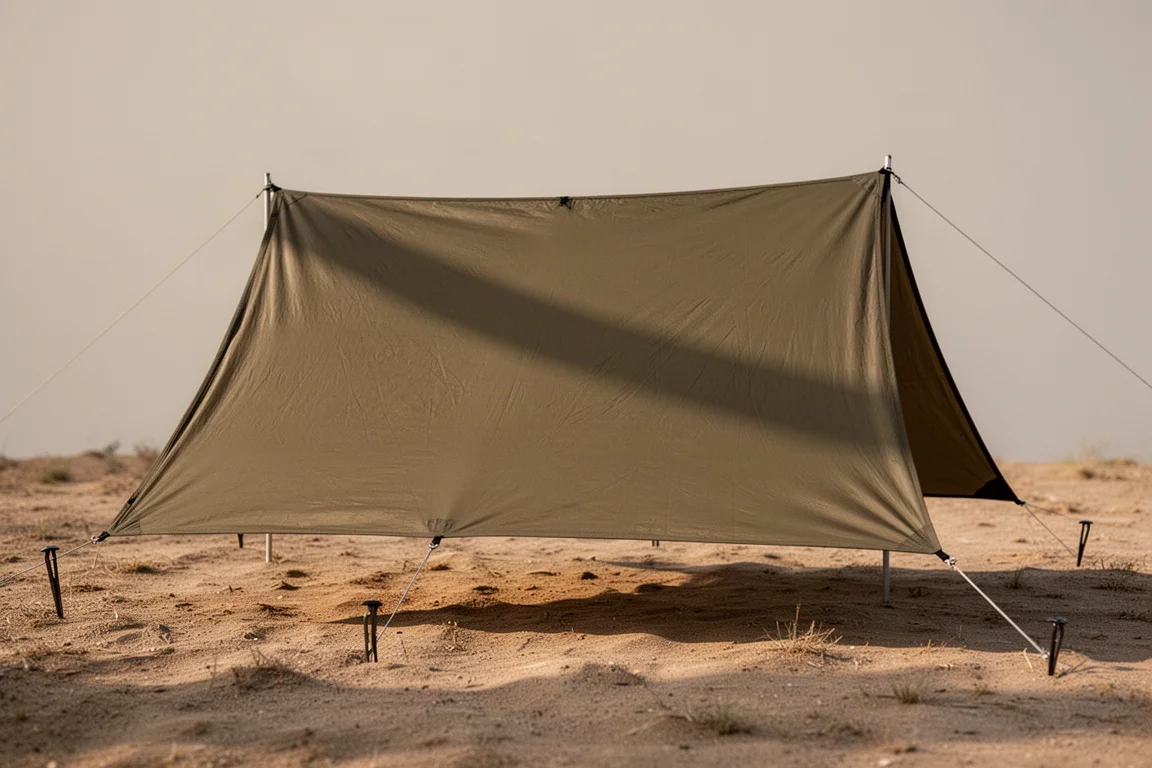
Zpacks 7x9 Tarp: Minimal Shelter for a Dry Trail
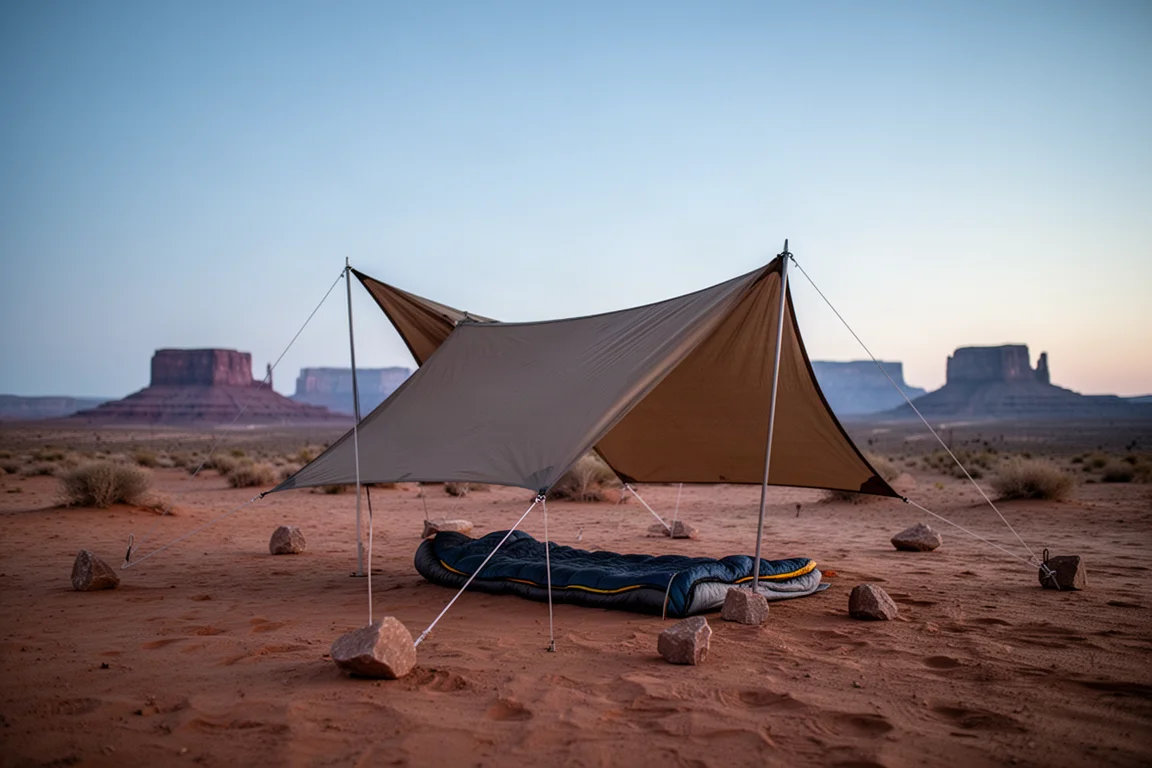
A flat 7x9 tarp has been in use for a very long time, and on a route where significant rain is not expected, it is a sensible shelter choice. The intent is to cowboy camp on most nights and only pitch the tarp when weather or a windy campsite makes it worthwhile.
Setup in a simple configuration takes five stakes, which keeps the shelter fast to deploy and easy to pack away when it is not needed. That low pitch count is part of the appeal for a trail where the shelter is an insurance policy rather than a nightly routine.
Best for: hikers on dry, low-rain routes who are comfortable with minimal shelter and want to keep pack weight down.
Enlightened Equipment Enigma Quilt: Sleep System for Cold Nights
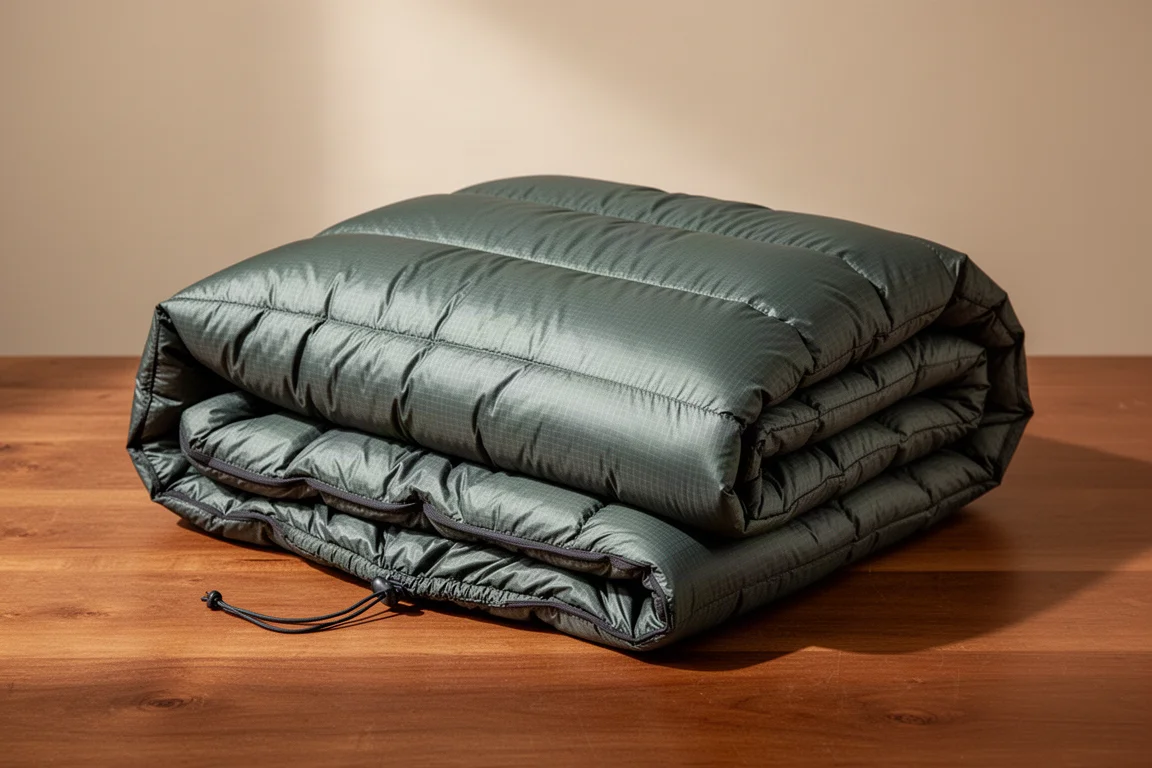
This quilt is rated down to 30 degrees Fahrenheit and has been used in temperatures that dropped into the upper 20s, where it kept the sleeper warm. The fully sewn foot box is the detail that matters most: it closes off the bottom of the quilt so no extra air moves in around the feet.
Quilts from this maker tend to run true to their temperature rating, and this one is described as very comfortable. For a desert route with genuinely cold overnight temperatures, it covers the range without the bulk of a full sleeping bag.
Sleeping warm on a route like this also depends on how the quilt is used. A closed foot box, a well-chosen campsite sheltered from wind, and a pad that separates you from cold ground all matter as much as the rating on the tag.
Enlightened Equipment Torrid Pullover: Synthetic Warmth
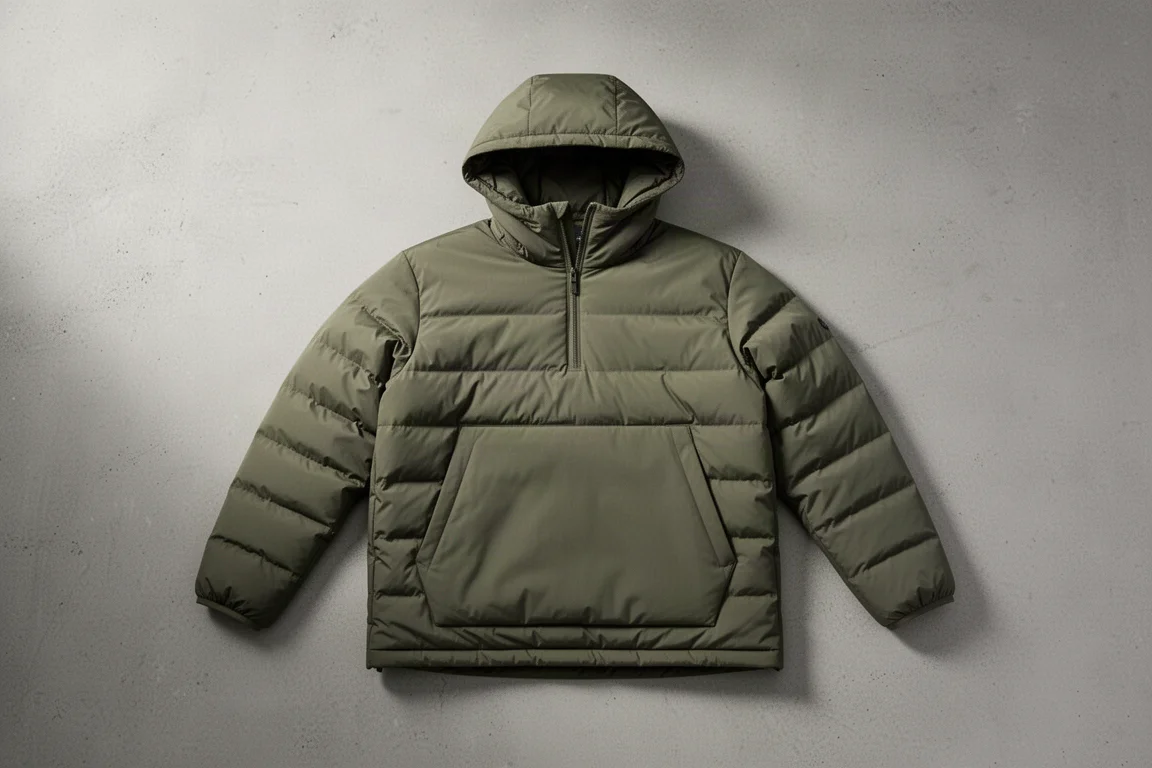
A synthetic insulated pullover worn while hiking in cold conditions, and one of the more thoughtful pieces in the kit. The large front pocket provides enough hand warmth that gloves are not needed, and the oversized hood covers the head well enough that a beanie is not needed either. Two items eliminated by one design decision.
Because the insulation is synthetic, moisture is far less of a concern than with down. It can be washed easily and keeps working when damp, which makes it useful as both a daily layer and an emergency warmth layer.
Best for: hikers who want a single versatile insulation piece that handles cold mornings, wind, and wet conditions.
Sawyer Squeeze: Reliable Water Filtering
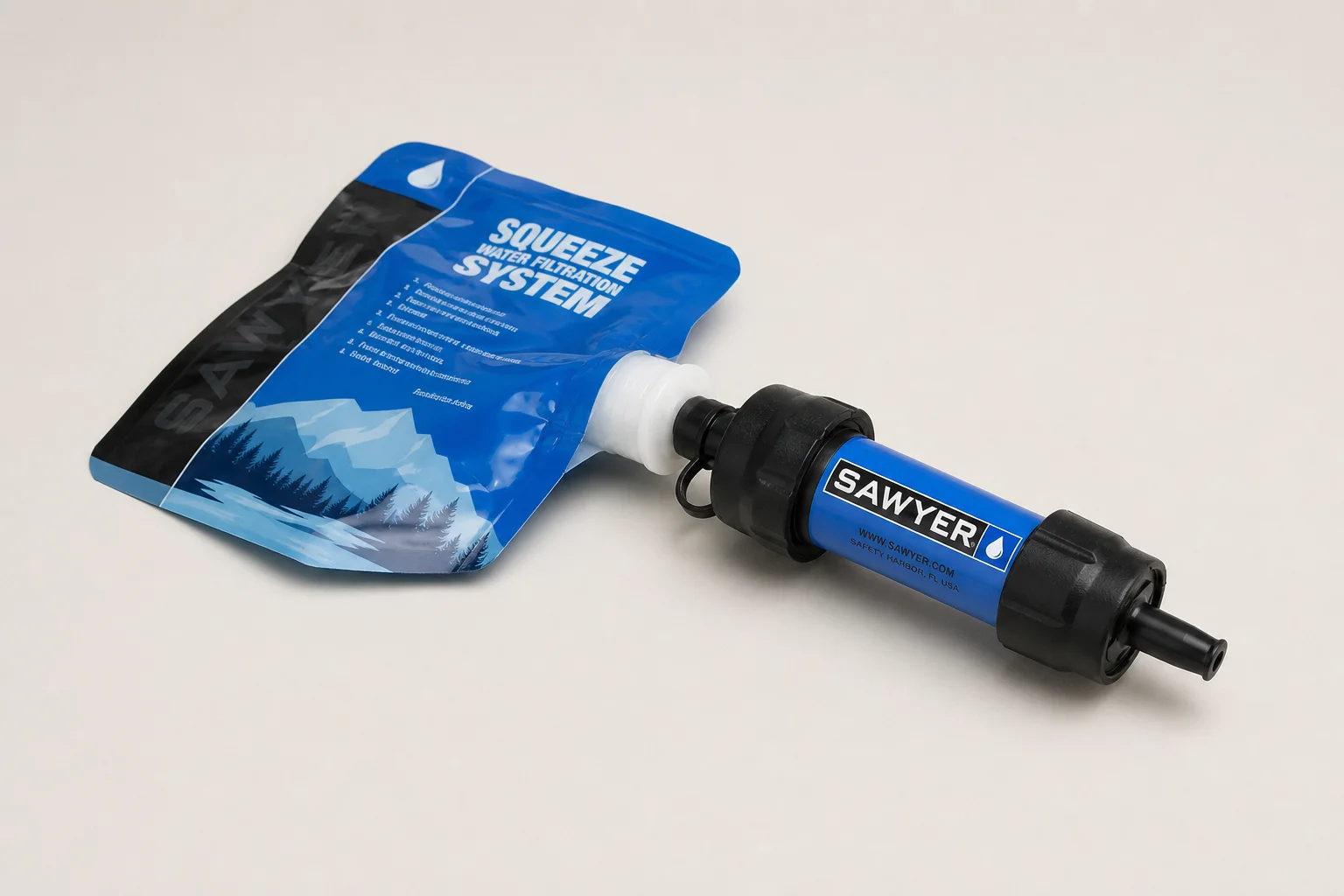
The filter is the Sawyer Squeeze, chosen over the smaller Micro and Mini versions because those tend to clog and can leave you without working filtration far from help. The Squeeze is described as extremely reliable and weighs 2.4 ounces.
It threads onto the two-liter reservoir, so water can be filtered directly into the one-liter bottles. Together, the bottles and the reservoir give four liters of capacity, which is the figure that matters on a route with long carries between sources.
Buying Advice: Matching Gear to Conditions
Every item here answers a specific condition rather than a general preference. Nights in the 20s call for a quilt rated to 30 degrees with a sewn foot box, plus a synthetic insulation layer that keeps working if it gets damp. Long water carries call for four liters of capacity and a filter that will not clog halfway through the trip. An exposed, sun-baked route makes sun protection essential rather than optional.
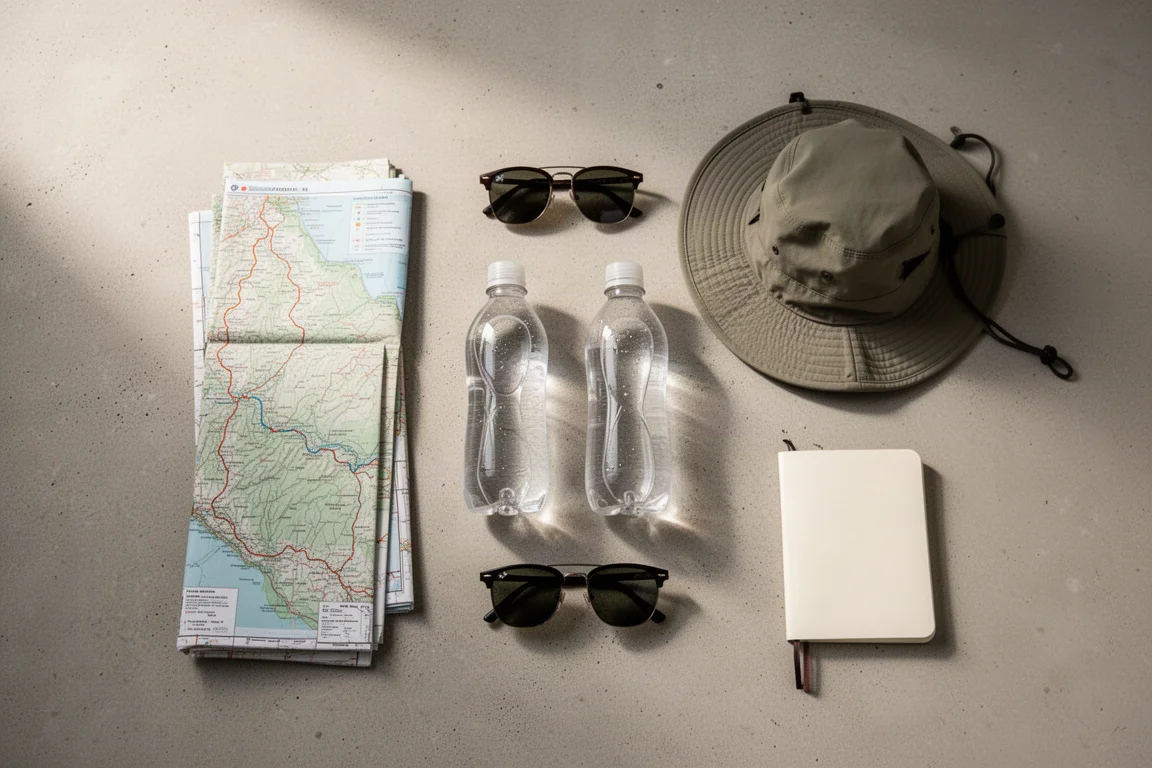
Weight, meanwhile, is a system rather than a single number. The 7.7-pound base weight here is split between a 26-liter pack and a fanny pack, and several small items have been modified or trimmed to save ounces rather than left at their original size.
The trade-offs are real and worth naming before you commit. Very light gear is less forgiving of rough handling, and a 26-liter pack leaves little room for error on a long resupply. Anyone considering a similar kit should be honest about how much margin they want before they start cutting weight.
Conclusion
What makes this list useful is not that any single piece is remarkable on its own. It is that each item maps to a condition the Arizona Trail actually creates: heat and exposure during the day, cold overnight temperatures, long dry stretches between water, and a low chance of sustained rain.
The result is a 7.7-pound base weight split between a compact pack and an accessible fanny pack, with the camera setup accounting for most of the front-carried load. If you are building something similar, start from the conditions you expect to meet, then choose the lightest gear that still gives you a comfortable margin when the day does not go to plan.
Further reading
Related Reviews
Ultralight Backpacking
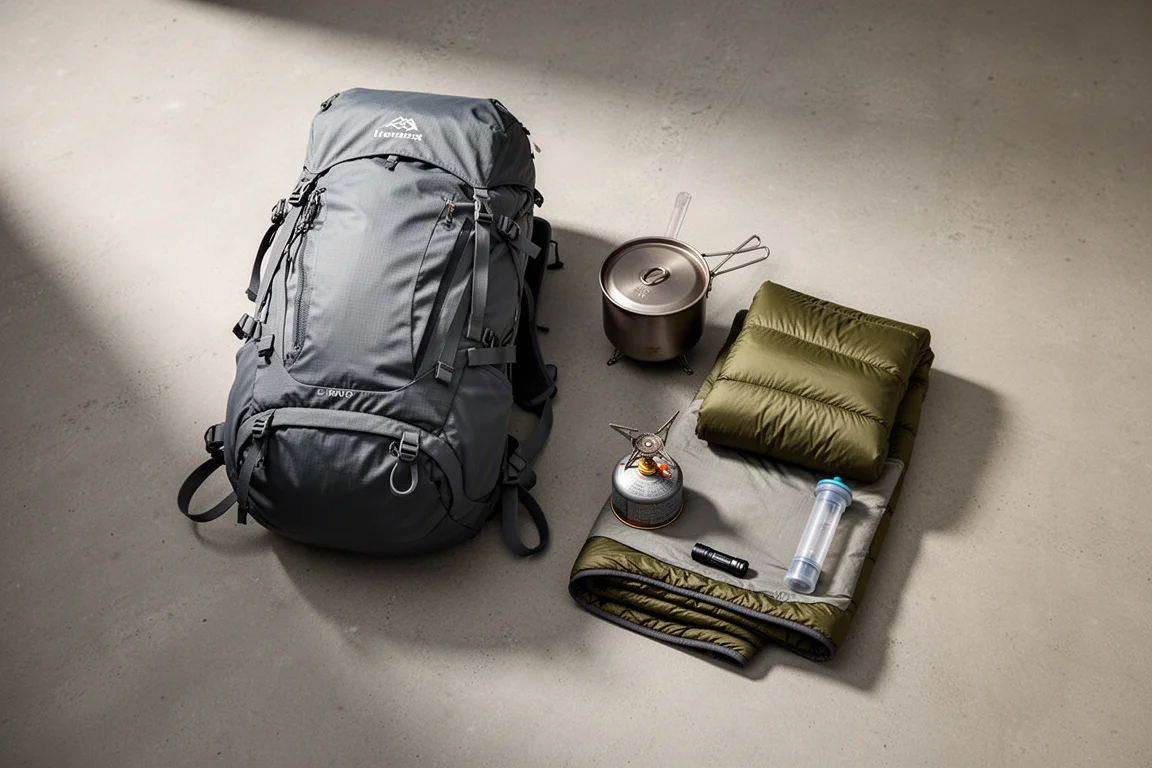
Ultralight Backpacking Gear List: Building an Eight-Pound Base Weight
A practical ultralight backpacking gear list covering pack, shelter, sleep, cook, and safety choices, with notes on what each item does well and where it makes trade-offs.
Ultralight Backpacking
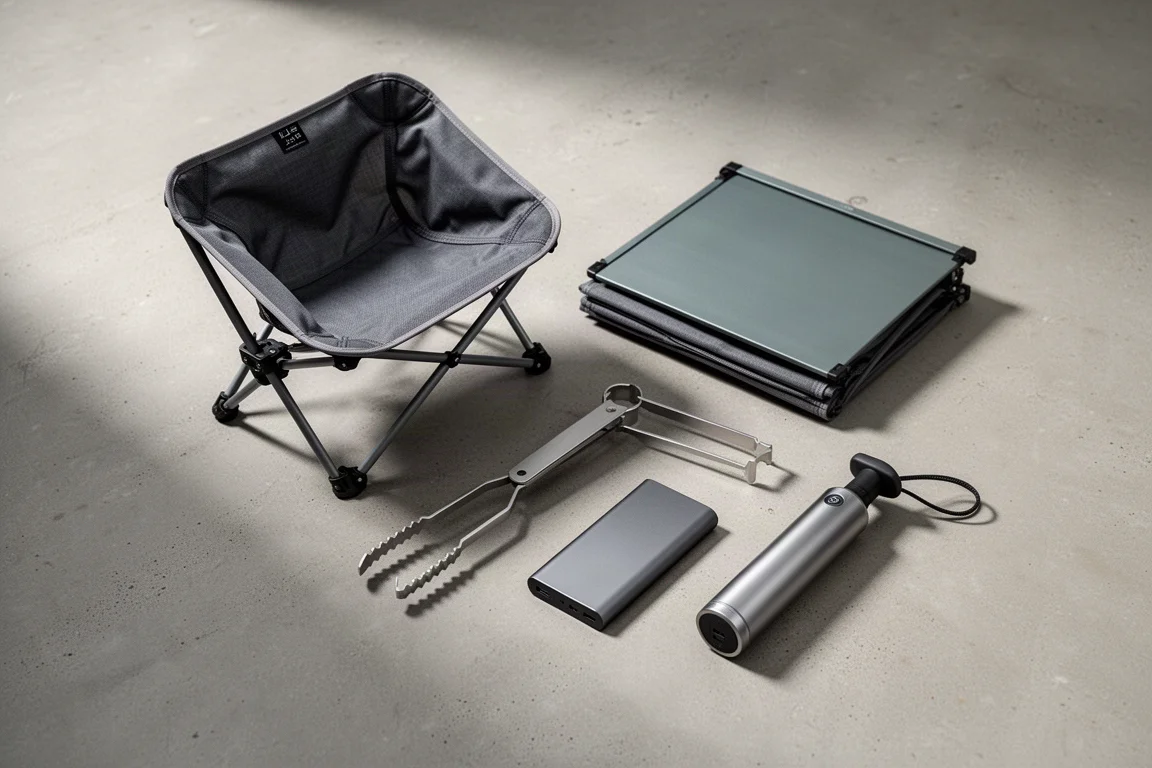
Best Ultralight Backpacking Gadgets 2026: Six Lightweight Upgrades Worth Knowing
Six ultralight backpacking gadgets, from a 488 g camp chair to a 4.5 g pot grabber, with practical notes on weight, usability, and price.
Ultralight Backpacking
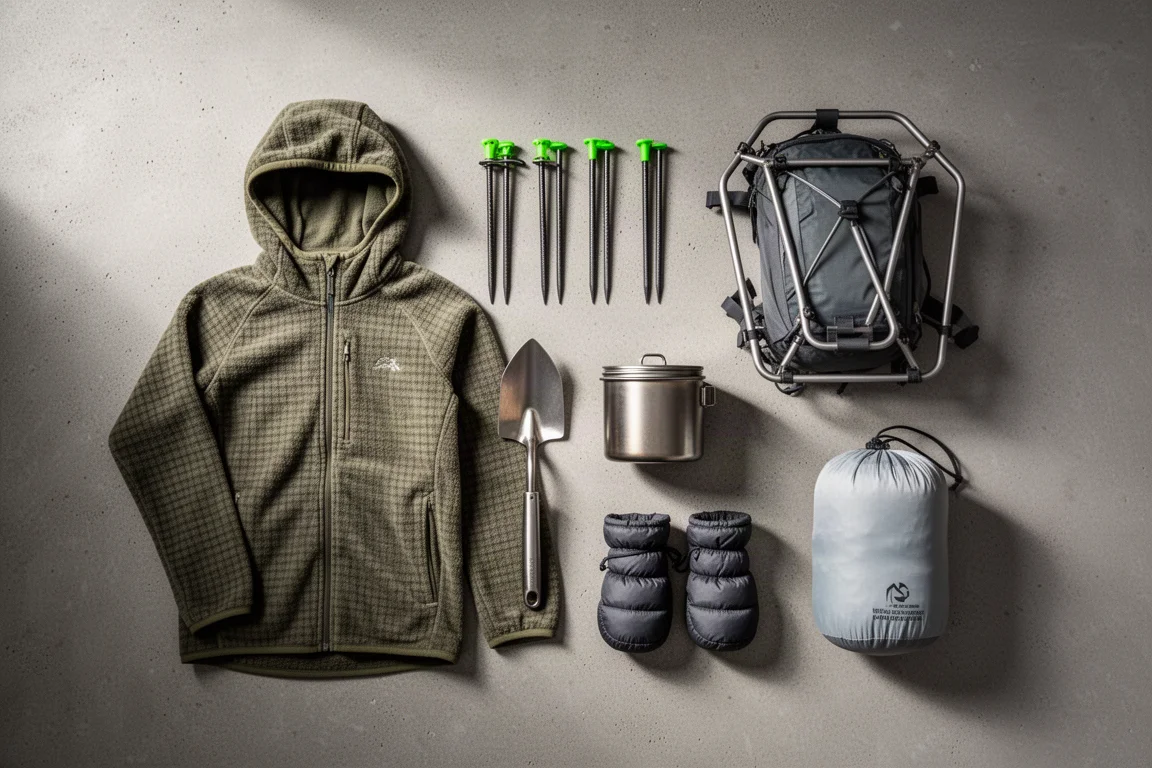
Five Small Ultralight Brands and the Gear Worth Packing
A closer look at five cottage ultralight brands and seven pieces worth considering, from a 4 oz fleece layer to carbon fiber tent stakes you can barely feel.