Health Tech
Ultrahuman Ring Air Review: A Subscription-Free Smart Ring for Sleep and Health
Three months with the Ultrahuman Ring Air: lightweight titanium design, no subscription fees, and detailed sleep and recovery tracking.
Introduction
Smart rings have quietly become one of the easiest ways to gather meaningful health data without the bulk of a wrist wearable. The Ultrahuman Ring Air has been part of my everyday carry, day and night, for the last three months, and it has earned a proper look from anyone tired of subscription paywalls and bulky trackers.
It is not the first of its kind. Oura has been established for some time with a large user base, and the feature set here looks broadly similar. But a couple of immediate advantages stand out, and they matter more than you might expect.
Design, Fit and Sizing
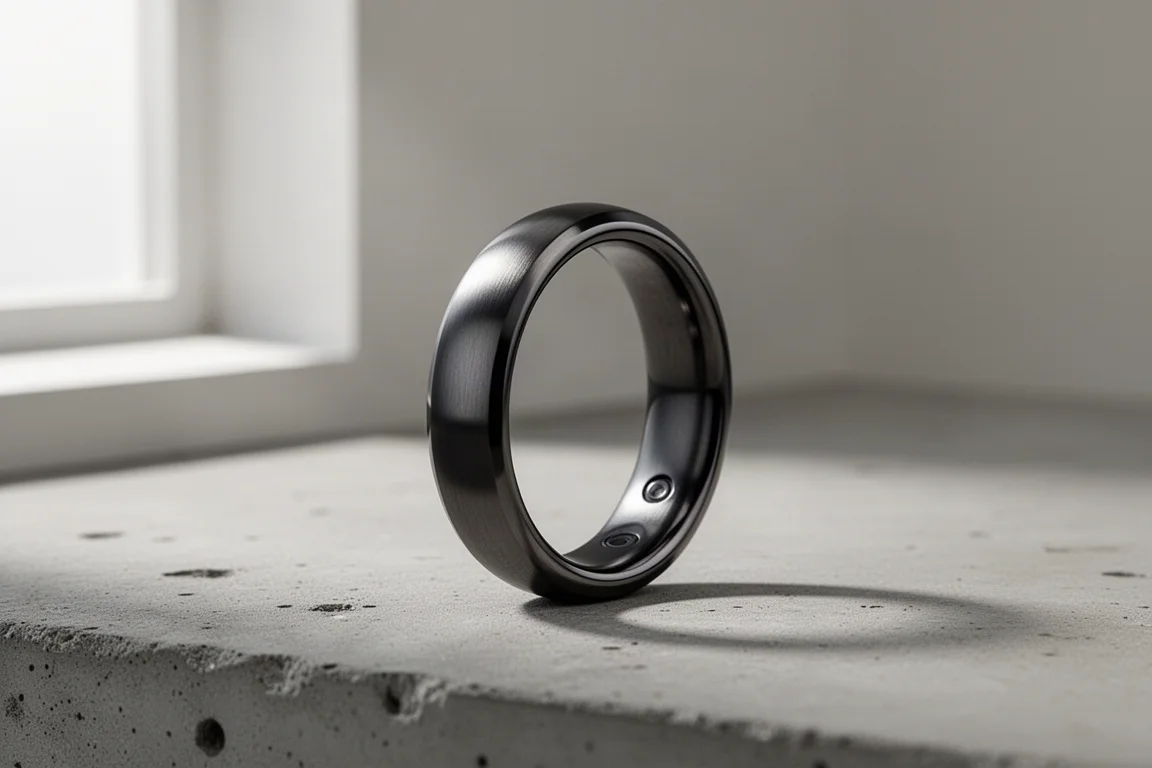
The Ring Air is a little more discreet than its main rival thanks to a thinner profile and a perfectly circular shape. It is made from titanium with a tugen carbide coating, available in four colour options that all cost the same, at $349 or $329 depending on the market. Everything about the packaging points to great design and quality.
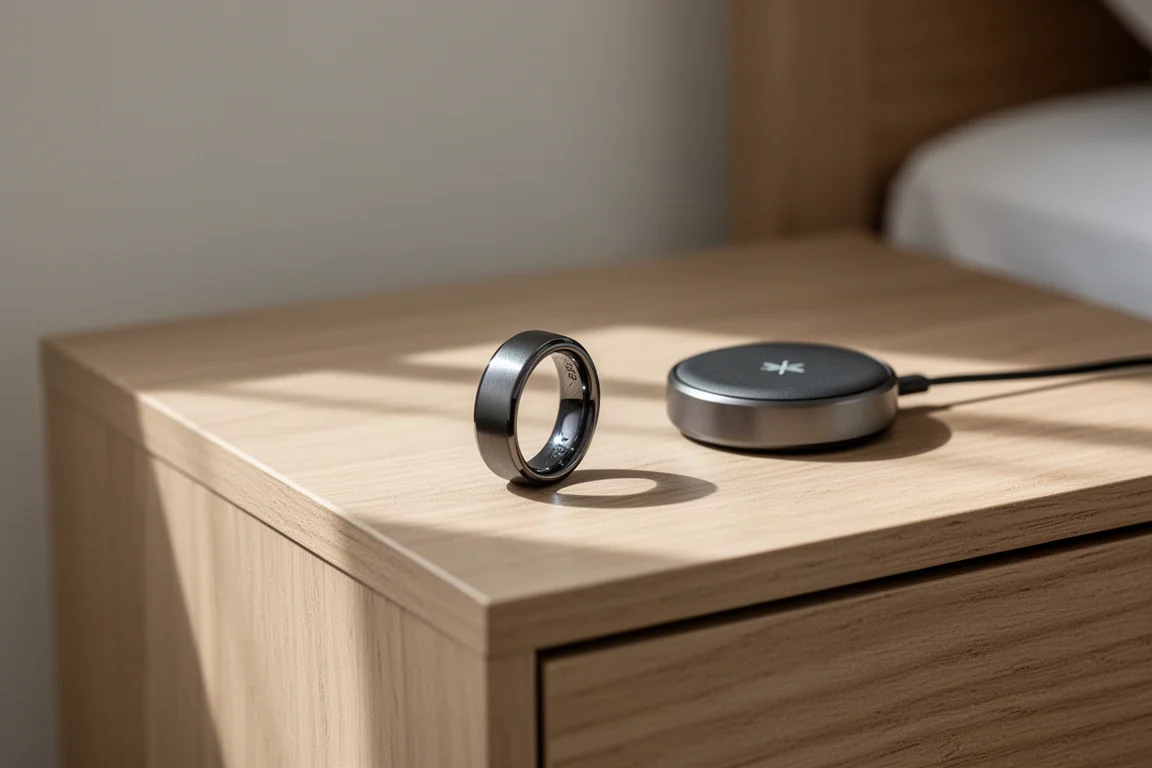
Sizing is handled sensibly too. As part of the buying process you are offered a ring sizing kit, which I would recommend. It lets you try your chosen test size for a few hours or even days in normal use to make sure it is exactly right. Despite having no external markings, positioning is easy: feel for the sensor bump on the inside of the ring, slide it on, and the sensor sits against the inside of your finger as recommended.
What the App Tracks
Inside the ring there is a six-axis motion sensor, heart rate and blood oxygen saturation measurement, and a medical-grade non-contact temperature sensor. Combine that data and you get three key areas of insight: a movement index, a sleep index, and a recovery score.
The sleep index is particularly rich. You get average oxygen saturation, all the sleep stages from REM to light and deep sleep, heart rate, how much you moved in bed, heart rate variability, and body temperature. The recovery score combines resting heart rate, skin temperature, heart rate variability, sleep, and movement into an overall well-being score, and you can drill into any metric for an explanation of what it means and how to improve it.
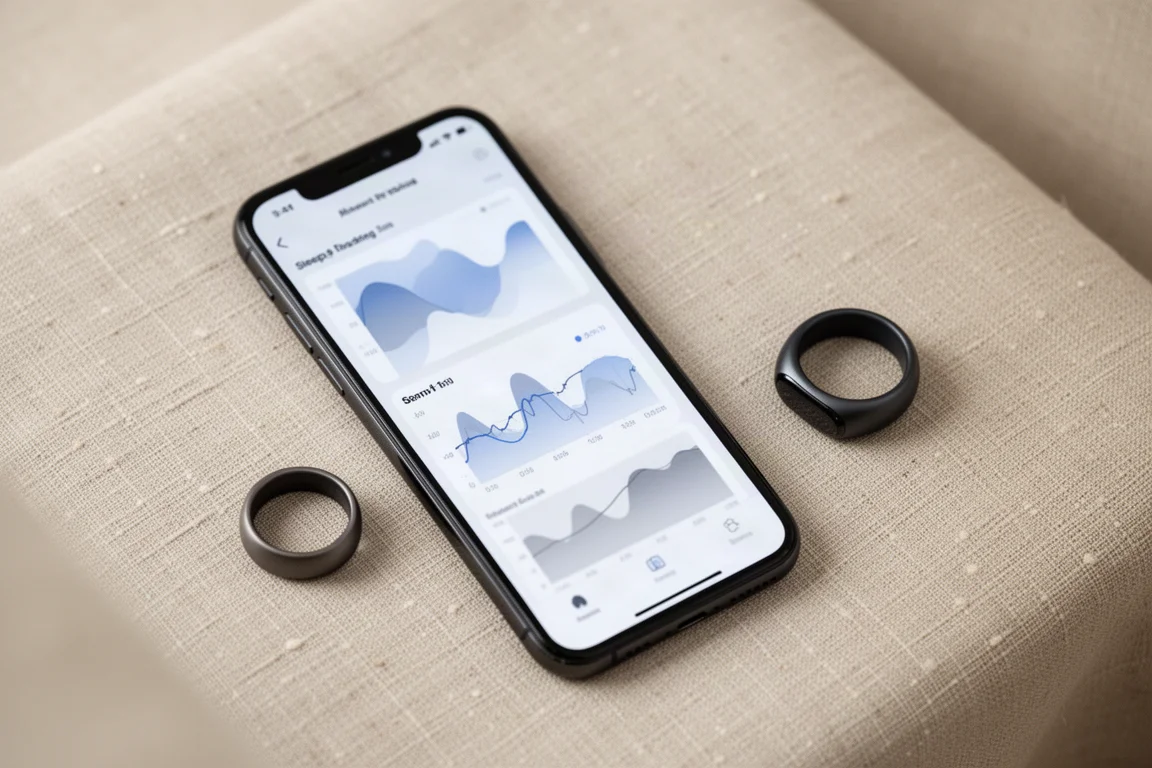
It is worth setting expectations correctly. This is more of a metabolic health tracker than a pure fitness tracker. If you want to track a specific workout or run, you will be much better off with a Garmin, Fitbit, or Apple Watch. This won’t compete in that arena. For general movement, sleep, and health, however, it comes into its own, and it syncs with Apple Health if that matters to you. You also get a weekly health insight report detailing trends and comparing previous weeks, and that is with no subscription at all.
Battery Life and Charging
Weight is the quiet headline here: the ring comes in at under 3 grams, which makes it genuinely easy to forget you are wearing it. That matters most for sleep tracking, when something like an Apple Watch would be uncomfortable in bed for many people and would probably need to be on charge all night anyway.
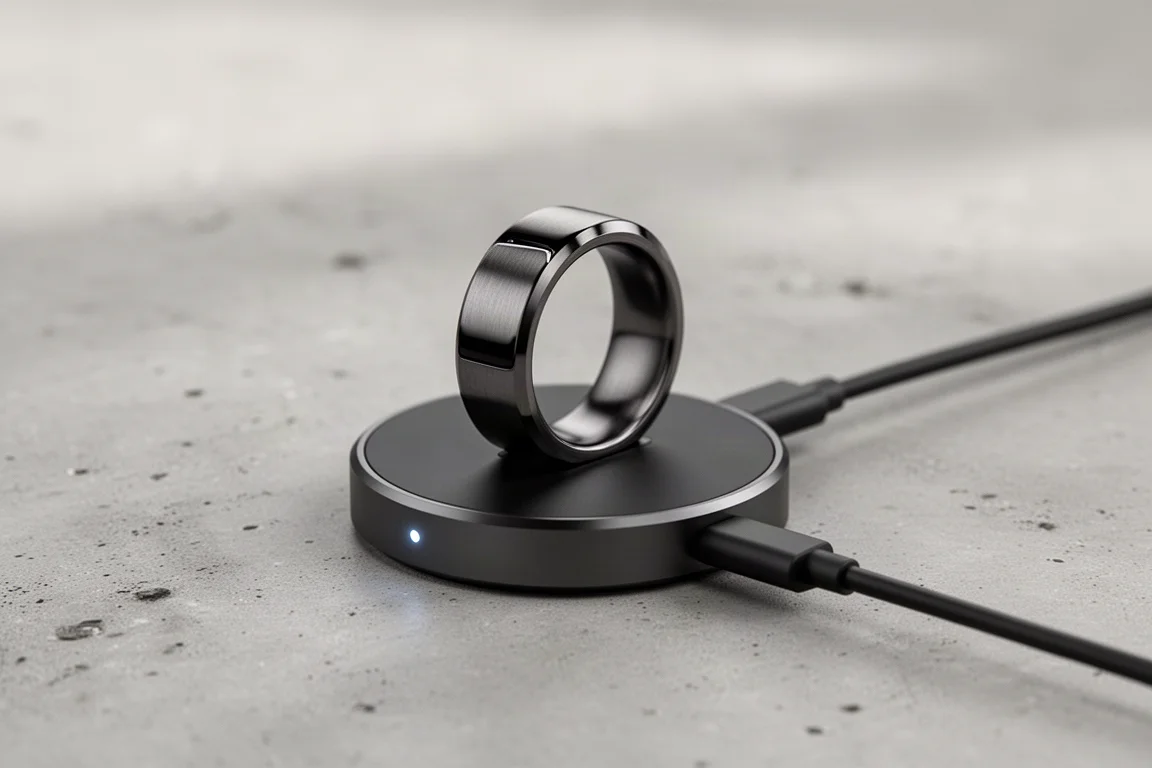
As for charging, I kept the ring on most of the time and it lasted around five days on a single charge. Topping up is simple with the supplied USB-C inductive charger: it just sits on the dock, the light turns white, and it is fully charged in a couple of hours.
Durability and Everyday Wear
Over three months the ring has held up well, with only a few small scratches as you might expect from daily wear. It is water resistant to 100 metres, so there is no need to take it off in the shower, although I do, as I find it traps a bit of moisture when worn wet.
Who Should Buy It
For those who are motivated by health tracking and data, this is a great option. It is discreet, super easy to use, and the comprehensive subscription-free app guides you as your data builds. That subscription-free angle is probably the most significant difference from Oura, which charges around $6 a month on top of the purchase price to access your data. For a non power user, that alone is a deal breaker, and it makes the Ring Air’s $349 or $329 price easier to justify.
The honest caveat: I was never one for fitness metrics, and I already know I need seven hours of sleep and more movement. Yet the low-friction nature of gathering this data means I may well keep wearing it, especially since heart rate variability and restorative sleep insights have surfaced things worth exploring. If you genuinely want effortless, continuous health data, this is one of the simplest ways to get it.

Conclusion
After three months of continuous wear, the Ultrahuman Ring Air delivers on its core promise: serious sleep, recovery, and metabolic health data in a titanium ring that weighs less than 3 grams, with no monthly fee. If you are motivated by health insights and want a tracker you can actually forget you are wearing, it is an easy recommendation. If your focus is dedicated workout tracking, a dedicated sports watch remains the better tool.
Product link
View more details for Ultrahuman Ring Air
This product is mentioned in the review. Check the specifications, options, and compatibility before buying.
View more details for Ultrahuman Ring AirFurther reading
Related Reviews

Everyday Carry
Everyday Gear That Deserved a Second Look
A roundup of solid everyday carry items: watches, pens, a pencil, a knife, and a smart ring that each earned a place on the table.
Wearable Technology
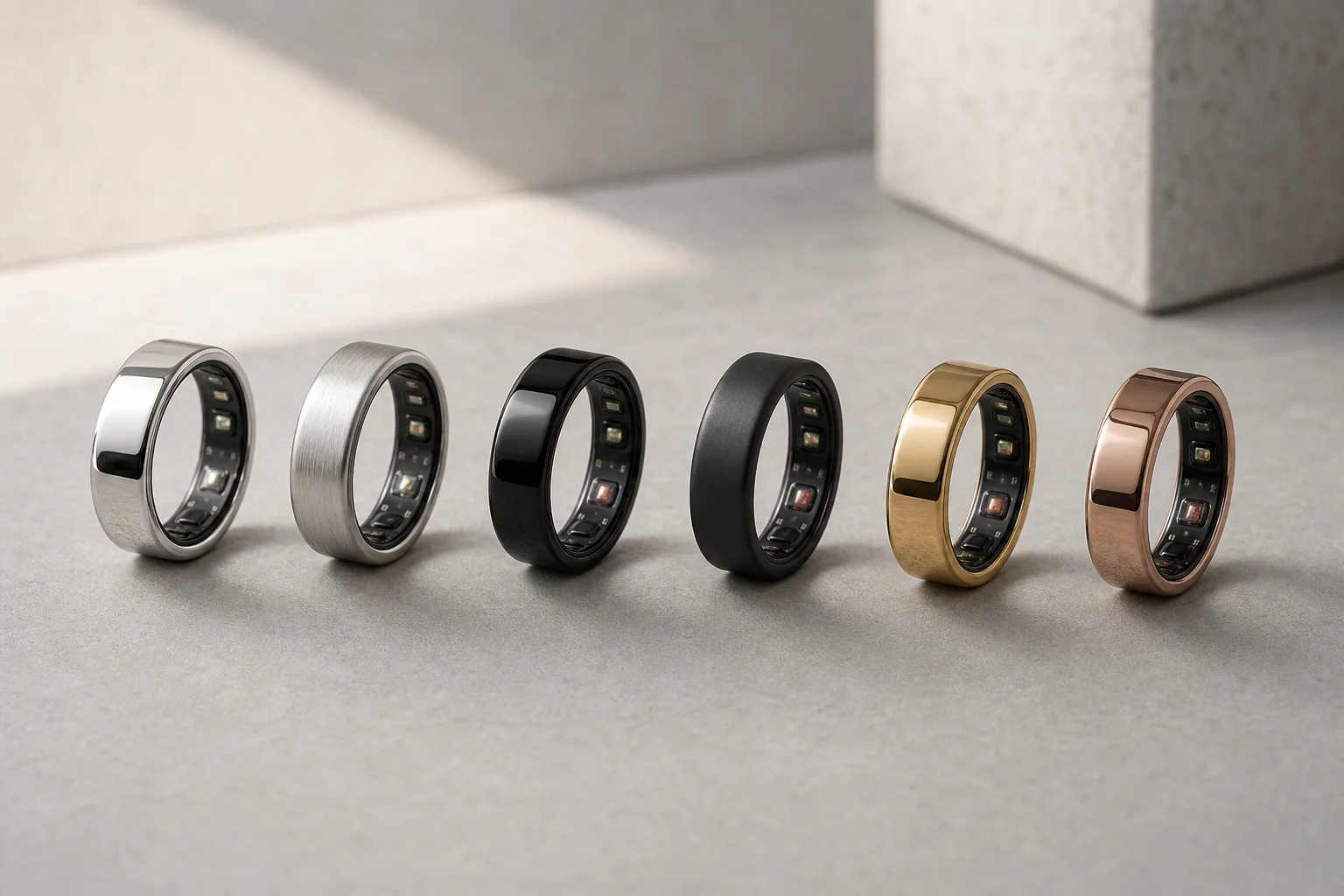
Oura Ring 5 Color Guide: How to Choose the Right Finish for Your Skin Tone
A practical look at all six Oura Ring 5 finishes and how each one looks on different skin tones, so you can pick the right color the first time.
Wearables
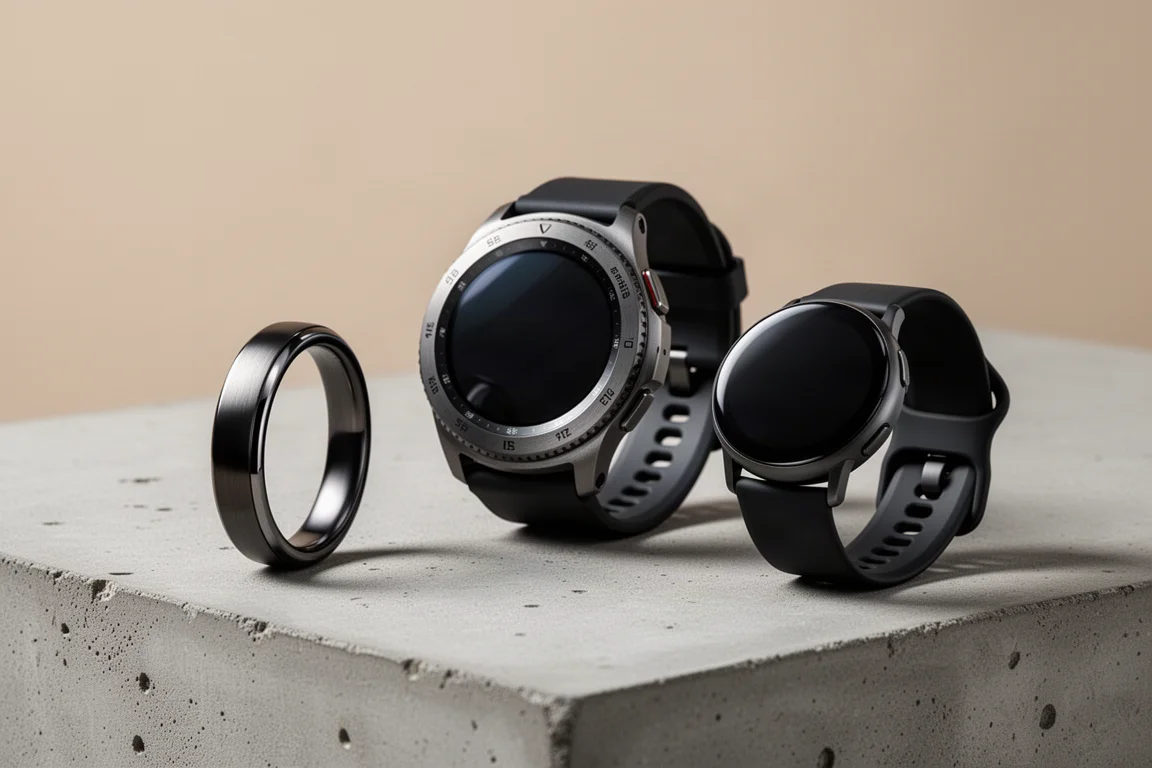
Samsung Galaxy Ring, Galaxy Watch Ultra and Galaxy Watch 7: What's New and Who Each One Is For
Samsung's latest wearables cover three distinct needs: a subscription-free smart ring, a rugged LTE adventure watch, and a far more affordable core smartwatch.