Wearables
Ultrahuman Ring Air First Look: A Subscription-Free Smart Ring Worth Considering
Hands-on impressions of the Ultrahuman Ring Air after two weeks of wear, plus how it stacks up against the Oura Ring Gen 3 and Garmin Fenix 7 Pro for sleep, recovery, and daily wellness.
Introduction
Smart rings have quietly become one of the most interesting categories in wearables. The Ultrahuman Ring Air is a health and wellness-focused smart ring that promises detailed sleep, recovery, and lifestyle insights without the monthly subscription that most rivals require. After roughly two weeks of wear, paired against an Oura Ring Gen 3 on the other hand and a Garmin Fenix 7 Pro on the wrist, the picture is promising but nuanced.
A quick caveat applies to any early impressions: a smart ring needs around two weeks to build a reliable baseline, so figures seen in the first fortnight should be taken with a pinch of salt. This piece focuses on the wearing experience, the app, and how the data lines up with two established alternatives.
What Is the Ultrahuman Ring Air?
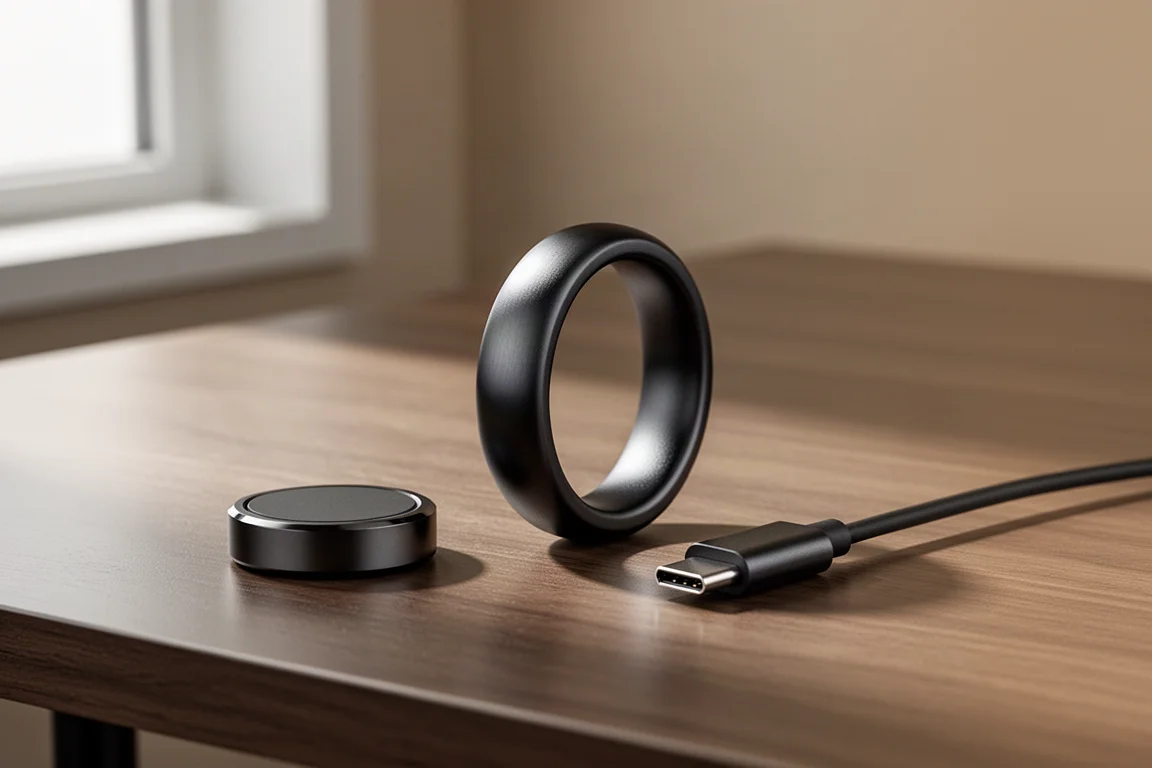
The Ultrahuman Ring Air costs $349 as a one-off purchase, and crucially there is no subscription required to access the app. The ring weighs between 2.4 and 3.6 grams depending on size, with a thickness between 2.45 and 2.8 millimeters. In the box you get the ring itself, a dedicated charger, and a USB-C cable.
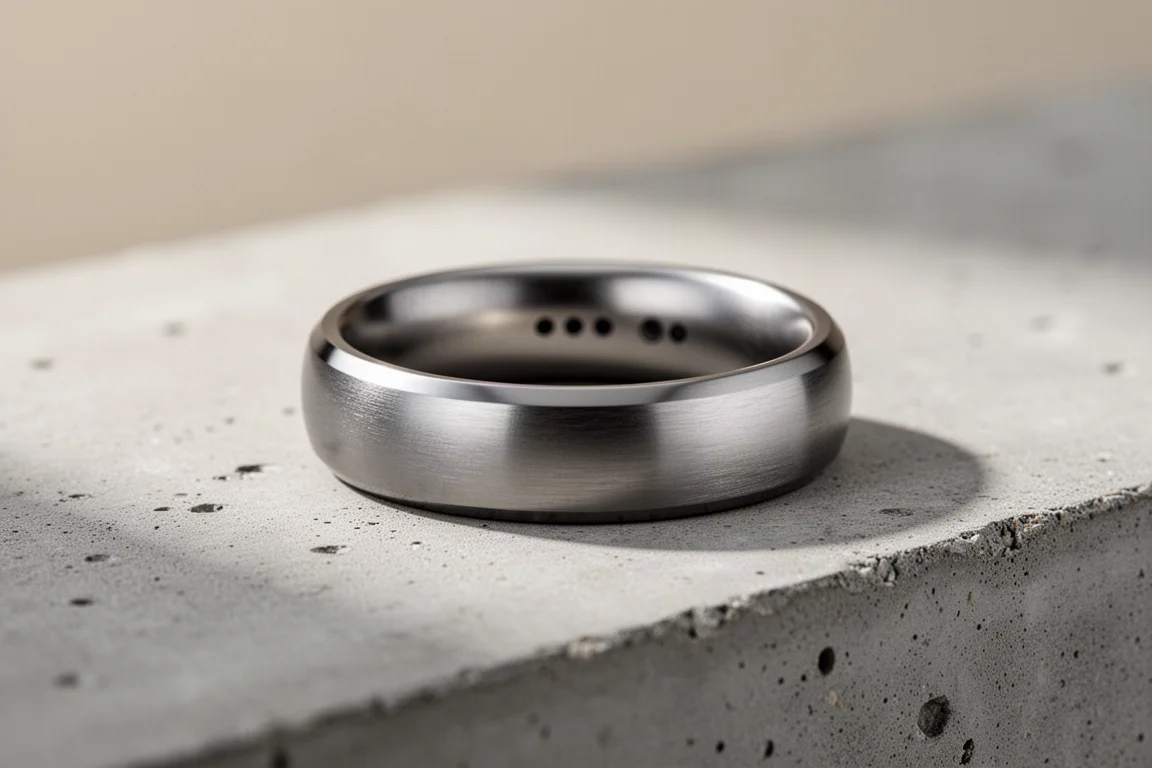
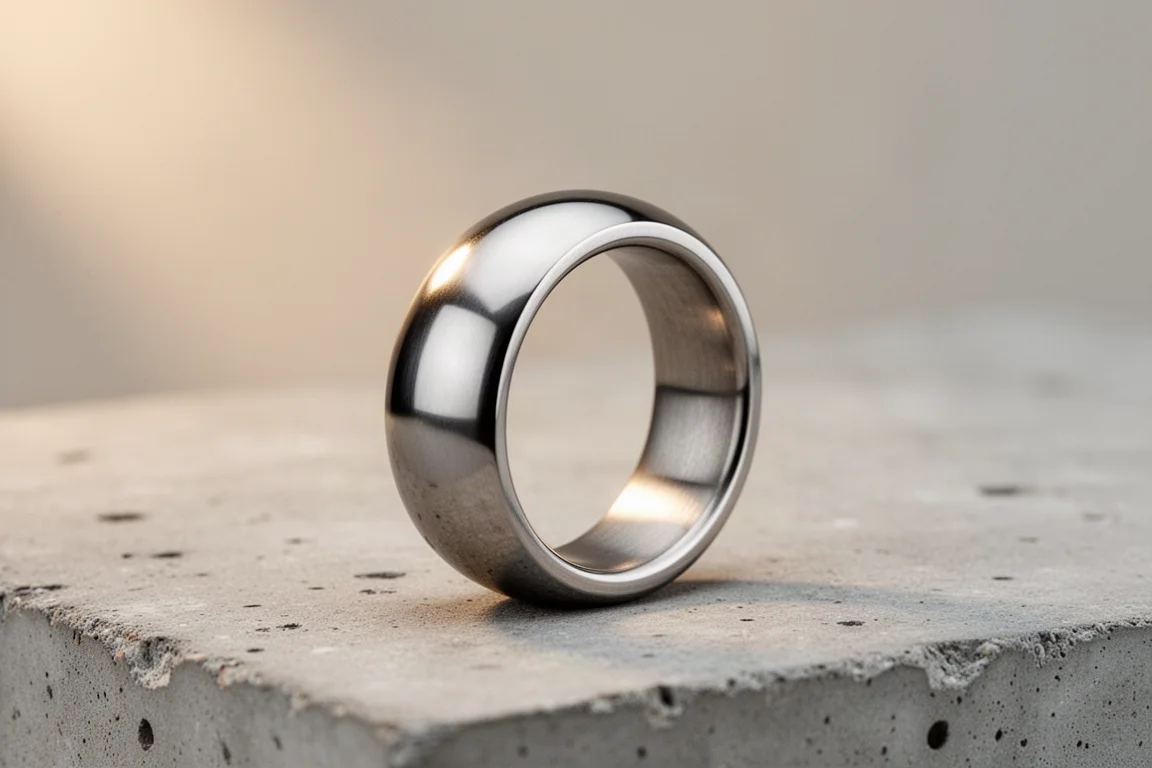
It is built from titanium reinforced with a tungsten carbide carbon coating, with the inner sensors protected by a medical grade hypoallergenic epoxy resin. The sensor set includes an infrared PPG sensor, a skin temperature sensor, six-axis motion sensors, and LEDs for heart rate and blood oxygen monitoring. Battery life is rated up to six days per charge, with a full charge taking around 1.5 to 2 hours.
The feature set is heavily oriented toward holistic wellness rather than workout tracking. The sleep index combines sleep duration, resting heart rate, restfulness, temperature, and consistency into a single clear report. Temperature tracking offers continuous updates that can flag physiological changes, stress responses, or even illness. A movement index nudges you to get up from the desk or sofa to support glucose metabolism, and a recovery score blends HRV, activity, and sleep to indicate how prepared you are for exercise.
One of the more distinctive features is the phase response curve, which offers guidance on how light exposure, food, and exercise at specific points of the day affect your circadian rhythm. The companion app backs all of this up with live reports, supportive articles and videos, weekly personalized plans, guided workouts, and timely notifications throughout the day.
Living With the Ring
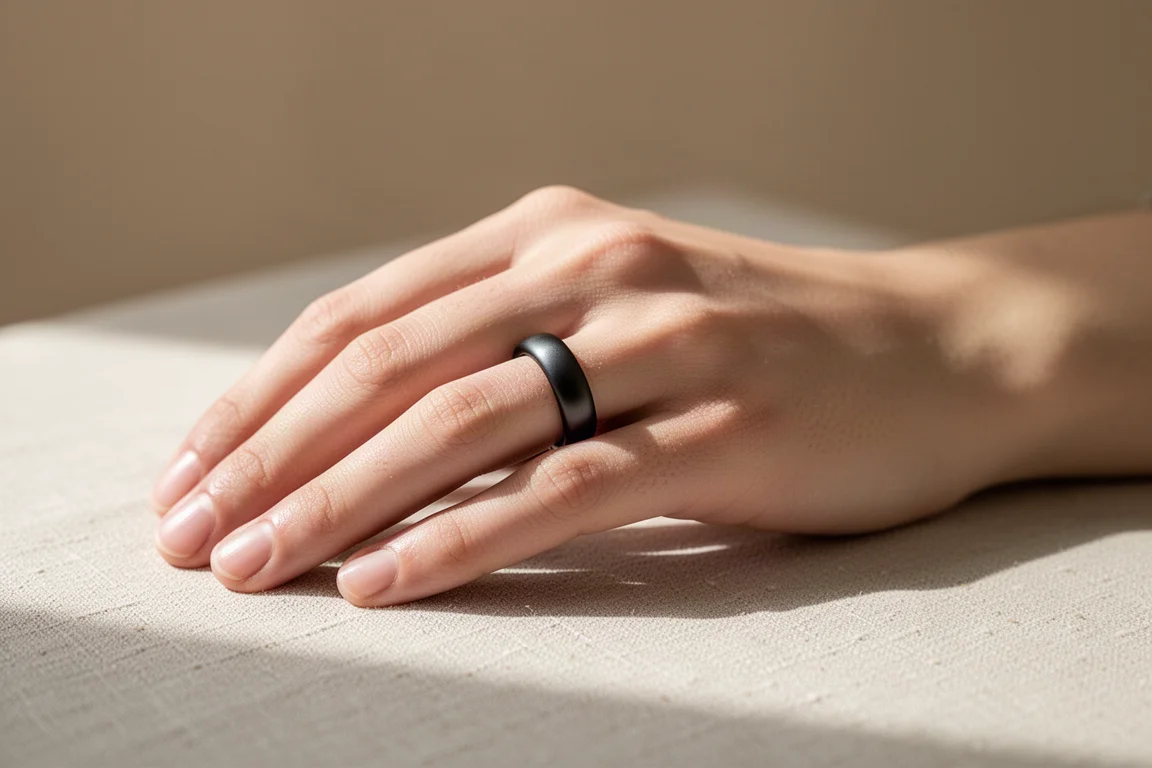
For anyone who has never worn a ring before, there is a genuine learning curve. On an index finger it can snag on things, and reaching into a bag or drawer can catch you by surprise. After a couple of weeks, though, it becomes easy to forget it is there. It is a fairly noticeable ring on the hand, larger than it first appears, and the design leans simple rather than sleek. At the time of testing only the black finish was available; a silver version would arguably look more refined.
The practical limitation worth knowing about is the gym. Metal bars and weightlifting will scuff the coating quickly, so the ring needs to come off for lifting sessions. That means the tracking contribution from those workouts is lost, and because the ring relies mostly on elevated heart rate to detect activity, low-heart-rate exercise such as weights can go largely unnoticed. That, in turn, can affect the recovery score.
Fit is where an early quirk appeared. Despite choosing the same size as an Oura ring, the Ultrahuman came off a few times unexpectedly while drying hands with a towel or moving in bed, something the Oura never did with a similar fit.
Sleep and Recovery Tracking
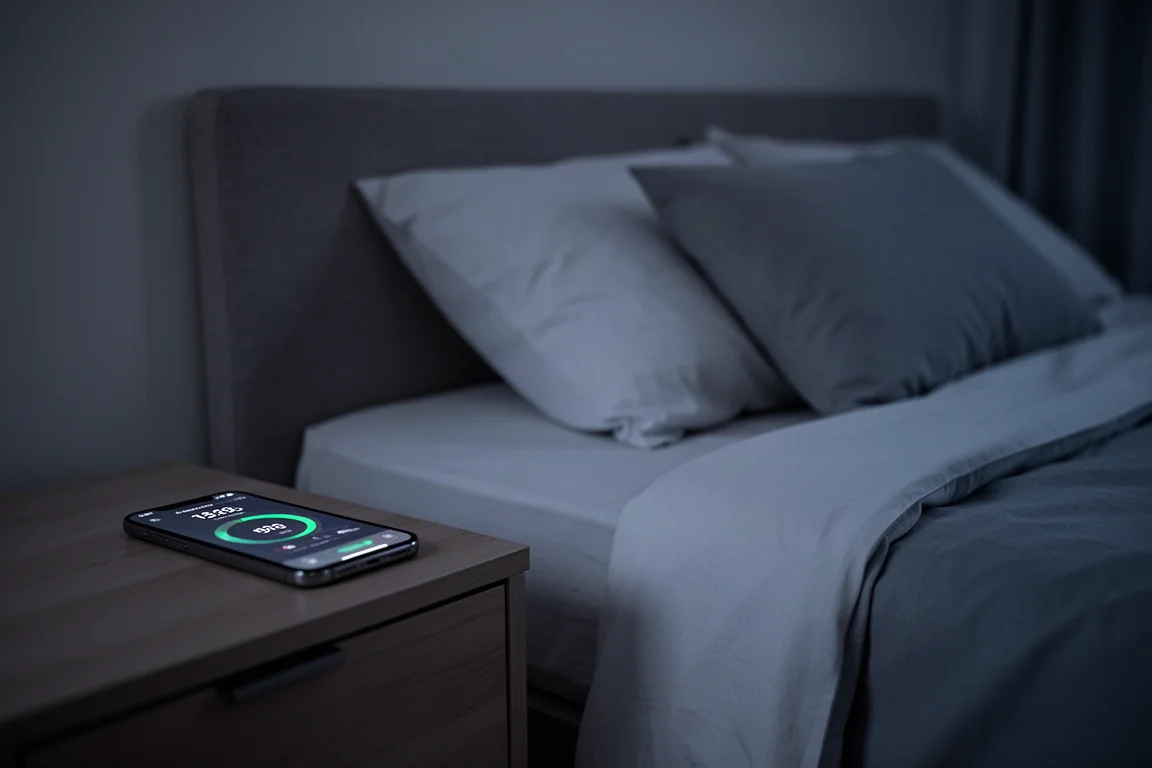
Sleep data is where the ring impressed most. After two weeks, overall sleep figures were almost spot on with a Garmin Fenix 7 Pro, with only minor discrepancies on REM estimates. For continuous heart rate, the opposite comparison held: the Ultrahuman’s resting and continuous heart rate readings felt closer to the Garmin than the Oura, which has historically read a little low on that front.
The recovery score is the area still finding its feet. The ring does not know what you are training for or what session you have planned, so it cannot weigh a heavy endurance run or a gym day the way a training watch can. On test days its readiness messaging was broadly consistent with both the Oura and the Garmin, but it occasionally diverged, suggesting rest on one device and a green light on another. As the baseline matures, that should settle, and it remains the main question for a fuller long-term verdict.

Oura Ring Gen 3: The Established Alternative
The Oura Ring Gen 3 packs a very similar sensor set, including PPG sensors for heart rate and blood oxygen plus temperature sensing, and delivers comparable sleep and readiness insights in a polished, user-friendly app. Long-term users tend to find its sleep tracking reliable, and it wears more elegantly than the Ultrahuman, blending in better with everyday jewellery.
The trade-off is the subscription: the full value of the Oura app depends on an ongoing monthly fee, which adds up over the years. It also includes an exercise heart rate feature that the Ultrahuman lacks, though that has not proven especially dependable in practice. Battery life in real use sits closer to three days, and a software update improving blood oxygen handling has helped it hold charge a little better. For anyone who values design and is comfortable with recurring costs, Oura remains the more premium-feeling pick.
Garmin Fenix 7 Pro: When You Need a True Training Tool
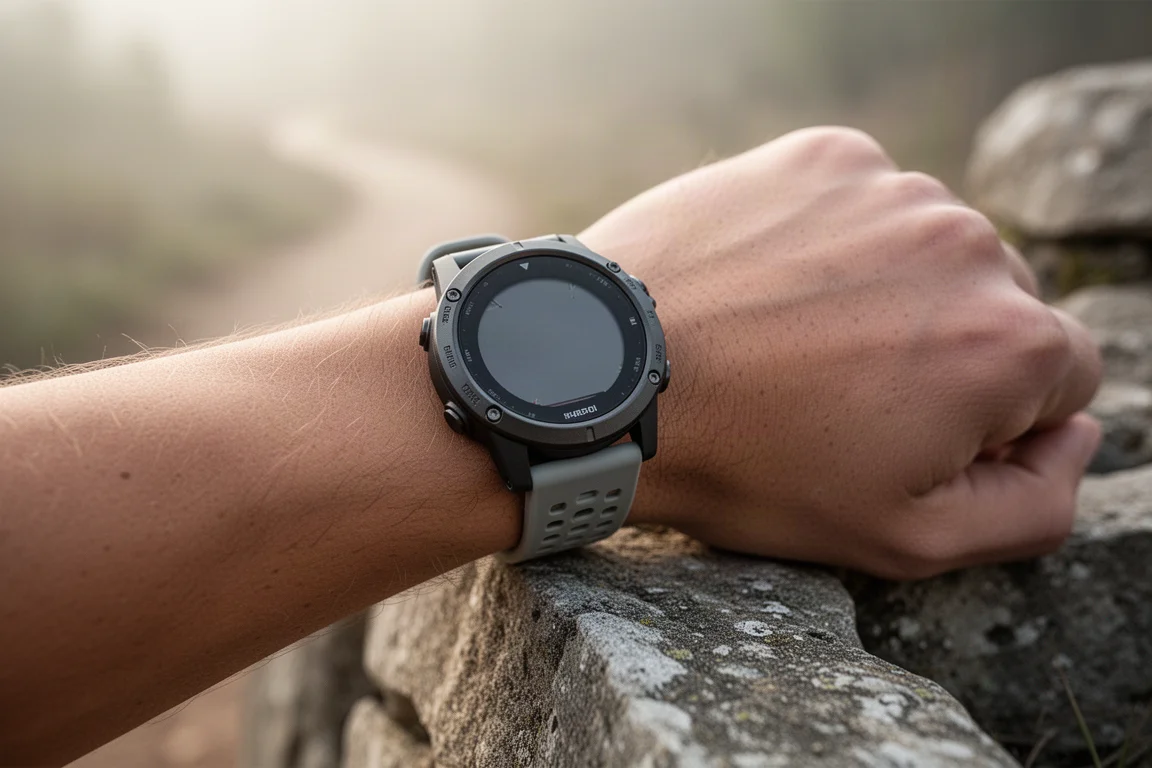
The Garmin Fenix 7 Pro sits in a different category entirely. It is a performance tool: it knows you are going for a run, what type of run it is, and what you are aiming for, and it uses that context to deliver genuinely strong training readiness and continuous heart rate data. For structured training insights, pace, and workout logging, no smart ring comes close.
What the ring does better is daily wellness. The Ultrahuman app goes deeper than Garmin Connect on sleep, explaining what the numbers mean and offering actionable checklists rather than a wall of data. Many runners leave the lifestyle features on their watch untouched; a ring isolates exactly those metrics and keeps them front of mind.
Buying Advice
The Ultrahuman Ring Air makes the most sense for people who want ongoing wellness information and useful nudges without a subscription. If you are not a runner, or you are a casual mover who simply wants steps, sleep, and health notifications without wearing a smartwatch, it is arguably a better fit than a general fitness watch. For dedicated runners, the ring is not a running companion in itself; you will still pair it with a watch for pace and session tracking, and it is fair to question whether a Garmin’s training readiness already covers much of what the recovery score offers.
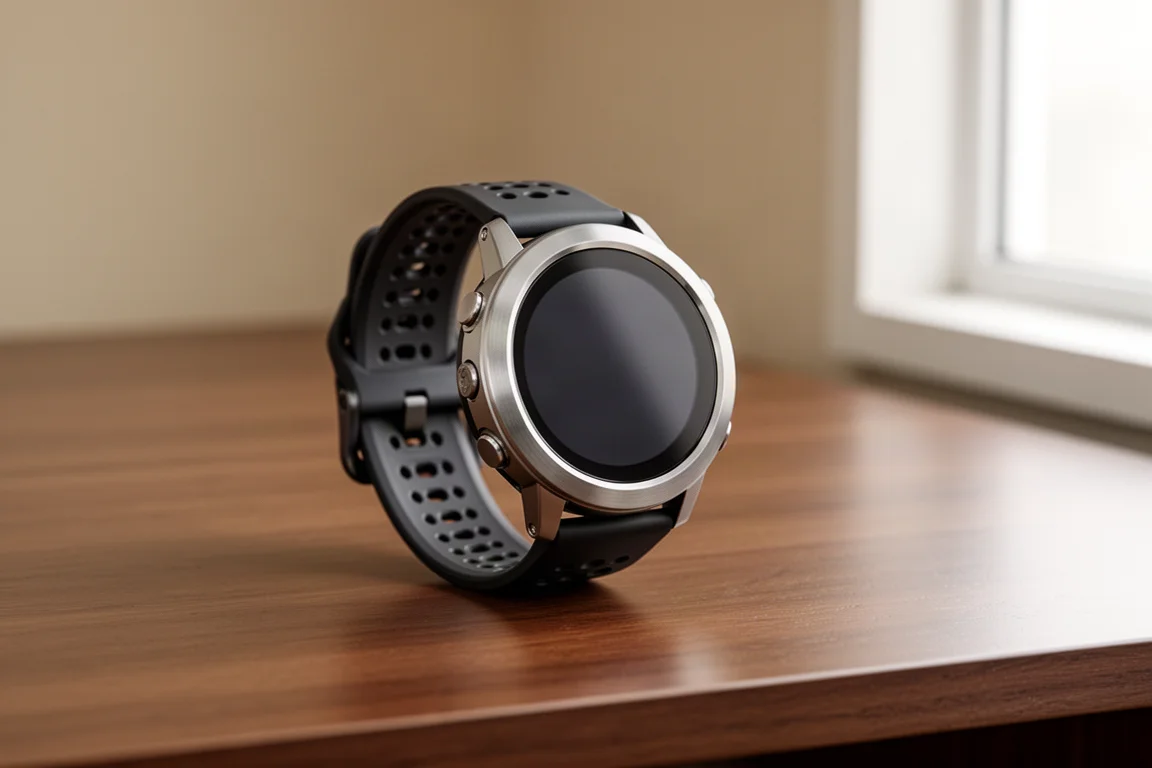
Between the three, the decision comes down to priorities: subscription-free wellness tracking (Ultrahuman), polished design with recurring costs (Oura), or full training capability (Garmin).
Conclusion
Two weeks in, the Ultrahuman Ring Air has been genuinely impressive as a wellness device rather than a training one. Sleep tracking lines up almost perfectly with Garmin, continuous heart rate feels more reliable than Oura, and the app presents complicated concepts like circadian rhythm in an approachable way. The design is plain, it can slip off unexpectedly, and gym sessions will scuff the finish, but the one-time price and subscription-free app make it a compelling entry point into smart rings. Runners should treat it as a recovery and sleep supplement to a proper training watch, not a replacement.
Further reading
Related Reviews
Wearables
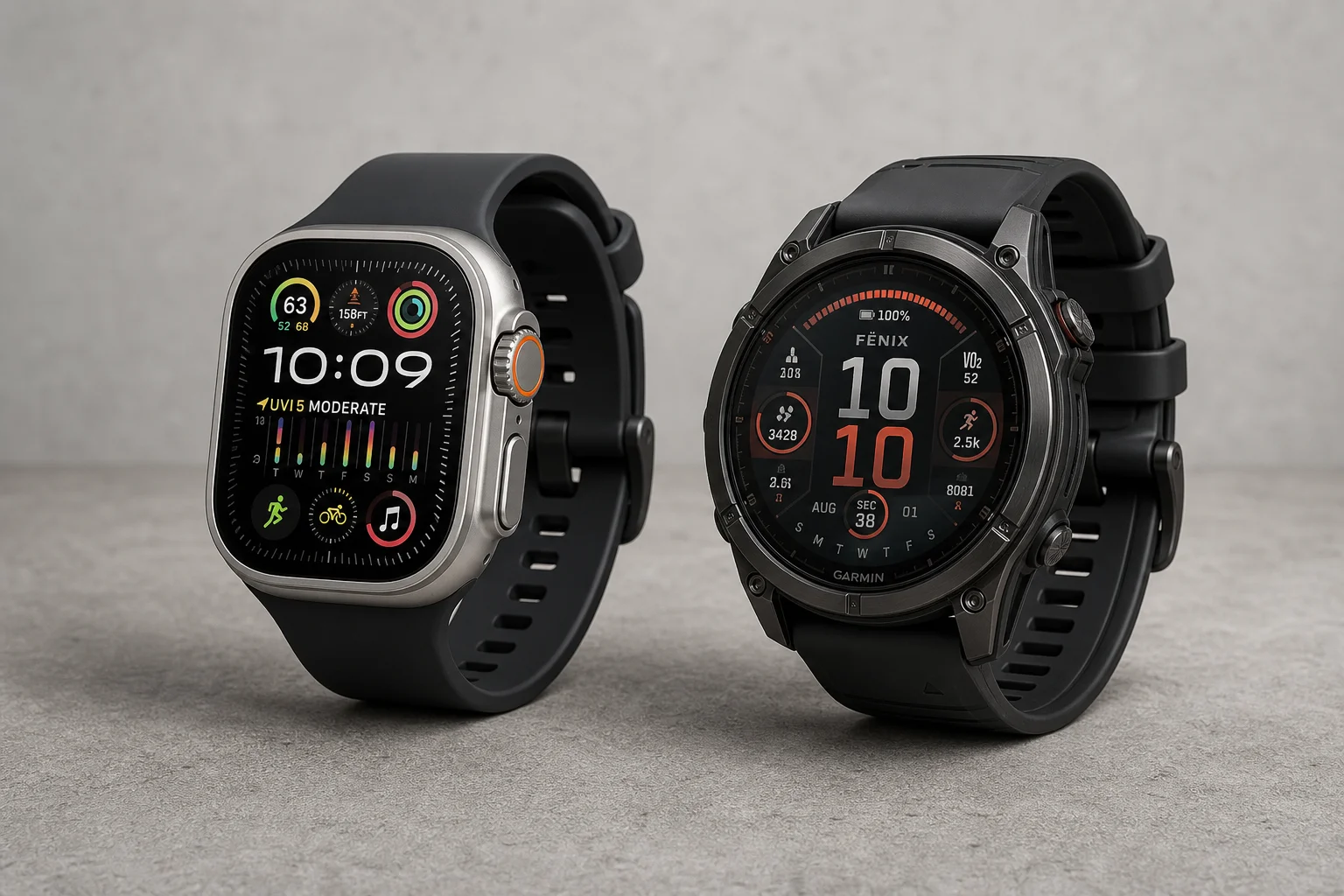
Apple Watch Ultra 3 vs Garmin: Which Training Watch Wins for Athletes
A practical head-to-head comparison of the Apple Watch Ultra 3 and Garmin for serious training, covering GPS accuracy, data tracking, usability, and recovery metrics.
Wearables
Apple Watch vs Garmin for Running: A Year of Training Compared
After a year training for marathons with both devices, here's what actually matters when choosing a running watch.
Wearables
Apple Watch Ultra 3 vs Garmin Fenix 8 Pro: Satellite Messaging Compared
A practical comparison of satellite messaging on the Apple Watch Ultra 3 and the Garmin Fenix 8 Pro, covering connection methods, messaging workflows, coverage, and running costs.