Cycling Gear
Ultra Gravel Bike Setup 2026: 7 Components That Finished an 800 km Race
Seven gravel components that held up across an 800 km ultra in southern Spain, covering frame handling, contact point comfort, battery life, lighting and storage.
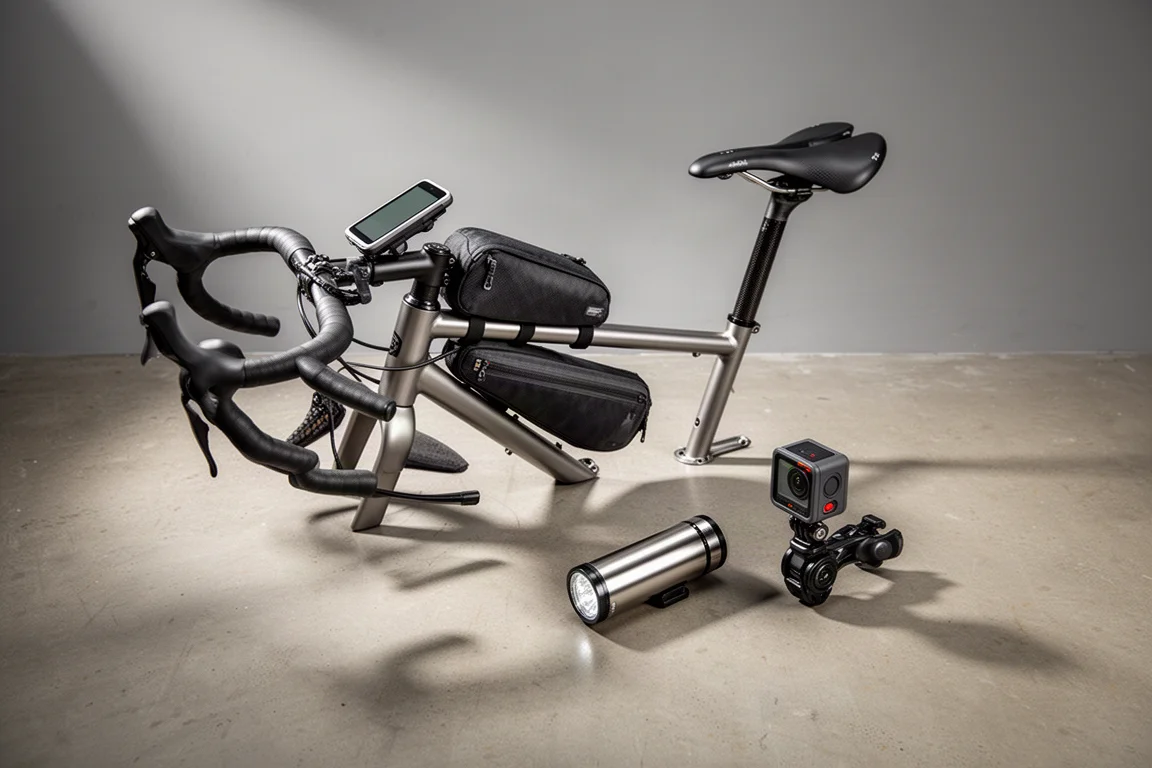
Introduction
Badlands runs roughly 800 km of gravel through southern Spain, and the 2026 edition followed the same formula that makes the event so difficult to finish: rocky terrain, long climbs, fast descents, relentless heat at midday and long hours ridden through the night. A setup that survives a route like that has to be judged differently from a bike built for a weekend gravel loop.
This roundup covers the components that came through the 2026 crossing, what each one actually contributed, and the one change worth making before an event of this length.
What Mattered Most on an 800 km Gravel Route
Riding through a second night changes the priorities. When concentration drops and the surface turns rough, stable and planted handling matters more than razor-sharp steering. Comfort at the contact points matters more than weight. Battery life and straightforward navigation matter more than a long feature list. Storage has to be quiet, secure and reachable while moving.
Tires turned out to be a bigger variable than expected. On a 50 mm gravel setup, a starting pressure of 22 to 24 psi felt too firm. Dropping to roughly 16 to 19 psi noticeably improved comfort, especially at the front end. The usable window is narrow: too low and the tire squirms, too high and it bounces. Big-volume tires need lower pressure to do their suspension work.
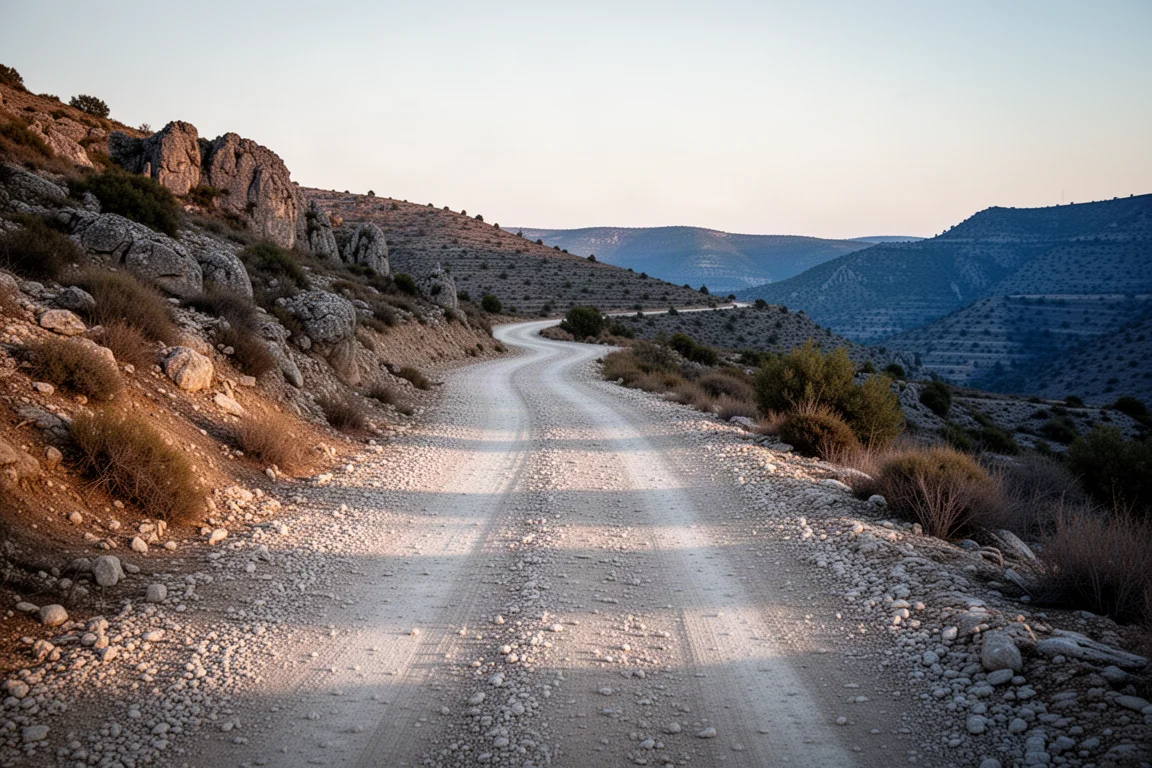
The wheelset underneath them finished the full distance without a single issue: no dings, no cracks, no squeaks, no punctures and no sidewall cuts. Temperatures swung from around 45 °C at midday to roughly 17 to 18 °C during the first night, so every component had to work across a wide range.
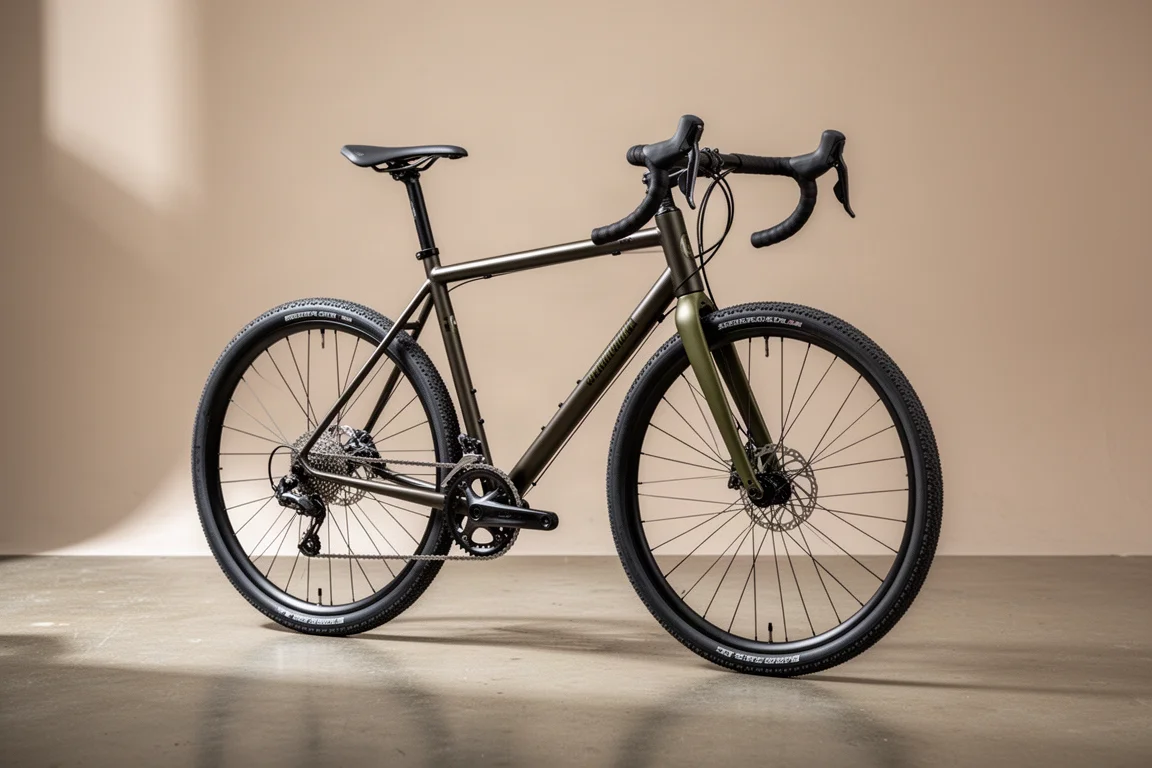
The Frame: Fairlight GR4
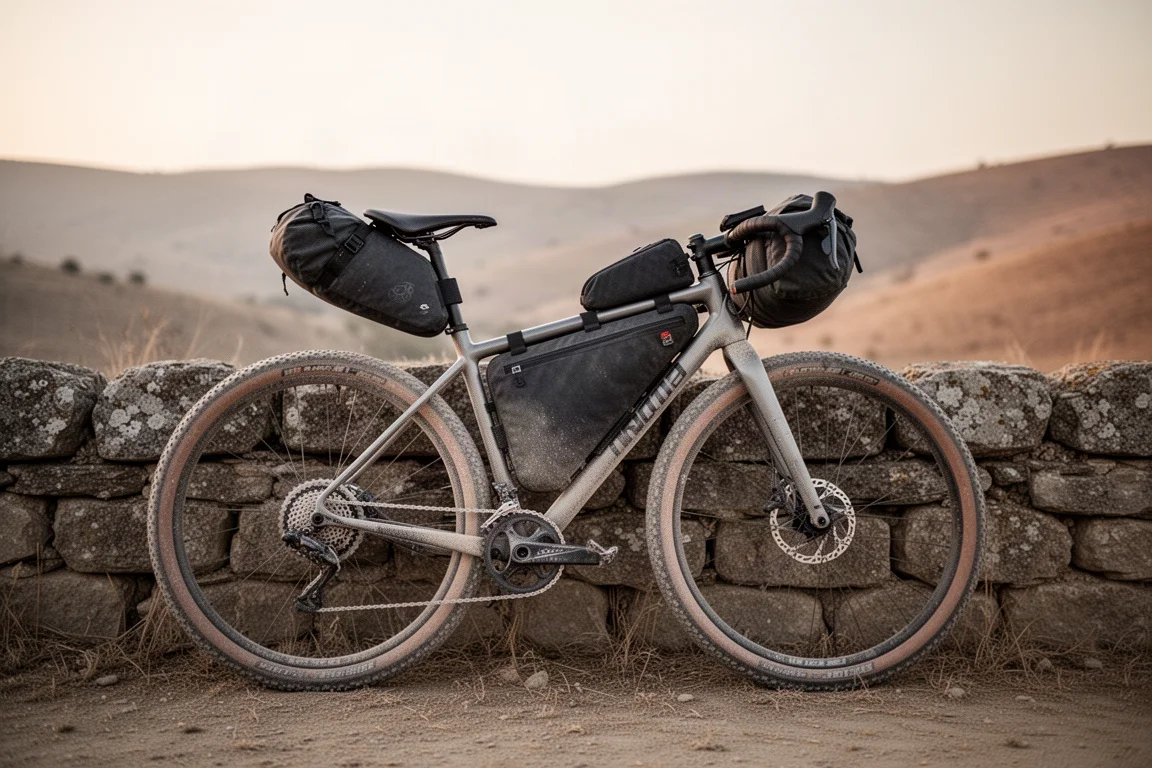
The GR4 is the piece everything else hangs off, and its character is best described as a mountain bike with more tire clearance. A long wheelbase and a slack but not lazy head angle produce planted, stable handling that holds up when a rider is sleep deprived and descending a rough trail through a second night.
It also copes with the full spread of the route: rocky climbing, fast descents and the road sections in between. The front end is not overly stiff, so the frame avoids the jarring feel some race-focused gravel bikes have, and that balance matters over 800 km, where comfort is a performance factor rather than a luxury.
The handlebar deserves its own mention. Slightly flared drops, a shaped section that is comfortable to rest a palm on while climbing or cruising, and a forgiving layup combine into a cockpit that works for both racing and long-distance riding.
Comfort at the Rear: Canyon S15 Seatpost
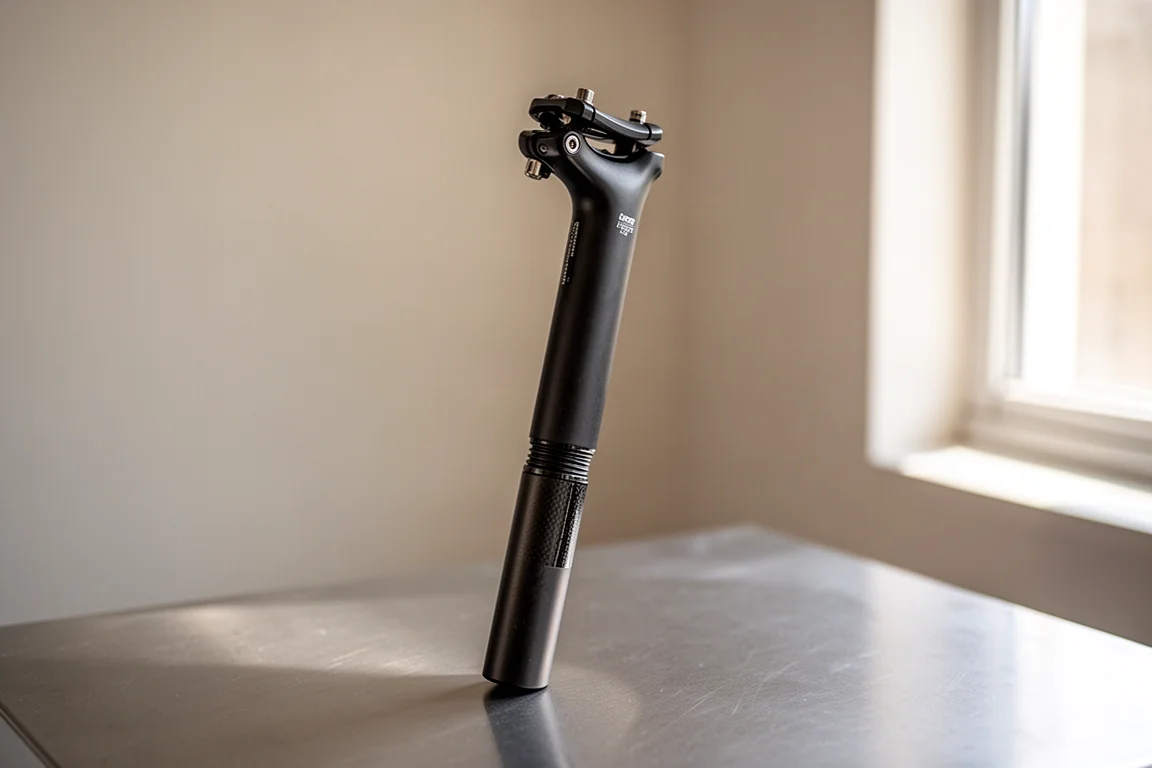
Small amounts of movement at the seatpost add up over a long ride. The Canyon S15 uses a flex design that gives roughly 10 to 20 mm of fore-aft deflection, which takes the sting out of rough ground and reduces the fatigue that builds at the rear of the bike over multiple days.
On a route where most of the surface is loose or rocky, that kind of compliance is a real benefit rather than a comfort extra. Less punishment at the rear end means less time shifting weight around and more time pedalling.
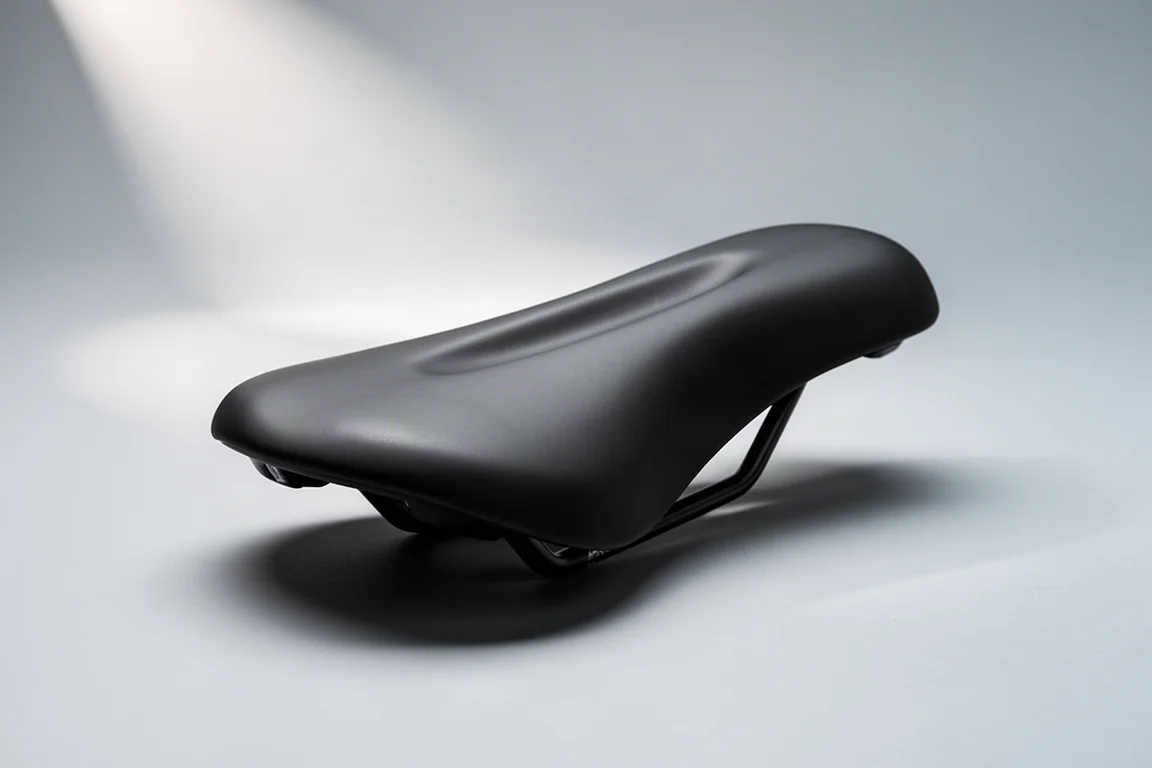
The Saddle: Ergon All Road
Saddle comfort is personal, but the pairing here is worth noting. The Ergon All Road uses a foam platform with a dedicated cushioning layer, and over multi-day riding that extra squish proved more forgiving than a firmer 3D-printed surface. Shape matters as much as material, and this one combines a supportive profile with enough padding for long, hot hours.
Fitted together with the flex seatpost, the combination became one of the most appreciated parts of the setup across 800 km of rough ground.
On-Bike Storage: Tailfin Full-Length Top Tube Bag
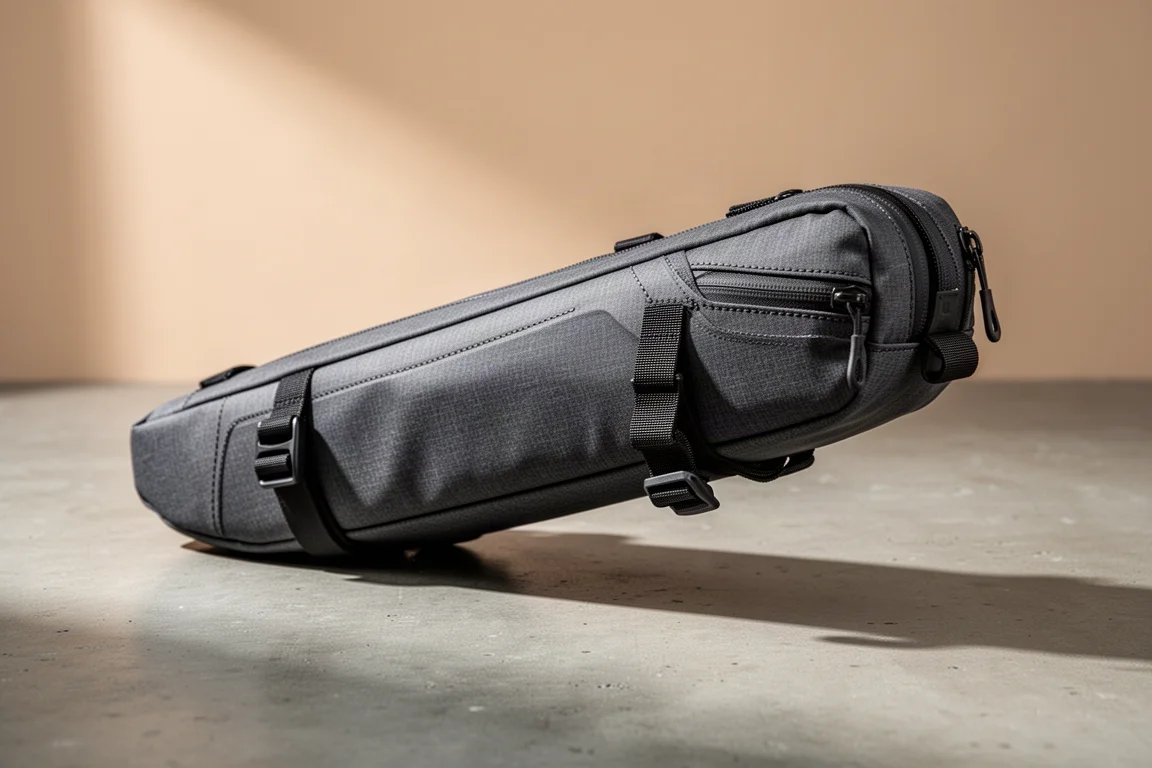
On a route this long, a full-length top tube bag is the sensible default. The extra capacity is the point: more room for food, easier access to it while riding, and no wasted empty stretch along the top tube. Three bags covered the whole event, and the top tube bag did most of the day-to-day work.
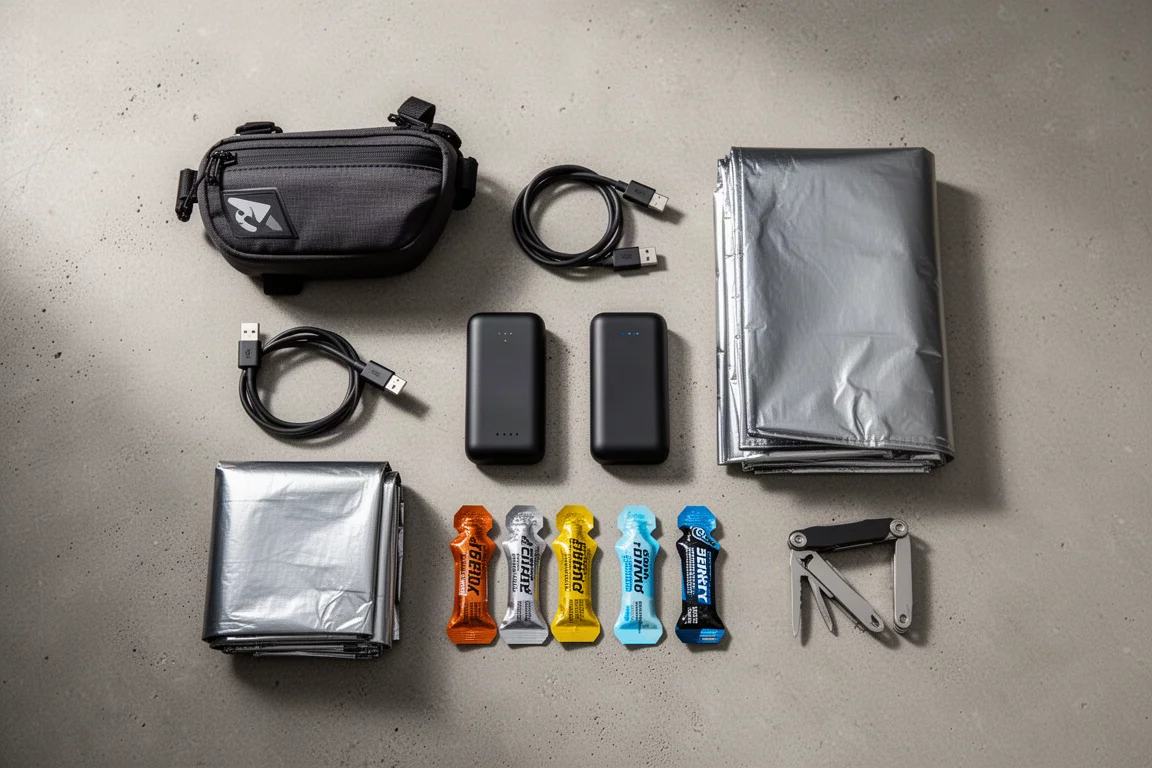
It carried biscuits and gels, the fuel that gets used most often. Other storage handled the rest: a frame pack held more food, a large electric pump and spare batteries, a small sleeve took a phone and a multi-tool, and two battery banks kept everything charged. Across rough terrain, nothing rattled or shifted.
Navigation: Hammerhead Karoo
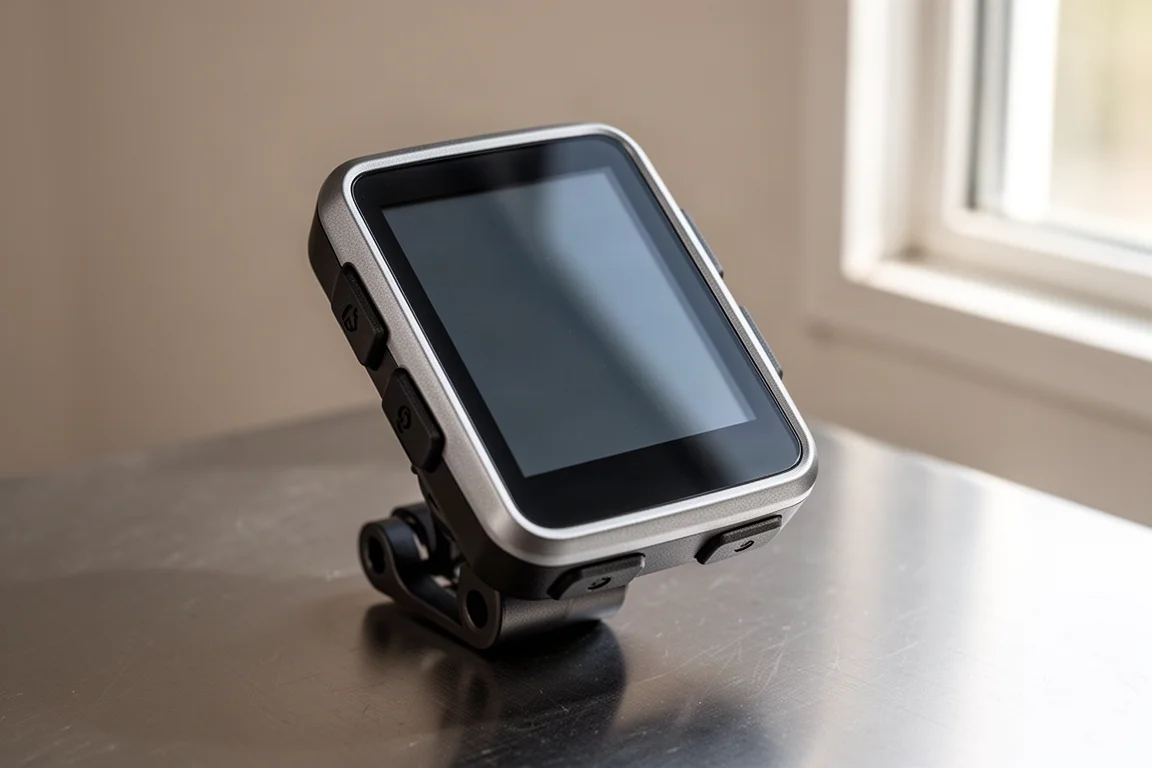
Battery life is the headline number. After 52 hours of riding, the Karoo still had 50 percent charge remaining. On an event where charging windows are scarce and a dead computer means no record of the ride at all, that margin changes how the whole week feels.
Navigation is simple and does everything a long-distance event needs, without menus to fight through when tired.
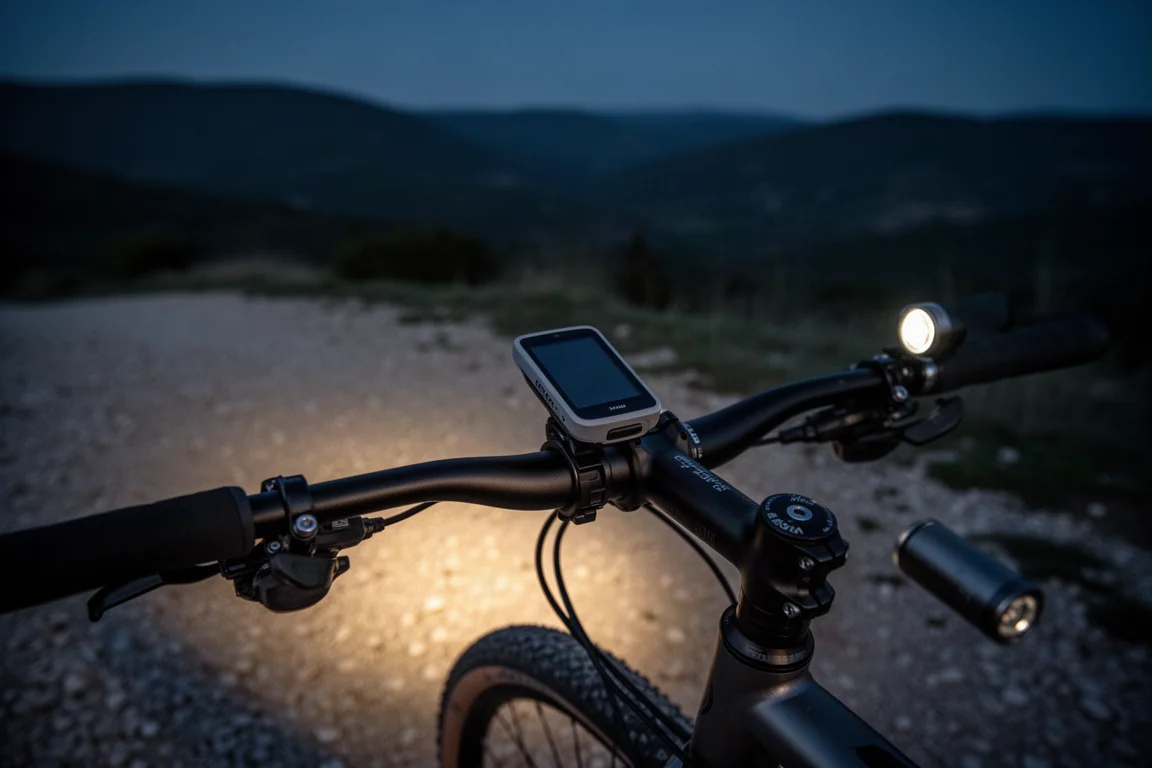
When it launched two years ago, the response was mixed and some features were missing. Two years of development later, it has become one of the most dependable choices for this kind of riding.
Lighting: Exposure Toro 16
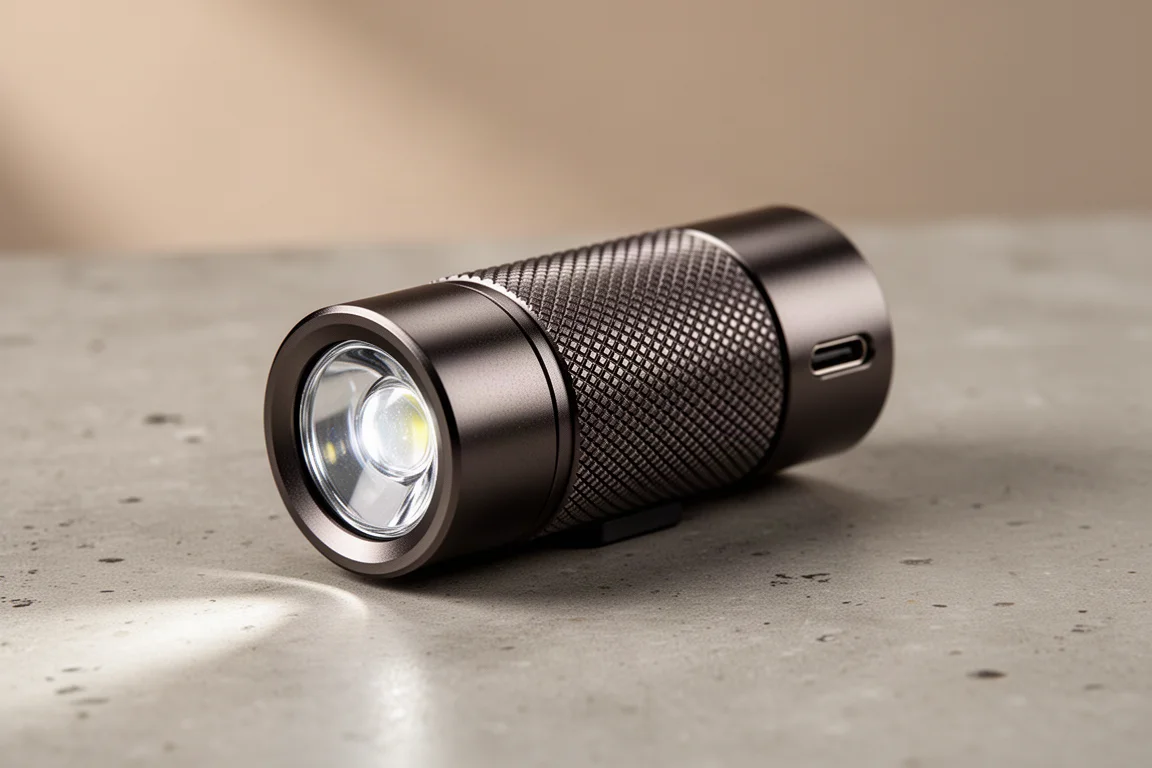
Night riding is part of the deal on a route this long. A mid-size light with 3 hours on maximum, 10 hours on medium and 20 hours on low covers a full night with sensible mode management, and the beam pattern spreads usefully across rough ground instead of throwing a narrow hotspot.
The USB-C port makes recharging straightforward, and the battery can also top up a phone, which is genuinely useful when a phone is doing double duty as a backup and a camera.
Camera: Insta360 X6
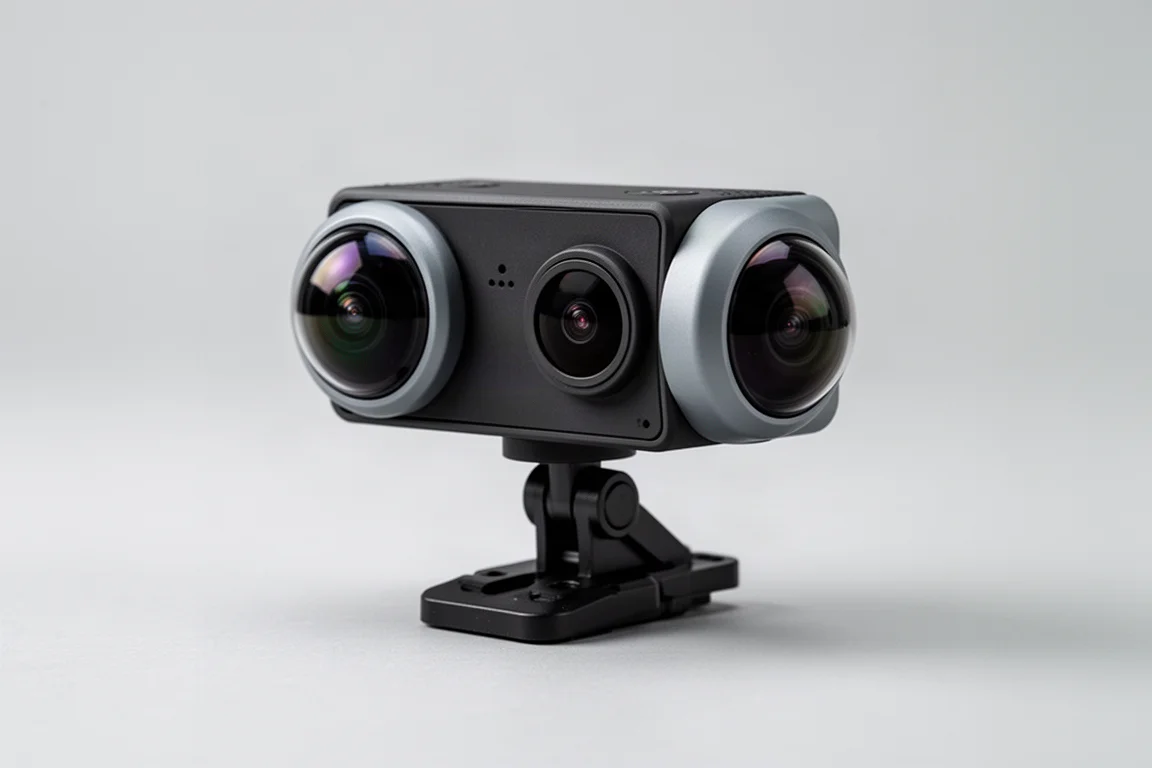
Stem-mounted and controlled with a single button, the camera made it practical to capture footage without stopping or digging through menus. That simplicity is the main argument for this kind of setup on a long event.
Heat is the limitation. In desert conditions the camera had to be moved into shade to avoid overheating, so direct sun and high temperatures are worth planning around.
Gearing: The Change Worth Making
One thing let the setup down, and it was a choice rather than a fault: gearing. A 40 or 38 tooth chainring would have suited an 800 km route far better than the larger one fitted, and most riding time was spent in the biggest sprocket on the cassette.
That pattern repeats on ultra-distance events. The bike is heavier with luggage, the rider is 20 or 30 hours in, and the temperature is high. Low, easily spun gears take strain off the lower back and keep a tired rider pedalling instead of grinding. It is natural to focus on high gears and top speed, but the easy gears are the ones that keep the ride moving on terrain like this.
Overall Buying Advice
If the goal is finishing a long gravel event rather than winning a short one, the order of priorities is roughly this: frame stability first, contact point comfort second, then battery life, storage and lighting, with gearing decided before anything else is bolted on.
A frame with a long wheelbase and a forgiving front end pays off over distance. A flex seatpost and a well-shaped saddle are among the most effective comfort gains available. Navigation and lighting should be chosen on runtime rather than feature count. Storage should be sized for the food you will actually eat, because a full-length top tube bag carries more for very little penalty.
Gearing deserves the last word. Choose the smallest chainring that still works for the terrain and accept the top-end loss, because on a route like this the low gears get used far more often than the fast ones.
Conclusion
Nothing in this setup was exotic. A stable gravel frame, a flexing seatpost, a comfortable saddle, a full-length top tube bag, a long-running computer, a light with sensible runtimes and a simple action camera covered an 800 km route across southern Spain, and the only real regret was gearing.
That is a useful takeaway for anyone planning a long off-road event: reliability and comfort beat specification lists, and the components that quietly do their job are worth more than the ones that look fast.
Further reading
Related Reviews
Cycling Gear
8 Cycling Products Riders Keep Coming Back To
Eight cycling components and accessories with clear strengths, honest trade-offs and long-standing reputations among riders and mechanics.
Cycling Gear
Aero Helmets and Bottle Setups Tested: Six Options Ranked by Measured Watt Savings
Wind tunnel data on six aero helmets and bottle setups, with real watt savings, practical trade-offs, and guidance on what is worth buying first.
Cycling Gear
Aero Road Bikes and Fast Tires Worth Watching in 2026
Four aero road bikes and one fast road tire, with the real strengths, the open questions, and what to check before you buy.