Cycling Gear
Ultra-Distance Gravel Bike Setup: 8 Kit Choices From an 800 km Race
Eight products used to finish an 800 km ultra-distance gravel race in Spain, with what worked, what failed and what to change next time.
Introduction
Ultra-distance bikepacking races are an unusual equipment test. There is no neutral support and no team car, and in rural Spain there is often no town for hours in any direction. Everything on the bike has to survive 800 km of rough, jarring roads, desert temperatures reported to reach the mid-40s Celsius, and long night stints where every component needs to work first time.
The build below completed that race in 62 hours. It is not offered as the perfect setup. On the start line there were aero road bikes carrying a single top tube bag, mountain bikes, gravel bikes, tires from 38 mm up to mountain bike width, road and mountain gearing, two-by drivetrains, suspension forks, suspension stems, tri bars and plenty of bikes without them. That variety is the point: the right setup is the one that matches the rider’s priorities, whether that is speed, comfort or simply reaching the finish.
How This Setup Came Together
The guiding principle was efficiency rather than outright speed. Climbs were ridden deliberately steadily to avoid burning through energy early, while flat and rolling sections were used to carry speed, where a small extra effort buys a disproportionate gain. Bolt-on aero extensions were part of that thinking. They are not about chasing a fast time so much as reducing the effort required at any given speed, and they give the upper body a second position to rest in over a very long day.
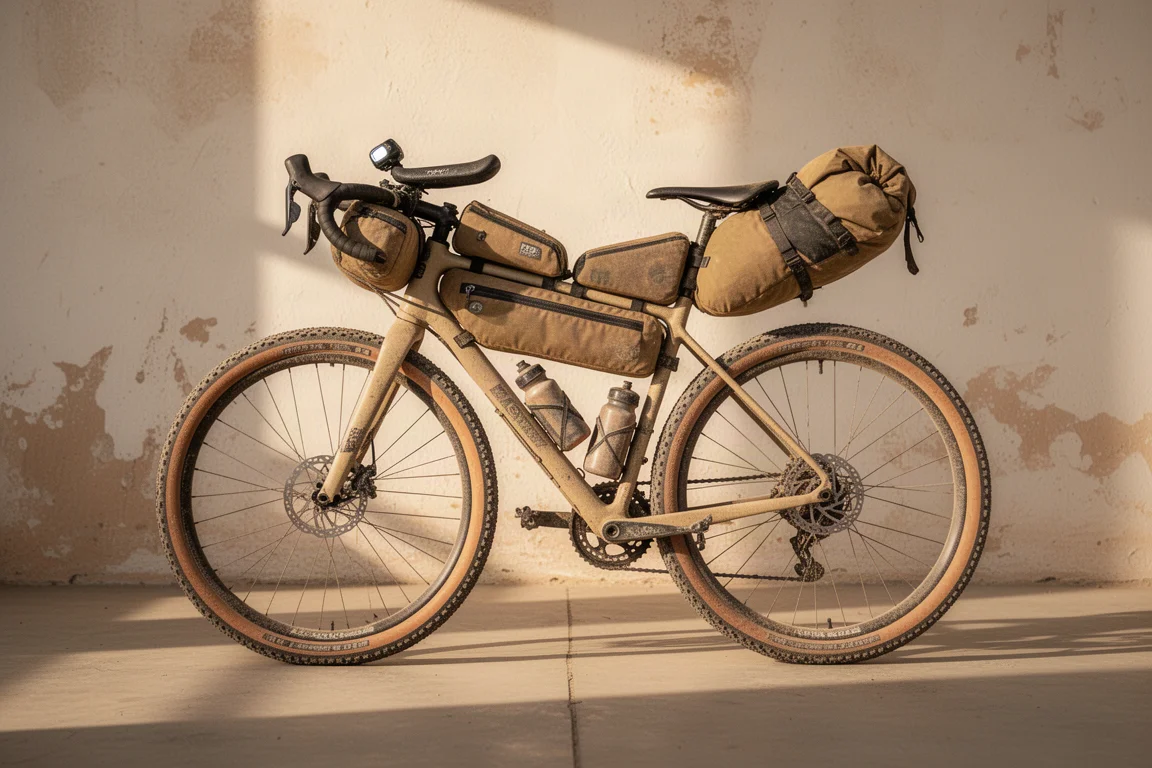
Luggage was the hardest decision. Lighter setups on other bikes were a distraction, and the bike was packed and repacked several times before the start. The final call was to carry more rather than less: roughly 15 kg loaded, three 850 ml bottles and a hydration pack with a two-litre bladder. With hindsight, two bottles would probably have been enough. Drinking was overdone on the first day out of a fear of dehydration rather than genuine need.
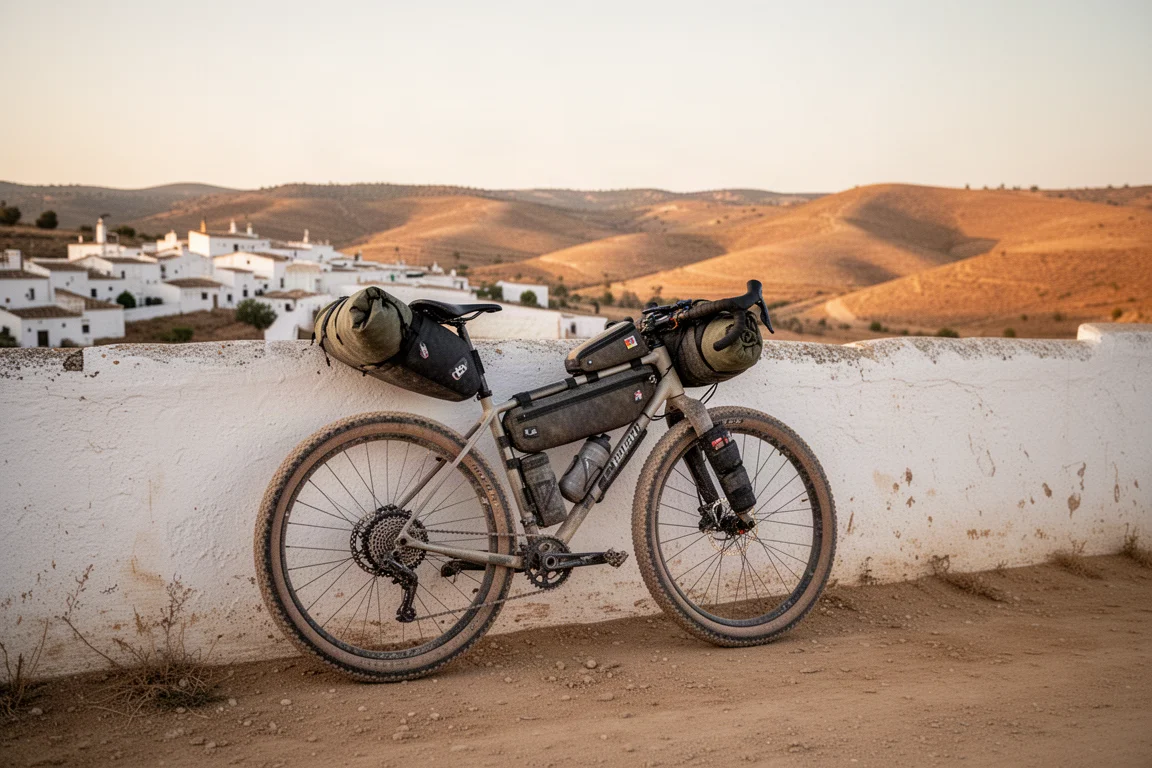
In practice the extra weight never felt like the limiting factor. A couple of kilos either way rarely decides an 800 km race, while running out of water, food or layers in a remote section very much can.
Frame: Saturn Gravel Bike in Desert Sandstorm
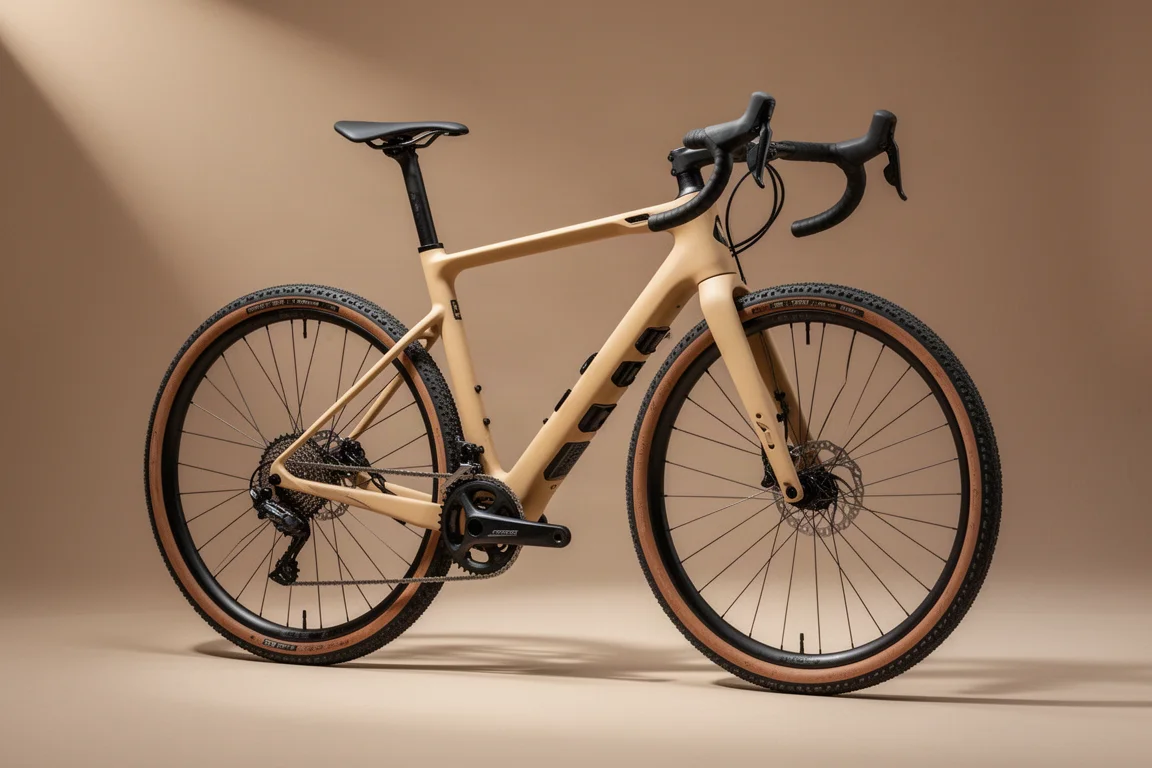
The frame for this build was a Saturn gravel bike in the Desert Sandstorm colorway, assembled specifically around the new Shimano GRX wireless groupset. The appeal was straightforward: geometry that pairs high-speed stability with comfort, a light frame and a full set of mounting points for bottles, bags and extra cargo.
Across 800 km of tarmac, gravel and rock, nothing on the frame came loose and nothing broke. The bike stayed composed on rough, jarring surfaces, and the mounting options made it possible to spread luggage properly instead of hanging everything off the seatpost. For a first outing at this distance, that is a strong result.
Groupset: Shimano GRX Wireless
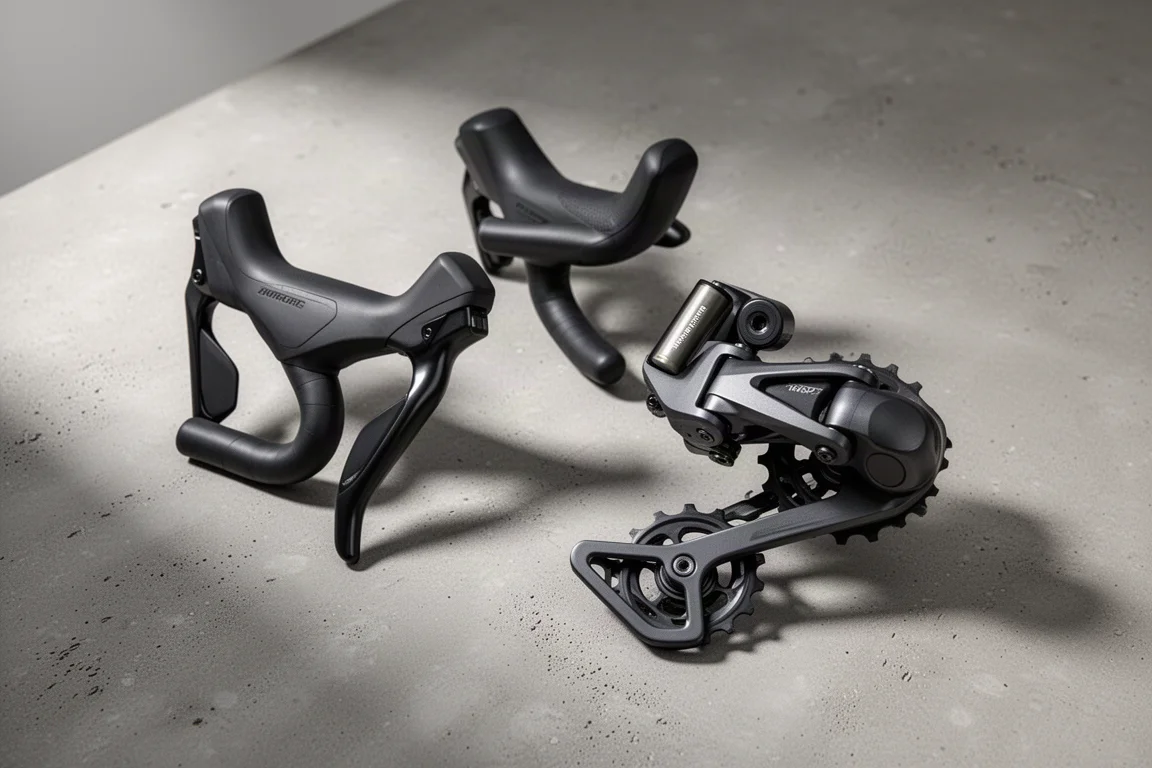
This was a rare opportunity to ride a genuinely scarce groupset. At the time there were no samples of the wireless GRX groupset in the UK, so this one came from North America for the build. From the hoods it shifts as quickly as Di2, and there is no meaningful difference in shifting speed in normal use. The real advantage appears during assembly, where wireless connections remove a lot of cable routing work. Once the bike is built, that benefit largely disappears.
Battery life is claimed at somewhere between 800 and 1,000 km. It lasted the full 62 hours of racing and ran out on the finish line, which left the bike stuck in the lowest gear. No spare battery was available at the time, so carrying one is worth planning for on an event of this length. The battery is removable, but it does not come out easily when tired, and it stayed firmly in place over 800 km of rough roads.
Gearing was a 10-51 mountain bike cassette with a 40T chainring. A smaller front ring would have been welcome on the steepest climbs, but 40T is the smallest option in this groupset, so it is less tunable than a SRAM equivalent. The other consideration is the rear derailleur hanger. Unlike SRAM’s wireless gravel option, this setup still depends on a mech hanger, which is a genuine risk on a course where a loaded bike can fall onto rocks.
Tires: Maxxis Reaver 45 mm
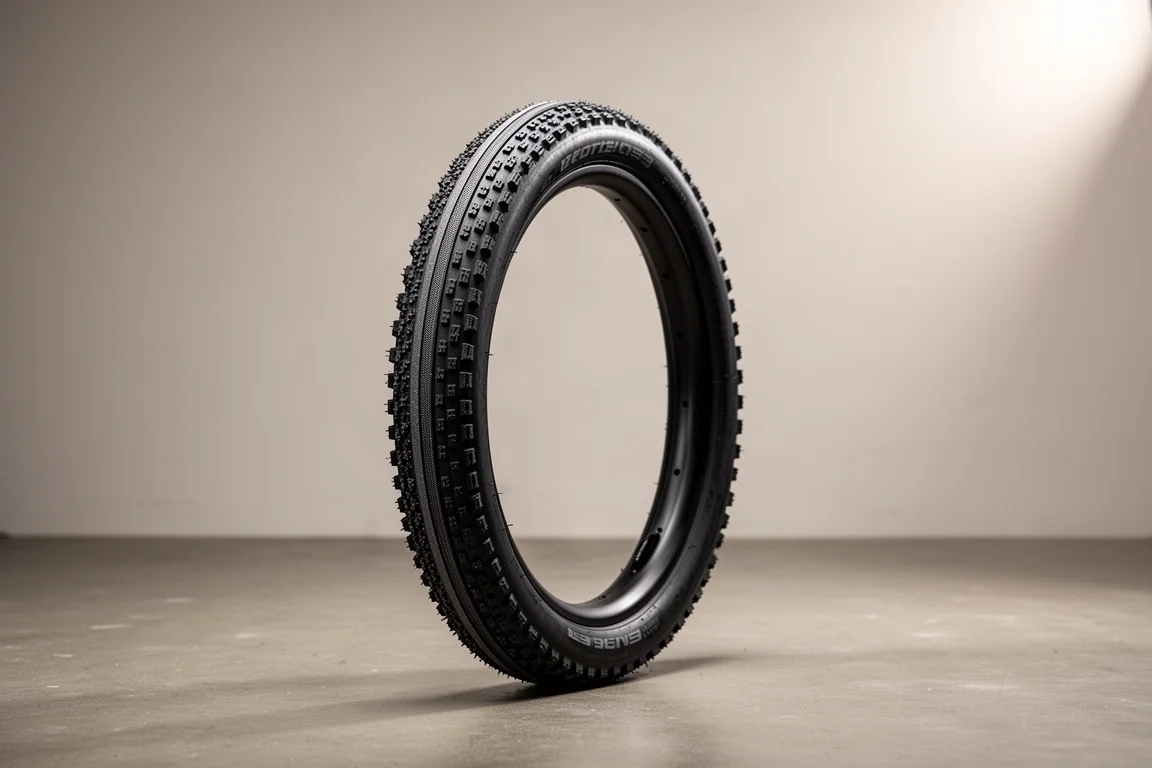
Tire width and tread were the biggest dilemma before the start, and 45 mm semi-slicks turned out to be the right answer. The course was rough and demanding, but the tread pattern was all that was needed. Nothing chunkier or wider was required to get through it.
The tires rolled fast on tarmac and smooth gravel, and the shoulder lugs provided grip through looser corners. Based on testing at home, moving from 45 mm to 47 or 50 mm brings no real penalty in speed, weight or rolling resistance, so a wider option would be the sensible choice next time on a similar course.
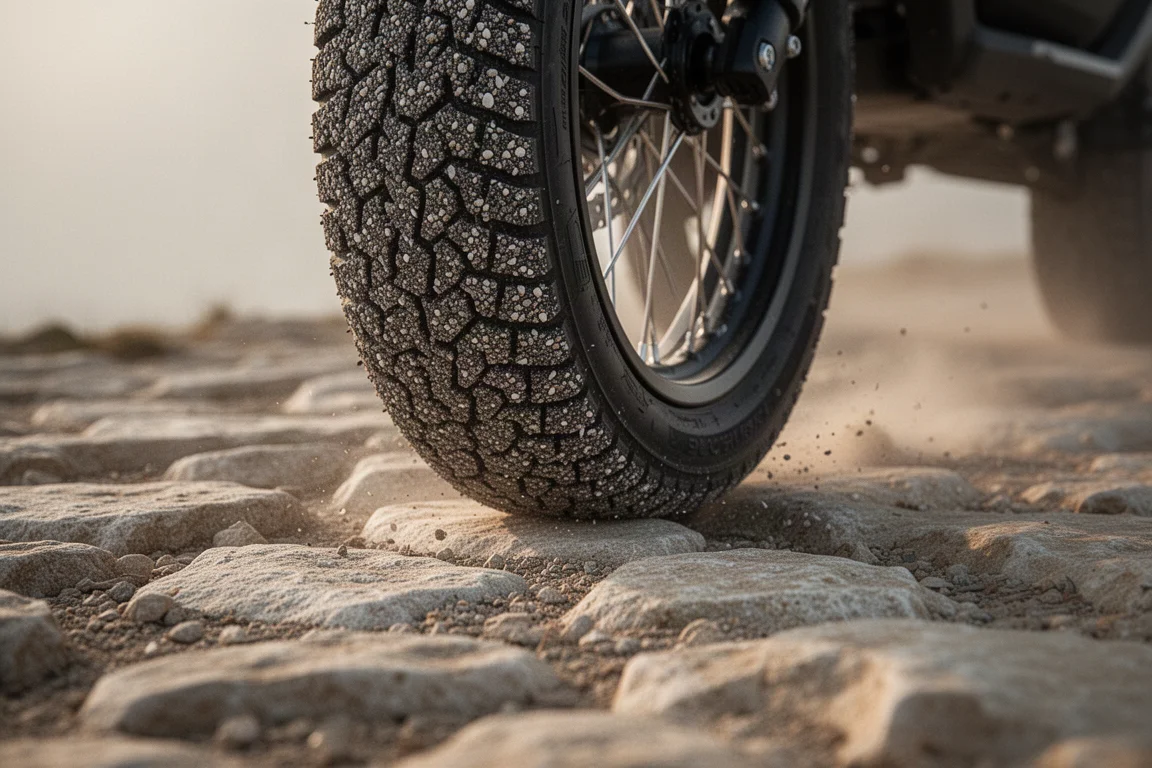
One double puncture occurred on a final climb after two days without sleep, when the bike was ridden into a boulder field and the front wheel slammed into the rocks. The damage was a sidewall cut just above the bead plus a puncture in the tread. Two dynaplugs and an electric pump had it moving again in about five minutes. The previous 750 km had been trouble free, so the failure was a riding error rather than a tire problem.
Suspension Stem: USE Vybe
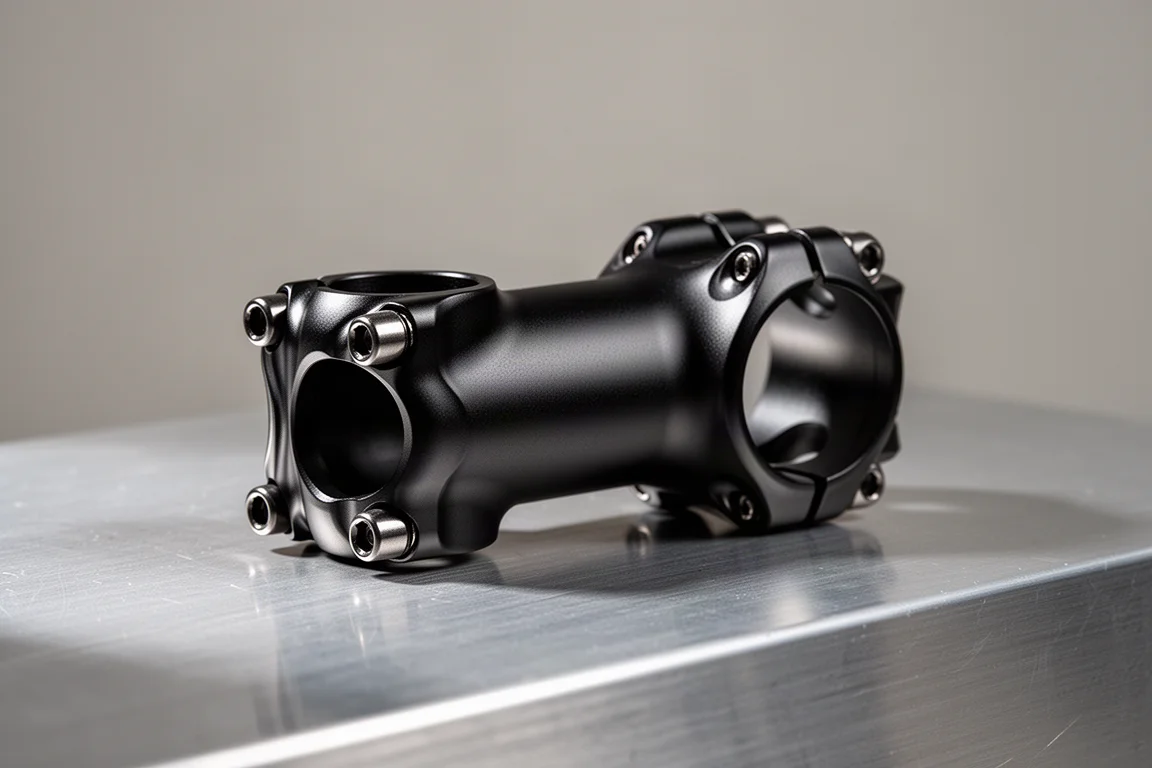
Front suspension was chosen purely for comfort. The USE Vybe suspension stem felt strange for the first few minutes and then excellent, softening the repeated hits of rough gravel in a way that rigid parts cannot. A matching suspension seatpost was part of the build as well.
Day one was flawless. On day two the stem stopped working. Two possible explanations stand out: sustained heat in the desert, or the extra load carried by the aero extensions, computer and lights. Whether the failure came before or after the neck fatigue that made the second night so difficult is impossible to unpick, but the timing suggests they are connected. On a long event, bar-mounted load limits are worth taking seriously.
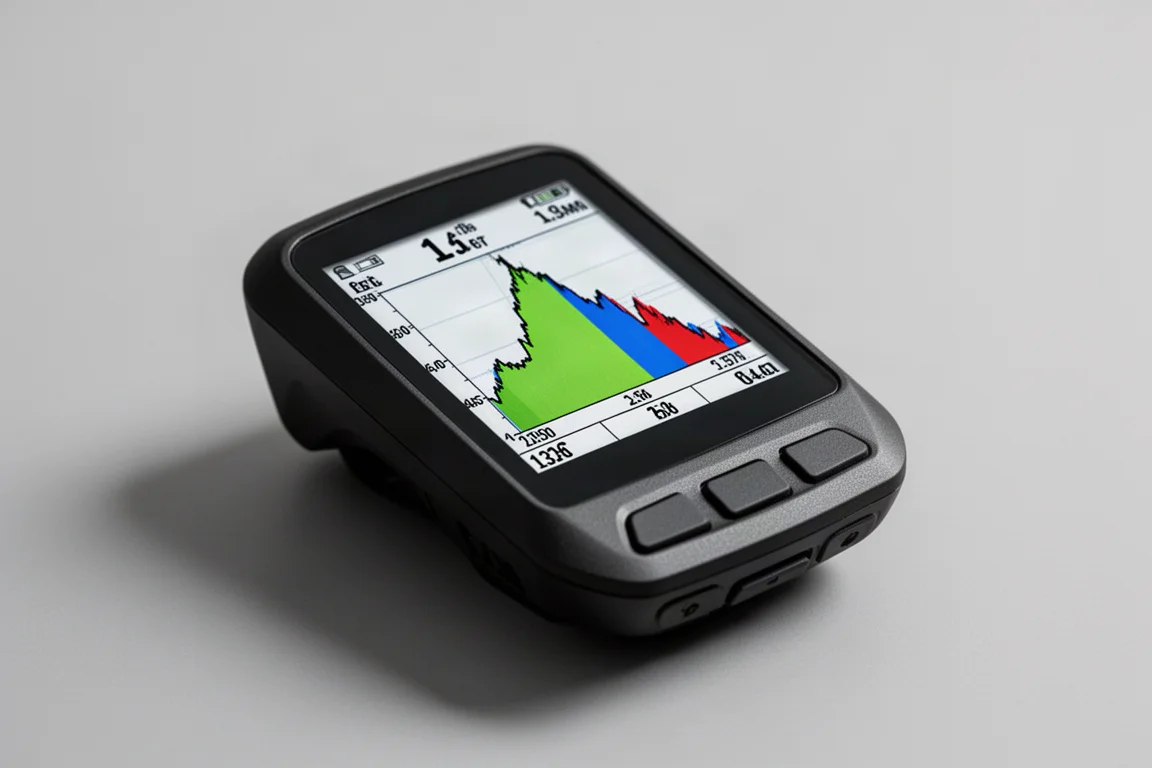
Navigation: Wahoo ELEMNT Roam
The Wahoo ELEMNT Roam was mounted ahead of the bars on a K-Edge bracket, and it ran for 23 hours on a single charge. It went flat only when the power bank failed, which also drained the phone.
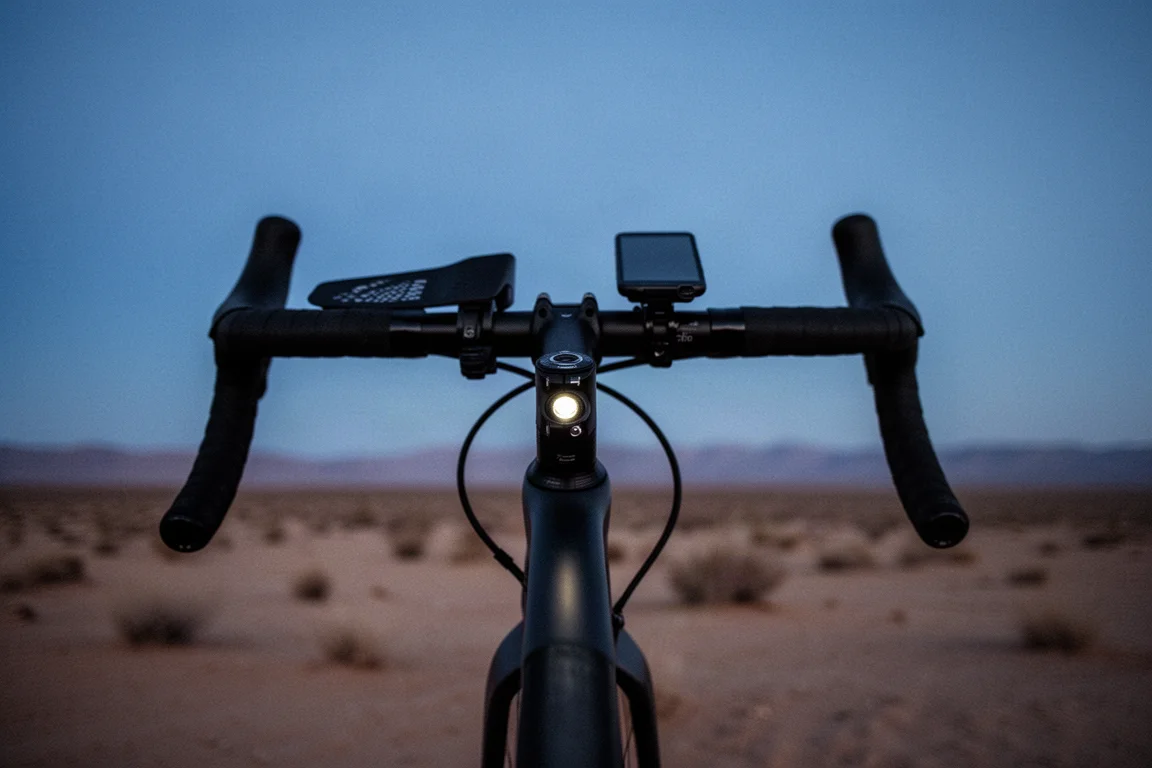
That failure was the single most disruptive equipment issue of the race. A larger capacity or more dependable power bank is the obvious fix, and a 20,000 mAh unit that should have coped did not. Standardising on USB-C across the computer, lights, phone and groupset battery is the other practical step, since it reduces the number of cables and adapters that have to be carried.
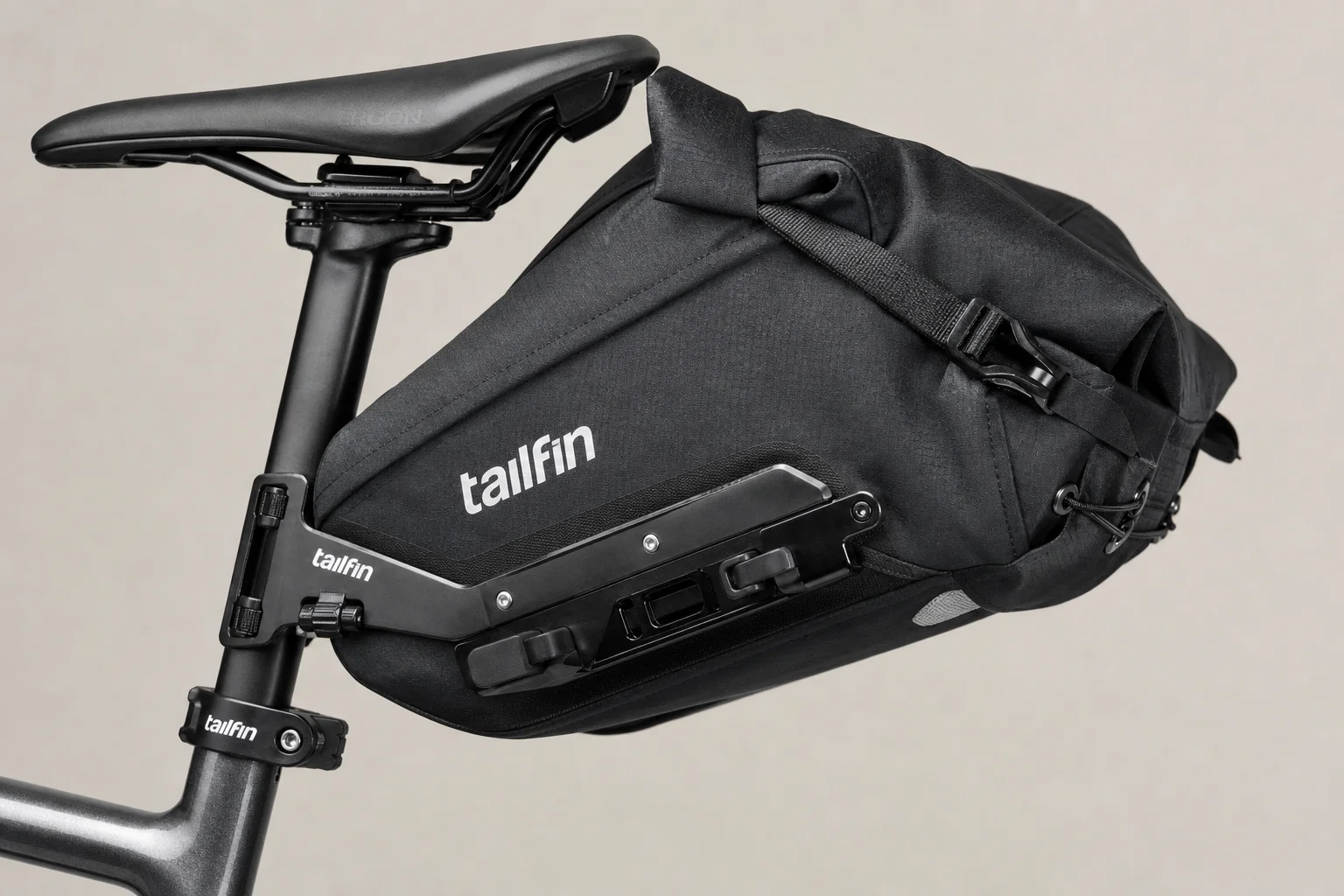
Luggage: Tailfin AeroPack
The Tailfin AeroPack was the most impressive piece of luggage on the bike. The roll top opens quickly for fast access, and the cargo expander pockets on the sides kept gels and clothing within reach without stopping. More importantly, the system stayed stable and did not move around, which is exactly where traditional seat packs fall short: one seen on the course was swinging noticeably behind the rider.
Inside were spare bib shorts, a lightweight insulated layer, a rain shell for night sections where temperatures dropped to around 10°C, a full tool bag with spare tubes, plug kits, multi-tool, chain links and sidewall repair kit, a survival blanket, and additional food and gels. With hindsight the bike could probably have been ridden without the pack, but there was no obvious way to redistribute that much kit into smaller bags, so carrying it was the better decision.
Nutrition: FTP Endurance Fuel
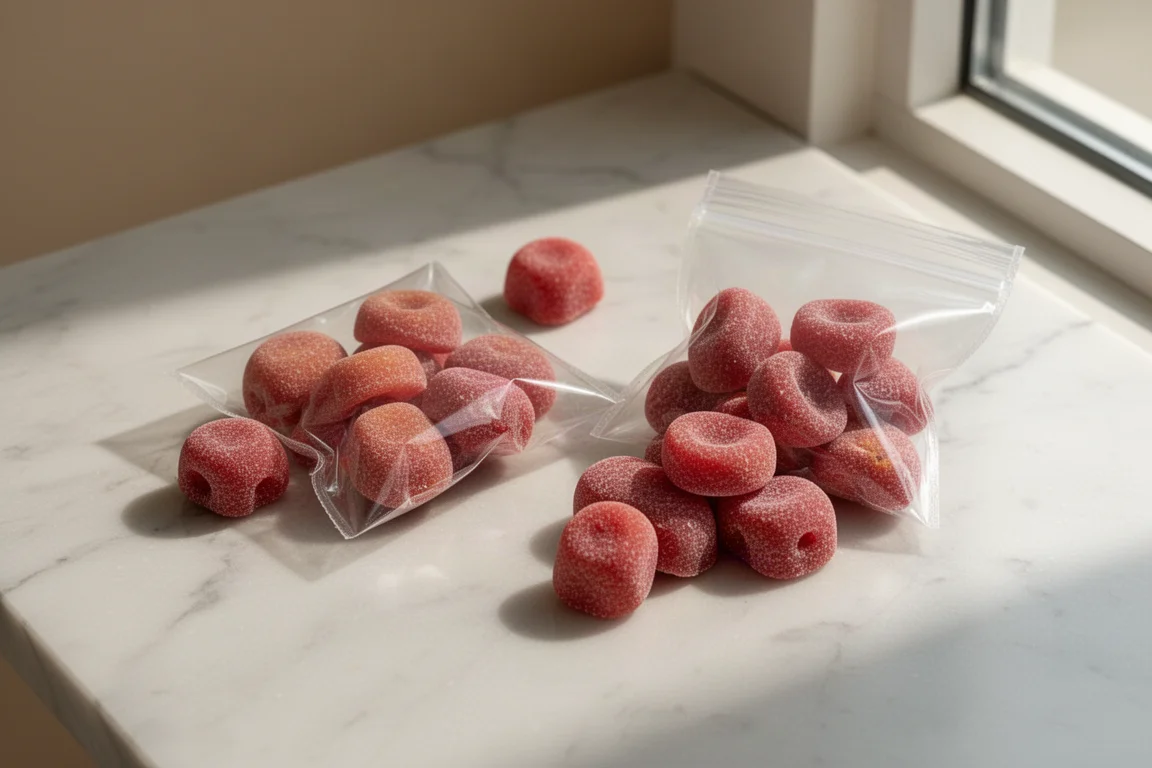
The standout nutrition product was FTP Endurance Fuel, supplied in a large bag and decanted into small zip bags, one for the frame bag and one for the hydration pack. Reaching in for one or two chews while riding kept energy topped up without any need to stop.
The tart cherry flavour is soft and light rather than sharp or medicinal, and the chews are easy to digest without tasting sickly or overly sweet. Dozens were eaten over the course of the race with no stomach issues at all. They were combined with electrolyte tablets in every other bottle, which kept cramp away, plus rice bars, gels and resupply stops for crisps, savoury snacks, ice cream, cola and baguettes. Small, regular intake rather than large meals was the approach, and it produced the most settled stomach on a long ride in recent memory.
Lighting: Exposure Maxx-D
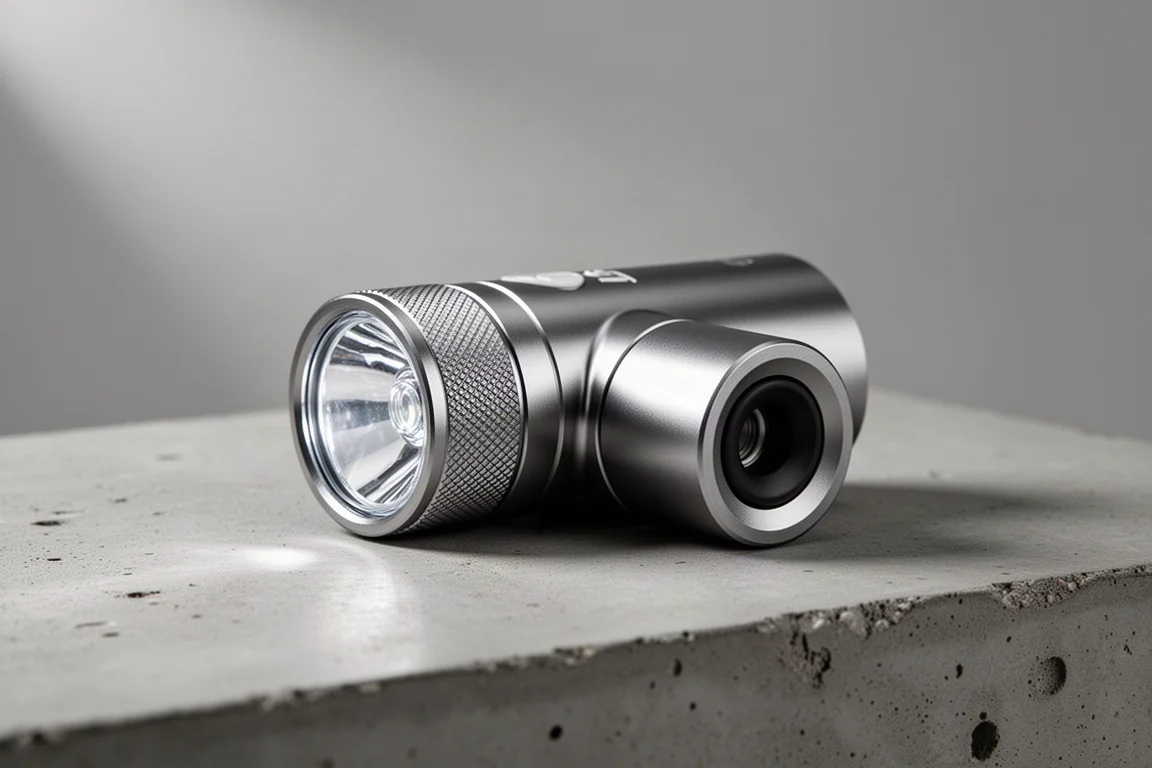
Lighting was a two-light plan. The Exposure Maxx-D ran its battery flat over the first night, so a second front light covered the second night. That is a useful reminder to size lighting around the longest night of the event rather than the average one, and to treat a front light as a consumable over a multi-night race.
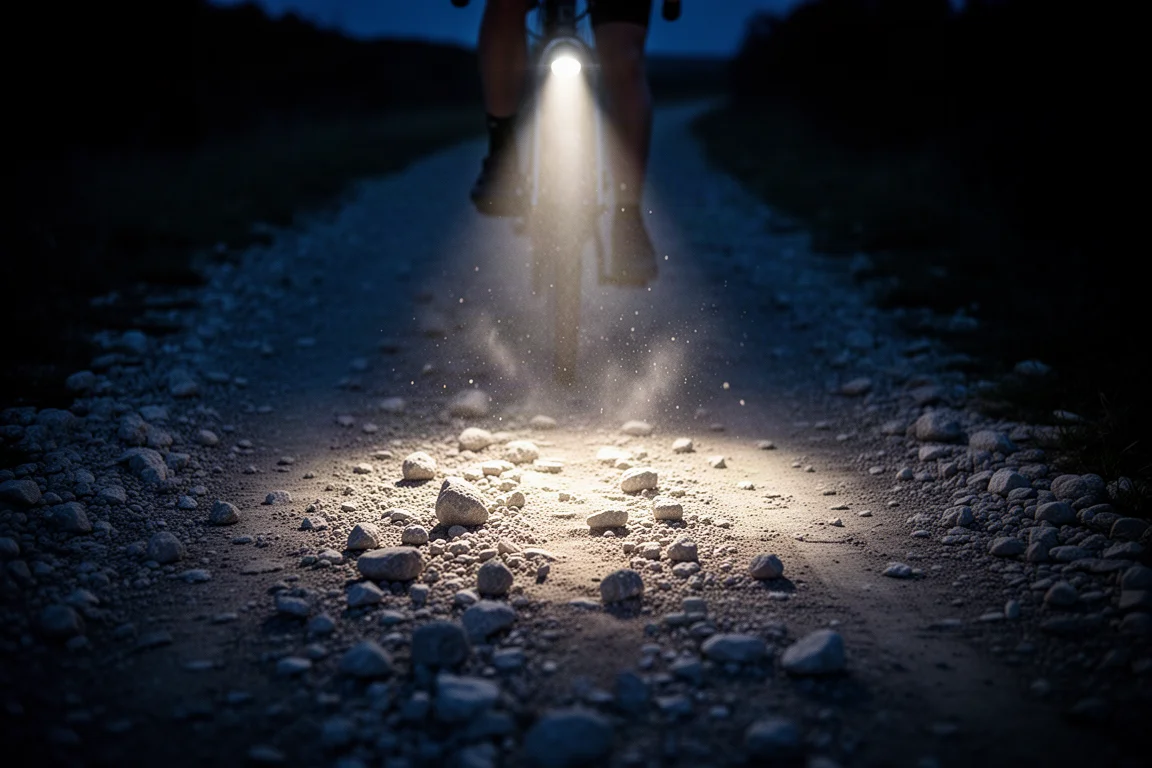
Newer versions of this light add USB-C charging, which is a meaningful improvement for anyone running several devices from one power bank. Matching charging standards across lights, computer, phone and groupset battery means fewer cables, fewer adapters and faster top-ups when a resupply stop is the only chance to charge.
Buying Advice
No single setup wins an ultra-distance race, and the variety on display at the start line proves it. A few decisions are worth copying, though.
- Prioritise efficiency over peak speed. Aero extensions are a 50/50 choice in the field, but they cost little and give the upper body a second position, which matters over 60 hours in the saddle.
- Do not fear volume in tires. A 45 mm semi-slick handled a rough course well, and there was no measurable penalty from going wider.
- Carry a spare groupset battery. Running out leaves the bike stuck in one gear.
- Choose one power bank you trust, then test it. A failed bank took out both the computer and the phone.
- Standardise on USB-C. One cable for everything is simpler and faster to use when time and energy are short.
Conclusion
This was not the lightest setup on the start line, and it was not the fastest. It was, however, a setup that finished an 800 km ultra-distance race in 62 hours, with the frame, tires, luggage and nutrition all performing as intended and only two real failures: a power bank and a suspension stem.
The lesson is that ultra-distance equipment choices reward reliability over refinement. A stable rear pack, a wide fast-rolling tire, a groupset battery that lasts and food that goes down easily are worth more than a few saved grams. Riders building a similar setup should start from the demands of the course and their own tolerance for discomfort, then test everything before the start line.
Further reading
Related Reviews
Cycling Gear
8 Cycling Products Riders Keep Coming Back To
Eight cycling components and accessories with clear strengths, honest trade-offs and long-standing reputations among riders and mechanics.
Cycling Gear
Aero Helmets and Bottle Setups Tested: Six Options Ranked by Measured Watt Savings
Wind tunnel data on six aero helmets and bottle setups, with real watt savings, practical trade-offs, and guidance on what is worth buying first.
Cycling Gear
Aero Road Bikes and Fast Tires Worth Watching in 2026
Four aero road bikes and one fast road tire, with the real strengths, the open questions, and what to check before you buy.