Cycling Gear
Ultra Cycling Gear: 6 Long-Distance Essentials Worth Packing
Six pieces of kit that prove themselves over multi-day rides, from a solar bike computer and cargo bib shorts to a tubeless plug tool that can save a race.
Introduction
Long-distance riding changes what counts as good gear. A product has to survive repeated days in the saddle, pack down small, and solve a problem that actually shows up at hour twelve. The six items below keep earning their place on ultra races and bikepacking trips: a strap that fixes almost anything, a bike computer that charges itself, bib shorts with pockets you can actually reach, a packable musette, and two tubeless plug tools that can rescue a ride in seconds.
Each one is here because it answers a specific need rather than because it looks good in a kit list. Some of them are cheap. Some of them are the difference between finishing and abandoning.
How These Picks Were Chosen
The filter is simple: gear has to work when the rider is tired, the weather turns, or the plan falls apart.
- Capacity: does it let you carry more food, water, or layers without adding bulk?
- Reliability: does it hold up across multi-day efforts rather than a single afternoon?
- Access: can you use it while moving, with cold hands, without stopping?
- Packability: does it disappear into a bag when it is not needed?
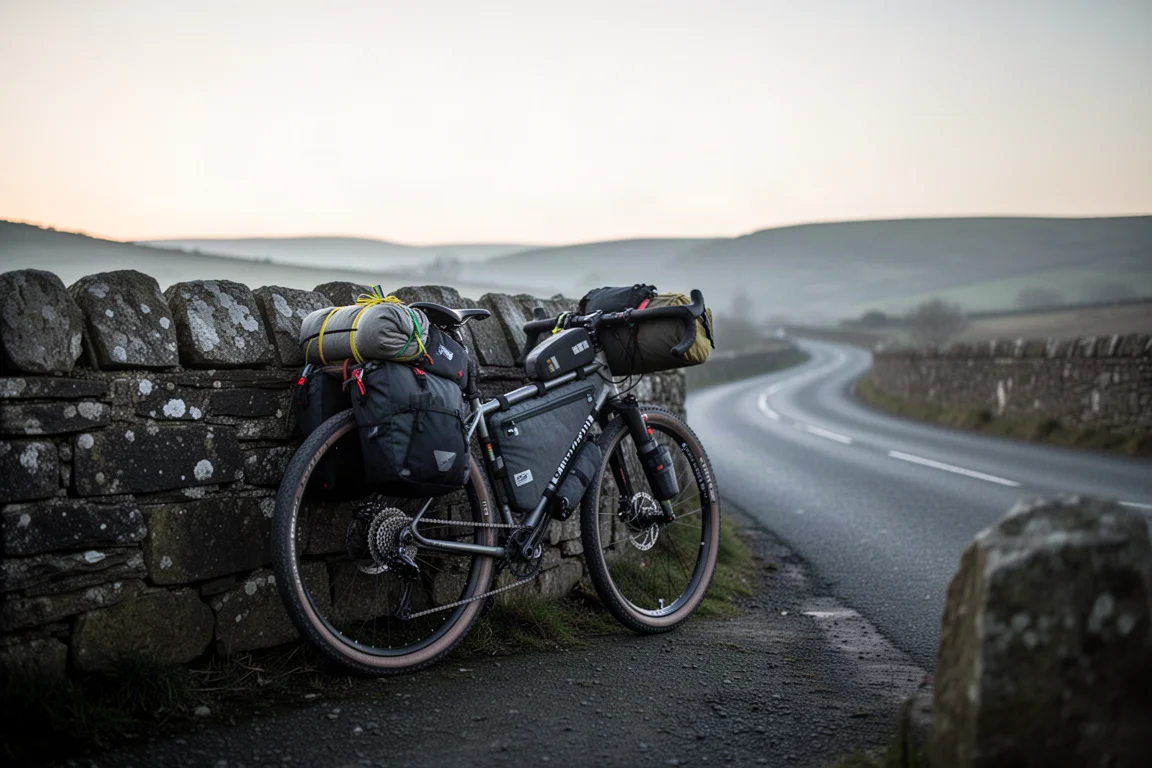
Everything on this list passes at least three of those four tests. Several of them solve problems that only appear after several hundred kilometres, which is exactly why they are worth sorting out before a big event rather than during one.
Tailfin Ski Straps: The Fix-Anything Mount
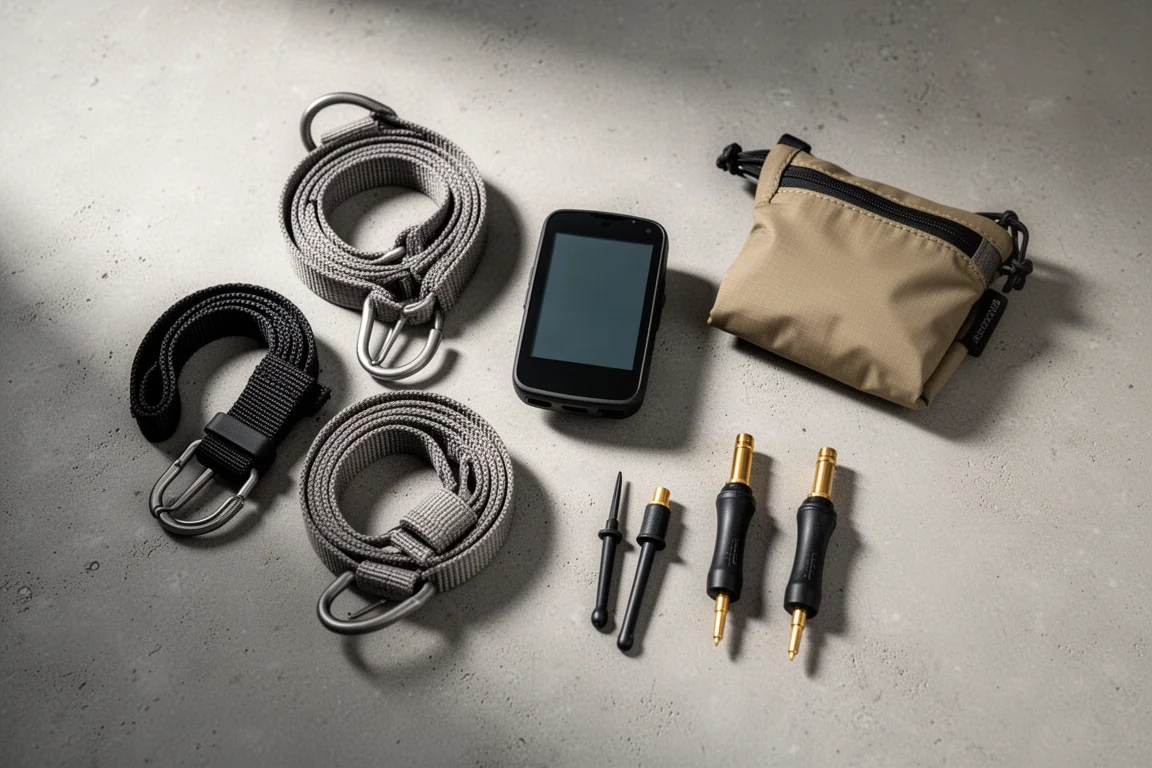
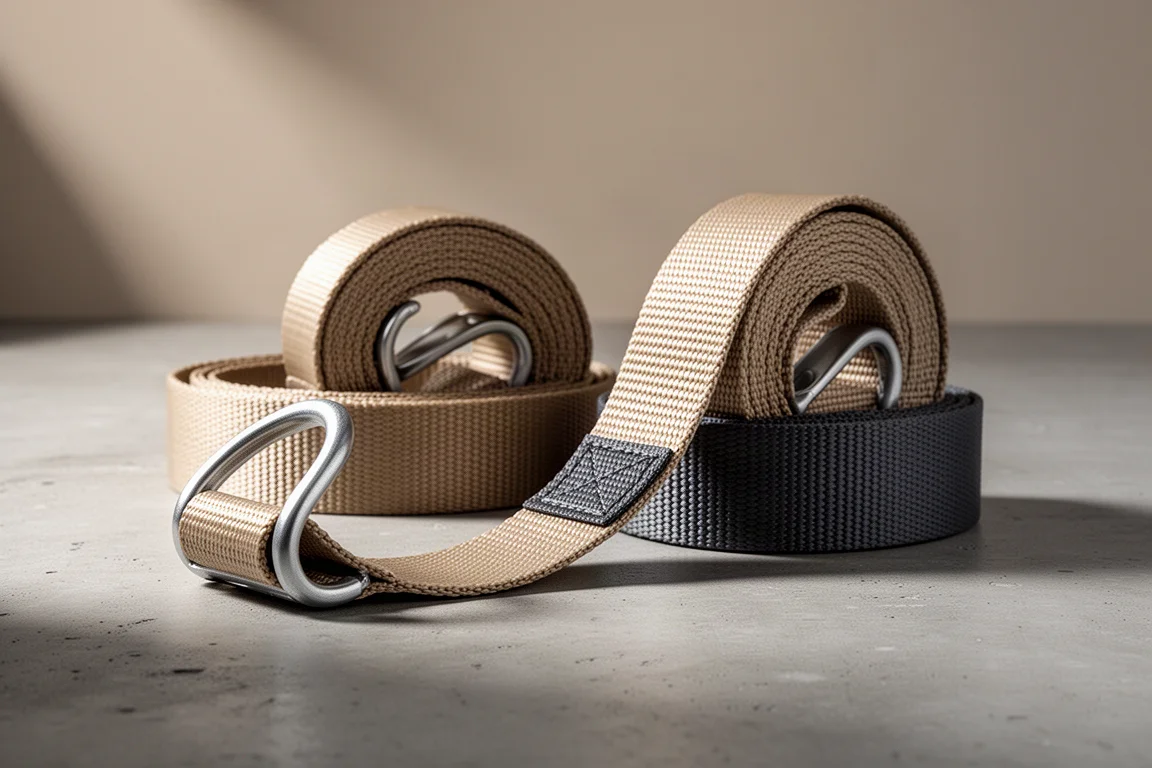
Ski straps are the least glamorous item here and possibly the most useful. The Tailfin version has a curved buckle, which keeps the metal away from frame tubes so it will not rub paint or carbon while you ride. That detail matters more than it sounds over a long trip.
They do two jobs. The first is carrying extra kit: strapping a bulky layer or large water bottles to the frame when resupply points are far apart. The second is repair. If a bag strap or a buckle fails mid-ride, a ski strap gets you moving again.
They are available in a range of lengths, so it is worth picking up more than one size rather than relying on a single long strap for every load.
Garmin Edge 1040 Solar: Navigation That Keeps Going
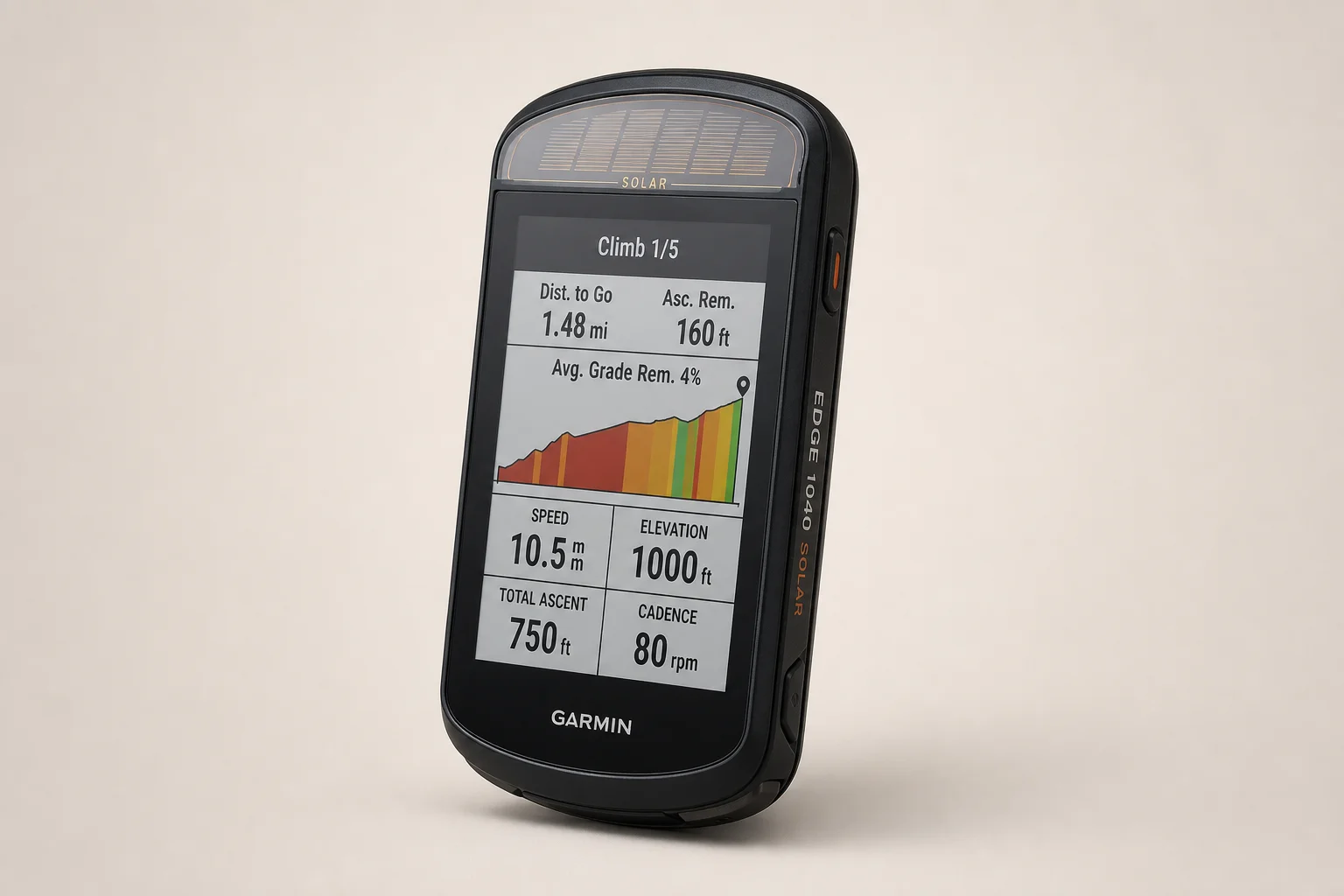
Solar charging is the headline feature here, and in practice it is not a gimmick. Across an 850 km event, the computer ran for the entire race without being plugged in.
The Edge 1040 is the largest unit in the range, and the big screen is the reason it suits off-road and ultra routes. When a trail is faint or a turn is unclear, being able to zoom into the map and still read the line makes a real difference. Day-by-day route planning is straightforward as well: build the route on a phone, then send it across through the Garmin Connect app.
Riders moving up from older setups will notice how much less time they spend thinking about charging.
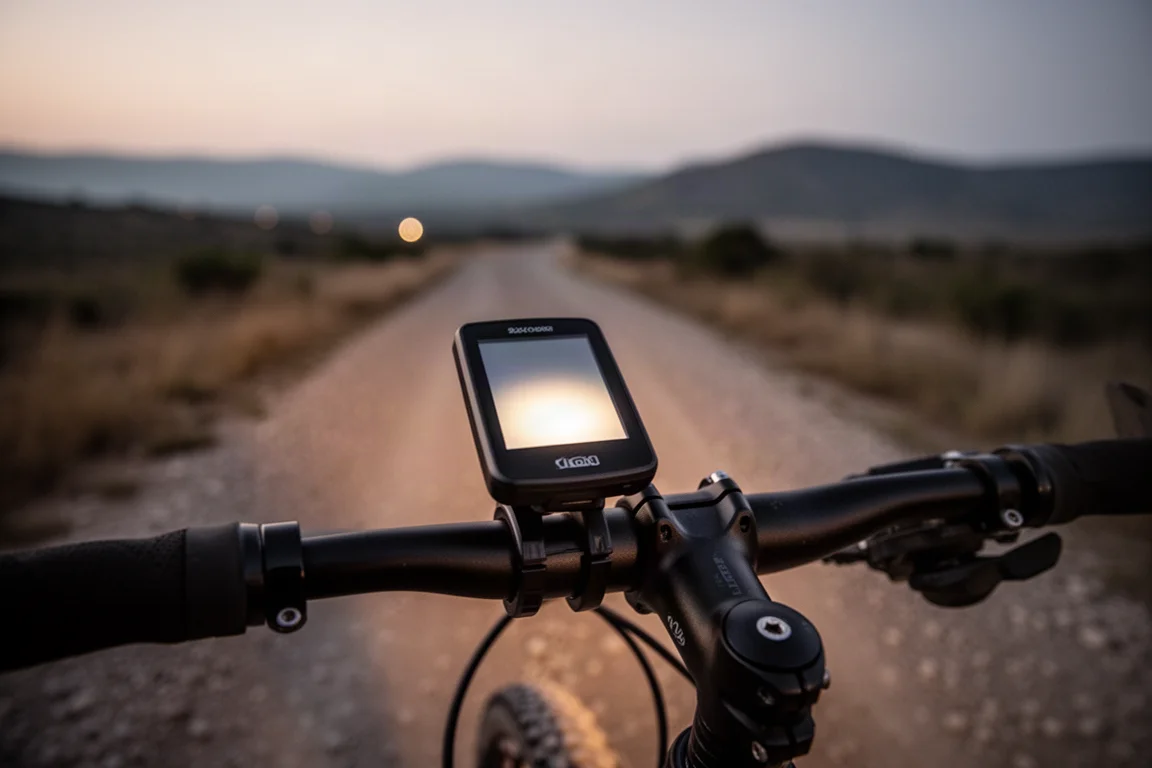
Battery anxiety is one of the quiet stresses of multi-day riding, and removing it changes how you use the device. You can leave the screen on more, navigate more actively, and stop rationing the hours you have left.
Attacus Cargo Bib Shorts: Pockets Where You Need Them
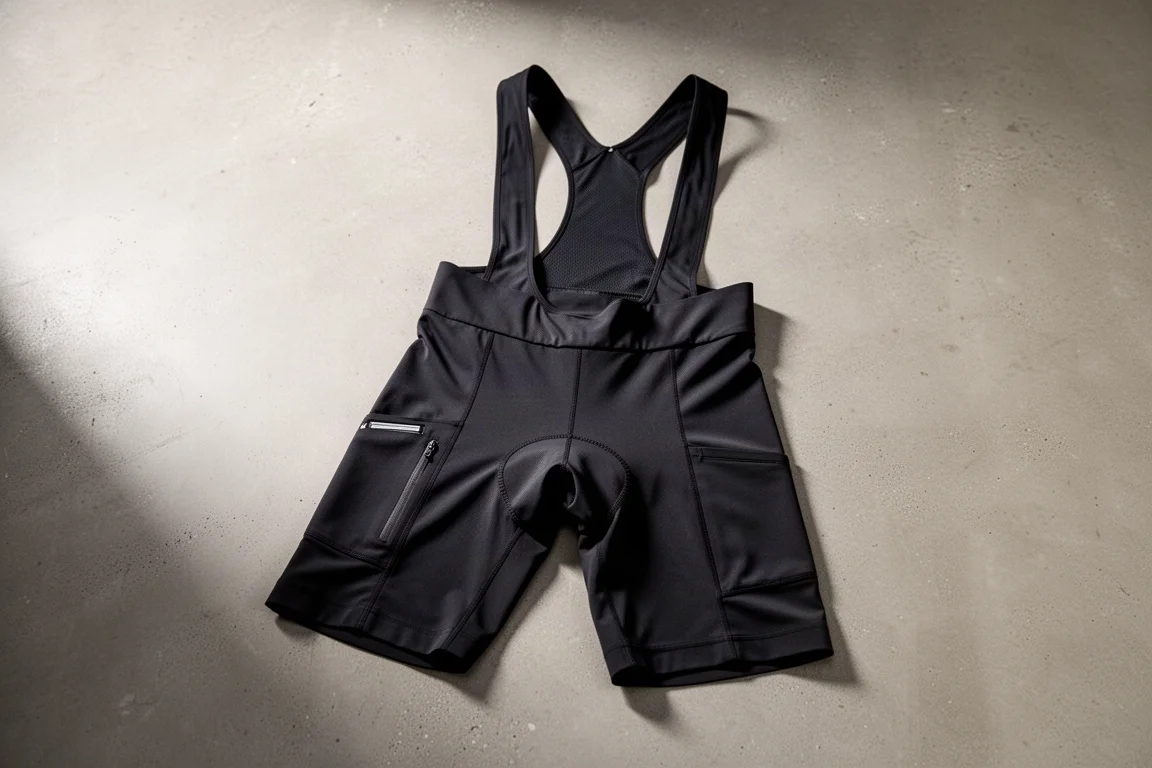
Cargo bib shorts add pockets that standard race bibs do not have. On the Attacus version there is a pocket on the side of the leg and another at the back.
The side pocket is the one that gets used most. It sits on the thigh, so you can reach in, pull out a snack and eat while pedalling instead of twisting around to find a rear pocket. A packet of biscuits or a bar fits neatly and stays put against the leg.
For normal rides and training, cargo shorts are simply easier to live with than a conventional bib. More pocket space means more food and water within reach, and over a long effort that translates directly into riding further between stops.
Apidura Foldable Musette Bag: Extra Capacity That Disappears
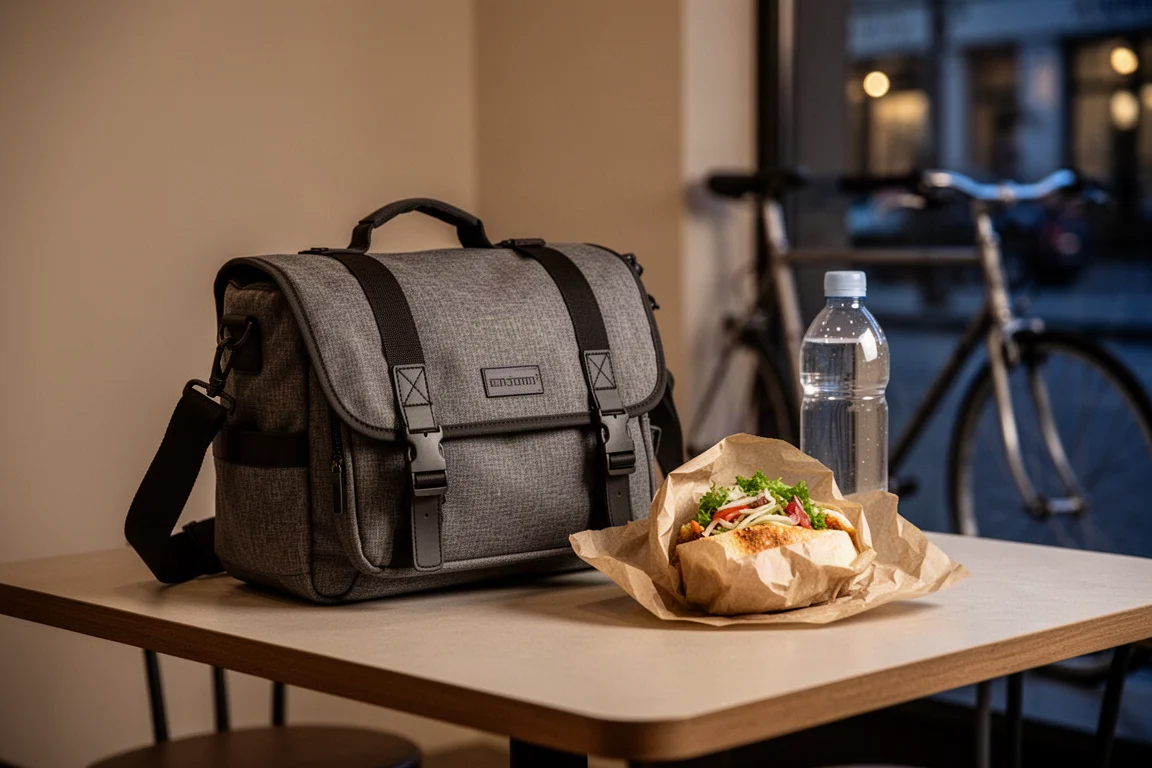
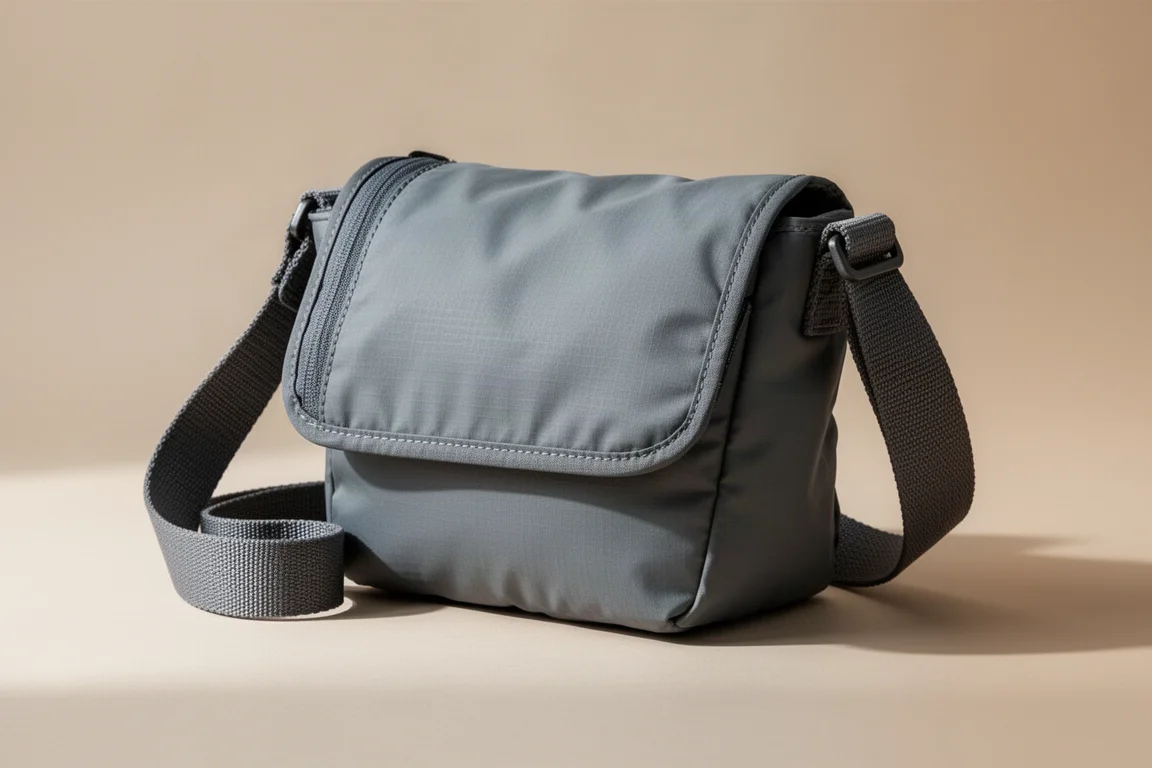
A packable musette is the kind of item you forget you are carrying until you need it. This Apidura version folds down very small, straps to the bike rather than filling a jersey pocket, and is waterproof, which is more useful than it sounds in wet climates.
It opens quickly and weighs very little. The additional strap included with it is a thoughtful detail: it keeps the bag steady while you ride instead of letting it swing around.
On bikepacking trips it doubles as a shopping bag. Carrying food back to a hotel at the end of the day is far easier with a musette than with a stuffed bikepacking bag.
That dual role is what makes it worth the space. Most of the time it is empty weight; when you stop, it becomes a genuinely useful bag.
Dynaplug Tubeless Repair System: Fast Puncture Fixes
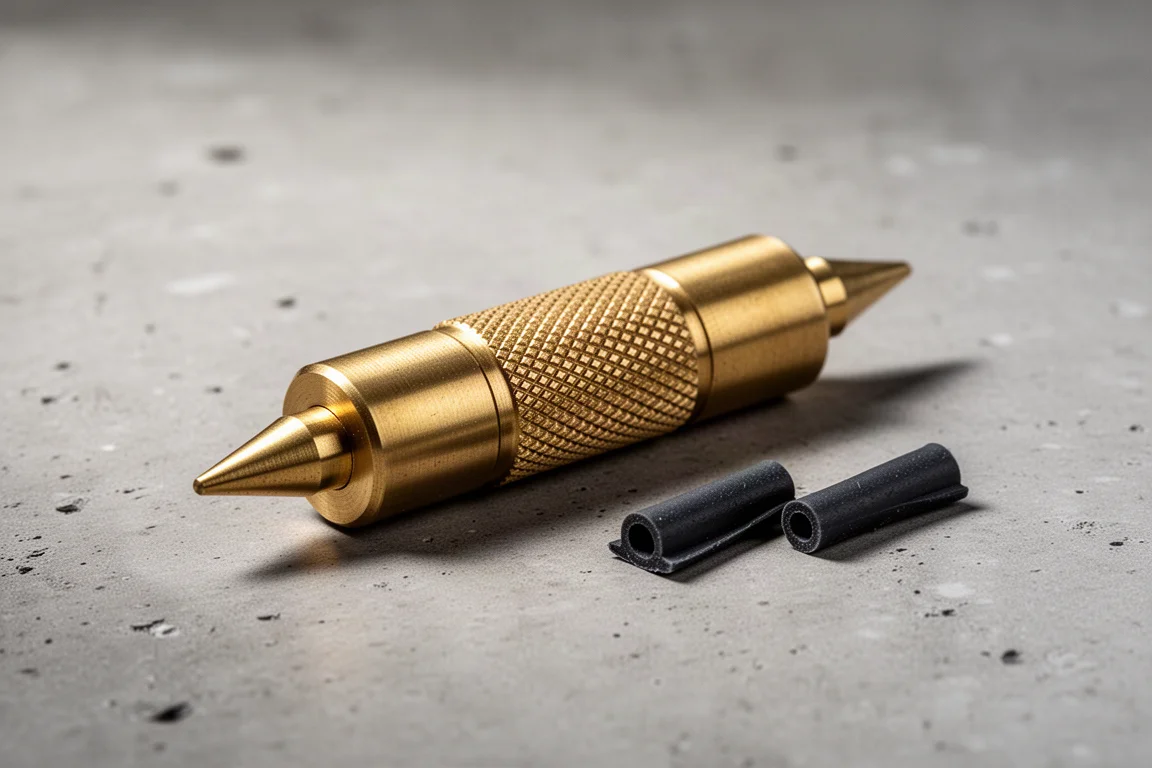
Tubeless punctures that will not seal need a plug, and this tool does the job more cleanly than most. It has a spike at each end, a smaller one for narrow cuts and a larger one for bigger damage, so you can match the plug to the hole.
The brass spike pushes into the tyre easily, and the rubbery plug material fills the puncture. The whole operation is quick and tidy, which matters when you are standing on a gravel road in the wind.
A tool like this can make or break a race in seconds. It is small, it is light, and it is the sort of thing you hope never to use.
Dynaplug Racer: The Same Fix, Always Within Reach
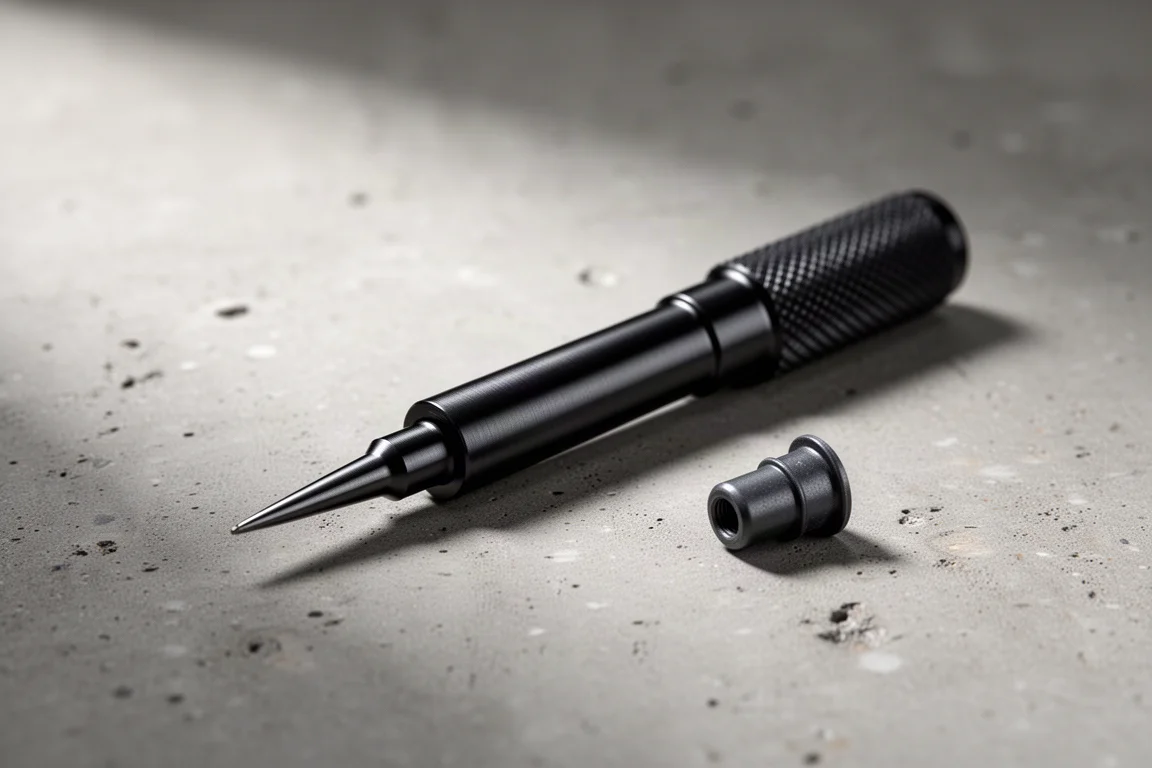
The Racer follows the same principle but changes where the tool lives. It is designed to mount on a bottle cage, so it stays on the bike and is immediately reachable rather than buried in a frame bag.
That positioning is the whole point. When you puncture, you want the tool in your hand within seconds, and a cage-mounted plug tool removes the search through pockets and bags.
The repair itself is the same approach as the standard tool, so you are not trading effectiveness for convenience.
Buying Advice for Long-Distance Riders
Not every item here belongs on every ride, and the right order to buy them depends on what you already own.
If you are preparing for a first ultra or bikepacking trip, start with the inexpensive, high-impact items. Ski straps and a tubeless plug tool cost little and can rescue a ride that would otherwise end early. Navigation comes next, because a computer that does not need charging removes a daily logistics problem. Clothing and bags are the comfort layer, and cargo bibs plus a packable musette are easier upgrades to justify once you know you will be riding long.
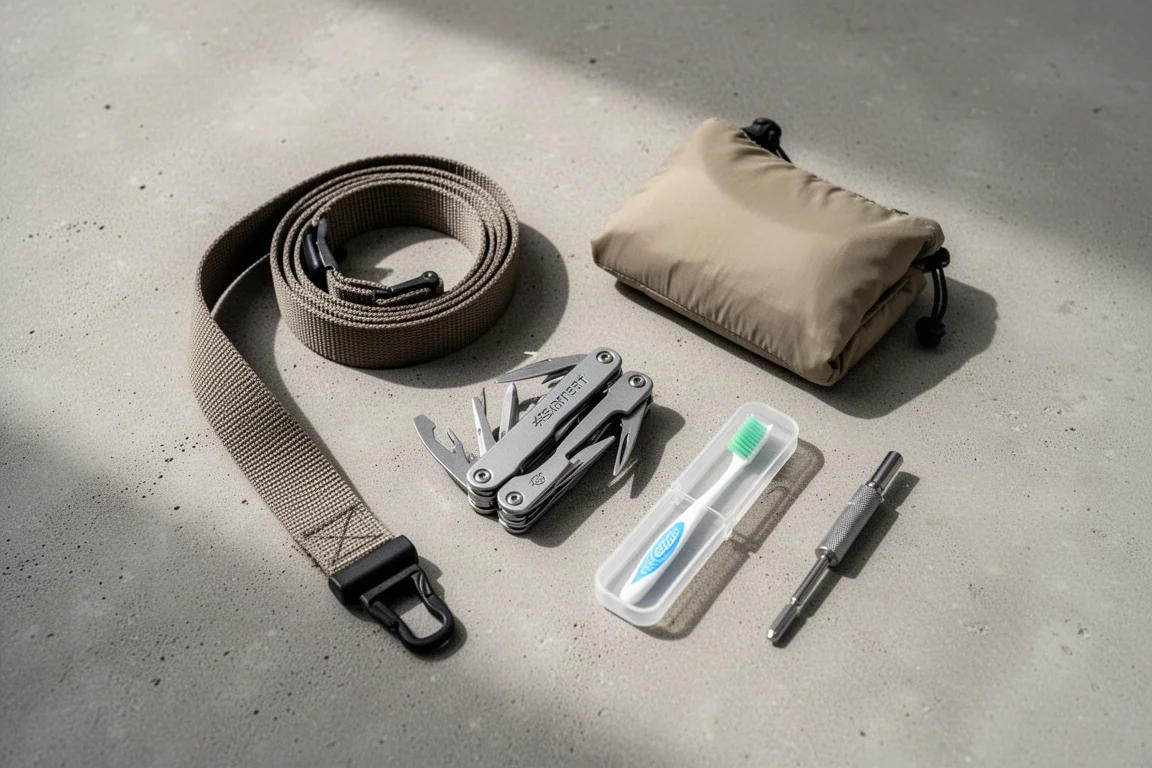
A few small habits round out the kit. Packing a toothbrush keeps you feeling fresh on multi-day efforts, and a compact multi-tool earns its place the moment something needs adjusting. Tiny items like these take up almost no room.
Buy for the problems you actually expect to have. A rider logging long training days will get more from cargo bibs and a solar computer, while someone heading into remote terrain will get more from straps, a musette and a plug tool.
Conclusion
The pattern across all six products is the same: each one removes a small friction point that becomes large over distance. Straps let you carry more and repair what breaks. Solar navigation keeps you moving without a charger. Pockets and a packable bag keep food and water within reach. A plug tool turns a ride-ending puncture into a two-minute stop.
None of them are glamorous purchases. All of them are the kind of gear that quietly makes long rides easier.
Further reading
Related Reviews
Cycling Gear
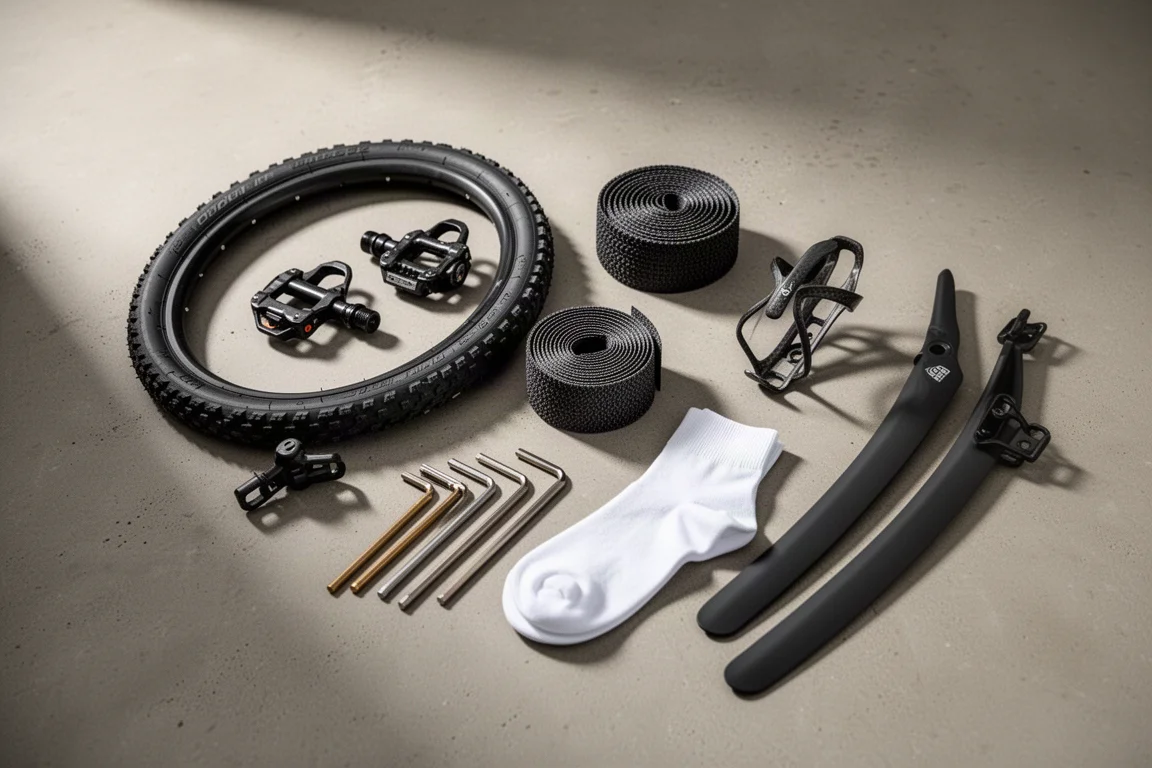
8 Cycling Products Riders Keep Coming Back To
Eight cycling components and accessories with clear strengths, honest trade-offs and long-standing reputations among riders and mechanics.
Cycling Gear
Aero Helmets and Bottle Setups Tested: Six Options Ranked by Measured Watt Savings
Wind tunnel data on six aero helmets and bottle setups, with real watt savings, practical trade-offs, and guidance on what is worth buying first.
Cycling Gear
Aero Road Bikes and Fast Tires Worth Watching in 2026
Four aero road bikes and one fast road tire, with the real strengths, the open questions, and what to check before you buy.