Ski Boots
Building the Ultimate Ski Boot: Atomic Remedy 130 with Zipfit GFT and Booster Straps
A $1,400 three-part ski boot build: the Atomic Remedy 130 shell, a Zipfit GFT liner, and Booster World Cup straps, with fit and buying advice.
Introduction
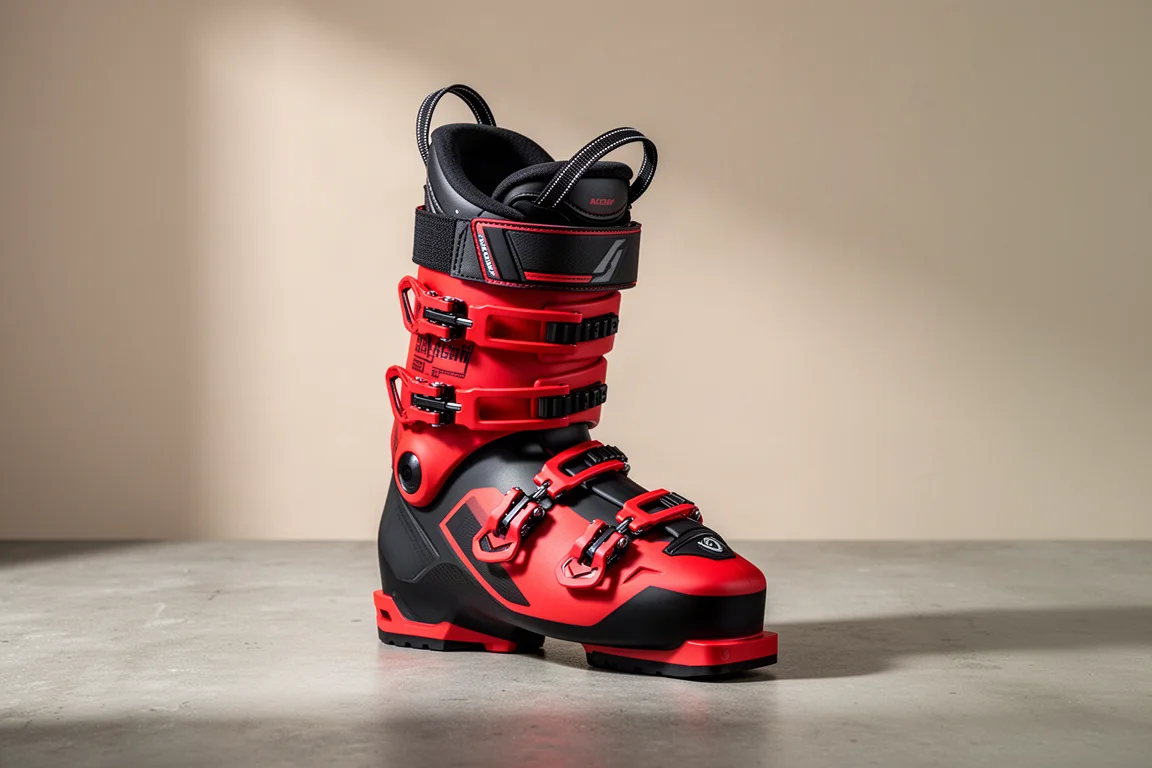
Some purchases are one product. Others are a system. A serious ski boot build falls firmly into the second category, and this one came together as a three-part combination: a stiff, race-leaning shell, a cork-filled aftermarket liner, and a stronger power strap. The total came to roughly $1,400, all paid out of pocket, with no brand support involved in the purchase.
That number gives people sticker shock, and understandably so. But the logic of the build matters more than the price tag, and each piece serves a distinct role. Here is what went into it, how the parts fit together, and what you should genuinely consider before copying any of it.
The Three Parts of the Build
The shopping list was short: the Atomic Remedy 130 shell at around $840, the Zipfit GFT liner at $550, and a pair of Booster World Cup straps. Everything else, from the footbed to the hardware, was carried over from existing gear.
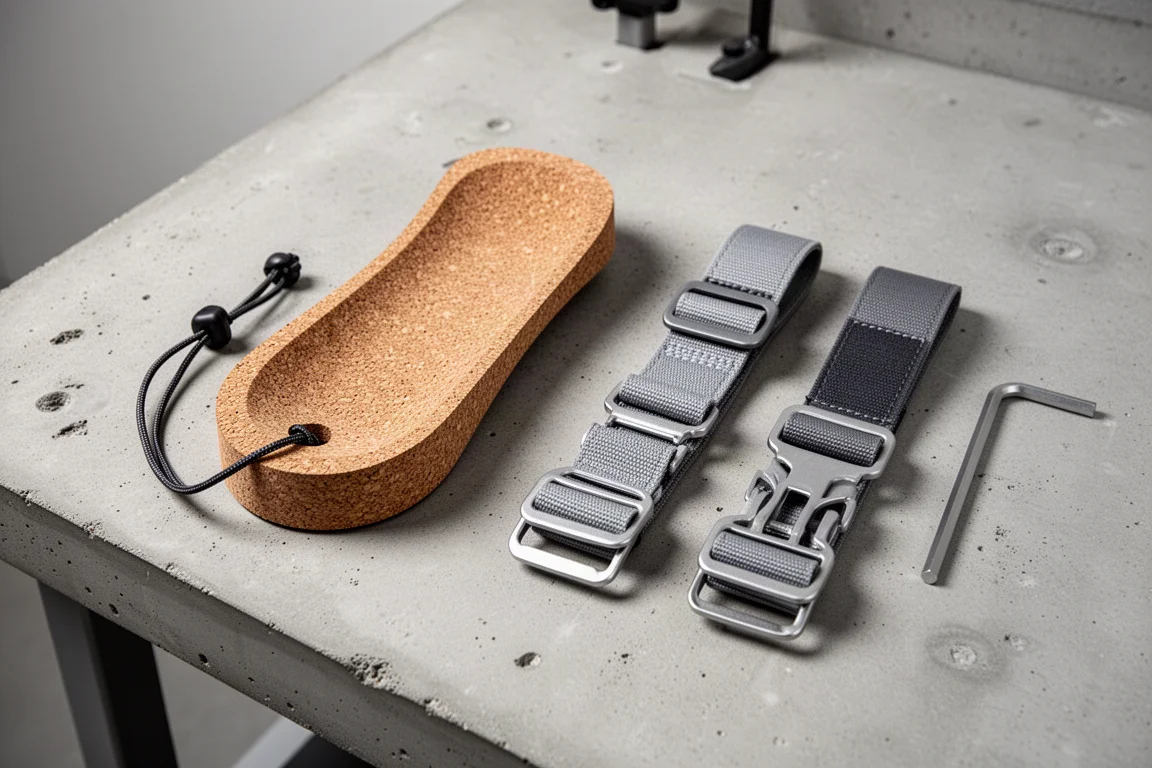
It is worth being clear about the philosophy here. None of these parts were bought on impulse. The shell is a low-volume, race-and-carving-oriented boot, the liner is designed to conform to the foot over years of use, and the strap is a straightforward performance upgrade. Together they aim at one goal: a responsive, precise carving boot.
Atomic Remedy 130: The Shell
The Remedy 130 is the foundation of the build, and the piece that most determines whether the rest makes sense. It is a low-volume boot in the race and carving category, so it suits skiers with narrower feet who want a firm, aggressive fit. First impressions are positive: the boot feels very responsive, though not especially comfortable in a relaxed sense. It is firm enough that casual laps with kids meant skiing with the buckles half open.
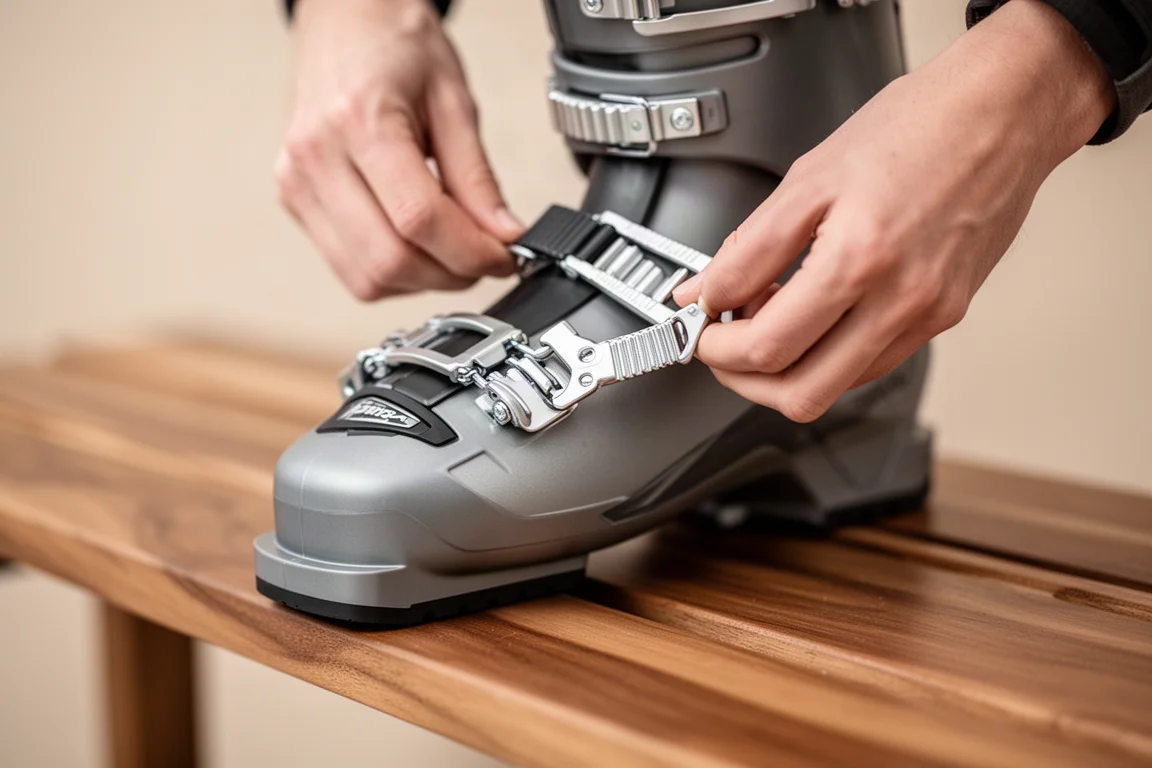
One practical detail worth knowing before you buy: the 130 flex version gets the premium hardware treatment, with a hex-wrench screw mount for the power strap that makes strap replacement genuinely easy. The 120 flex and lower versions use rivets instead, which means drilling them out slowly so the friction heat does not melt the surrounding plastic.
Zipfit GFT: The Liner
The Zipfit GFT is the comfort-and-fit piece of the puzzle. It is a cork-filled liner, nominally positioned as a touring liner, but it works perfectly fine in the Remedy shell. Cork is the key material here: the liner molds to your foot over repeated wear, and the company claims a lifespan of five to ten years, which softens the initial cost considerably.
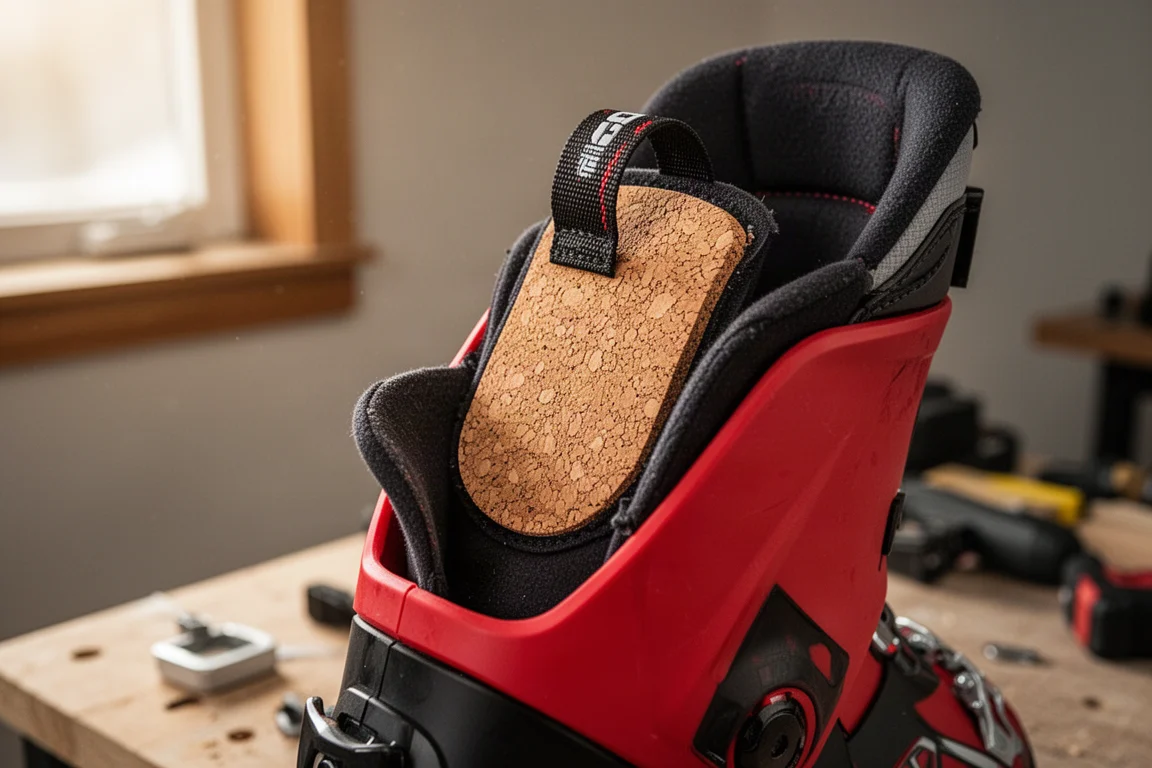
There is a break-in reality to accept. The GFT fits the Remedy shell snugly enough that the liner needs to be fully removed and the foot placed in the liner before seating it in the shell, unlike some looser liners you can slip in and cinch with the pull cord. Heat molding the liner is an option that reportedly saved several nights of wearing them around the house, though simply wearing them while editing at night works too. The right footbed also matters: a higher-volume insole can push your foot into the top of the boot with this liner, so a lower-profile footbed is the safer pairing.
Booster World Cup Straps: The Power Strap Upgrade
The Booster World Cup straps are the simplest and cheapest part of the build, and arguably the most satisfying. The stock Atomic strap is actually one of the better OEM straps, but the Booster adds more layers of rubber band and a firmer pull across the upper cuff.
Installation is where the 130 version of the shell earns its keep. The stock strap unscrews with a hex wrench, the old strap is laid flat beside the Booster to mark the hole positions, and a knife pokes and twists clean holes through the fabric. The little free end of the strap needs to sit on the outside so it wraps and pulls tight correctly. On lower-flex versions without the screw mount, the same job involves drilling out rivets, which is slow, fussy work. Another minor gripe: the Boosters do not always include mounting hardware, so you may end up reusing what came with the boot. On the plus side, they last a long time; the World Cup version has held up better than the Expert model.
Buying Advice: Getting the Fit Right First
Here is the honest part: this exact build should not be bought sight unseen. A $1,400 boot is a big commitment, and the best boot on the mountain is always the one that fits your foot comfortably. If a low-volume race boot does not match your foot shape, none of the rest matters.
The smarter path for most skiers is to find the boot you like, then wait for summer sales on last season’s colors. Previous-year models in the same shell often land in the $400 to $500 range instead of the $700 to $800 sticker price. The same discipline applies to Zipfit liners, which rarely go on sale. The single best way to save money there is to make sure your shell is dialed in first, because if you later size down or change boot width, your liner may no longer work in the new shell and you will be buying twice.
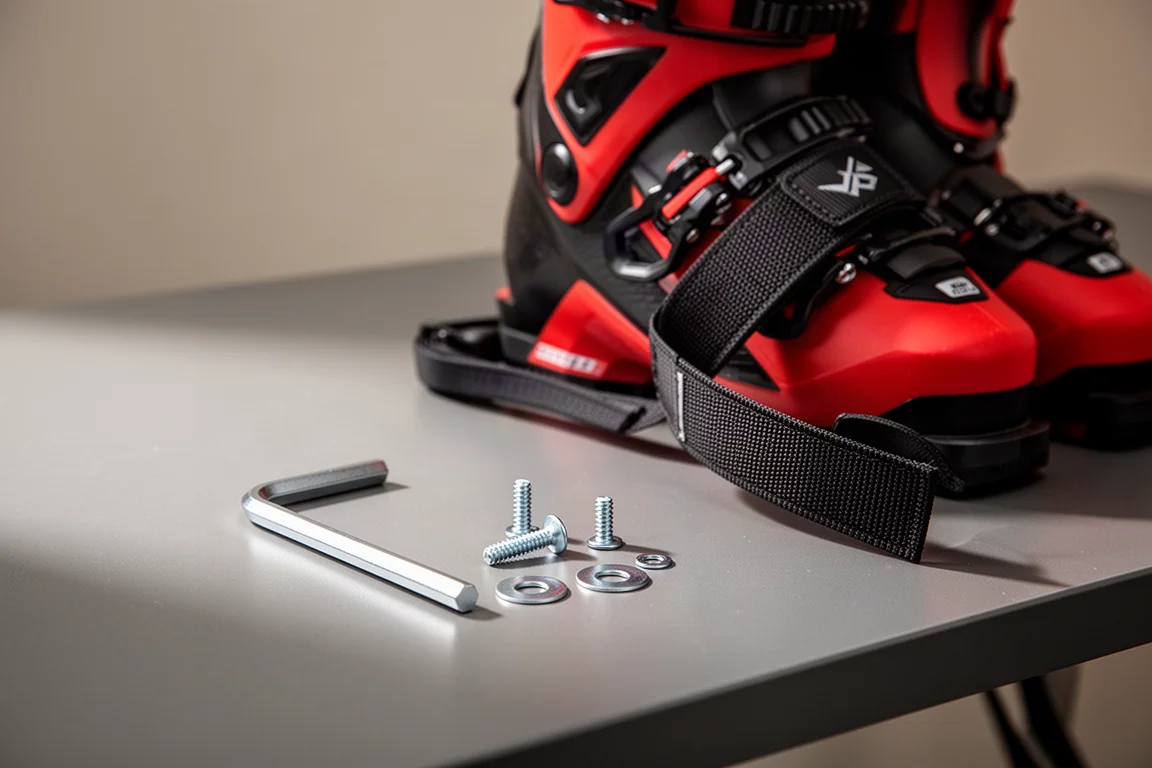
One last practical tip: if you run Booster straps, carry the hex wrench that fits the mounting screws when you travel. A loose strap screw in France last season turned into a frustrating hunt for the right tool, even though the fix itself was simple.
Conclusion
The ultimate boot build is less about spending $1,400 and more about spending deliberately: a shell that matches your foot, a liner that molds to it over years, and a strap that sharpens the response. Get the fit right first, then upgrade piece by piece, and wait for the sales when you can.
Product link
View more details for Atomic Remedy 130
This product is mentioned in the review. Check the specifications, options, and compatibility before buying.
View more details for Atomic Remedy 130Further reading
Related Reviews

Ski Boots
2027 Ski Boot Roundup: Six 130-Flex Boots Worth Knowing
Six 130-flex ski boots for 2027, plus a low-volume liner upgrade, compared on weight, fit, flex feel, and ease of use.

Ski Boots
Armada AR One Ski Boot Review: A Three-Piece Cabrio That Finally Gets It Right
Armada's first ski boot blends three-piece Cabrio design with Atomic engineering, a heat-moldable shell, and a 100mm last that fits better than any Cabrio before it.

Ski Boots
Armada AR1 Ski Boot Review: A Cabrio and Overlap Hybrid for Park and Freeride Skiers
Armada's first ski boot pairs a three-piece cabrio shell with overlap-style buckles and a cable-driven slingshot buckle. Here is where it shines, and what to weigh before buying.