Ski Boots
2027 Ski Boot Roundup: Six 130-Flex Boots Worth Knowing
Six 130-flex ski boots for 2027, plus a low-volume liner upgrade, compared on weight, fit, flex feel, and ease of use.

Introduction
Ski boots are the least demo-friendly piece of equipment in skiing. A ski can move between testers, conditions, and resorts in a single day. A boot cannot. It takes on the shape of the person wearing it, it has to be the right size, and the shell has to match the foot before any other quality matters. That is why a full season of testing can cover a hundred pairs of skis and still produce only a handful of boots.
The six models below are all 130-flex boots built for strong, experienced skiers, and each one answers that brief differently: through weight savings, through thick plastic and raw power, or through closure systems that change how the shell flexes. One aftermarket liner is included too, because in several of these boots it changes the fit more than any buckle adjustment can.
Every weight quoted here was measured on the same scale in a 27.5 shell, so the numbers are directly comparable.
Tecnica Mach1 130 LV: Light, Quick, and Accommodating
The Mach1 130 LV carries into 2027 with Tecnica’s T-Drive system, and that technology is also expanding into other flex levels and volume options in the Mach 1 line, including mid-volume shells. For skiers with an average-shaped foot rather than a genuinely narrow one, that is a meaningful change.
Weight is the headline. At 1,919 g in a 27.5, this is the lightest boot in the group. The shell uses thinner plastic than most of the competition and relies on a mechanical connection to stiffen the boot instead of sheer material thickness. The result is a quick, responsive boot that suits short, rapid turns and does not need much input to come alive.
Fit is the second strength. It is technically a low-volume shell, but it fits more like an accommodating low volume or a snug mid volume, which has become a common pattern in newer low-volume boots. That makes it easier to live with across a wider range of feet.
The trade-offs are honest ones. Heavier skiers give up some raw horsepower here: the connection system is strong, but under a heavier load in demanding snow it does not hold up the way a thicker shell does. It also softens noticeably in warm spring conditions. The stock liner is decent, though this is a shell that benefits from a low-volume aftermarket liner.
Kastle K130 P: Thick Plastic and Serious Power
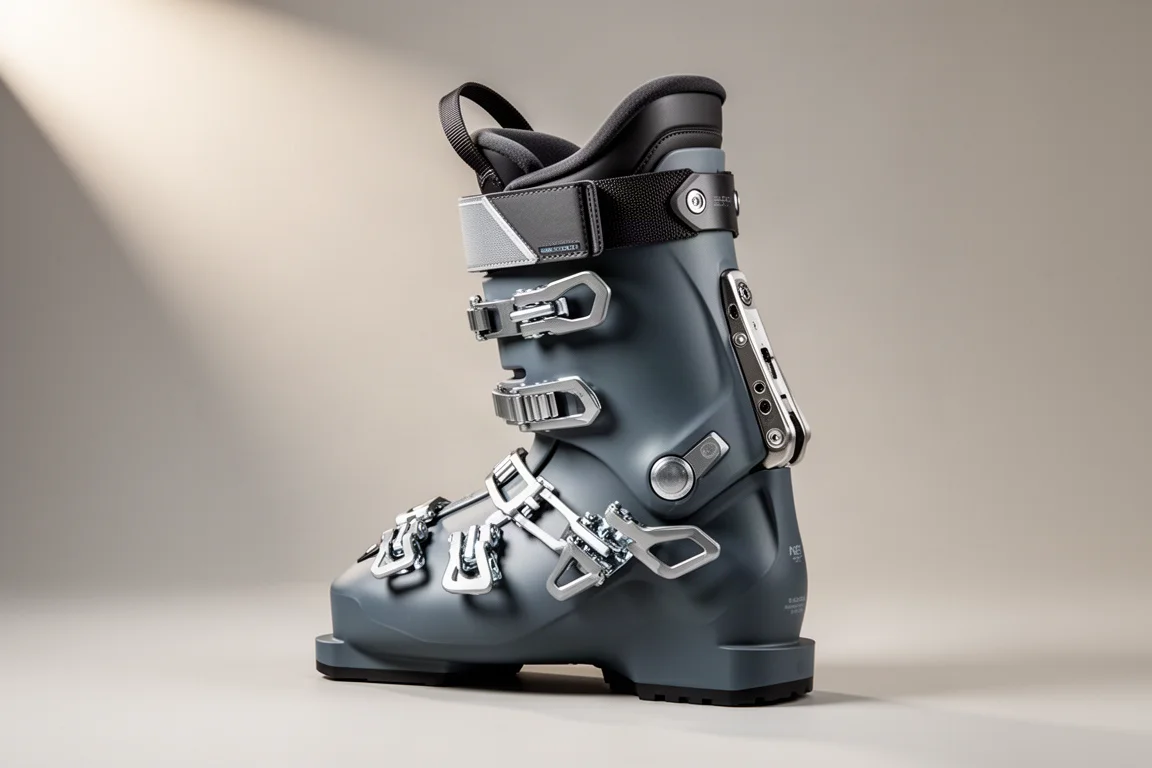
The K130 P returns for 2027 with a small liner update, and Kastle now offers an optional proprietary cable closure that routes through the second buckle. On the scale it lands at 2,182 g, middle of the pack in this group.
The defining characteristic is how much material there is. Very thick plastic and a deep instep overlap mean two full layers of shell over the top of the foot. The immediate sensation is a lot of plastic holding the foot down, and the flex is stiff and planted. Despite being a mid-volume boot with a 100 mm forefoot, it skis like a low-volume, race-oriented shell. Kastle also offers it in an LV version, which splits the difference between this boot and the K150 race model.
Strength is the strength. It plows through variable snow and pairs naturally with a stiff, metal-laminate ski. Compared with a lighter boot, the flex feels smoother and carries more forward momentum, at the cost of some rebound energy and quickness. The weight is noticeable on snow, and it asks a little more of the skier.
The stock liner stays in this one. The heel pocket is so anatomically sculpted that adding a low-volume aftermarket liner makes the heel hold excessively tight, and the stock liner already provides that grip.
Nordica Promachine 3 130S: Traditional Four-Buckle Performance
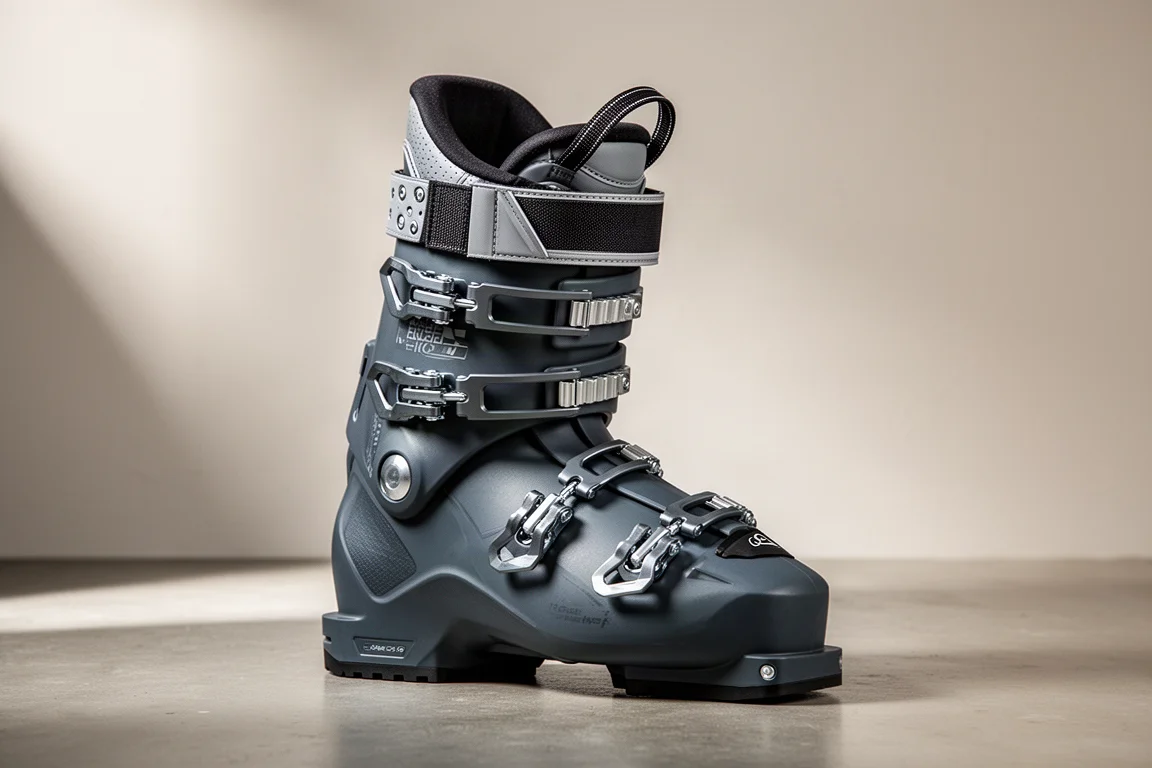
This is the most traditional boot in the roundup: four buckles, two rivets at the back, a two-piece shell and cuff, and a 130 flex in a low-volume fit. Nordica clearly takes pride in that layout, and it shows in the details.
Weight comes in at 1,992 g, roughly 75 to 80 g heavier than the Mach1 130 LV and about 200 g lighter than the K130 P. The shell uses a multi-injection construction with different plastics in different zones, which allows softer material at the instep for easier entry and exit and removes plastic where it is not needed structurally. That is not automatically a performance advantage, since dedicated race boots skip the approach, but it makes the boot easier to live with while still delivering real power.

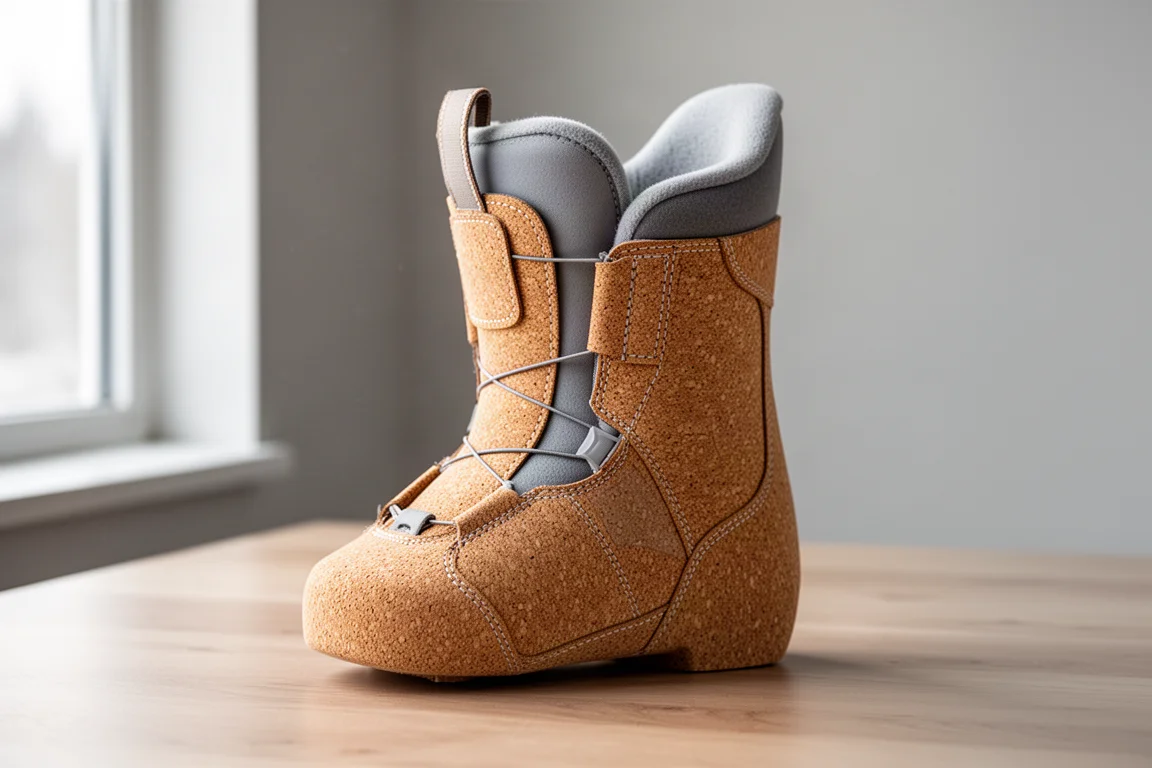
The stock liner deserves its own mention. It uses cork and a speed-lace system that lets you cinch the liner before closing the shell, which is unusual in a stock liner and genuinely useful in practice.
The boot board is unusual as well: a honeycomb insert with a rubber option and a hard plastic option, giving some control over how much shock reaches the sole of the foot. It is a small detail that says something about how the boot was conceived.
This is also the shell where a low-volume aftermarket liner paired best, producing an intuitive fit and level of performance that became a late-season go-to combination. The shell is stiff and thick enough that spring temperatures affect it less than the lightest boot here, while still offering a usable flex in cold weather.
K2 Recon AF 130: A Heavier, Smoother Recon
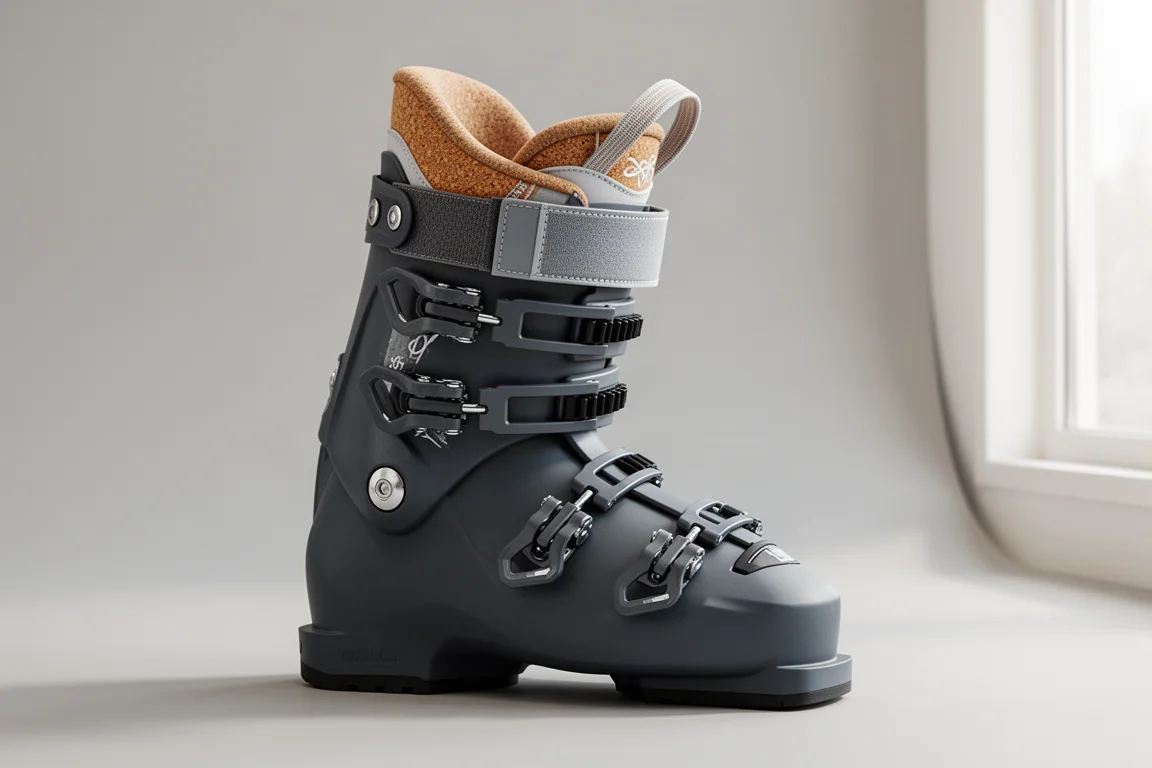
The Recon AF 130 is new, and AF stands for all features, although this boot does not include tech toe fittings. It runs dual cable closure and, more importantly, it feels like a different category of boot from earlier Recon models: heavier, with thicker plastic and a smoother, more planted flex.
Weight sits at the top of this group, a few grams above the Head Caliber 130. The plastic is slightly softer than the burliest shells here, which makes the boot more user-friendly without losing the powerful feel. It is a mid-volume boot, so there is more room in the forefoot, but the shell shaping is anatomical enough that it still feels snug out of the box. Think of it as a tight mid volume rather than an open one.
Like the other dual-closure boots here, it is not a natural home for a low-volume aftermarket liner. The stock liner skis well, and it is thick and padded enough in the heel and ankle that heat molding is worth the effort before you judge it.
For advanced and expert skiers, this is a powerful resort and freeride boot that sits in an interesting spot between smoothness and muscle.
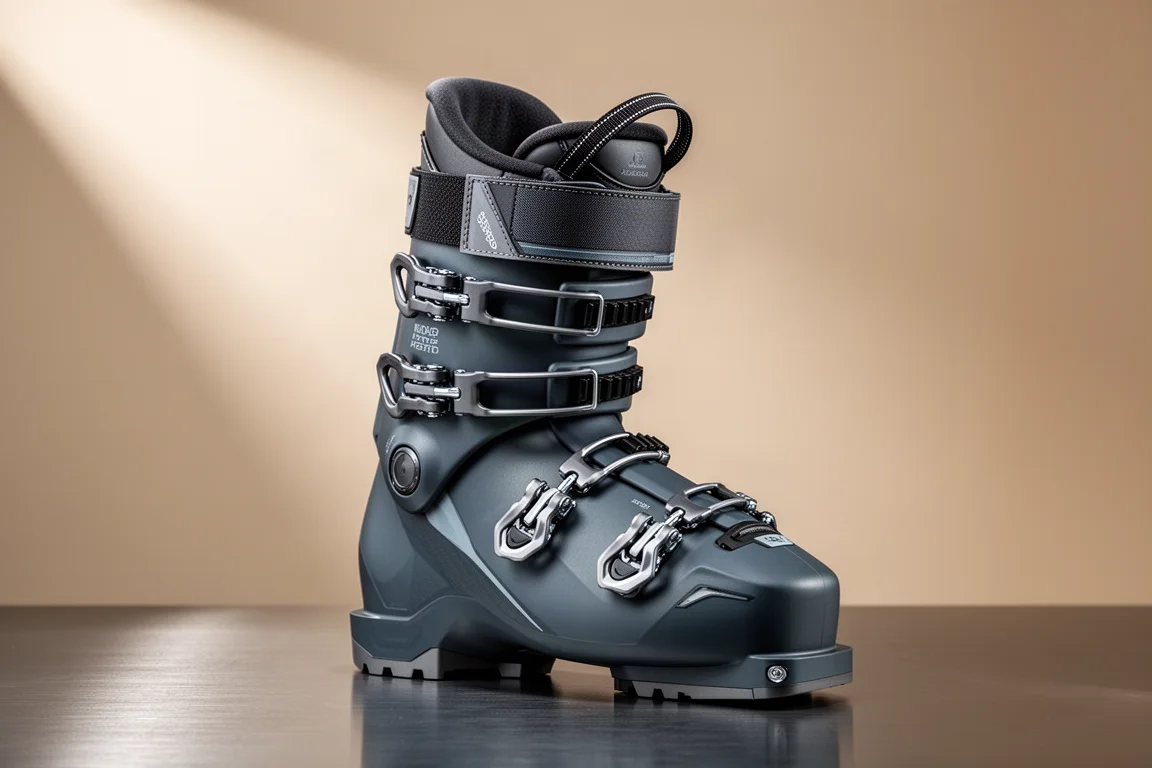
Head Caliber 130: Dual BOA With a Different Feel
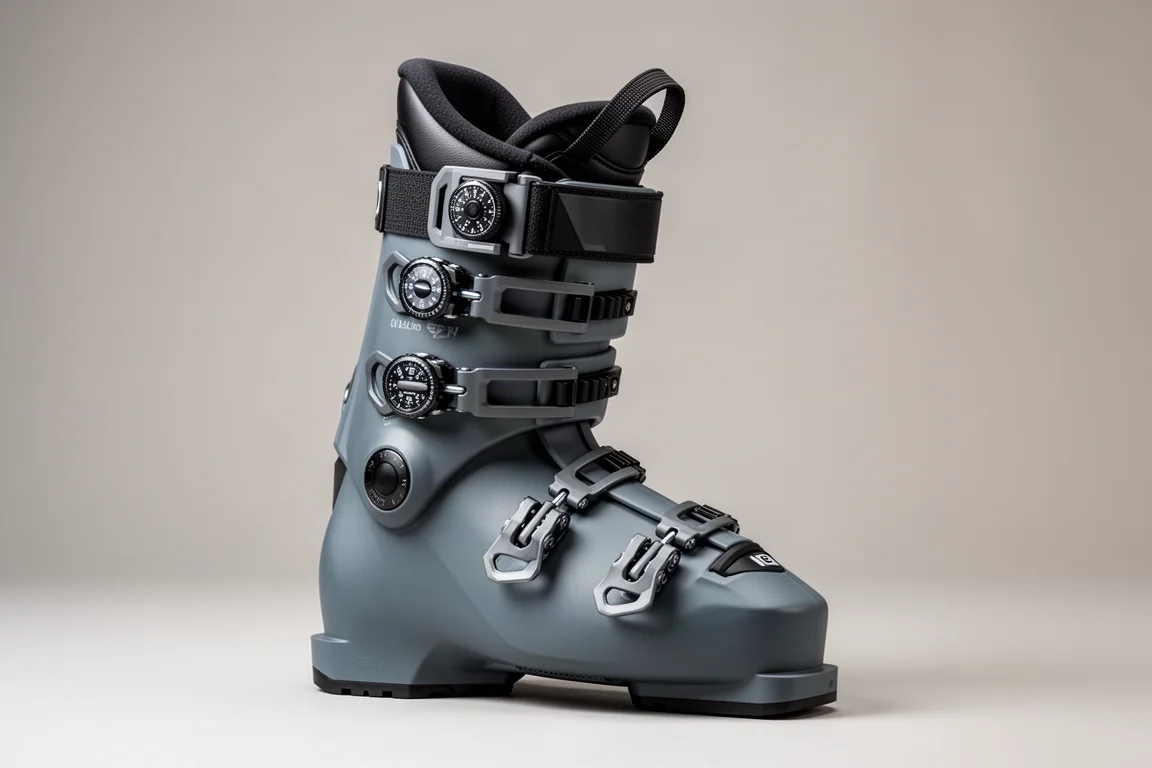
The Caliber 130 is the most unusual boot here, and it is fair to say it looks strange. Head has moved the lower cable dial up the shell to free up room for higher edge angles on the side of the boot, which also gives the profile a cleaner look. Both dials sit low enough that a pant cuff can pass over them.
The upper closure is where the design gets interesting. The routing is different, and the power strap is attached to the upper cuff through a plastic piece, so the closure behaves more like a single unit than a set of independent parts. Getting the boot on is awkward, with cables sitting close together, but getting it off is straightforward.
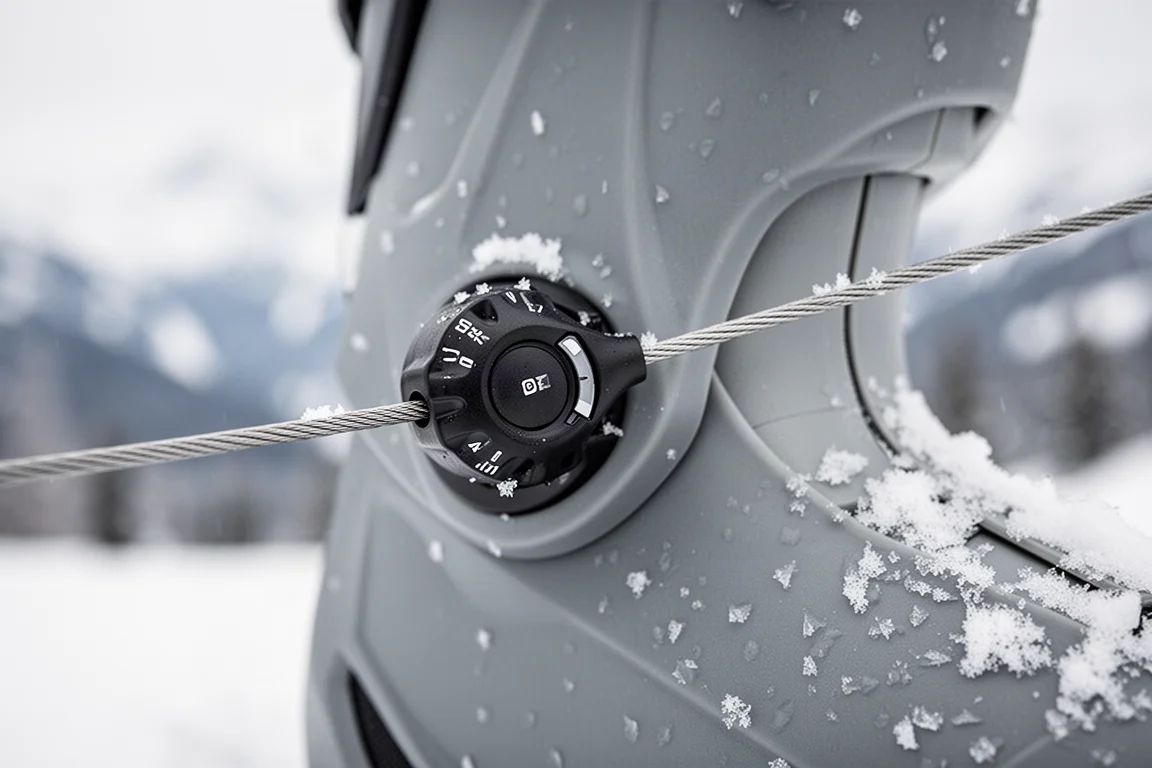
On snow, the result is smooth. The boot is torsionally very stiff and very predictable, and it transmits power to the ski well. It is not a high-energy, aggressive-feeling boot, but it is also not overly demanding, which is unusual for a 130-flex low-volume shell. It pairs naturally with a torsionally stiff, precise ski.
At 2,274 g it is effectively tied with the Recon AF 130 for heaviest in the group, and that heft contributes to the smoothness. A low-volume aftermarket liner will not go into this shell, so the stock liner is the practical answer.
Zipfit Gara LV: A Liner Upgrade That Changes the Fit
The Gara LV is a low-volume aftermarket liner, and it earns a place in this roundup because of how directly it changes fit in shells that have room for it. Compared with a mid-volume liner, it reduces volume, which makes entry and exit easier without reducing performance or how snugly the boot holds the foot.
In practice it adds a little room in the forefoot while improving heel hold. That is exactly what a low-volume shell with an accommodating fit needs, and it made the Mach1 130 LV and the Promachine 3 130S noticeably better for the skier using them.
It is not a universal upgrade. In boots with a deeply sculpted heel pocket or a lower shell cable closure, the liner’s extra material makes the boot extremely difficult to get on and off, and the stock liner is the better choice in those shells.
Buying Advice
If you take one thing from this roundup, take the fit point. Everything above about weight, flex, and closure systems is secondary to shell shape and size. A boot that does not fit will not perform, no matter what it weighs or how it closes, and no ski in your quiver will feel right if your feet are not comfortable and controlled.
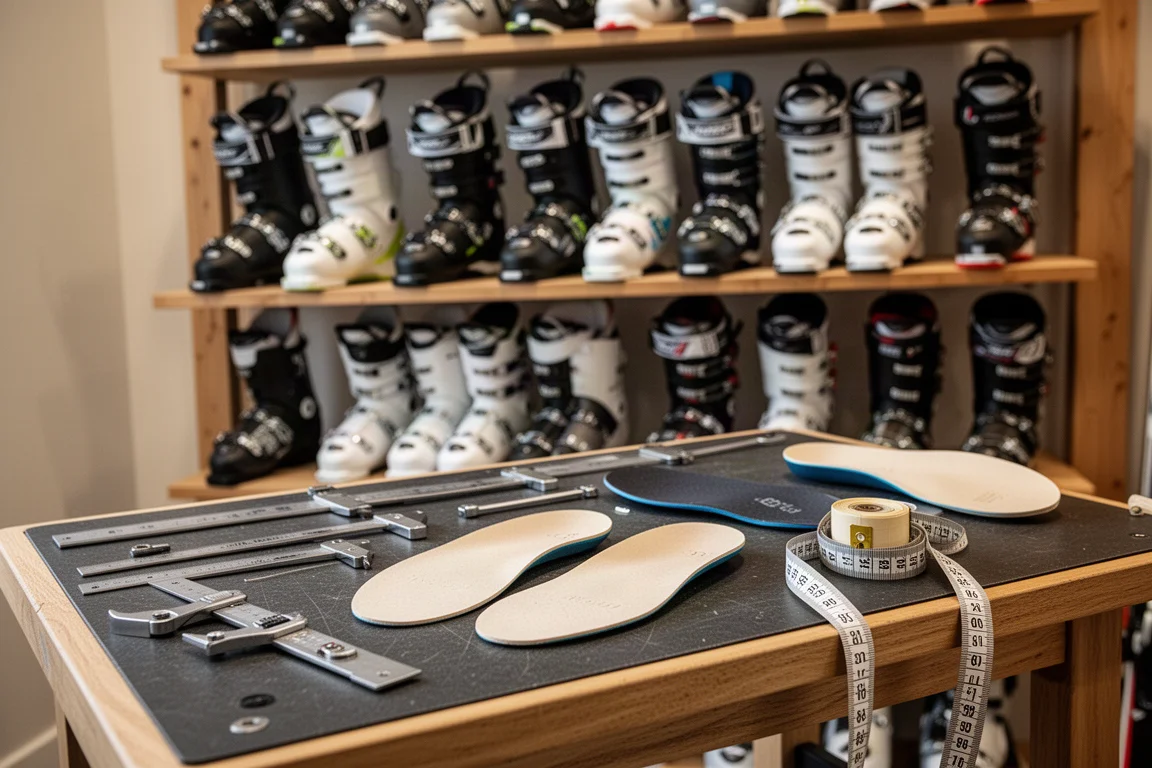
From there, match the boot to how you ski. Heavier, stiffer shells reward fast, aggressive skiing and pair best with stiff, metal-laminate skis. Lighter shells reward quick, short turns and are easier to manage over a long day. If you are sensitive to how a boot stiffens in the cold or softens in the spring, the heavier and thicker options are more consistent.
Closure systems are a personal call. An upper cuff cable closure spreads pressure across the cuff in a way that resembles an elastic power strap, and many skiers like the feedback it provides. Lower shell cable closures are more divisive, and some skiers find they add time and effort without a clear performance benefit.
Stock liners have improved. If yours feels close but not quite right, a low-volume aftermarket liner is a shortcut to more forefoot room and better heel hold, but only if the shell has space for it.
Finally, buy boots in person whenever you can. Online listings are useful for research and for replacing a model and size you already know, but a boot fitter should confirm shell fit before you commit.
Conclusion
All six of these boots ski well, which is not a surprise at this level. The differences come down to priorities: the Mach1 130 LV for quickness and an accommodating low-volume fit, the K130 P for thick-plastic power and stiffness, the Promachine 3 130S for traditional four-buckle precision with a genuinely good stock liner, the Recon AF 130 for a heavier and smoother freeride feel, and the Caliber 130 for a stiff, predictable, undemanding character wrapped in an unusual dual-closure design.
The Gara LV is the wildcard. In the right shell it is the single biggest fit improvement you can make. In the wrong one, it is a fight.
Start with fit, then choose the flex and closure system that matches your skiing. That order is what makes a boot purchase feel confident rather than risky.
Further reading
Related Reviews

Ski Boots
Armada AR One Ski Boot Review: A Three-Piece Cabrio That Finally Gets It Right
Armada's first ski boot blends three-piece Cabrio design with Atomic engineering, a heat-moldable shell, and a 100mm last that fits better than any Cabrio before it.

Ski Boots
Armada AR1 Ski Boot Review: A Cabrio and Overlap Hybrid for Park and Freeride Skiers
Armada's first ski boot pairs a three-piece cabrio shell with overlap-style buckles and a cable-driven slingshot buckle. Here is where it shines, and what to weigh before buying.
Ski Boots
Atomic Hawk Prime 110 Review: A Mid-Volume Ski Boot Built for Progressing Skiers
A closer look at the Atomic Hawk Prime 110, a 100mm mid-volume ski boot with a 110 flex, lightweight Prolite construction, and a liner designed to be easy to live with.