Ultralight Backpacks
ULA CDT Review: An Ultralight Frameless Backpack at $145
A frameless ultralight backpack with a low price, a stripped weight near 17 ounces, and a roomy front mesh pocket, plus the trade-offs to weigh first.
Introduction
Ultralight gear has a reputation for being expensive, and backpacks are often the clearest example of that. The ULA CDT pushes back on the assumption. It is a frameless ultralight backpack priced at $145, which lands well below what many comparable packs cost.
A low price only matters if the pack holds up. The CDT has been a fixture on long-distance routes for years, and a single example has covered thousands of miles across the Long Trail, the Adirondack 46, the White Mountain 48, the Northville-Placid Trail, and a full Appalachian Trail thru hike in 2018. This review covers what makes it worth considering and where it asks you to compromise.
Who the ULA CDT Is For
A frameless pack performs only as well as the gear you load into it. With no frame transferring load to a hip belt, the CDT depends on how you pack it and how light your base weight is. As a rough target, aim for a base weight around 10 to 11 pounds. Slightly above that is usually manageable.
ULA notes that carrying more than 18 pounds in total may start to feel less comfortable. Treat that number as a soft ceiling rather than a hard limit, and note that it applies to frameless packs in general rather than to this model alone. Hikers who already run a lean kit will get the most out of the design.

If your current setup is built around heavier, bulkier gear, this is not the pack to start with. Get the base weight down first, then move to a frameless pack.
Lightweight Build and Removable Features
Carried weight varies depending on which removable pieces you leave on. With most of the removable features in place, the CDT sits somewhere around 23 to 24 ounces. Strip it down and use a smaller top, and it can come in near 17 ounces.
That flexibility is one of the pack’s more practical traits. You can run it fully featured for trips where convenience matters, then shed hardware for long-distance use where every ounce counts. With nothing inside, the CDT is essentially an empty sack, so the real weight you carry depends heavily on the choices you make.
Versatility Across Trip Types
The CDT covers more ground than its ultralight label suggests. It works for day hikes, overnight and weekend trips, and long-distance thru hikes alike, which is unusual for a pack this light. The side cinches and the straps across the top let you compress the body down hard when you are carrying very little.
Packed small and stripped of extras, the CDT weighs roughly what a typical day pack does, so there is little reason to own a second bag for shorter outings. One pack can follow you from a local afternoon loop to a multi-week route without forcing a change in how you carry your gear.
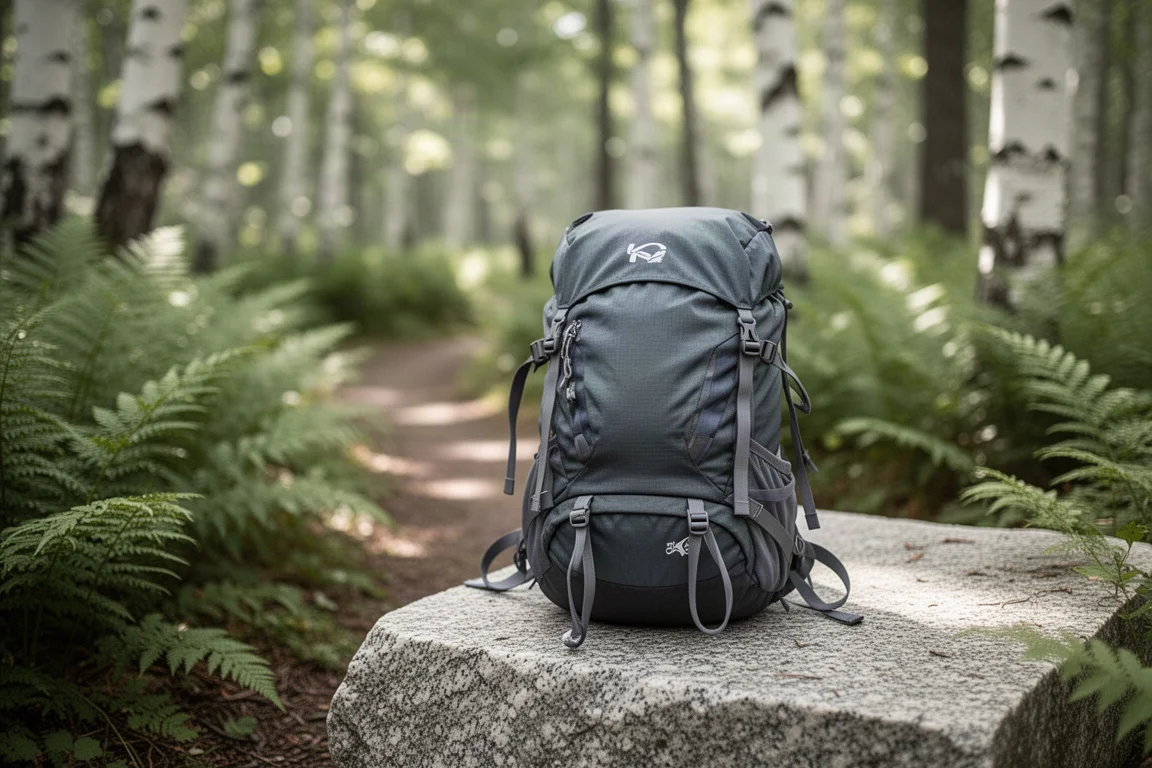
That range comes with a condition. The pack rewards a dialed-in kit at every trip length, so the versatility is real but not unconditional.
Water Bottle Pockets and the Front Mesh Pocket
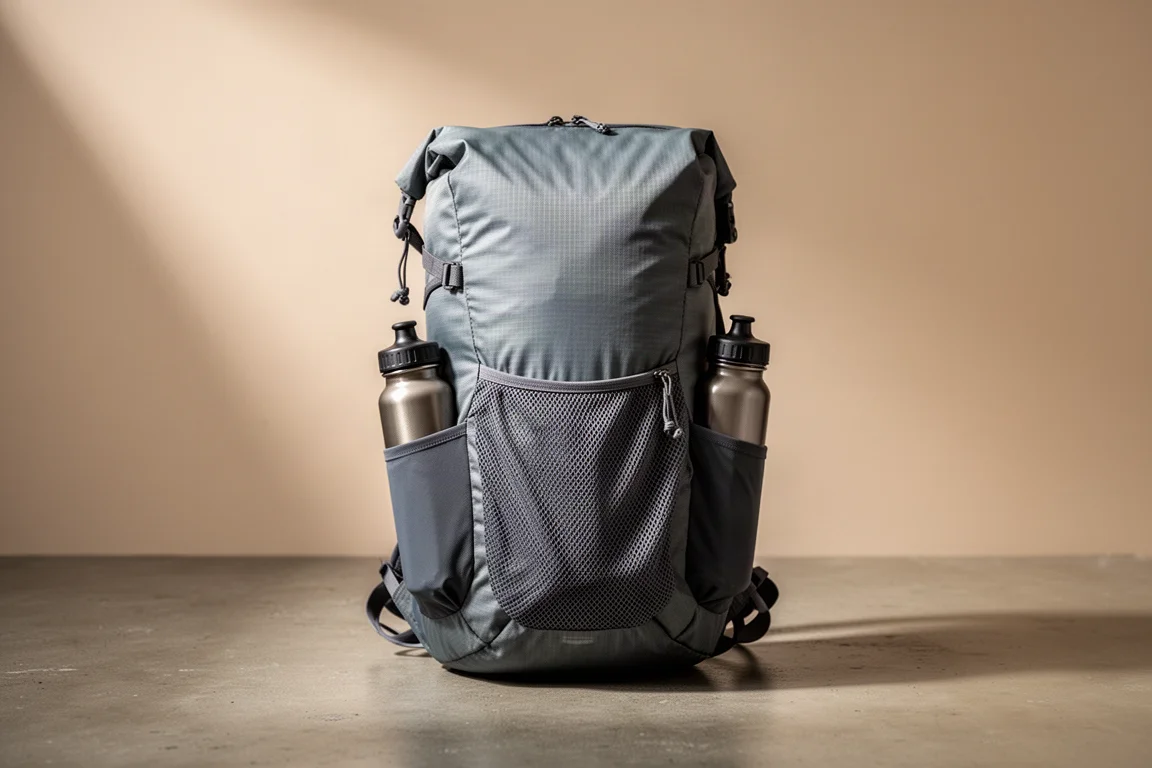
The side pockets hold a standard one-liter bottle and are positioned so you can reach back and pull one out without stopping or taking the pack off. That matters more than it sounds. On steep, rocky descents you can still grab a drink while moving, and it removes the constant stop-start rhythm of unloading a pack for water. There is room enough that two bottles per pocket is plausible, which helps on desert routes or anywhere you need to carry extra capacity.
The large stretchy mesh pocket on the front is the standout feature. It swallows a full tent and rain fly without strain, and the fabric stretches well beyond what the empty pocket suggests. The practical benefit is separation: wet items such as a rain fly, rain jacket, tent stakes, a spork, and toilet paper ride on the outside, keeping damp gear away from clothing and a sleeping quilt inside the main body. Other packs offer exterior pockets, but few are this generous.
Durability Over Thousands of Miles
Frameless ultralight packs are often described as fragile, and the CDT is a useful counterexample. A single example has logged at least 3,000 miles and is still in service, including a full Appalachian Trail thru hike. Over that distance the only repairs needed were minor: a small tear in the mesh pocket and one in a hip belt pocket.
The shell is water resistant rather than fully waterproof, so rain protection for your insulation and clothing is still your responsibility. Expect the fabric to show scuffs and abrasion over time without compromising the structure, which is a reasonable trade for a pack that weighs so little.
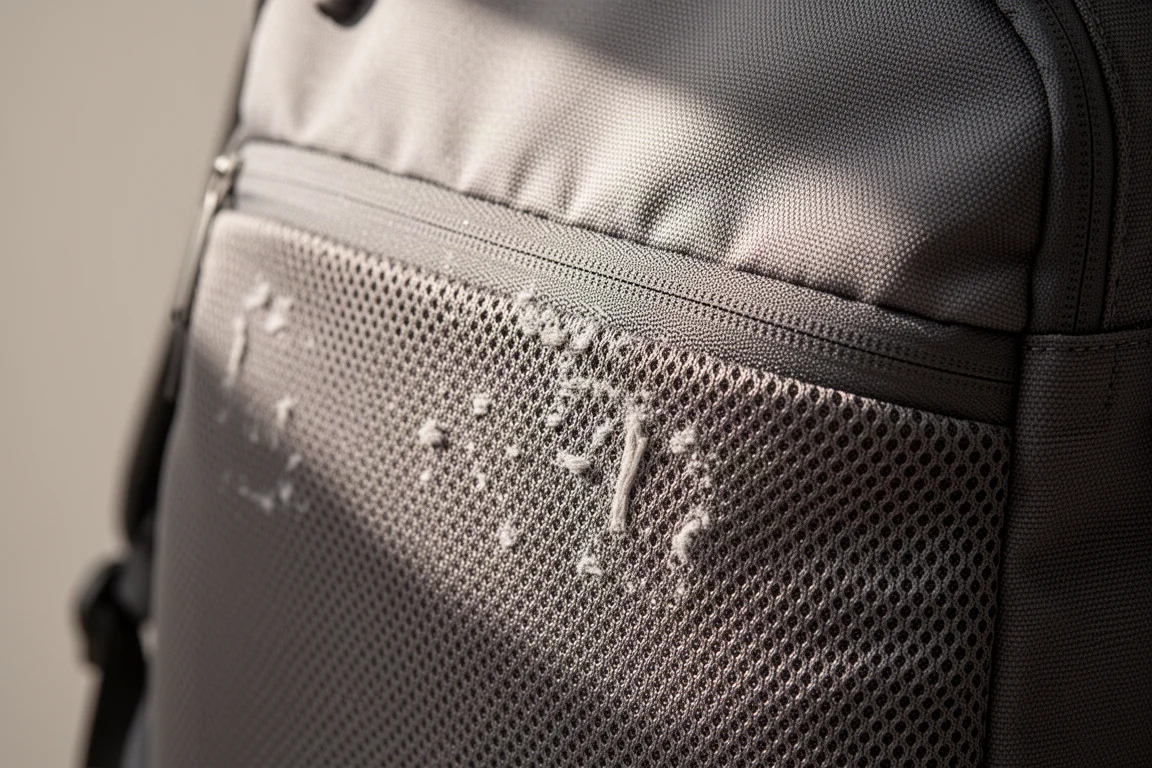
For the mileage involved, that durability record is a strong argument for the design rather than against it.
Things to Consider Before Buying
A few details are worth knowing before you commit.
- The hydration ports are the clearest annoyance. Small openings on both sides lead into the main body, intended for a water bladder hose. They are fitted as standard, and water can enter through them. Many ultralight hikers do not use bladders at all, so making the ports optional would suit more buyers.
- The pack ships with small straps attached to the shoulder pads that serve no clear purpose for most users. They are easy to remove, but it is one extra step out of the box.
- Like many frameless packs, the CDT will not stand upright on its own when you set it down. On a break you will usually need a log, a tree, or a rock to lean it against. In open terrain that is a minor inconvenience rather than a real problem.
None of these are dealbreakers, and they are the kind of small friction points that come with a pack this simple.
Buying Advice
At $145, the CDT is the value pick in the frameless ultralight category. Nothing about the price suggests a compromise in the areas that matter most: the weight is genuinely low, the front mesh pocket is unusually capable, and the durability record covers thousands of trail miles.
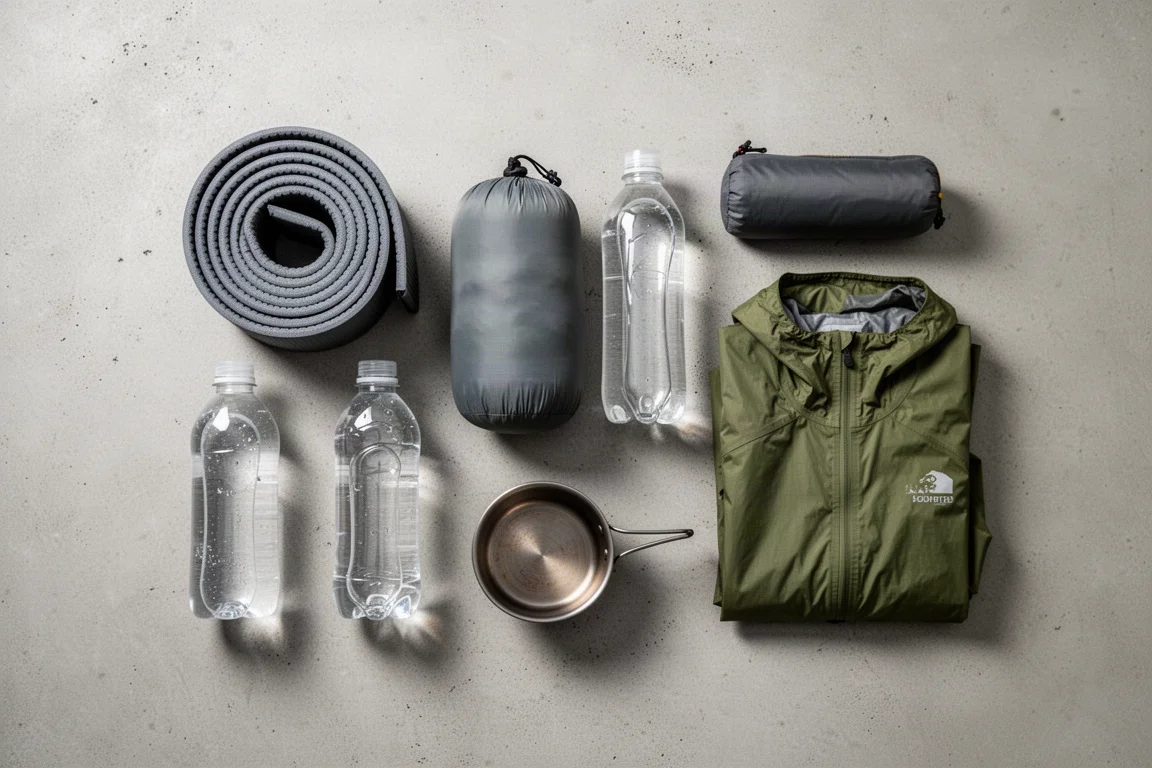
The one thing to be honest about is your base weight. If you are carrying heavy gear from a general outfitter, the CDT will not magically make that comfortable, and no frameless pack will. If your kit is already lean, this is an easy recommendation whether or not you are shopping on a budget.
Conclusion
The ULA CDT earns its place by doing the fundamentals well. It is light, it can be stripped down further, it carries a wide range of trip types, and it has proven itself over long distances with only minor repairs. The hydration ports and the default shoulder straps are small irritations rather than flaws, and the inability to stand on its own is a trait shared across frameless designs. For hikers with a base weight around 10 to 11 pounds, the CDT offers a rare combination of low weight, real durability, and a price that undercuts most of the category.
Product link
View more details for ULA CDT
This product is mentioned in the review. Check the specifications, options, and compatibility before buying.
View more details for ULA CDTFurther reading
Related Reviews
Ultralight Backpacks
Alien Outdoor Gear Custom Backpack Review: A 22-Ounce Ultralight Pack Built to Order
An initial look at a made-to-order 40-liter ultralight backpack: Ultra 200 fabric, a 22-ounce build, generous pockets, and the details worth checking before you order.
Ultralight Backpacks
Durston Gear Kakwa 40 Review: An Ultralight Pack That Holds Its Shape
A 1 lb 13 oz ultralight backpack with a shape-holding frame, load lifters, and Ultra 200 fabric. Here is what works well and what to weigh before buying.
Ultralight Backpacks
Gossamer Gear Mirage 40: First Impressions of a 19.4 oz Framed Ultralight Pack
An early look at the Gossamer Gear Mirage 40, a 19.4 oz framed pack built from welded V52 graphite fabric, covering what works, what to check, and who it suits.