Ultralight Backpacks
Gossamer Gear Mirage 40: First Impressions of a 19.4 oz Framed Ultralight Pack
An early look at the Gossamer Gear Mirage 40, a 19.4 oz framed pack built from welded V52 graphite fabric, covering what works, what to check, and who it suits.
Introduction
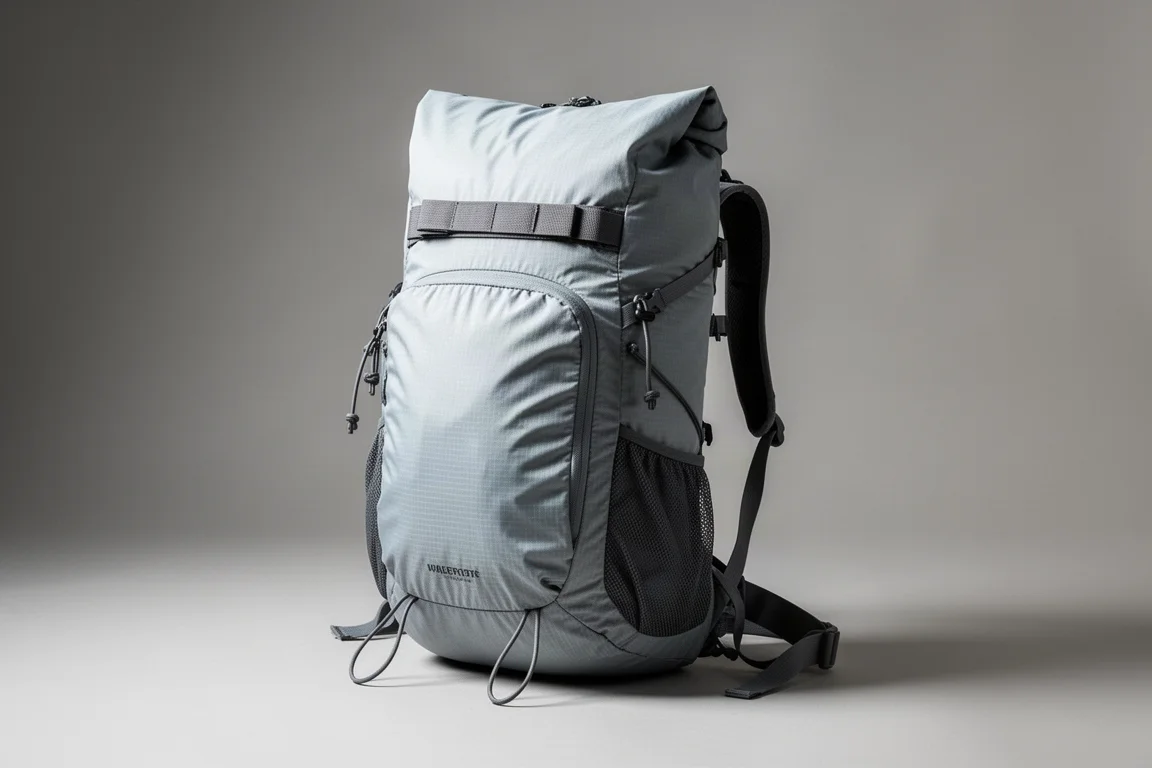
The Gossamer Gear Mirage 40 arrives with a claim that is hard to ignore: the lightest 40 L framed pack on the market, at 19.4 oz as it ships. It is part of the company’s Alchemy collection, and it is built around a fabric that is new to backpacking, an Alula textile called graphite, designated V52, described as the lightest variant of its type yet used on a pack.
The construction is just as unusual. Rather than stitching panels together, the Mirage 40 welds the fabric to itself with heat, which produces a body that is effectively waterproof and removes a good deal of the weight that seams and stitching normally add. Every seam on the pack is fully taped.
What follows is an early look rather than a long-term verdict. The pack has had a single day hike with roughly 20 lb of load and steady climbing, so the frame, harness, and fabric still need real field time before anyone can speak to durability with confidence. Even so, that first outing says a great deal about where this pack fits and who it is built for.
Who This Pack Is For
The Mirage 40 is a niche product, and the price makes that plain. At $450, it costs more than most framed ultralight packs, and much of that cost is tied to materials and process: a welded build, a newer fabric that few companies use, and a production method that is not inexpensive to run.
It is not a pack for everyone. It is for the backpacker who wants the lightest framed pack they can reasonably carry, someone who has already trimmed their kit and wants a supported carry without stepping up to a heavier frame and harness. If your base weight is not already in the ultralight range, this pack is unlikely to make sense, because its comfort rating tops out around 25 to 30 lb, and 30 lb is best treated as a ceiling rather than a target.

At around 20 lb, the pack carries comfortably, and that is the load most buyers will realistically run in a pack this focused. The hip belt hugs the waist without pinching, and the shoulder harness sits well, which matters more than raw weight once you are climbing.
Main Strengths: Weight, Frame, and Carry Comfort
Weight is the headline. The Mirage 40 comes in at 19.4 oz as kitted out, and roughly another ounce can be trimmed by removing parts or shortening straps. For context, the Hyperlite Mountain Gear Waypoint 35 is also a framed pack and weighs about 23 to 24 oz depending on torso size and fabric choice. Staying under 20 oz while keeping a frame is a genuinely unusual figure.
The frame is a carbon fiber X structure that can be tensioned to put an arc into the pack, and a trampoline-style back panel leaves a small air gap for ventilation. The Mirage 40 is a one-size pack with an adjustable torso, so the frame height can be dialed in rather than chosen from a fixed size chart. Load lifters run up to the frame, well above shoulder strap height at the tallest torso setting, and they do what load lifters are meant to do: move weight through the frame and onto the hips.
The hip belt is the standout. It is a full wrap-around design, built as one piece and connected to a horizontal bar across the base of the pack, so the pack moves with the hips instead of fighting them. The adjustment sits on the hip belt padding itself rather than on a dual-adjust buckle in the middle, which distributes pressure better, slips less, and gives finer adjustment. On a pack this light, that detail matters, because a light hip belt that cannot carry weight is not much of a hip belt at all.
Shoulder straps are comfortable, with a cut similar to the Skala 38, and the foam holds up under load. Fit is always individual, but on a 165 lb, 5 ft 9 in frame with an 18.5 in torso, the pack dialed in well across the shoulders and waist.
Fabric and Build: Welded Construction
The V52 graphite fabric is the reason this pack exists. It is an Alula textile, and it feels extremely thin in hand, which is both the appeal and the open question. Gossamer Gear welds the fabric to itself with heat rather than sewing panels together, and that process is what allows a framed, supported pack to land under 20 oz.
Welding also changes how the pack behaves around water. With no stitch lines running through the main body panels, the pack is effectively waterproof, and every seam is fully taped for added strength. The front stash pocket uses a stretch material that is not Dyneema or Ultra stretch. Gossamer Gear has said the stretch fabric chosen works best with the welding process, which points to a deliberate trade-off between weld compatibility and the thicker, more familiar stretch fabrics used on other packs.
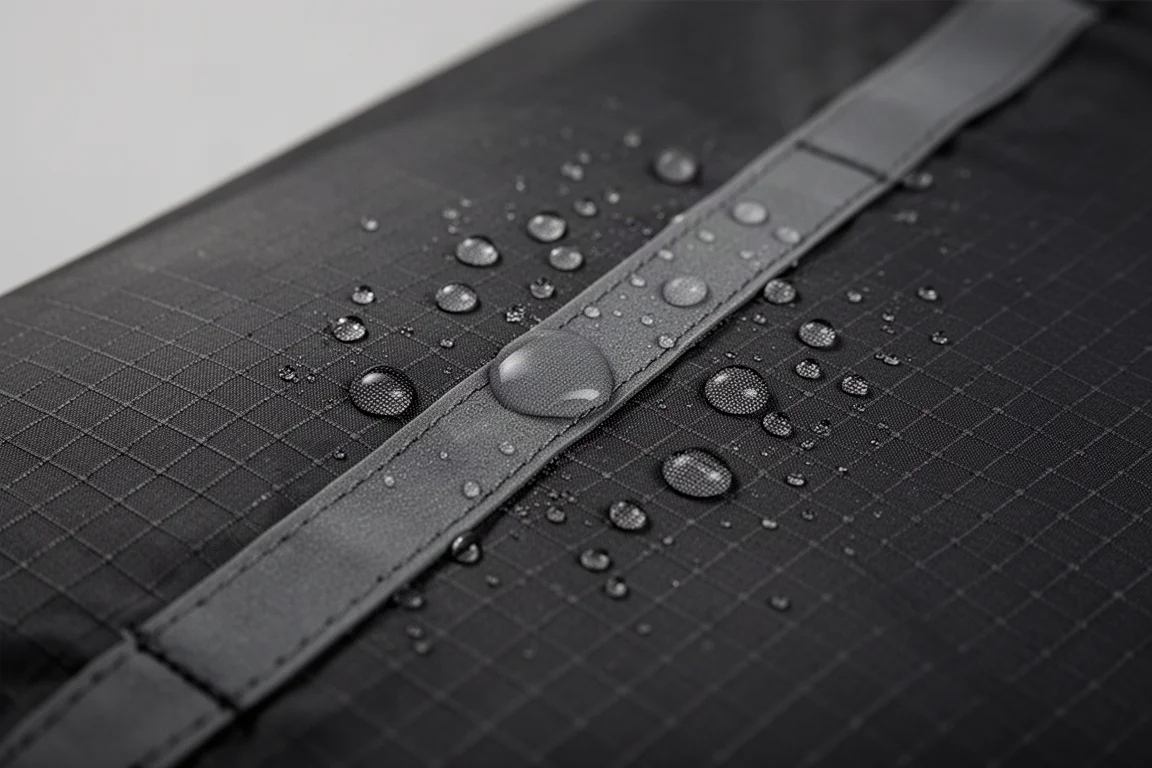
How the fabric holds up over thousands of miles is the part nobody can answer yet. Thin, welded textiles are promising both on paper and in hand, but abrasion resistance and long-term seam integrity are what ultimately decide whether a pack survives a thru-hike.
Pack Features and What Is Missing
On the front there is a large stretch stash pocket. The side compression system is a single continuous cord arranged in a Z pattern, which tightens the pack down well once the load shrinks.
The side pockets are smaller than the pack’s low weight might suggest. A single bottle fits, and taller bottles are workable, but two bottles will not fit in one pocket. A trekking pole or a set of tent poles fits only snugly. If you regularly carry extra water or want quick pole storage, this is the feature to examine closely.
The roll top closes with hook-and-loop and a single strap over the top, not a Y strap. A small bear canister such as a BV450 or BV425 should fit inside the main body. The grab handle sits on the top of the pack rather than on the back panel, and on a heavily loaded pack that position is worth thinking about, since it puts repeated lifting stress on a very light fabric.
The clearest omission is storage. There are no pockets on the shoulder straps or the hip belt. Those are sold separately, at roughly $35 to $45 each, and they were left off here. It is a deliberate ultralight decision: every pocket adds weight, and the 19.4 oz figure depends on leaving them out.
Things to Consider Before Buying
Price is the first thing to weigh. At $450, the Mirage 40 sits well above most framed ultralight packs, and adding a shoulder pocket and a hip belt pocket can push the total up by another $70 to $90. The materials and the welded construction explain much of the cost, but the number is still the number.
Frame tension needs attention. On the first outing, a buckle at the frame pressed into the middle of the back on a climb after only a mile or so, which suggests the carbon X frame wants more tension and a more pronounced arc before it carries well. That is an adjustment matter rather than a design flaw, but it is not automatic out of the box.
The hip belt is one size, and while it wraps well, it will not suit every waist. The pack itself is one size with an adjustable torso, which helps, but the fit range is what it is.
Side pocket capacity is the other practical limit. If your trips call for two liters of water in the side pockets or fast access to trekking poles, this pack asks you to change habits rather than adapt to yours.
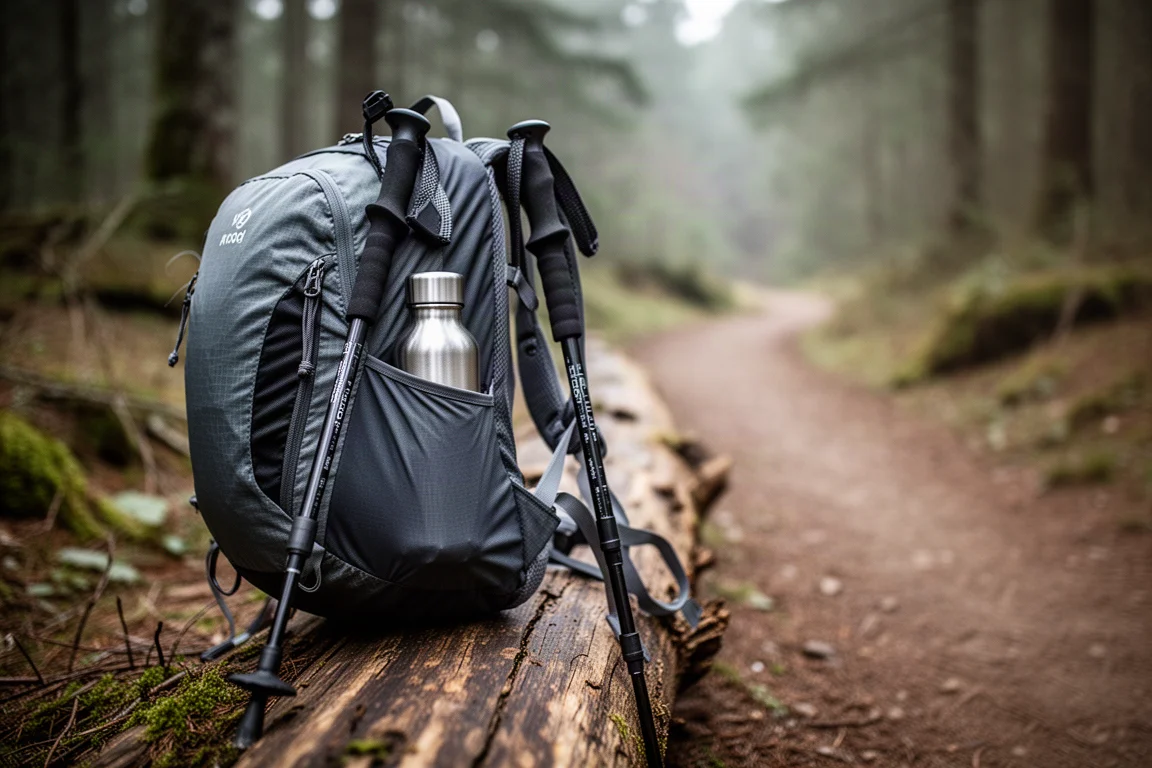
Finally, the fabric is thin enough that you should expect to treat the pack with some care, particularly around abrasive rock.
Durability: What Still Needs Field Time
Durability is the open question, and it is worth being clear about it. The fabric is very thin. Looking down inside the pack, light is visible through some of the needle holes left by stitching, and although every seam is taped, those points are exactly where stress and stitch elongation would show up first if they ever do.
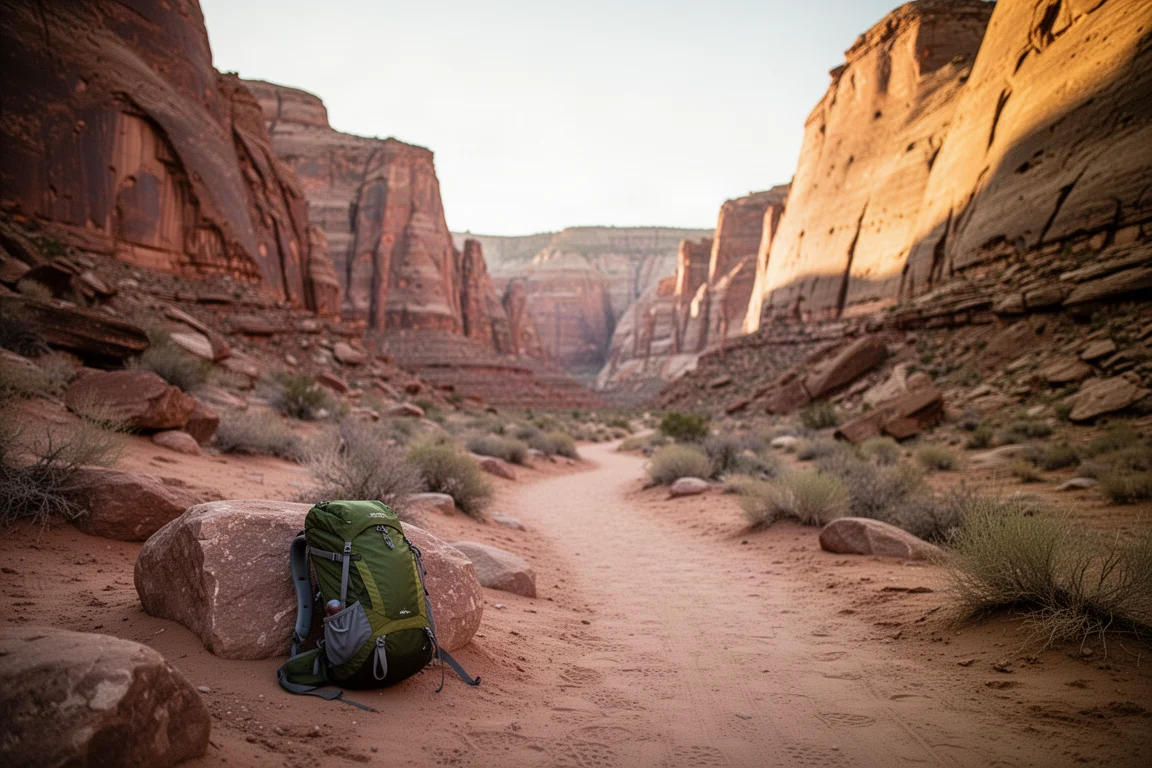
The pack has not yet been through the terrain that would answer those questions. Desert travel, bushwhacking, and sandstone abrasion are the tests that matter for a fabric this light, along with alpine conditions and cold weather use. Until the Mirage 40 has covered that ground, any claim about long-term durability is speculation rather than experience.
What can be said now is that the stretch material used on the front pocket is one Gossamer Gear has worked with for a long time, so there is some track record to lean on, even though the V52 graphite itself is new.
Buying Advice
Consider the Mirage 40 if your goal is the lightest framed 40 L pack you can carry and you have already trimmed your kit to match. It rewards a 15 to 20 lb load with a comfortable, stable carry and a hip belt that genuinely takes weight. It makes the most sense for thru-hikers, fast packers, and weekend ultralight trips where every ounce is negotiated.
Think twice if your typical load runs above 30 lb, if you rely on shoulder strap pockets, or if you want a pack that shrugs off sandstone and granite without a second thought. Those are not failures of the design; they simply sit outside what this pack was built to do.
If you are on the fence, the practical move is to confirm two things first: that your base weight plus typical food and water carry lands at or under about 25 lb, and that you are comfortable adjusting frame tension to keep the back panel off your spine.
Conclusion
The Gossamer Gear Mirage 40 is a compelling pack for a specific buyer: someone who wants a framed pack under 20 oz and is willing to pay $450 and give up built-in pockets to get there. The welded V52 graphite construction, the carbon X frame, and the wrap-around hip belt all point to a serious ultralight design. The thin fabric, the tight side pockets, and frame tension that needs dialing in are the trade-offs to accept knowingly. For the right hiker, it is a genuinely interesting option, and one worth watching as more field time accumulates.
Product link
View more details for Gossamer Gear Mirage 40
This product is mentioned in the review. Check the specifications, options, and compatibility before buying.
View more details for Gossamer Gear Mirage 40Further reading
Related Reviews
Ultralight Backpacks
Alien Outdoor Gear Custom Backpack Review: A 22-Ounce Ultralight Pack Built to Order
An initial look at a made-to-order 40-liter ultralight backpack: Ultra 200 fabric, a 22-ounce build, generous pockets, and the details worth checking before you order.
Ultralight Backpacks
Durston Gear Kakwa 40 Review: An Ultralight Pack That Holds Its Shape
A 1 lb 13 oz ultralight backpack with a shape-holding frame, load lifters, and Ultra 200 fabric. Here is what works well and what to weigh before buying.
Ultralight Backpacks
Outdoor Vitals CS40 Ultra vs Zpacks Arc Haul Ultra: Choosing an Ultralight Backpack
A practical comparison of two Ultra 200 ultralight backpacks, covering frame design, load comfort, pocket access, pricing, and the details worth checking before you buy.