Aquarium Equipment
Tunze Osmolator 3155 vs Nano: Which Auto Top Off Suits Your Tank?
A practical look at the Tunze Osmolator 3155 and the Osmolator Nano, plus the setup and maintenance habits that keep an auto top off reliable.
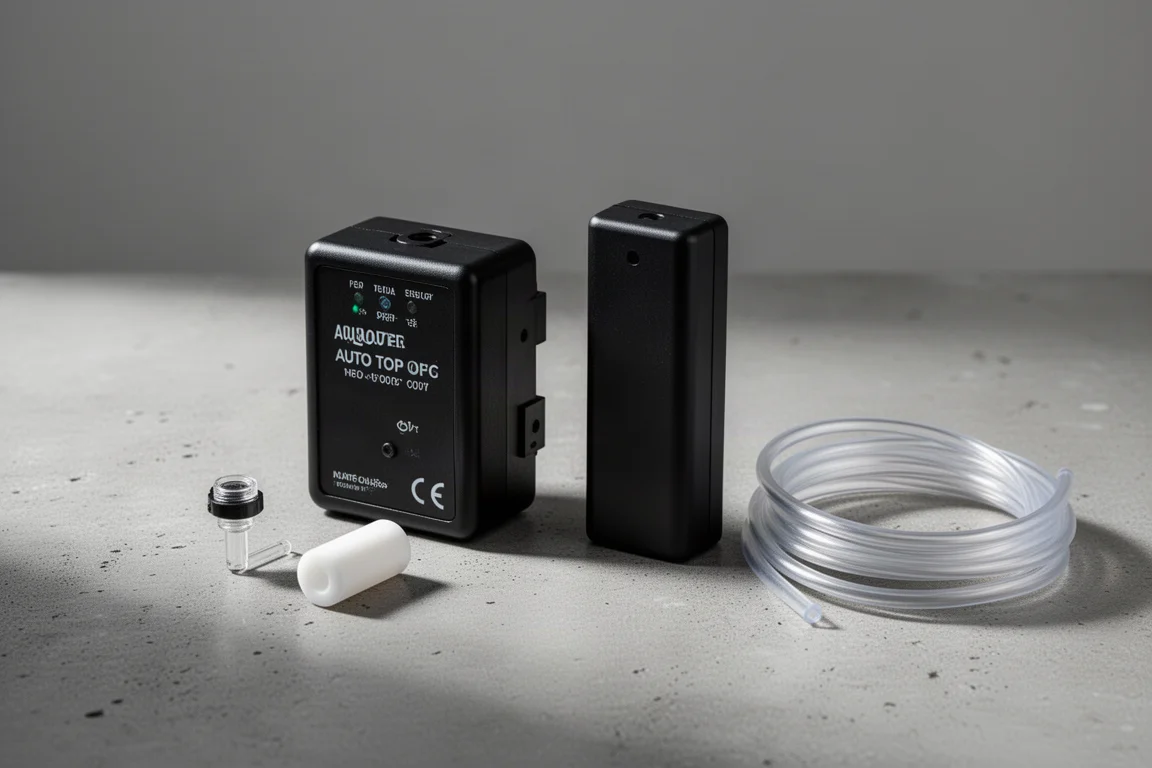
Introduction
An auto top off is the quiet workhorse of a marine or reef system. It replaces evaporated water so salinity stays stable, and when it works well you stop thinking about it entirely. The Tunze Osmolator line has built a following on exactly that kind of reliability, and two models come up most often when aquarists discuss which one to buy: the Osmolator 3155 and the Osmolator Nano.
They share a family name and a pump-driven approach, but they are not interchangeable. One is built for full-sized systems, with optical level sensing and a backup safety trigger. The other is deliberately limited to smaller tanks. This guide covers what separates them and the setup habits that keep either one dependable for years.
How the Two Osmolators Differ
The Osmolator 3155 is the full-featured model. It senses the water level with an optical eye and backs that up with a mechanical float, which triggers an audible alarm if the water rises past the expected point. It also includes a switched socket outlet, so you can run the pump of your choice rather than only the one supplied.
The Osmolator Nano is simpler by design. It is intended for tanks of 50 gallons or less and relies on an internal timer that only lets the pump run for a limited period before it shuts off. It does not include the optical eye, which is part of why it costs less.
The naming deserves to be taken literally. Nano here describes how much water the unit is expected to replace, not a discounted version of the same capability. On a large system the timer-limited pump simply cannot keep pace with evaporation, however the price compares.
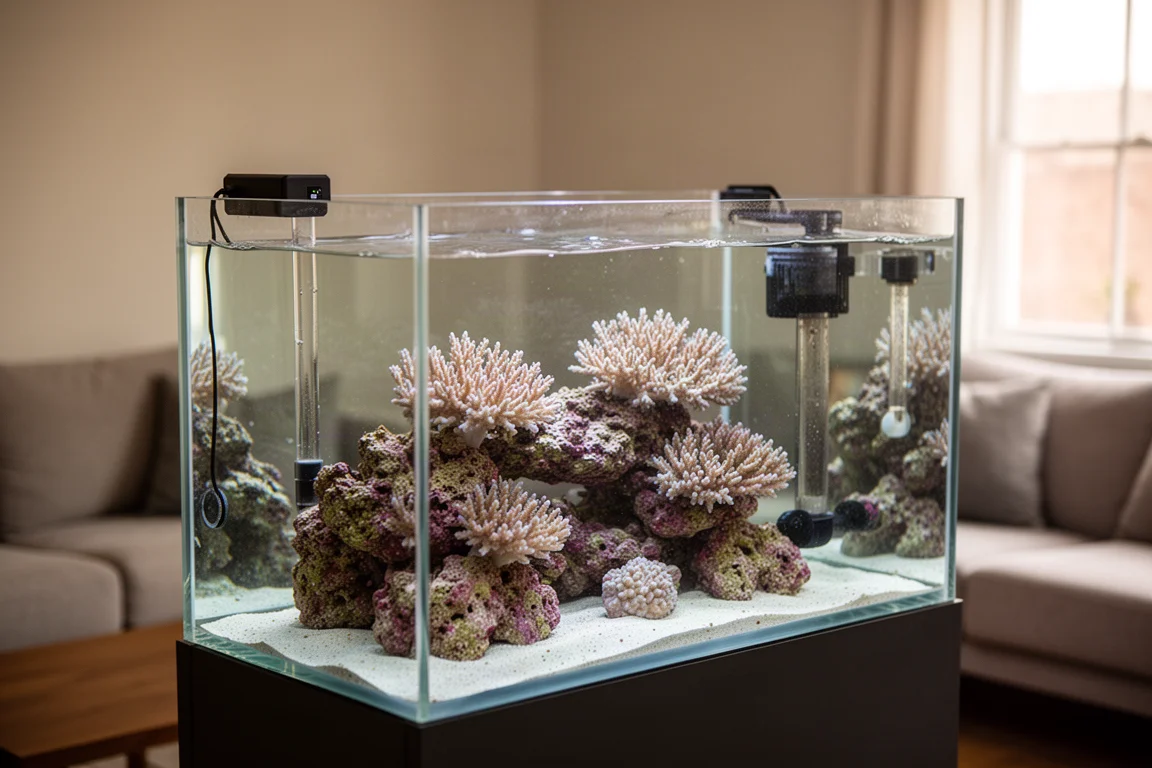
A practical way to choose: match the model to your total water volume first, then look at the features. Tank size is the hard constraint, and everything else is preference.
Tunze Osmolator 3155: The Full-Featured Auto Top Off
The 3155 is the model to consider when you want the top off to handle more of the thinking for you. The optical eye reads the water level at the tip of the sensor, and the float acts as a second line of defence rather than the primary control. That combination is what makes the unit so difficult to fault in normal use.
There are a few details worth knowing before installation. A small adjustment dial sits inside the housing, and the box includes extra magnets so the float and the optical sensor can be mounted separately instead of stacked in one bracket. The switched socket outlet opens the door to a larger or more distant pump if your sump layout calls for one, and the pump can be swapped for a solenoid that switches water on and off instead.
The optical sensor does need occasional cleaning, and pumps do eventually wear out, particularly if you dose kalkwasser through the top off. Both are manageable with basic maintenance and a spare part on the shelf.
Tunze Osmolator Nano: A Compact Option for Smaller Tanks
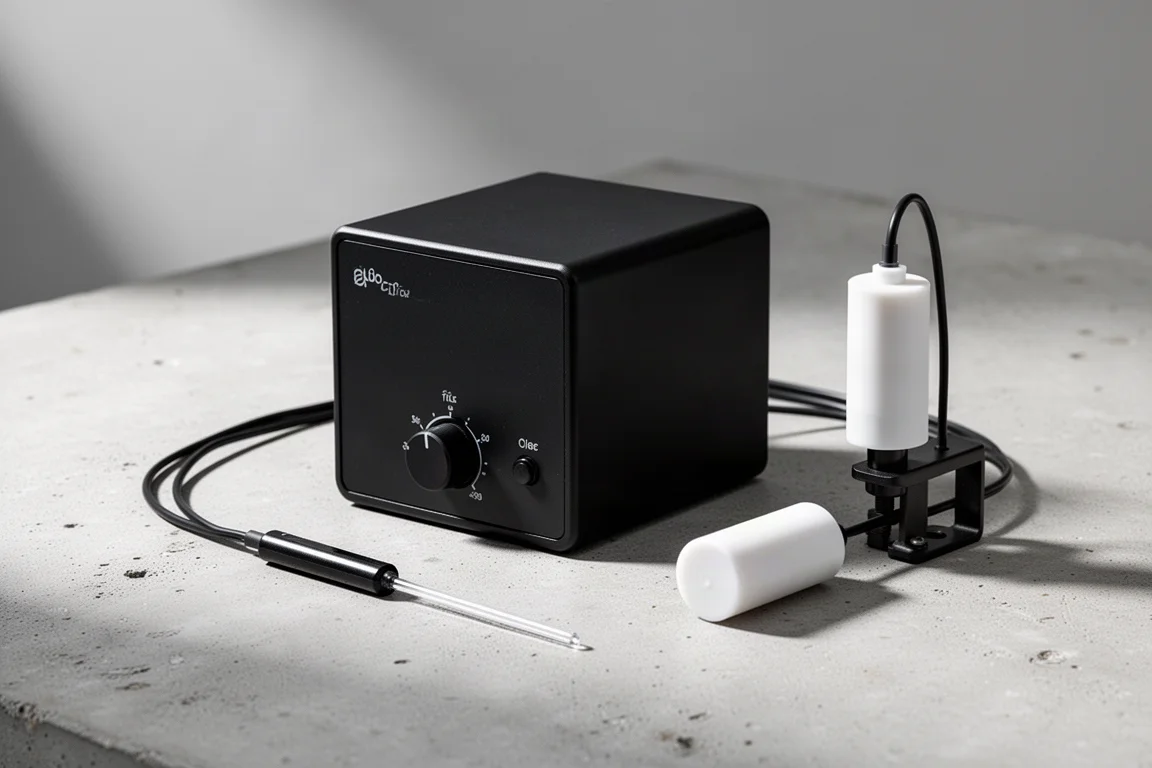
The Nano is the right answer for a compact system, and it is honest about its limits. It covers tanks up to 50 gallons, uses a timer to cap how long the pump runs, and leaves out the optical eye to keep the cost down.
That design makes it easy to live with on a small tank, where the volume of water needed to replace evaporation is modest and a timed pump cycle is enough. On a larger system the same timer becomes the bottleneck: there is only so much water the pump will add before it stops, and a big tank will outrun it.
If your display and sump together stay inside that 50 gallon window, the Nano delivers the core job of an auto top off with fewer parts to look after.
Pump Speed: The Adjustment Most Owners Miss
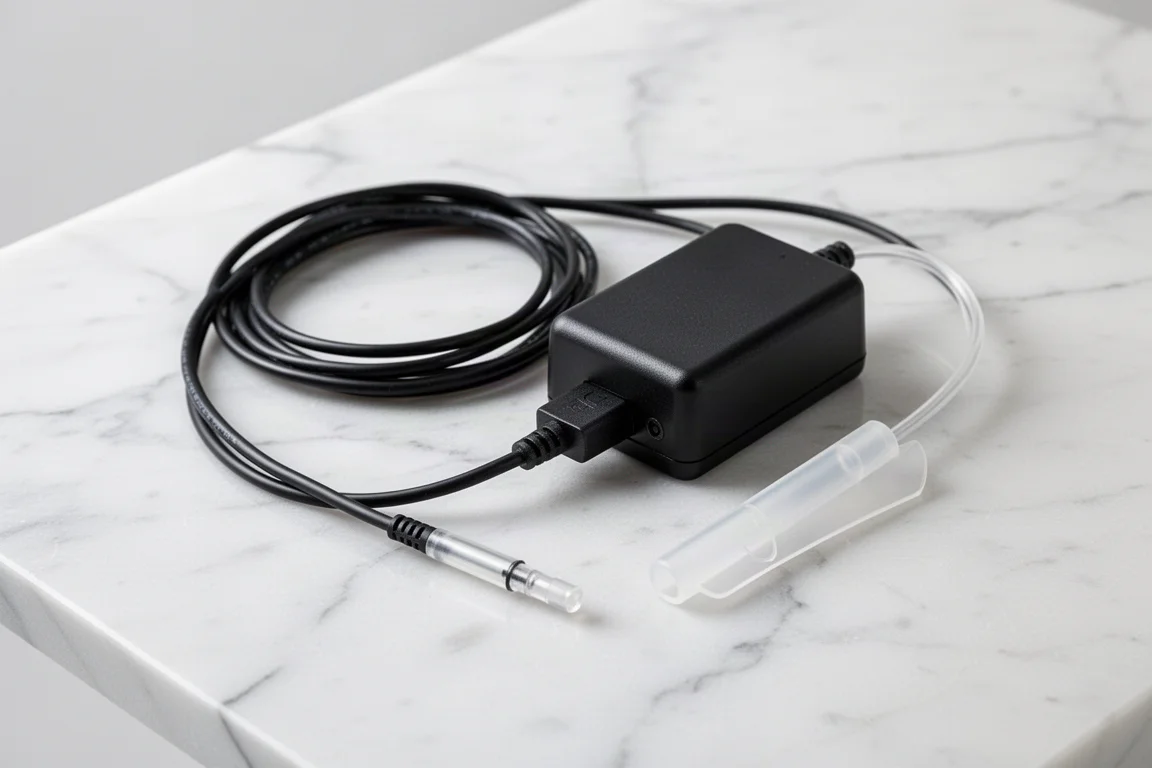
Both models move water with a pump, and on the 3155 there is a hidden adjustment that many owners never touch. Remove a couple of screws from the back of the housing and you will find a small dial inside.
That dial fine-tunes how fast the pump runs. On a small tank you may want it slower so a triggered cycle adds only a little water at a time. On a large sump, turning it up shortens the run time, which matters if the pump is audible from the room where you spend your evenings.
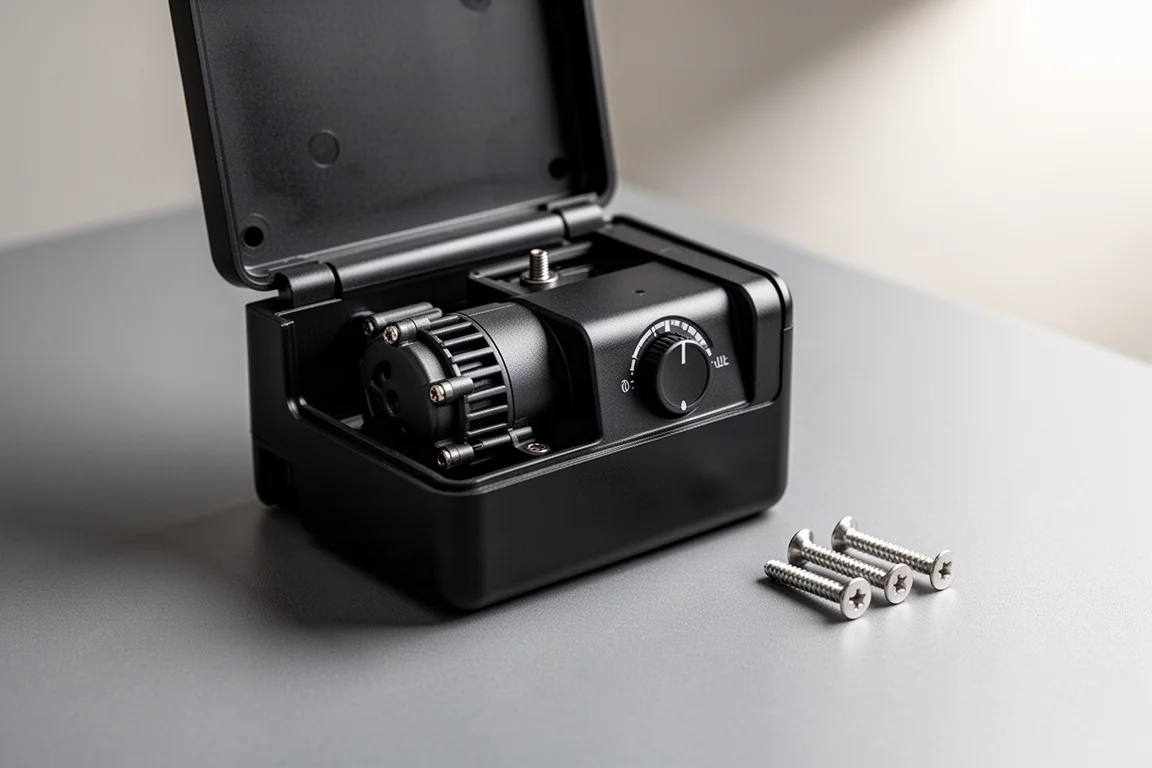
It is worth setting this once during installation rather than after months of listening to a long pump cycle. A few seconds with a screwdriver is the whole job.
Cleaning and Mounting the Optical Eye
Mechanical floats are the part everyone remembers to clean. Salt creep builds on them, and the same thing happens to an optical eye, which sits in or near the water and collects mineral crust over time. In a sumpless tank where the sensor is mounted near the top, algae can grow across it as well.
The failure mode tends to be a unit that stops topping up rather than one that keeps running. If the eye is obscured, the controller may simply not register the low level. Treat cleaning as part of monthly or quarterly maintenance and the sensor will keep reading accurately.
Placement matters too. Install the sensor with the tip pointing down, since that tip is what detects the water level, and avoid submerging the seals and cords. They are waterproof, but there is no benefit to leaving them sitting in saltwater.
Spare Pumps, Solenoids and Long Tubing Runs
A replacement pump for this line costs roughly $20 to $30, which makes keeping one on hand an easy decision if you dose kalkwasser through your top off water. Kalkwasser is hard on pumps: high calcium and alkalinity, elevated pH and heat add up to a punishing environment, and a year of service is a reasonable expectation rather than a fault. The pump is usually the first part to go.
There are alternatives to the stock pump. The switched socket outlet lets you connect a different pump when the run is long or head pressure is a factor. A solenoid can replace the pump entirely, switching the water supply on and off instead, though solenoids also wear out over time and should not be used with kalkwasser because they jam.
One small upgrade is worth mentioning: a push-connect union with a 3/8 inch end that fits over the pump outlet and a 1/4 inch end that accepts standard polyethylene RODI tubing. It makes routing easier, and small clips can keep the line straight along the cabinet wall.
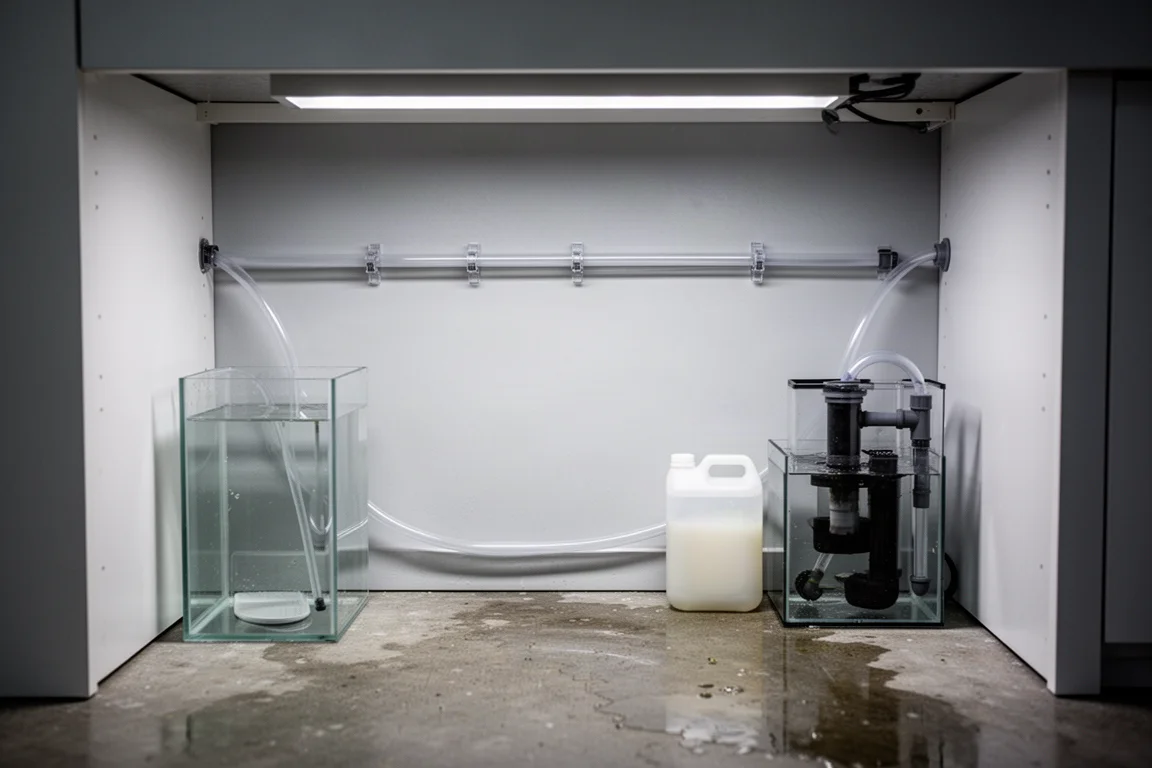
Whichever route you take, the point is the same: plan the plumbing and the spare parts before something fails at an inconvenient hour.
Startup, Alarms and Maintenance Habits
When you first plug the controller in, the pump runs briefly, around ten seconds, before settling. It is a common source of worry and it should not be. That volume of water is far too small to shift salinity in a system of any meaningful size, and if it still bothers you, slowing the pump down solves it.
The louder moment comes from the backup float, which sounds a deliberately unpleasant alarm when the water level rises too high. The temptation is to unplug the unit and deal with it later, and the risk is forgetting to plug it back in, which leaves the tank running dry. Separating the float from the optical sensor with the included magnets gives you roughly an inch of water level before the backup triggers, and you can slide the float higher during maintenance so a temporary high level does not set it off.
If you run an aquarium controller with a feed mode, that function can silence the alarm and restore normal operation on its own after a set period, which removes the forgetting problem entirely.
Buying Advice
Start with volume. If your system stays at or below 50 gallons and you want a simple, affordable top off, the Osmolator Nano covers the job. If your system is larger, or if you want optical level sensing with a mechanical float as a safety net, the Osmolator 3155 is the model that will keep up.
Then think about how you plan to use it. Dosing kalkwasser through the top off shortens pump life, so it makes sense to add a spare pump to your order. Long tubing runs and tall head heights are easier to handle with the switched socket outlet and your own pump. A solenoid is an option for systems that want water switched rather than pumped, but it is not the right choice if kalkwasser is in the mix.
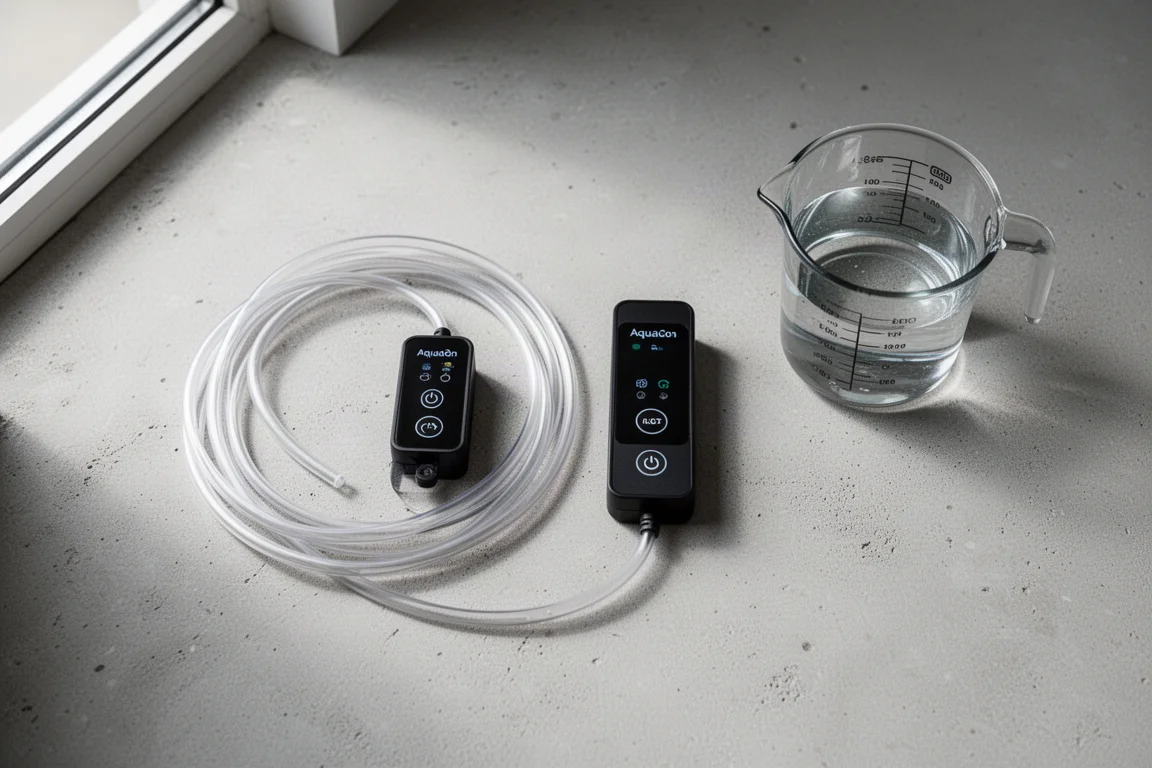
None of these decisions are difficult once the tank size question is settled. Choosing the model that matches your water volume is the single step that prevents most of the frustration people run into later.
Conclusion
The Osmolator line earns its reputation through consistency: an auto top off that keeps salinity stable and stays out of the way. The 3155 and the Nano both deliver that, as long as each is matched to the right size of tank. Pick the Nano for smaller systems and the 3155 for larger ones, set the pump speed during installation, keep the sensor clean, and have a spare pump on the shelf if you run kalkwasser through the top off.
Further reading
Related Reviews
Aquarium Equipment
Abyzz Professional DC Pumps: A100, A200, and A400 Reviewed
A closer look at three German-made DC return pumps built for large reef systems, with titanium internals, fine flow control, and a 10-year warranty.
Aquarium Equipment
AdaptiveReef Controller Accessories: Three Tactile Upgrades for Your Reef Controller
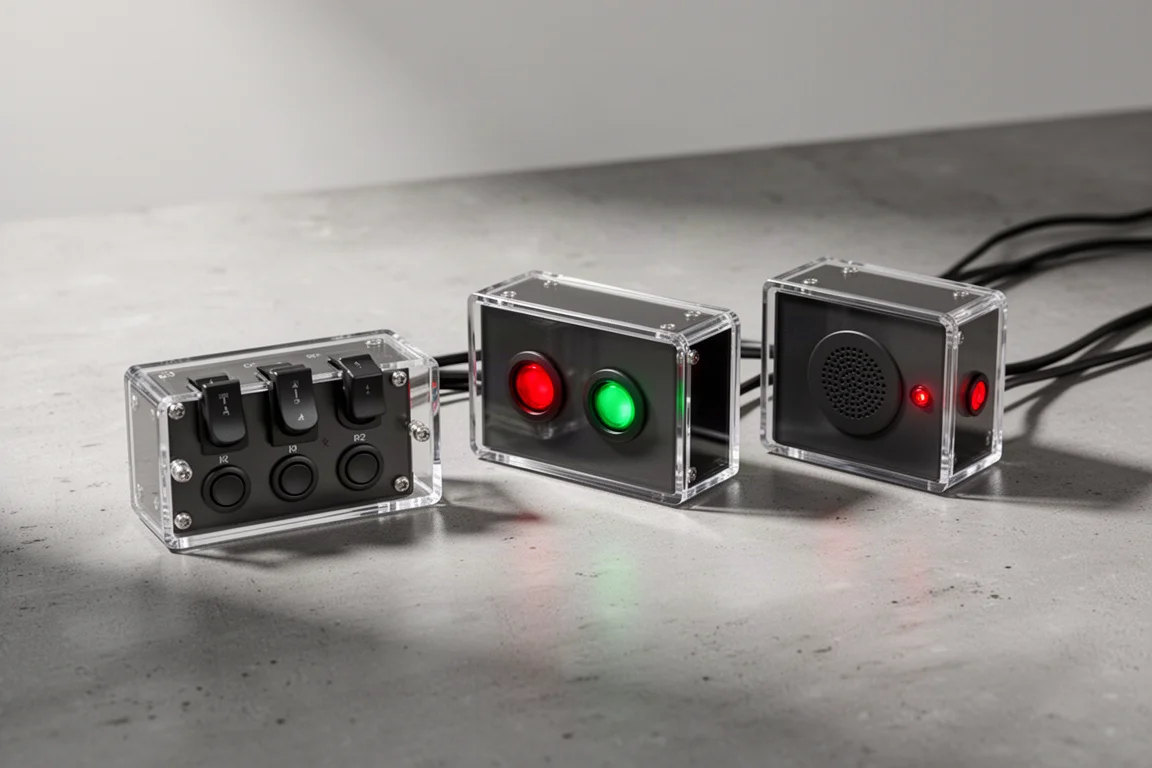
A practical look at three AdaptiveReef add-ons that put physical switches, at-a-glance status lights, and a loud alarm within arm's reach of your reef tank.
Aquarium Equipment
Adaptive Reef Controller Boards: Basic vs Deluxe for Cleaner Aquarium Gear
A practical look at the Adaptive Reef Basic and Deluxe controller boards, what each one includes, and how to choose the right size for your tank gear.