Aquarium Equipment
Adaptive Reef Controller Boards: Basic vs Deluxe for Cleaner Aquarium Gear
A practical look at the Adaptive Reef Basic and Deluxe controller boards, what each one includes, and how to choose the right size for your tank gear.
Introduction
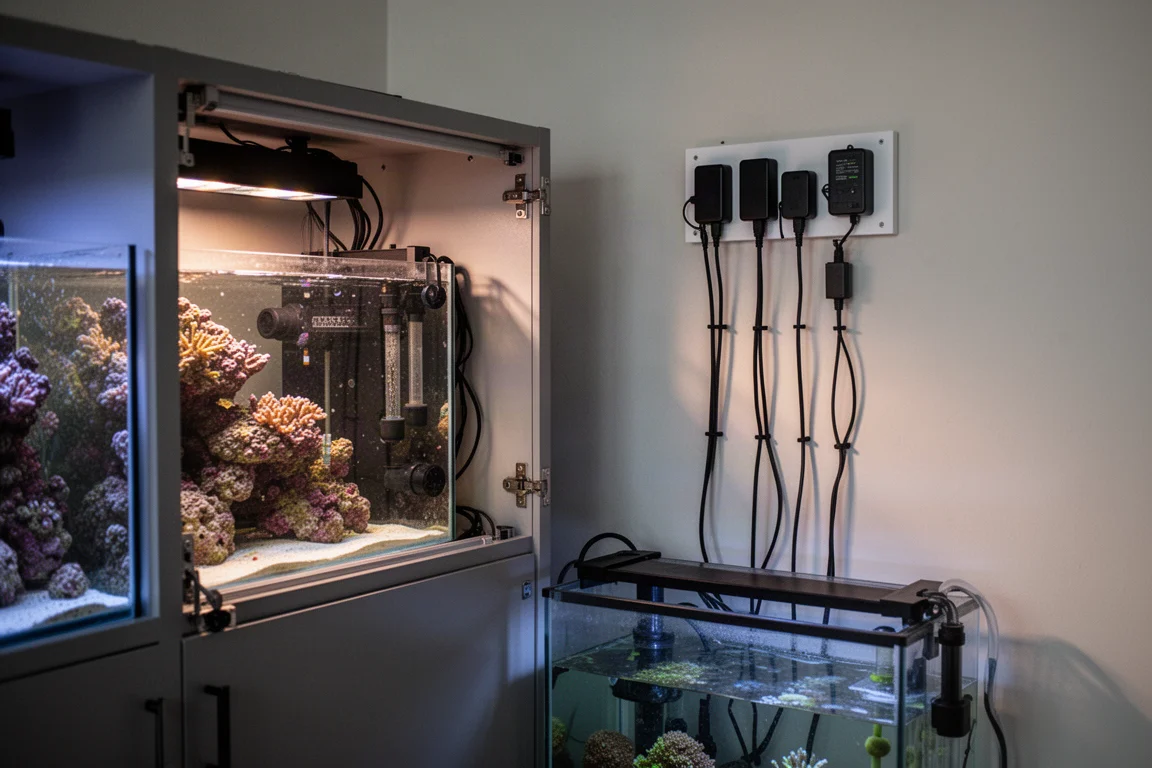
Reef keeping is as much a hobby of equipment as it is a hobby of maintaining a healthy ecosystem for fish, corals, and other inhabitants. Pumps, lights, monitors, and power strips all need a home, and when they are left to pile up behind the tank, the result is a tangle of cords that is harder to use and riskier to live with.
Adaptive Reef builds controller boards for exactly this job: a ready-to-mount surface that gathers controllers, power bricks, and cables into one tidy, accessible place. The boards come in two sizes, the Basic and the Deluxe, and both share the same construction and the same approach to cable management.
This guide covers what each board includes, how they differ, and which one is likely to suit your setup.
What to Look For in an Aquarium Controller Board
A controller board has to do three things well: hold gear securely, route cables cleanly, and survive life next to water.
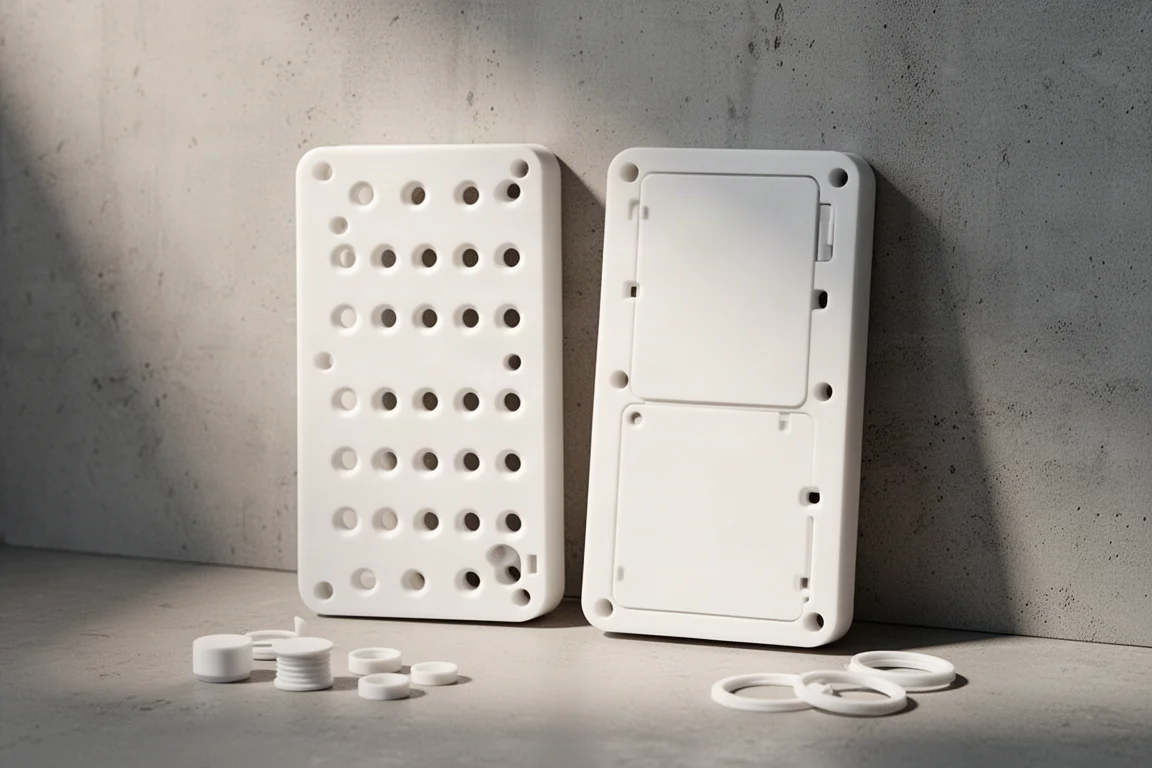
Material matters most. Melamine and similar DIY options are heavy, only water resistant, and tend not to last near a tank. Both Adaptive Reef boards use expanded PVC, which is lightweight, fully waterproof, and easy to screw into, similar to working with pine. Even with nothing more than a screwdriver, mounting hardware and accessories go on without a fight.
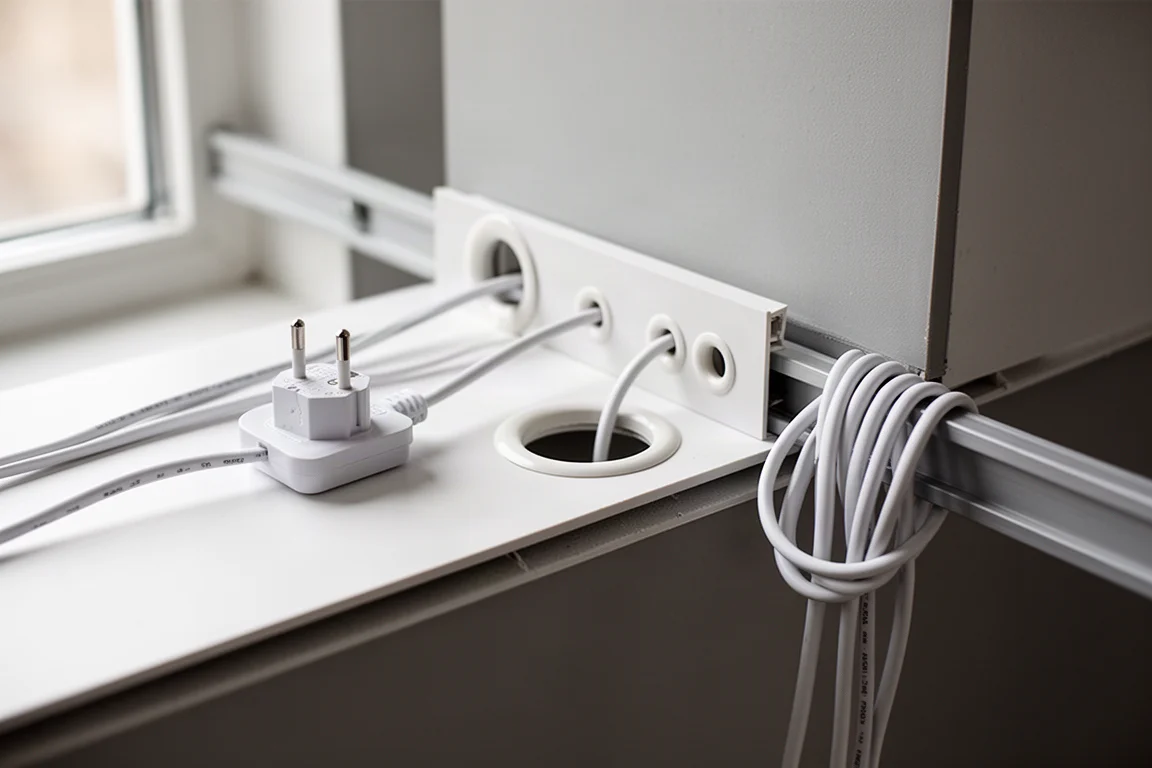
Cable routing is the second consideration. A useful board should let cords pass through from the front and the sides, hide the slack out of sight, and keep plugs and power sockets lifted away from water. Both boards do this with cutouts, plugs, grommets, and a hidden internal shelf that supports power bricks.
The third consideration is simply how much gear you plan to mount, since that determines the size and the cutout count you need.
Adaptive Reef Basic Controller Board
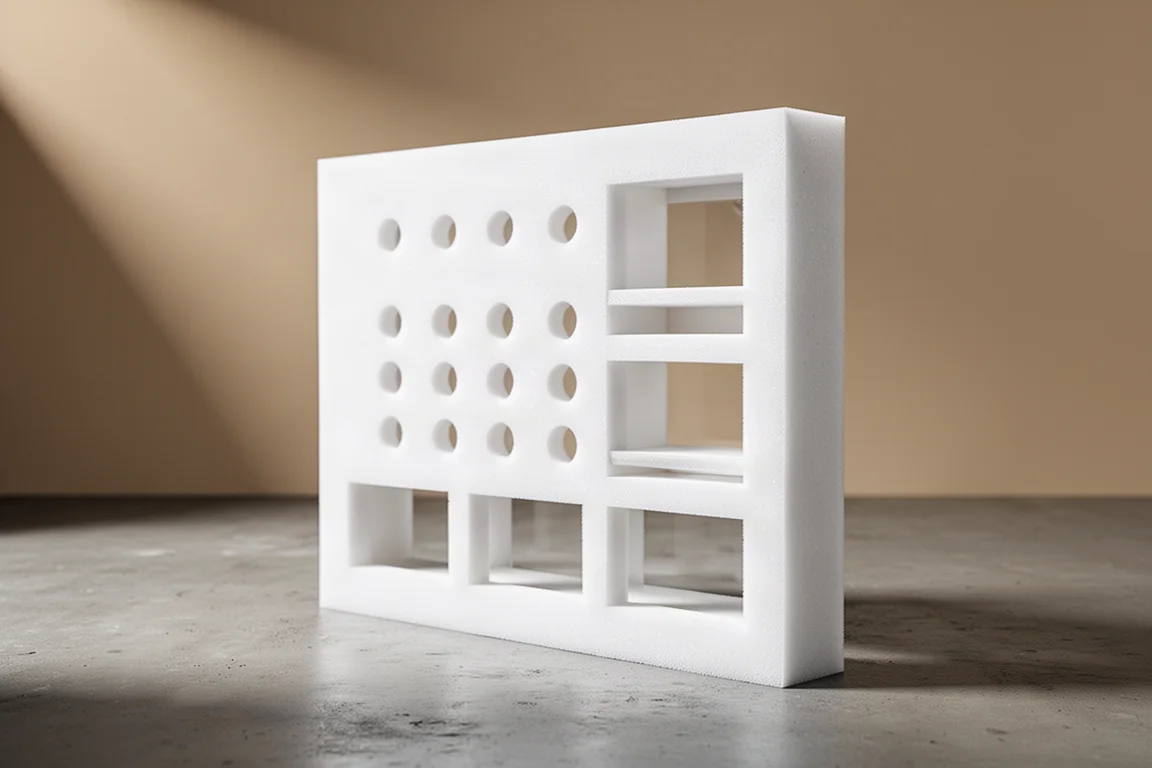
The Basic board measures 15 inches by 25 1/4 inches by 3.5 inches deep. It includes nine small cutouts, one internal shelf, and two cord rails.
For most pump and light controllers, that layout is more than enough. The nine small cutouts handle the individual controller cables, the internal shelf keeps power bricks off the floor of the stand, and the cord rails on the back give you anchor points for tying down excess cable.
It is the board to choose when your gear list is relatively short and you want a clean, compact panel.
Because the board arrives fully assembled, the setup process is short: pick a spot, drive in the mounting screws, and start moving controllers across.
Adaptive Reef Deluxe Controller Board
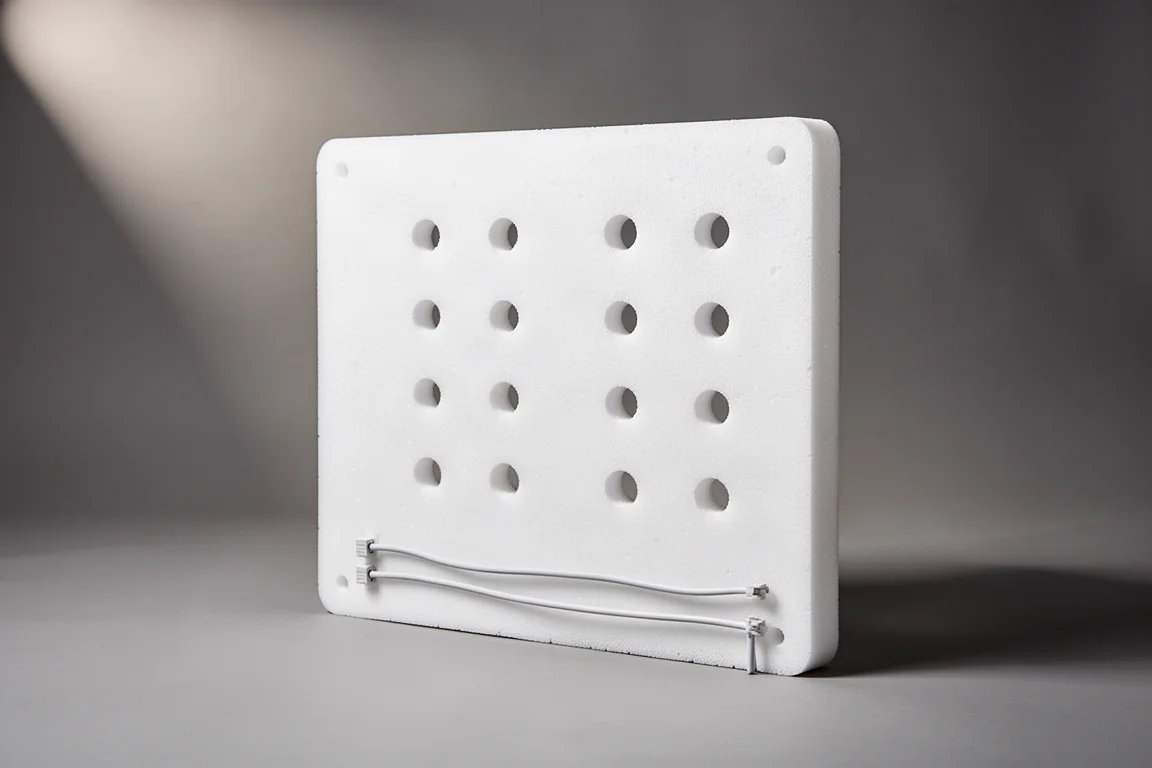
The Deluxe board measures 16 1/4 inches by 25 1/4 inches with the same 3.5 inch depth, so it takes up only marginally more wall space. What changes is capacity: nine small cutouts, four large cutouts, two internal shelves, and four cord rails.
The extra large cutouts are the practical difference. They let several power cords pass through a single opening, which is what you want when a controller is mounted alongside its power bar. The second internal shelf and the additional cord rails give you somewhere to tuck the extra bricks and slack that come with a fuller equipment list.
If you plan to mount a controller and a power bar together, the Deluxe is the more comfortable fit.
Optional Accessories That Extend Either Board
Both boards accept the same optional hardware, which is a large part of what makes them flexible over time.
The French cleat is the simplest upgrade. Mount the cleat on the wall, hang the board vertically, and you can lift the whole panel off whenever you need to work behind it. For anyone who adjusts gear regularly, that quick removal is worth having.
Extra cutout plugs and grommets are available for anyone who wants to add openings later. The plugs and grommets are made from the same expanded PVC as the board, so they are straightforward to modify with hand tools if you would rather cut your own notches than order more.
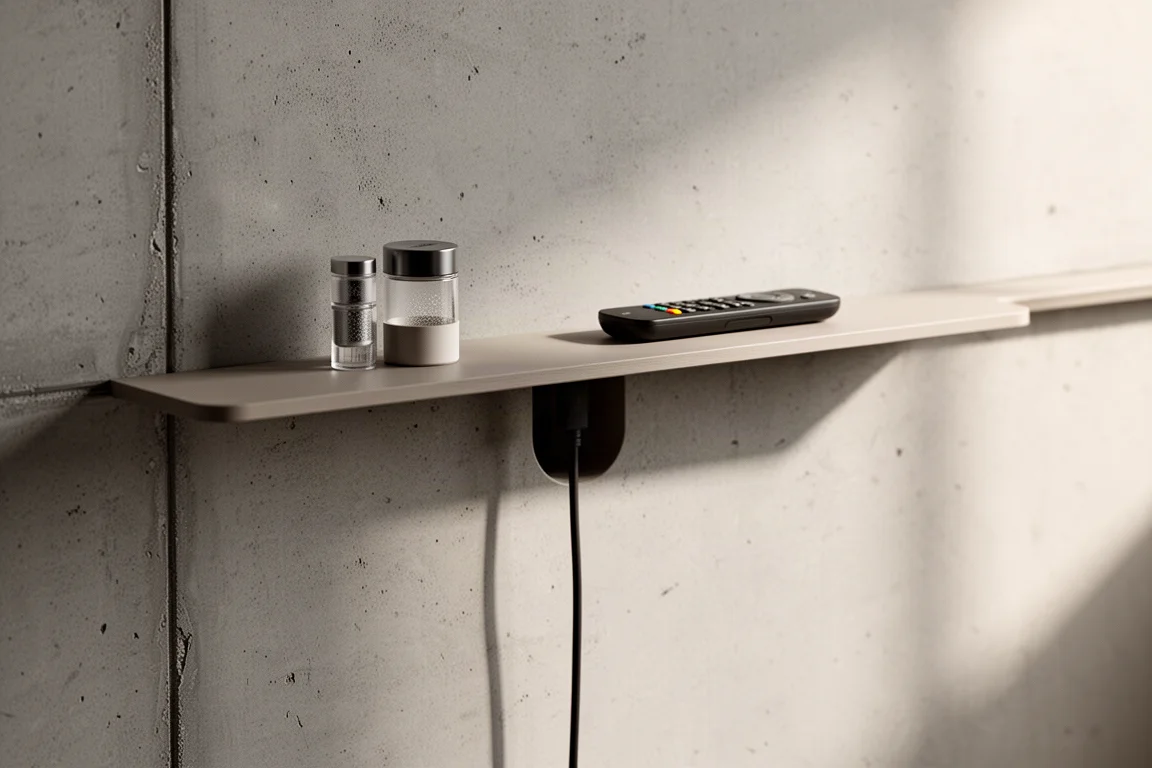
A larger shelf is also available. It mounts across two of the cord cutouts while leaving the center cutout open for power, giving you a flat surface for a doser, a Trident, or any other piece of gear that needs to sit on something. It doubles as a small work surface near the tank, useful for a wireless remote or for preparing food before feeding.
Mounting and Cable Management
The boards ship fully assembled and can be mounted vertically or horizontally. To change orientation, remove the front panel and use the three screw holes on each bracket at the back. Each board also includes six cord cutout plugs, three cord grommets, and mounting screws in the box.
Cutouts on the front and the sides let cords run to and from the controllers, and the plugs and grommets cover and protect anything passing through them. The backs of the boards include dedicated tie-down points for cable management, plus the hidden shelf for power bricks, so the electrical side of the install stays organized and out of sight.
Keeping plugs and power sockets up and away from water is one of the quieter benefits here. A pile of power bars and loose cables sitting low in a stand is an accident waiting to happen, and a board that lifts all of it into one controlled space makes the whole system easier to check and safer to live with.
Which Board Should You Choose
Choose the Basic if you are mounting pump and light controllers and want a compact, tidy panel. It handles that job well and takes up less wall space.
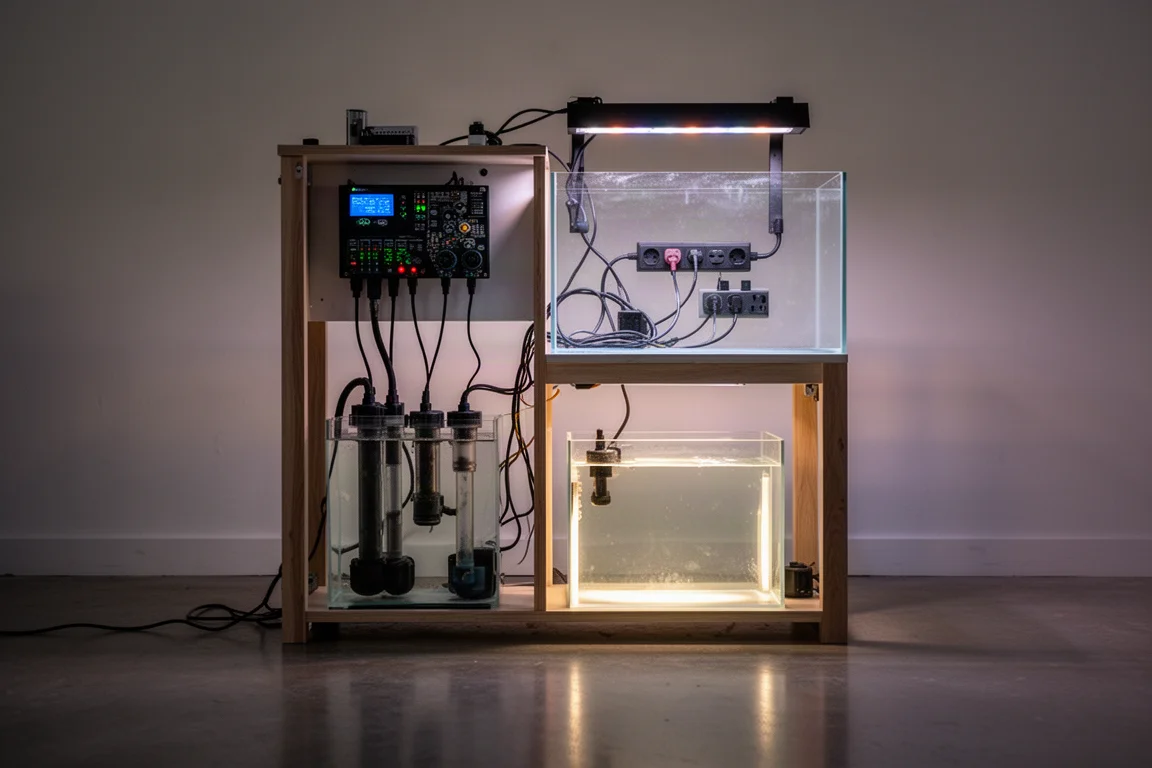
Choose the Deluxe if a controller and a power bar are both going on the board, or if you expect to add gear later. The four large cutouts, two shelves, and four cord rails give you room to grow without rebuilding the whole setup.
Either way, plan the accessory list at the same time as the board. The French cleat, the extra plugs and grommets, and the larger shelf are all easier to fit during the initial install than to retrofit later.
Conclusion
Adaptive Reef controller boards solve a problem most reefers recognize: too many controllers, too many cords, and nowhere sensible to put them. Expanded PVC construction keeps them light and waterproof, the cutouts and hidden shelves keep cables and power bricks organized, and the optional hardware lets the same board adapt as your equipment list changes.
For a short gear list, the Basic is the straightforward pick. For a controller plus power bar and room to expand, the Deluxe earns its larger footprint.
Further reading
Related Reviews
Aquarium Equipment
Abyzz Professional DC Pumps: A100, A200, and A400 Reviewed
A closer look at three German-made DC return pumps built for large reef systems, with titanium internals, fine flow control, and a 10-year warranty.
Aquarium Equipment
AdaptiveReef Controller Accessories: Three Tactile Upgrades for Your Reef Controller
A practical look at three AdaptiveReef add-ons that put physical switches, at-a-glance status lights, and a loud alarm within arm's reach of your reef tank.
Aquarium Equipment
Adaptive Reef Controller Cabinet Review: A Practical Home for Reefing Gear
A flat packed, reefing specific controller cabinet with a waterproof PVC build, magnetic front access, and a customizable faceplate system.