Aquarium Filtration
Tunze Comline Internal Filters Compared: 3161, 3162, 3163, and 3168
A practical comparison of the four Tunze Comline internal filter models, covering media capacity, hidden equipment space, mounting, and maintenance.
Introduction
Filtration for smaller and mid-sized aquariums usually comes down to a familiar set of compromises. Hang-on power filters occupy space outside the tank and have a habit of becoming a place for drips and splashes. Canister filters can be more cumbersome to work with and clog quickly without smart media choices. Traditional internal filters are simple to install but are often something of an eyesore, and not every aquarist wants to go down the DIY route.
Prefabricated all-in-one filtration closes part of that gap, but mostly for standard tank sizes. Off-size tanks are harder to kit out, most all-in-one options still call for silicone work, and cleaning has to happen right at the tank.
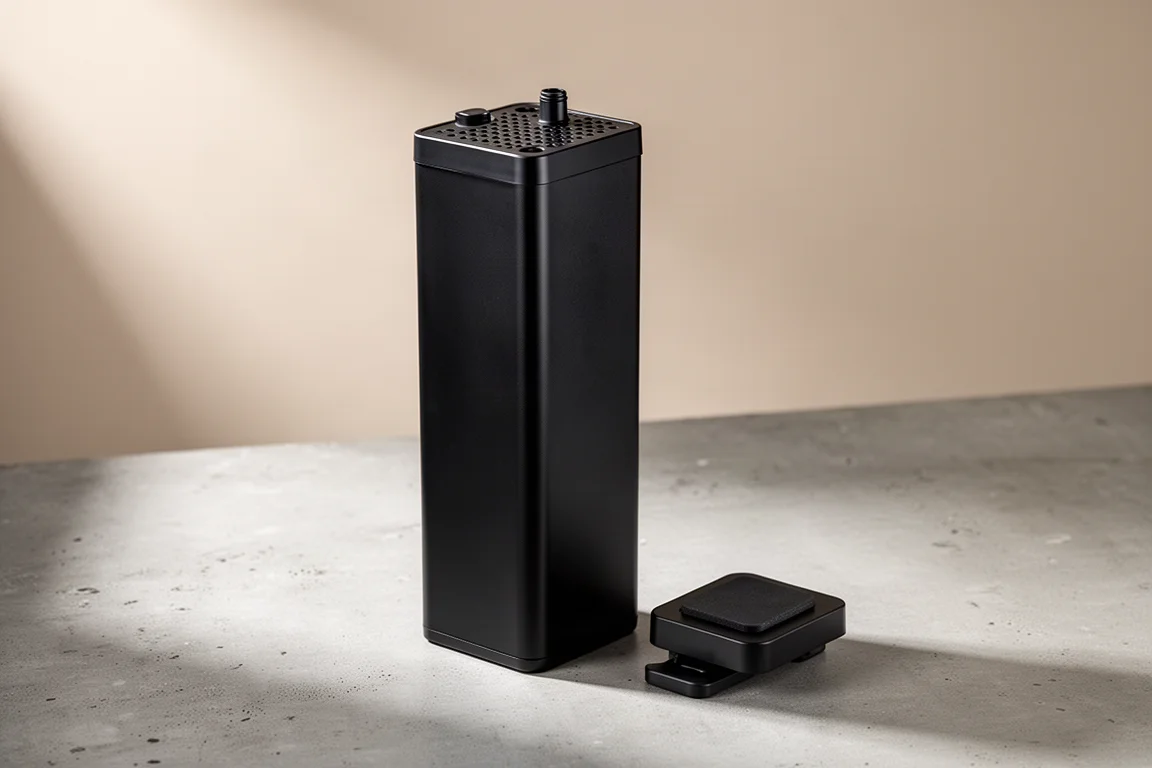
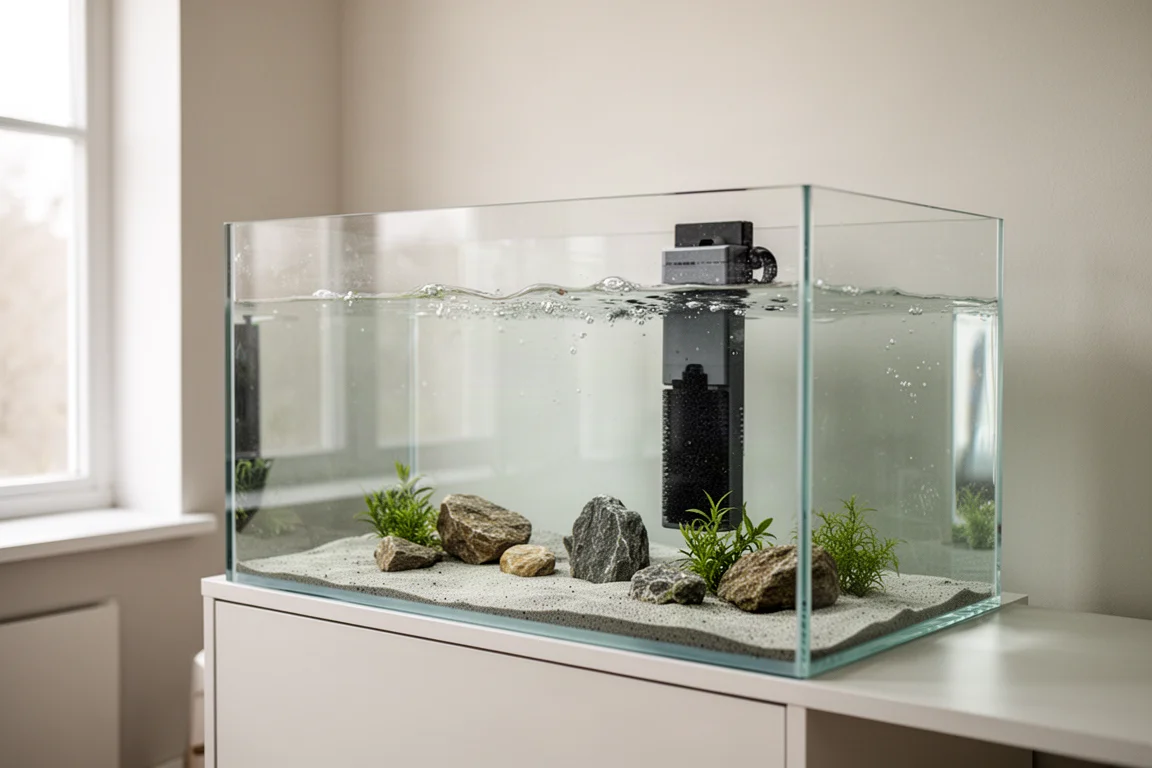
The Tunze Comline line of internal filters takes a different angle. It brings the sleek outward appearance, surface extraction, and equipment seclusion of an all-in-one together with the drop-in practicality, easier maintenance, and smaller footprint of an internal filter. A quiet Tunze pump does the work, and strong magnetic mounts keep the body firmly in place.
What the Comline Internal Filter Line Gets Right
Several traits are shared across the whole range. Each filter arrives nearly ready to run, with the coarse foam pad and filter floss already installed, so there is no assembly marathon before the tank is circulating. The only parts left to fit are the optional flow director and the optional three-quarter silicone buffers, which are there for tanks with a thick trim. Those buffers push the filter about a quarter of an inch further from the glass so it clears the trim, and rimless tanks will not need them at all.
Surface extraction is one of the more quietly useful shared features because it works together with the filter’s other strengths. The body is easy to hide against a black background, and the design creates a discreet place to tuck equipment that would otherwise sit in plain view, whether that is a heater, a probe, or an auto top off unit.
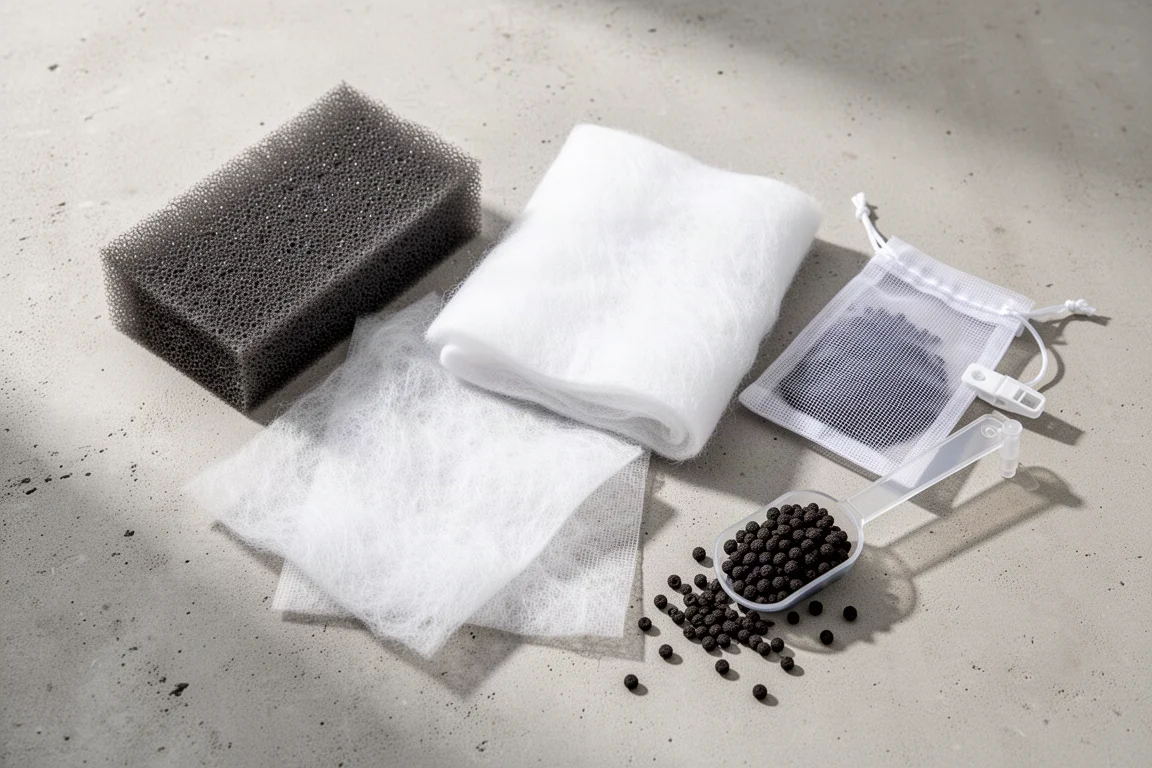
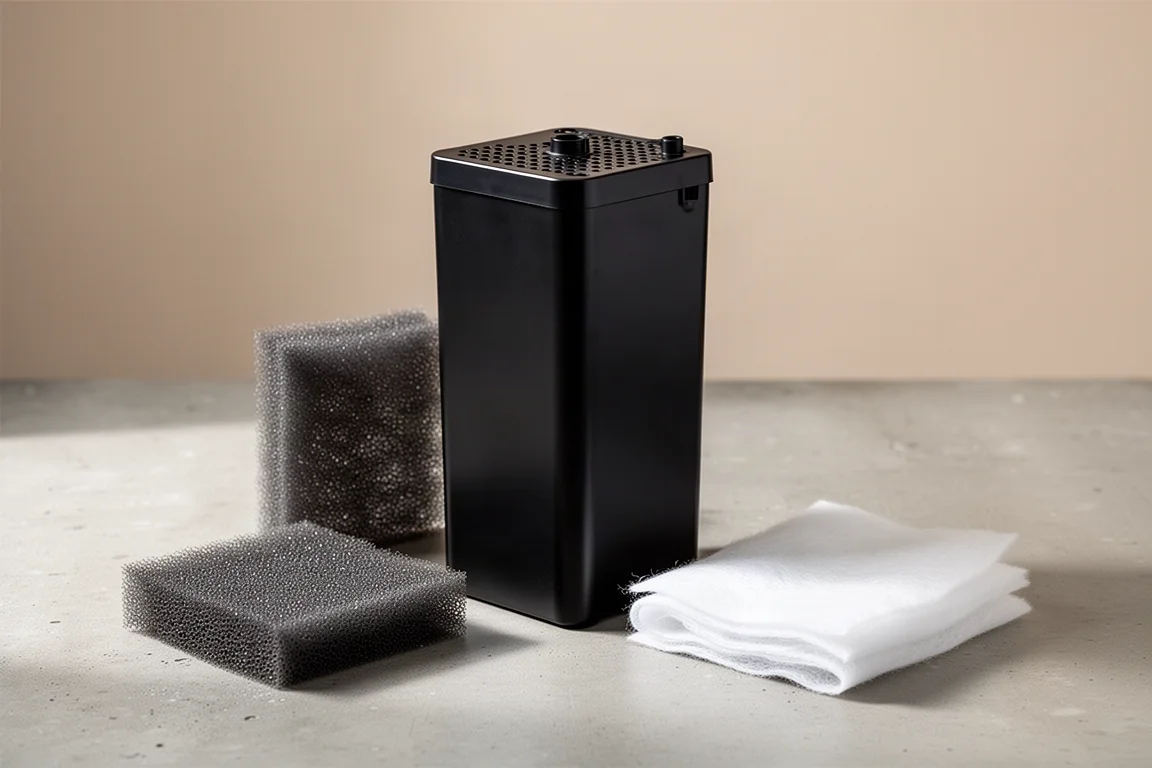
Tunze also includes a media bag and clip. It suits biological media or coarse carbon well, though the pore size is a little wide for finer chemical media, so plan those separately if you rely on them.
The equipment chamber sits under the perforated cap. Pop the cap out and it will accommodate most standard heaters up to eight inches long, along with temperature, pH, and ORP probes. The line is also designed to incorporate the 3155 Osmolator auto top off: the optical sensor and its bracket come off the 3155 magnetic mount and tuck away neatly behind the Comline body, while the backup floats move to the secondary mount included with the Osmolator. Combining a hidden auto top off with surface extraction is one of the tidier arrangements this design makes possible.
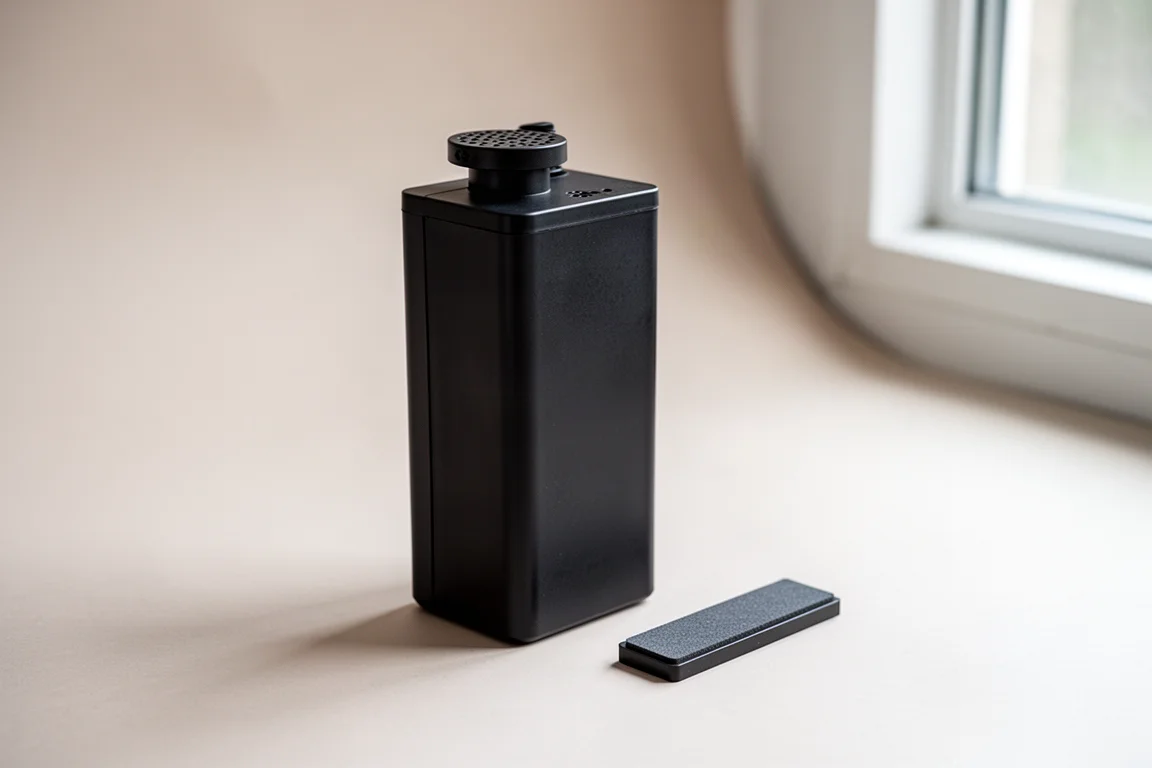
Tunze Comline 3161: Compact Filtration for Small Aquariums
The 3161 is the smallest model in the range, built on a smaller form factor to suit much smaller aquariums. That makes it the natural starting point for nano setups and any tank where interior space is genuinely at a premium.
It shares the core benefits of the line: the quiet Tunze pump, the magnetic mounting, the surface extraction, and the chamber that can still accept a heater or probes. The one trade-off is that it does not have the cutout on the back for the Osmolator auto top off sensor, so aquarists who want that integration built in will need to look further up the range.
For a small display where a full-sized filter body would dominate the tank, the 3161 keeps the footprint honest while still hiding the equipment that tends to spoil a clean look.
Tunze Comline 3162: The Versatile All-Rounder
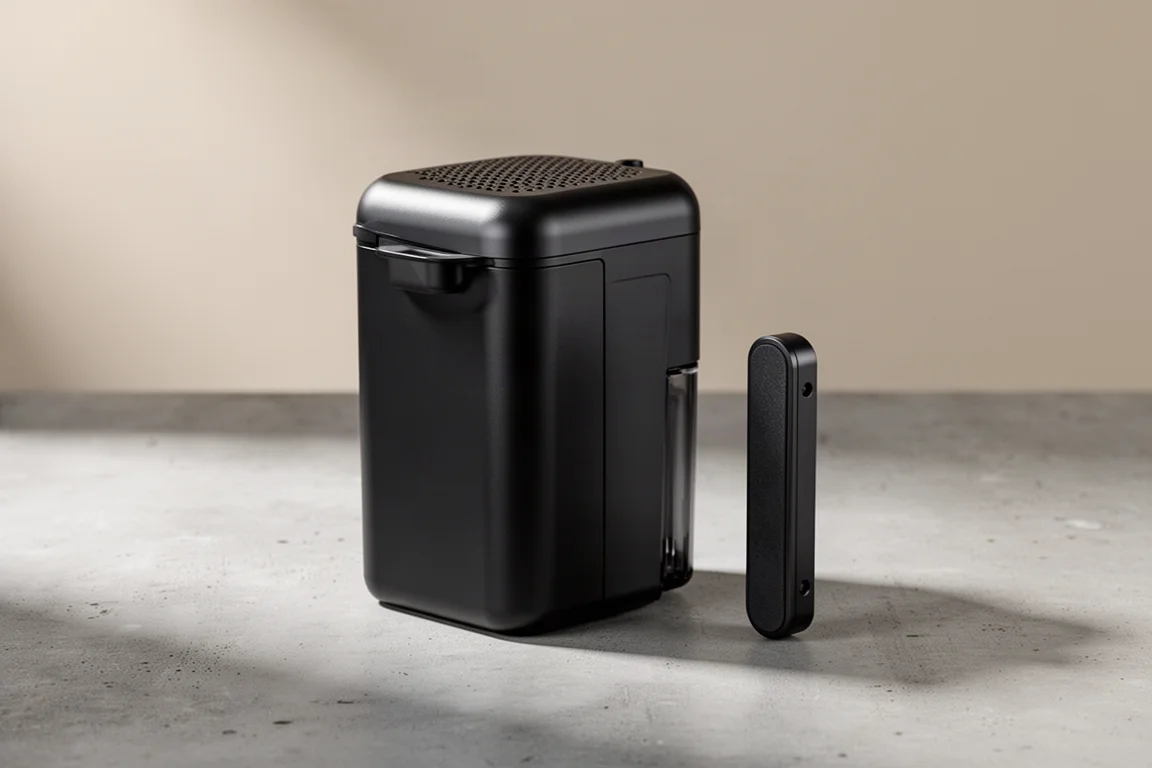
Together with the 3163, the 3162 sits at the most versatile end of the line. It carries the full complement of shared features rather than trading any of them away: magnetic mounting, surface extraction, the perforated cap chamber for a heater or probes, and the rear cutout that accepts the Osmolator auto top off sensor.
That combination is what makes it such an easy recommendation. It handles the routine demands of a small or mid-sized tank without forcing a decision between hiding a heater and hiding an auto top off sensor, and it covers the widest span of typical setups in the range.
Because it keeps the media volume and body size moderate, the 3162 is also straightforward to live with day to day. It does not demand much planning before installation, and it leaves room in the tank for the aquascape rather than for equipment.
Tunze Comline 3163: More Media Room for Demanding Setups
The 3163 pairs the same versatile feature set with a noticeably larger media capacity, holding up to 780 cubic centimeters, or almost one liter. That is enough space to run biological and chemical media together rather than choosing between them.
For aquarists who like to cover every base in a single body, that extra volume matters. It also means fewer trips back into the filter when you want to adjust your media mix, and more headroom if your tank’s demand grows over time.
Like the 3162, the 3163 keeps the heater or probe chamber and the rear cutout for the Osmolator auto top off sensor, so nothing is sacrificed for the added capacity. It is simply the same approach with more room to work with.
Tunze Comline 3168: The Largest Body With Quick Media Swaps
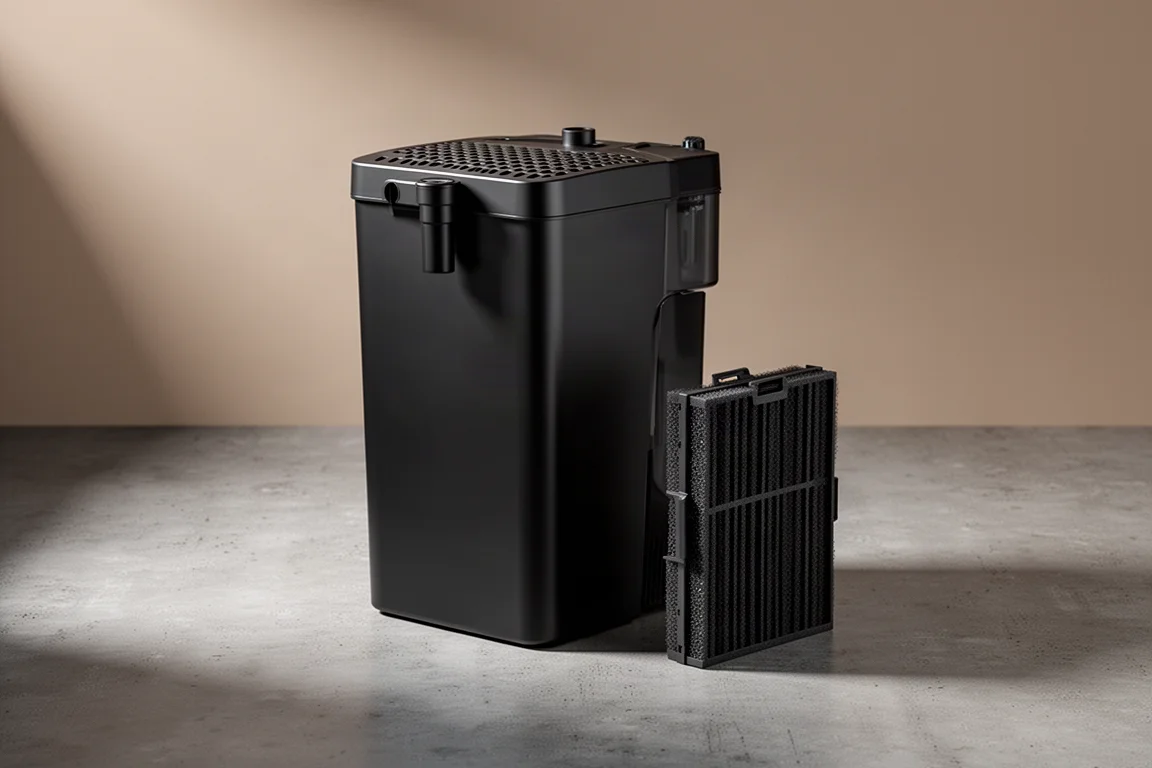
The 3168 is the largest filter in the Comline range, and it is built around convenience. It includes a quick change filter cartridge, which makes swapping media fast and keeps the routine simple.
The trade-off is clear: this model does not have room inside for a heater or probes. That suits aquarists who already run that equipment elsewhere, or who hide it in the display by other means. It does still provide a dedicated spot to tuck the Osmolator auto top off sensor.
For a larger aquarium where media changes happen often, the quick change cartridge is the feature that earns its place. The body still hides cleanly against a dark background and keeps the same unobtrusive silhouette as the rest of the line, so the larger size does not translate into a larger visual footprint in the display.
Media, Maintenance, and Matching Equipment
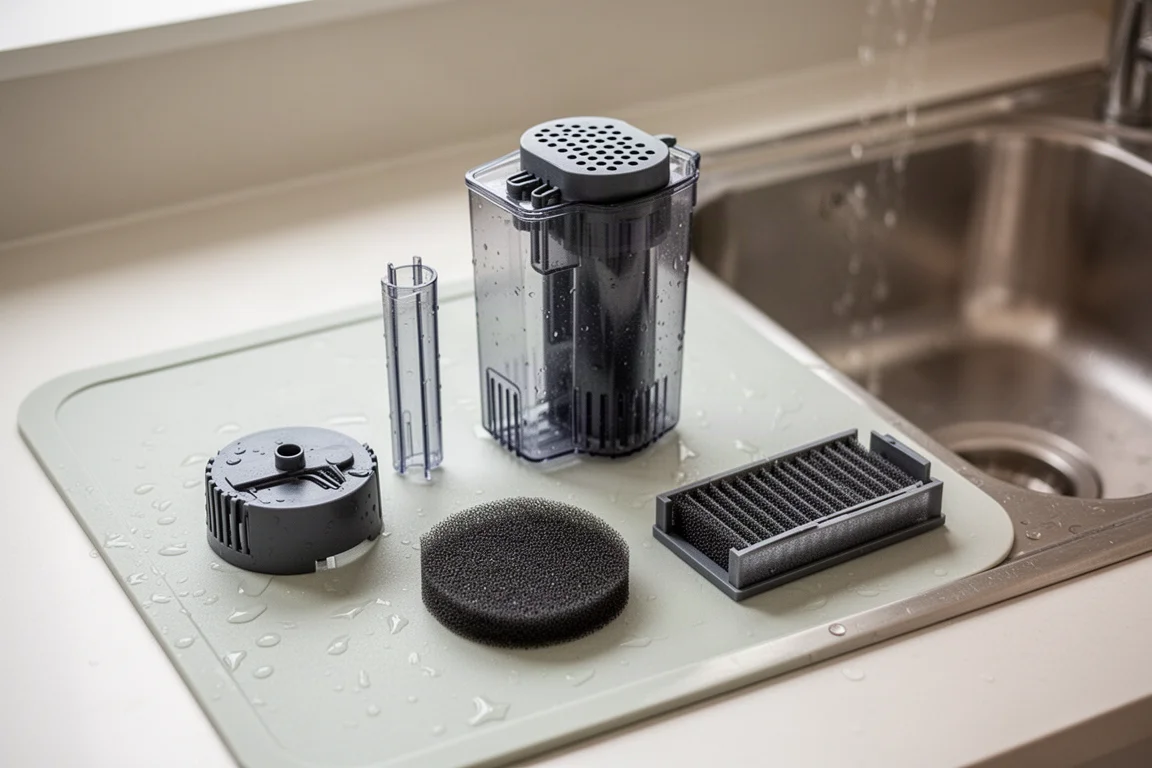
Maintenance is one of the strongest arguments for this style of filter over an all-in-one tank. Because the Comline body can be lifted out of the aquarium, you can carry it to a sink or basin and clean it properly rather than working around the tank. That also means it can be given a citric acid bath to remove calcareous buildup such as coralline, instead of being scraped off in place.
The filter also comes completely apart, so there is no wrestling with long brushes to reach the inside. And if all you need to do is swap media, you can lift the lid at the top to access it directly instead of removing the whole unit, which is exactly the chore that makes traditional internal filters tedious.
Tunze offers matching internal Comline skimmers that use the same body style, so a filter and skimmer pairing looks consistent rather than improvised. Placing one at each end of the tank reads as less obtrusive than a pair of standard overflows, while putting both at one short end gives a peninsula look. For matching a skimmer to the filter, the DC models are the natural fit.
Overall Buying Advice
Choosing between the four comes down to tank size and which equipment you want hidden.
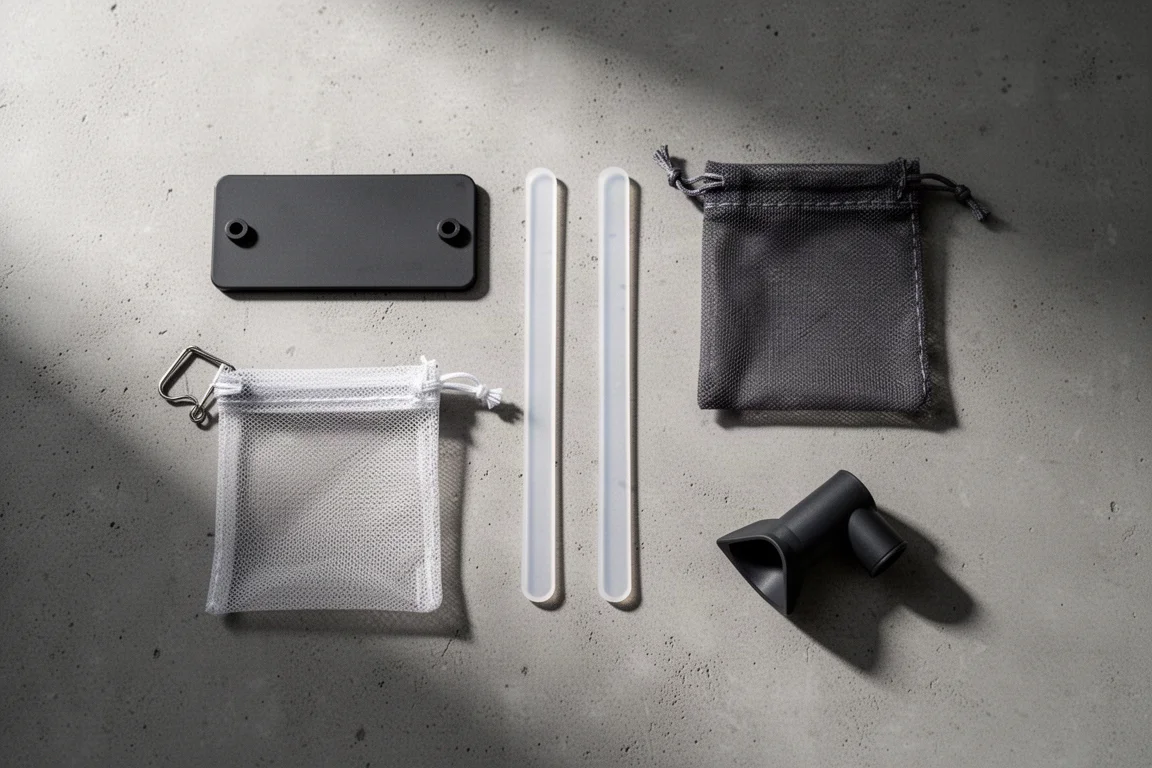
If you are working with a small aquarium and simply want quiet, tidy internal filtration with a place for a heater or probe, the 3161 covers it. If you want the full feature set including the auto top off cutout, the 3162 is the safest general-purpose choice, and the 3163 is the same filter with enough media volume to run biological and chemical media side by side. If your tank is larger and you want the fastest possible media changes, the 3168 is the one to look at, on the understanding that it trades away the heater and probe chamber.
Two practical checks are worth making before you commit. Look at your tank’s trim, because thick trim is what the optional silicone buffers are for, while rimless tanks can skip them. And decide early whether you want the Osmolator auto top off hidden behind the filter, since that requirement narrows the range to specific models.
Conclusion
The Comline range solves a real problem for aquarists with non-standard or rimless tanks: it delivers the clean look and hidden equipment of an all-in-one without the silicone work, and it is far easier to service than a filter that has to stay in place. The 3162 and 3163 are the most flexible, the 3161 suits the smallest displays, and the 3168 prioritises quick media changes in the largest body. Match the model to your tank size and to the equipment you want out of sight, and the result is a display that looks deliberate rather than assembled.
Further reading
Related Reviews
Aquarium Filtration
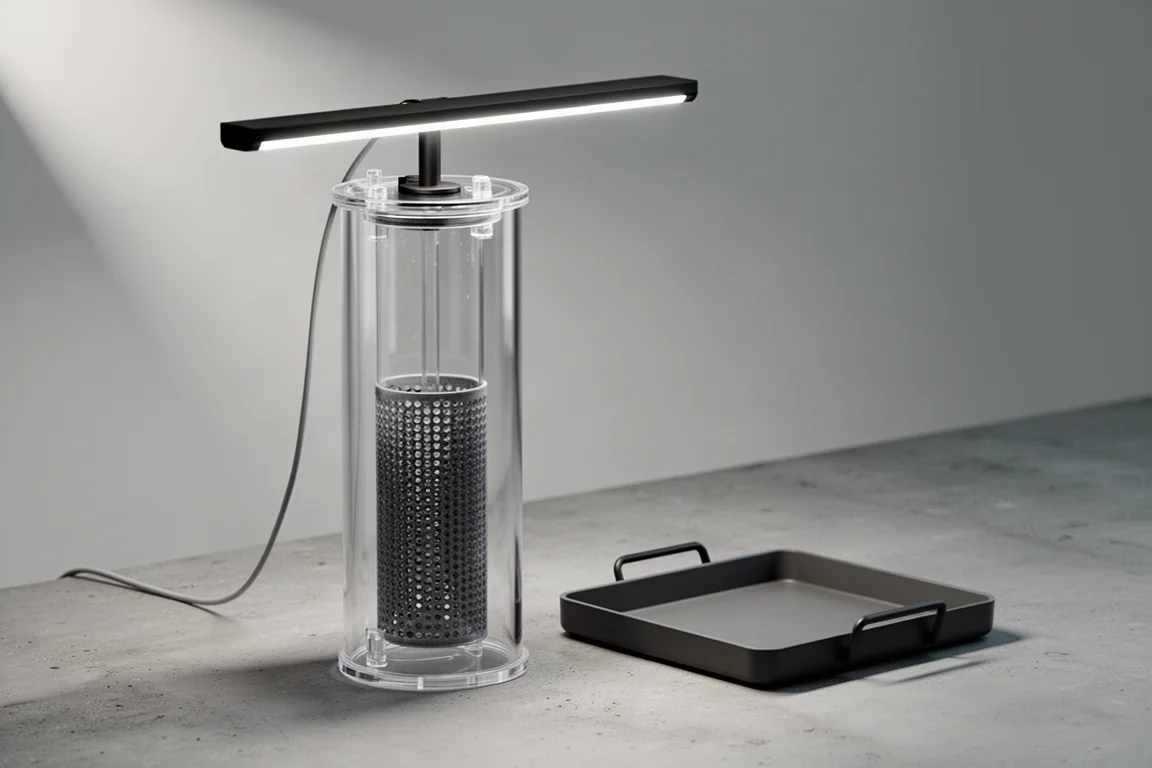
Adaptive Reef Refugium Reactor Review: A Simple Way to Grow Nuisance Algae Outside Your Display
A vessel designed to grow nuisance algae in a controlled space so it stops taking over the display tank, with an adjustable stand, a removable basket, and a single LED light on top.
Aquarium Filtration
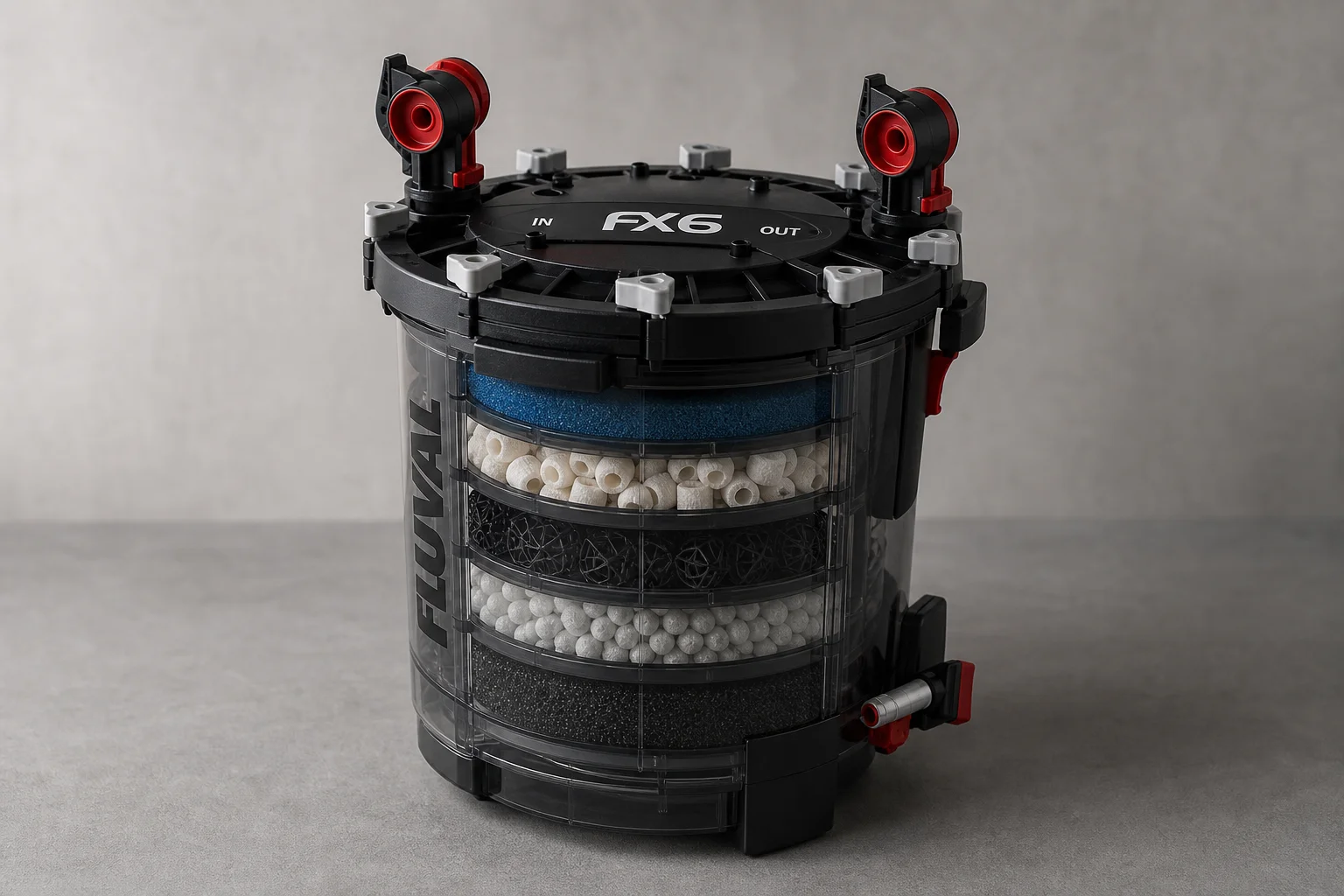
Affordable Aquarium Filter Media: Testing Budget Alternatives to Expensive Biomedia
Can cheap pot scrubbers replace expensive ceramic biomedia in a canister filter? One aquarist tests the theory on a heavily stocked 210-gallon tank.
Aquarium Filtration
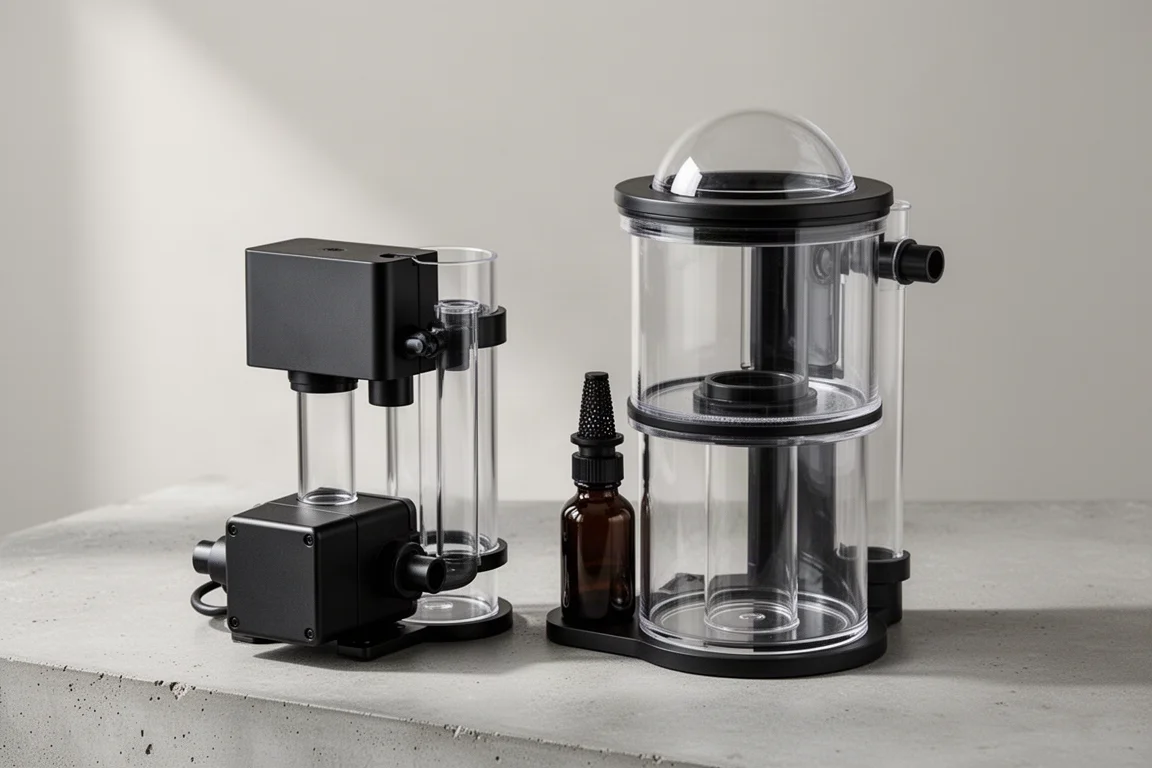
AquaMaxx Bullet 2 and Bullet 3 Review: Hang-On Protein Skimmers Compared
A closer look at two larger AquaMaxx hang-on protein skimmers, covering capacity ratings, clearance needs, and the design details that separate the Bullet 3 from the Bullet 2.