Aquarium Filtration
Affordable Aquarium Filter Media: Testing Budget Alternatives to Expensive Biomedia
Can cheap pot scrubbers replace expensive ceramic biomedia in a canister filter? One aquarist tests the theory on a heavily stocked 210-gallon tank.
Introduction
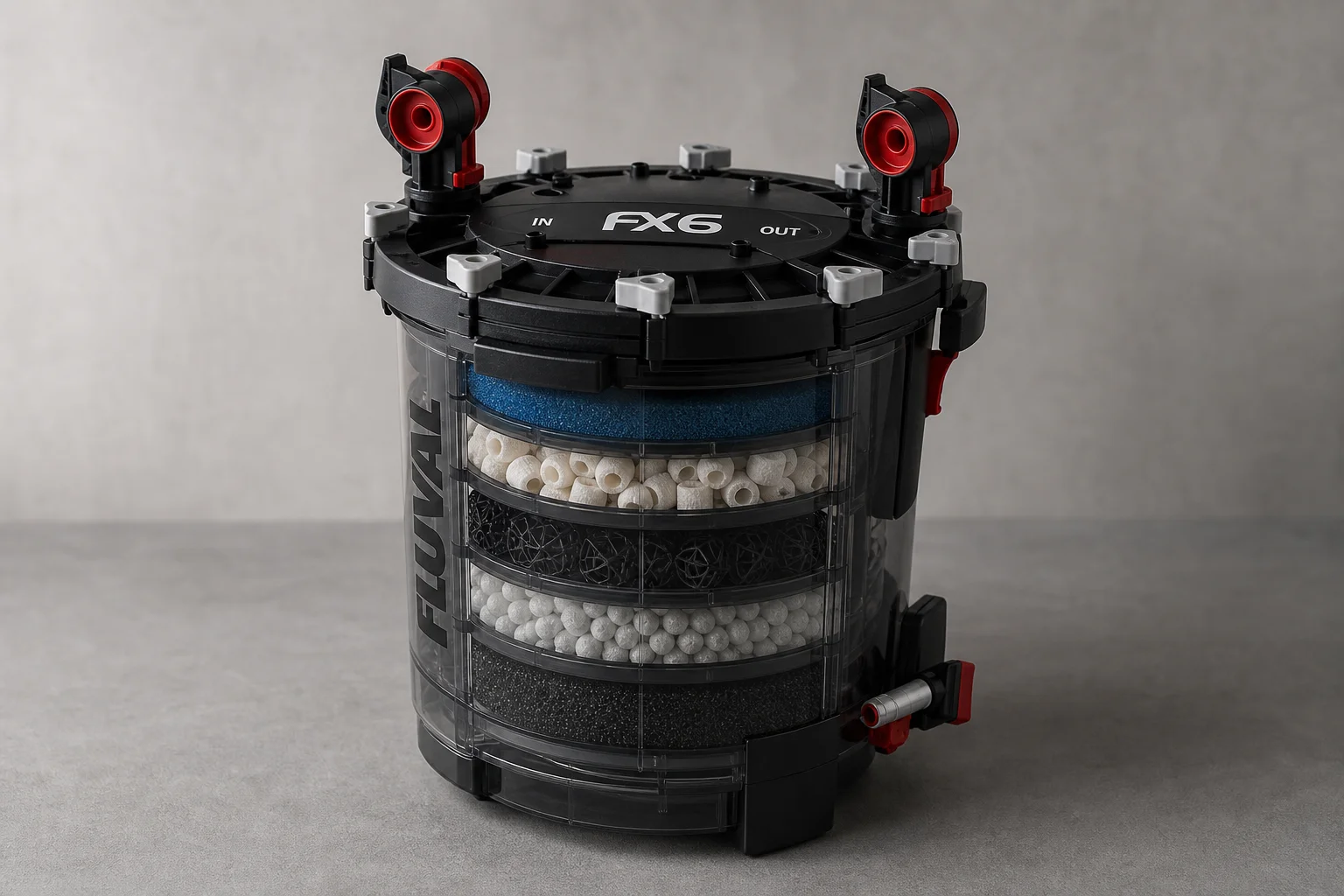
Biomedia is one of the most expensive components in a canister filter setup, especially when running multiple filters or large sumps. But does the premium price tag reflect genuine performance benefits, or is it mostly marketing? One aquarist decided to find out by replacing expensive ceramic biomedia with budget-friendly pot scrubbers in a heavily stocked 210-gallon tank running two Fluval FX6 filters.
Why Beneficial Bacteria Surface Area Matters
Beneficial bacteria colonize every surface inside your aquarium and filter system. They grow on decor, plants, substrate, and any available surface area. However, not all surfaces are equally effective for bacterial growth. The real question is whether you actually need the premium surface area that expensive biomedia provides.
Most established tanks already have sufficient bacterial colonization from existing surfaces. The key indicator of a healthy, properly cycled tank is consistent water parameters: zero ammonia, zero nitrites, and nitrates under 40 parts per million. If your tank maintains these numbers, your current filtration setup is working, regardless of the media type.
Understanding Filter Media Layering
Proper media layering is critical for effective filtration. Water flow through a canister filter follows a specific path, and media placement determines how effectively particles and waste are removed before water returns to the tank.
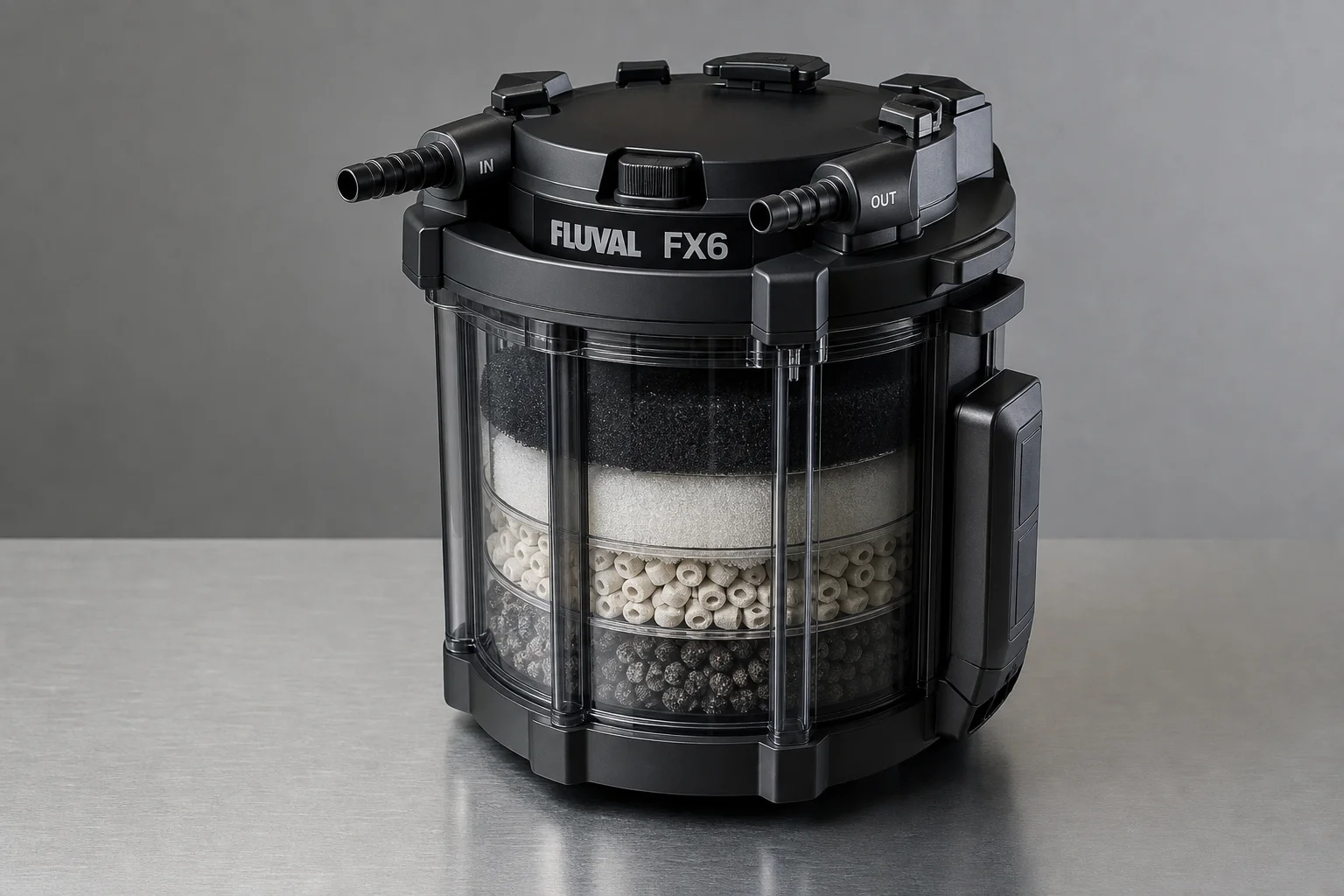
In a Fluval FX6, water enters at the bottom and travels up the sides through coarse sponges, then overflows into the center trays where it flows downward. This design means the top tray should contain mechanical and chemical media, while the bottom trays house biomedia. This arrangement allows you to replace mechanical and chemical media monthly without disturbing the bacterial colonies in the lower trays.
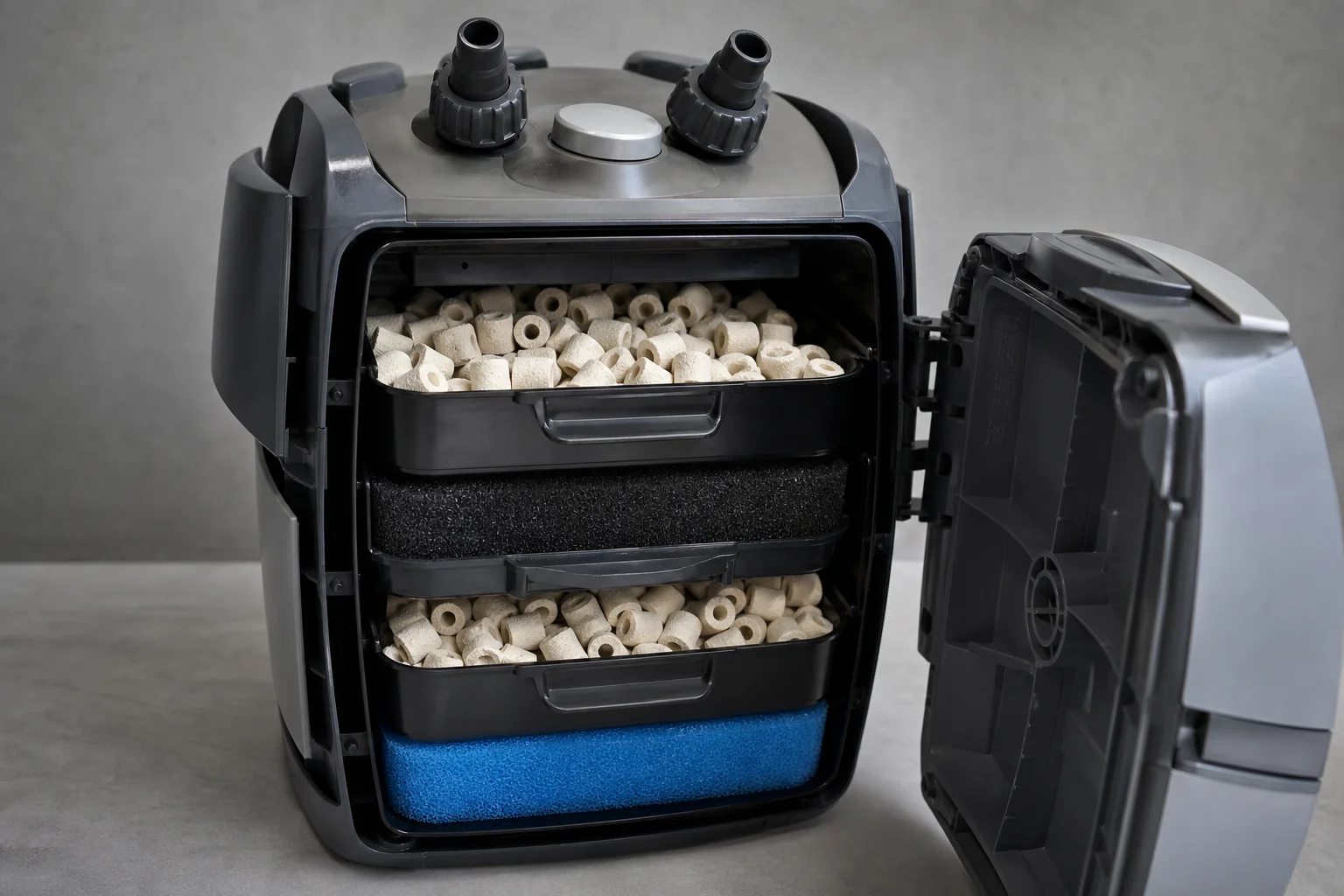
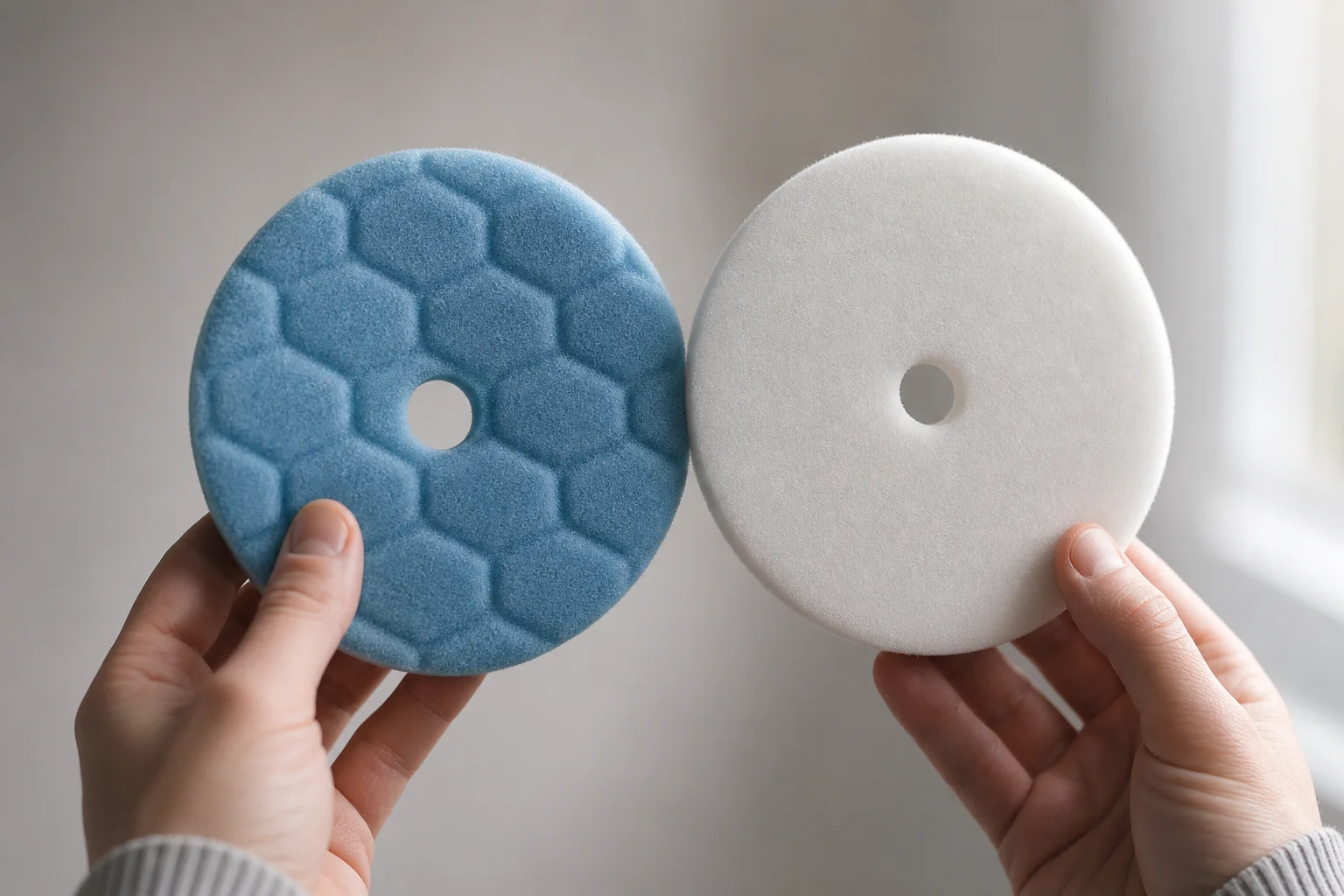
The mechanical stage uses coarse sponges to trap large debris, followed by medium and fine polishing pads to remove smaller particles. Chemical media like activated carbon and specialized resins come next, followed by biomedia in the lower trays where water has already been cleaned of large particles.
The Current Setup: Expensive Biomedia
The original filter setup included ceramic rings and Bio Home Ultimate media across multiple trays. While these materials provide excellent surface area for bacterial growth, the cost adds up quickly. A single canister running this configuration represents a significant investment, and maintaining multiple filters multiplies the expense.
Chemical media requires monthly replacement due to saturation, but biomedia can remain undisturbed for months in a well-maintained filter. This difference in maintenance frequency makes it practical to place chemical media in the top tray for easy access without disrupting bacterial colonies below.
Replacing Biomedia with Budget Alternatives
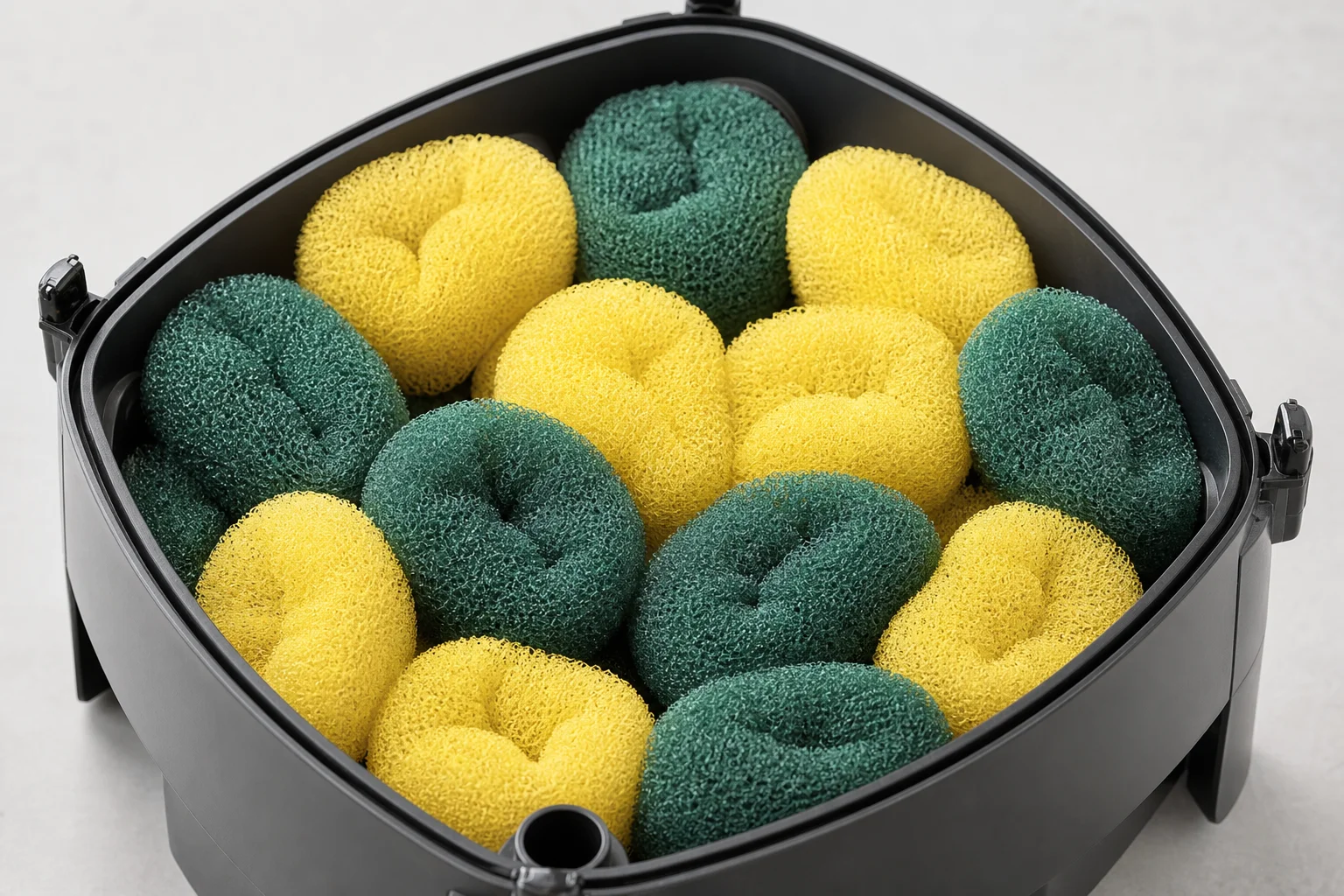
The experiment involves replacing all expensive ceramic biomedia with standard pot scrubbers, which cost approximately seven dollars for an entire package on online retailers. While pot scrubbers likely provide less total surface area than premium ceramic media, the question is whether that difference matters in a real tank.
The key advantage of this approach is cost: pot scrubbers are a fraction of the price of ceramic rings or specialized biomedia. If water parameters remain stable, the experiment suggests that the additional surface area from expensive media may be unnecessary for most aquarium setups.
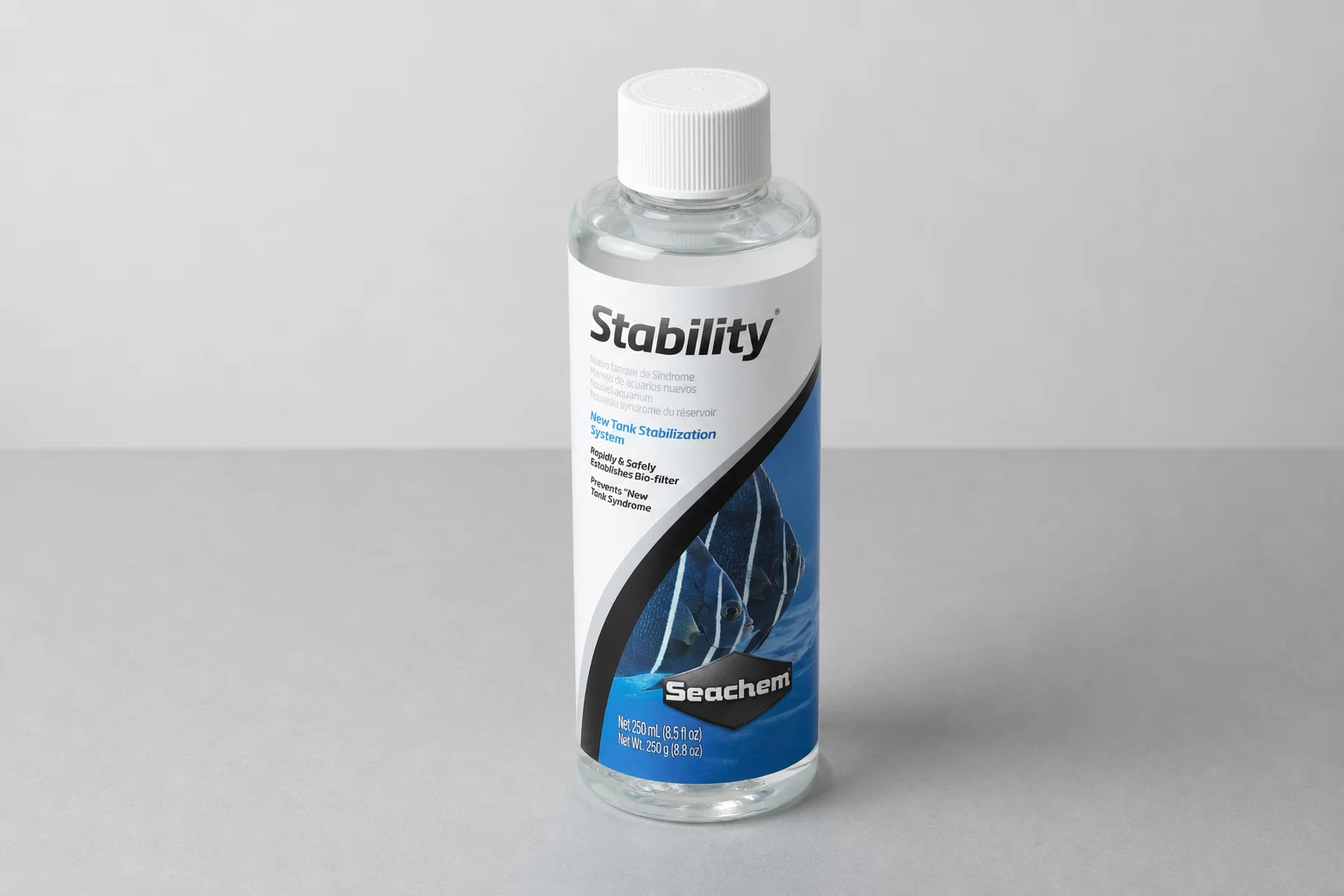
One critical consideration: changing all biomedia at once normally risks crashing the cycle because you remove most beneficial bacteria. However, this experiment uses two FX6 filters running simultaneously. Removing seeded media from one filter while keeping the other running allows bacteria from the established filter to quickly colonize the new media in the first filter. Adding bacterial supplements like Seachem Stability further accelerates this process.
Monitoring Water Parameters During the Experiment
The test tank is a 210-gallon setup with approximately 50 African cichlids (40 adults and 10 juveniles), representing a heavily stocked system. Weekly maintenance includes 80-percent water changes and substrate vacuuming. Despite this aggressive maintenance, nitrates typically reach 40 to 80 parts per million weekly, indicating a high bioload.
This heavily stocked scenario makes it an ideal test case. If budget media performs well under these demanding conditions, it should work equally well in less heavily stocked tanks. The experiment will run for approximately two months: one month for the first filter to seed with bacteria, followed by one month after converting the second filter. This timeline allows adequate observation of water parameter stability.
Preparing the Filter for Budget Media
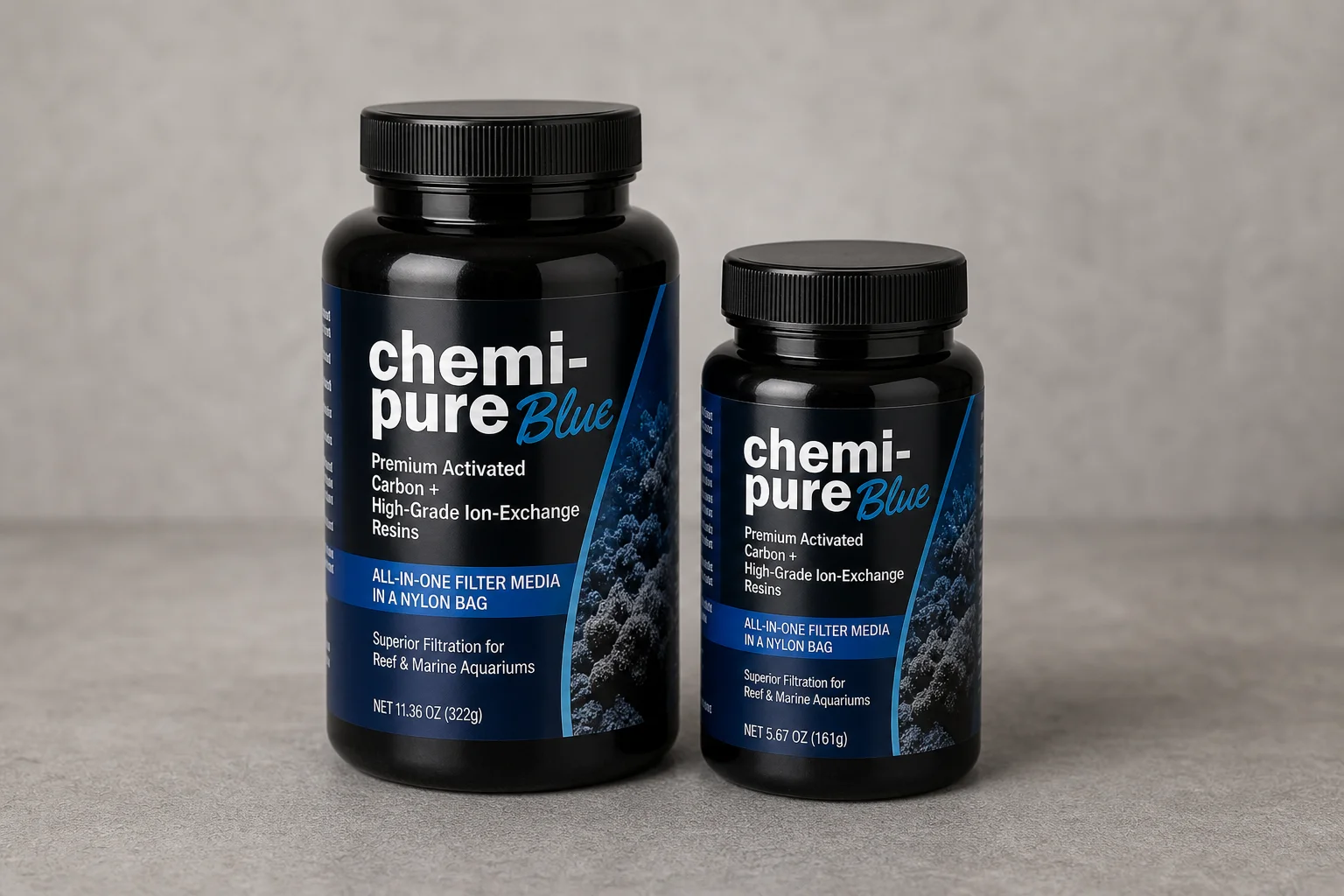
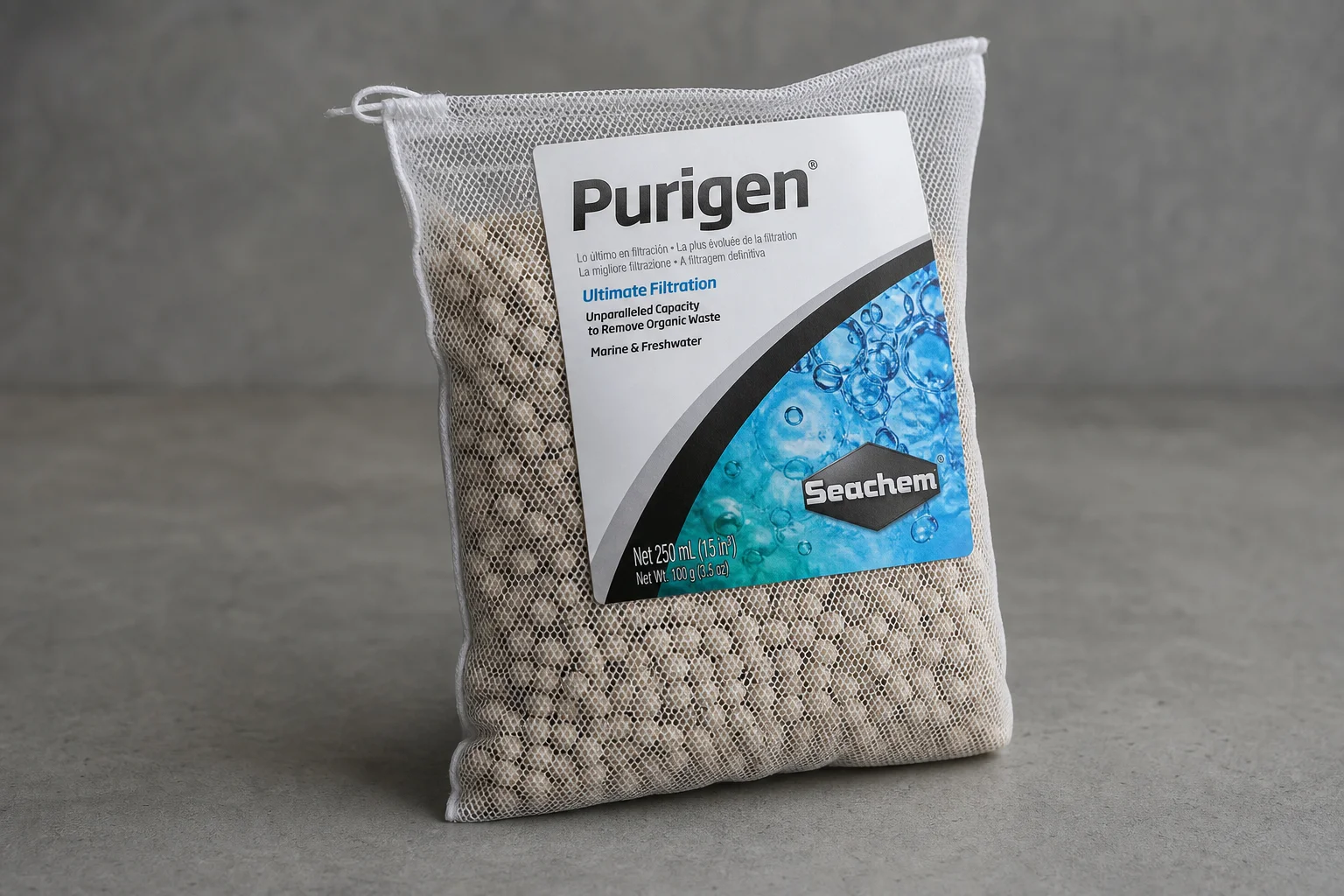
When reassembling the filter with new media, the process matters as much as the media itself. The top tray receives mechanical and chemical media, while the bottom two trays are filled entirely with pot scrubbers. Chemical media includes Chemi-Pure Blue and Seachem Purigen, both of which require thorough rinsing before installation to prevent black dust or debris from entering the tank.
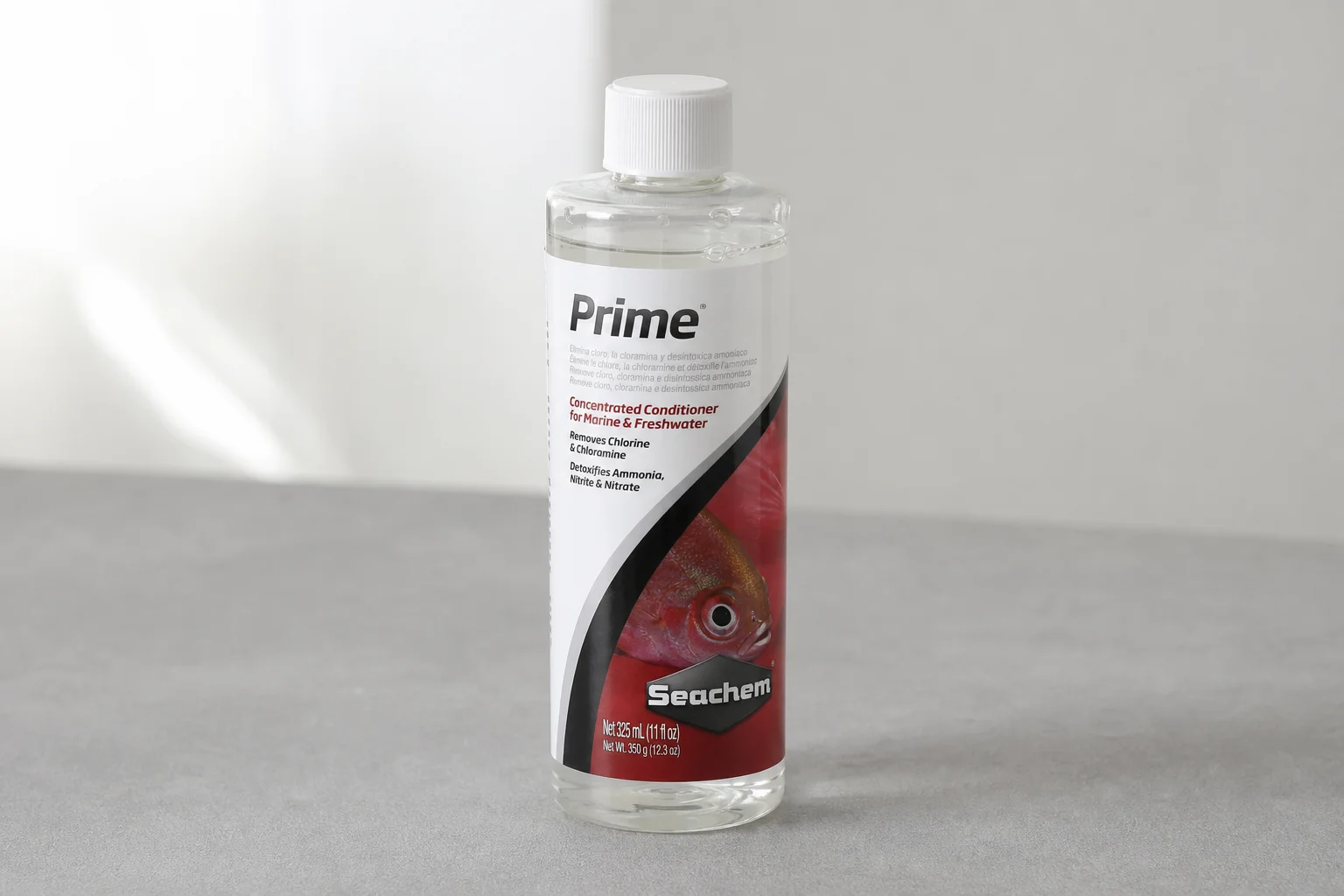
After filling the canister with dechlorinated water, adding a full dose of Seachem Prime removes chlorine, and Seachem Stability provides beneficial bacteria to accelerate colonization of the new media.
Conclusion
The experiment tests whether expensive biomedia is genuinely necessary or whether budget alternatives can maintain stable water parameters in a demanding aquarium. Results will determine whether the premium cost of ceramic media reflects real performance benefits or represents unnecessary expense. For aquarists running multiple filters or large systems, the cost difference between premium and budget media can be substantial, making this comparison practically relevant to many hobbyists.
Further reading
Related Reviews
Aquarium Filtration
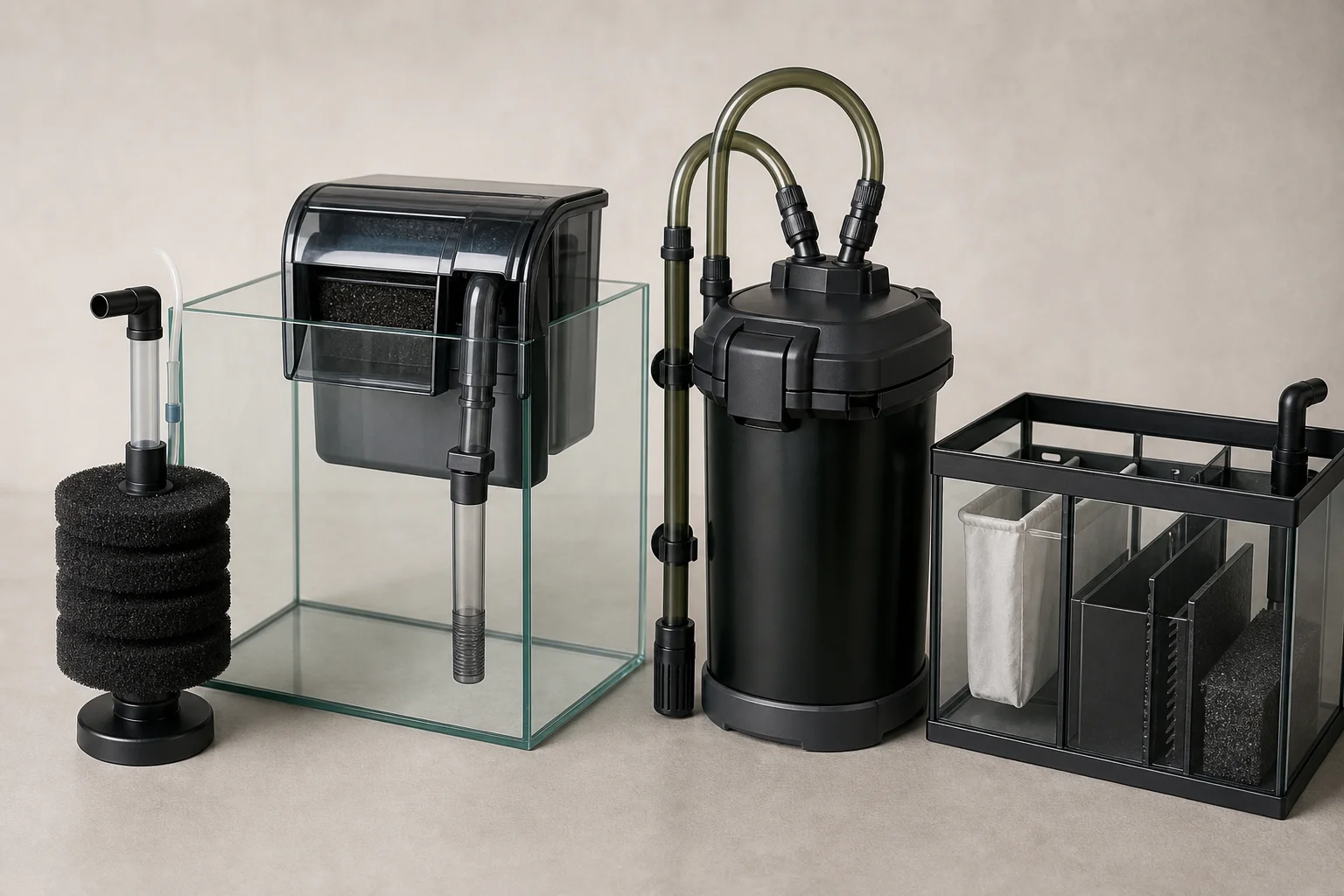
Aquarium Filtration Types: A Complete Guide to Sponge, HOB, Canister, and Sump Filters
Explore the four main aquarium filtration systems, their strengths, limitations, and which option suits your tank setup best.
Aquarium Filtration
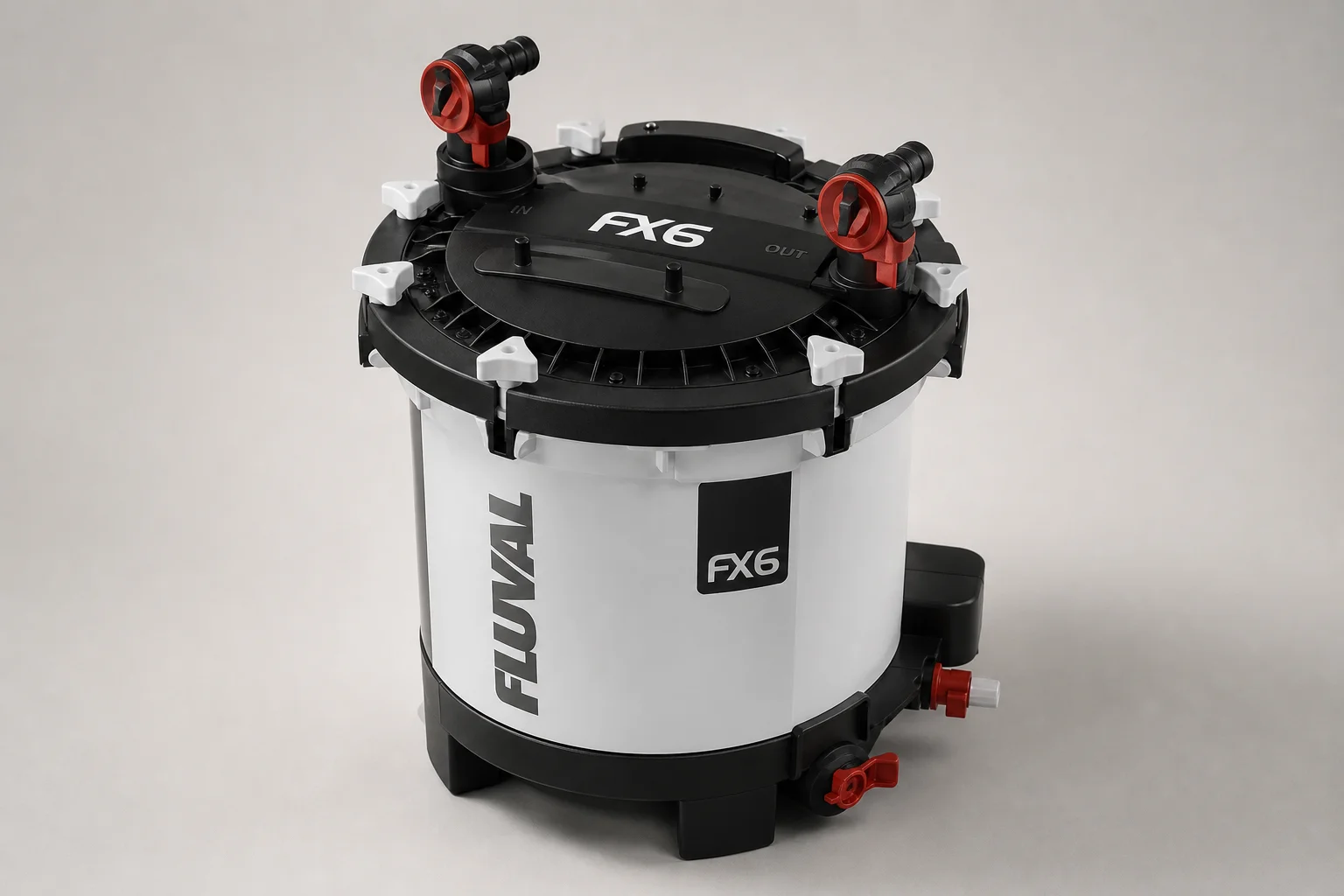
Fluval FX6 Canister Filter for Saltwater: A Practical Alternative to DIY Sumps
Why a saltwater aquarist chose the Fluval FX6 over building a custom sump, and how to configure it for mechanical filtration in a 125-gallon reef tank.
Aquarium Equipment
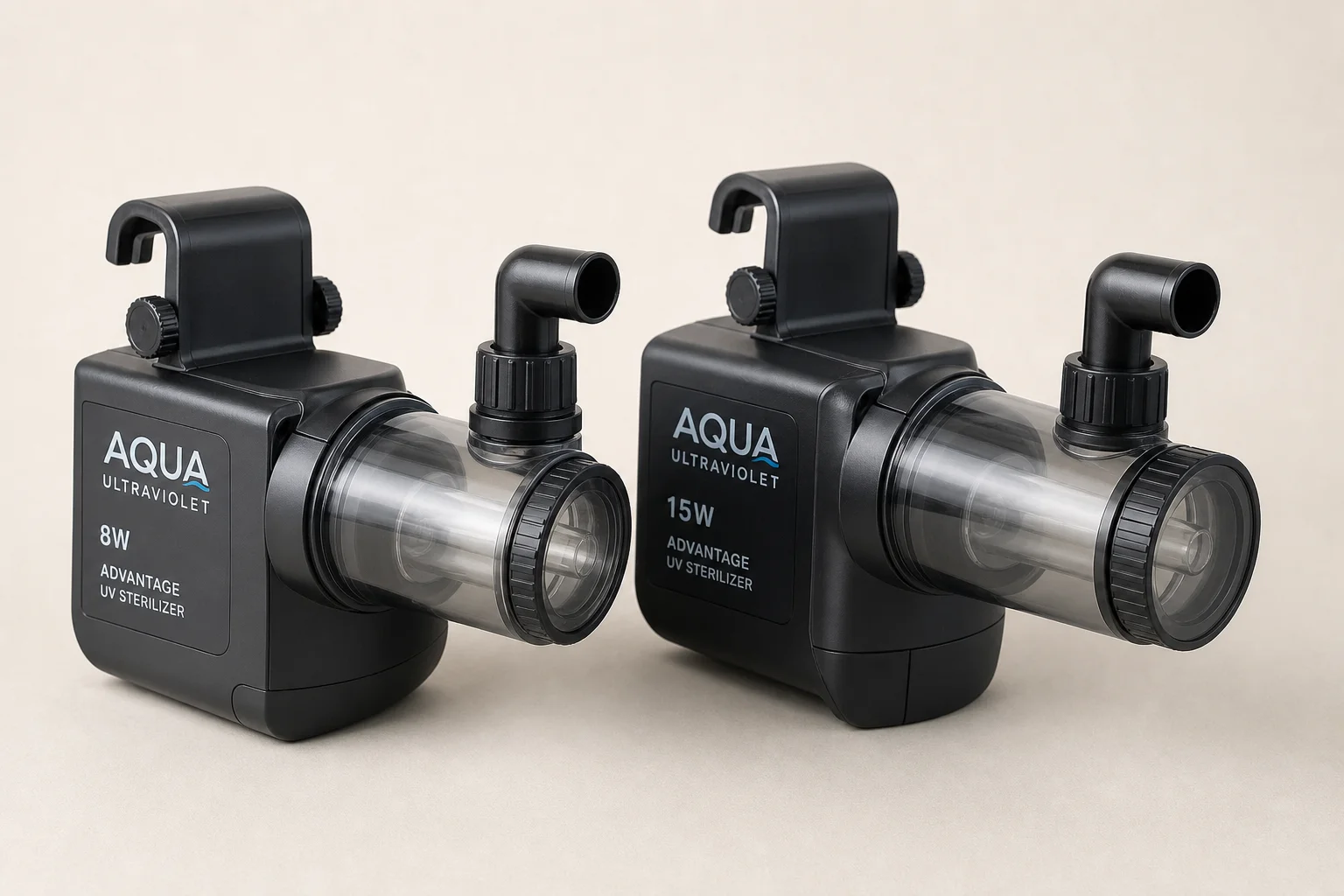
Aqua Ultraviolet Advantage Hang-On UV Sterilizer: 8-Watt vs 15-Watt Guide
Two compact UV sterilizers designed for aquarium owners seeking parasite and algae control without complex plumbing or large footprints.