Aquarium Filtration
Adaptive Reef Refugium Reactor Review: A Simple Way to Grow Nuisance Algae Outside Your Display
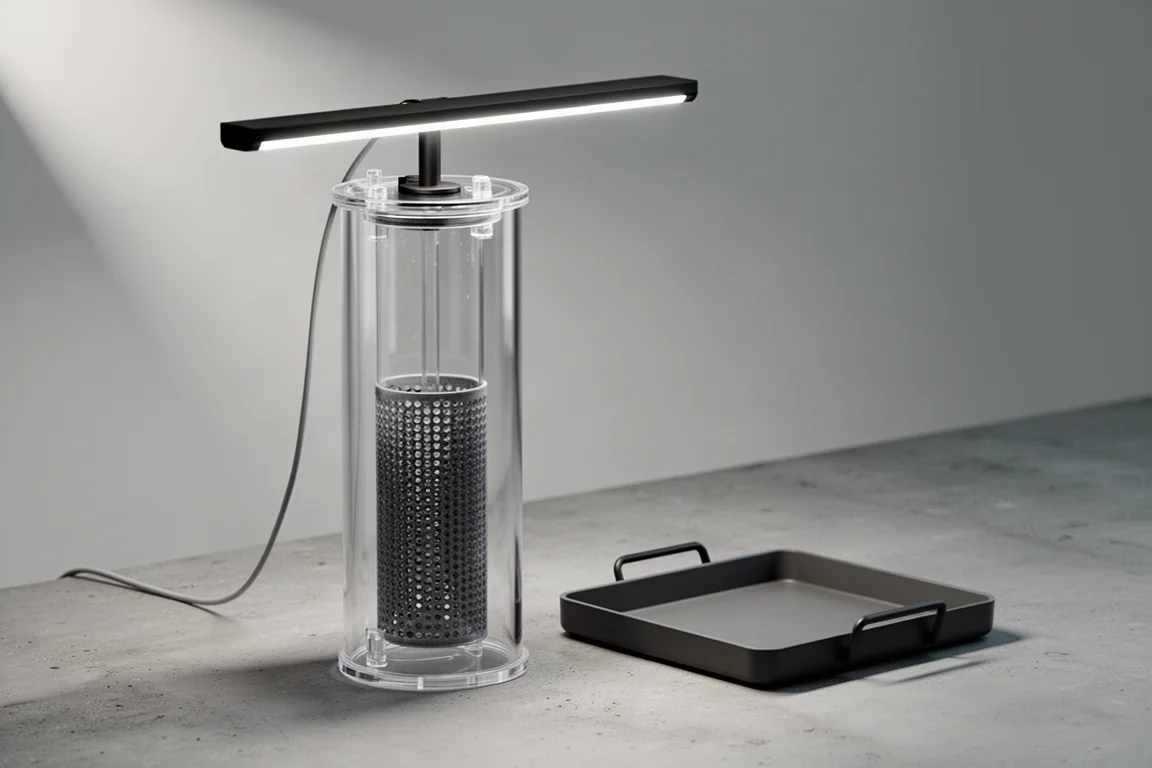
A vessel designed to grow nuisance algae in a controlled space so it stops taking over the display tank, with an adjustable stand, a removable basket, and a single LED light on top.
Introduction
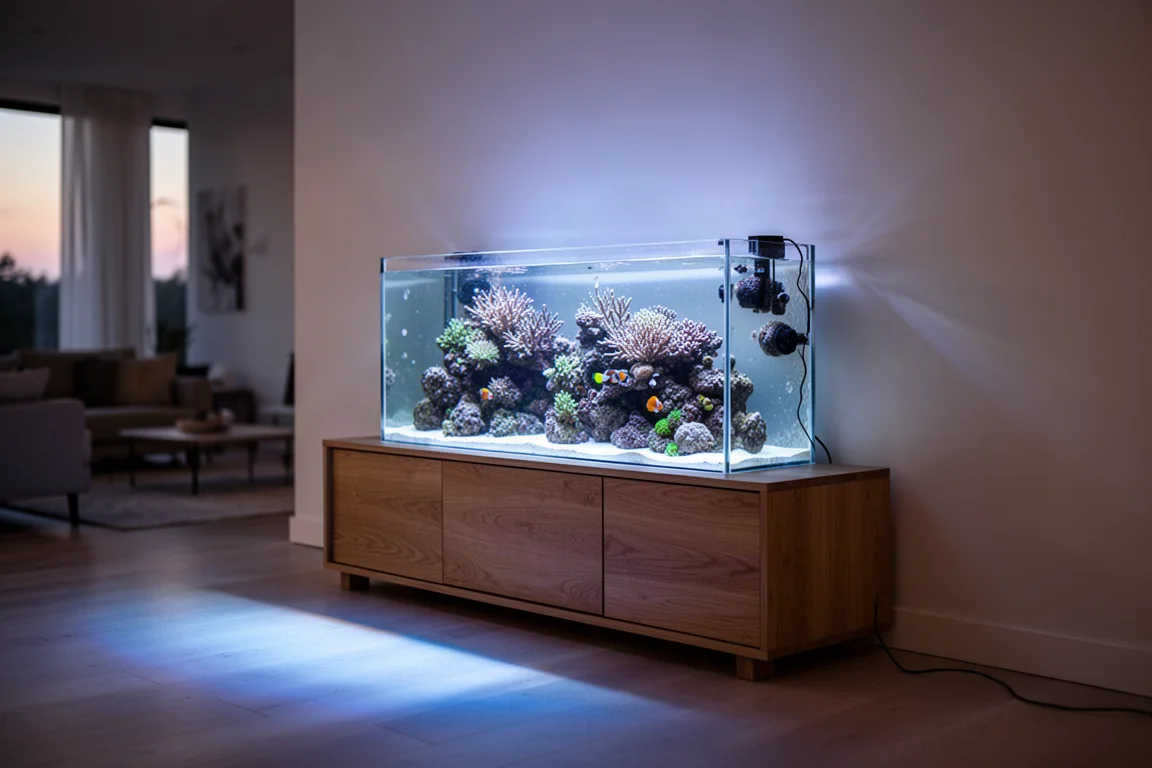
Nuisance algae is one of the most common reasons reef keepers lose interest in a tank. Long before anyone gives up, they spend months pulling hair algae off rocks, scrubbing glass, and dosing products that promise a fix. The Adaptive Reef Refugium Reactor takes a different route. Instead of trying to eliminate the algae, it gives the algae somewhere else to live.
The idea is deliberately simple. Algae grows where conditions suit it, and the display tank is usually the most generously lit and fed part of the system. Move that growth into a controlled vessel under the tank and the display has to compete for the same nutrients with something much more efficient at consuming them.
Adaptive Reef is better known for wire management and filtration hardware, and the company describes this as a tool rather than a cure. It is a confined space to grow whatever is currently winning in your display, so it stops winning there.
What the Refugium Reactor Is Designed to Do
The product is a vessel for growing algae in one place. You can seed it with a tuft of the algae already growing in your tank, or with chaetomorpha, or with whatever you prefer. Once established, it is intended to run continuously and out-compete the display.
It is not a traditional refugium, and it is not an algae scrubber. Adaptive Reef describes it as a hybrid that can be placed wherever you need it, without the plumbing and space commitments of a full refugium. Running it around the clock also brings a pH benefit, though the company is clear that algae control is the primary goal and everything else is a bonus.
Internally the reactor is built around back pressure, which means it can be run at very low or very high flow rates. That flexibility matters because the pump you already have may not match the ideal figure the manufacturer had in mind. The design was reworked after testers began running the unit with a wide range of random pumps, which is a reasonably good sign that the flow tolerance was tested in real systems rather than on paper.
Who This Product Is For
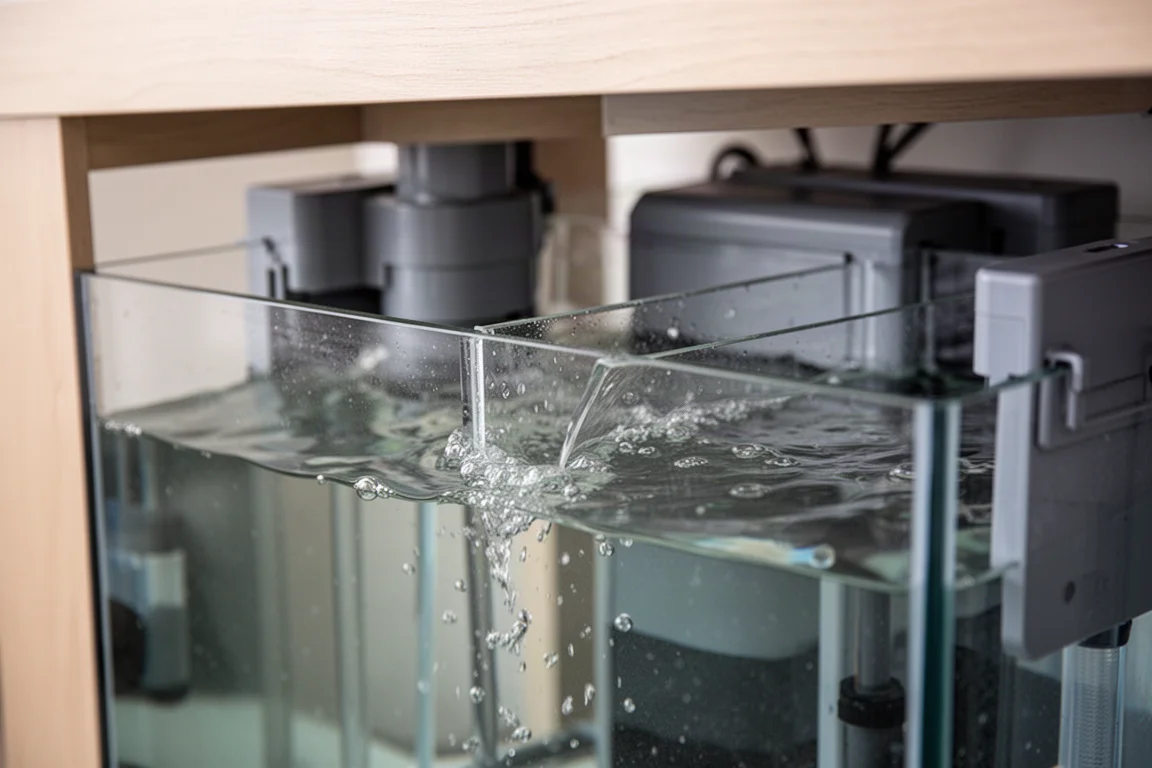
The clearest fit is a tank with a sump that is too small or too crowded for a proper refugium. Adding a refugium usually means giving up a chamber, adding a light, and finding room for a pump and the associated plumbing. In a compact sump, that trade is often not worth making.
The reactor sidesteps that problem because it takes up a footprint rather than a whole compartment. It can be run fully submerged, partially submerged, or completely externally alongside the sump. That range of mounting options is what makes it relevant to keepers whose systems simply were not laid out with a refugium in mind.
It also suits anyone who wants the option to stop. A refugium tends to be permanent once it is plumbed in. This unit can be pulled out of the system, and because the stand nests on top of the body, the whole thing can be stored flat on a shelf without leaving a pile of loose parts behind.
Main Strengths
The adjustable stand is the feature that unlocks most of the flexibility. It moves in one-inch increments up to ten inches, so the unit can sit fully submerged, fully out of the water, or anywhere in between depending on what you want to grow and where you want to grow it.
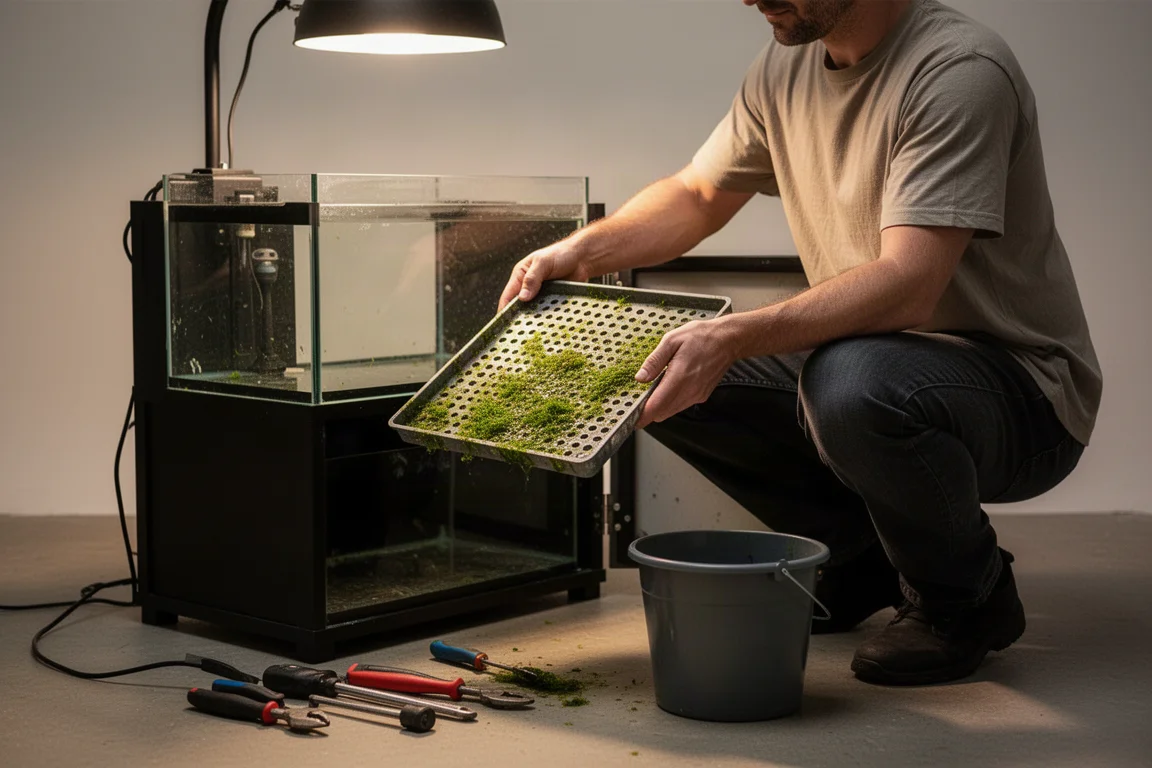
The removable basket is the second practical strength. It has two handles, it lifts straight out, and it is made from polycarbonate, which should hold up for a very long time. Adaptive Reef initially explored a design that would tumble the algae automatically but found that approach difficult to make work across real-world setups, so it went with a tray the keeper removes and shakes instead.
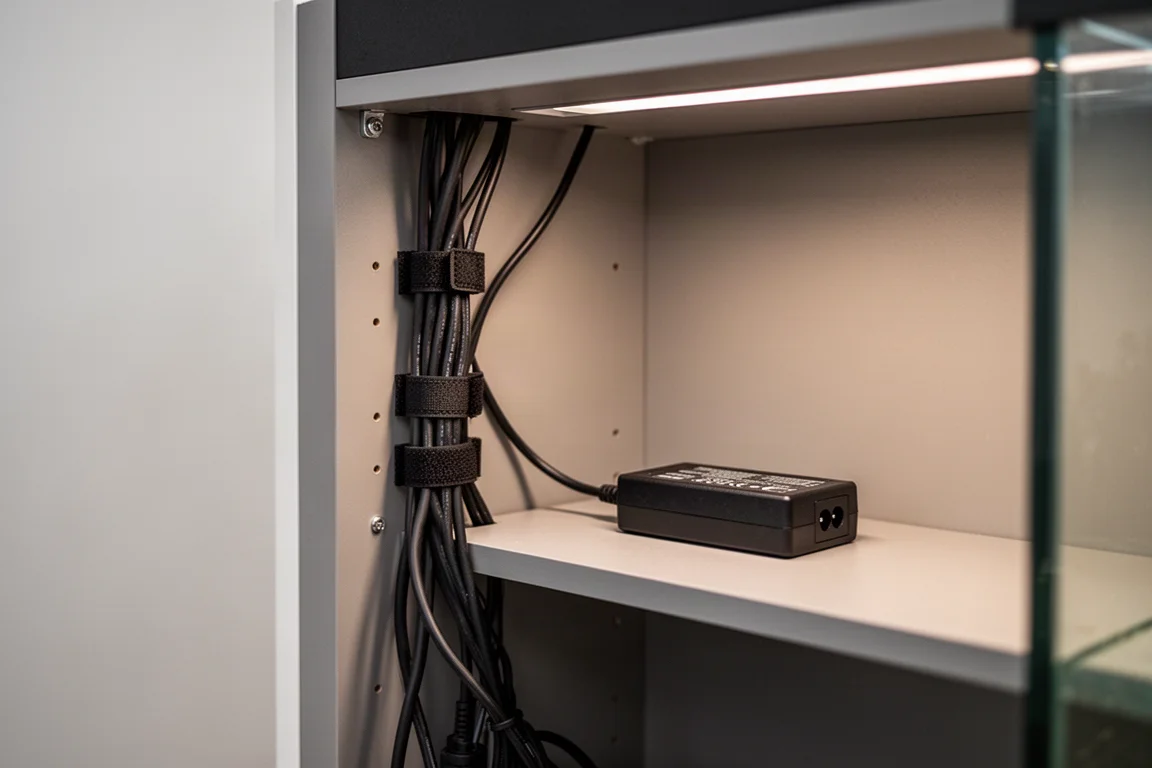
Lighting comes from a single AI Blade fixture mounted on top, with a remote power supply and minimal controller hardware. That keeps the footprint under the tank tidy, and it means the reactor can be controlled alongside the rest of the system through Apex or Mobius. The unit is built in Canada, and it was tested for over a year and a half before launch, which is a long validation window by aquarium industry standards.
Things to Consider Before Buying
The light cannot be submerged. The submerge line sits directly beneath the logo on the housing, and that is the point you should not go past when running the unit underwater. This is worth checking against your intended water level before you commit to a placement.
Two sizes are available at launch. A hang-on-the-back version is planned, along with the possibility of a larger model, but neither is available yet. Anyone who needs a hang-on-the-back solution today will have to wait. Adaptive Reef notes that hang-on-back units are more complicated and more expensive to manufacture than in-sump models because they function as pressure vessels and have to fit a wide range of tank rims.
It is also fair to set expectations on timing. The reactor takes a couple of weeks to establish before it starts meaningfully out-competing the display. It is a tool that works steadily rather than a fast fix, and it works best alongside normal maintenance and manual removal.
Setup and Ongoing Maintenance
Setup is about as straightforward as it gets. Choose a mounting depth on the stand, connect the flow, and seed the basket with algae pulled from the display tank or with a culture of your choice.
Weekly maintenance consists of lifting the basket out, shaking it so the algae tumbles and detritus falls away, and dropping it back in. Doing this once a week alongside your usual water change routine keeps the growth tumbling and productive rather than matting into a solid block. Replacement baskets are available separately, so a damaged or heavily fouled one is not a permanent problem.
The reactor is designed to run continuously. That constant operation is what allows it to draw down the nutrients the display tank would otherwise use, and it is the reason the algae stops appearing where you do not want it.
Buying Advice
Before ordering, measure the space you actually have available. The reactor can live submerged in a sump chamber, sit half in and half out of the water, or run completely externally, and the adjustable stand gives you ten inches of vertical range in one-inch steps. Choosing the mounting position first makes the rest of the decision straightforward.
Think about whether you want the option to remove it later. If your system may change, or if you are not certain you want permanent refugium-style filtration, the ability to store the unit flat is a genuine advantage over a plumbed-in alternative.
Finally, match the tool to the problem. This reactor is intended for keepers who are fighting persistent nuisance algae and want a dedicated place for that growth to go, not for aquarists looking for a general-purpose filter. If that describes your tank, it is a sensible addition to the equipment you already run.
Conclusion
The Adaptive Reef Refugium Reactor is a focused product built around one clear idea: grow the nuisance algae somewhere other than your display. The adjustable stand, removable polycarbonate basket, single top-mounted LED, and compatibility with common control platforms make it easy to live with, and more than a year and a half of testing before release suggests the details were worked through rather than rushed.
It is not a universal answer, and it will not suit every system. For reef keepers with a crowded sump, no room for a full refugium, and an algae problem that keeps coming back, it offers a practical way to turn a persistent annoyance into a maintenance routine.
Product link
View more details for Adaptive Reef Refugium Reactor
This product is mentioned in the review. Check the specifications, options, and compatibility before buying.
View more details for Adaptive Reef Refugium ReactorFurther reading
Related Reviews
Aquarium Filtration
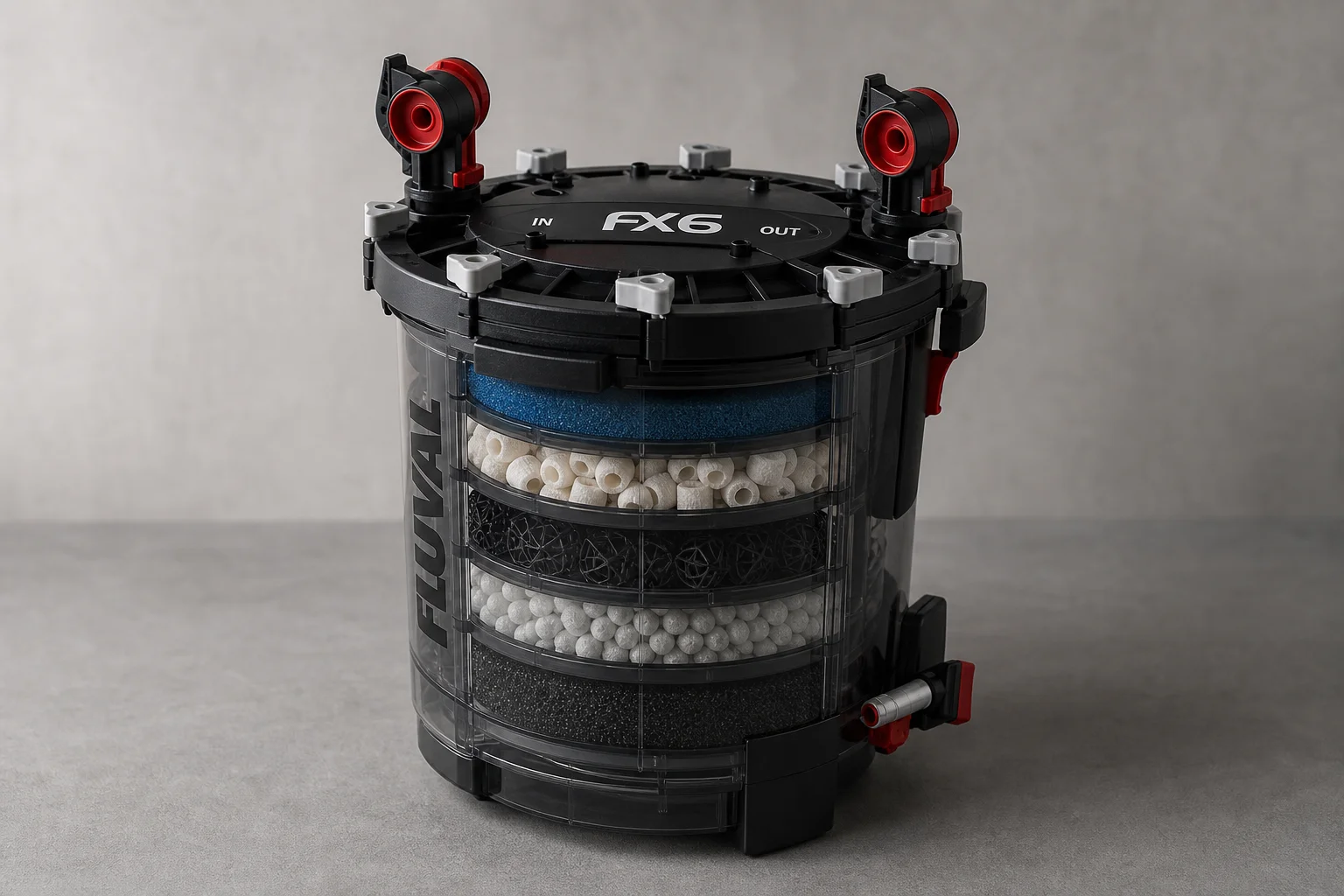
Affordable Aquarium Filter Media: Testing Budget Alternatives to Expensive Biomedia
Can cheap pot scrubbers replace expensive ceramic biomedia in a canister filter? One aquarist tests the theory on a heavily stocked 210-gallon tank.
Aquarium Filtration
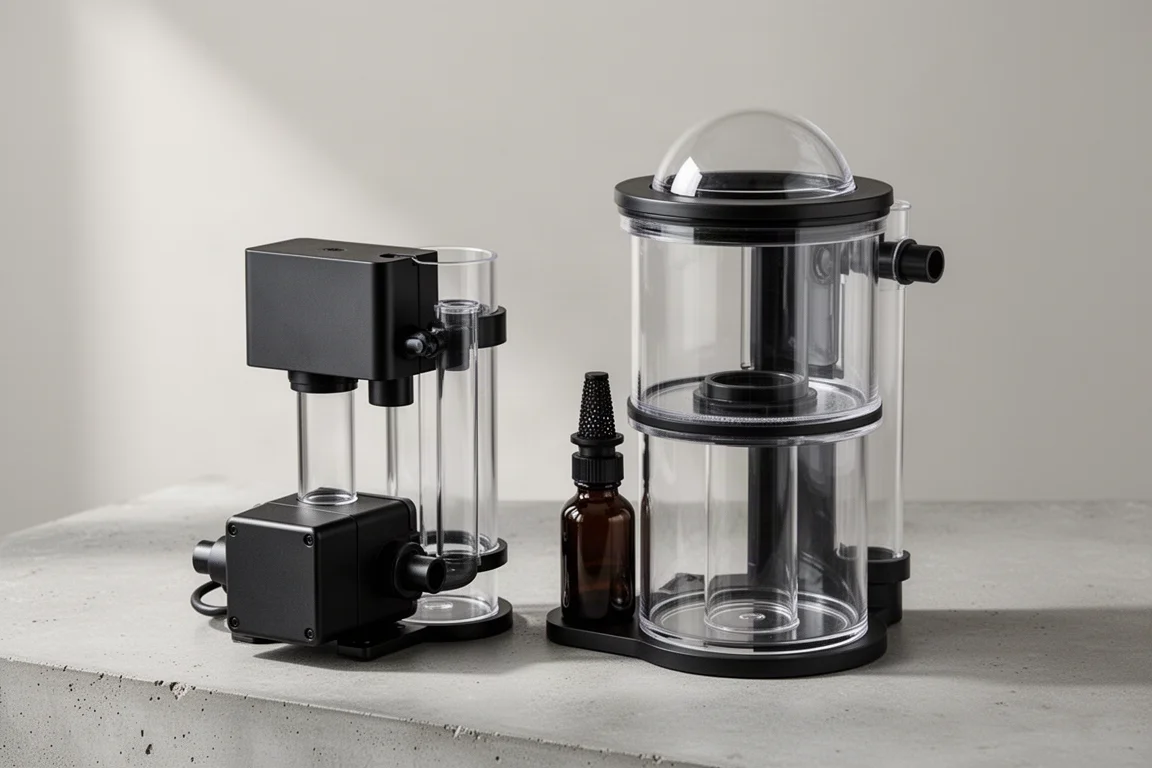
AquaMaxx Bullet 2 and Bullet 3 Review: Hang-On Protein Skimmers Compared
A closer look at two larger AquaMaxx hang-on protein skimmers, covering capacity ratings, clearance needs, and the design details that separate the Bullet 3 from the Bullet 2.
Aquarium Filtration
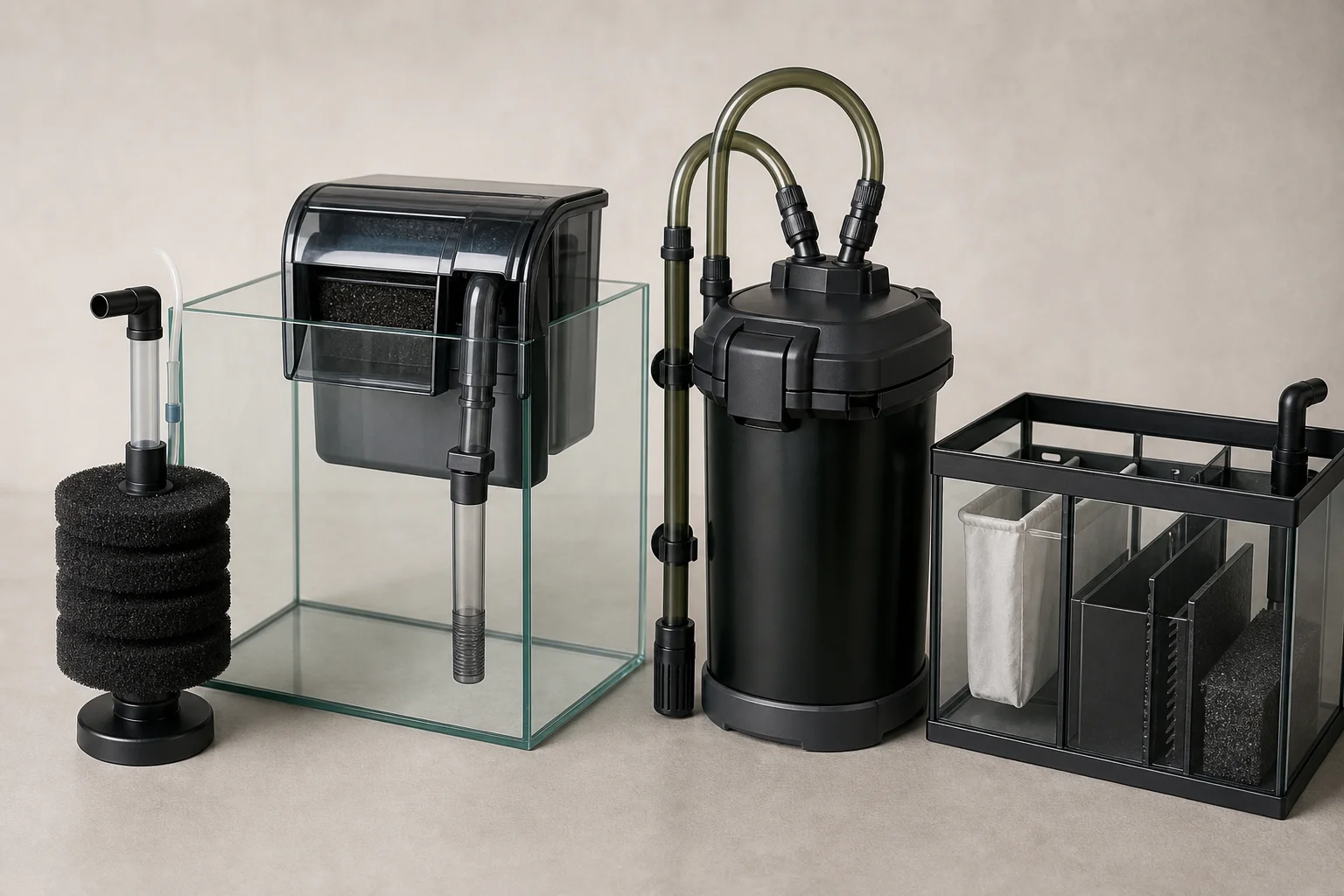
Aquarium Filtration Types: A Complete Guide to Sponge, HOB, Canister, and Sump Filters
Explore the four main aquarium filtration systems, their strengths, limitations, and which option suits your tank setup best.