Aquarium Maintenance
Tunze Care Panes Review: A Streak-Free Cleaner Built for Aquarium Glass
A foaming spray designed for the outside of the tank, with real strengths, a few sensible cautions, and a very low cost of ownership.
Introduction
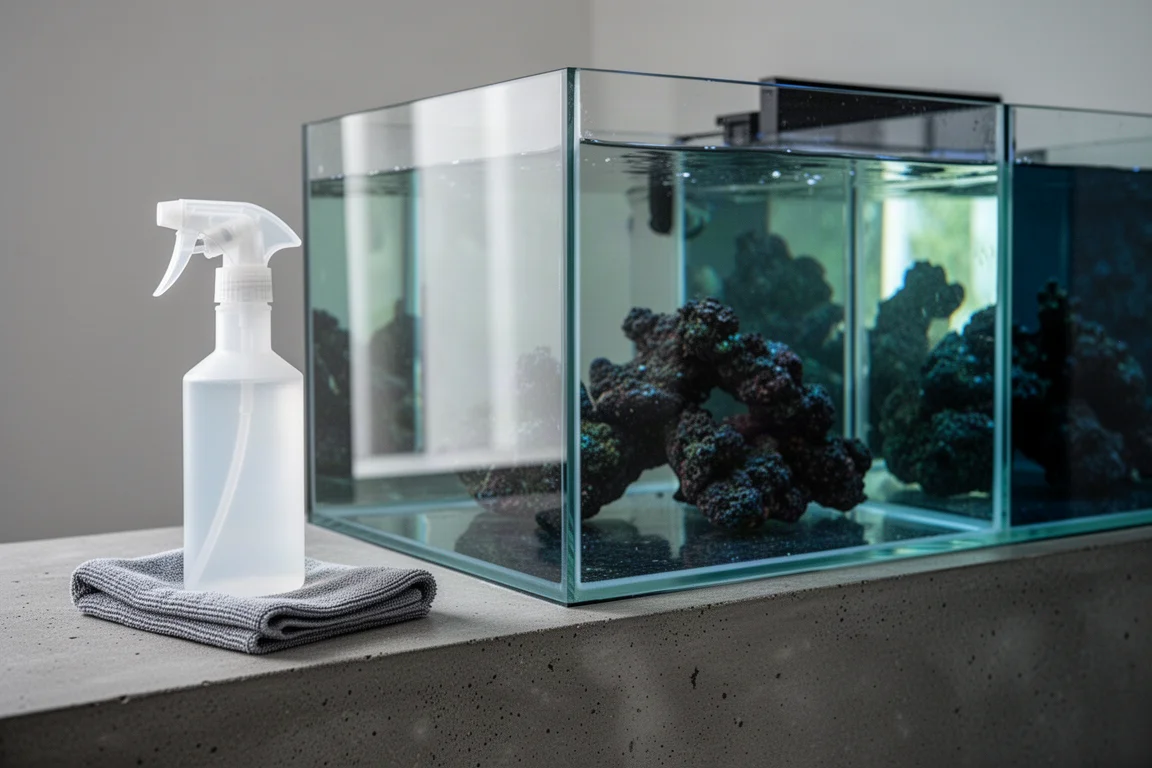
Reef keepers spend a remarkable amount of time, money, and attention keeping the inside of a tank looking pristine. The outside rarely gets the same treatment, even though splashes, salt creep, streaks, and fingerprints build up on the panels and slowly dull the view that everything inside is meant to show off.
Wiping with a bare hand or a paper towel tends to leave salt streaks behind. Salt spray and water droplets caught under the outer magnet of an algae scraper can be dragged across the whole panel. A cleaner that removes those marks without streaking, and that is designed to be safe around a saltwater system, makes this chore quick instead of frustrating.
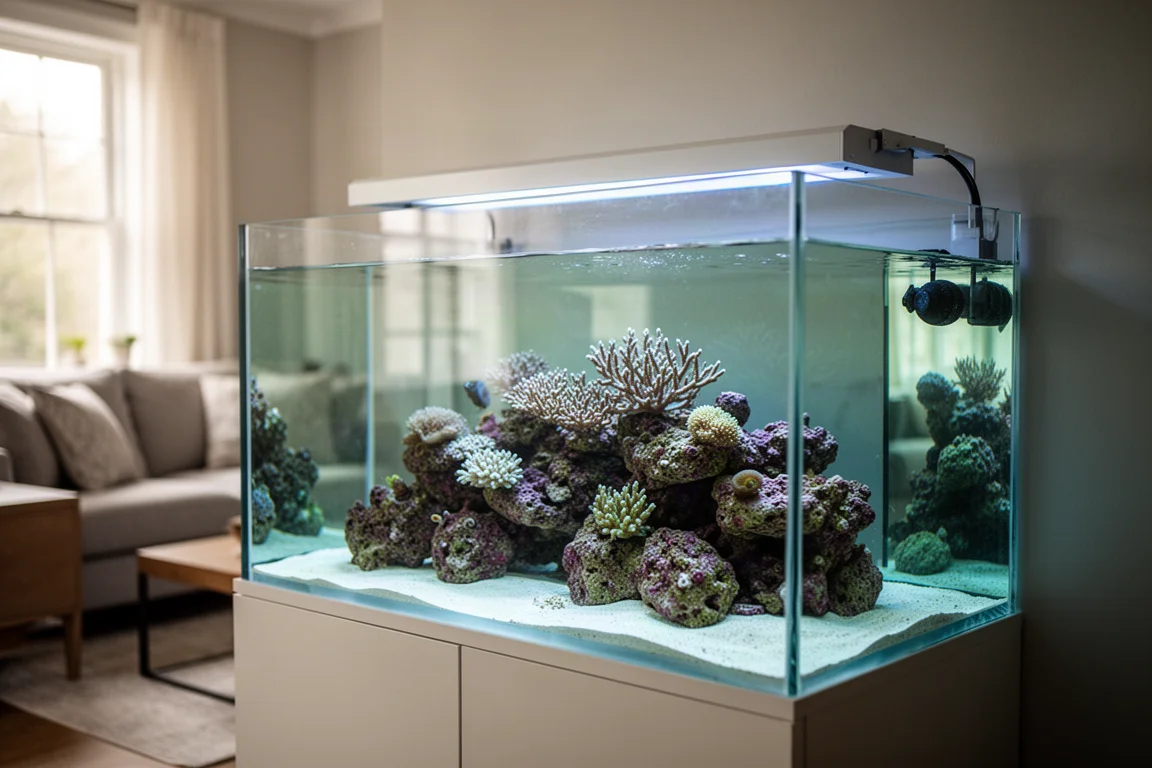
Tunze Care Panes is exactly that kind of product: a foaming spray intended for aquarium use. The formula relies on natural surfactants and an oil component that foams on contact, which reduces the chance of overspray drifting into the tank and makes the cleaner a safer choice around a reef system than a typical household window spray. In use, a couple of spritzes on a cloth or directly on the front panel followed by a quick wipe takes care of fingerprints and salt spray without leaving streaks.
Who This Product Is For
This is for anyone who already cares about how the display looks and has noticed that the outside of the glass lets the rest of the setup down. It suits reef keepers with glass or acrylic tanks, and it is particularly useful for owners of black stands, which seem to collect oily, salty smudges almost on their own.
It is also a sensible pick for hobbyists who want a single bottle that handles more than the display panels. The same spray works on sumps, light splash guards, controller screens, and any other smooth surface with a similar finish, which means fewer separate products cluttering the maintenance shelf.
If you currently use a vinegar and water mix, this is a direct upgrade in both cleaning performance and smell.
Main Strengths
Care Panes earns its place on the maintenance shelf for a handful of practical reasons rather than one headline feature.
Streak-Free Results on Glass and Acrylic
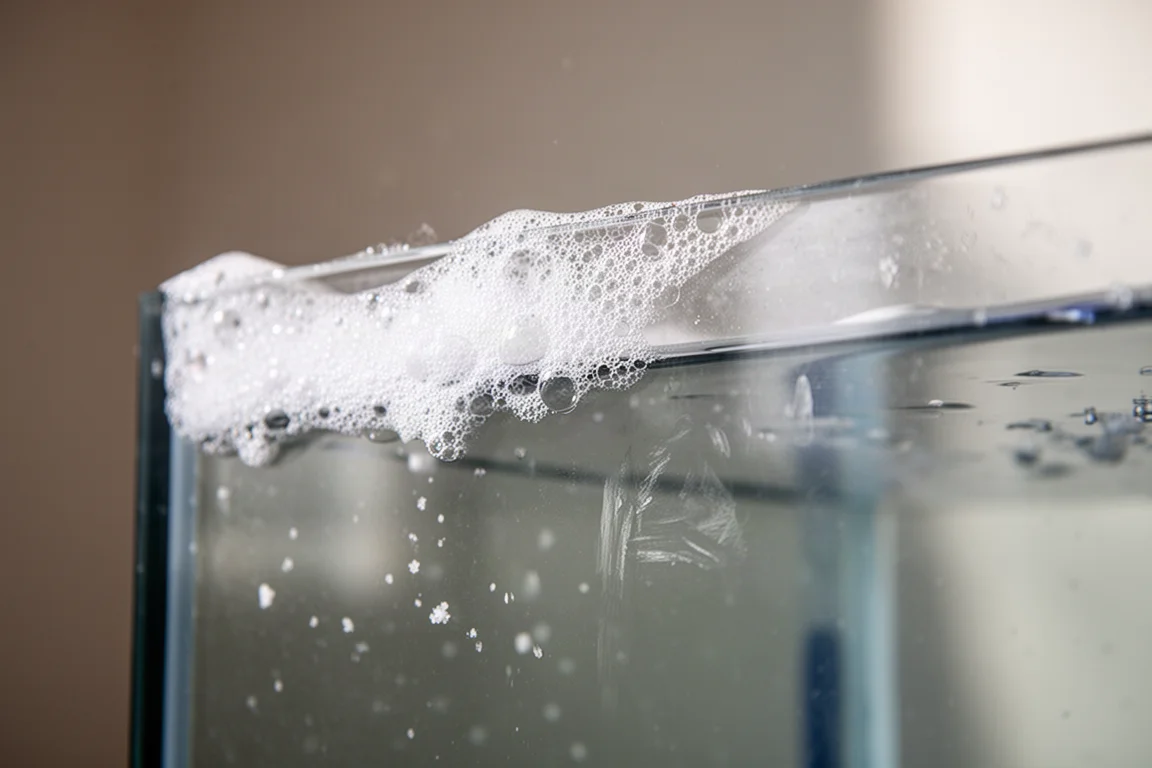
The formula foams when sprayed, and that foam does two useful things at once. It clings where it lands instead of misting into the air, and it lifts fingerprints, salt spray, and smudges so that a single wipe finishes the job. A couple of spritzes on a cloth or directly on the front panel, one pass with a paper towel, and the glass is clear with no streaks left behind.
The spray is not limited to the display. It works on glass and acrylic as well as melamine and other smooth surfaces with similar finishes, so the same bottle covers the display panels, the sump, splash guards, controller screens, and the stand itself. Black stands benefit most, since the oily and salty marks that show up on them so easily come off cleanly here.
A Bottle Designed for Aquarium Use
The bottle is made from 100 percent recyclable plastic and contains no metal components at all. That matters more than it sounds: with no springs or pins to rust, the sprayer keeps working even when the bottle lives next to the tank or among other maintenance gear where moisture is constant.
Using a pump sprayer instead of an aerosol is the right call for a reef room. Aerosols are notorious for overspray that can end up inside the aquarium, while a pump gives far more control over where the cleaner actually goes. The foam itself further reduces the chance of accidental overspray, and that lowers the risk of residue reaching the tank either through the air or through a cloth that has been dipped into the water by mistake.
Safe Around Saltwater Systems
Household window cleaners often contain substances you would not want anywhere near a reef tank. Choosing a cleaner formulated for saltwater aquariums substantially lowers the risk of those compounds getting in through overspray or a contaminated cloth, which is the main reason a dedicated product makes sense here rather than whatever happens to be under the kitchen sink.
It also outperforms the vinegar and water mix many hobbyists default to, and it smells considerably better while doing it.
Things to Consider Before Buying
The one thing worth getting right is the cloth you pair with it. Paper towels and rags work very well on glass but are a little abrasive on softer materials, so for acrylic, polycarbonate, or other plastics, use a polishing cloth instead and avoid scratching the surface. Matching the tool to the job is the whole trick.
There is nothing complicated about the routine itself: a couple of spritzes, a quick wipe, done. Used roughly once a week for a thorough pass before showing off the tank, a single bottle goes a long way.
Buying Advice
At around 10 dollars, Care Panes costs very little for the amount of use it delivers. At a weekly cleaning pace, one bottle covers months of maintenance and can stretch past a year, which makes it one of the cheaper ways to keep a setup looking sharp. The combination of a streak-free finish, safe handling around a saltwater system, and usefulness on surfaces well beyond the display panels is what separates it from a generic glass cleaner.

If you keep a polishing cloth on hand for plastic surfaces and use the spray as intended, there is very little to go wrong. For anyone with an acrylic tank, a black stand, or a maintenance routine that already includes wiping down splash guards and controller screens, this is an easy addition to the shelf.
Conclusion
Tunze Care Panes solves a small problem that quietly affects how good a reef tank looks every day. It removes fingerprints, salt spray, and smudges without streaks, it is formulated to be safe around a saltwater aquarium, and its plastic pump bottle is built to survive life beside the tank without rusting shut.
The only real caution is to use a polishing cloth rather than a paper towel on acrylic and other soft plastics. Everything else about it is straightforward, affordable, and genuinely useful well beyond the front panel.
Product link
View more details for Tunze Care Panes
This product is mentioned in the review. Check the specifications, options, and compatibility before buying.
View more details for Tunze Care PanesFurther reading
Related Reviews

Aquarium Maintenance
Aquarium Maintenance Must-Haves: 6 Tools for a Cleaner Tank
A practical roundup of aquarium maintenance tools, from magnetic algae scrapers to a glass cleaner and camera lens, with strengths and trade-offs.

Aquarium Maintenance
Best Aquarium Water Change Tools 2026: Six Options That Beat the Bucket
A practical comparison of six aquarium water change tools, from a sink-powered siphon to app-controlled auto water changers, with the trade-offs that actually matter.

Aquarium Maintenance
Continuum AquaBlade Aquarium Scraper Review: A Sturdy Tool for Cleaner Glass
A practical look at the Continuum AquaBlade scraper, its one-piece build, swappable plastic and metal blades, size options, and the everyday jobs it handles beyond algae.