Aquarium Maintenance
Continuum AquaBlade Aquarium Scraper Review: A Sturdy Tool for Cleaner Glass
A practical look at the Continuum AquaBlade scraper, its one-piece build, swappable plastic and metal blades, size options, and the everyday jobs it handles beyond algae.
Introduction
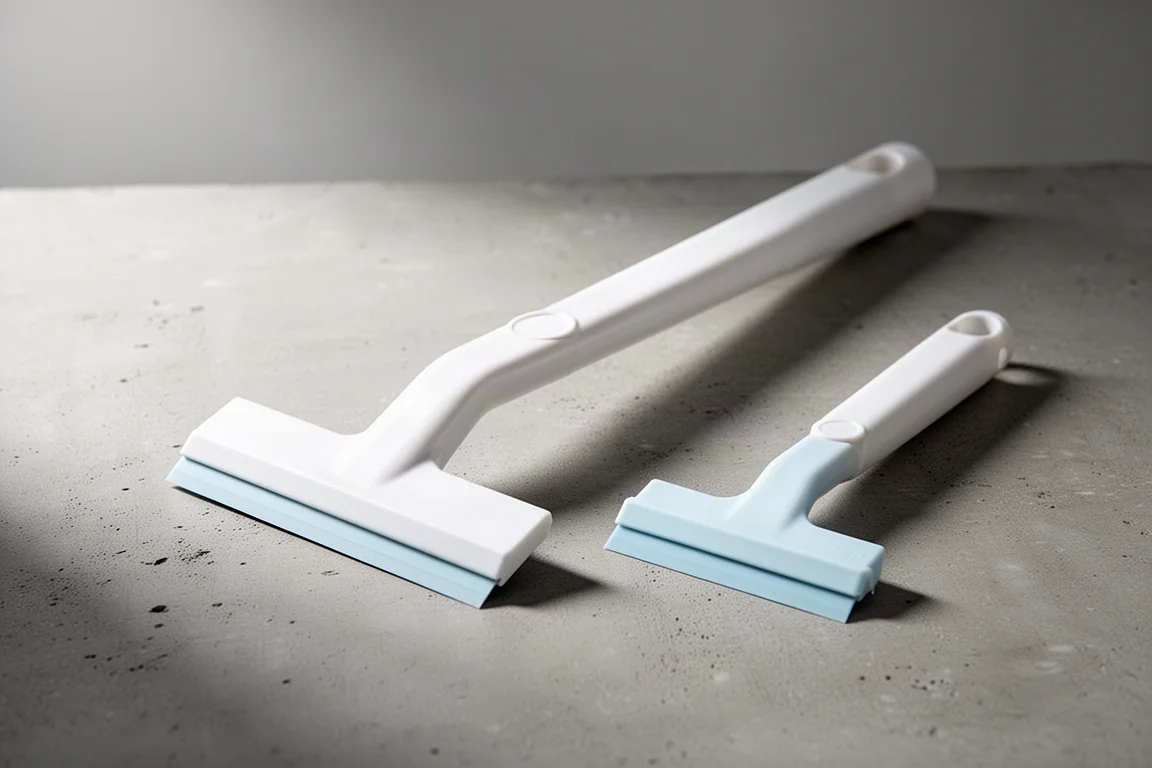
Anyone who keeps a reef tank knows how quickly glass stops looking clean. A thin film of algae builds up, the view softens, and suddenly the most interesting part of the tank is harder to see. The Continuum AquaBlade Aquarium Scraper is aimed squarely at that problem, and it comes in sizes that cover most setups: a small handheld version, plus 15, 24 and 35 inch lengths. Two blade options are available as well, a plastic blade intended for acrylic aquariums and a metal blade intended for glass.
That combination of sizes and blade types is the main reason this scraper is worth a closer look. It is not a single compromise tool that only works on one tank type. It is a small system that you match to your aquarium.
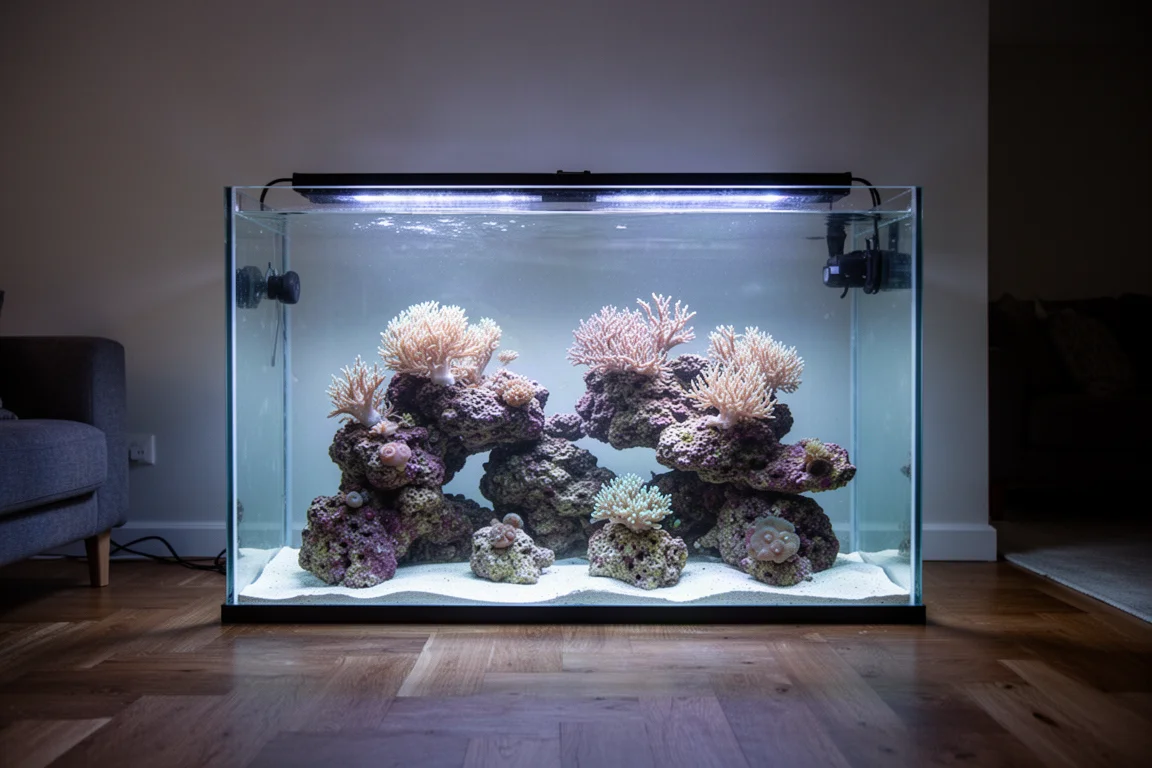
The more interesting part is how the scraper is built. Continuum designed the range as one continuous piece rather than a handle that screws into a head, and that decision shapes almost everything about how it feels in use.
Who this product is for
This scraper makes the most sense for three kinds of keepers. The first is anyone with a tank deep enough that reaching the bottom of the glass means wet sleeves and awkward angles. The longer 15 to 35 inch versions exist precisely for that. The second is a keeper running more than one aquarium, where a single tool with swappable blades can serve both glass and acrylic tanks. The third is the hobbyist who has already gone through a cheap scraper and wants something that will not flex, snap or shed material into the water.
If you only keep one small nano tank and clean it with a sponge by hand, the handheld mini is the version that fits your routine. It is built around a strong, wide handle that gives a solid grip, which reduces the hand cramping that comes with thin, slippery tools during a full cleaning session.
Main strengths
The first strength is durability. The material used on the 15 to 35 inch models feels stronger than most alternatives, and that difference is noticeable just by holding the tool. It means you can apply real pressure when you are working on stubborn green algae spots or caked-on deposits without worrying that the handle will snap the way flimsy metal options can, or shatter and splinter the way fiberglass ones sometimes do.
The second strength is the simplicity of changing blades. Swapping between the plastic blade for acrylic and the metal blade for glass is fast and easy, so moving between tanks is not a project in itself.
The third strength is the one-piece construction. Across the whole range, from the handheld up to the 35 inch model, the scraper is a single continuous piece. There are no joints for water to collect inside, which makes the tool stronger and noticeably less messy to use and store.
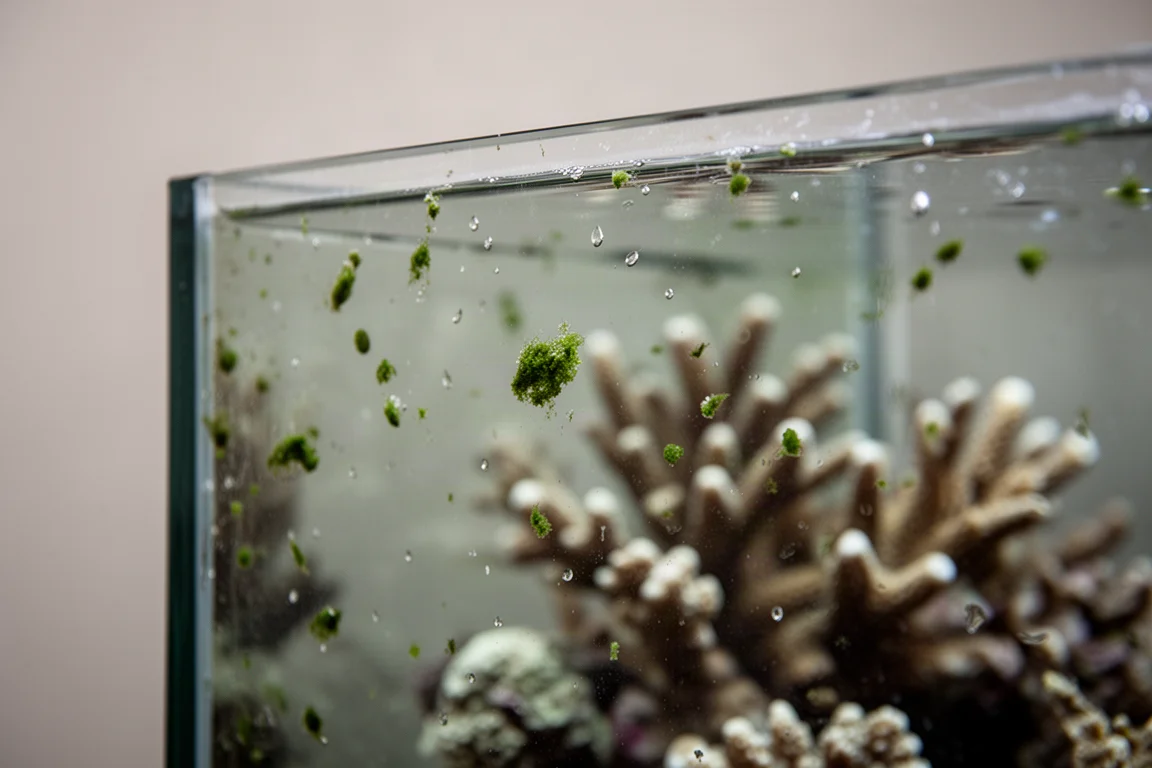
One small extra worth knowing: because the scraper body is white, it doubles as an algae spotter. Moving it slowly along the glass panels makes small spots easier to see, so you can target them instead of scraping the whole pane.
Things to consider before buying
The most important thing to get right is the blade. The metal blade is intended for glass aquariums, and the plastic blade is intended for acrylic. Matching blade to tank material is what keeps the scraper from becoming a scratch risk.
Length is the second consideration. A longer handle gives you more reach and keeps your hands out of the water, but it also needs somewhere to live between cleanings. For a shallow tank, the 15 inch or the handheld version is often the more comfortable choice.
It is also worth setting expectations honestly. This is a manual scraping tool. Caked-on spots may need a second pass, and for especially tough algae the handle can be paired with a foam pad held on with a rubber band to add a little more bite.
Practical uses beyond algae scraping
Algae removal is the obvious job, and the long handles make it possible to reach awkward areas without getting wet. Beyond that, the scraper turns out to be a genuinely useful piece of general tank equipment.
It can be used to move sand around: push the substrate away from the edges, clean the edges, then push the sand back. The same motion works for fluffing sand off corals and rocks. It can flip snails over and rescue corals that have fallen or been relocated by urchins, crabs or other tank inhabitants.

Reach is another advantage. A long scraper can retrieve things that end up behind the tank, such as fallen magnets, or frozen food that was meant for the tank but landed behind it. It also handles salt creep around the sump area and along outer edges.
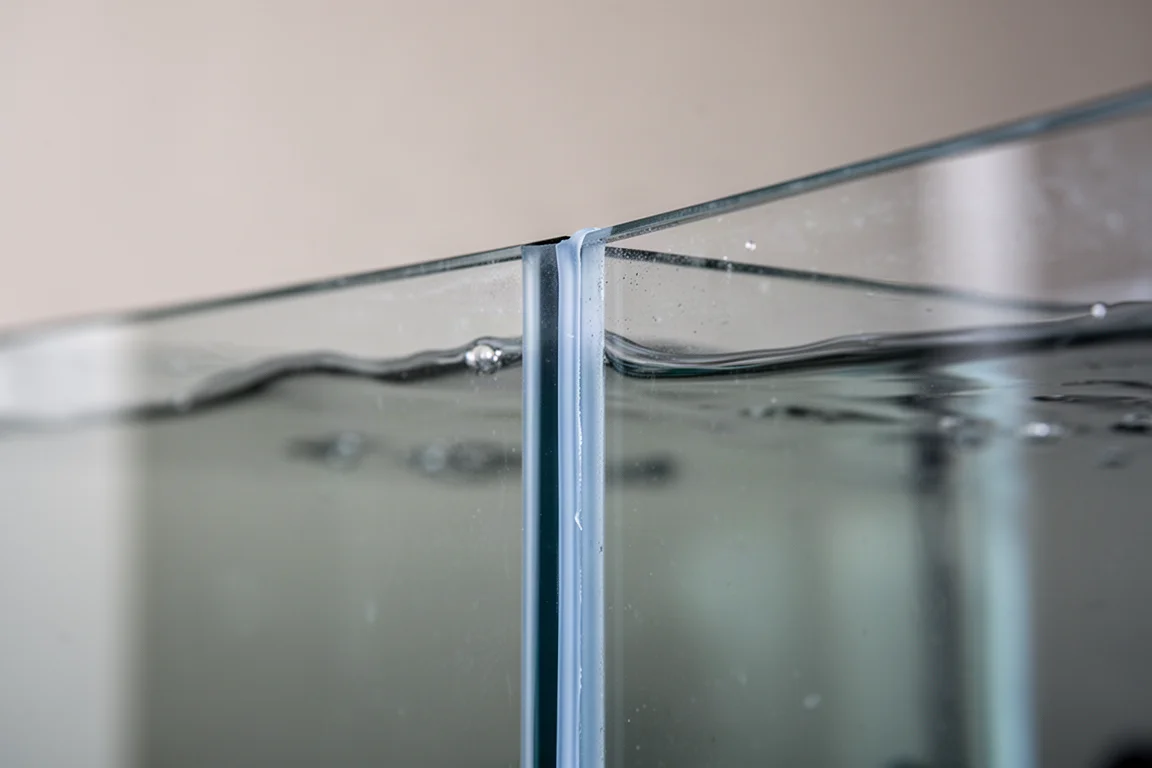
The last use is the one most people miss. Turn the scraper around and use the handle end to clean the corners of the tank without the risk of damaging the silicone. That single trick keeps the seams intact while the visible glass stays clear.
Blade options and size choices
Matching the tool to the tank is straightforward. Plastic blades are for acrylic aquariums and metal blades are for glass. The size range runs from the small handheld mini through 15, 24 and 35 inch models, which covers everything from a compact nano setup to a large display tank where the bottom of the glass sits well below arm’s length.
The handheld mini is the grip-focused option, with a wide handle for a solid hold. The longer versions trade some of that compactness for reach and leverage, which is where the stronger material and one-piece build matter most.
Buying advice
Start with the material of your aquarium, since that decides the blade. If you keep both glass and acrylic tanks, having both blade types on hand removes any temptation to use the wrong one.
Then choose length based on how far you need to reach and how much storage space you have. A 15 inch model suits most mid-sized tanks, while 24 and 35 inch versions are aimed at deeper aquariums where wet arms used to be unavoidable. The handheld mini is the sensible pick for small tanks and quick spot cleaning.
The reason to choose this scraper over a generic alternative comes down to construction. A one-piece body, a handle that does not cramp your grip, and blades that swap in seconds cover the three things that go wrong most often with cheap scrapers.
If you are replacing a tool that flexed, snapped or dribbled water out of its joints, the difference here is easy to feel the moment you pick it up.
Conclusion
The Continuum AquaBlade Aquarium Scraper gets the fundamentals right. It is available in sizes that fit a wide range of aquariums, it offers the correct blade for both acrylic and glass, and its one-piece build makes it stronger and less messy than tools assembled from multiple parts. The extra uses, from moving sand to cleaning corners without touching the silicone, make it a more versatile piece of kit than the name suggests. For keepers who want clean glass with less effort and fewer excuses, it is a straightforward pick.
Product link
View more details for Continuum AquaBlade Aquarium Scraper
This product is mentioned in the review. Check the specifications, options, and compatibility before buying.
View more details for Continuum AquaBlade Aquarium ScraperFurther reading
Related Reviews
Aquarium Maintenance
Aquarium Maintenance Must-Haves: 6 Tools for a Cleaner Tank
A practical roundup of aquarium maintenance tools, from magnetic algae scrapers to a glass cleaner and camera lens, with strengths and trade-offs.
Aquarium Maintenance
Best Aquarium Water Change Tools 2026: Six Options That Beat the Bucket
A practical comparison of six aquarium water change tools, from a sink-powered siphon to app-controlled auto water changers, with the trade-offs that actually matter.
Aquarium Maintenance
Flipper Float Review: A Floating Magnetic Glass Cleaner for Reef Tanks
Flipper's Float magnetic cleaner keeps the flip design reef keepers rely on and adds a wet side that floats, plus a larger handle and revised scraper clearance.