Kitchen Knife Sharpening
Tumbler Rolling Knife Sharpener vs Whetstone: Which One Actually Gets a Kitchen Knife Sharp?
We put the Tumbler rolling sharpener head to head with a basic whetstone setup using the Tojiro Togi Grip angle guide, and the results were clearer than expected.
Introduction
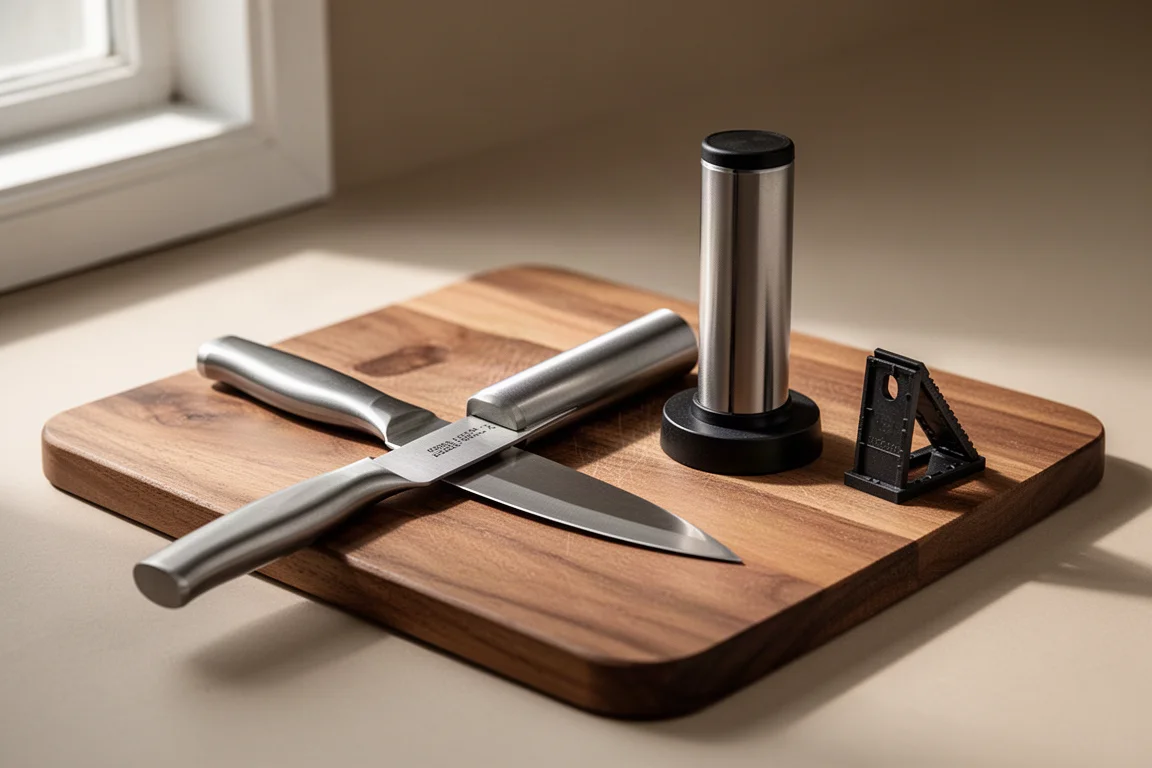
Rolling sharpeners have been all over the internet for a few years now, and the Tumbler is the name that keeps coming up. It promises sharp knives in minutes with almost no skill required. To find out whether that promise holds up, we tested it against the more traditional path: a set of whetstones paired with the Tojiro Togi Grip angle guide. Both methods were tried on freshly dulled kitchen knives, by a complete beginner and by an experienced sharpener, with the same six-minute time limit per knife.
How the Tumbler Rolling Knife Sharpener Works
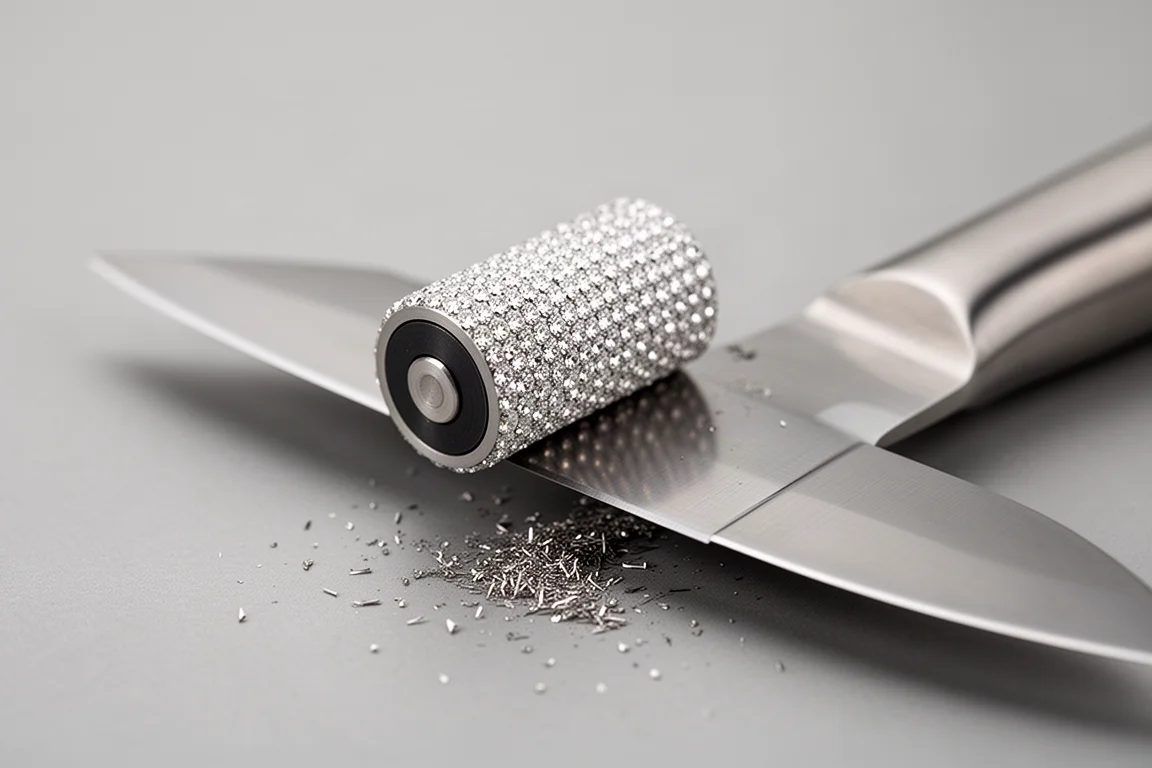
The Tumbler arrives in a tidy box with clear illustrated instructions, including angle settings for both European and Japanese knives. You set the sharpening module to either 15 or 20 degrees, place the knife on the magnetic base, and roll the diamond module back and forth along the edge until a burr forms. From there, you flip to the stainless steel honing side, and finish with a leather strop pad.
It sounds simple, and the setup genuinely is. A few things became clear quickly, though. Light pressure is recommended, and it really is effortless to roll. But keeping the block centered on the blade takes attention, and flipping the knife with the edge sitting upward felt awkward and a little risky, since the temptation is to press the blade back down into place with a finger near the edge.
Where the Tumbler Struggles
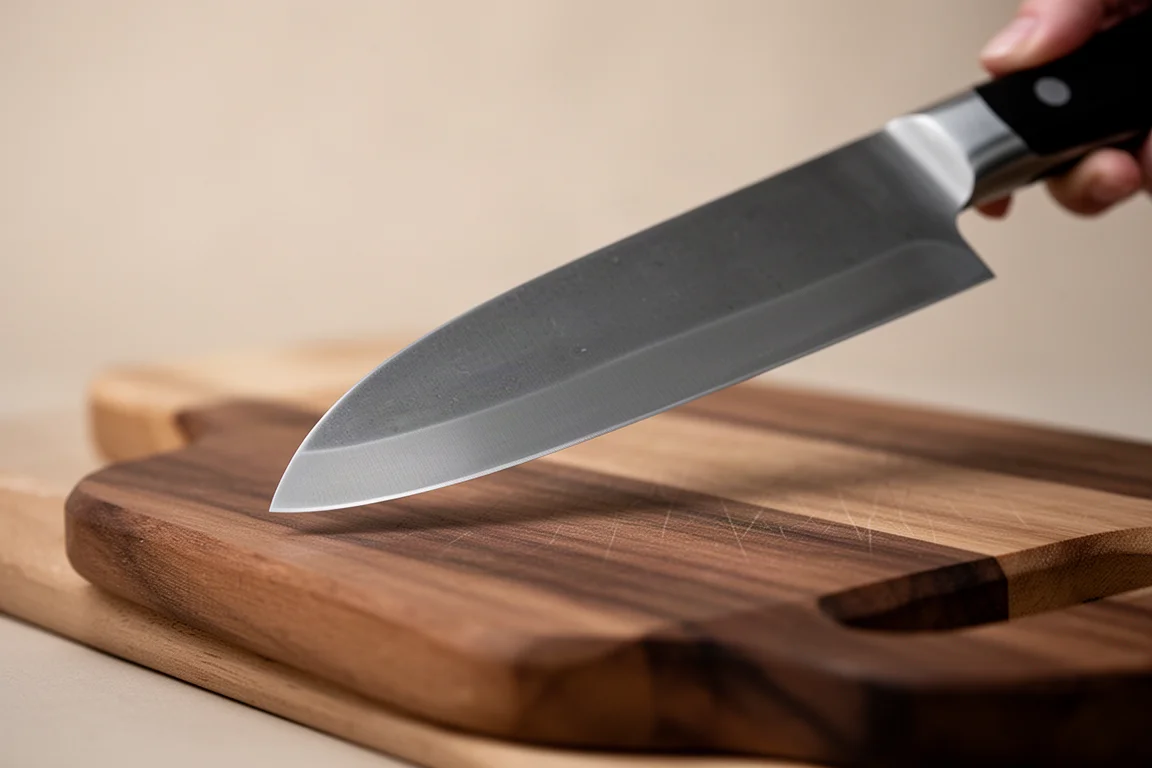
The biggest issue showed up at the tip. Because of the natural curve of a knife, the rolling module stops making contact near the belly and tip, so that section stays dull no matter how many passes you do. Height matters too: taller knives like a santoku are easier to manage, but anything taller forces you to prop the roller up somewhere higher, which is inconvenient.
There is also a fundamental limitation worth knowing before buying: the Tumbler only works the last millimeter of the edge. It will not thin the knife or maintain the bevel behind the edge, which matters a lot when cutting dense vegetables. And with a single, fairly coarse diamond grit, the finished edge is rough. Even a basic 1000-grit whetstone finish comes out noticeably smoother.
Why the Whetstone Setup Wins on the Final Edge
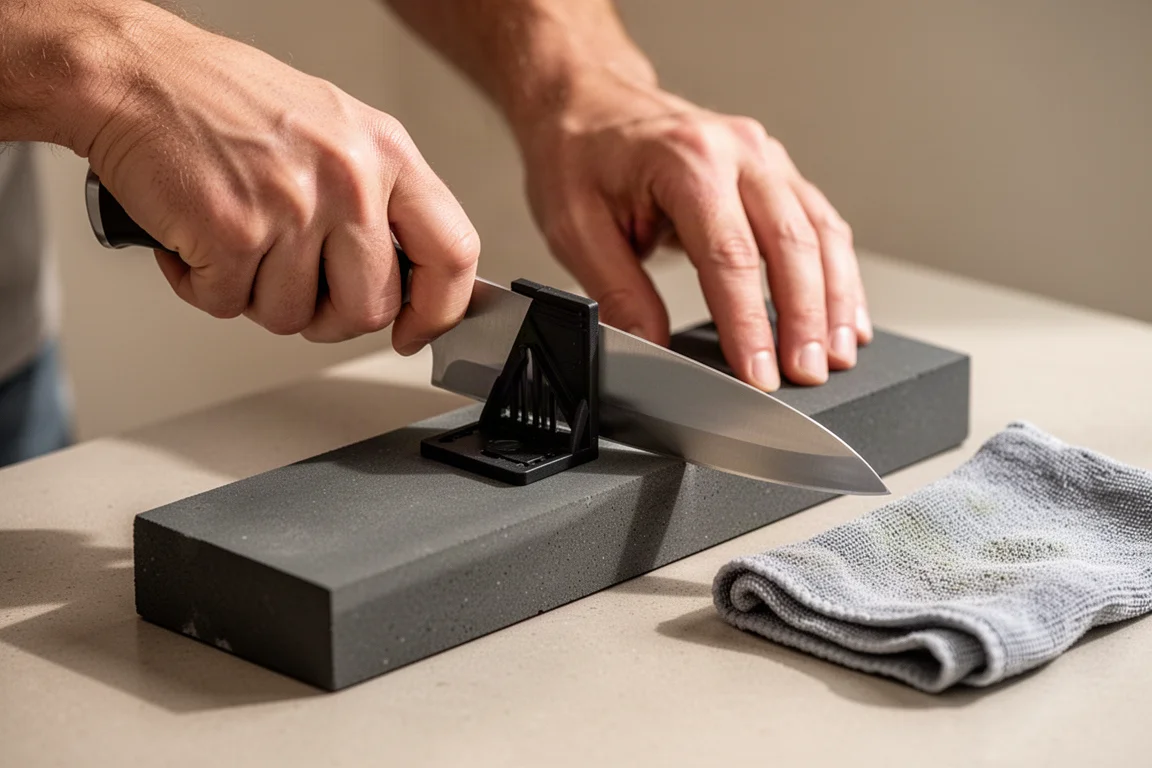
The comparison setup was deliberately simple: a 220-grit coarse stone, a 1000-grit stone, and the Tojiro Togi Grip angle guide clipped to the knife spine. That small plastic clip is the standout here. It locks in the angle better than freehand sharpening, which makes the whole process far less intimidating for a beginner.
The beginner in this test took about an hour on her very first knife, but the result spoke for itself: a much keener, smoother edge in roughly the same working time the Tumbler needed to produce a mediocre one. The experienced sharpener matched the geometry in under half a minute. Whetstones also work on any knife, from a paring knife to a cleaver, regardless of height, and they open the door to thinning, polishing, and more advanced sharpening later on.
Real Cutting Tests: Tomato and Carrot
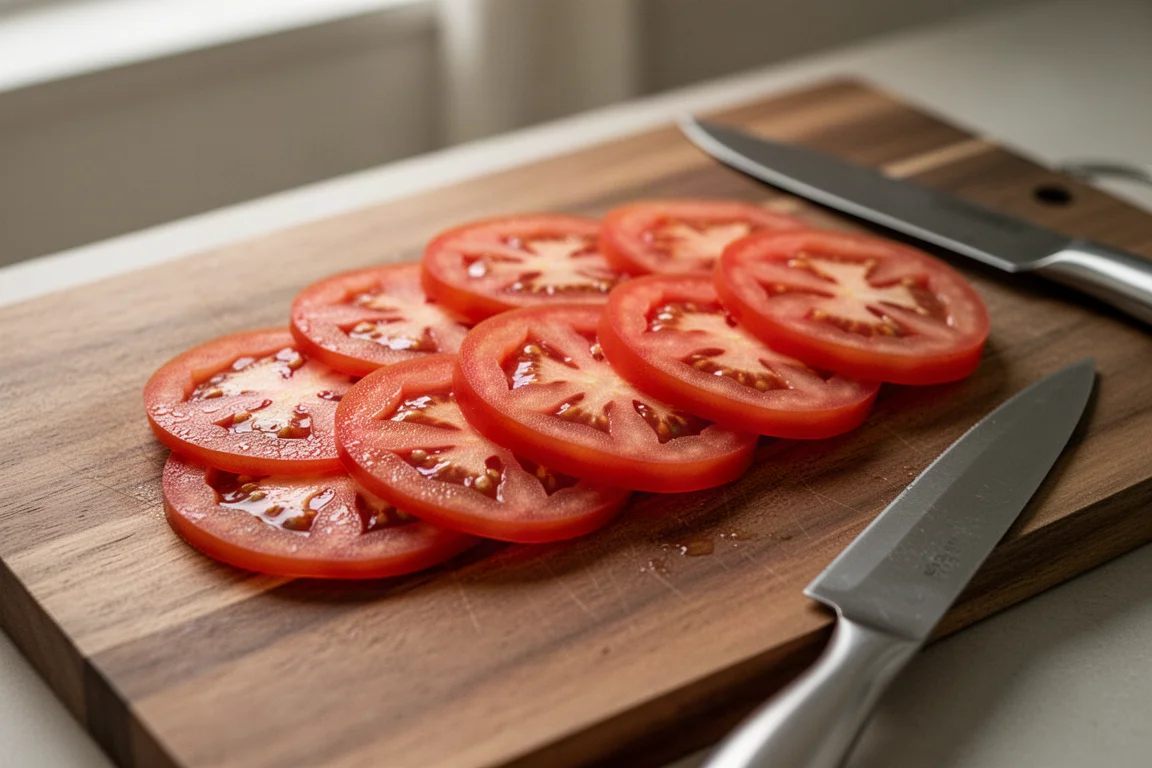
On paper cuts, the Tumbler edge was rough and tore rather than sliced cleanly. On a tomato, it grabbed the skin and could cut fairly thin slices, but it bounced off the skin in spots, especially near the tip. The whetstone knife cut consistently through the skin at every point along the edge and produced noticeably thinner slices.
The carrot test made the difference even clearer. The rough, bitey Tumbler edge released too much moisture and mashed the cuts, while the 1000-grit edge offered both bite and smoothness, with julienne slices that stayed put on the board instead of sliding away. The honing pad also underdelivered: visible scratches on the pad suggest it is softer than the knife steels it is meant to refine, so it does little to remove a burr on harder knives.
Which One Should You Buy
If you want a genuinely sharp kitchen knife and are willing to invest a small amount of learning time, the whetstone route wins clearly here. The full stone set costs around $130 US, or about $220 Canadian, and adding a leather strop brings it to roughly $160 US. A double-sided 220/1000 stone plus a flattening stone is another budget-friendly way in. Stones last a very long time and give you far more flexibility as your skills grow.
The Tumbler still has things going for it: it is easy to set up, it removes any guesswork about angle, and it produces a serviceable, if rough, edge in a few minutes. But it is not as effortless as advertised, the tip and taller knives are awkward, and the single coarse grit caps the final sharpness. The Tojiro Togi Grip, at around $17, turned out to be the better pair of training wheels by a wide margin, giving confident angles with none of the Tumbler’s limitations.
Conclusion
For anyone starting out, the combination of basic whetstones and the Tojiro Togi Grip delivered a sharper, smoother, more versatile result than the Tumbler, with the only real cost being a steeper initial learning curve. Read the instructions, watch a good technique guide, and the hour you spend on your first knife pays off on every knife after that.
Product link
View more details for Tumbler Rolling Knife Sharpener
This product is mentioned in the review. Check the specifications, options, and compatibility before buying.
View more details for Tumbler Rolling Knife SharpenerFurther reading
Related Reviews
Kitchen Knife Sharpening
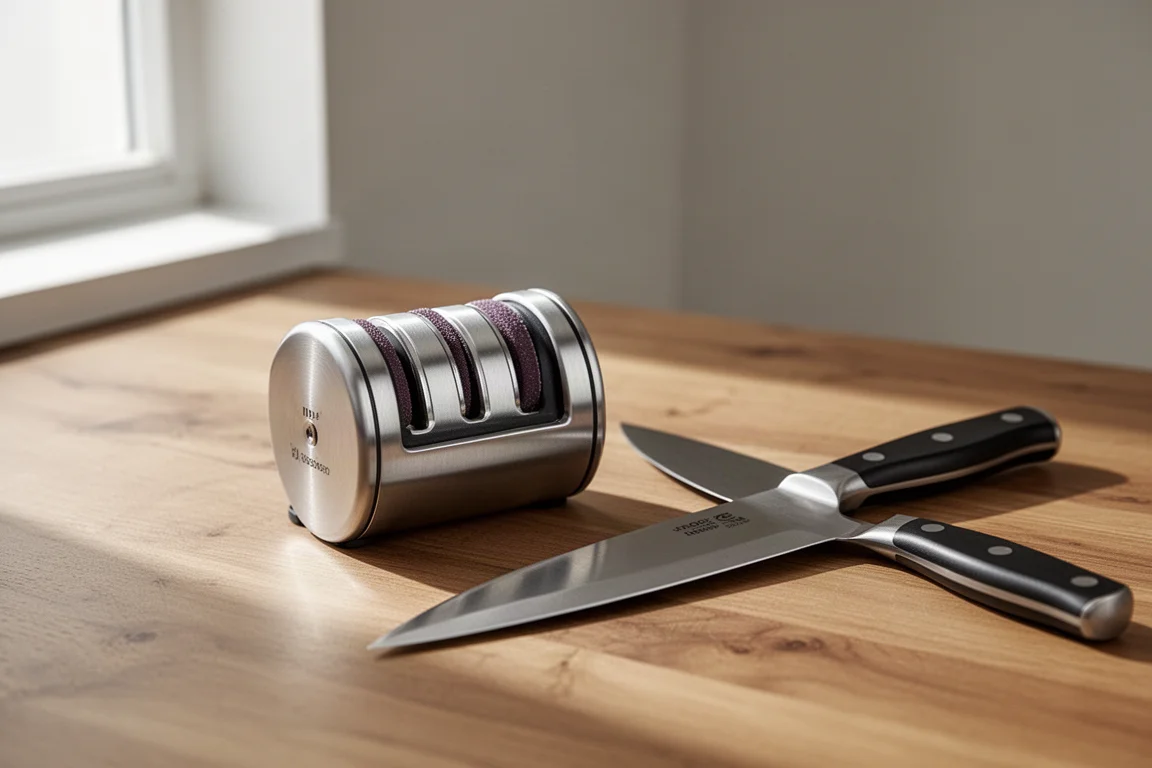
Horl Knife Sharpener Review: Rolling Sharpening Made Simple
A closer look at the original German-made rolling sharpener, how it compares to whetstones, and who it really suits.

Kitchen Tools
HORL Rolling Knife Sharpener Review: Beginner-Friendly Sharpening Without the Learning Curve
The HORL rolling knife sharpener delivers consistent results with minimal technique required. A practical alternative to whetstones for home cooks who want sharp knives without the maintenance hassle.
Kitchen Tools
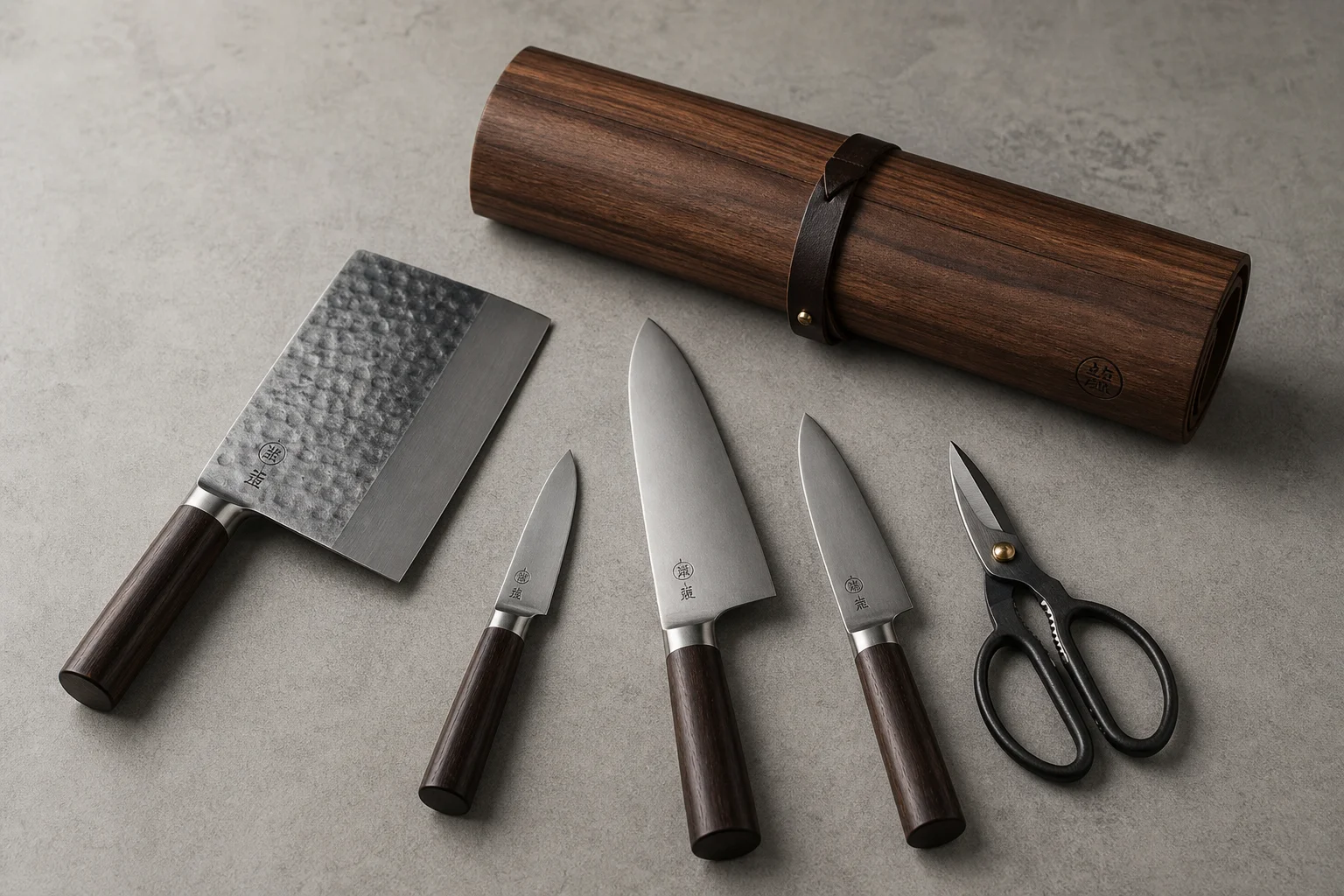
Professional Kitchen Tools: Essential Knives and Accessories Every Chef Carries
A practical guide to the knives, storage solutions, and specialized tools that professional chefs rely on daily, from carbon steel blades to budget-friendly finds.