Kitchen Tools
Professional Kitchen Tools: Essential Knives and Accessories Every Chef Carries
A practical guide to the knives, storage solutions, and specialized tools that professional chefs rely on daily, from carbon steel blades to budget-friendly finds.
Introduction
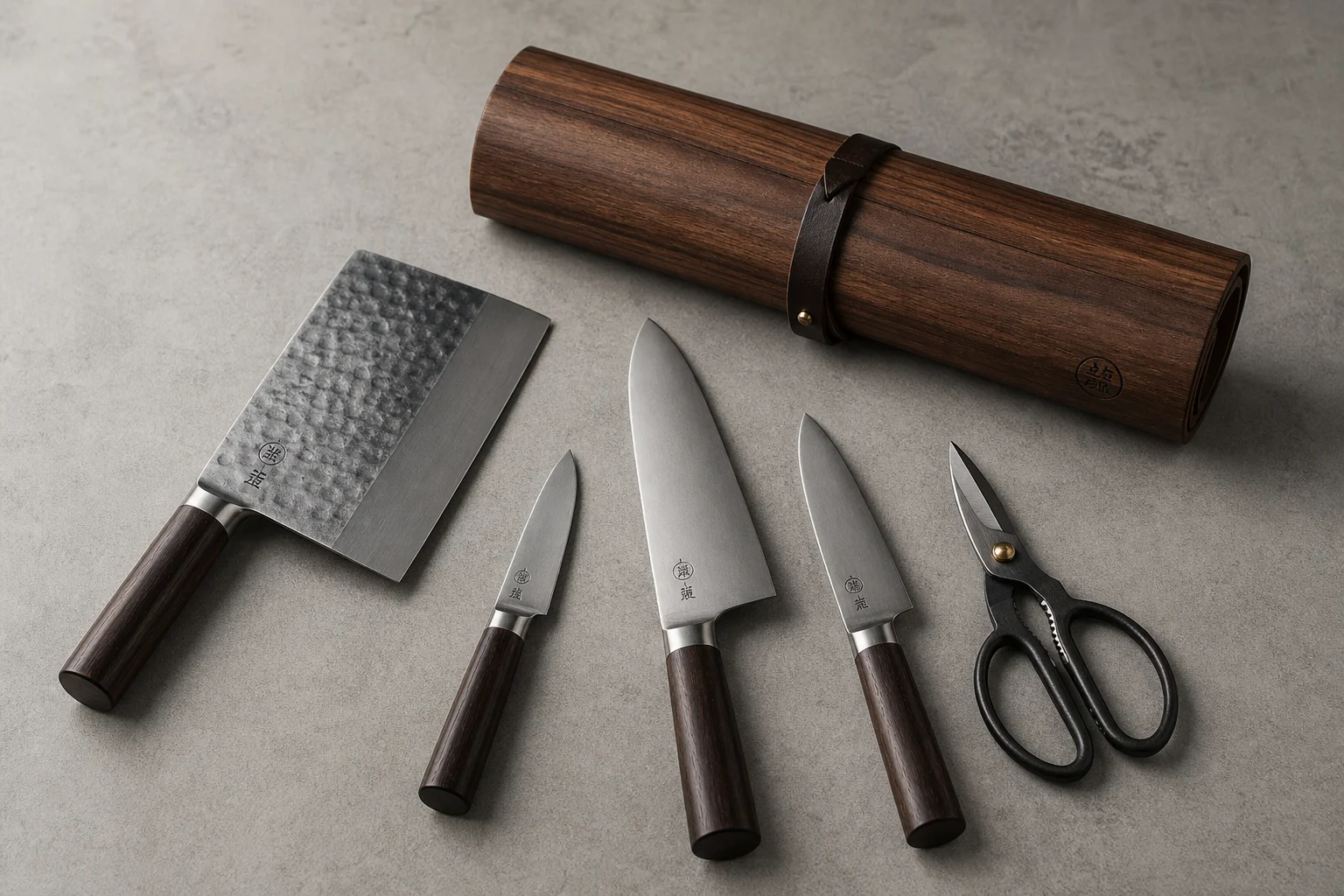
Professional chefs carry far more than a single knife. Their kits reflect years of experience, personal preference, and a balance between high-end investments and practical budget finds. Understanding what tools matter and why can help home cooks make smarter choices about their own kitchen setup.
Why Carbon Steel Matters
Carbon steel has become the material of choice for serious chefs because it holds an edge longer and is easier to maintain than stainless steel. The trade-off is that carbon steel develops a patina over time, which many chefs view as a sign of a well-used tool rather than a drawback.
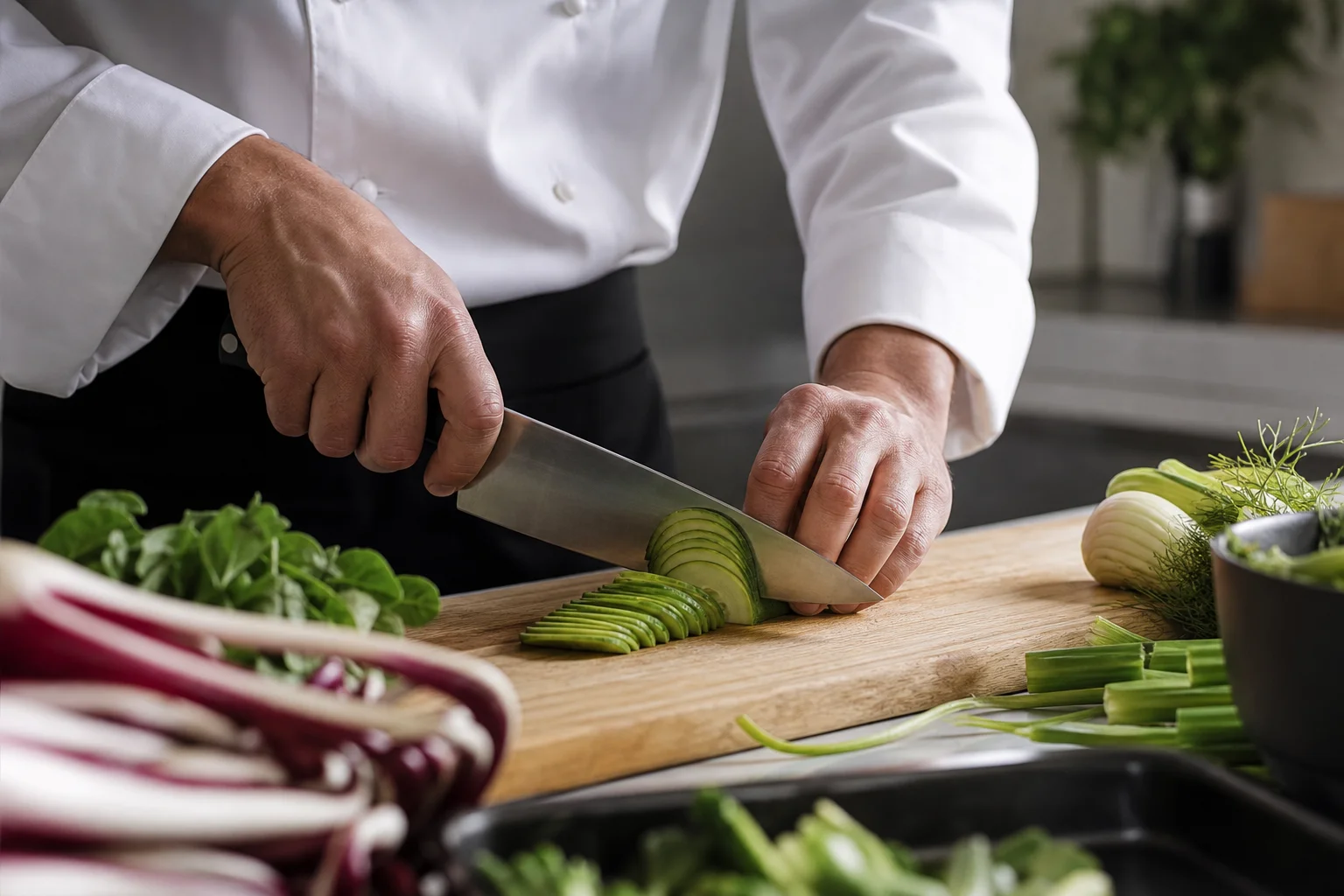
This durability and ease of maintenance make carbon steel knives a worthwhile investment for anyone who cooks regularly and is willing to hand-wash and dry their blades promptly.
The Chinese Cleaver: Versatility in One Blade
The CCK Chinese cleaver stands out as one of the most versatile tools in a professional kitchen. Beyond its primary role in cutting vegetables, it excels at smashing garlic, crushing aromatics, and even serving as a scooping surface to transfer ingredients from cutting board to pot.
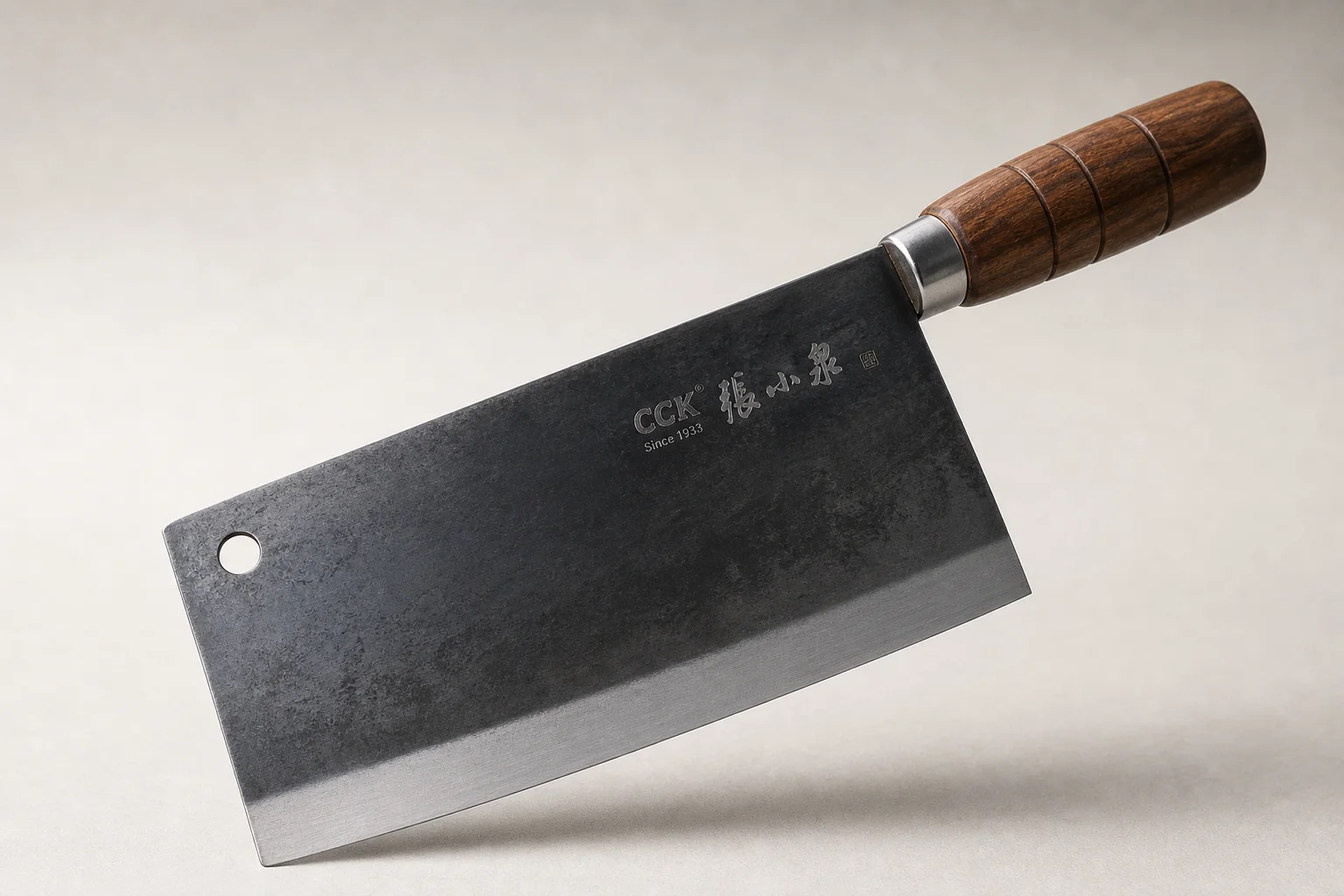
This single tool can replace several specialized implements, making it particularly valuable in tight kitchen spaces or for cooks who prefer to work with fewer, more capable tools.
Paring and Petty Knives for Detail Work
Smaller knives serve purposes that larger blades cannot. The Misono paring knife is favored by professionals for deboning and detailed work that requires precision and control. Petty knives, typically 4 to 6 inches long, fit into tight kitchen corners and handle delicate tasks like peeling garlic or ginger without the bulk of a full-sized chef’s knife.
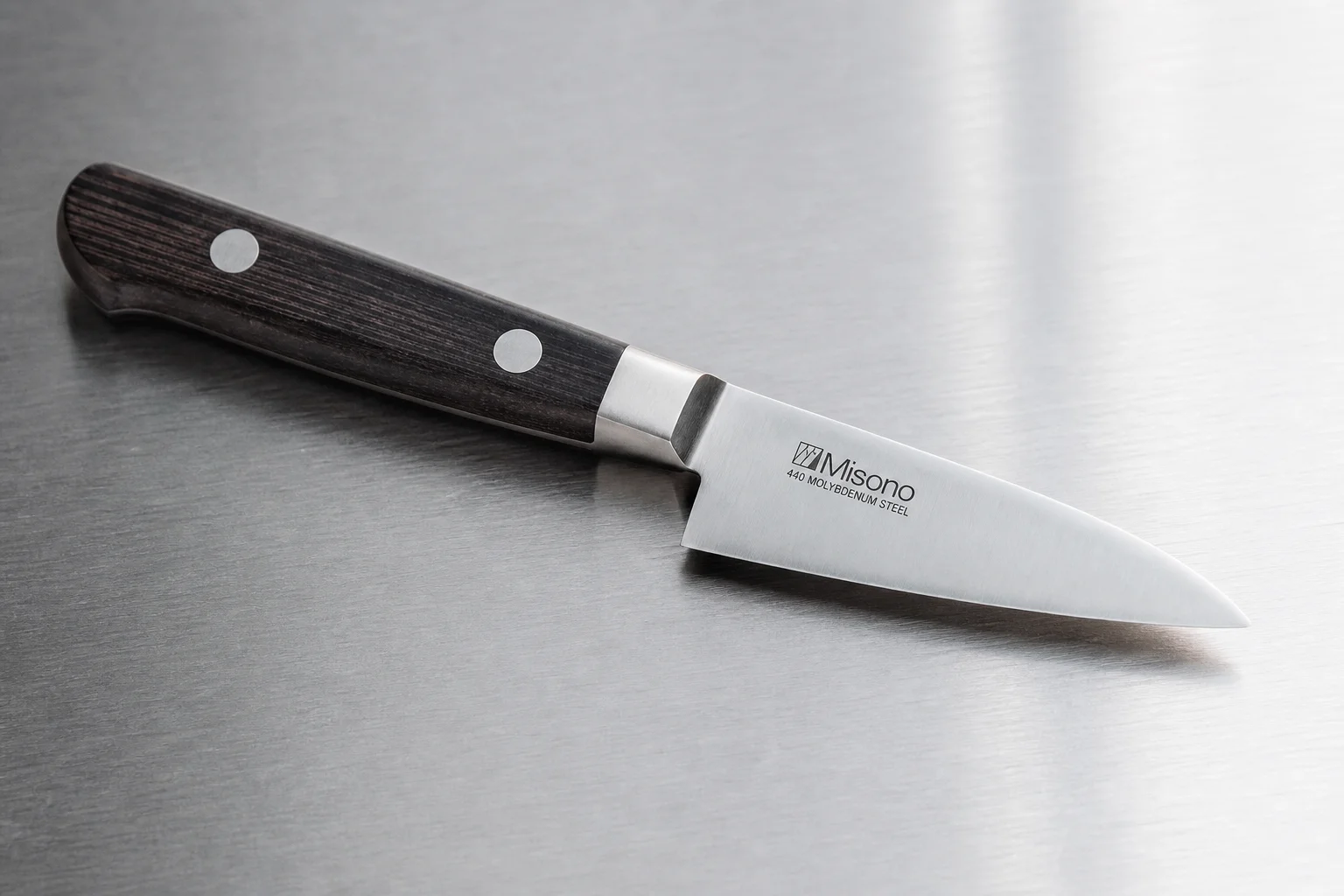
Many chefs balance high-end paring knives with budget finds, such as a five-dollar petty knife, reserving premium tools for tasks where precision truly matters.
The Workhorse Chef’s Knife
The Tsukiji Masamoto chef’s knife represents the practical middle ground: rugged, affordable, and reliable. While increasingly difficult to find as imports have slowed, it remains a favorite among chefs who prioritize function over prestige.
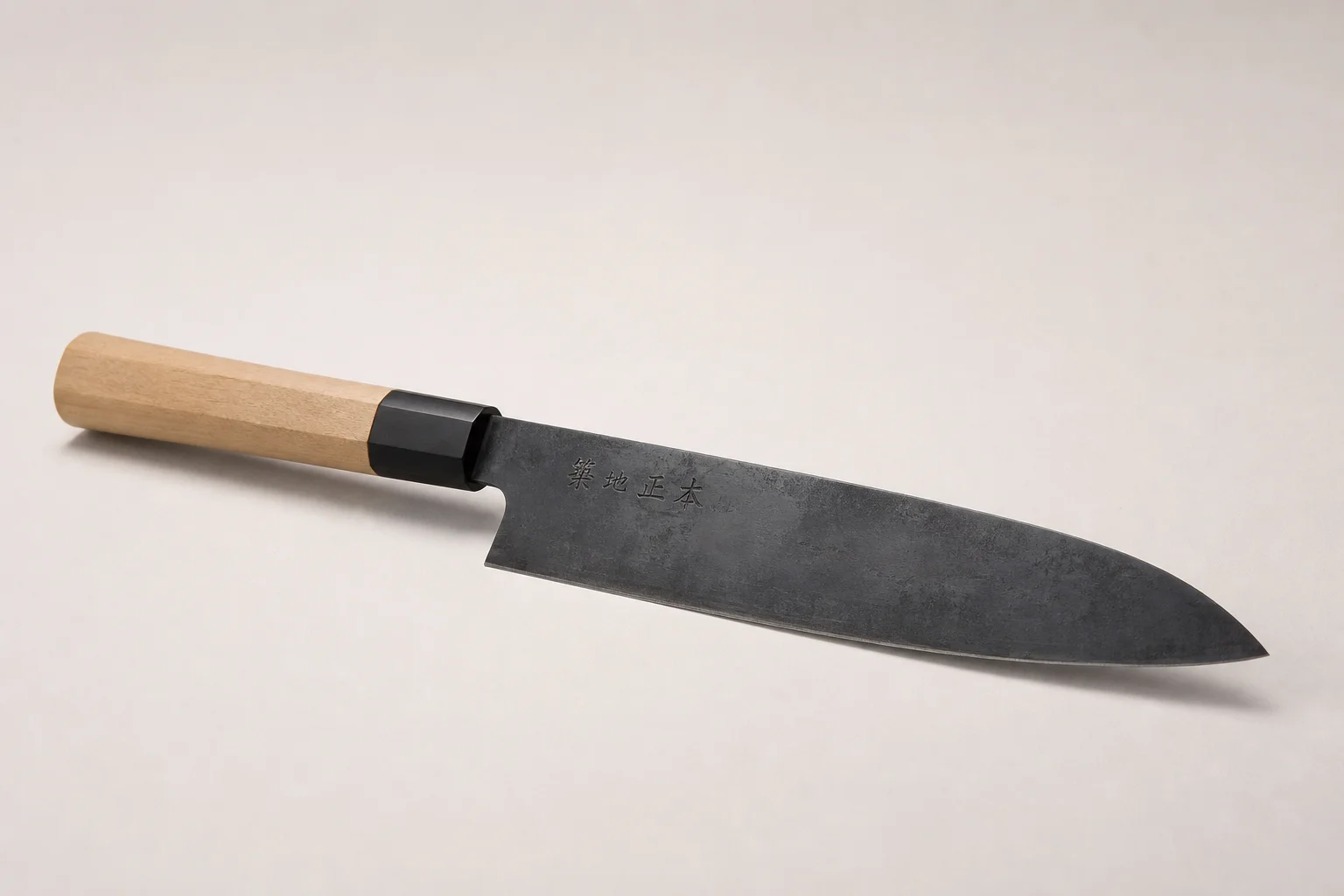
This knife suits cooks who want a capable all-purpose blade without the premium price tag of boutique makers.
Storage Solutions That Work
How knives are stored matters as much as the knives themselves. Traditional fabric rolls can become dirty and are difficult to clean, whereas shallow plastic fish tubs can be run through a dishwasher. Some chefs prefer DIY approaches, wrapping a towel with hockey tape to secure their tools.
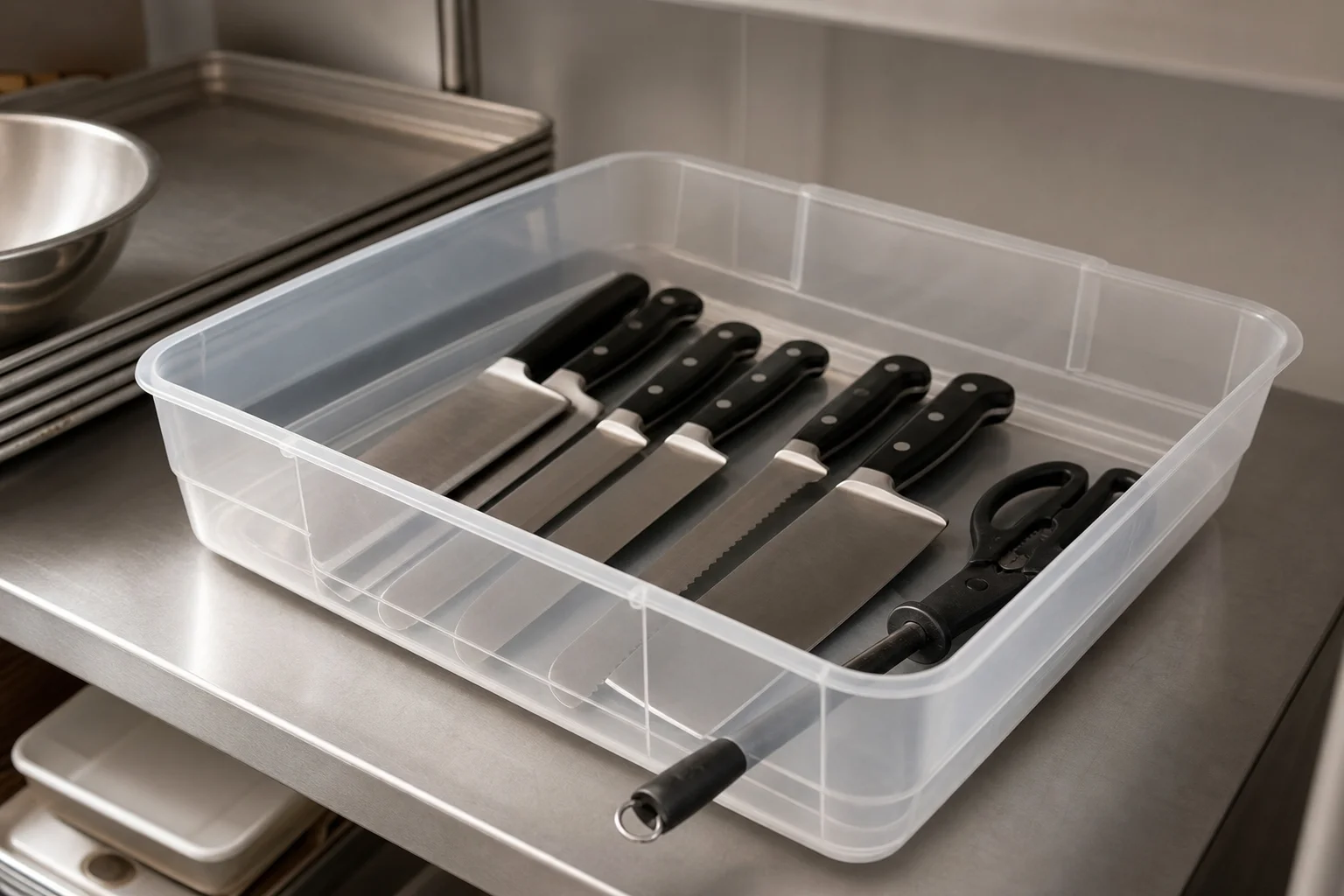
The choice of storage often reflects a kitchen’s culture and available space. Communal kitchens may favor inexpensive, easy-to-clean solutions, while personal collections often live in custom wooden sayas (knife sleeves) or leather bags.
The Opinel: A Reliable Street Knife
The Opinel knife, made in France, has earned a reputation as a dependable “street knife” and “work knife” that can last over 25 years with minimal maintenance. Its simplicity and durability make it a practical choice for chefs who need a reliable blade outside the formal kitchen.
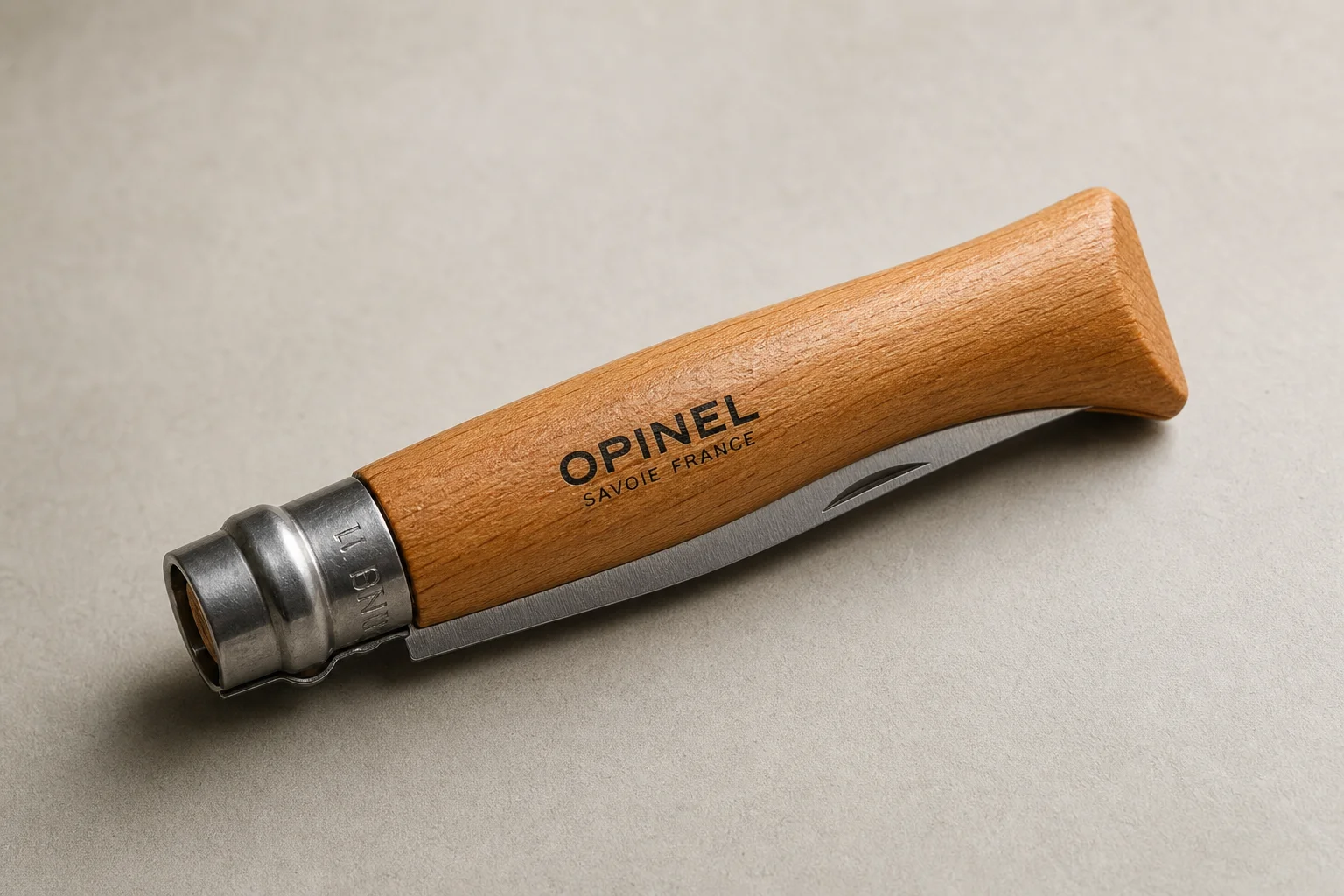
This tool appeals to cooks who value longevity and straightforward functionality over specialized features.
Tweezers, Spoons, and Plating Essentials
Tweezers are indispensable for plating and handling delicate ingredients without using hands. Professionals carry multiple types: sturdy tweezers for heavier items, thin tweezers for precision, and offset tweezers for specific plating angles.
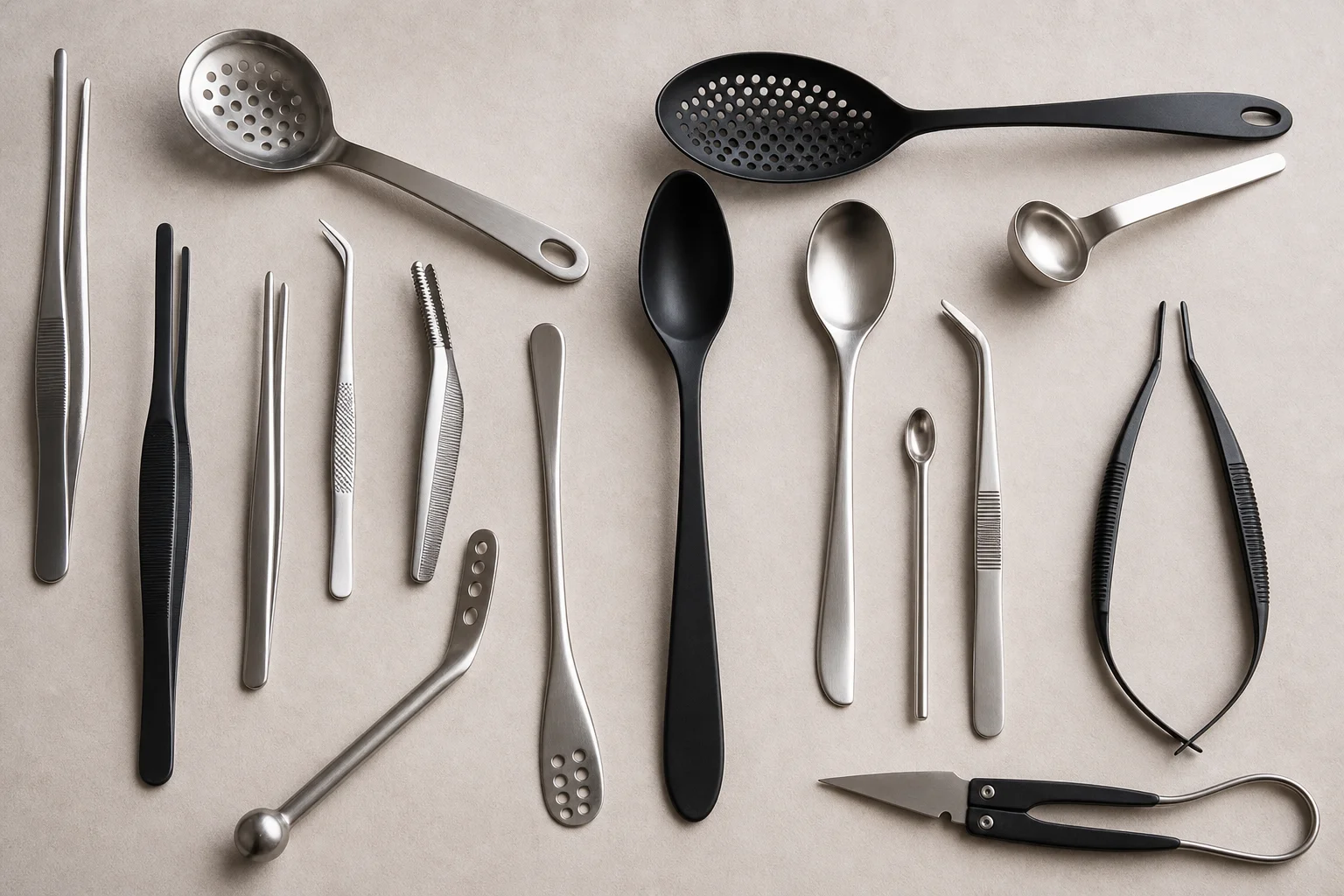
Spoons of various sizes and types, including slotted and tasting spoons, round out the essential kit. These tools allow chefs to taste, measure, and plate with control and consistency.
Specialized Tools for Specific Tasks
Beyond knives, professional kitchens rely on a range of specialized implements. Japanese-style can openers are prized for their durability and lifelong utility. Digital thermometers check internal temperatures during off-site events. Fish scalers, melon ballers, and peelers handle specific prep tasks.
Multiple zesters serve different purposes: one with a finer edge for limes (to avoid the pith) and a sharper one for lemons. Poultry shears cut through shellfish and fish bones cleanly. Cake testers, while designed for baking, also check vegetable tenderness and protein doneness by touching the metal to the lip.
Scissors and Cutting Tools
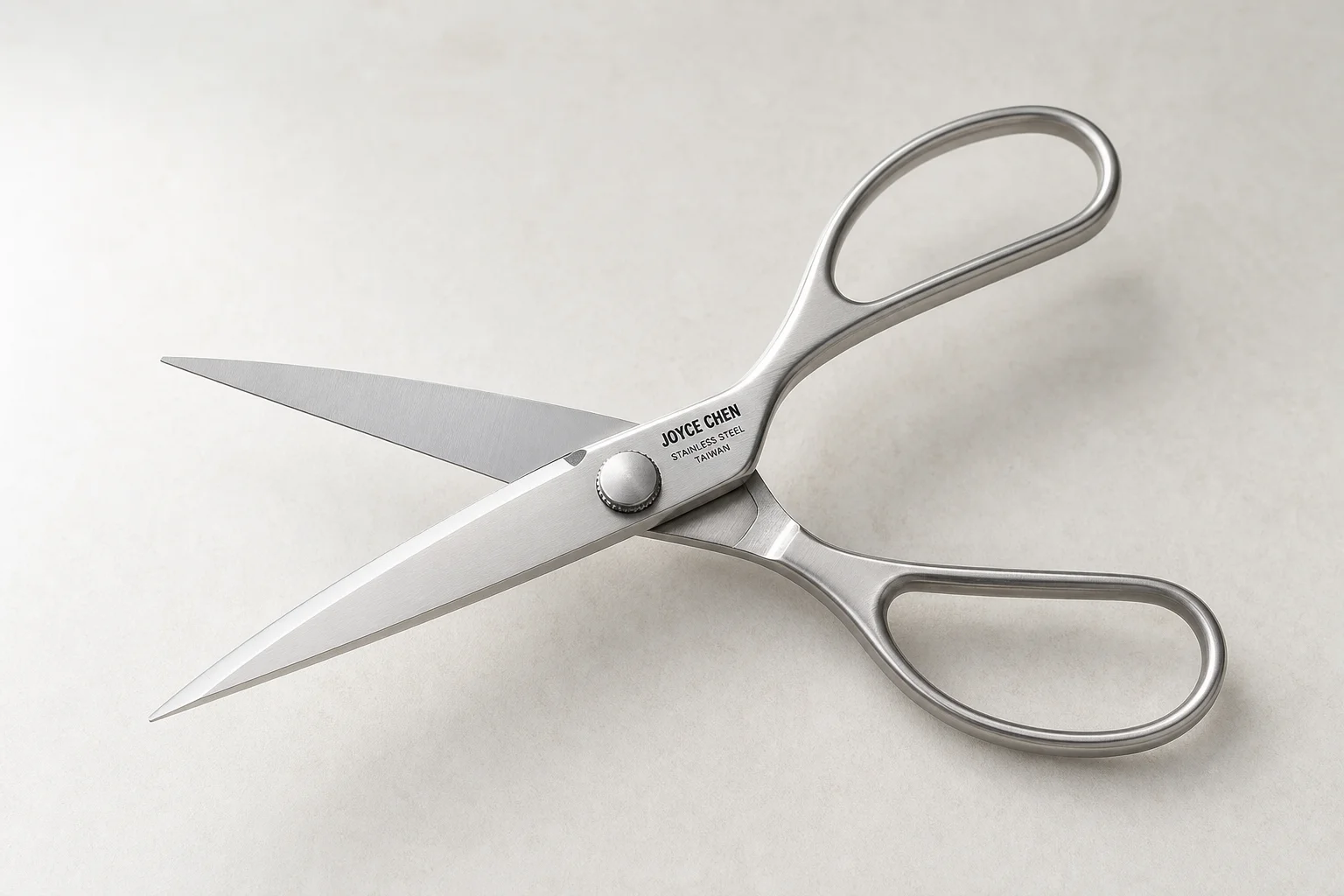
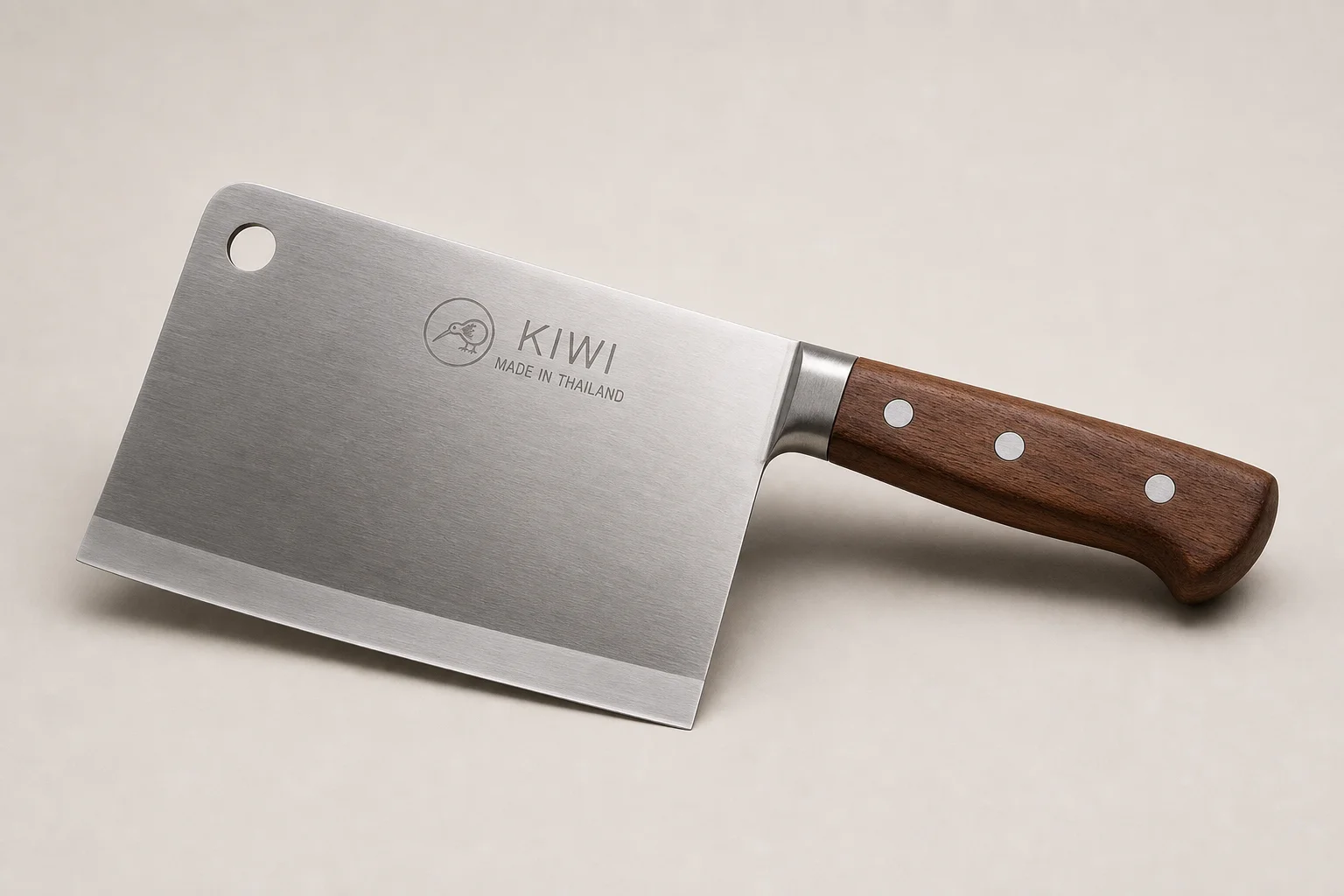
Joyce Chen scissors are specifically recommended for creating clean, sharp edges on masking tape used for labeling containers. In communal kitchens, Kiwi-brand cleavers are popular because their inexpensive metal is very easy to sharpen, making them ideal for shared environments where multiple users need reliable, low-maintenance tools.
Labeling and Organization Culture
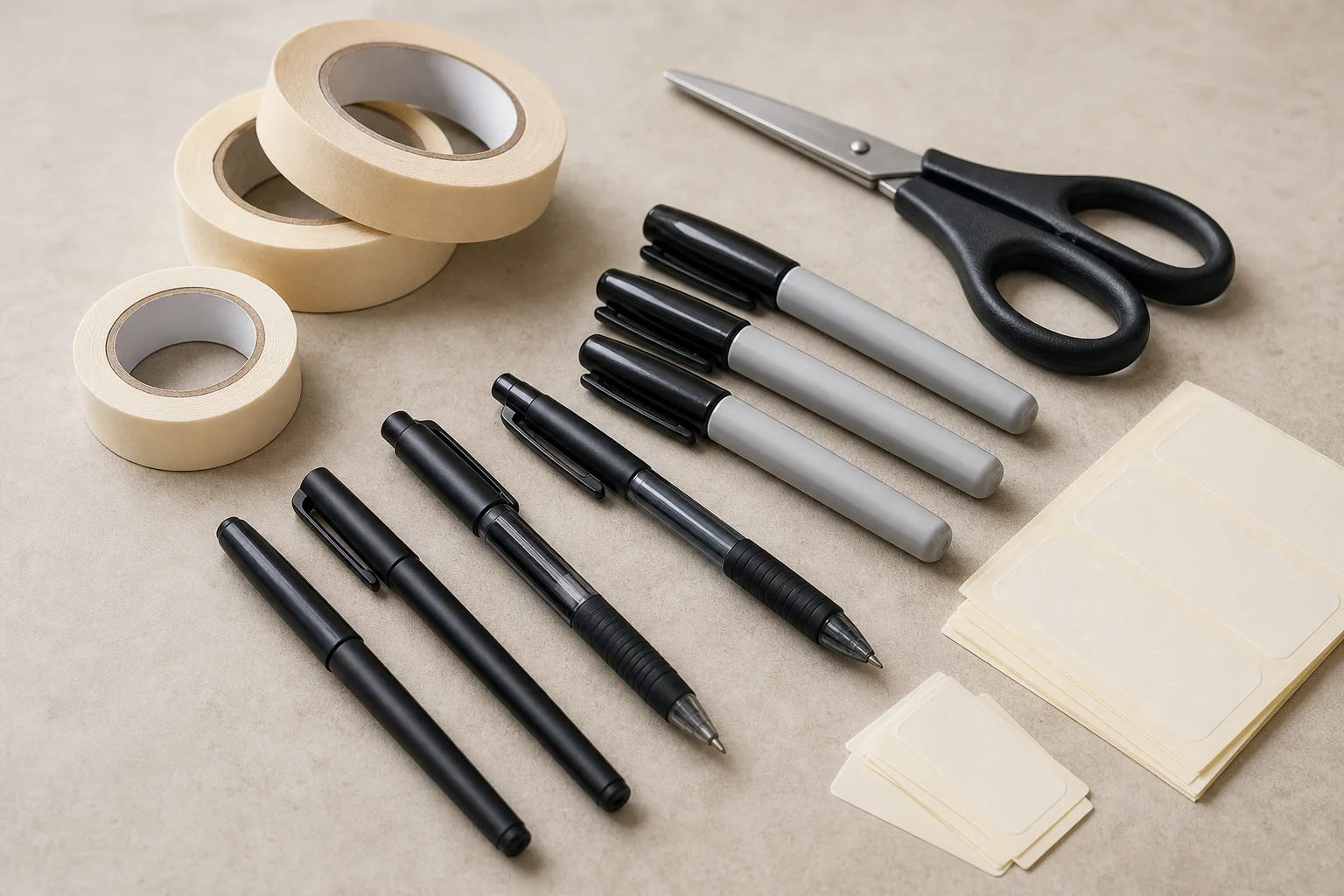
Labeling is a critical part of professional kitchen culture. Chefs always carry Sharpies and pens, and many insist on perfectly cut tape edges for a professional appearance. This attention to detail extends beyond aesthetics; clear labeling prevents cross-contamination and ensures food safety.
For pizza-specific work, a high-quality pizza cutter and even a Casio calculator watch (for computing baker’s percentages) are considered essential kit components.
Conclusion
Professional kitchen tools reflect a balance between investment and practicality. High-end carbon steel blades coexist with budget finds, specialized implements serve specific tasks, and storage solutions adapt to each kitchen’s needs. Whether you are building a personal collection or outfitting a professional space, the principles remain the same: choose tools that match your actual cooking tasks, invest in materials that last, and maintain them properly.
Further reading
Related Reviews
Kitchen Tools
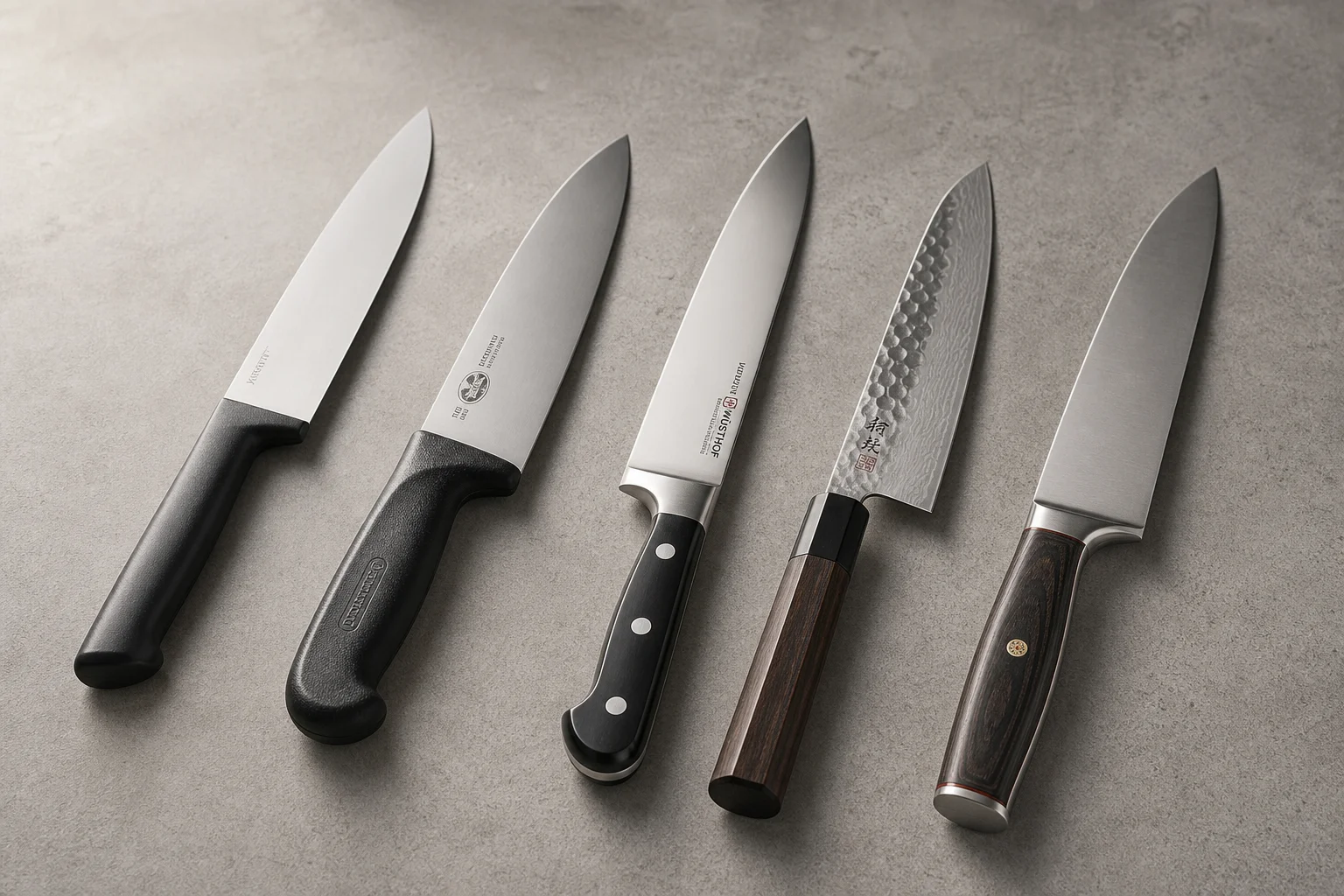
Amazon's Top-Rated Chef Knives Tested: Five Models from £11.50 to £200
We tested five of Amazon's highest-rated chef knives across sharpness, comfort, and versatility to see which delivers the best value and real-world performance.
Kitchen Tools
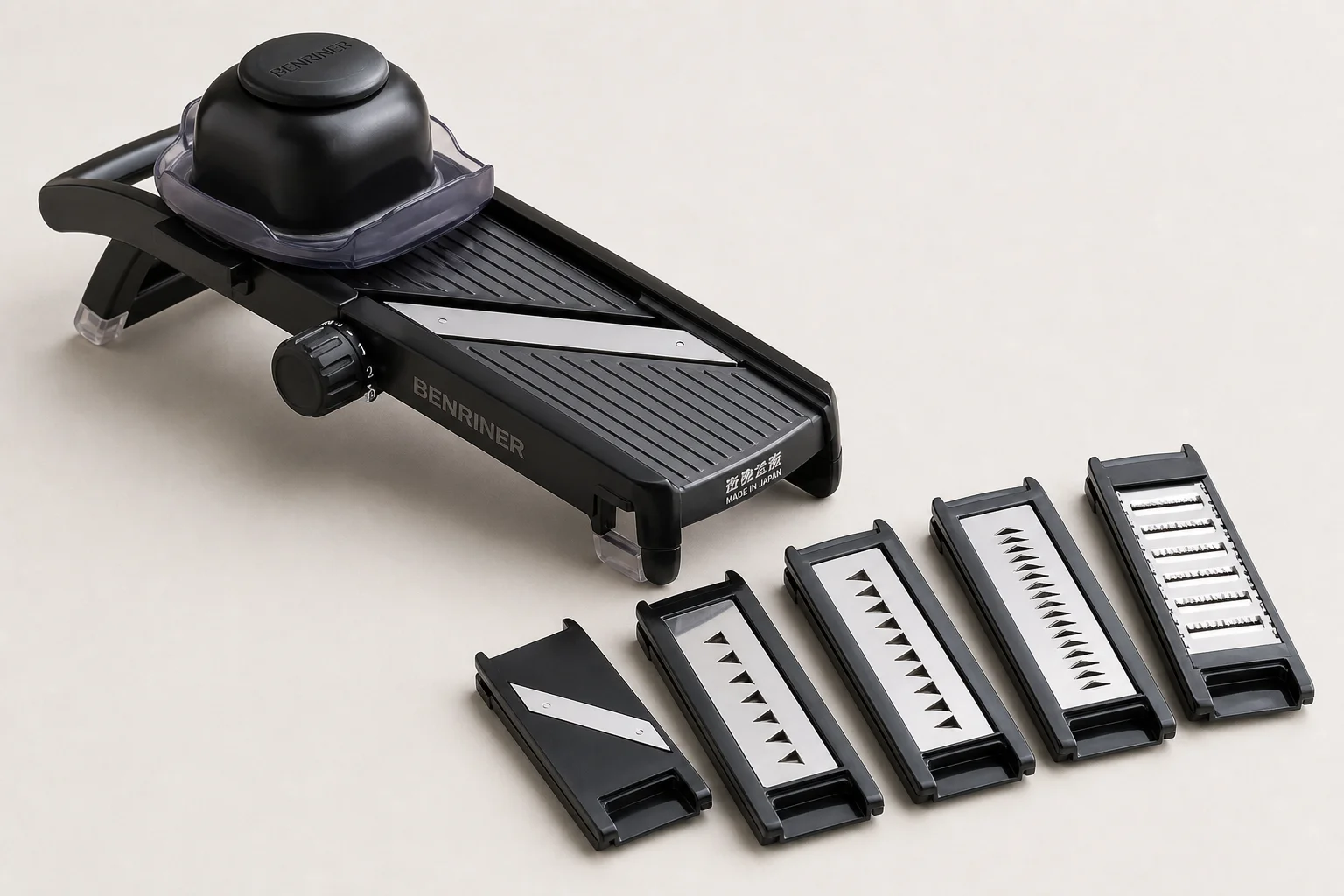
Benriner Japanese Mandoline Review: A Sharp Tool for Precise Vegetable Slicing
A practical guide to using a Japanese mandoline safely and effectively, with tips for achieving consistent, crisp results in the kitchen.
Kitchen Tools
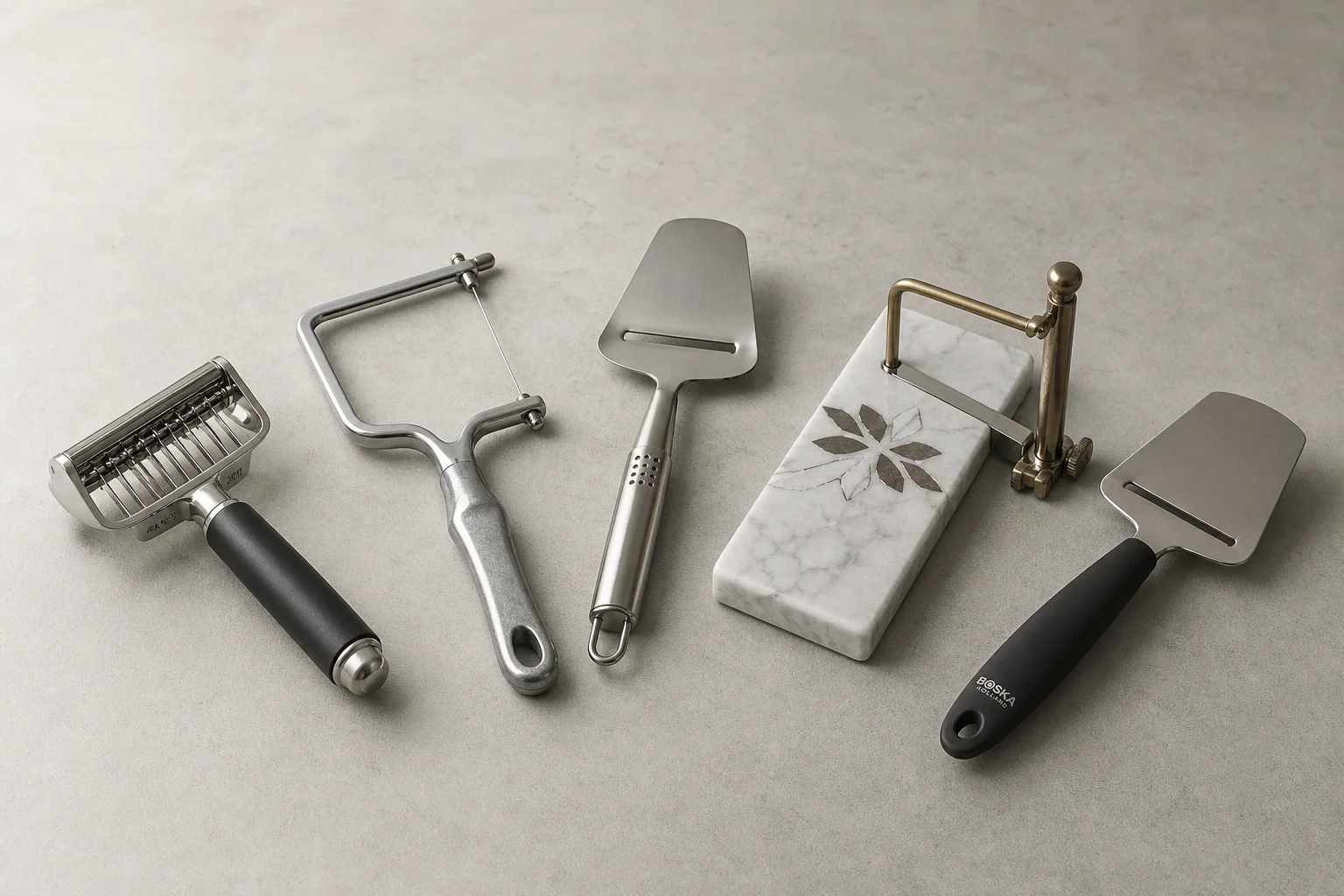
Best Cheese Slicers: Five Practical Options for Consistent Slicing
Five cheese slicers with different designs and features, from multi-blade versatility to wire-based precision, each suited to different kitchen needs and cheese types.