Road Bike Tires
Tubeless vs TPU Smart Tubes vs Butyl: Which Road Tire Setup Is Fastest?
A controlled rolling resistance comparison of tubeless, TPU smart tube and standard butyl setups, with real wattage numbers and practical buying advice.
Introduction
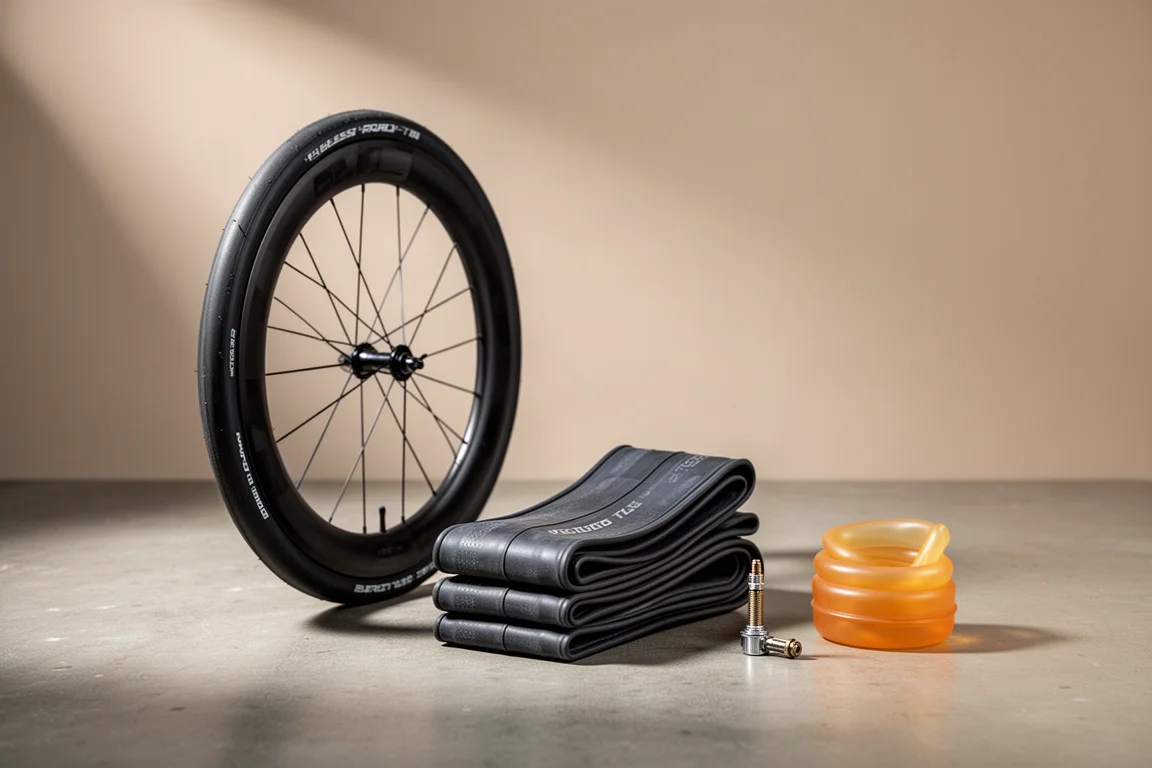
Road riders now have three realistic ways to inflate a tire: a standard butyl inner tube, a lightweight TPU tube, and a tubeless setup running sealant. All three work, but they do not all roll at the same speed.
To put real numbers on the difference, three setups were measured on the same wheel at the same pressure in a specialist sports engineering test facility, using Pirelli P0 Race TLR and P0 Race tires in a 28c size. The results are close enough in places to be surprising, and they point to a clear recommendation depending on how you ride.
How the Rolling Resistance Comparison Was Set Up
Fair testing starts with identical conditions. Every setup used the same front wheel, the same 6 bar pressure and the same 28c tire size. The tubeless runs used the P0 Race TLR with Pirelli’s updated SpeedCore casing, while both clincher runs used the P0 Race tire, one with a standard butyl tube and one with a Pirelli Smart Tube. Pirelli’s own sealant was used for the tubeless setup.
The wheels were prepared in advance and left in the facility for over 48 hours so they were fully acclimatised to the environment. Each tire then went through a 10 minute warm-up cycle on the rig before being measured at 25 km/h and 40 km/h, three times per speed, with sidewall temperature and ambient temperature monitored throughout.
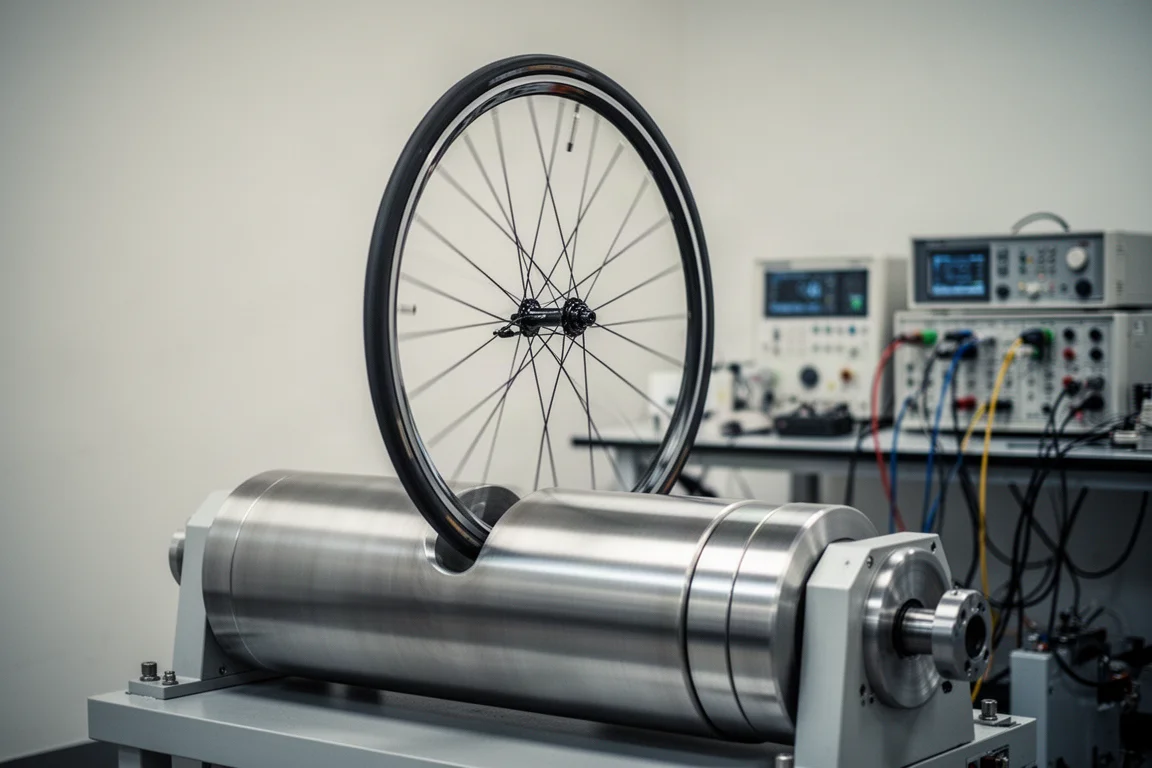
That level of repetition matters, because rolling resistance differences of a single watt are easy to lose in a sloppy test. Running each setup three times at two speeds produces numbers that hold up to scrutiny.
Pirelli P0 Race TLR: The Fastest Tubeless Setup
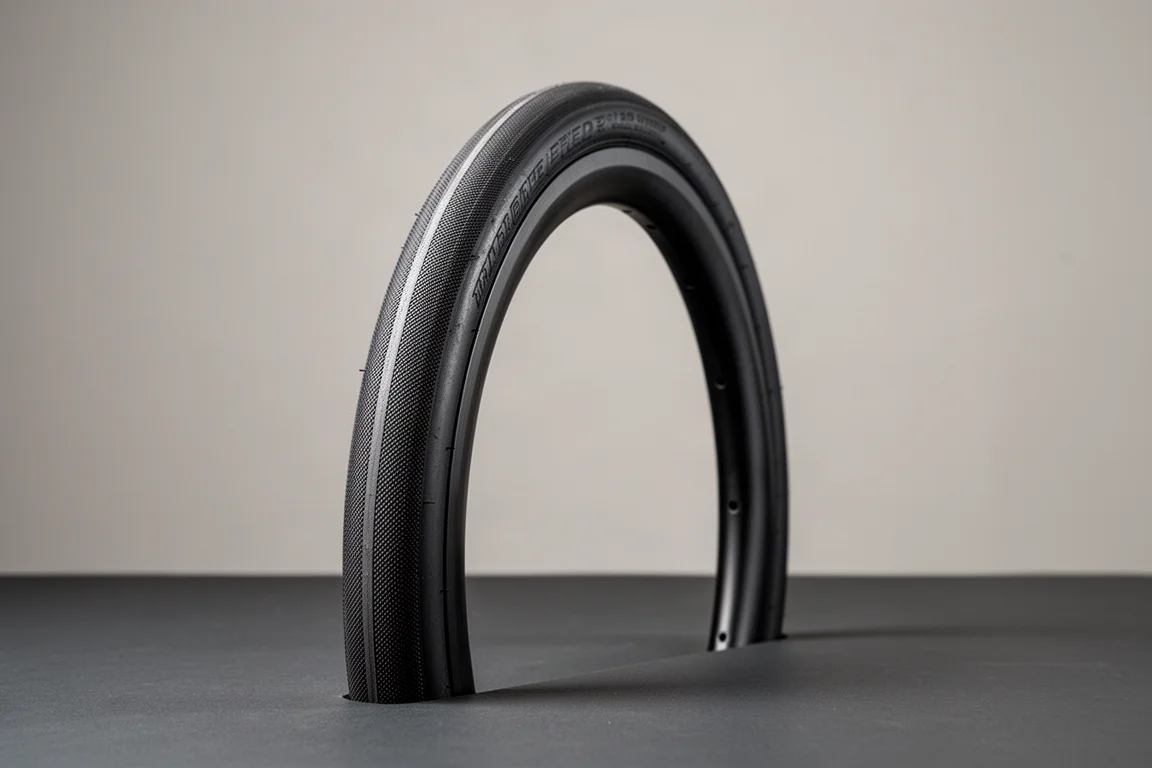
The tubeless P0 Race TLR posted the lowest figures of the day: 11.2 watts at 25 km/h and 20.88 watts at 40 km/h. Against a standard butyl tube that is a saving of well over 3 watts per wheel, and it edges the Smart Tube setup by about a third of a watt at 40 km/h.
It also measured the widest of the three at 28.4 mm across the wheel, even though every tire was nominally 28c. A larger contact patch translates into more grip and more comfort, which is exactly what you want when you are pushing through corners or riding rough tarmac.
Pirelli claims the updated SpeedCore casing reduces rolling resistance, and the casing also includes puncture protection. Because the setup runs sealant, a small puncture should seal while you keep riding instead of forcing a roadside stop. These tires sit at the top of Pirelli’s road race range, are made in the brand’s factory in Milan, and are raced at the highest level of the sport.
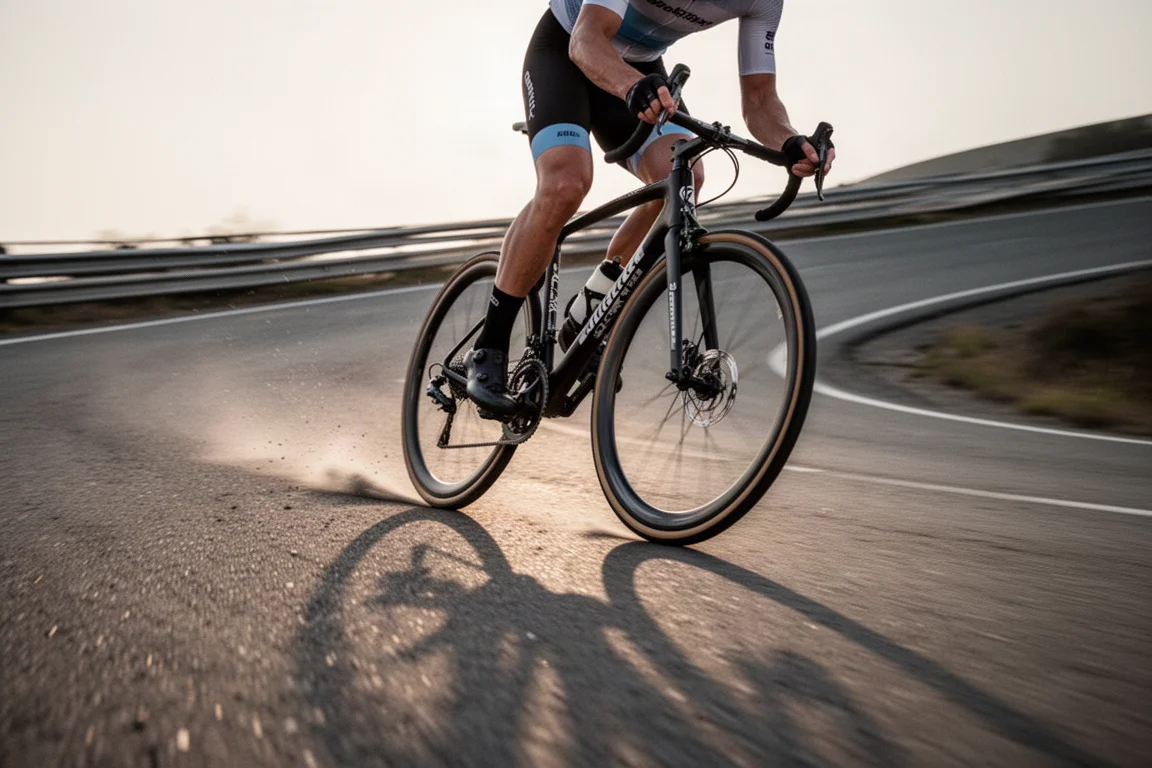
Tubeless also allows lower pressures, which cuts the amount of feedback coming through the bike. Less vibration means less fatigue over a long ride, and a fresher rider can hold power for longer.
Pirelli P0 Race: Clincher Speed With the Right Inner Tube
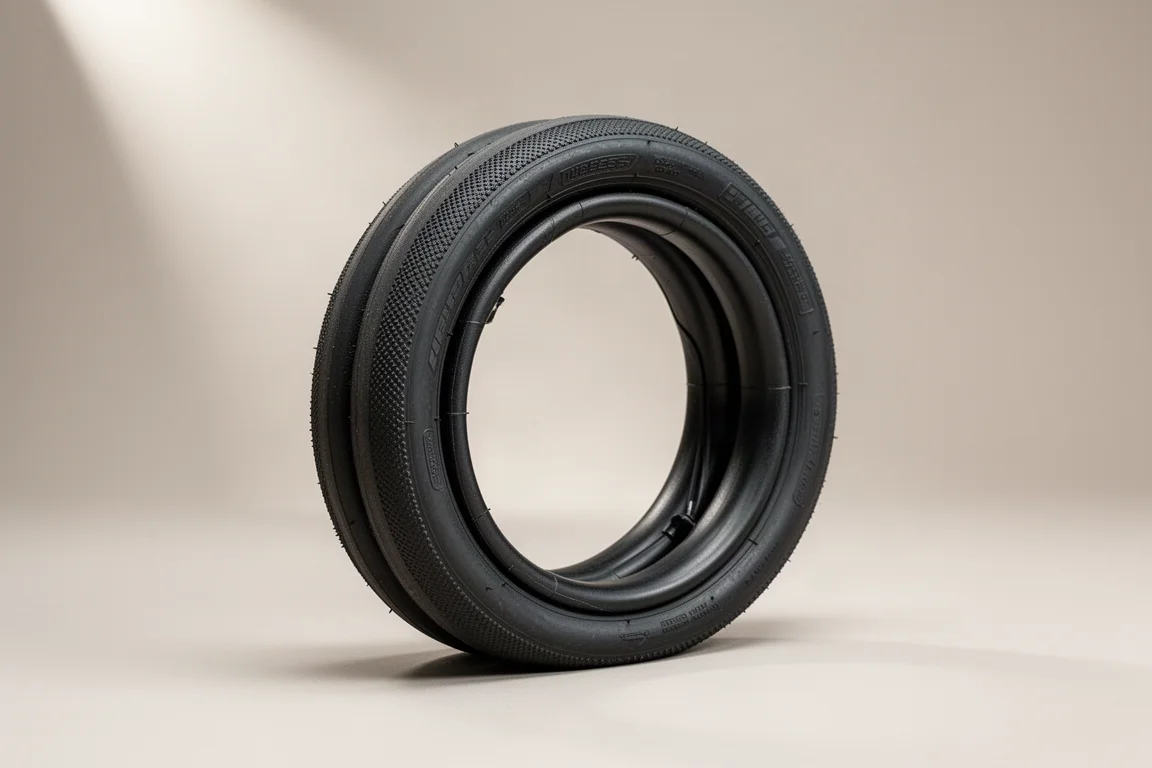
The P0 Race is the clincher tire used for both tube-based setups, and it shows how much the tube underneath matters. With a standard butyl tube it recorded 12.8 watts at 25 km/h and 24 watts at 40 km/h, the highest rolling resistance of the three setups. Swapping in a Pirelli Smart Tube dropped the same tire to 11.38 watts and 21.2 watts.
That is the useful takeaway for anyone who prefers clinchers: the tire is capable of near-tubeless numbers, but only when it is paired with a light tube. Both tube-based setups measured 27.7 mm across the wheel.
Pirelli Smart Tubes: Lightweight TPU Speed
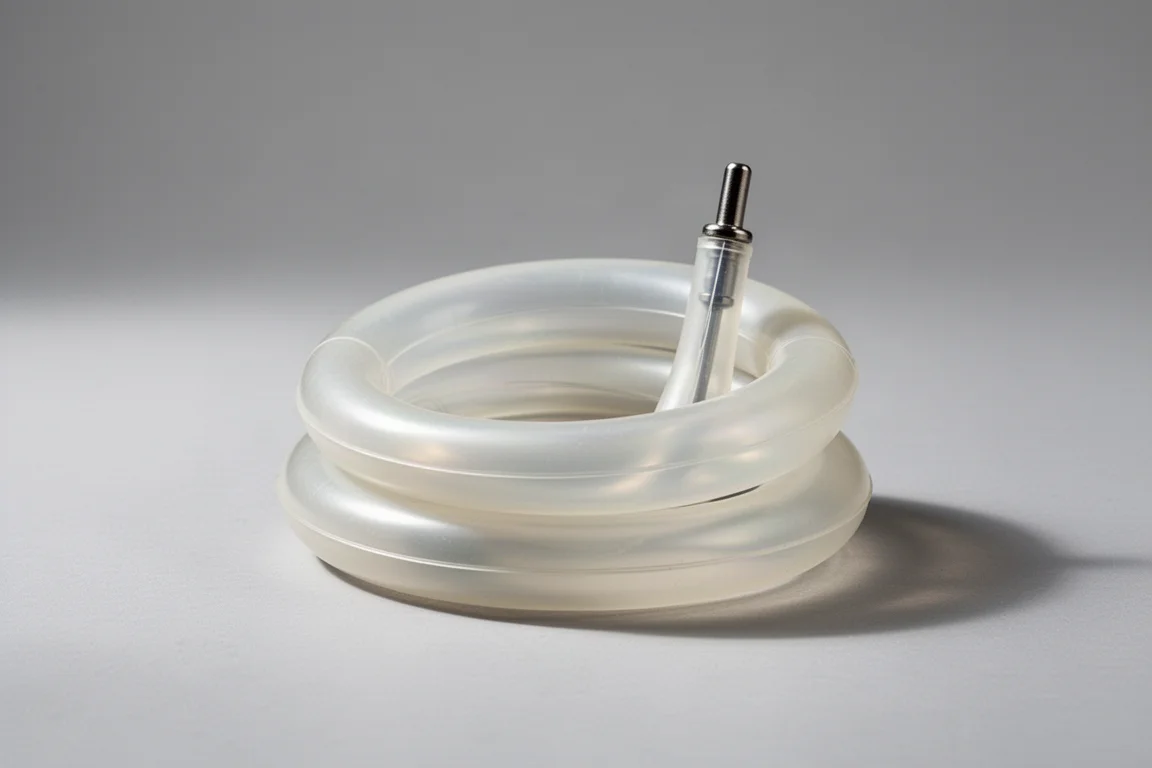
Weight is where Smart Tubes make their clearest case. A standard butyl tube generally comes in at around 100 grams, while a Smart Tube is roughly 35 grams. That is a meaningful reduction, and because the saving sits right at the rim it helps the wheel accelerate faster, which is noticeable when you attack a climb or jump for a sprint.
The rolling resistance numbers back up the weight story. The Smart Tube setup cut resistance by nearly 3 watts per wheel compared with butyl at 40 km/h, and it came within a third of a watt of the tubeless setup at the same speed. In practice that makes a TPU tube the simplest way to speed up an existing clincher wheel without changing rims.
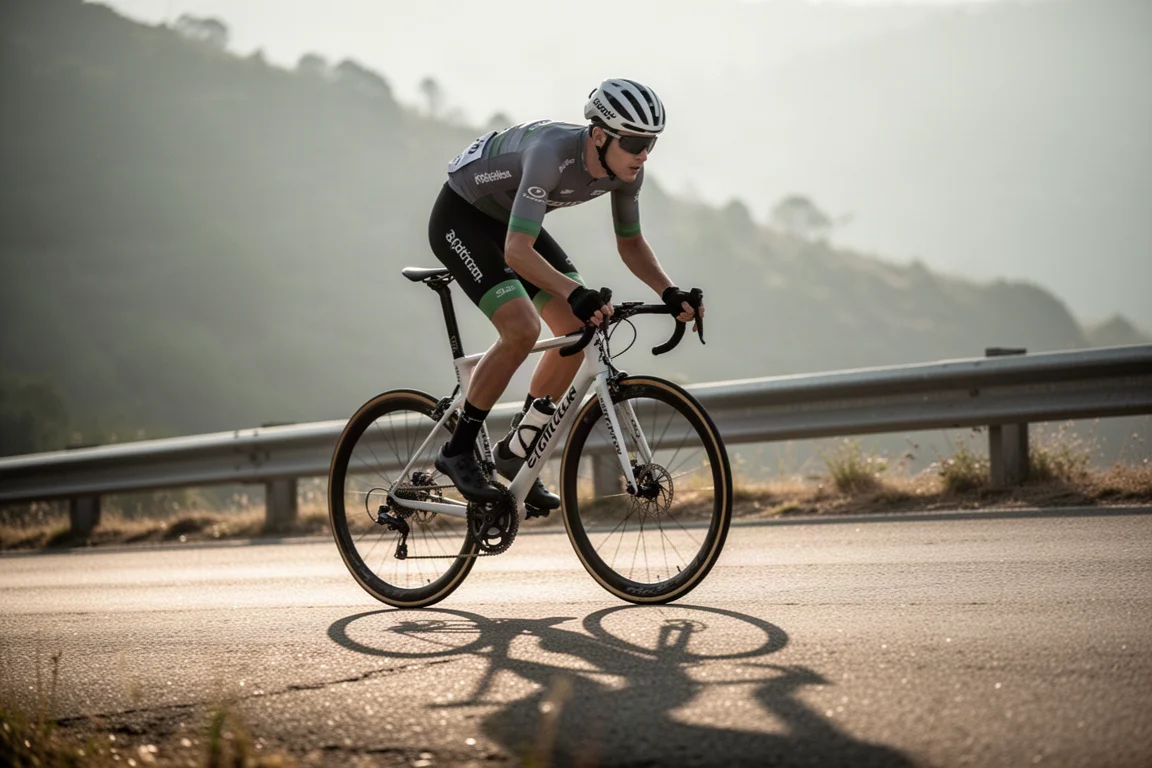
There is one practical limit worth keeping in mind. A tubeless setup can seal a puncture with sealant, while a tube setup may still require you to stop and make a repair at the roadside.
Weight, Width and Puncture Protection
Three factors beyond raw rolling resistance shape how a setup feels on the road. Weight at the rim affects acceleration. Contact patch affects grip and comfort. Puncture behaviour decides whether a ride ends early.
The numbers here line up neatly. The tubeless setup was both the fastest and the widest at 28.4 mm, so it delivered the lowest resistance and the largest contact patch at the same time. The two tube setups measured 27.7 mm, and the Smart Tube version was also the lighter of the two by a wide margin.
Sealant adds a little weight back: a 40 ml bottle comes in at around 45 grams. Even so, the tubeless setup keeps its speed advantage, and the sealant is what allows a small puncture to seal without a stop. The P0 Race tires carry Pirelli’s SpeedCore technology, which the brand describes as combining fast rolling with puncture protection.
Buying Advice: Choosing the Right Road Tire Setup
If outright speed is the goal, the P0 Race TLR is the clear pick. It rolled fastest in the test, measured widest, and its sealant gives it the best chance of surviving a puncture without a stop.
If you want to stay on clinchers, the P0 Race with Smart Tubes is the smart compromise. It is nearly as fast as tubeless at 40 km/h, it is significantly lighter than a butyl setup, and it keeps the simplicity of a standard tube installation.
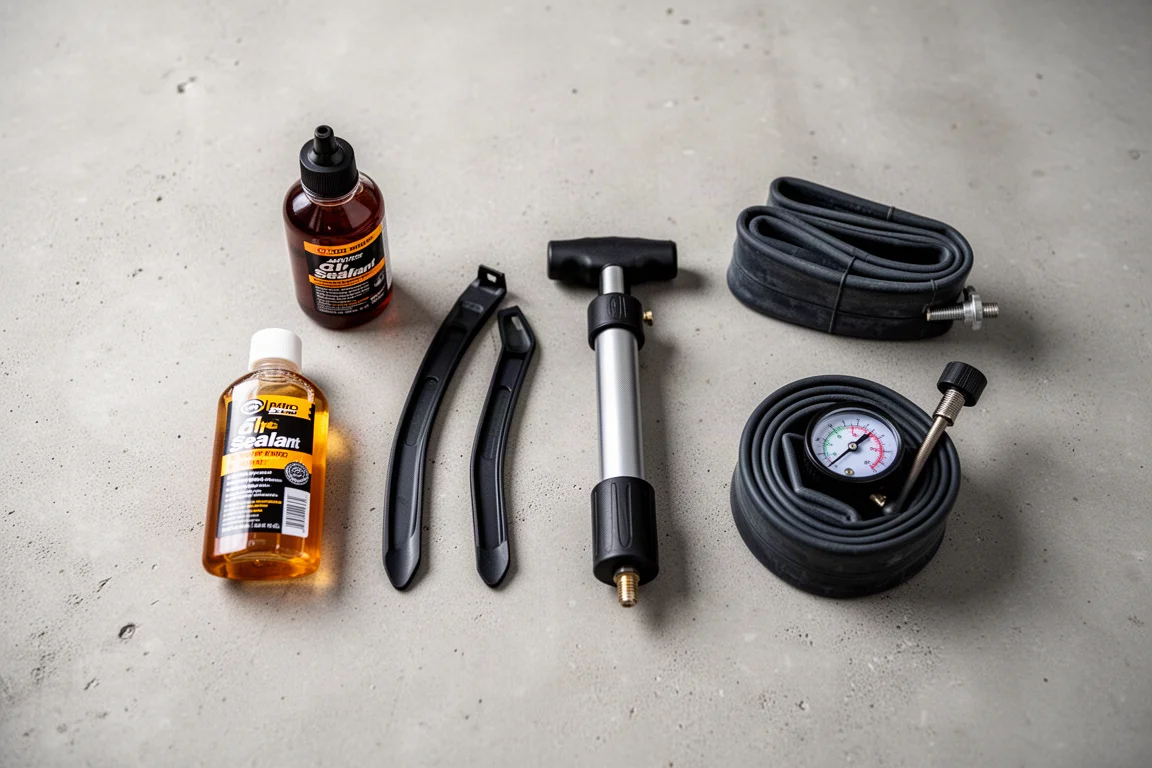
A standard butyl tube still has a place. It remains the most convenient and cost-effective way to get a road wheel rolling, and for training miles, spare wheels or a bike that sits in the garage for weeks at a time, that convenience is worth more than a couple of watts. The choice comes down to how much you value speed against how much you value simplicity.
Conclusion
The comparison made the hierarchy clear. A butyl tube is the slowest of the three but the easiest to live with. A Smart Tube closes most of the gap to tubeless while cutting a lot of rotating weight. The P0 Race TLR remains the fastest option, with the widest contact patch and the reassurance of sealant. Match the setup to how you actually ride and you will not go far wrong.
Further reading
Related Reviews
Road Bike Tires
Best Budget Road Bike Tires 2026: Nine 25c Tires Tested for Rolling Resistance
Nine budget road tires, all 25c and mostly around £20, went through the same rolling resistance protocol. Here is what the numbers say and which tire suits which rider.
Road Bike Tires
Best Road Bike Tires 2026: Six Options Tested From Budget to Premium
Six road tires across a wide price spread, from around £20 to £92, compared in real-world timed runs on wet roads to see what extra money actually buys.
Road Bike Tires
Best Road Bike Tires Compared: Continental GP 5000 S TR vs Vittoria Corsa Pro vs Pirelli P Zero Race RS
A back-to-back comparison of three 30 mm tubeless road tires, covering timed speed results, cornering feel, ride quality, and which one suits which rider.