Motorcycle Tires
Tube vs Tubeless Tires: A Royal Enfield Meteor 350 Comparison
Exploring the practical differences between tube and tubeless tire setups, with real-world insights from upgrading a Royal Enfield Meteor 350 from spoked wheels to alloy rims.
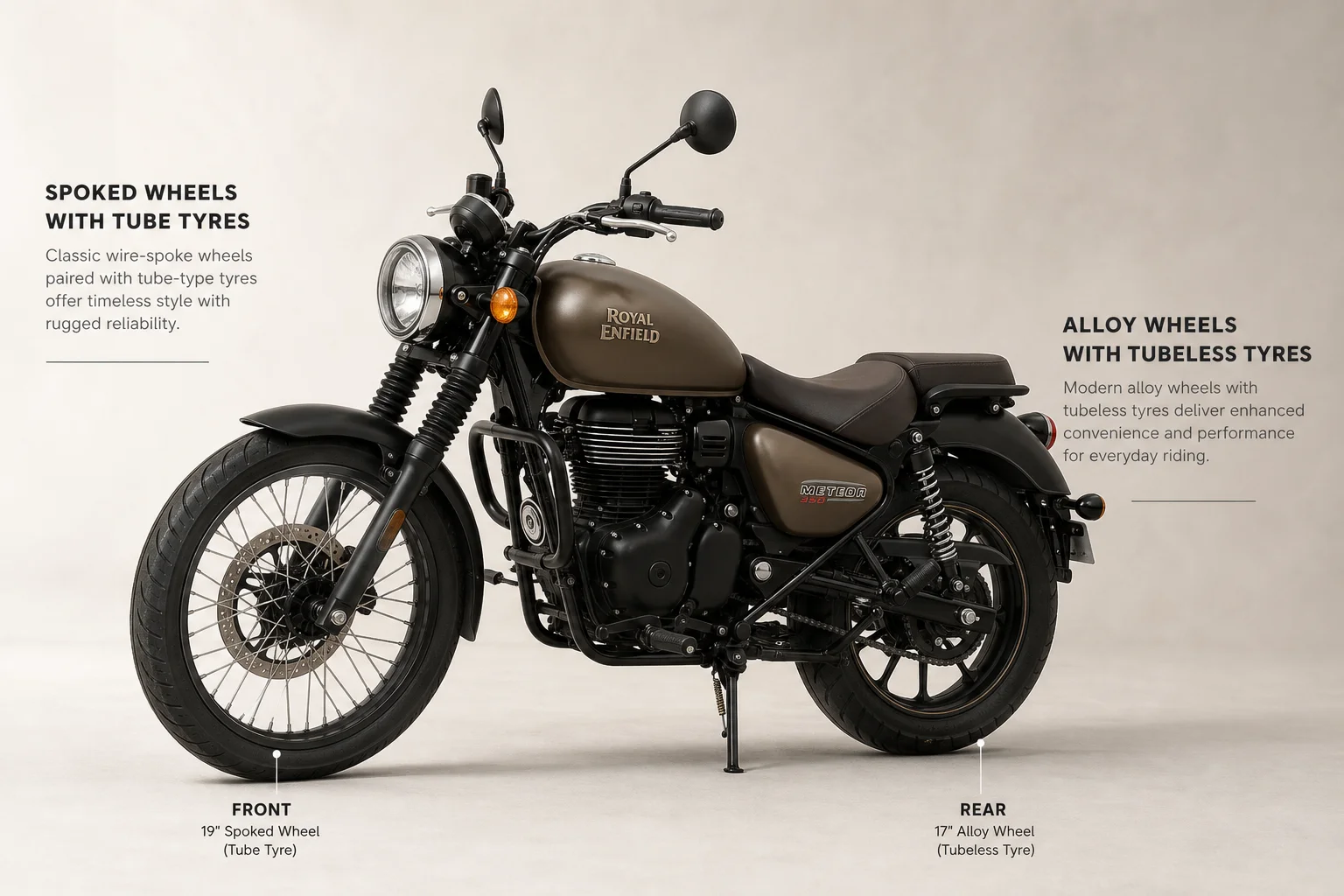
Introduction
The choice between tube and tubeless tires is one of the most practical decisions a motorcycle rider faces. Each system has genuine strengths and real trade-offs that affect safety, maintenance, and riding experience. This comparison draws from hands-on experience upgrading a Royal Enfield Meteor 350 from the stock spoked wheels with tube tires to modern alloy rims with tubeless setup, using Bridgestone BT46 tires on both configurations.
Understanding Tube Tires
Tube tires remain the standard on many classic and adventure motorcycles, particularly those with spoked wheels. The appeal starts with cost: tube tire setups are generally cheaper to produce and purchase than the precision-engineered alloy rims required for tubeless systems.
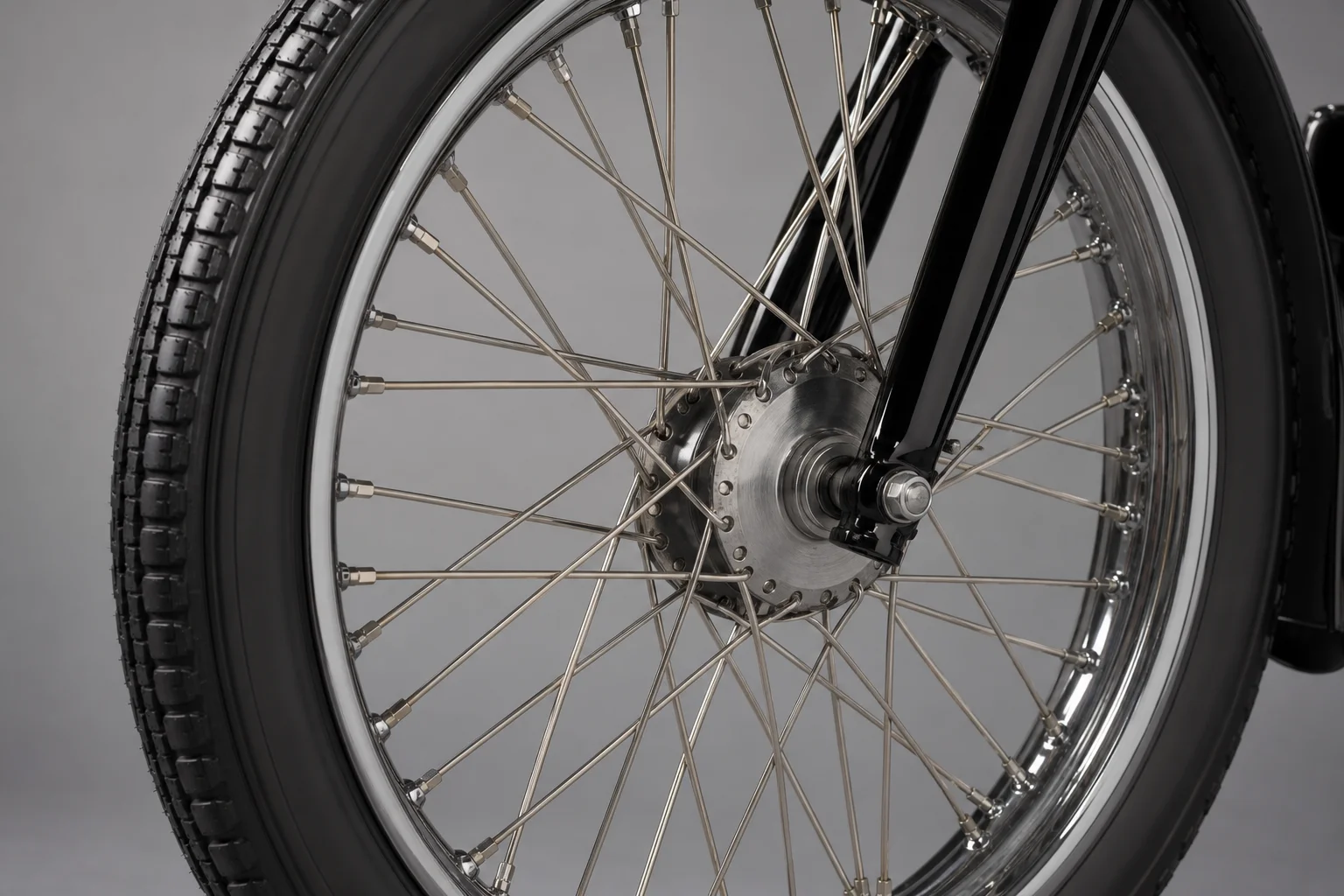
Repair capability is a significant advantage. When a puncture occurs, you can patch the tube or replace it entirely with a spare. This simplicity has kept tube tires relevant for riders who venture far from service stations. However, the repair process itself is labour-intensive: removing the wheel, dismounting the tire, extracting the tube, and reassembling everything requires dedicated tools and time.
Weight is a notable drawback. The tube adds mass compared to a tubeless setup, which affects handling and fuel consumption. The friction between tube and tire also generates more heat, potentially accelerating tire wear over time. A rapid pressure loss from a puncture can cause sudden handling changes, which is why spoked wheels remain popular for off-road use: the wheel can still support the bike even with low pressure, and steel rims can often be hammered back into shape if damaged.
Aesthetically, spoked wheels on a classic or cafe racer motorcycle are difficult to beat. The traditional look is part of the appeal. The downside is maintenance: cleaning and polishing individual spokes is time-consuming and labour-intensive.
The Case for Tubeless Tires
Tubeless systems demand more precision in manufacturing. The rim and tire bead must create an airtight seal, which is why alloy rims are more expensive. But the benefits justify the cost for many riders.
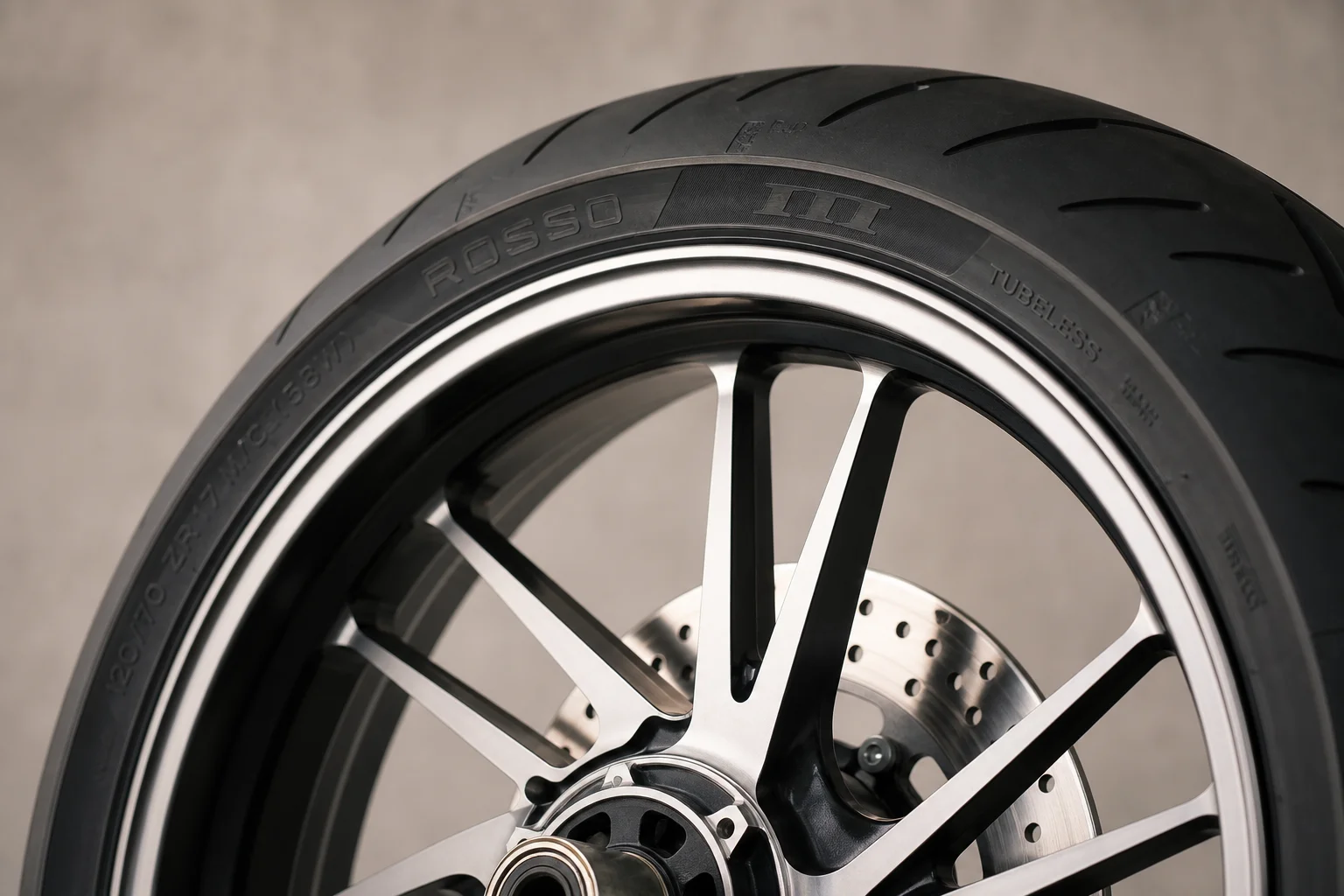
Repair is faster and simpler. A small puncture from a nail or debris can be sealed on the road using a plug repair kit, often without removing the wheel. This is transformative for touring riders who travel alone and cannot easily change a wheel roadside.
Without a tube, the wheel is lighter, improving handling and potentially reducing fuel consumption. Heat dissipation is better, extending tire life. Many tubeless tires include self-sealing compounds that slow pressure loss, giving you time to reach a workshop safely. The result is more stable handling, sharper feedback, and better performance at higher speeds and in corners.
The trade-off is that if an alloy rim is damaged, it is typically ruined and must be replaced. A steel spoked rim can often be repaired.
Real-World Performance: The Bridgestone BT46
The Bridgestone BT46 is a touring-focused tire that performs well on both tube and tubeless setups. On the spoked wheels with tubes, they delivered solid grip, comfort, and safety. Switching to the same tires on alloy rims with tubeless setup revealed the difference that the wheel and tire system makes.
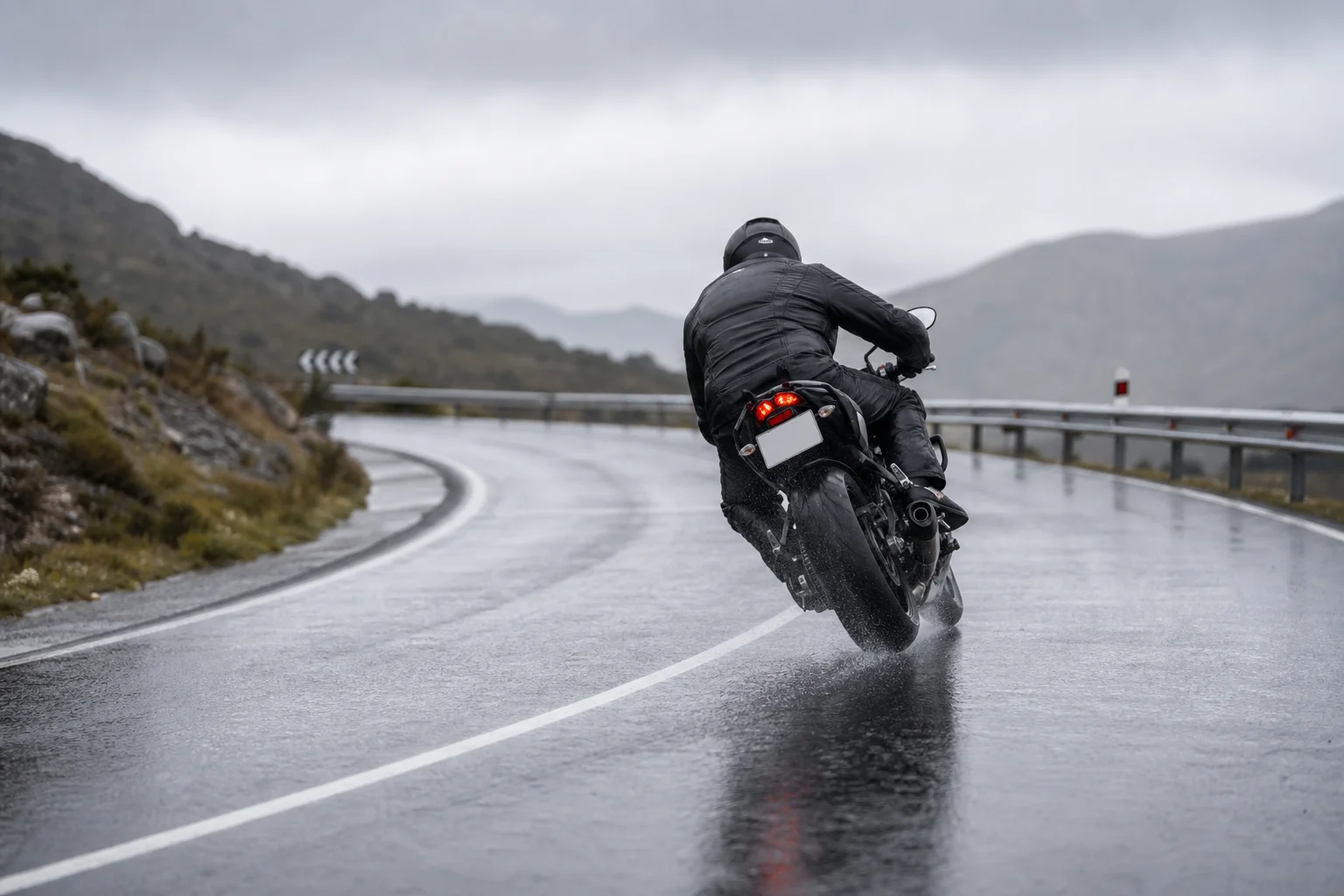
The handling feel is noticeably lighter and more responsive. Cornering is secure and precise. Wet-weather performance is a particular strength: the BT46 is optimized for rain, with tread designed to shed water effectively. Grip in curves is excellent, and the feedback through the bars is consistent and reassuring.
The softer compound means longevity may not match harder-wearing tires, but for a rider prioritizing comfort and safety, the trade-off is acceptable. Tire pressure sensors on the valves provide real-time data on pressure and temperature, offering early warning of any pressure loss.
Making the Switch: Practical Considerations
The decision to move from spoked wheels to alloy rims was difficult, primarily because the classic look of spoked wheels suits the Meteor 350 Aurora perfectly. But for planned road trips and solo touring, the safety and convenience of tubeless tires outweighed aesthetic preference.
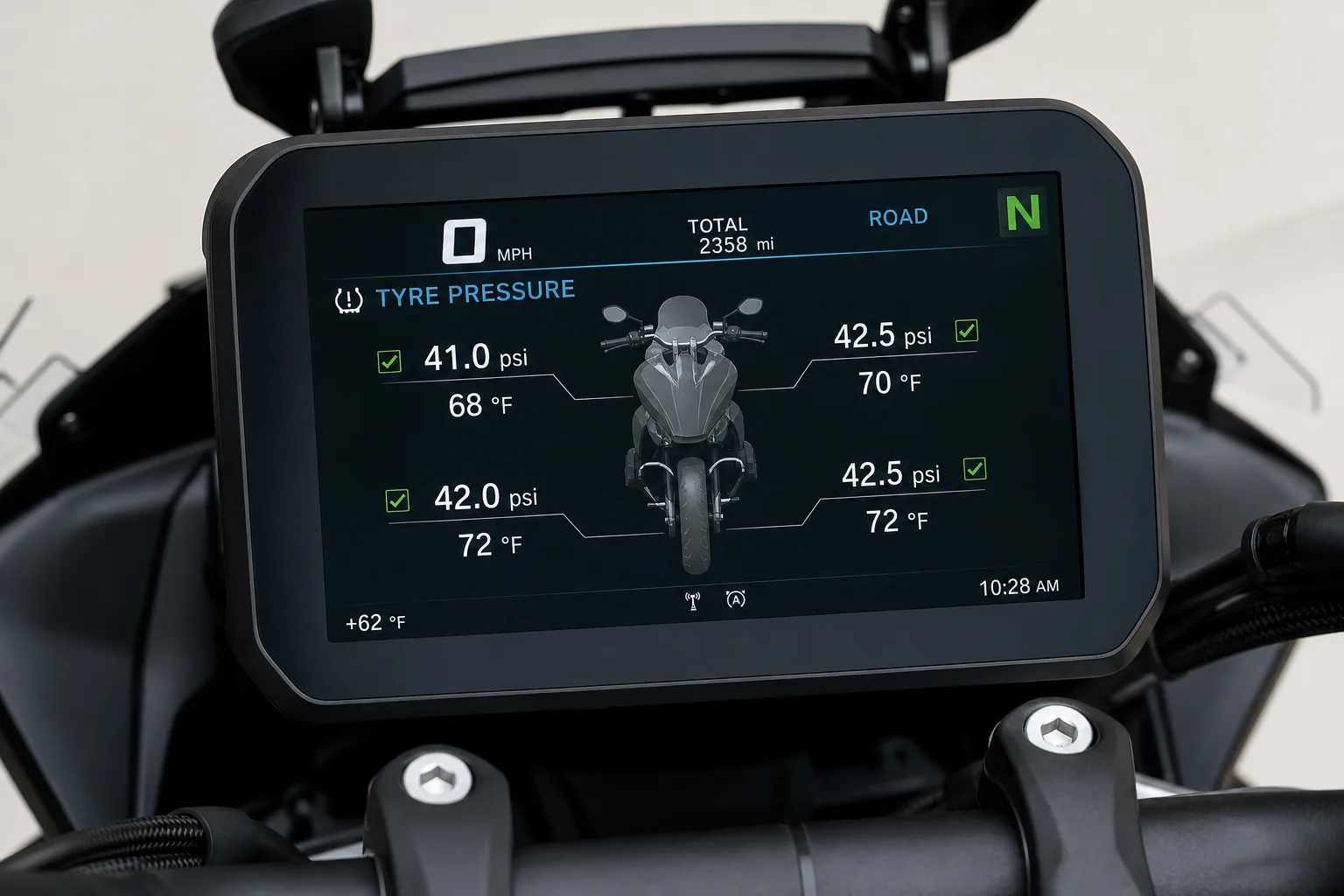
Alloy rims with polished spoke details can still look good on a classic bike, striking a balance between modern function and traditional style. The handling improvement is real but subtle: the bike feels lighter, cornering is easier, and the overall riding experience is more refined.
One additional upgrade made during the transition was switching from standard chrome mirrors to touring mirrors. The standard mirrors vibrate noticeably between 80 and 100 km/h, making them nearly useless for checking traffic. Touring mirrors reduce vibration, though they do not eliminate it entirely. This is a known issue on the Meteor 350 and Classic models.
Conclusion
Tube tires suit riders who prioritize classic aesthetics, off-road capability, and the ability to repair damage in remote areas. Tubeless tires are the better choice for road touring, safety-conscious riders, and those who value lighter handling and easier roadside repairs. The Bridgestone BT46 performs well in either setup, but the tubeless configuration on alloy rims brings out its strengths more fully. For a motorcycle like the Royal Enfield Meteor 350, the choice ultimately depends on your riding plans and priorities.
Product link
View more details for Bridgestone BT46
This product is mentioned in the review. Check the specifications, options, and compatibility before buying.
View more details for Bridgestone BT46Further reading
Related Reviews
Mountain Bike Maintenance
How to Change Mountain Bike Tires Yourself: A Complete Guide
Step-by-step instructions for removing and installing mountain bike tires at home, with tools needed, techniques for breaking the bead, and wheel balancing tips.
Motorcycle Accessories
TUbliss Tubeless System Review: Puncture-Free Riding for Dual Sports and Enduro Bikes
The TUbliss system eliminates pinch flats and simplifies puncture repairs for dual sport and enduro motorcycles. Here's what works, what doesn't, and whether it suits your bike.