Power Tools
Makita vs Milwaukee vs DeWalt Cordless Tire Inflators: One Design Detail Changes Everything
Three cordless inflators look similar on paper, but a small difference in hose connection design gives the Makita a real edge on tight and rusty valve stems.
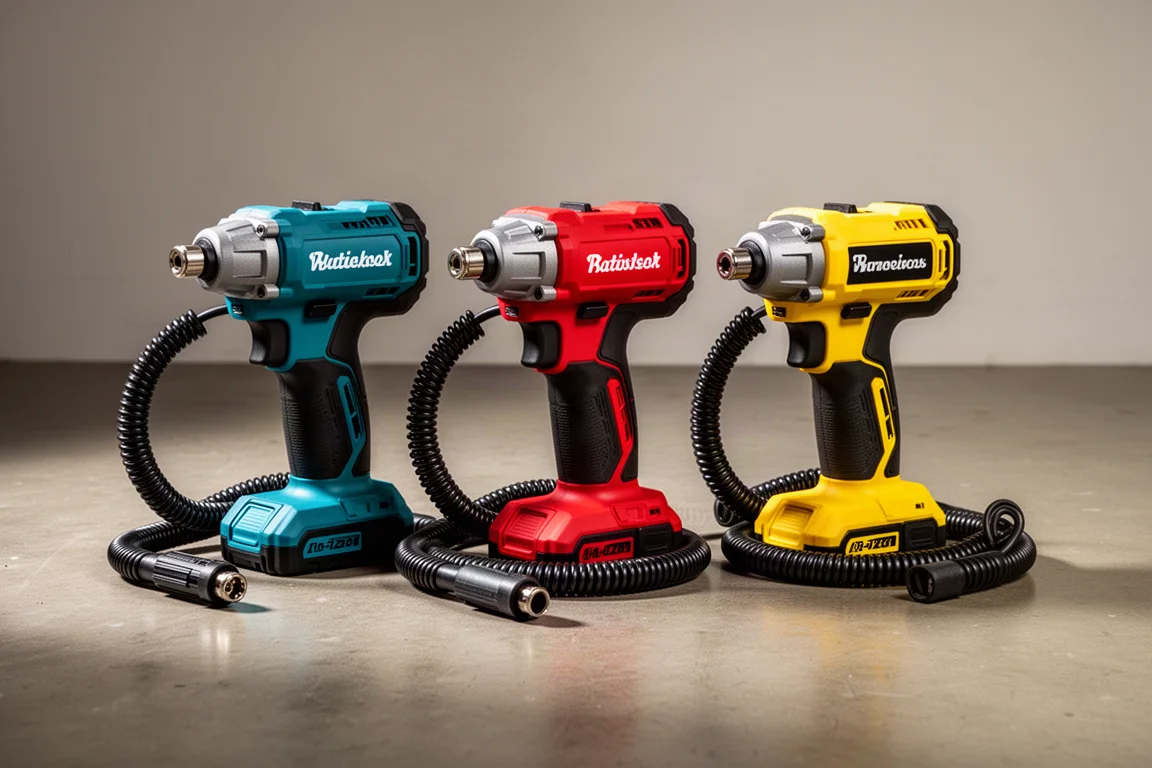
Introduction
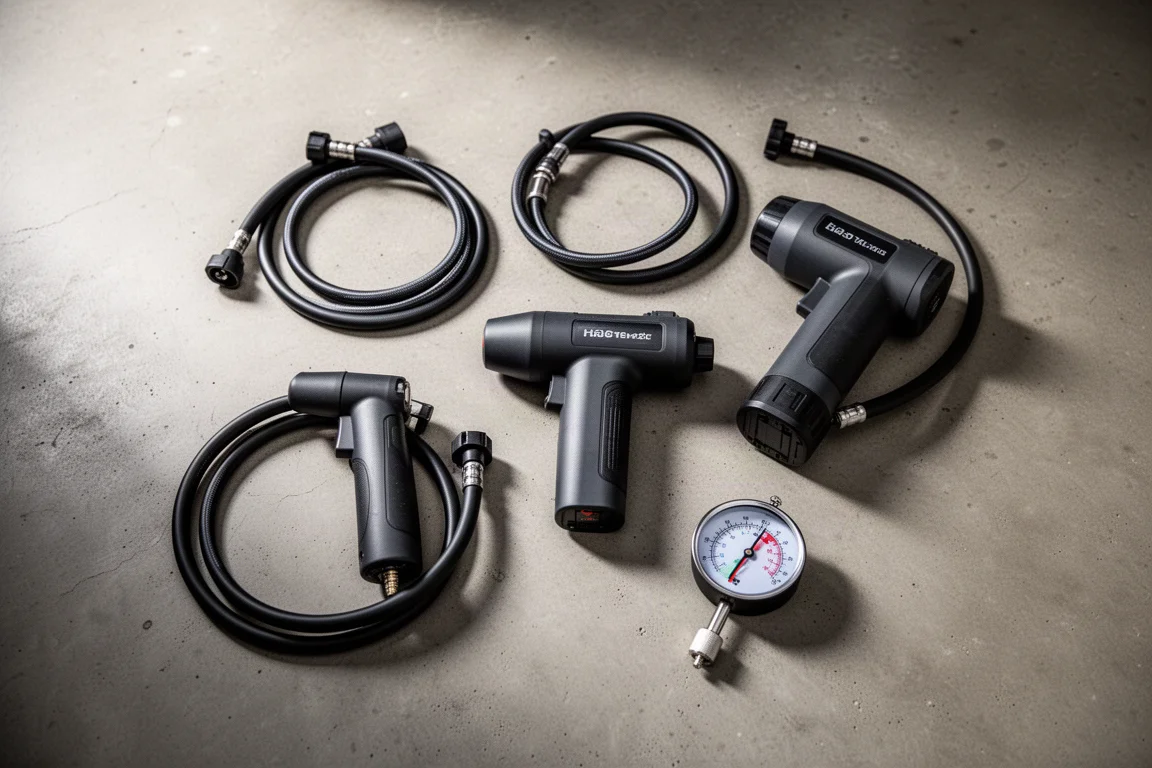
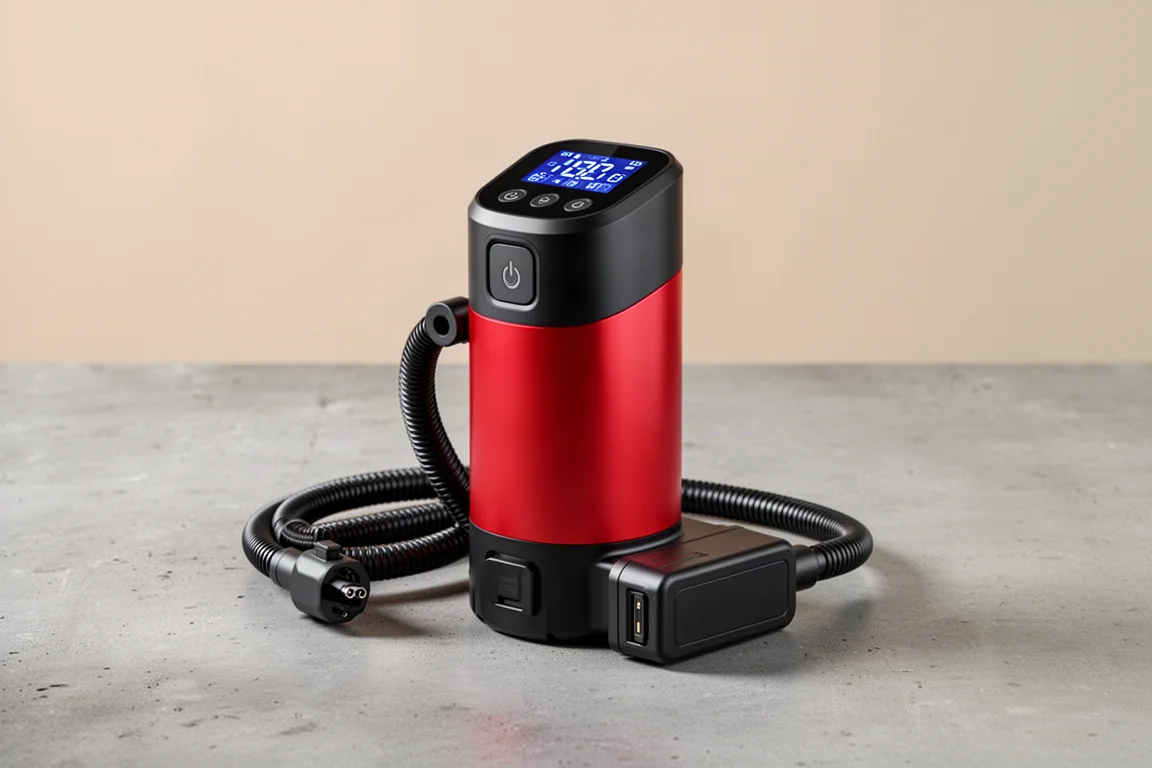
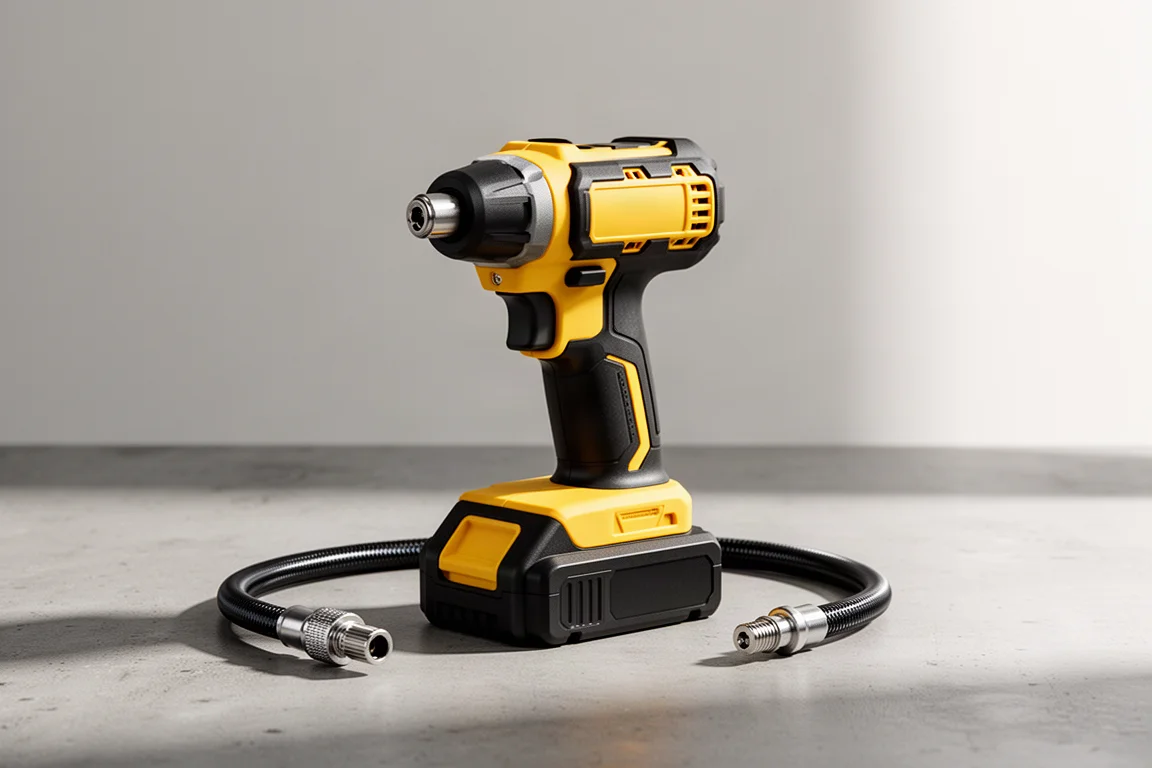
Cordless tire inflators from the major tool brands tend to look and behave almost identically: a compact body, a battery pack, a fill hose, and a screw-on chuck for the valve stem. After spending time with the Makita, Milwaukee, and DeWalt cordless inflators, one small design difference turned out to matter far more than expected, and it is easy to miss until you run into the right situation.
The Standard Screw-On Connection
The Milwaukee and DeWalt inflators, like nearly every cordless inflator, use a screw-on chuck. You unscrew the valve cap, thread the chuck onto the valve stem, and you have a very solid, secure connection. It is the familiar approach and it works well on most car and truck tires.
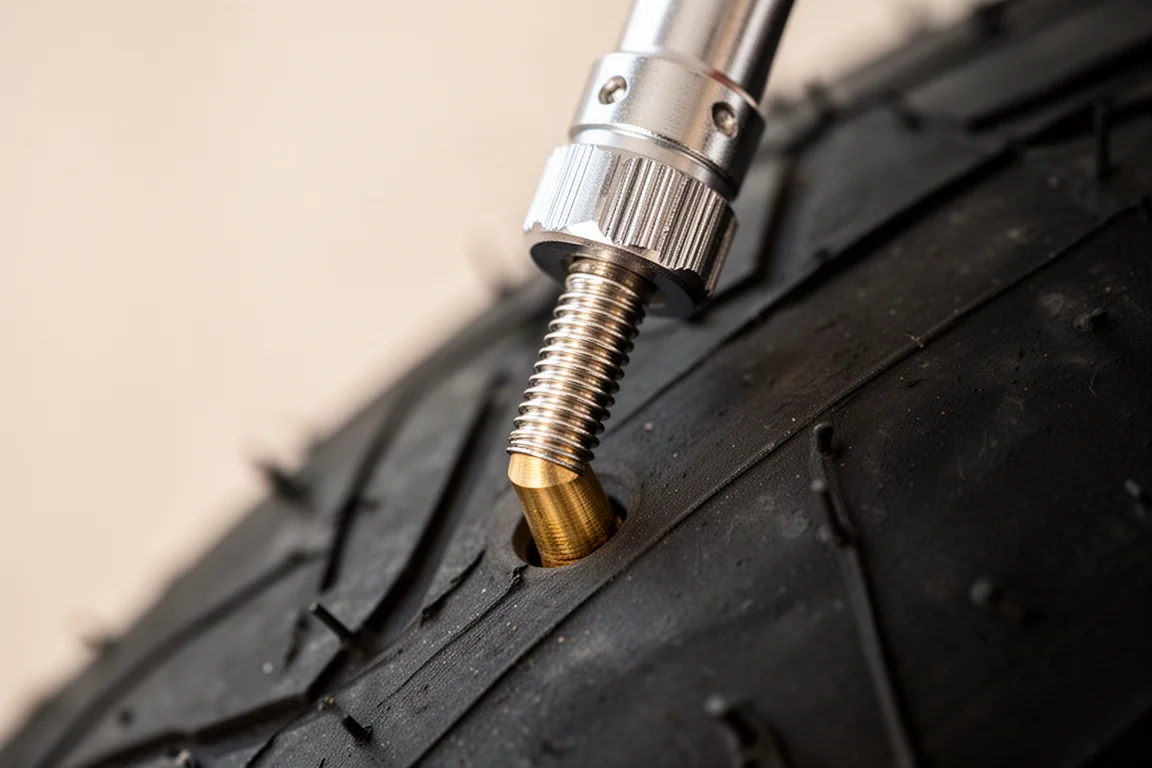
The screw connection is dependable and seals well, but it needs enough clearance around the valve stem to thread it on and off, and it relies on clean, undamaged threads to make a good seal.
Where the Makita Stands Out
The Makita takes a different approach. Instead of threading on, its compact chuck uses a lever that clips onto the valve stem at a 90-degree right angle. That difference sounds minor, but it changes what the tool can do in two real situations.
The first is tight spaces. On a small mini bike wheel, the valve stem sits inside the rim and behind the disc brake. A screw-on chuck is genuinely awkward there: reaching in, threading it on, and unscrewing it again is fiddly at best. The Makita’s clip-on chuck simply reaches around and clips on quickly, making small tires and go-kart wheels dramatically easier to fill.
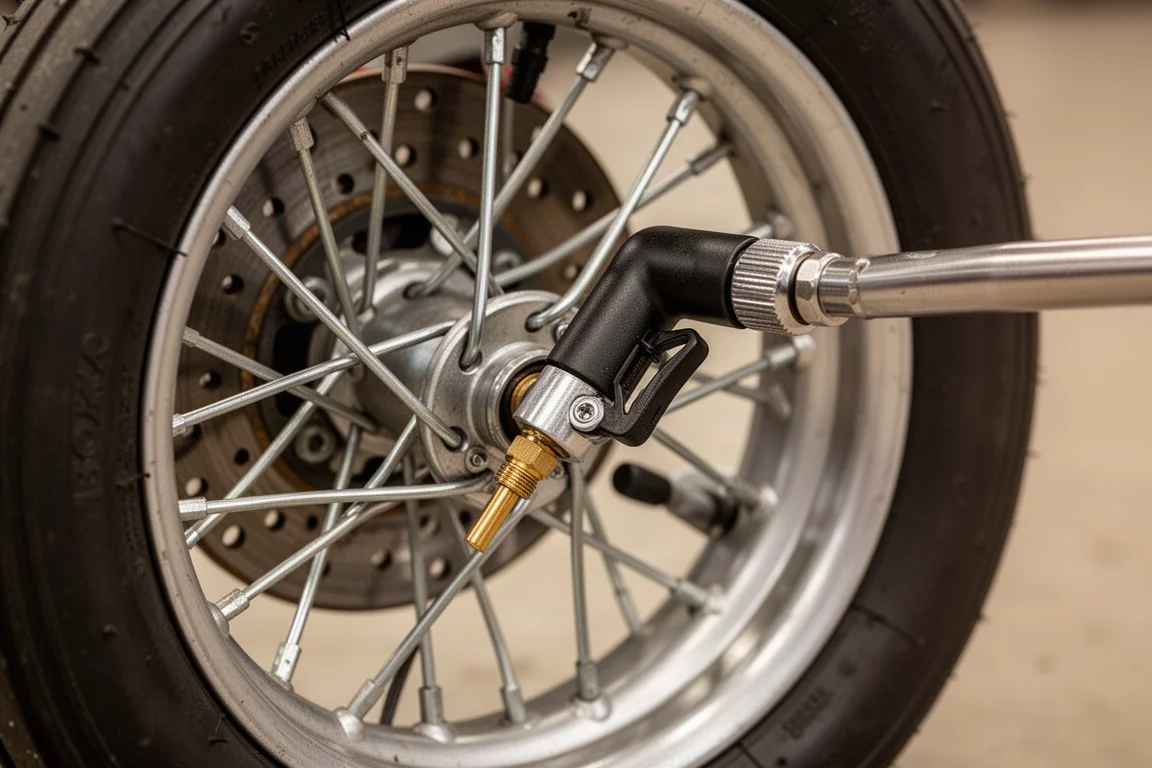
The second situation is rusted valve threads. On an older go-kart tire, the valve stem threads were rusted enough that a screw-on chuck would not thread on or seal at all, leaving the tire impossible to fill. Because the Makita clips on and does not use the threads at all, the same tire filled up without any issue. Trailer tires and other older equipment with corroded valves are exactly where this design pays off.
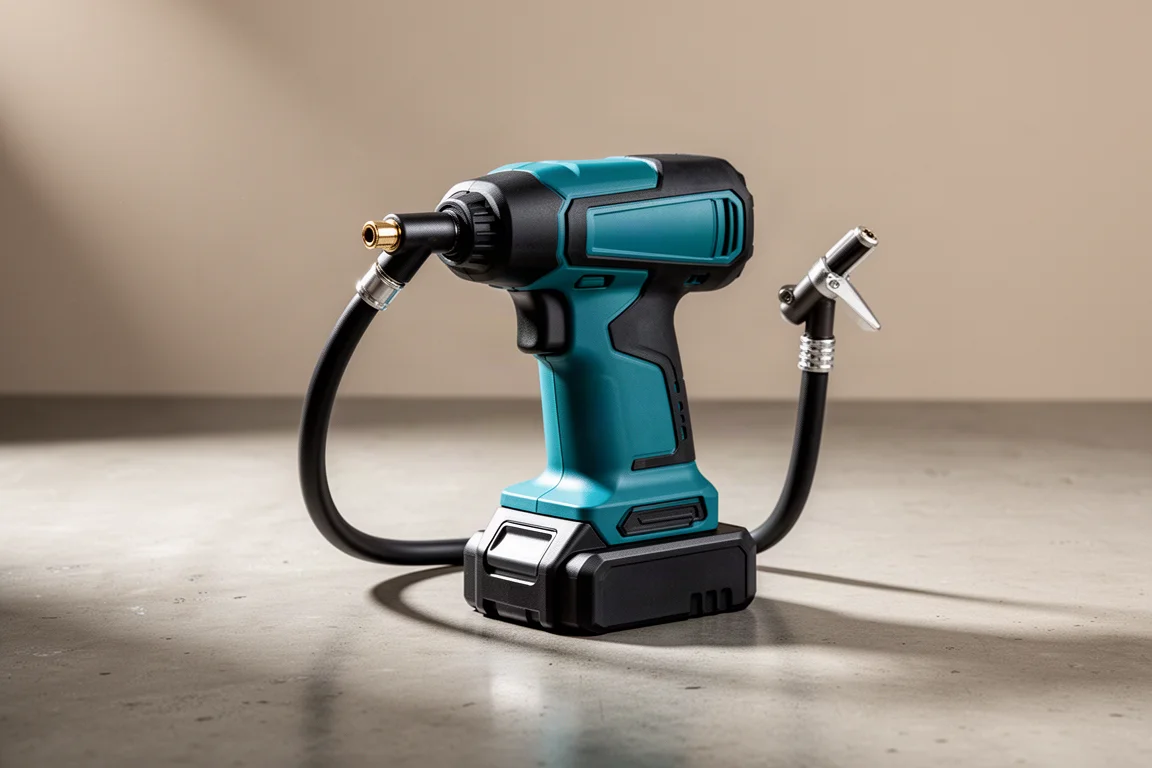
Milwaukee and DeWalt: The Familiar Approach
The Milwaukee and DeWalt inflators stick with the screw-on chuck that most cordless inflators use. For everyday work on car and truck tires with accessible, clean valve stems, that connection is secure and easy to live with.
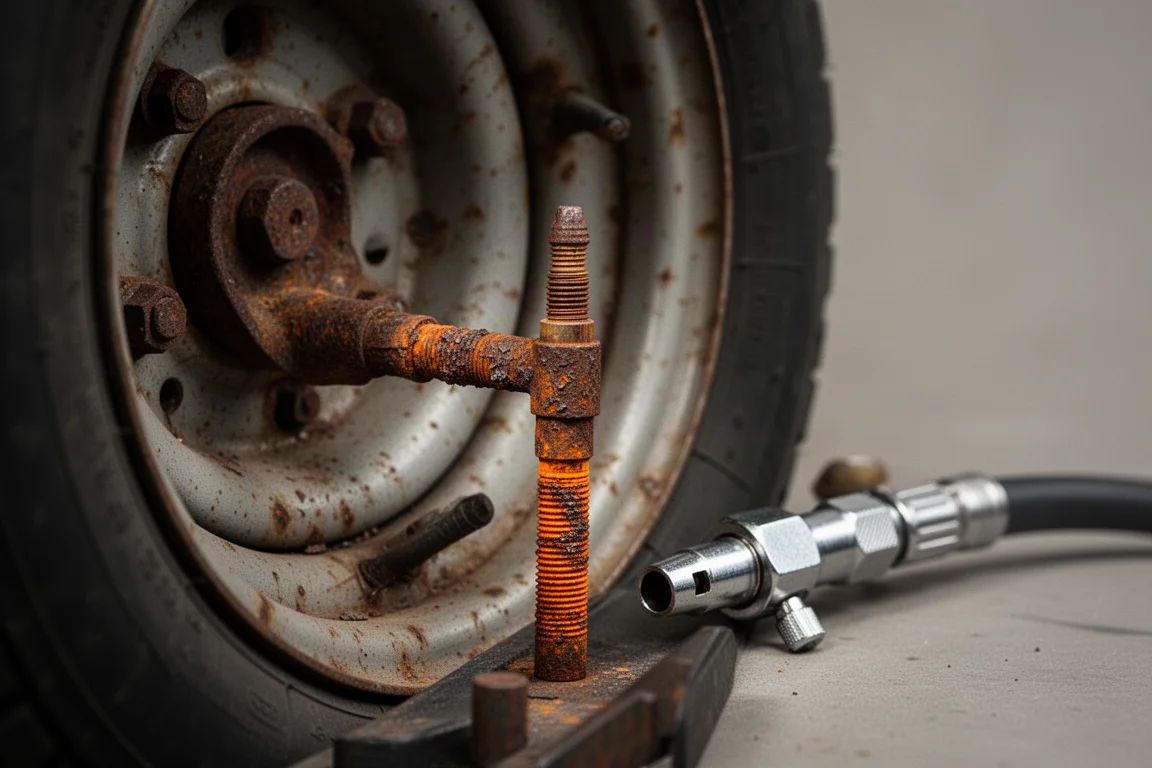
Their limitation only shows up in edge cases: valve stems buried behind components, tight rims, or corroded threads. In those situations the screw-on design can be slow, difficult, or in the worst case unable to seal at all.
Buying Advice
If most of your inflating is ordinary car and trailer tires with easy access to the valve, the screw-on chucks on the Milwaukee and DeWalt will serve you well. If you work with mini bikes, go-karts, small equipment, or older tires with rusty valves, the Makita’s clip-on right-angle chuck is the feature that makes the difference, turning frustrating jobs into quick ones.
Conclusion
All three inflators fill tires, but the Makita’s lever-clip chuck solves problems the screw-on designs cannot: tight clearances behind brakes and corroded valve threads. Choose based on the tires you actually service, not just the brand of battery you already own.
Further reading
Related Reviews
Power Tools
Best 1-Inch Pistol Impact Wrenches: Three Heavy-Duty Options Compared
We compare three 1-inch pistol impact wrenches, from a budget-friendly Harbor Freight model to a premium Caterpillar unit, to help you choose the right one.
Power Tools
Best 3/4-Inch Impact Wrenches 2026: Five Contenders Compared
We compare five 3/4-inch impact wrenches across price and performance, from a budget Amazon option to Snap-on's most powerful model yet.
Power Tools
Best Budget Cordless Tools 2026: Walmart Finds That Punch Above Their Price
We tested five cordless tools from Walmart, including a high-torque impact wrench that trades blows with Milwaukee and a $35 duster that outperforms its price class.