Audio Gear
Truthear Hola and Truthear Shio Review: Two Budget Audio Bargains Worth Knowing
A practical look at two low-cost Truthear products: warm, easy-listening in-ear monitors and a compact dual-chip dongle DAC that pairs with them.
Introduction
Some audio gear tells you what it costs the moment you pick it up. The Truthear Hola in-ear monitors and the Truthear Shio dongle DAC do the opposite. Both come from a brand that is not widely known, both feel more carefully assembled than their price tags suggest, and both deliver far more than their asking prices imply.
This guide walks through what each product actually does well, where each one makes its compromises, and how the two behave when used together. If you are building a first serious listening setup on a small budget, both are worth understanding before you spend anything.
What to Look For in Budget In-Ears and Dongle DACs
With inexpensive in-ear monitors, the two variables that decide whether you will enjoy them are fit and tuning. A proper seal is what unlocks bass response, and no amount of tuning can compensate for a tip that does not sit correctly in your ear. Tuning matters next: some in-ears aim for a bright, detail-forward signature, while others go warm and relaxed, and neither approach is inherently better. What matters is which one suits the music you actually play.
With a dongle DAC, the priorities shift. The converter chip inside sets the foundation, the outputs determine which headphones and cables you can use, and the power delivered on a single-ended connection tells you whether harder-to-drive gear will reach a comfortable volume. Physical controls and build quality round out the picture, because a dongle lives in a pocket or a laptop bag and has to survive both.
It also helps to know what you are paying for. A well-made plastic housing, a sensible cable, and a usable set of ear tips can all exist at a very low price, and a dual-chip DAC does not have to be expensive to be competent.
Truthear Hola: Warm, Easy-Listening In-Ears
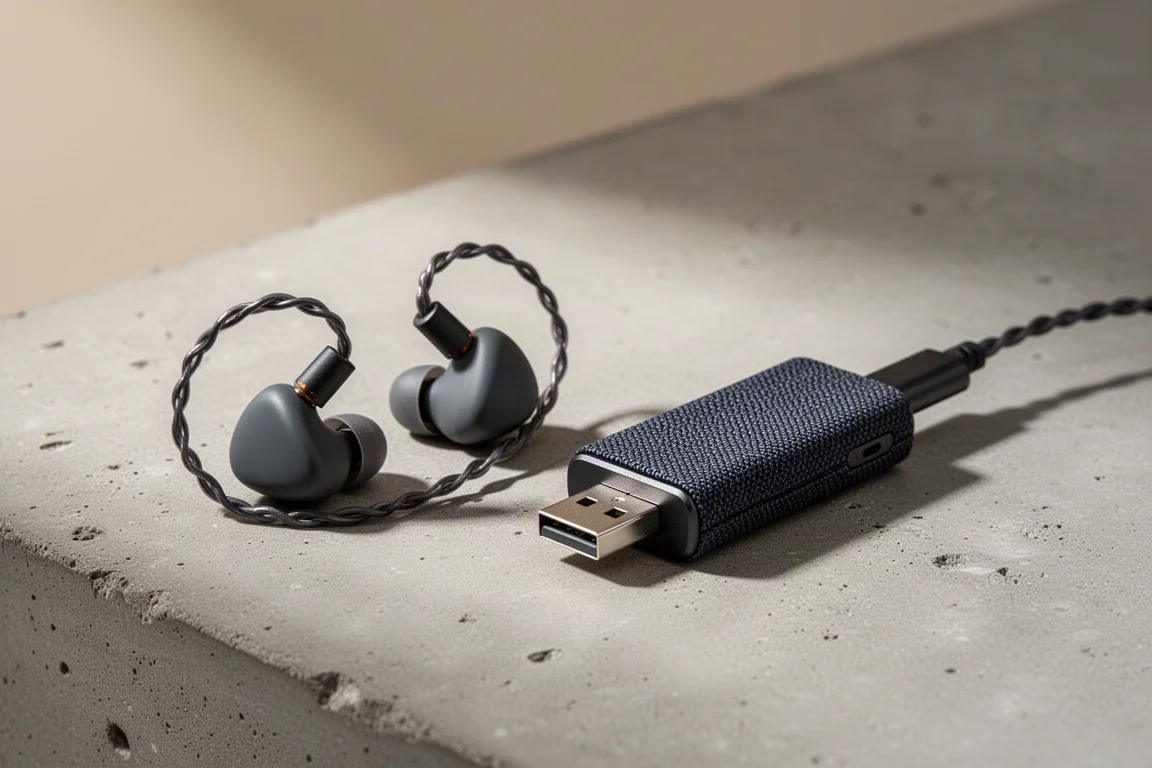
The Hola is a wired in-ear monitor with a plastic housing finished in a matte, slightly soft-touch material rather than the hard, glossy plastic common at the entry level. The nozzles are fixed rather than removable, and there are two small vent holes on the body. Connections are two-pin, with a slight recess where the connector seats, so it is worth lining the pins up carefully the first time.
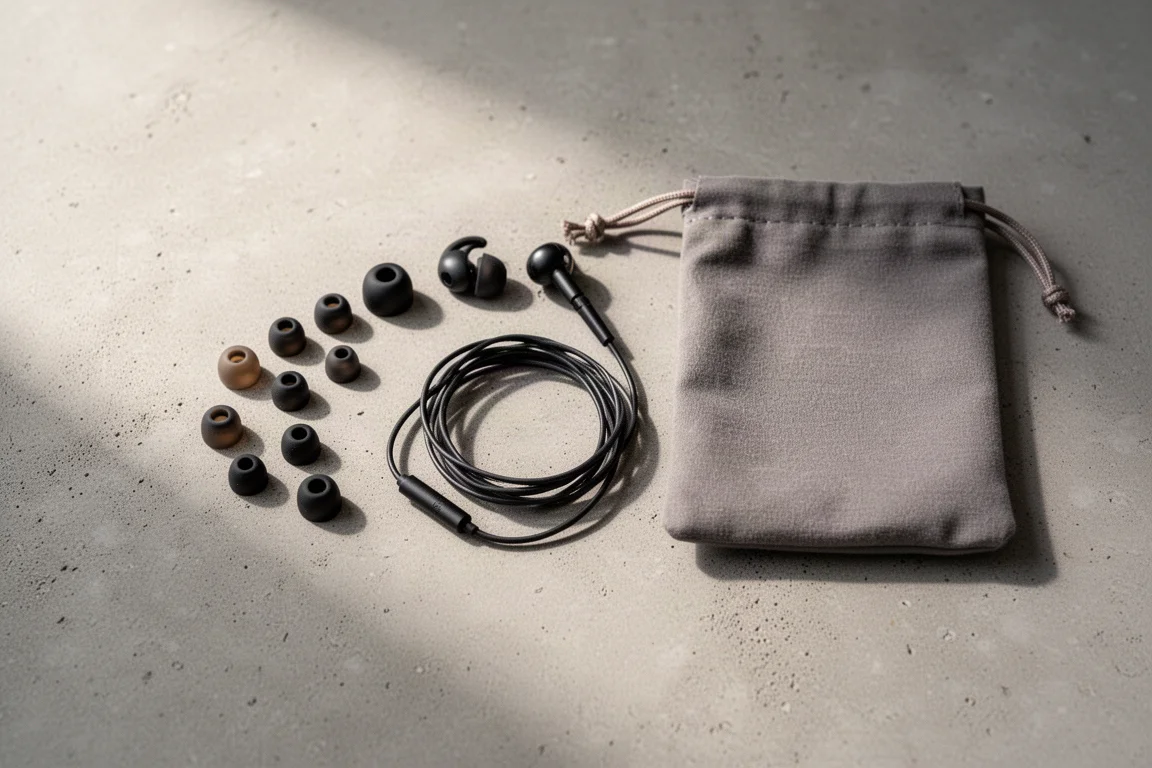
The included cable is a five-foot twisted design rather than a braided one, and it uses a small sliding splitter that lets you cinch the two channels together so they tangle less in a pocket. Seven pairs of silicone ear tips are supplied, and a small coin-purse style pouch holds everything. The tips are not the softest available, which is actually an advantage here: very soft tips tend to fold over in the ear and break the seal.
Sound is the Hola’s strongest argument. The overall signature leans warm, organic, and natural. There is a noticeable lift in the upper bass, which gives kick drums and bass lines real weight, and the sub-bass lands with a solid thump. Percussion detail is handled well, with a tambourine at the opening of a track coming through clearly defined rather than smeared.
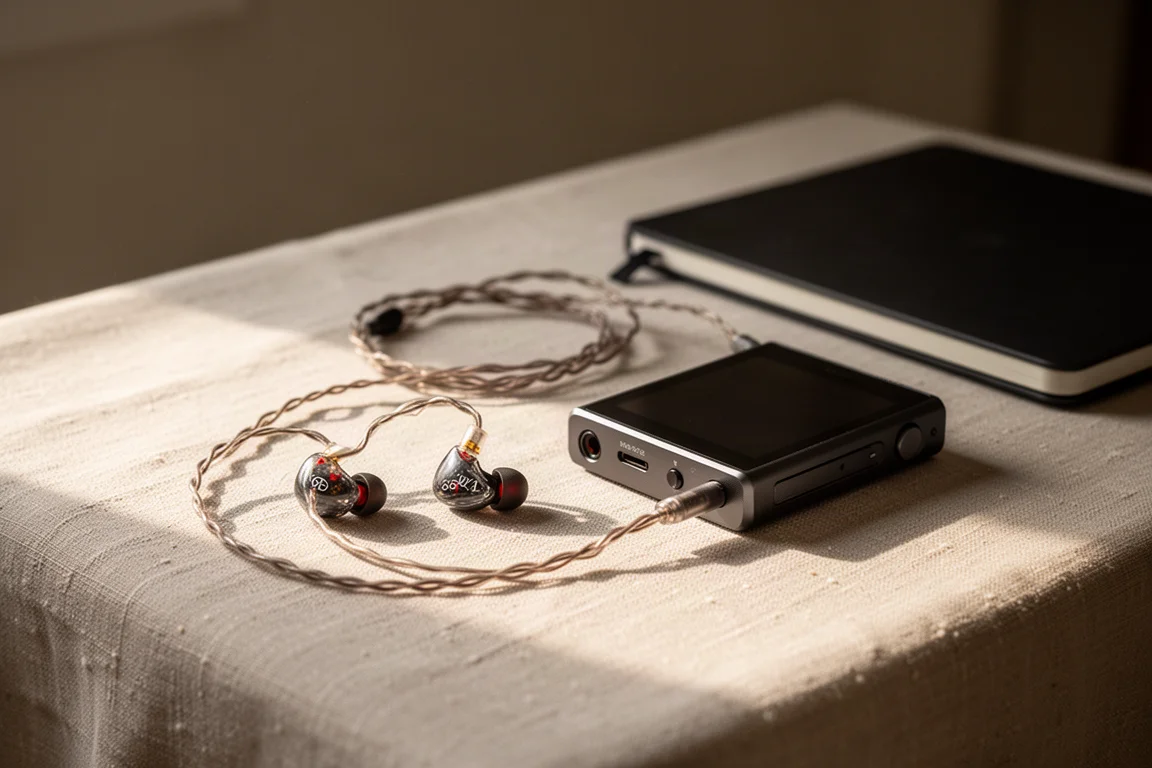
Where the Hola gives ground is in mid-range clarity and top-end air. Vocals come across as smoky and engaging rather than sharply detailed, and the reverb that sits at the top of acoustic guitar recordings is softened. If you listen for fine treble texture, this is the trade-off to weigh. If you simply want to listen for hours without fatigue, the warmer balance works in your favor. The tuning sits closer to neutral than the classic warm headphone sound, and it compares favorably against older in-ears in the same style that push the bass harder.
Comfort is genuinely good. Once seated, the Hola stays put and does not wander, which matters more than any specification on a long listening session.
At around $19, the Hola is one of the clearer value stories in budget audio. The build quality would be respectable at several times the price, and it undercuts plenty of in-ears that are built no better.
Truthear Shio: A Compact Dual-Chip Dongle DAC
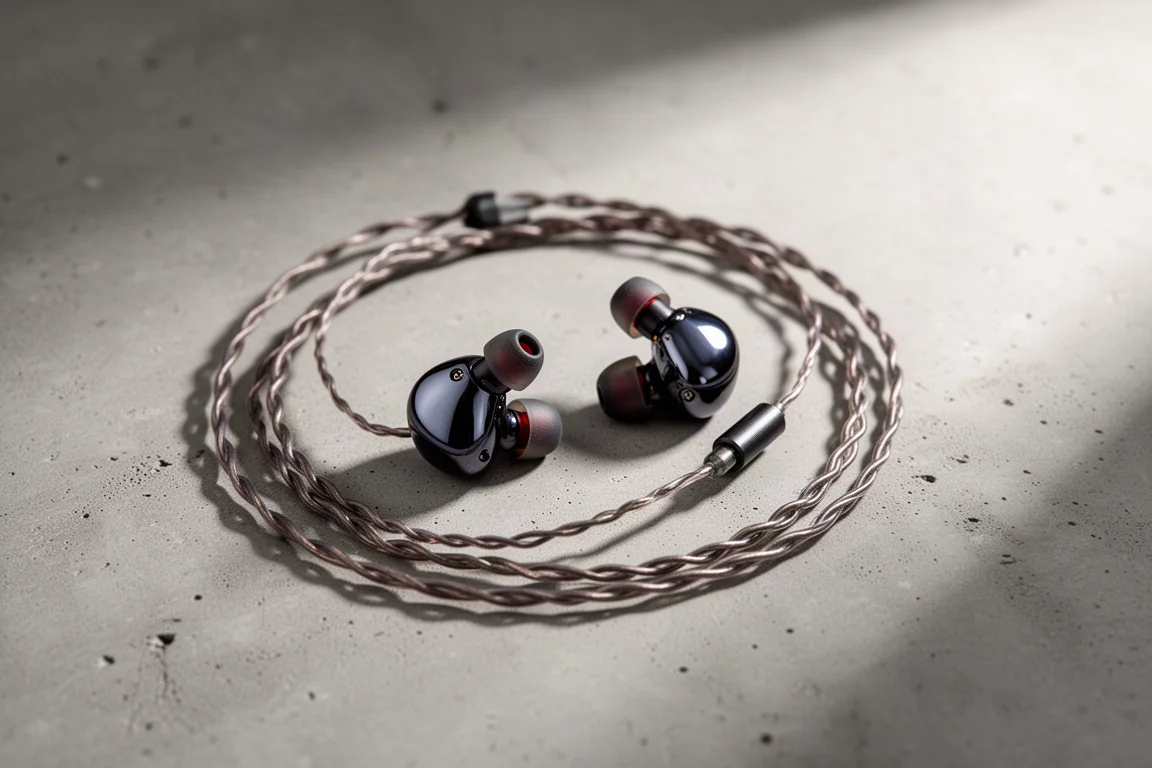
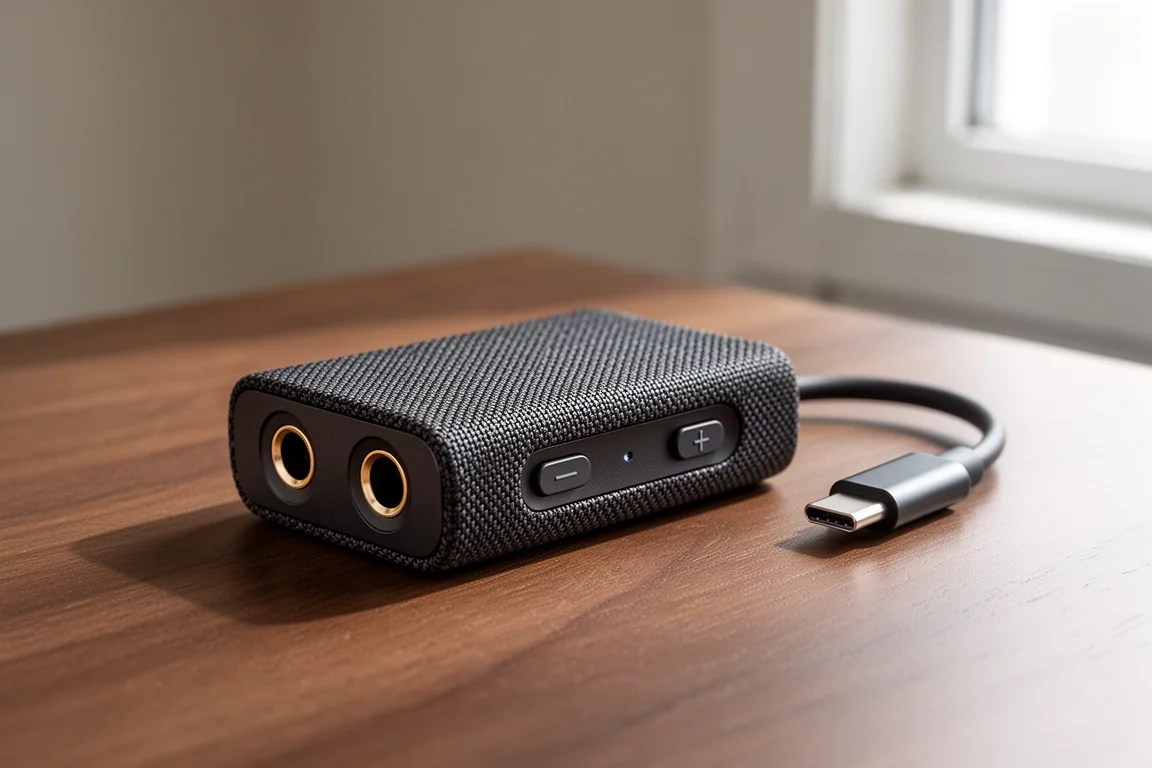
The Shio is a small USB dongle DAC built around a pair of Cirrus Logic CS43198 converter chips. Dual-chip designs are less common in this category, and the configuration gives the Shio a solid technical foundation for a portable device.
Outputs cover both common connection types: a 4.4mm Pentaconn jack and a standard 3.5mm jack. A short USB-C to USB-C cable handles the connection to a laptop or phone, and the housing carries volume up and volume down buttons along with a single LED indicator. The body is wrapped in a textured material that reads as faux leather rather than metal, and it feels solid in the hand despite the compact footprint.
On power, the Shio delivers 1.4 volts RMS on the single-ended output in high gain, which is enough headroom for a dynamic-driver in-ear like the Hola to reach comfortable listening levels without strain. The high gain setting is not immediately obvious on the housing, so it is worth checking the documentation if you want to confirm which mode you are in.
At around $70, the Shio is the more expensive half of this pairing, and it is priced roughly where a competent balanced dongle DAC tends to land.
Fit, Comfort, and Cable Notes
Getting the Hola seated properly is the single biggest factor in how it sounds. Among the seven supplied pairs of tips, the second-largest size proved to be the right fit for a typical ear canal, and once a seal is established the bass response arrives in full. Without that seal, the low end simply disappears, which is true of every in-ear monitor and not a fault specific to this one.
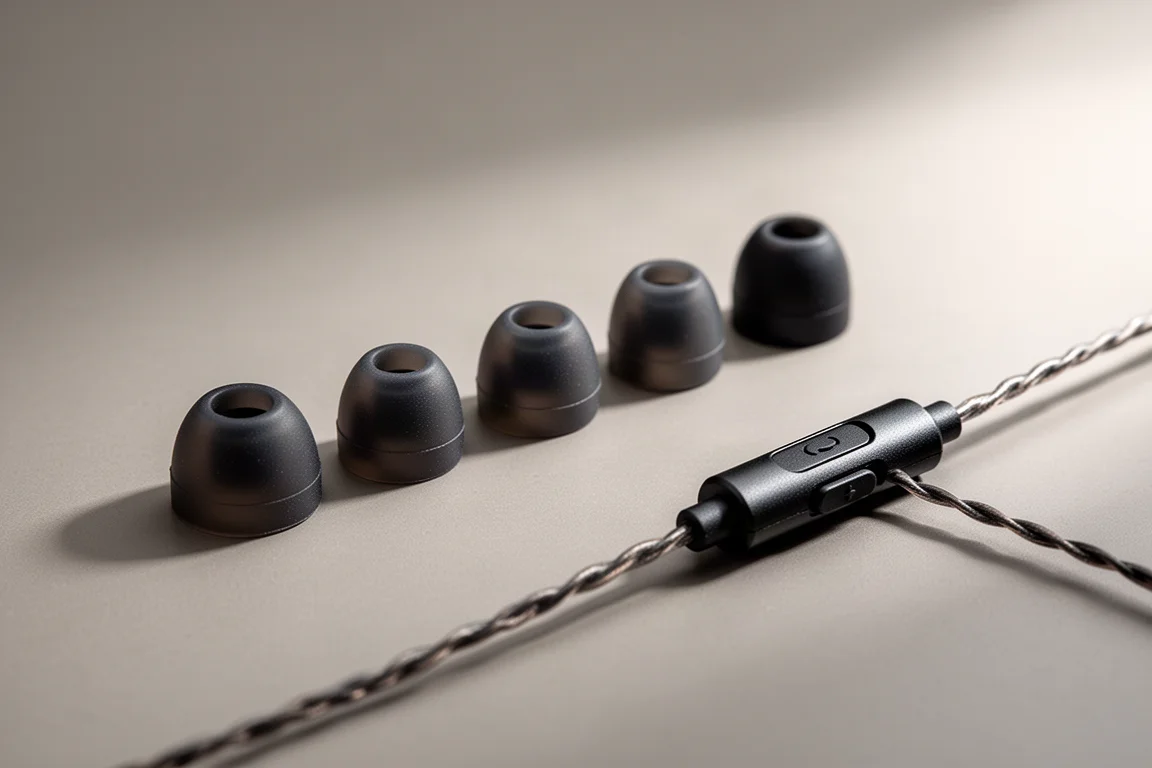
The two-pin connection rotates, but it only needs to be seated once, and the recessed socket means the pins should go in straight. The sliding splitter on the twisted cable is a small but genuinely useful detail, since it keeps the two channels from tangling when the earphones are stored loose.
The Shio is straightforward to live with. Plug it in, adjust volume with the side buttons, and the LED confirms the connection. Its 3.5mm output is the natural match for the Hola, while the 4.4mm jack leaves room for other gear later.
Pairing the Hola With the Shio
Used together, the two products make a coherent, low-cost listening setup. The Shio’s single-ended output has ample power for the Hola’s dynamic driver, and the warm tuning of the in-ears pairs naturally with the clean, uncolored presentation of the DAC. Because both devices are small and bus-powered, the whole arrangement travels easily with a laptop.
The pairing also highlights each product’s role. The Hola sets the tonal character, while the Shio handles conversion and volume control. If you already own a capable source, the in-ears alone are the bigger upgrade for the money. If your laptop or phone output sounds thin or struggles for volume, the DAC is the more useful addition.
Buying Advice
The Hola is the easier recommendation of the two. At roughly $19, it delivers a comfortable fit, a warm and fatigue-free signature, and build quality that holds up well beyond its price. Its limits are real, mainly a softer mid-range and a rolled-off top end, but those limits are a matter of taste rather than defects.

The Shio asks for more commitment at around $70, and it earns that price with a dual-chip architecture, both 4.4mm and 3.5mm outputs, and solid build quality. It makes the most sense for listeners who want a single small device that can drive a range of earphones from a laptop or phone.
Bought together, the two come in under $100, which is a modest outlay for a setup that covers both conversion and playback. If your budget only stretches to one purchase, start with the in-ears and add the DAC later, or reverse the order if your current source is the weak link.
Conclusion
The Truthear Hola and Truthear Shio are both examples of how far a small budget can stretch in personal audio. The Hola offers a warm, natural sound and dependable comfort for around $19, with the caveat that it favors easy listening over fine detail. The Shio adds a well-equipped dual-chip DAC with flexible outputs for around $70.
Neither product asks you to accept obvious shortcuts for the money. For listeners assembling a first proper setup, or anyone curious about how much sound quality a very low price can buy, this pair is worth a close look.
Further reading
Related Reviews
Audio Gear
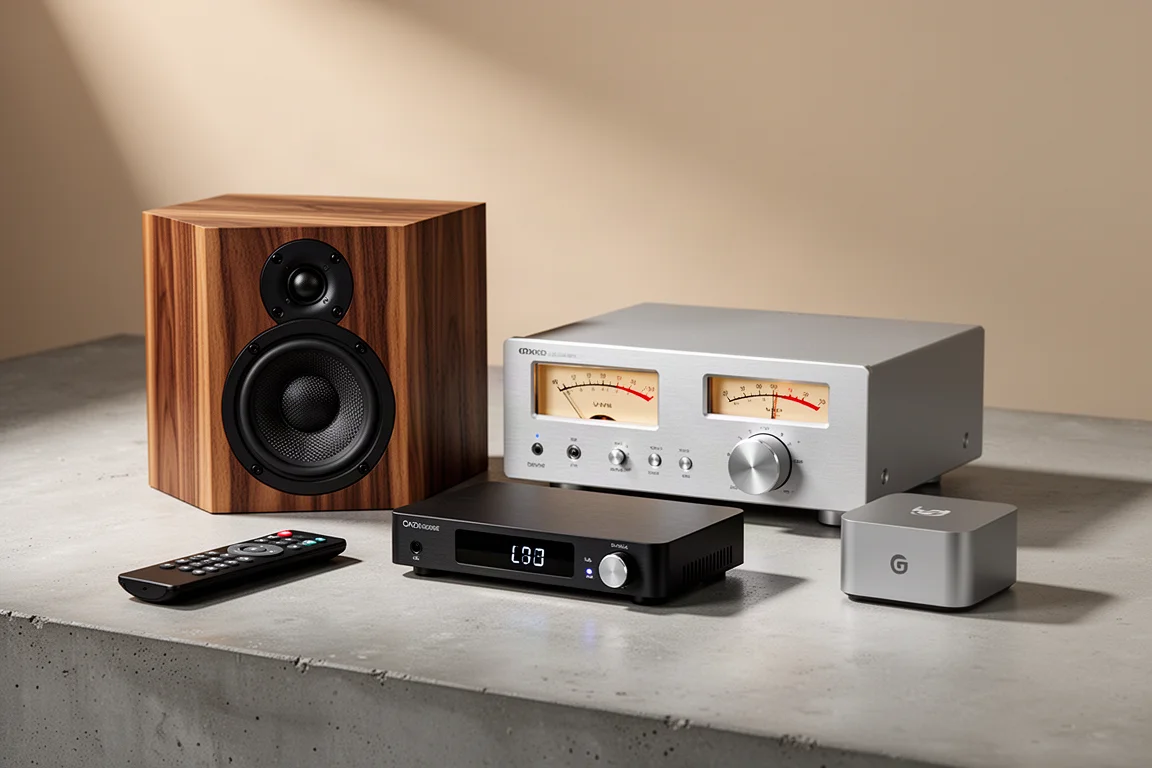
Best Budget Audio Gear 2022: Award-Winning Speakers, Amps, DACs, and Streamers
A rundown of the standout budget audio products of 2022, including award winners and honorable mentions across speakers, amplifiers, DACs, and streamers.
Audio Gear
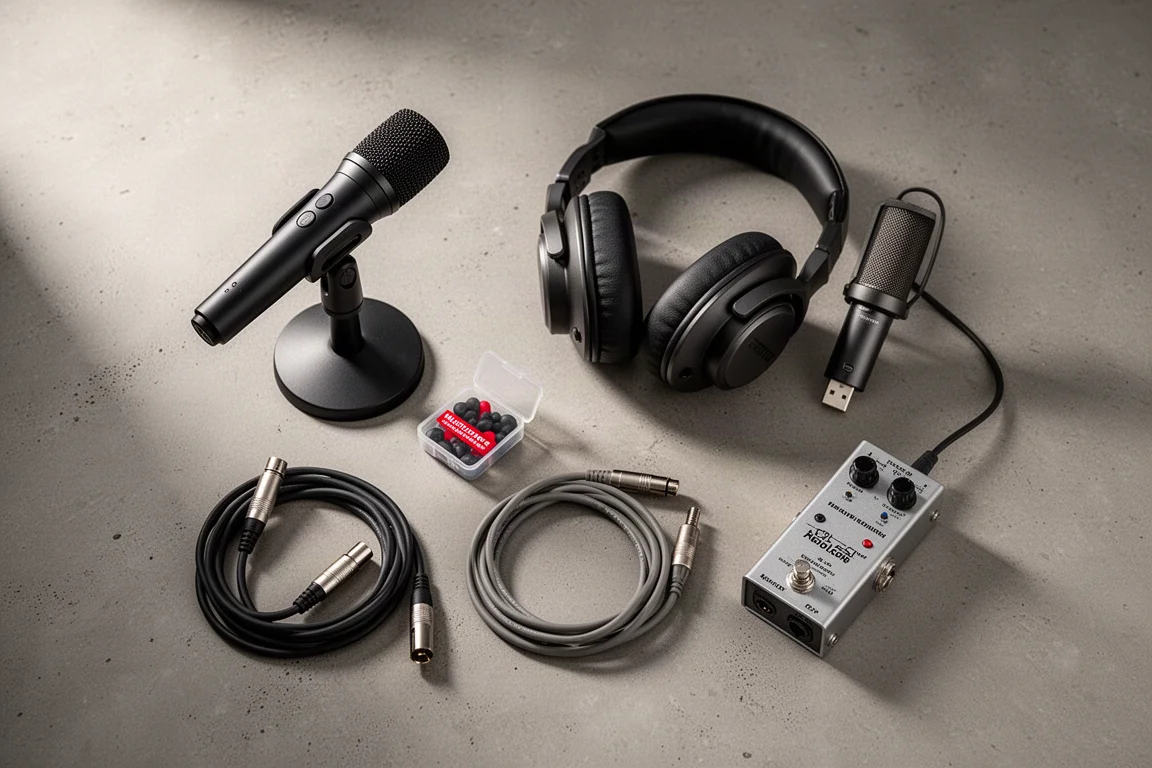
Best Gifts for Audio Engineers and Musicians: 10 Practical Ideas
Ten practical gift ideas for audio engineers and musicians, from hearing protection and microphones to headphones, DI boxes, and the small studio accessories that get used every session.
Audio Gear
Best Value Audio Gear: Four Standout Picks for Streaming, Speakers, and DACs
Four audio products that reset expectations for what a given budget can buy, from a compact network streamer to a sub-$1,000 DAC.