Marine Salt Mixes
Tropic Marin Pro-Reef Salt Review: A Low-Maintenance Mix for Reef Tanks
A clean, consistent marine salt mix with natural seawater element levels, fast mixing, and almost no precipitation. Here is who it suits and what it costs per gallon.
Introduction
A reef tank’s chemistry starts with the salt mix. Alkalinity, calcium and magnesium all trace back to whatever you pour into your mixing container, so a salt that mixes predictably and stays stable in storage removes a recurring source of uncertainty.
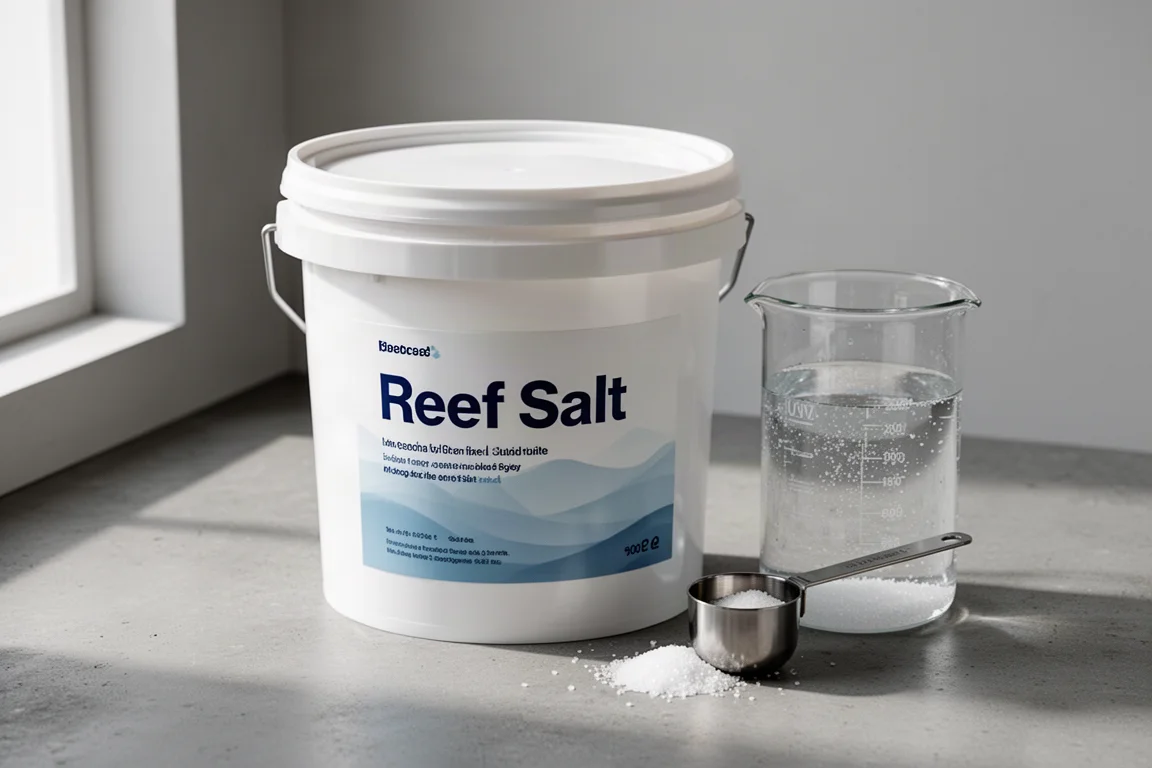
Tropic Marin Pro-Reef is a marine salt mix built around high purity, clean mixing and low maintenance. It is designed for reefers who want their major and minor elements close to the concentrations found in natural seawater, and who want the same result from the first scoop of a new bucket to the last.
Who Tropic Marin Pro-Reef Salt Is For
Pro-Reef suits reefers who keep a reservoir of pre-mixed saltwater on hand. If your routine involves automated water changes, or mixing a large batch and drawing from it over several weeks, this salt is designed around that workflow rather than around quick same-day mixing.
It also fits keepers who want major and minor elements held at natural seawater concentrations rather than pushed toward a particular house style.
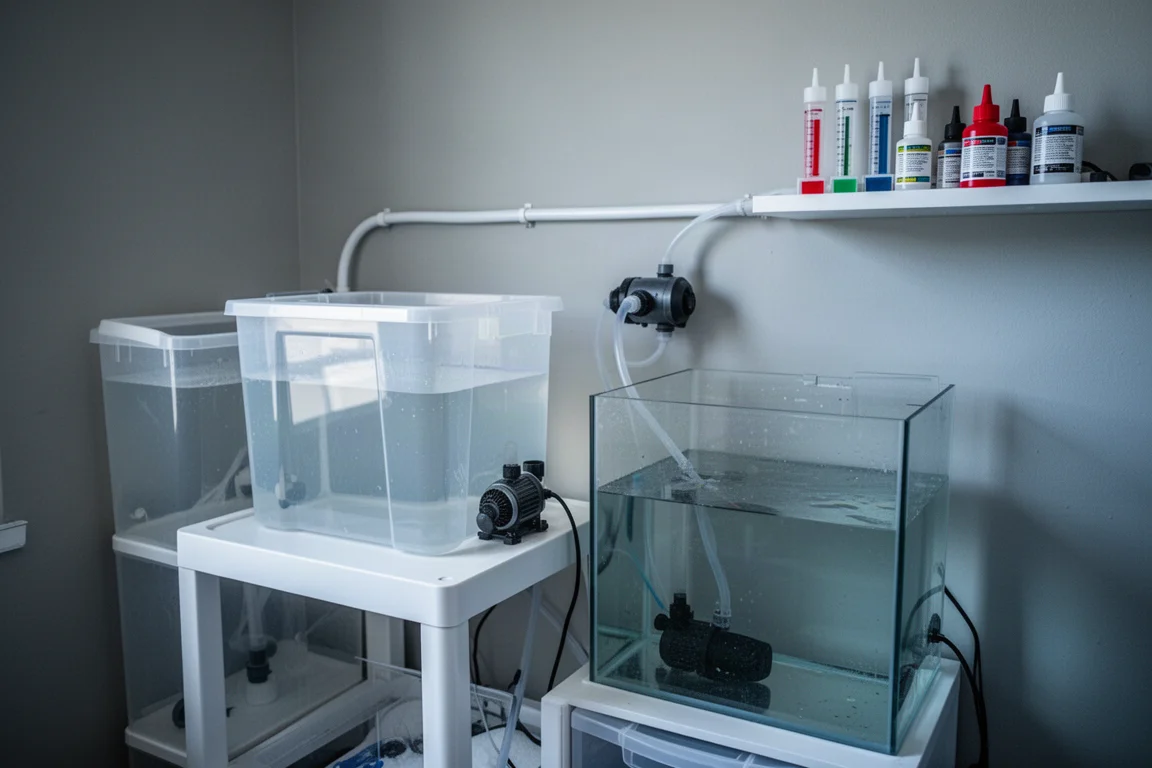
Because the mix is formulated to stay in solution, it is a practical choice for anyone tired of scrubbing precipitate out of mixing barrels or replacing pumps that have been fouled by residue. Tropic Marin offers it as an 80 gallon mix and a 200 gallon mix, which covers most home tank sizes and water change volumes.
Why Purity and Consistency Matter in a Reef Salt
Two things separate a low-maintenance salt from an annoying one: what it leaves behind, and whether every scoop measures the same.
Precipitation is the visible problem. When elements fall out of solution they settle as crusty residue in the mixing container and can build up in pumps and heaters. Pro-Reef is reported to have virtually no precipitation, which keeps mixing equipment cleaner and reduces how often you need to break down and descale a station. It also uses pharmaceutical-grade components, so there is no need to think about the impurities often linked to browning and buildup. There is no conclusive data showing that brownish residue harms a reef tank, but avoiding it altogether is simpler than diagnosing it later.
Consistency is the invisible problem. A salt mix that stratifies in the bucket delivers different element levels near the top than near the bottom, which makes water changes unpredictable.
Mixing Speed, Clarity, and Bucket-to-Bucket Consistency
Pro-Reef mixes quickly and easily compared with most other salt options, and it turns crystal clear once mixed. For anyone who has waited on a stubborn batch to clear, that is a real quality-of-life detail.

Consistency holds up over the life of a bucket. When tested for stratification, the mix performed well from the first scoop to the last scoop of a large container, proving to be a homogenous blend that delivers dependable levels of the major and minor elements rather than drifting as the bucket empties.
Element Levels at Natural Seawater Concentrations
Mixed to a salinity of 35 parts per thousand, or 1.026 specific gravity, Pro-Reef targets an alkalinity of 7 to 8 dKH, calcium of 430 to 450 ppm, and magnesium between 1,300 and 1,350 ppm. Those figures sit close to natural seawater and close to where many reefers already aim to run their tanks, which means less adjusting after a water change.
On top of the major elements, the mix supplies the full range of trace and minor elements found in natural seawater. That is enough to carry most reef tanks through their first one to two years without any need to dose trace elements, and the levels stay in solution rather than dropping out over time.
It helps to plan around real yields. Reaching 35 parts per thousand in five gallons of water takes approximately 722 grams of salt mix, which means a 200 gallon bucket produces roughly 175 gallons of saltwater at that salinity.
Storage, Precipitation, and Low-Maintenance Water Changes
Stability in storage is where this salt earns its keep. Because the major, minor and trace elements stay in solution, freshly mixed saltwater can be stored for weeks on end without precipitant accumulating in the container. There is no sludgy layer to clean out before the next batch.
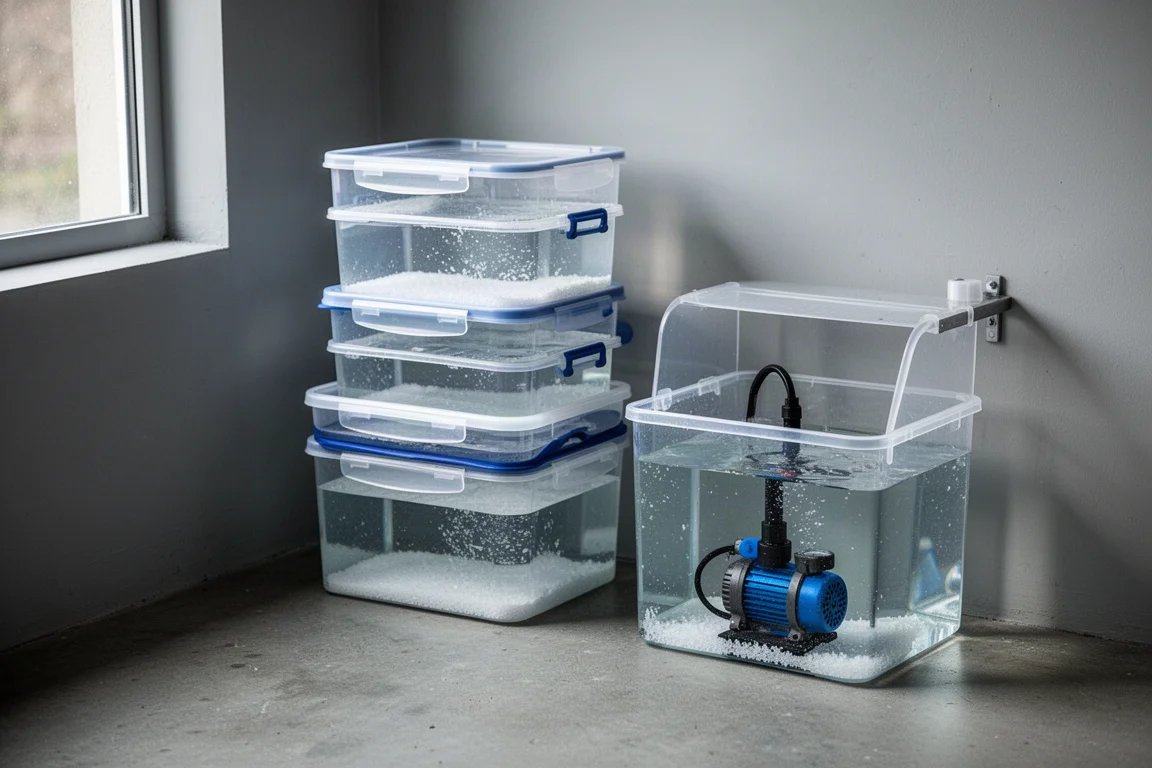
That same cleanliness benefits the equipment doing the work. Mixing pumps and heaters are likely to last longer when they are not getting bogged up with precipitate and impurities, which quietly offsets part of the cost of running a mixing station over the life of a tank.
Things to Consider Before Buying
Bucket volume is nominal, not usable yield. A 200 gallon bucket delivers about 175 gallons once you mix to 35 parts per thousand, so it is worth buying against the yield you actually need rather than the number on the label.
Cost is the other consideration. Tropic Marin salts sit at the higher end of the market, and Pro-Reef is no exception when you compare the price of a bucket against value-focused brands. The picture changes once you break it down per gallon, but the upfront spend is still higher. There is nothing exotic to buy alongside it, and no dosing regimen is required for the first year or two in most tanks, which keeps the overall running cost simpler than it first appears.
Buying Advice: What It Costs Per Gallon
Measured at that same 35 parts per thousand salinity, Pro-Reef works out to roughly 55 cents per gallon of mixed saltwater. All but the least expensive salt options sit around 50 cents per gallon. On an average 100 gallon reef tank, that gap amounts to only a couple of dollars a month, which makes it a more affordable upgrade than the bucket price suggests.

Large-scale salt-mix testing has placed Pro-Reef at the top of the field across the board, taking first place or tying for first, which supports the consistency claims behind the mix as much as the per-gallon math does. Choose the 80 gallon mix for smaller systems or occasional water changes, and the 200 gallon mix when you run a reservoir and change water regularly.
Conclusion
Tropic Marin Pro-Reef is worth the premium for reefers who want a clean, stable, low-maintenance salt mix. It mixes fast and clear, holds alkalinity, calcium and magnesium close to natural seawater levels, keeps the full range of trace elements in solution, and tolerates weeks of storage without leaving precipitate behind. If your routine depends on stored or automated saltwater, the per-gallon cost puts it surprisingly close to salt mixes that ask far more of your maintenance time.
Product link
View more details for Tropic Marin Pro-Reef Salt
This product is mentioned in the review. Check the specifications, options, and compatibility before buying.
View more details for Tropic Marin Pro-Reef SaltFurther reading
Related Reviews

Backpacking Gear
Building a 10 lb Base Weight: An Ultralight Backpacking Gear List
A practical walkthrough of the ultralight pieces behind a 10 lb base weight, from a 765 g pack and a roomy one-person tent to a full camp chair and a dependable water filter.

Road Bikes
10 New Road Bikes Worth Watching: Aero, Titanium, Steel and Endurance Standouts
A practical roundup of 10 new road bikes, from aero flagships chasing single-watt gains to titanium, steel and endurance platforms built for real roads.
Saltwater Aquarium Setup
10 Questions About Cycling a Saltwater Aquarium: What You Need to Know
Essential questions and answers for cycling a reef tank or saltwater aquarium, from biome building to light management and bacterial supplements.