Aquarium Additives
Triton Core 7 Review: A Seven-Part Element System Built Around Testing
A practical look at Triton Core 7, a seven-part major, minor and trace element system for reef tanks, including its strengths, trade-offs and who should buy it.

Introduction
Every multi-element additive promises the same thing: supply the major, minor and trace elements a reef tank consumes, and the chemistry stays in balance. Any experienced reef keeper knows that promise is only ever approximate. Coral uptake shifts with species, tank maturity and environmental parameters, so no additive can track consumption exactly. A well-designed system simply gets close, and behaves predictably when it drifts.
Triton Core 7 is a seven-part dosing system covering major, minor and trace elements, and it is inseparable from the wider Triton Method, an approach built around regular ICP testing and minimal water changes. This review looks at what the system does well, where the trade-offs sit, and who should realistically consider it.
Who Triton Core 7 Is For
Core 7 is aimed at reef keepers who would rather run one balanced element program than juggle a shelf of individual bottles and guess at the right dose for iodine, fluorine, bromine, lithium, vanadium, strontium, barium, copper, nickel, chromium, cobalt, boron and the rest of the trace list.
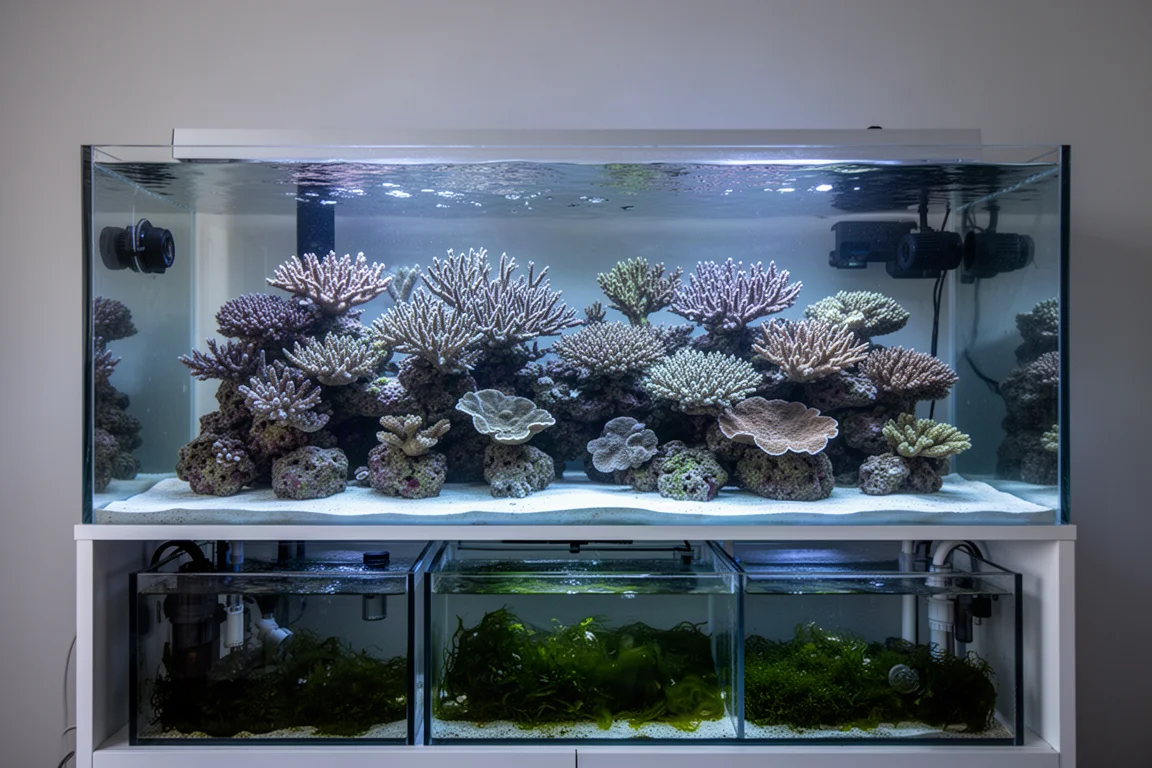
Triton formulates Core 7 around the reality that tanks consume elements differently from the average system, and the formula is tuned specifically for tanks that run a refugium as part of their filtration. Reef keepers without a refugium are not left out, because Triton offers other methods for those setups.
It also suits anyone who is prepared to test. The system works as a package: dosing, ICP analysis and a defined water change philosophy.
How Triton Core 7 Works
The Triton Method is founded on minimal water changes, performing them only when regular ICP testing indicates the need, then dosing individual elements when the report suggests it. Core 7 handles the bulk of the major, minor and trace element demand, while test results show where the tank has drifted and whether a targeted correction makes sense.
That structure is the defining feature of the product. Trace element dosing without testing is guesswork, because uptake rates differ between calcifying and non-calcifying organisms. Corals, algae and other tank inhabitants all consume different elements at different rates, and the same coral may behave differently after a move to a tank with new environmental parameters. Testing is what turns a broad average into something usable for one specific system.
Main Strengths: A Balanced Major, Minor and Trace Element System
The strongest argument for Core 7 is the data behind it. Triton is unusual among additive makers in also operating as a testing company, and customers running Core 7 submit a very large volume of ICP test kits. That stream of results shows how the product performs in real tanks, gives the company a route to ask clarifying questions when anomalies appear, and feeds a cycle of continual performance improvement. The stated goal is to work best not for every tank, but for the greatest number of them.
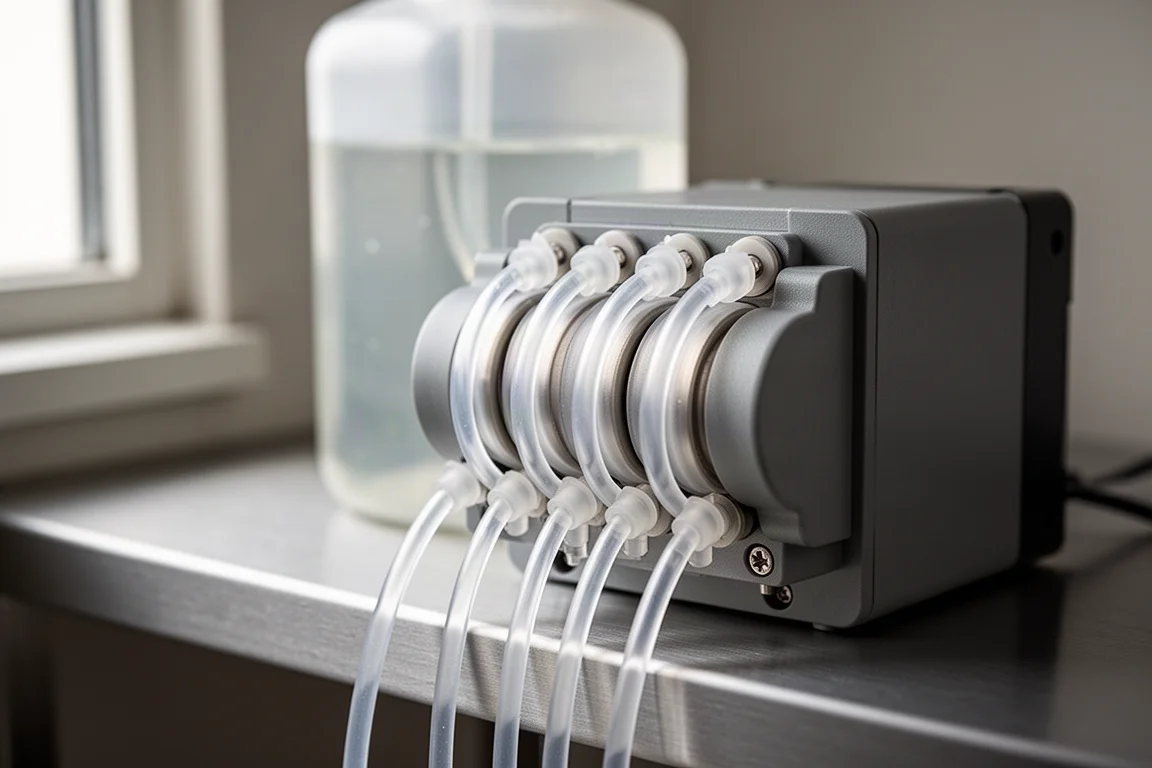
Consistency is the other clear strength. Long-term use alongside a regular water change schedule has produced mildly depleted values on a handful of elements rather than elevated or toxic ones, and nothing in that pattern has materially affected tank success. For a system that is often run at scale on mature reefs, that kind of stability matters more than any single headline claim.
The formula also takes refugium-based tanks into account rather than treating every reef as identical, which is a practical advantage if your filtration includes a macroalgae chamber.
Testing, Data and the Triton Method
Almost every additive producer can explain why their formulation is logical, and most of those explanations hold up. The differentiating point for Triton is the closed loop between the additive and the test kits: the same company supplies both, and the results feed back into how the product is put together.
The Triton Method itself is deliberately reactive. It assumes water changes are performed only when testing shows they are needed, with individual element dosing used to correct specific shortfalls. That works well when the routine is followed. If test kits go unsubmitted and reported corrections are skipped, the chemistry drifts and the tank suffers. The instructions are not decorative.
That is worth stating plainly because the method is often adopted part-way. If you are trying something new for the first time, running the intended recipe closely and observing the result is the most informative path.
Things to Consider Before Buying
Nobody can formulate a trace element additive that is perfectly matched to every organism and every tank. Coral uptake across a long trace list, including iodine, fluorine, bromine, lithium, vanadium, strontium, barium, copper, nickel, chromium, cobalt and boron, varies with species and environment. Some of those elements go into skeleton production and some serve cellular metabolic functions, and the organisms using them are not consistent from one system to the next.

That is why trace elements can quietly become pollution. When corals do not consume an element as quickly as it is dosed, concentration climbs past the beneficial range, and a helpful additive becomes a harmful one in sufficient quantity. A single dose of a less-than-perfect formulation will not cause a problem, and neither will a hundred. It is hundreds of unmitigated doses accumulating over a year or two that build up.
There is a second chemistry caveat that applies to two-part style systems generally: sodium chloride accumulation. Calcium hydroxide, calcium formate and calcium reactors avoid that particular burden. Water changes are the usual way reef keepers manage the drift, and every additive system on the market is designed around some amount of dilution or water change, whether that happens preventively or in response to test results.
Practical considerations matter too. ICP testing is essential to run Core 7 as intended, and many reef keepers test rarely or not at all, which means trace element overdose is easily misdiagnosed as something else. If you will not commit to testing, this is not the system to buy, and a simpler routine is likely to serve you better.
Where Core 7 Fits Alongside Other Approaches
The main differences between additive systems are not really about bottle count. They come down to how large and how frequent the compensating water changes are, and whether those changes are designed to prevent chemistry problems or whether testing catches them after the fact.
Core 7 can be adapted. Keeping the additive while moving to a regular water change schedule and dropping most of the individual bottle dosing is a viable middle path, and in practice it has left some elements slightly depleted without anything material happening to tank health. The additive itself has not been the source of toxic or elevated values in that arrangement. The important part is knowing how the tool works before changing how you use it.
Buying Advice: Matching Core 7 to Your Tank
Decide first whether you will run ICP testing on a regular schedule. Core 7 makes the most sense for keepers who will, because the testing is what tells you when to adjust and when to leave the tank alone.

If this is your first time running the system, follow the Triton Method recipe as closely as you can and see what it produces on your tank. Once you have a feel for the rhythm, you can adapt. Pairing Core 7 with a steady, preventive water change schedule is a reasonable option for keepers who find open-ended bottle dosing more effort than it is worth, as long as you accept that a few elements may sit slightly low. Refugium-based tanks get a formula tuned for their uptake pattern, and tanks without a refugium should look at the alternative methods Triton offers rather than forcing the standard program.
In every case, keep the fundamentals in view. An additive that supplies all the major, minor and trace elements is a game of averages, not precision, and water changes remain the simplest way to dilute whatever accumulates.
Conclusion
Triton Core 7 earns its reputation by combining a broad element program with something most additive lines cannot offer: a testing operation large enough to see how the formulation performs across an enormous number of real tanks. It is a strong fit for reef keepers running the Triton Method who will test regularly and accept that no additive can match uptake perfectly. For anyone unwilling to test, or looking for a set-and-forget solution, the honest answer is that the trace element risk is higher than the reward.
Product link
View more details for Triton Core 7
This product is mentioned in the review. Check the specifications, options, and compatibility before buying.
View more details for Triton Core 7Further reading
Related Reviews

Aquarium Additives
Aquaforest Component 3in1 Review: One-Part Dosing for Reef Tanks
A practical look at Aquaforest Component 3in1, a calcium formate based one-part additive that covers alkalinity, calcium, magnesium and trace elements in a single liquid.

Backpacking Gear
Building a 10 lb Base Weight: An Ultralight Backpacking Gear List
A practical walkthrough of the ultralight pieces behind a 10 lb base weight, from a 765 g pack and a roomy one-person tent to a full camp chair and a dependable water filter.

Road Bikes
10 New Road Bikes Worth Watching: Aero, Titanium, Steel and Endurance Standouts
A practical roundup of 10 new road bikes, from aero flagships chasing single-watt gains to titanium, steel and endurance platforms built for real roads.