Aquarium Equipment
Trigger Systems ATO Reservoirs: Standard and Triton Compared
A practical comparison of Trigger Systems ATO reservoirs, covering the color-matched standard models, the Triton version, and how to choose between them.
Introduction
Evaporation is a constant in a reef tank. Left unmanaged, it shifts salinity and other parameters, and it can leave equipment like return pumps running dry. Auto top off systems handle that job automatically, and the reservoir feeding them deserves more thought than it usually gets.
An ATO reservoir can be anything from a fresh bucket to an old glass tank. Plenty of reefers prefer a purpose-built option that sits neatly with the rest of the system and looks like it belongs there. Trigger Systems, the company behind a well-known line of aquarium sumps, offers ATO reservoirs in a range of finishes and a choice of two designs. This comparison looks at the standard models and the Triton version side by side.
What an ATO Reservoir Needs to Do
The first job is simple: hold RO/DI water and feed it to the top off pump so the display tank stays topped up. Everything beyond that is about how the reservoir lives inside your system, how often you have to refill it, and how tidy the cabinet looks when you open the door.
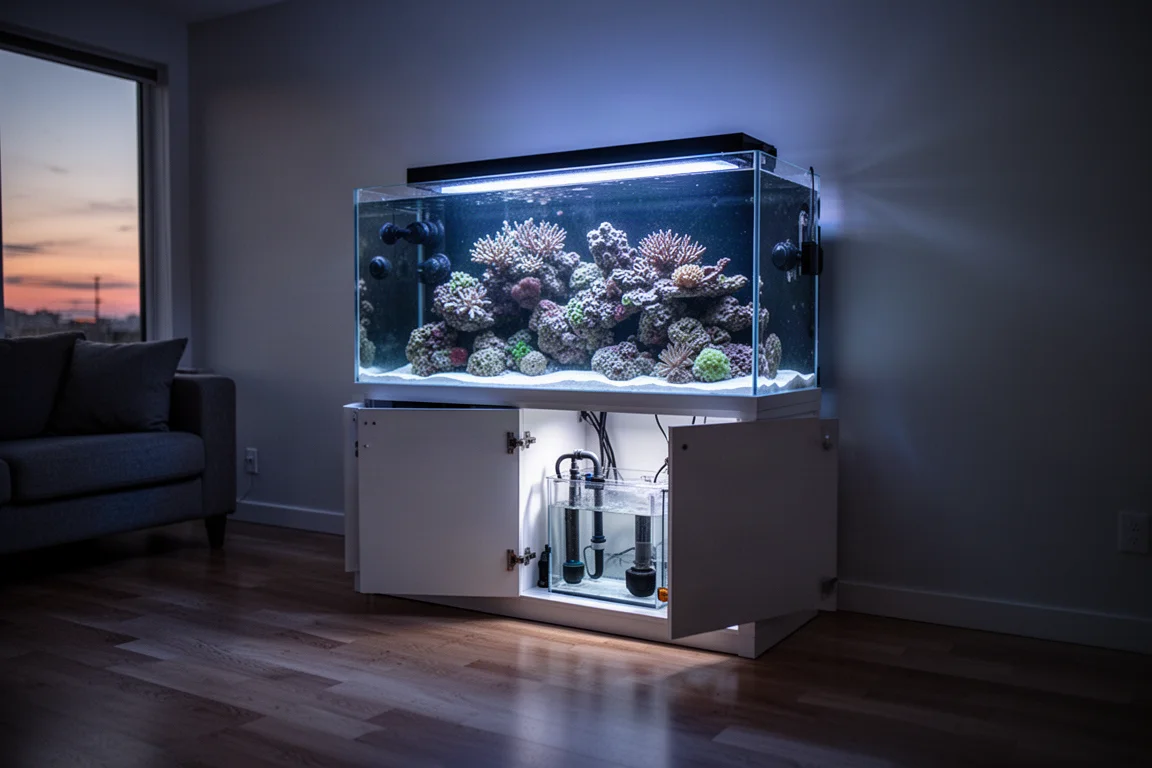
The features that make a reservoir easy to live with are unglamorous but practical. A lid limits evaporation from the reservoir itself, openings for cords and tubing keep the installation organized, and a visible water level means you can check capacity without lifting anything.
Triggers Systems approaches this by dimensioning its reservoirs to match the profiles of its sumps, so one can cap either side of the system and sit flush rather than crowding the space that is already there.
Finish, Color, and Sump Matching
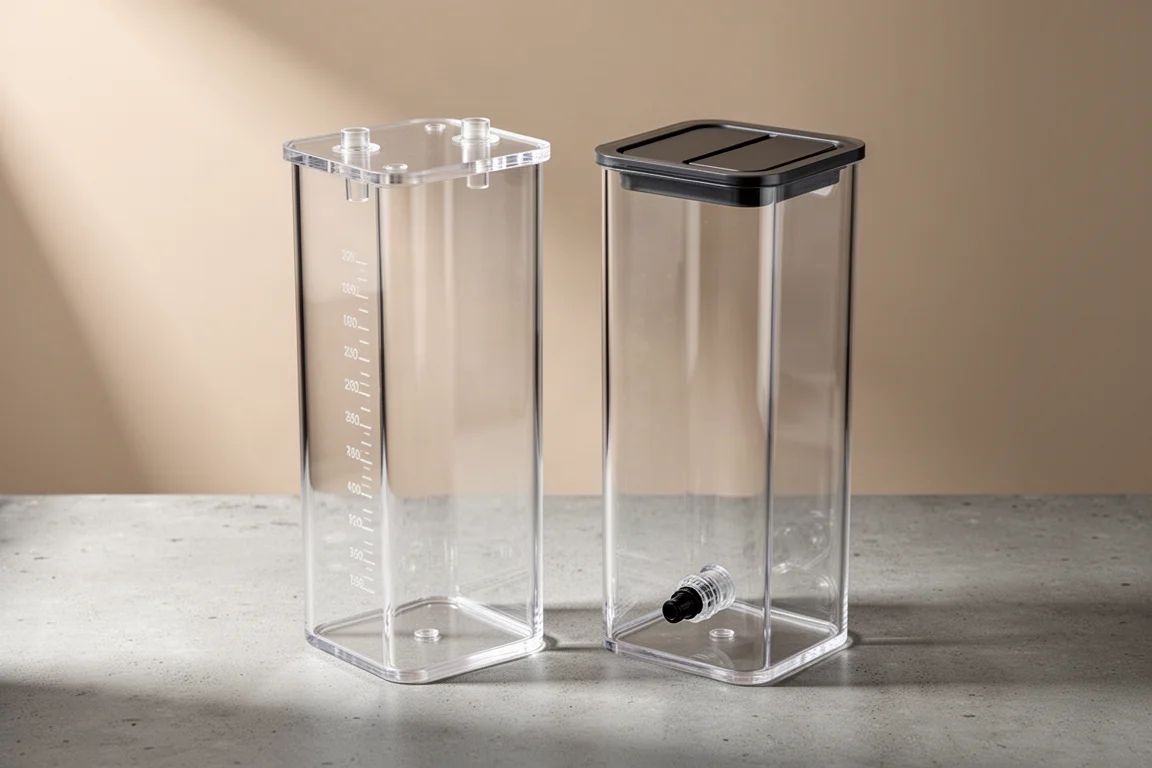
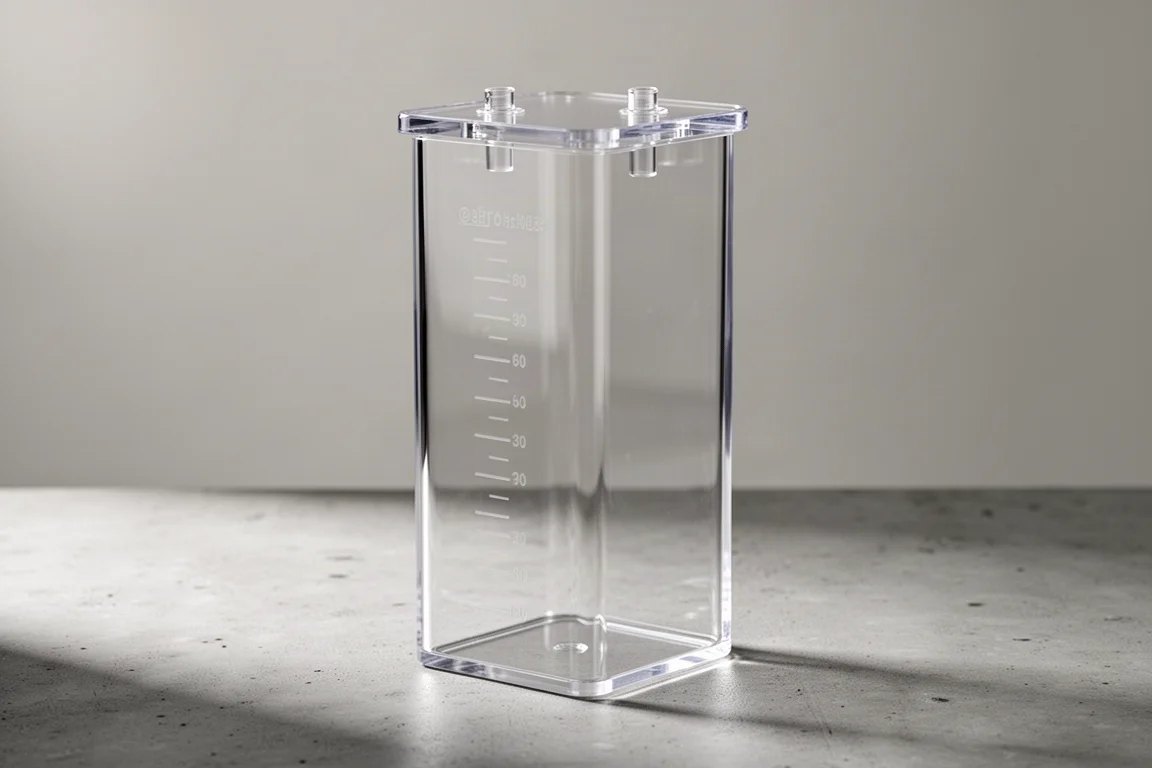
Construction across the range is consistent. Every reservoir is made from quarter inch thick acrylic that will not bow, and each one has a top with rounded, flame polished edges. The lids are designed to keep RO/DI water from evaporating, with cutouts that let cords and tubing pass through, and every unit carries a laser engraved graduation for level checks.
Color is where the two designs separate. Standard ATO reservoirs come in clear, red, green and blue, which correspond to the Crystal, Ruby, Emerald and Sapphire sump lines. If you already run one of those sumps, the matching reservoir keeps the whole cabinet looking like one considered system instead of a collection of parts.
The Triton reservoir takes its cue from the Triton line of sumps, keeping the same visual family as that series.
Trigger Systems Standard ATO Reservoir
The standard model is the straightforward option in the lineup. It includes two ports sized for quarter inch tubing, a sturdy acrylic lid with a notch for routing cords or hoses, and a laser engraved graduation for reading the water level at a glance.
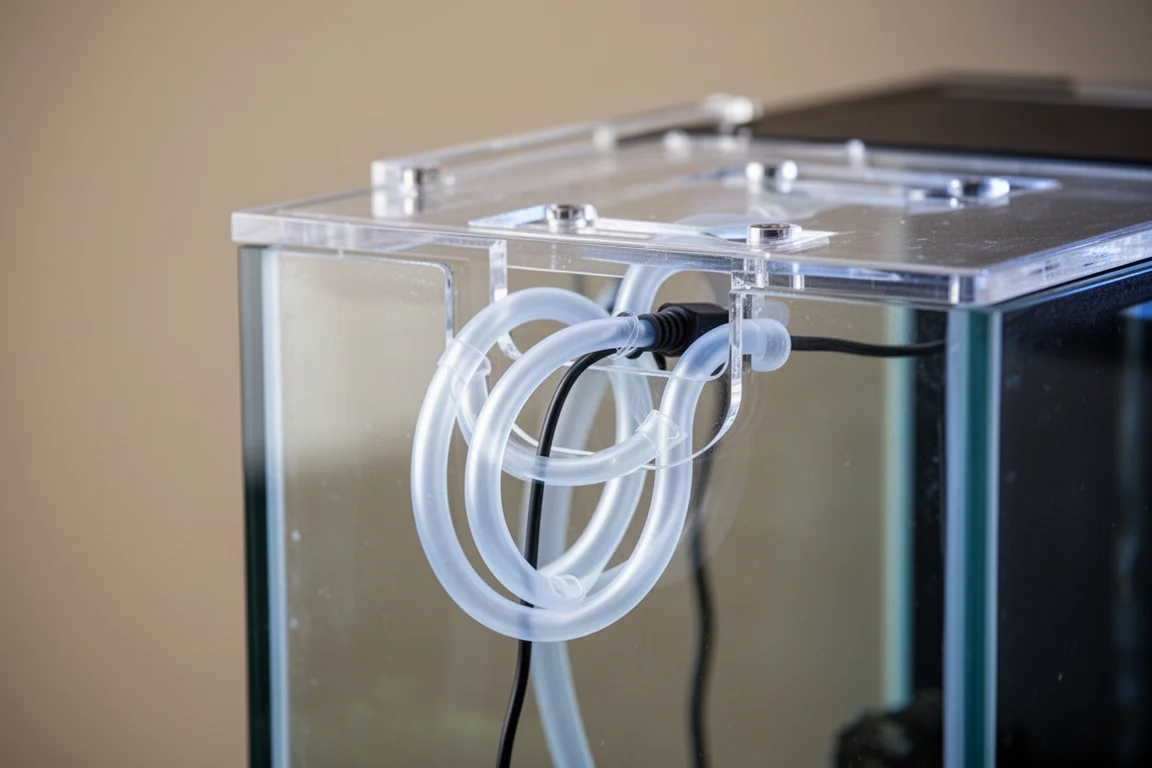
For a reefer who wants the reservoir to sit quietly under the tank, that combination covers the essentials. The pair of tubing ports gives you separate openings for the top off line and anything else you want to route, and the color-matched finish means the reservoir holds its own next to the sump it was designed to sit beside.
Trigger Systems Triton ATO Reservoir
The Triton version is built to pair with the Triton line of sumps and changes the plumbing details rather than the overall concept. A single quick disconnect handles quarter inch RO tubing, and a large port for routing cords or hoses is covered by a sliding door. The lid is recessed polycarbonate rather than acrylic, and the subtle laser engraved graduation is carried over from the rest of the range.
That layout suits an installation where you want one clean connection point for the top off line and a covered route for cables, with the lid staying out of the way when you check on the reservoir.

Which Trigger Systems Reservoir Fits Your Setup
The first question is what is already under your tank. If your system uses a Crystal, Ruby, Emerald or Sapphire sump, the standard reservoir in the matching color is the natural pairing. If you run a Triton sump, the Triton reservoir is the one that shares that design language.
Then consider how you want to route plumbing and cables. The standard model’s two quarter inch ports give you separate openings for tubing and cords. The Triton concentrates tubing into a single quick disconnect and moves cords and hoses behind a sliding door on a large port.
Because the underlying construction is the same across both, the decision comes down to sump matching and the way you prefer to handle connections. Neither approach is more capable than the other for the core job of feeding a top off pump.
Sizing, Placement, and Refill Intervals
Trigger Systems ATO reservoirs come in five and ten gallon volumes. The five gallon measures six inches wide, 14 inches deep and 15 inches tall. The ten gallon measures 10 inches wide, 16 inches deep and 15 inches tall. Because the reservoirs are designed to be taller and thinner, stepping up to the larger volume is often easier than it sounds if cabinet space allows.
Capacity sets your refill rhythm. A five or ten gallon reservoir should last the average reefer a week or more, depending on the system volume, how much surface agitation there is, and whether the tank runs with a glass top. Going bigger when the stand has room is the simplest way to stretch the interval between refills.
Buying Advice
Start with the sump. Matching the reservoir to the sump line you already own keeps everything under the cabinet visually consistent, and it is the difference between an add-on and a system that looks put together on purpose.
From there, weigh the practical details rather than the marketing ones. Both options give you quarter inch acrylic that resists bowing, a lid that slows evaporation, cutouts for cords and tubing, and a graduation you can read without opening anything. The standard model adds a second tubing port; the Triton adds a quick disconnect and a sliding-door cord port. Choose the volume that fits your cabinet and your maintenance habits, then pick the finish that matches what is already running.
Conclusion
A sharp acrylic ATO reservoir is not a must-have for every reef system, but it is a genuinely nice thing to have, and it looks and functions better than a five gallon pail or a cheap plastic bin. The standard models deliver color-matched, no-frills function with dual quarter inch ports and a sturdy acrylic lid, while the Triton version answers the same needs with a single quick disconnect, a sliding-door cord port, and a recessed polycarbonate lid. If matching matters to you, both are designed to sit alongside the sump they were made for.
Further reading
Related Reviews
Aquarium Equipment
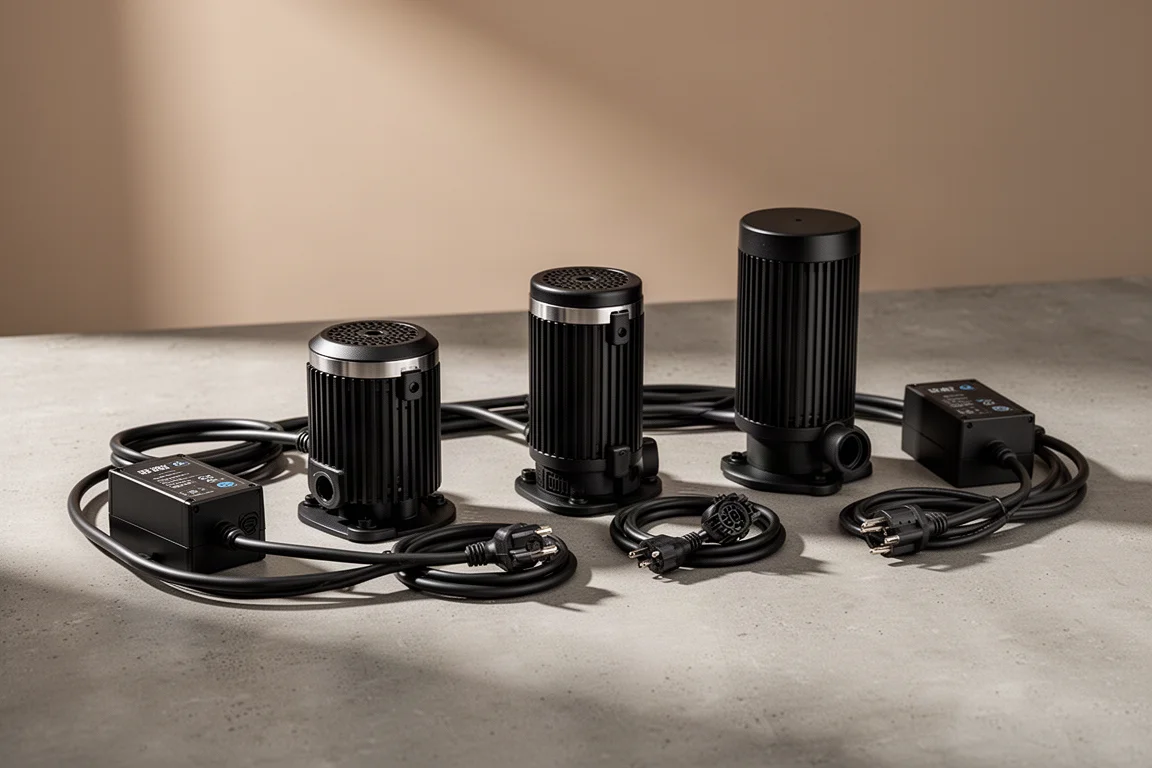
Abyzz Professional DC Pumps: A100, A200, and A400 Reviewed
A closer look at three German-made DC return pumps built for large reef systems, with titanium internals, fine flow control, and a 10-year warranty.
Aquarium Equipment
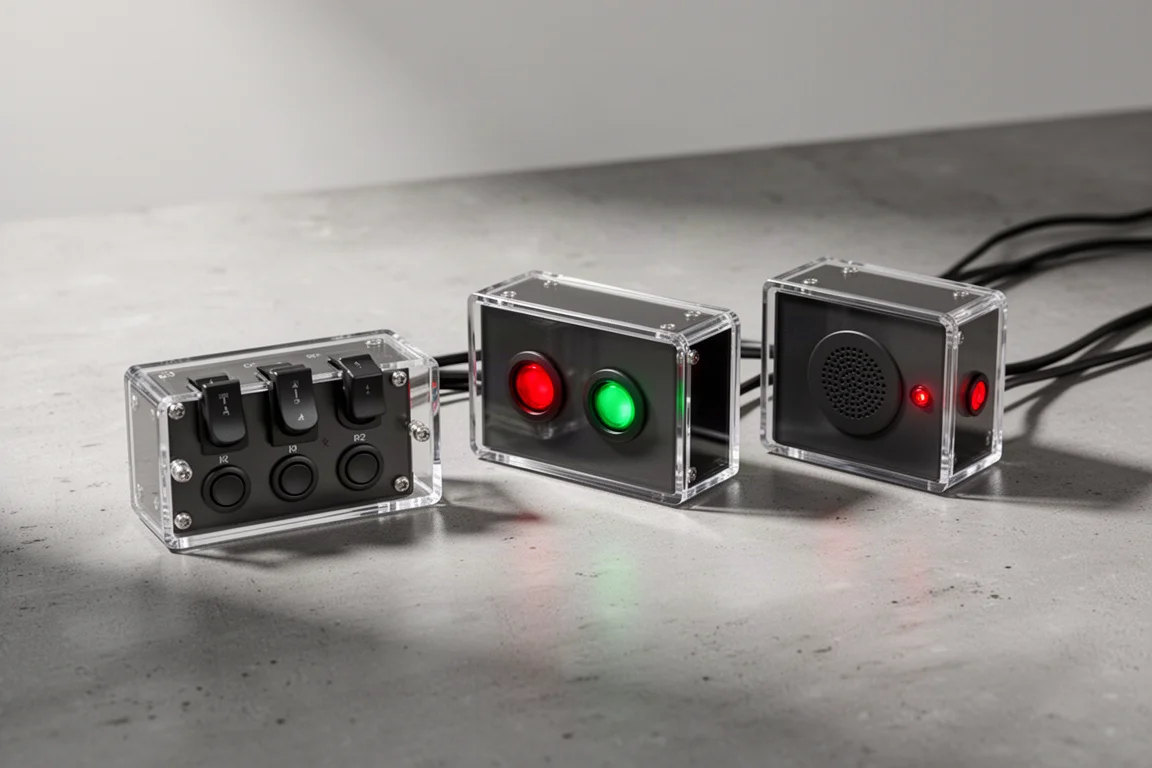
AdaptiveReef Controller Accessories: Three Tactile Upgrades for Your Reef Controller
A practical look at three AdaptiveReef add-ons that put physical switches, at-a-glance status lights, and a loud alarm within arm's reach of your reef tank.

Aquarium Equipment
Adaptive Reef Controller Boards: Basic vs Deluxe for Cleaner Aquarium Gear
A practical look at the Adaptive Reef Basic and Deluxe controller boards, what each one includes, and how to choose the right size for your tank gear.