Road Bikes
Triban RC120 Disc vs RC120 Rim Brake: Which Version Makes More Sense?
A close look at the Triban RC120 Disc and the cheaper rim brake version, covering weight, tire clearance, gearing, frame details, and the setup quirks worth knowing before you buy.
Introduction
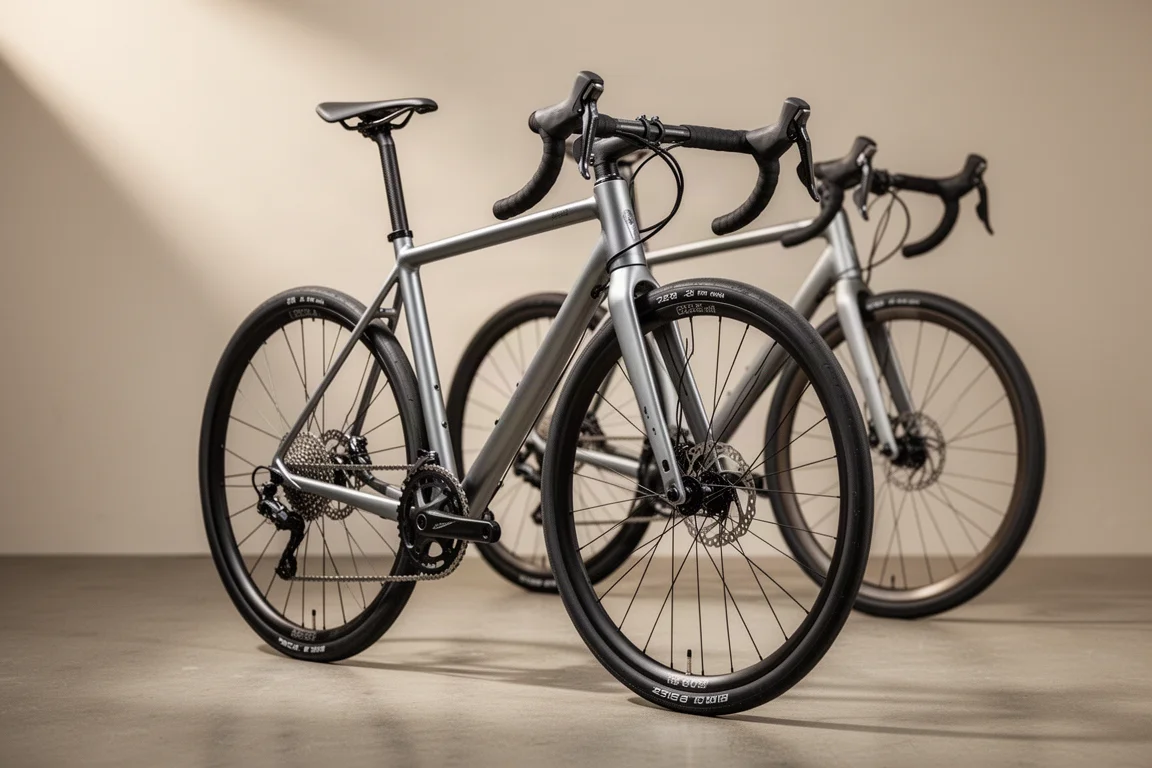
The Triban RC120 has earned a reputation as one of the strongest value options in entry level road cycling, and the disc brake version asks a straightforward question: is it worth paying a little more for the same bike with different brakes and more room for wider tires?
The answer depends on how you plan to ride, because the two versions are not identical beyond the brake type. This comparison covers what actually changes between the Triban RC120 Disc and the cheaper Triban RC120 Rim Brake, from weight and tire clearance to gearing, frame details, and the small setup quirks worth knowing before you buy.
What Makes These Bikes Interesting
Both versions share an aluminium frame and a carbon fork, which is unusual at this price point. The frame includes mounts for racks and mudguards, so it works as a commuter as well as a weekend road bike. The geometry is relaxed, which suits riders who are new to drop bars or who want a position they can hold comfortably over longer distances.
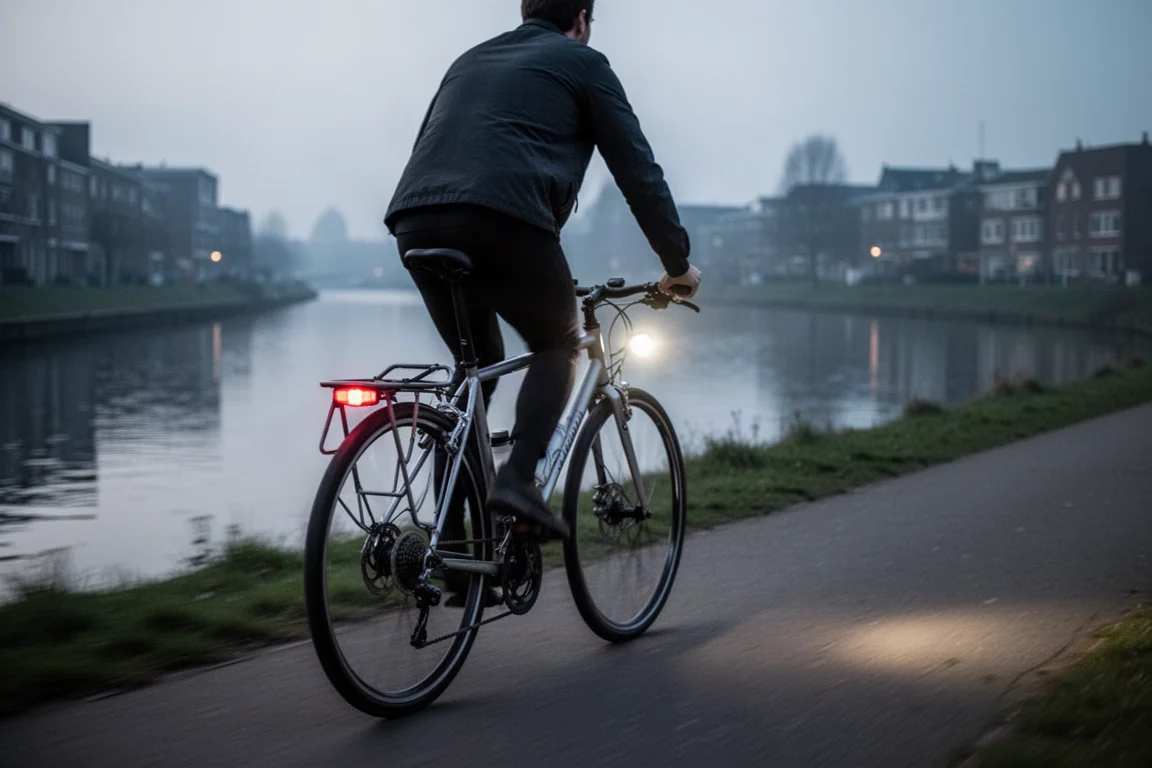
Both bikes also arrive fully assembled and set up by a mechanic, with lights, reflectors, and pedals included. The lights are enough to make you visible in traffic, but they are not bright enough to light the road ahead on unlit routes, so a proper front light is still worth budgeting for.

The most important difference starts at the frame itself. The disc version is built to accept considerably wider tires, and that single detail changes what the bike can realistically be used for.
Triban RC120 Disc: More Clearance, More Versatility
The disc frame is officially rated to accept 36mm tires, and in practice there is room for more. A 38mm gravel tire and a 40mm gravel tire both fitted at the rear with space to spare, and the rear end is normally the limiting factor because of the front derailleur and the chainstays. That opens up commuting on wider, more comfortable rubber, light off road riding, or even cyclocross style use.
The disc version also comes with tubeless ready rims, which the rim brake version does not. The wheels are not set up tubeless from the shop, which is normal because sealant has a limited shelf life, but the option is there if you want it later.
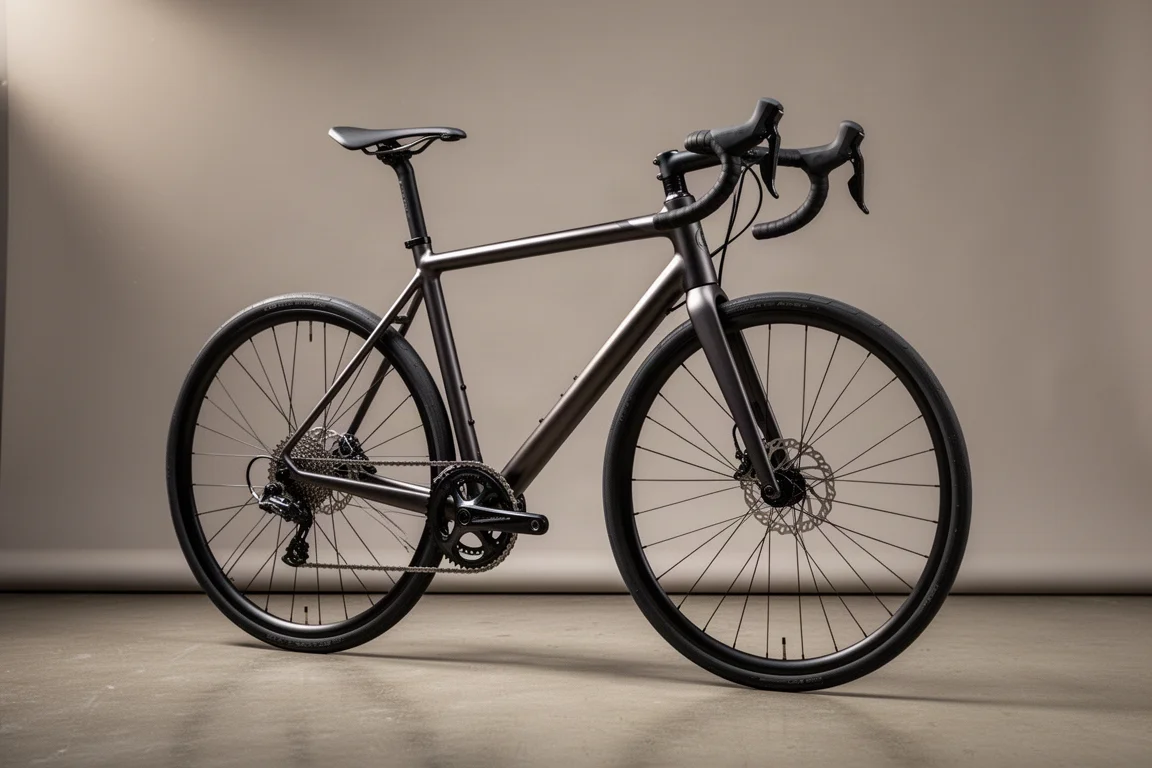
The trade off is weight. The disc bike came in at 11.1kg as delivered, against 10.72kg for the rim brake version, a difference of around 400g. On a day to day ride that extra weight is unlikely to be noticeable, but it is worth knowing if you pay attention to the numbers.
Triban RC120 Rim Brake: Lighter and Cheaper
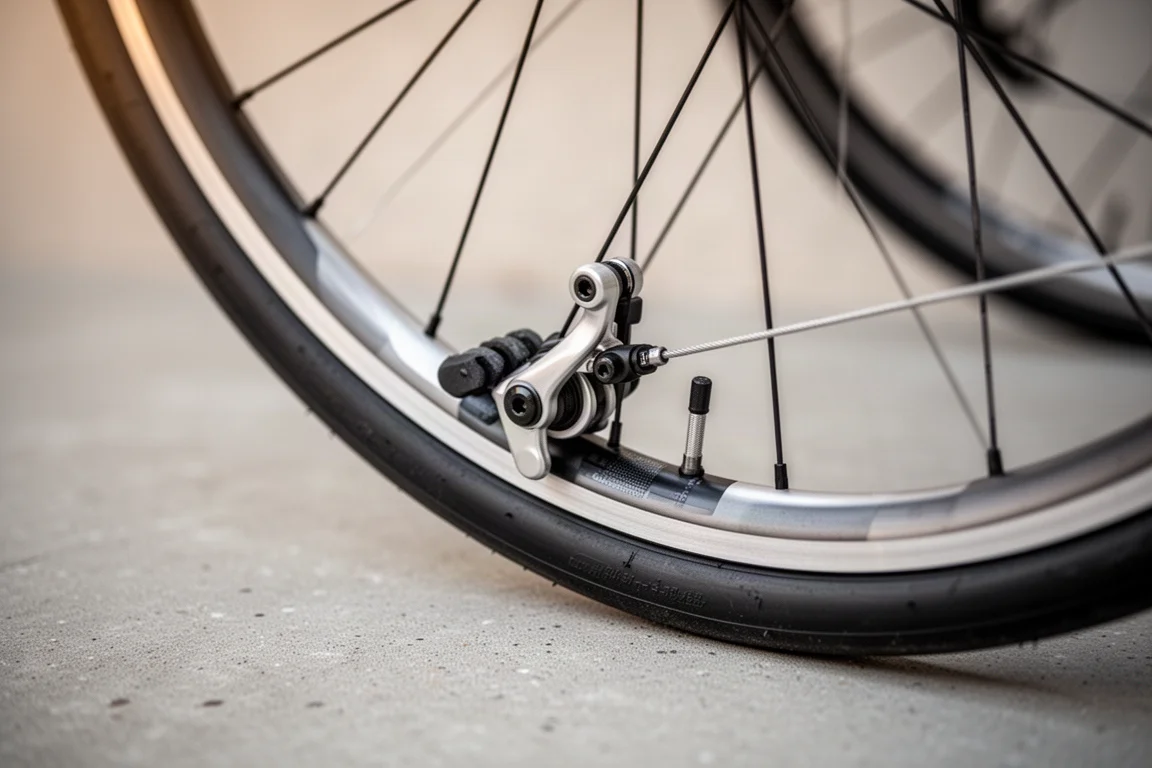
The rim brake version is the lighter of the two at 10.72kg, and it costs roughly £50 less. It uses the same aluminium frame layout, the same relaxed geometry, and the same eight speed Microshift drivetrain, so the riding experience is very similar apart from braking and tire capacity.
If you ride mostly on smooth tarmac in dry conditions and you have no plans to fit wider tires, the rim brake model covers the same ground for less money. What you give up is the wider tire clearance and the tubeless ready rims, both of which add long term versatility rather than outright speed.
Frame, Geometry, and Fit
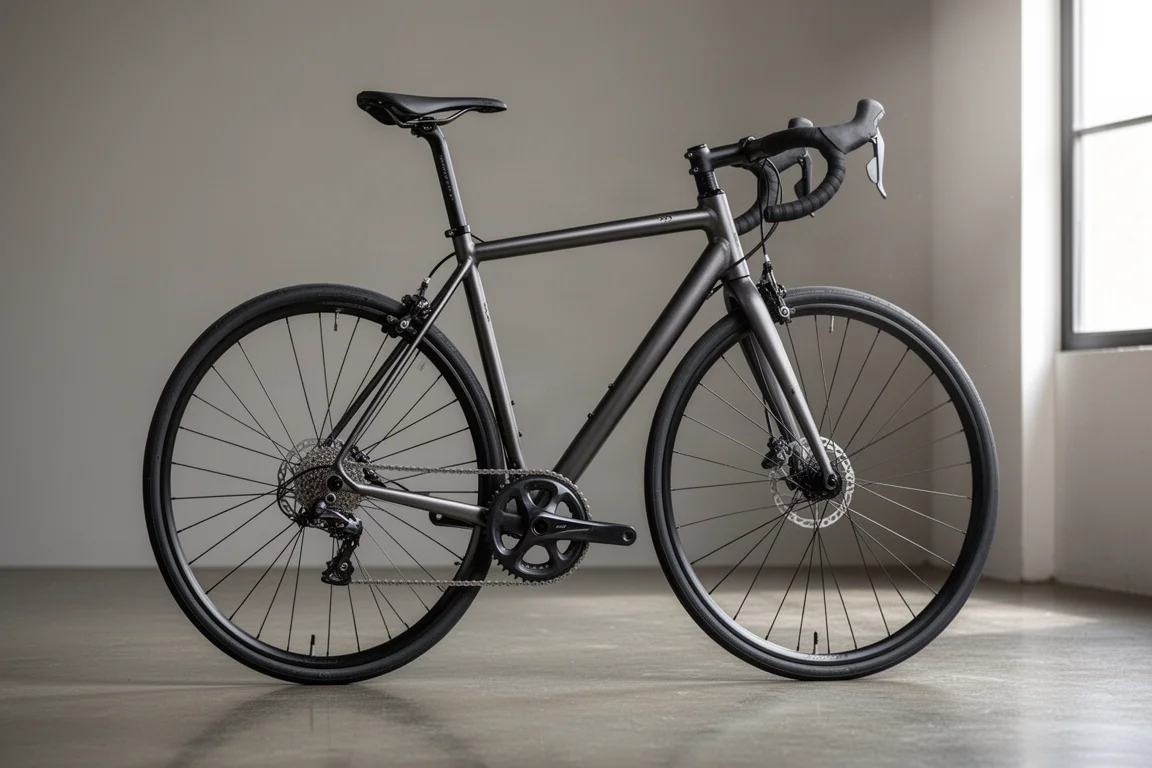
The frame is aluminium with a carbon fork, and it includes mounts for racks and mudguards. The front end is adjustable: the bike ships with spacers under the stem, so you can lower the bars later for a more aggressive position without changing any parts.
Triban has also matched component sizes to the frame. The handlebars on the size small are 40cm wide, which is narrower than what you would normally find on a medium or large bike. As a rough guide, bar width on a drop bar road bike should be close to your shoulder width. The size small fitted riders around 5ft 8in and 5ft 10in well, and anyone taller would likely be better served by a medium.
The saddle is Triban’s own, and it is comfortable enough for the price. It does not have a deep pressure relief channel, which many riders find helps over longer distances, and it fits a standard 27.2mm seatpost, so upgrading later is straightforward. The bars and stem are in house parts too, which keeps replacement simple and inexpensive.
Drivetrain, Wheels, and Tires
The groupset is an eight speed Microshift setup with two chainrings at the front. The ratios are friendly for newer riders: an 11-34 cassette paired with a 50-34 chainset gives a one to one lowest gear, which is enough to get up most steep hills without grinding.
Shifting was precise across the range, and the shifter ergonomics are comfortable, even if they do not match the feel of much more expensive groupsets. That is a fair trade at this price.
The wheels are Triban’s own and are marked tubeless ready on the disc model. Tires are 28mm Triban items, and they proved surprisingly grippy, including on wet and slippery road surfaces. The tires also came off the rims by hand without levers, which is a genuine advantage if you puncture at the roadside. Carrying a set of tire levers is still a sensible habit.
Brakes and Setup Details
The disc brakes arrived set up well, with no rub in the stand, and they felt strong. Like all disc brakes, they need bedding in: expect the first 15 to 20 minutes of riding to feel less powerful than what follows. After a wheel removal and refit, some rub appeared, which suggests the wheel was not perfectly straight as delivered. That is usually a quick fix at the shop.
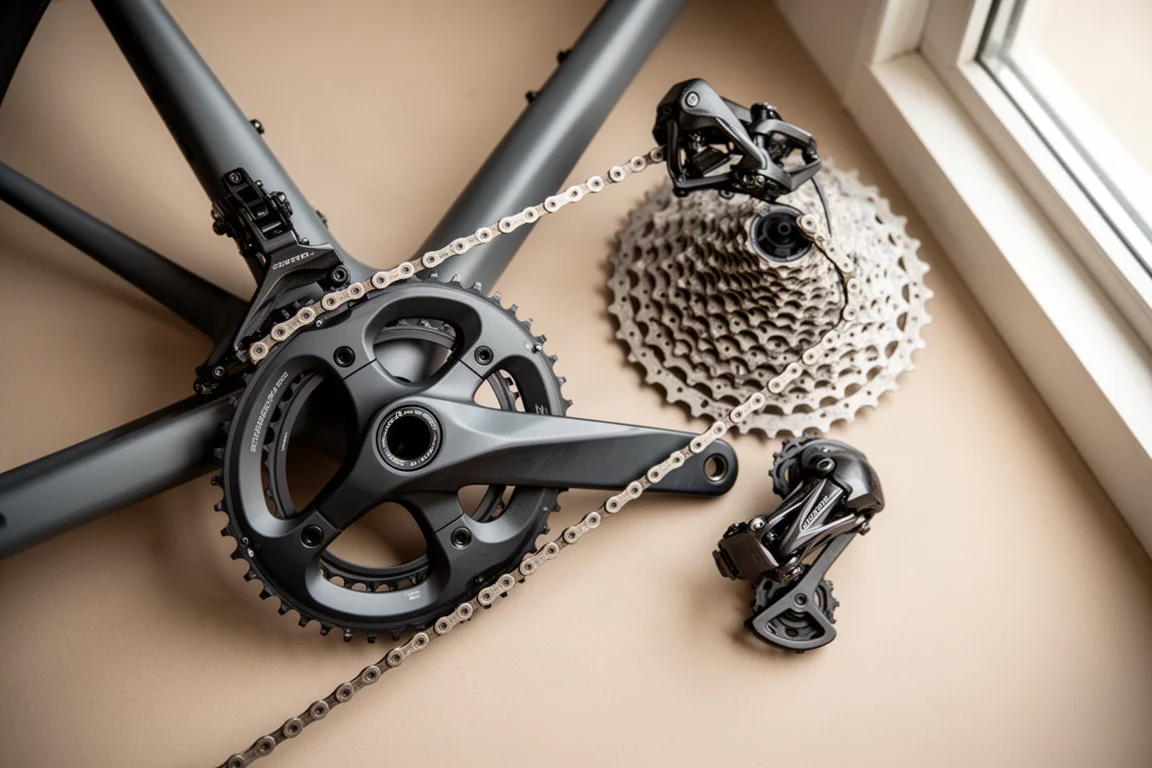
There are two details worth checking before you commit. The first is the brake cable clip on the fork, which can come off easily; a cable tie is a cheap and permanent replacement. The second is more serious. The rear derailleur hanger is built into the frame rather than being replaceable, so a crash on the drive side that bends the hanger can damage the frame beyond repair. Higher end Triban frames and many other manufacturers use a replaceable hanger for exactly this reason.
Things to Consider Before Buying
Ride quality is firmer than on much more expensive bikes, which is expected at this price. It is not uncomfortable, but you notice rough surfaces more. Wider tires on the disc model are the simplest way to soften that.
The non replaceable derailleur hanger is the main long term risk to weigh up, and it applies to both versions. The included lights are a visibility aid rather than a lighting solution, so plan for a proper front light if you ride after dark. Finally, check the size carefully: the geometry is relaxed and the small is genuinely small, so taller riders should look at a medium.
Buying Advice
If your budget is around £400, the Triban RC120 Disc is the version that makes more sense for most riders. Disc brakes perform better in wet conditions, and the wider tire clearance turns a straightforward road bike into something you can commute on, ride on gravel, or set up for comfort with bigger rubber. Those options are worth more than the £50 premium.
Choose the rim brake version if you want to spend as little as possible, you ride mainly in dry conditions on good tarmac, and you have no interest in fitting wider tires. It is lighter and cheaper, and it uses the same frame layout and drivetrain as its disc brake sibling.
Whichever version you pick, the same practical checks apply: make sure the wheel is seated straight, bed the brakes in properly on the disc model, and confirm the frame size matches your height rather than what happens to be in stock.
Conclusion
Both versions of the Triban RC120 deliver a lot for the money: an aluminium frame with a carbon fork, rack and mudguard mounts, a usable one to one climbing gear, and a relaxed position that suits newer riders. The disc model adds braking confidence and tire flexibility for a small increase in price and weight, while the rim brake model keeps both the cost and the weight down. Match the choice to the riding you actually do, and either bike will serve you well.
Further reading
Related Reviews

Road Bikes
10 New Road Bikes Worth Watching: Aero, Titanium, Steel and Endurance Standouts
A practical roundup of 10 new road bikes, from aero flagships chasing single-watt gains to titanium, steel and endurance platforms built for real roads.
Road Bikes
2026 Tour de France Road Bikes: Six Race Machines Worth a Closer Look
Six race bikes from the 2026 Tour de France grid, reviewed for paint, silhouette, wheels and the specification details that matter to buyers.
Road Bikes
3T Strada Italia Review: A Radical Aero Road Bike That Rides Smooth
A made in Italy carbon aero road bike with a deep head tube, wide tire clearance and a genuinely comfortable ride. Here is what to know before buying.