Road Bikes
Triban RC 520 Review: Shimano 105 and Hybrid Hydraulic Brakes Under £800
An aluminium road bike with Shimano 105 shifting, hybrid hydraulic disc brakes, 40 mm tyre clearance and rack mounts, all for under £800.
Introduction
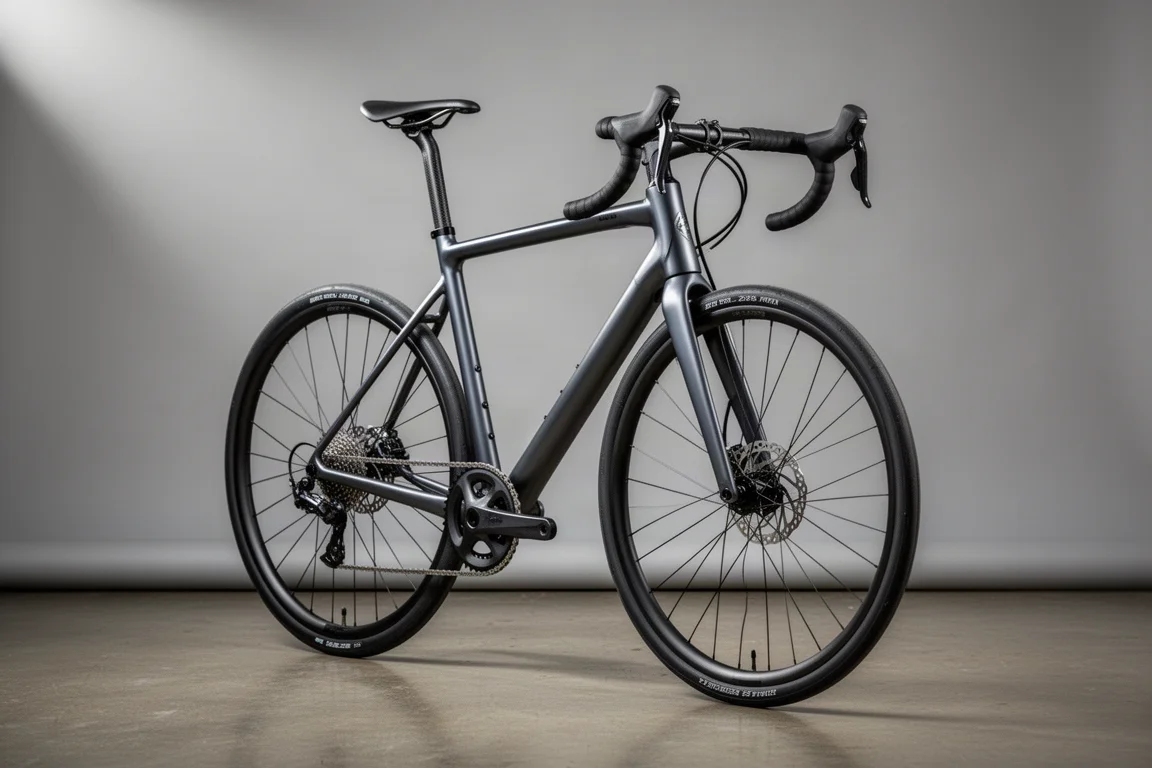
Doubling a bike budget rarely doubles the experience, but it does change what kind of bike you can buy. The Triban RC 520 sits just under £800 and arrives with Shimano 105 shifters and derailleurs, TRP hybrid hydraulic disc brakes, and a frame that accepts mudguards, a rear rack and tyres up to 40 mm wide. Those three things together put it in a different category from the £400 entry-level road bikes that dominate the bottom of the market.
It is not a race bike. It is a versatile all-rounder with a slightly lower and longer ride position than the cheapest bikes in the range, and it rewards riders who already know how they like to ride.
Who the Triban RC 520 Is For
The RC 520 is aimed at riders who have been cycling for a while rather than at someone buying a first bike. The geometry is more aggressive than the cheaper entry-level models: the front end sits lower and the reach is slightly longer, although the handlebars are still higher than on a dedicated race bike. On a size small frame the stem is 80 mm and the bars are 40 cm wide, with spacers under the stem that can be removed to drop the front end further.
If you need a genuinely upright position, this is probably not the right bike. If you have been riding for a season or two and want something that feels a little quicker without becoming uncomfortable on longer rides, the fit makes sense.
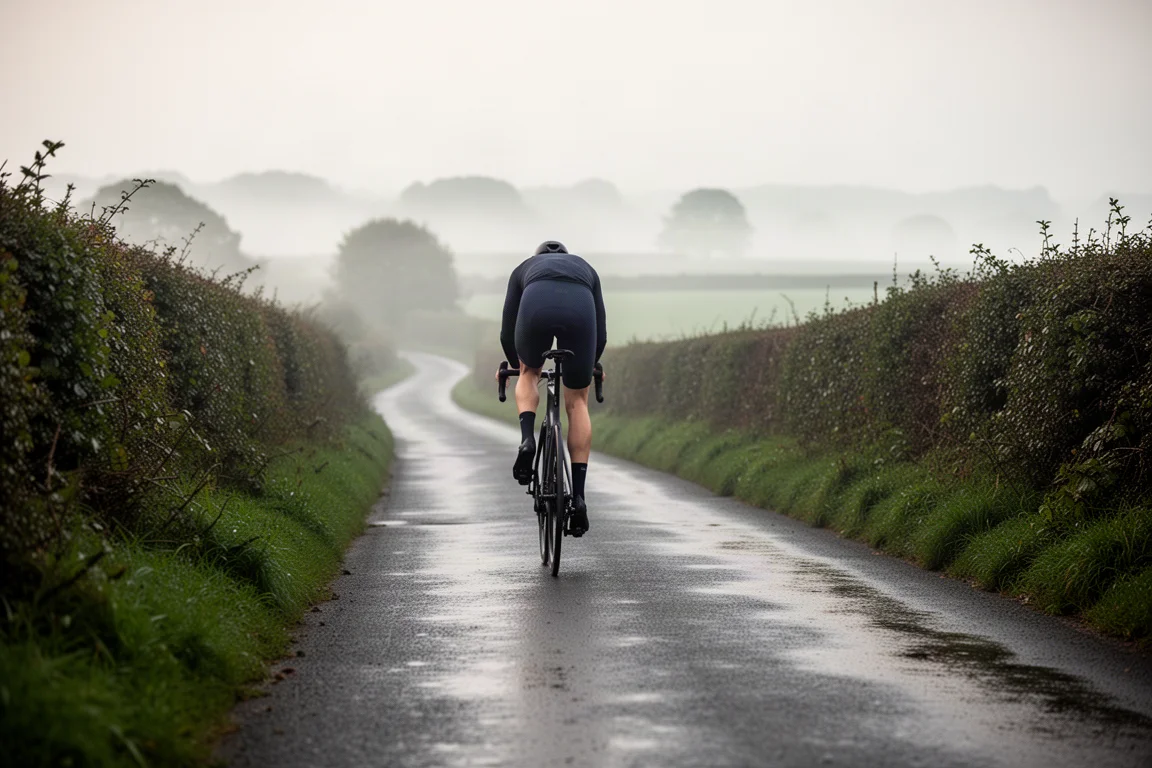
Sizing is worth noting as well: bar width and stem length are matched to frame size rather than shared across the whole range, which helps the smaller sizes handle predictably.
Main Strengths
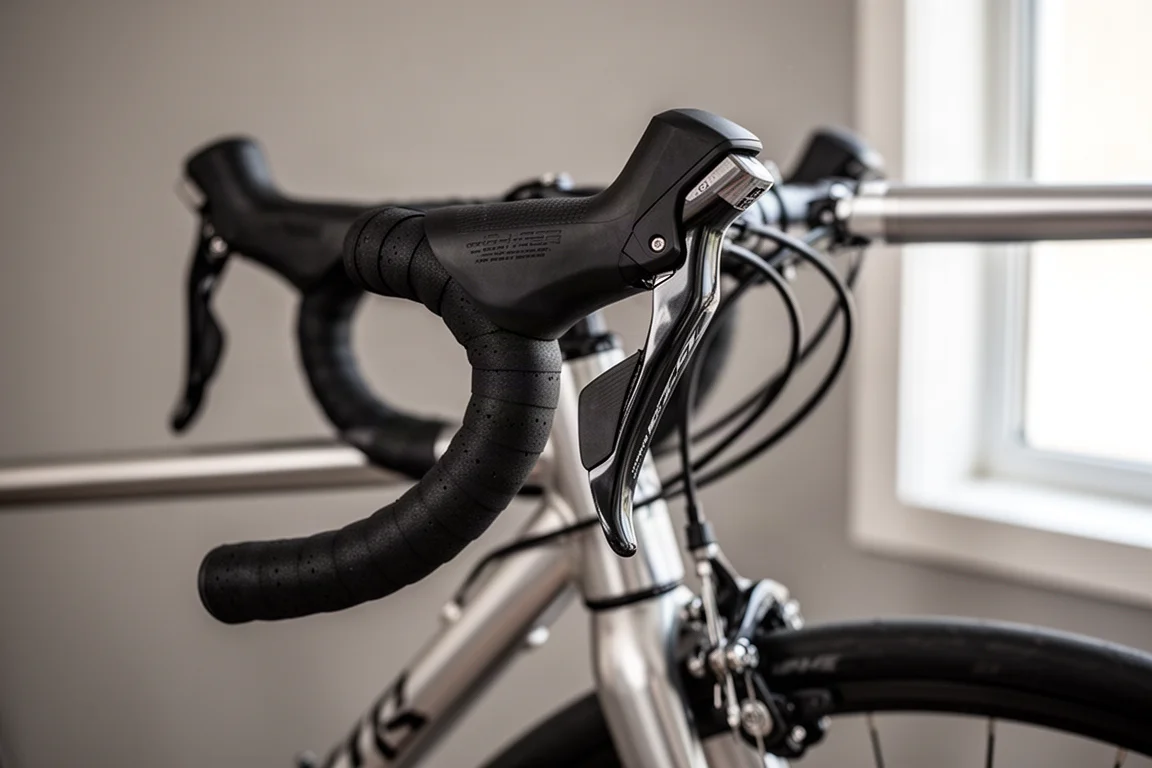
The standout component is the Shimano 105 groupset. The 11-speed shifters are comfortable, the controls sit naturally under the hands, and the front and rear derailleurs belong to Shimano’s performance range, known for reliable and durable shifting. Gears change cleanly and consistently.
Braking comes from TRP hybrid hydraulic calipers. These are mechanically actuated but hydraulically powered at the caliper, which means the shifters stay slim and comfortable in the hand while braking force is strong straight out of the box. They are not a full hydraulic system, but they outperform mechanical disc brakes and rim brakes, and they are remarkably easy to adjust: a large adjuster on the side of the caliper lets you clear rotor rub in seconds.
There is also an 11-speed cassette at a price point where that is still uncommon. More ratios mean smaller gaps between gears, so it is easier to find a cadence that feels comfortable.
The frame includes a replaceable rear derailleur hanger, so a crash on the drive side bends a small, inexpensive part rather than the frame itself.
Frame, Clearance and Everyday Practicality
The frame is aluminium with a carbon fork, and the rear stays drop below the top tube junction, a design intended to let the seat tube flex slightly for comfort. In practice an alloy frame still transmits road buzz, but the shape looks modern and does not hurt the ride.
Practicality is a genuine strength. There are mounts for mudguards and a rear rack, so the bike can be set up as a commuter or light tourer. The wheels are tubeless ready, and the stock 28 mm Triban tyres offer confident grip, including on wet climbs. Durability of those tyres is not something that can be judged from a short acquaintance.
Tyre clearance is the most interesting figure. The frame accepts up to 40 mm, and a 40 mm gravel tyre fits without trouble. A 50 mm tyre will not fit. Within that limit, the RC 520 can be run as a genuine gravel bike or as a comfortable commuter with higher volume tyres at lower pressures.
The wheels use quick release axles rather than thru-axles, which keeps costs down but is worth understanding before committing.
Things to Consider Before Buying
Weight is the first thing to set expectations around. The RC 520 weighs 10.553 kg without pedals. That is roughly 100 g lighter than the £400 rim brake bike it sits above, and about half a kilo lighter than the disc brake version of that cheaper model, but it is not a light bike in absolute terms and it feels substantial when lifted.
Ride quality is the second. The dropped seat stays look the part, but an aluminium frame still feels harsh on rough surfaces, and the geometry is noticeably lower and longer than the entry-level bikes. Riders who want a plush, upright ride should look elsewhere.
The saddle uses the same shape as the cheaper models, with an indent rather than a full pressure relief channel. Saddles are personal, but a cutout design suits more riders.
Gearing is safe rather than generous. The crankset runs 50/34 with an 11-32 cassette, so there is no 1:1 climbing ratio. The rear derailleur can handle up to a 34-tooth largest cog, so a cassette swap is a straightforward way to gain easier gears.
Finally, the quick release axle standard is a long-term consideration. Quick release disc wheels are likely to become harder to source over the coming years, even if that is not a reason to avoid the bike today.
Buying Advice
Judged purely on specification, the RC 520 punches well above its price. A Shimano 105 drivetrain, hybrid hydraulic brakes, tubeless ready wheels, rack and mudguard mounts and 40 mm tyre clearance in one package under £800 is a strong combination, and the bike sits in the same category as models from major brands that cost considerably more.
That does not make it right for everyone. Buy it if you already ride regularly, want a versatile bike that can handle commuting, light gravel and faster weekend rides, and you are comfortable with a slightly lower front end. Consider something else if you want an upright first road bike, a genuinely light machine, or a frame built around thru-axles.
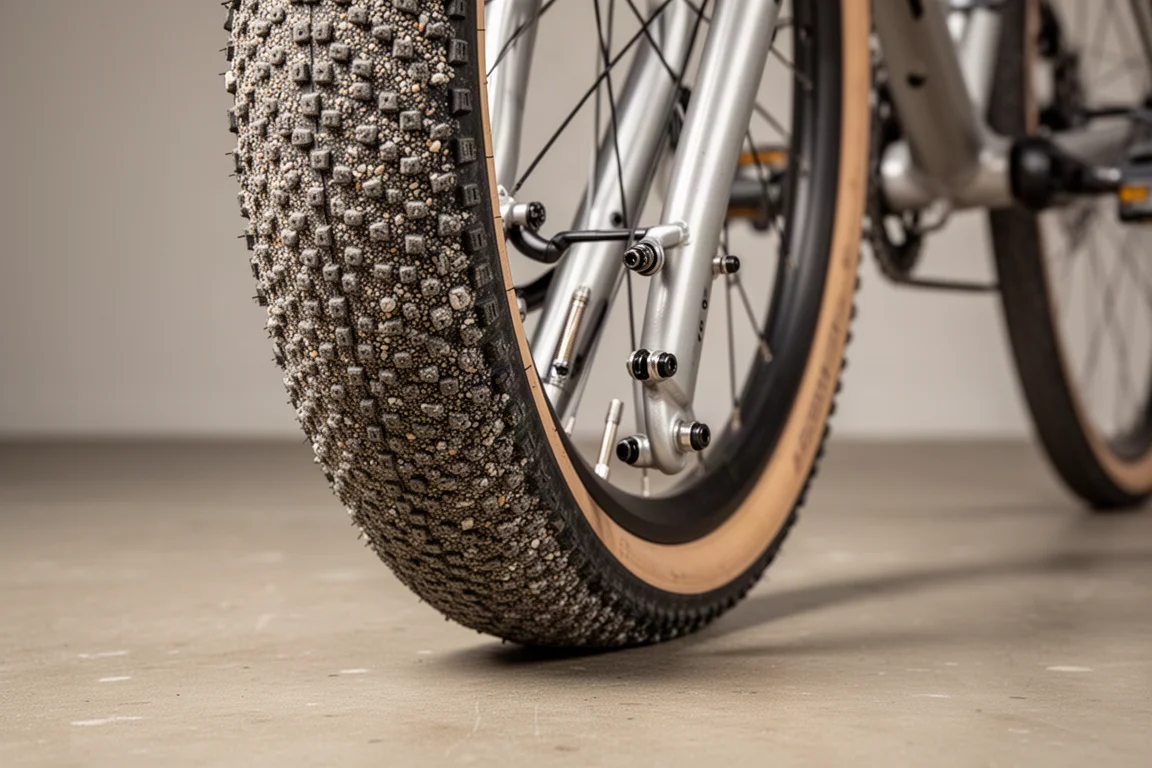
As always, budget for the parts that make the bike work for you: mudguards if you commute, a larger cassette if you climb a lot, and tubeless valves, tape and sealant if you want to run the wheels tubeless.
Set-up and Upgrade Notes
The hybrid hydraulic calipers are easy to live with. Rotor rub after a wheel change can be cleared with the side adjuster in seconds, which is a real advantage for anyone doing their own maintenance.
Tubeless conversion is straightforward in principle: valves, tape and sealant are needed, along with a way to inflate the tyre. The benefit is fewer punctures and the ability to run lower pressures.
The bottom bracket uses a Hollowtech-style design with a 24 mm spindle, so the stock crank can be replaced with any compatible 24 mm crank if you want to upgrade. The unbranded crank, Microshift cassette and KMC X11 chain are cost-saving choices rather than weak ones, and the chain in particular has a strong reputation.
Cassette changes are the simplest performance upgrade. Moving to an 11-34 cassette adds a noticeably easier climbing gear and stays within the derailleur’s capacity.
Long-Term Value and Ownership
The strongest argument for the RC 520 is that it does not feel like a compromise at its price. The shifting is precise, the braking is powerful, and the frame can be configured for several different kinds of riding, which means the bike is likely to stay useful as your riding changes.
The main long-term caveats are the quick release axles and the alloy frame’s ride quality. Neither is a defect, but both shape who the bike suits. Riders who keep a bike for many years may prefer thru-axles for future wheel availability, while riders who value comfort over sharpness may find the frame busier than they would like.
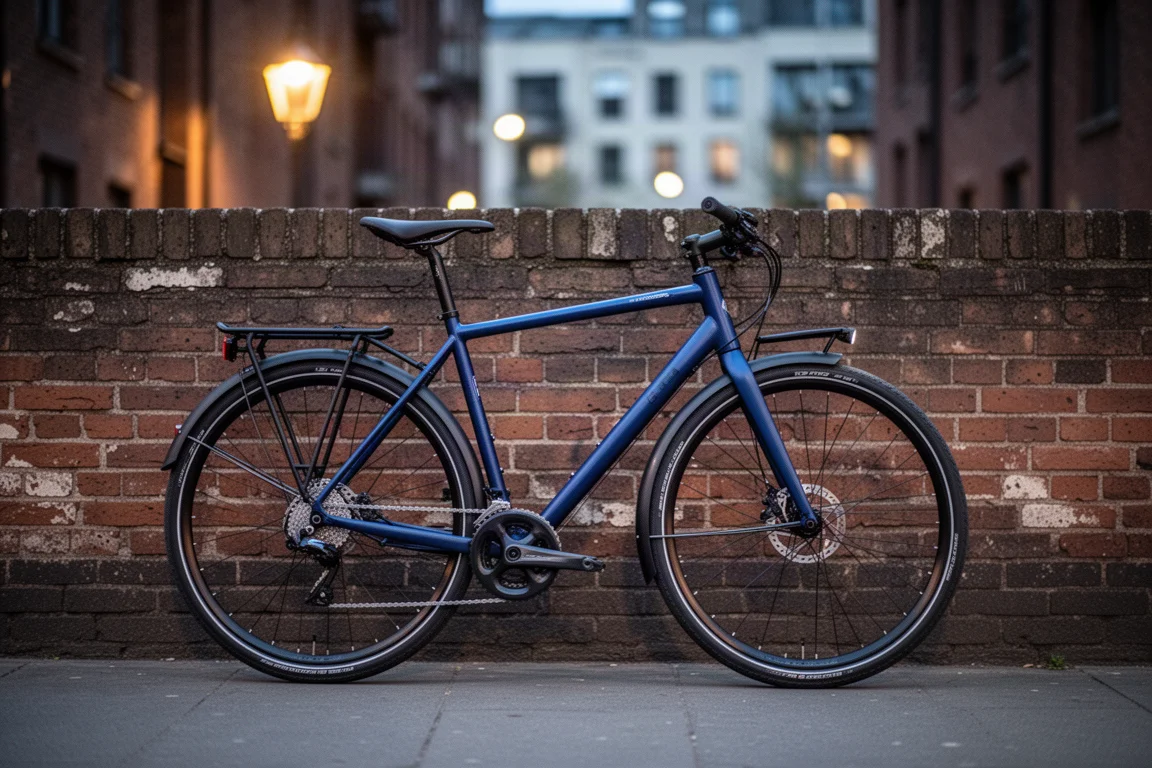
On the whole, the value case is strong. The specification sits in the same category as bikes that cost two to three times as much, and the practical details, from rack mounts to the replaceable derailleur hanger, suggest a bike designed to be used rather than admired.
Conclusion
The Triban RC 520 makes a clear case for spending more. Shimano 105 shifting, hybrid hydraulic braking, 40 mm tyre clearance and mounting points for real-world use add up to a bike that is far more versatile than a £400 starter road bike, while staying under £800. The trade-offs are a heavier frame than premium machines, a firm alloy ride, quick release axles and gearing that could be easier for steep climbs. For riders who already know they enjoy road riding and want one bike that covers commuting, light gravel and weekend distance, it is a confident recommendation.
Product link
View more details for Triban RC 520
This product is mentioned in the review. Check the specifications, options, and compatibility before buying.
View more details for Triban RC 520Further reading
Related Reviews

Road Bikes
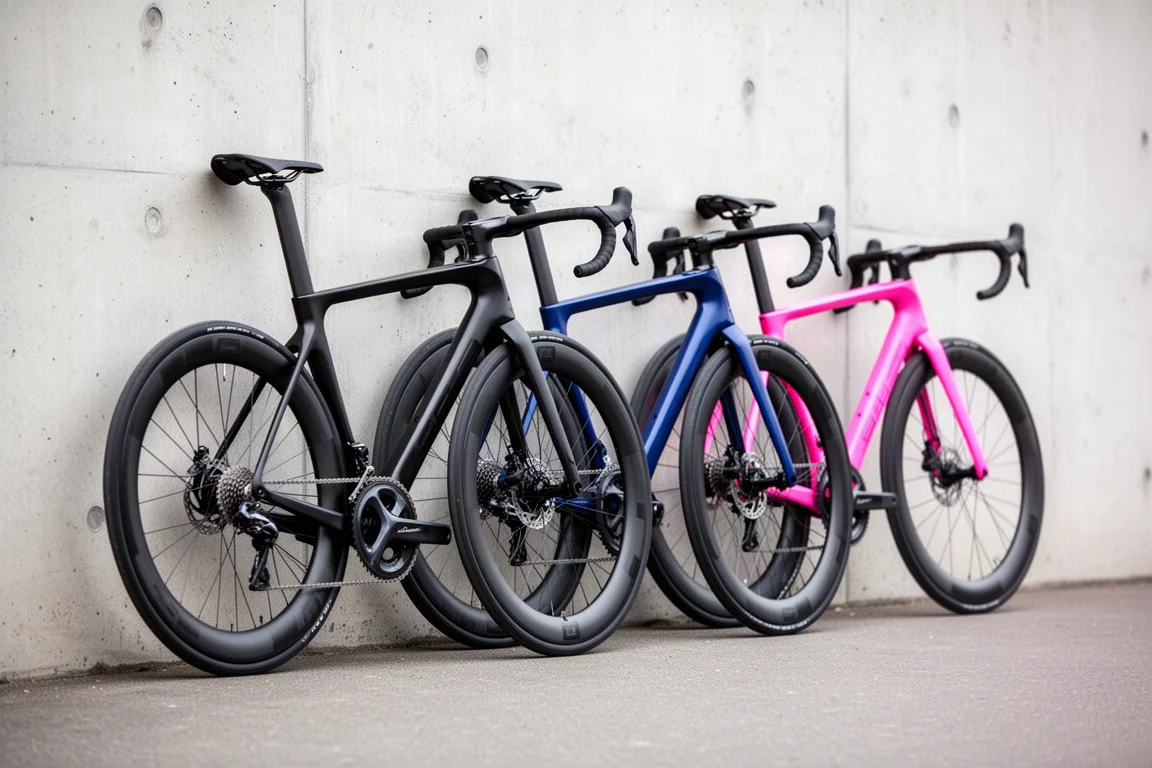
10 New Road Bikes Worth Watching: Aero, Titanium, Steel and Endurance Standouts
A practical roundup of 10 new road bikes, from aero flagships chasing single-watt gains to titanium, steel and endurance platforms built for real roads.
Road Bikes
2026 Tour de France Road Bikes: Six Race Machines Worth a Closer Look
Six race bikes from the 2026 Tour de France grid, reviewed for paint, silhouette, wheels and the specification details that matter to buyers.
Road Bikes
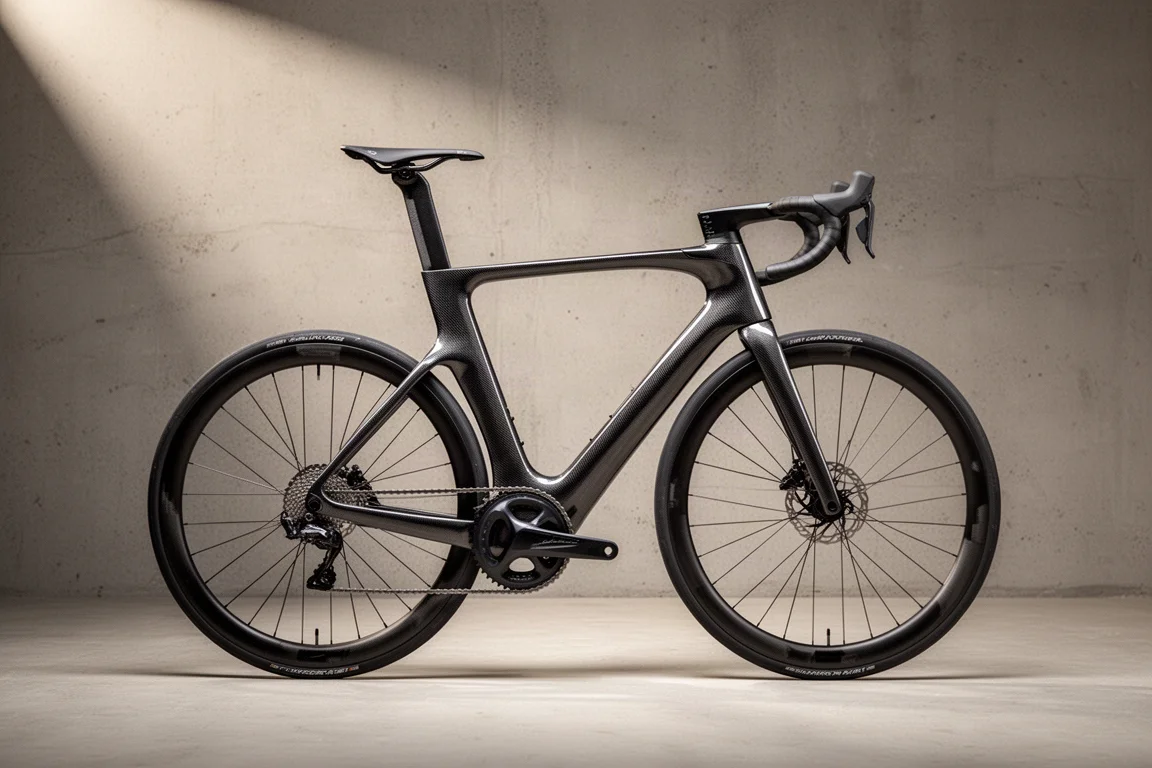
3T Strada Italia Review: A Radical Aero Road Bike That Rides Smooth
A made in Italy carbon aero road bike with a deep head tube, wide tire clearance and a genuinely comfortable ride. Here is what to know before buying.