Road Bikes
Triban RC 120 Review: A Budget Road Bike That Punches Above Its Weight
The Triban RC 120 brings a carbon fork, a relaxed endurance frame, and a very low price. Here is what it does well and what to check before you buy.
Introduction
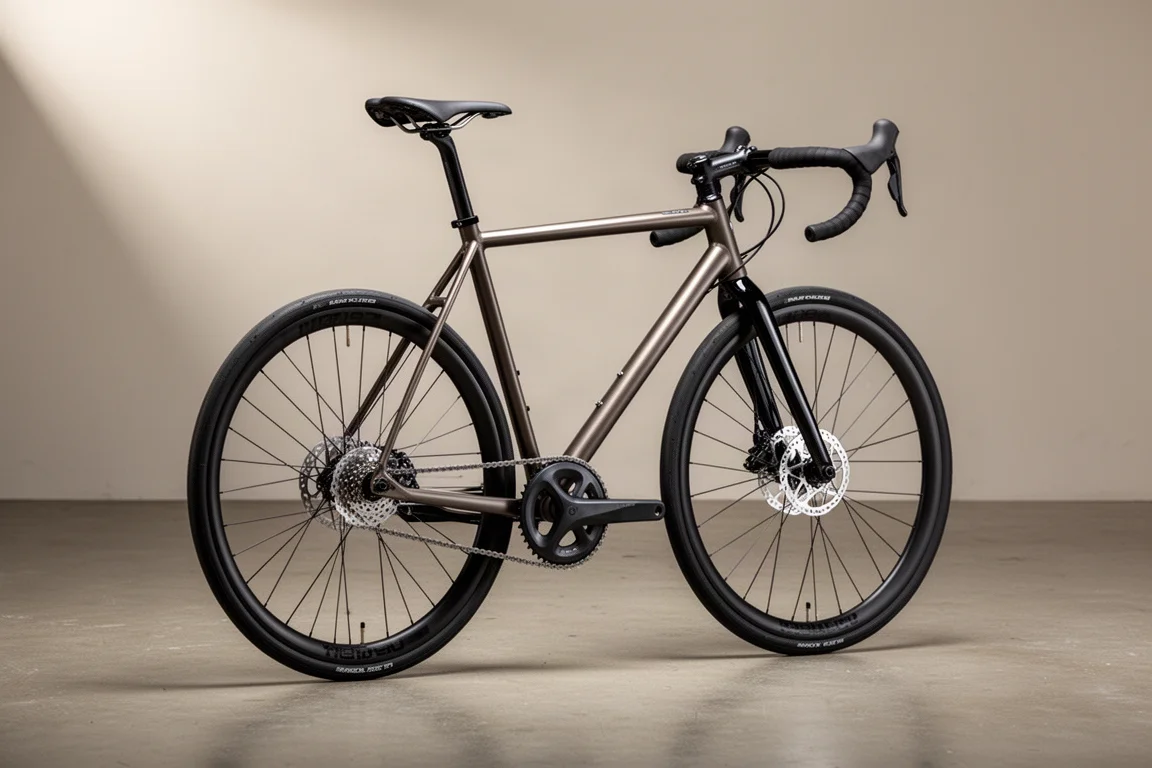
Entry-level road bikes have quietly become some of the strongest value in cycling, and the Triban RC 120 is a clear example. At £350 after a £50 reduction from £400, it is one of the most affordable ways to get onto a drop-bar road bike from a large retailer, and the specification list reads considerably better than the price suggests.
Triban is Decathlon’s own bike brand, covering both road and gravel models, and the RC 120 sits near the bottom of the road range. The real question is whether a bike at this price is a genuine machine or a series of compromises. After buying one from a Decathlon store, setting it up and riding it, the answer is more encouraging than expected.
Who the Triban RC 120 Suits Best
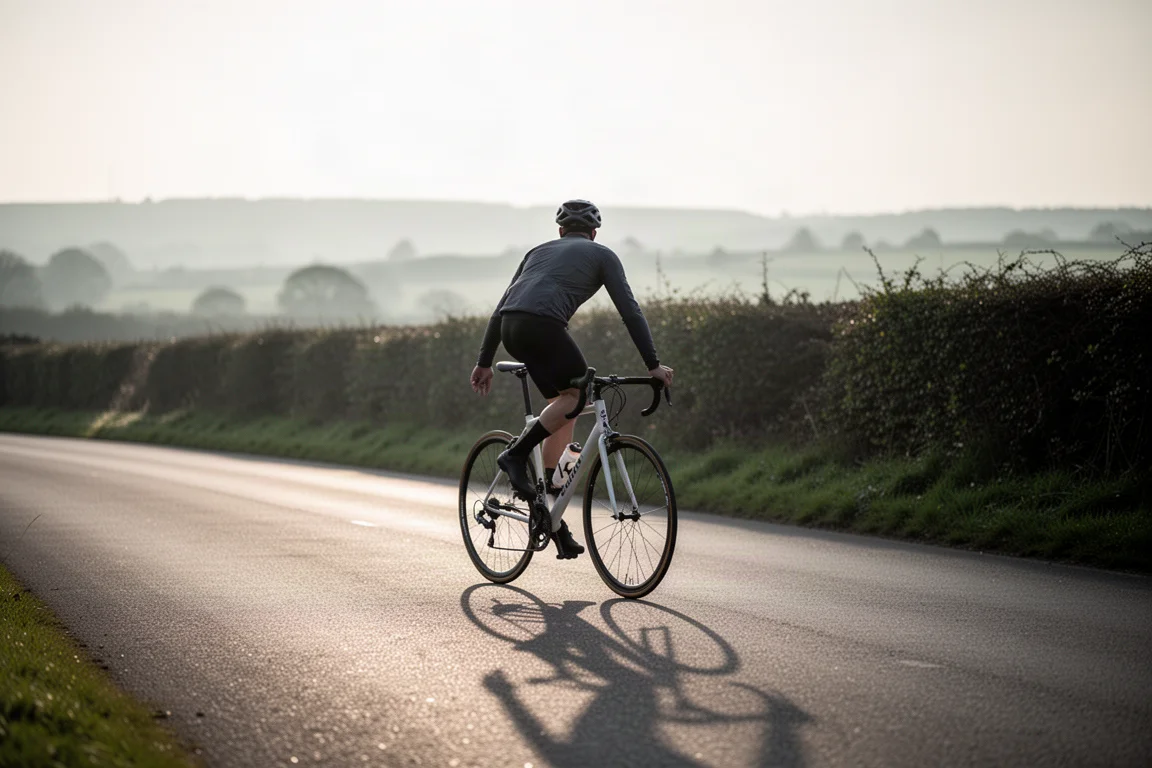
The RC 120 uses a relaxed, endurance-oriented frame. That is a genuine advantage at this price, because the rider most likely to buy it is relatively new to cycling. A more upright, stable position is easier to live with than an aggressive race setup, especially for anyone building fitness or commuting rather than chasing personal bests.
It also makes sense for riders who want a dependable second bike, a winter trainer, or a platform for gradual upgrades. The frame has mudguard and rack mounts, so it can be pressed into commuting duty without workarounds.
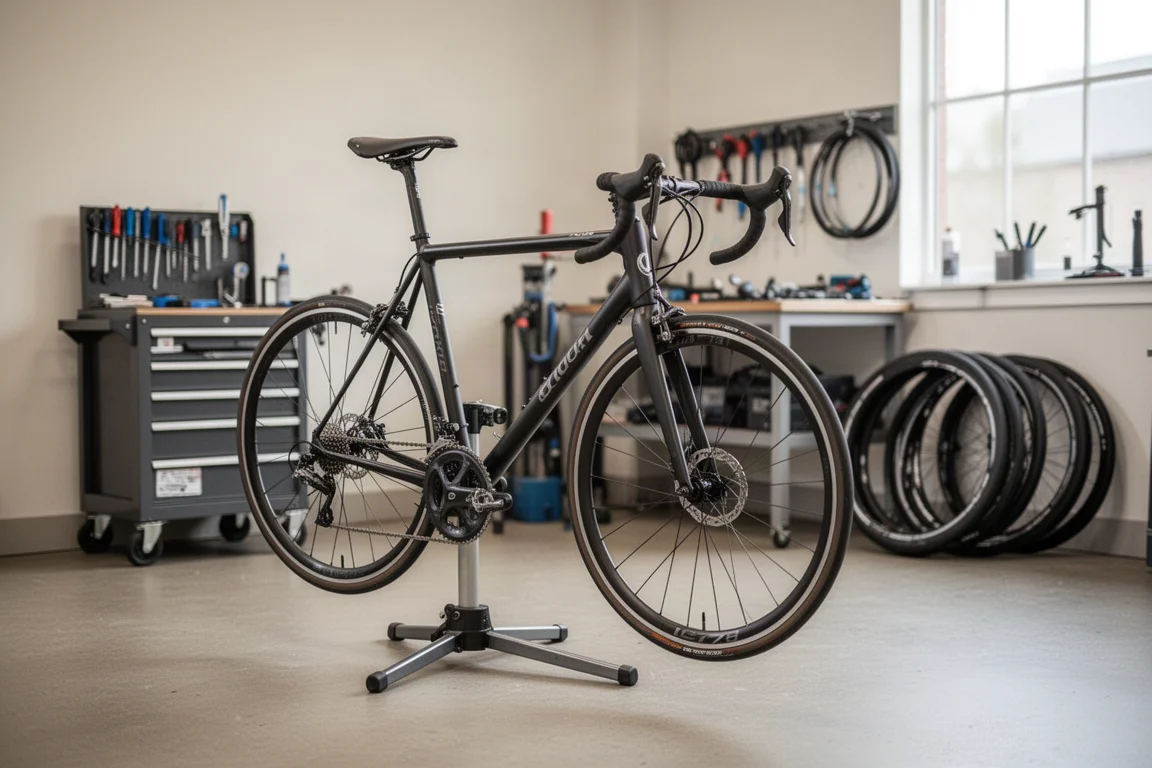
The sizing question matters more than usual here. The medium frame tested has a 55cm top tube, which would be labelled a large by plenty of other brands. Anyone who normally wears a medium shirt should not assume a medium frame will fit, and it is worth reading the geometry chart on the retailer’s website carefully or getting a bike fit before committing.
Frame, Fork, and Tire Clearance
An aluminium frame paired with a carbon fork at this price is a genuine surprise and a welcome one. The carbon fork takes meaningful edge off rough road surfaces, and the aluminium frame keeps the cost down without feeling flimsy.
The bike arrives with 28mm Triban tires on completely unbranded black wheels with aluminium braking surfaces. The tires feel grippy, and the wider profile suits the relaxed character of the frame far better than the narrow tires often fitted to budget road bikes.
There is also more room in the frame than the stock tires suggest. On these wheels, 32mm tires look like a safe fit, and that opens up a comfortable long-term setup: bigger tires at lower pressure would smooth out an aluminium ride considerably.
Shifting and Ride Feel
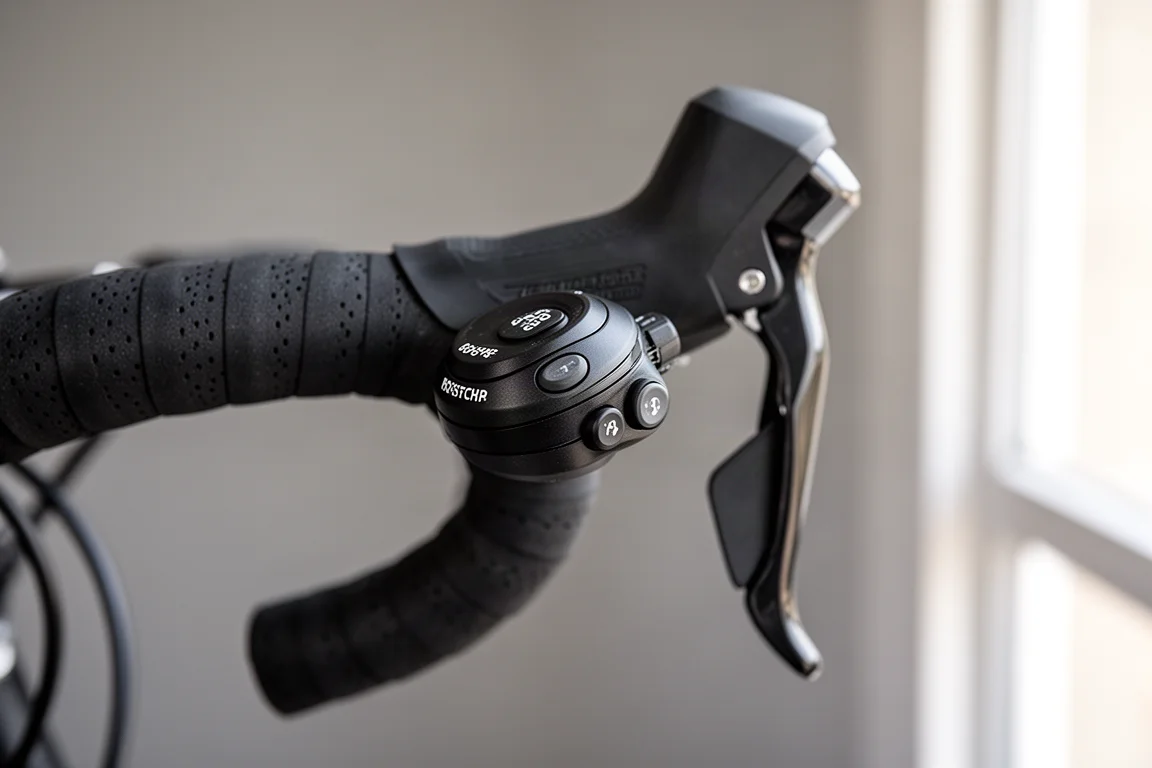
The drivetrain is Microshift R8, an eight-speed groupset that proves the point that affordable components can still work properly. Rear shifting is smooth and precise, with the ability to move three gears at once in one direction and one gear in the other. The gear range is genuinely good, with enough spread for climbing and for faster riding.
Microshift uses two buttons on the same side of the lever, and both can be reached from the drops. The upshift button sits exactly where the hand expects it, but the downshift button is placed noticeably higher and sticks out, which makes it awkward to find during a hard effort on the drops. It is a small ergonomic quirk rather than a functional fault, and the shifting itself is flawless.
The front derailleur also offers two trim positions on each chainring, which lets you nudge the cage slightly left or right to silence chain rub without making a full shift. That is a thoughtful detail at this price.
Comfort on Longer Rides
The finishing kit is basic but considered: an alloy seatpost, a Triban-branded saddle, a matching stem and aluminium handlebars. The bar width scales with frame size, with 40cm bars on the medium frame.
Comfort is reasonable rather than exceptional. The saddle is fine for short rides, and becomes noticeable after roughly half an hour, so riders who spend long days in the saddle will probably want to change it. For a brisk hour of hard riding the bike is genuinely fun and the position works well; for a five-hour day it is not the machine most riders would choose.
Weight came in at 10.69kg with the pedals and stock lights removed. That is not light in absolute terms, but it does not feel heavy when you lift it, and the ride quality matters more than the number at this price point.
Things to Consider Before Buying
A few details are worth knowing before you commit, and none of them are deal-breakers.
The frame has no replaceable rear derailleur hanger. On most bikes a soft metal hanger bolts to the frame so that a crash bends the cheap part instead of the frame. Here the derailleur mounts directly to the aluminium frame, so a heavy impact on that side risks damaging the frame itself. It can sometimes be bent back, but each attempt weakens the material.
The rear wheel was not perfectly true when it came out of the shop. Industry tolerances for a wheel being true enough to sell are looser than most riders assume, so this is common rather than unusual, and it is easy to have corrected.
A small rubber collar on one wheel began squeaking after the first ride. It is an easy fix, either by removing it or applying lubricant, and it does not affect how the bike performs.
The rear brake cable routing uses more cable than necessary, running out of the bars, around the other side of the frame and back to the stop on the left. A shorter, tidier route would have been possible. Finally, the lights included with the bike are basic and contribute little to real road visibility, so plan on upgrading them if you ride at night.
Wheels and Long-Term Care
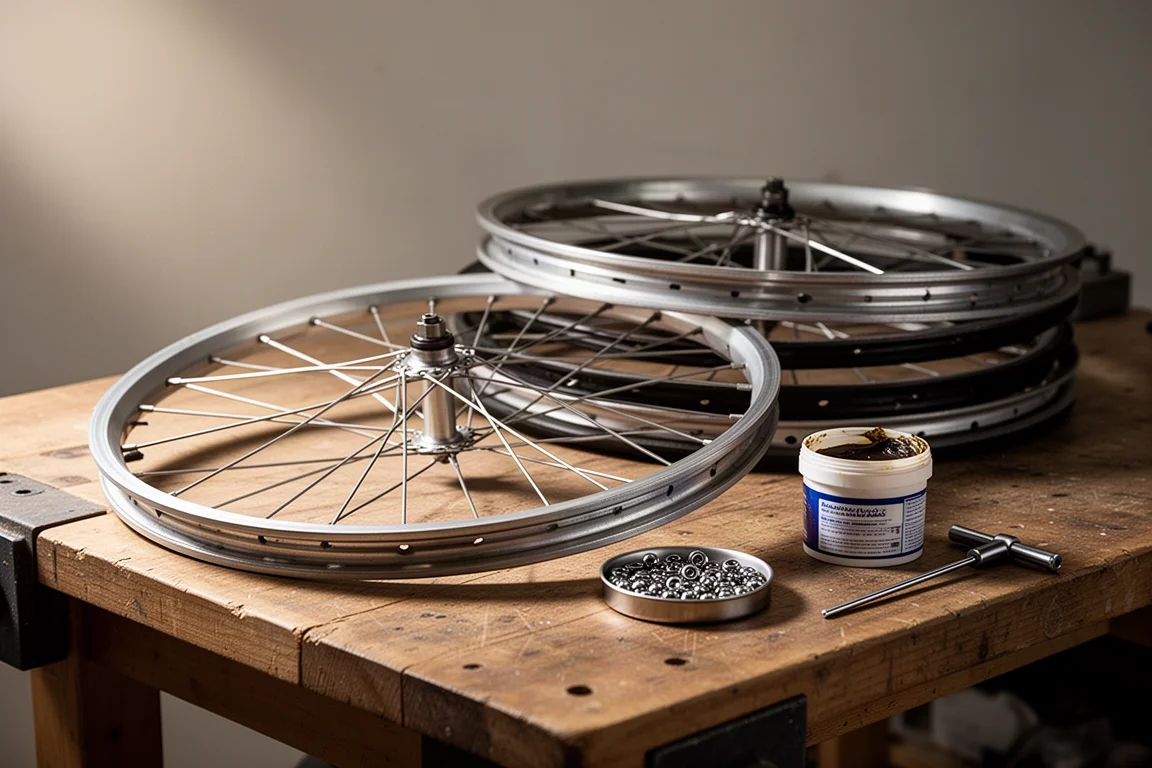
The stock wheels use cup and cone bearings rather than sealed cartridge bearings, which changes how they need to be looked after. They can be serviced, and doing so is inexpensive, roughly £20 to £30 per wheel at a bike shop, but they need attention before the bearing races are damaged.
Riders in dry, dust-free conditions may get a long stretch out of them. Riders commuting through a wet winter, or leaving the bike outside, should book that service well before it becomes urgent. A better wheelset is the single upgrade that would lift this bike the most, and it is the natural first step if you want to build on the platform over time.
Buying Advice
The value on offer here is the headline. At £350 it is a lot of bike for the money, and the purchase includes a free service within the first three months at the retailer, which is a useful buffer while the cables settle and everything beds in.
Buy it if you want a first road bike, a commuter with mudguard and rack mounts, or a low-cost base for a wheel upgrade. Be prepared to check the frame size against the geometry chart rather than trusting the label, budget for a saddle swap if you ride long distances, and treat the wheels as a wear item that needs servicing.
Set against those caveats, the RC 120 still represents one of the better entry points into road cycling available at this price. It rides well, shifts cleanly, and leaves room to improve.
Conclusion
The Triban RC 120 is a genuinely impressive budget road bike. The carbon fork, generous tire clearance, mudguard and rack mounts, and reliable eight-speed shifting all belong on a much more expensive machine, and the relaxed frame makes it approachable for newer riders.
The compromises are real but predictable: basic wheels that need servicing, a saddle that will not suit everyone, no replaceable derailleur hanger, and frame sizing that runs large. None of them undermine the core value. For a first road bike or a practical everyday ride, this is money well spent.
Product link
View more details for Triban RC 120
This product is mentioned in the review. Check the specifications, options, and compatibility before buying.
View more details for Triban RC 120Further reading
Related Reviews

Road Bikes
10 New Road Bikes Worth Watching: Aero, Titanium, Steel and Endurance Standouts
A practical roundup of 10 new road bikes, from aero flagships chasing single-watt gains to titanium, steel and endurance platforms built for real roads.
Road Bikes
2026 Tour de France Road Bikes: Six Race Machines Worth a Closer Look
Six race bikes from the 2026 Tour de France grid, reviewed for paint, silhouette, wheels and the specification details that matter to buyers.
Road Bikes
3T Strada Italia Review: A Radical Aero Road Bike That Rides Smooth
A made in Italy carbon aero road bike with a deep head tube, wide tire clearance and a genuinely comfortable ride. Here is what to know before buying.