Floorstanding Speakers
Triangle Celeste 8 Review: A Three-Way Tower Built for Clarity
A close look at the Triangle Celeste 8, a three-way floorstanding speaker with a horn-loaded tweeter, a midrange-forward balance, and a clear set of trade-offs to weigh before buying.
Introduction
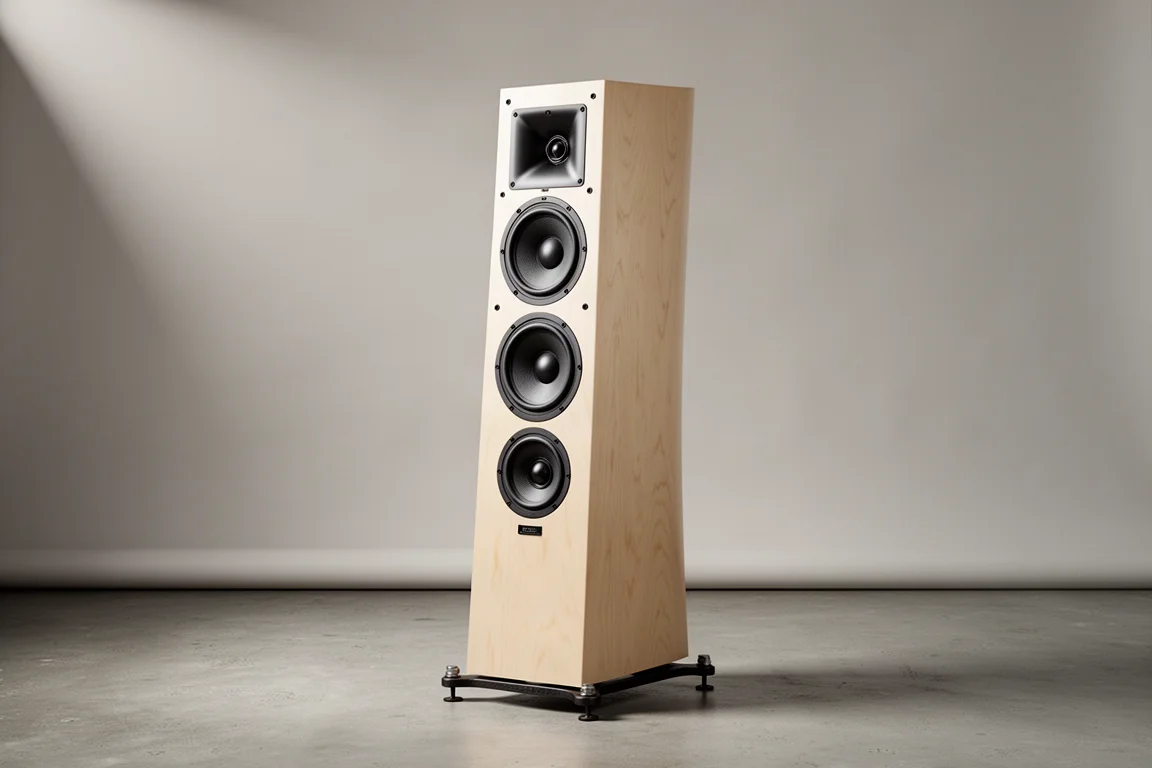
The Triangle Celeste 8 is a three-way floorstanding tower and the largest model in Triangle’s new Celeste line, which also includes a center channel and a stand-mount speaker. It combines a horn-loaded tweeter with a dedicated 6.5-inch midrange and a pair of 6.5-inch woofers, all mounted in an MDF cabinet that sits on a cast-iron base.
Pricing is identical across all four finishes: $2,800 per pair in the US, around EUR 2,000 in Europe, and around GBP 2,000 in the UK.
What makes the Celeste 8 interesting is where it places its emphasis. This is not a speaker chasing maximum low-end weight. It is a speaker chasing clarity, and it does so with a midrange-forward balance, a transparent top end, and enough resolution to make the rest of the system plainly audible.
Who this product is for
The Celeste 8 suits listeners who want to hear everything that is in a recording. Its strongest quality is clarity: it makes the individual parts of a mix easy to follow and it communicates the emotional weight of a performance rather than smoothing it over.
It is also a natural fit for acoustic material. Piano, brass, stand-up bass, and drums all come across with real finesse, and the speaker stays lively and exciting while doing it.
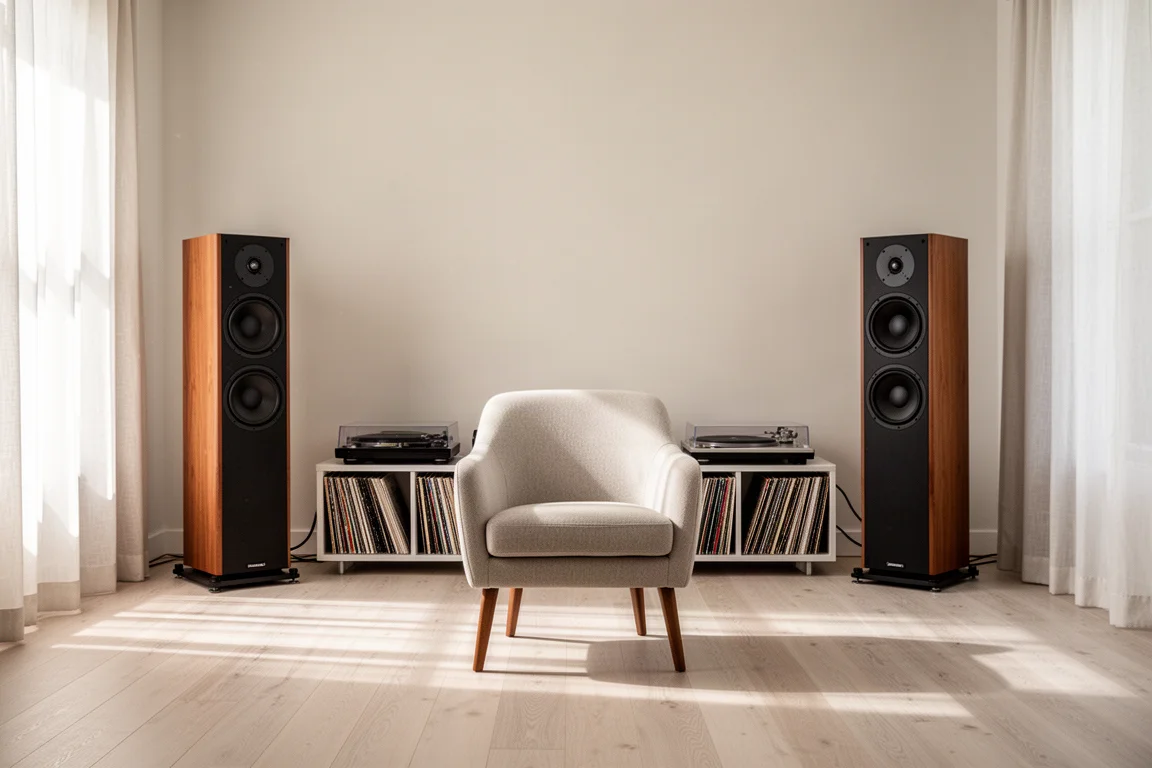
Another group that will get a lot from this speaker is listeners who like to play loud. Between roughly 85 and 90 dB it opens up and becomes more alive the harder it is pushed. Anyone who enjoys swapping amplifiers will also find it useful, because it is transparent enough to make differences between electronics obvious rather than subtle.
It is less suited to listeners who want a big, warm, full sound straight out of the box, and less suited to those who do most of their listening at very low volume late at night.
Main strengths
Triangle has put real effort into the mechanical side of the Celeste 8. The midrange and the woofers use cast aluminum baskets, which is new for the brand, and the midrange driver sits in its own compartment inside the cabinet to keep it isolated from the pressure the woofers generate. The cabinet is ported, but the port fires downward into the base rather than out of the front or rear, and that base is cast iron, coated with a rubbery material.
The rear panel uses a bi-wire layout, and the terminal connectors have a sculpted, premium shape. Finishes include birch, teak, satin white, and satin black, all at the same price.
Horn-loaded treble and midrange presence
The tweeter is the most distinctive part of the design. It is horn loaded, but with a shallower horn than earlier Triangle generations. Around the throat of the horn, pressed right up against the tweeter itself, is a ring of small dimples. Triangle says these reduce the pressure directly in front of the dome, which in turn lowers distortion. The dome is a magnesium-aluminum alloy with a new phase plug.
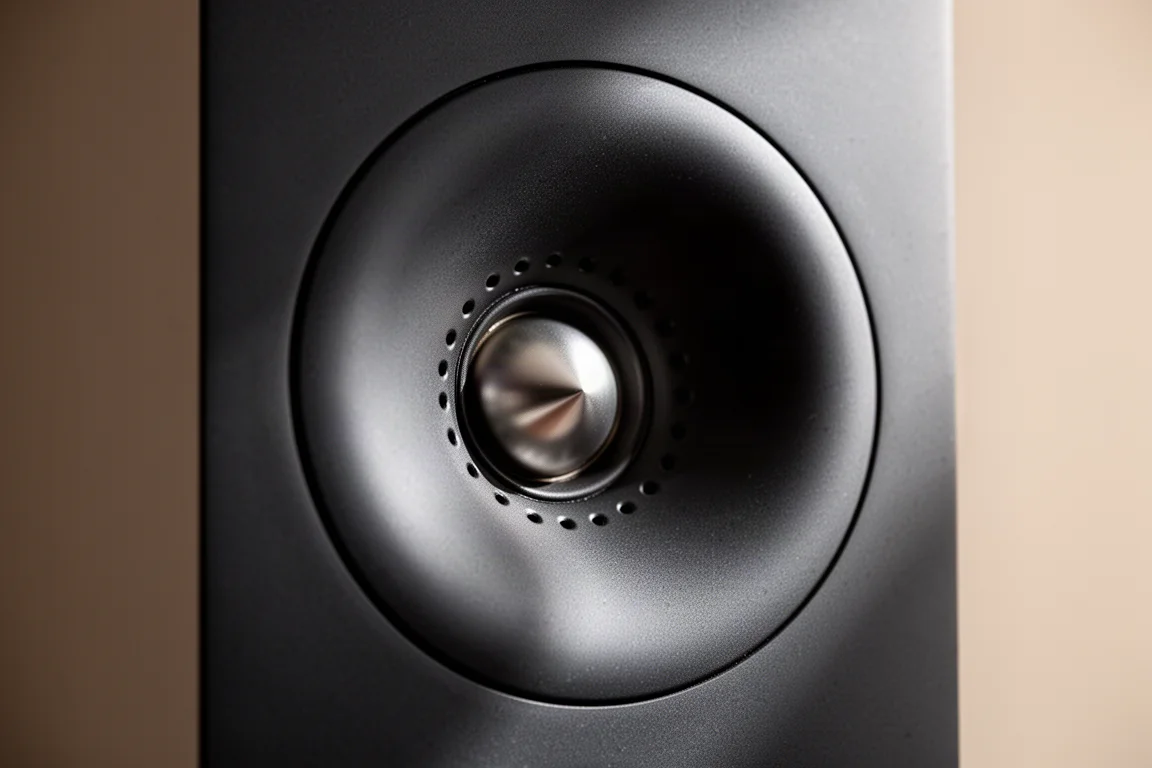
In practice this produces a clear and transparent treble, and a midrange that steps forward and stays there. The overall balance is neutral and flat rather than lean, but it is not a full and rich sounding speaker either. The midrange cone is cellulose and the woofers use paper cones, a distinction Triangle draws even though the two materials are closely related.
For comparison, a similarly sized tower such as the Zu DWX sits at roughly the same price, slightly below it in fact, and sounds noticeably different: more lively and dynamically alive, where the Celeste 8 is more neutral, more detail-forward, and clearer in the treble.
Dynamics and soundstaging
The Celeste 8 throws a wide soundstage. Its sensitivity is a fairly high 91 dB and its nominal impedance is 8 ohms, though it dips to 3.6 ohms, so it is not quite as easy a load as the headline figure suggests.
Dynamically it is a quick, involving speaker. On dense, loud rock it stays coherent and keeps its composure as volume rises, which is part of why it rewards being driven hard.
Things to consider before buying
The Celeste 8 is a specialist rather than an all-rounder, and the trade-offs are worth understanding before committing.
Bass depth and amplifier pairing
Deep bass, meaning output below roughly 50 Hz, is not this speaker’s strength. Listeners who want low-end that shakes the room should plan on adding a subwoofer.
The amplifier you pair with it also matters more than usual, and not only because of the 3.6-ohm dip. The Celeste 8 is revealing enough that it will show off the character of whatever feeds it. Driven by a restored vintage tube amplifier, it sounded noticeably fuller, bigger, and more substantial than it did with a modern solid-state amplifier, and it gave a leaner recording real body in the process. If you want a richer, warmer presentation, tubes are one of the most direct routes to it.
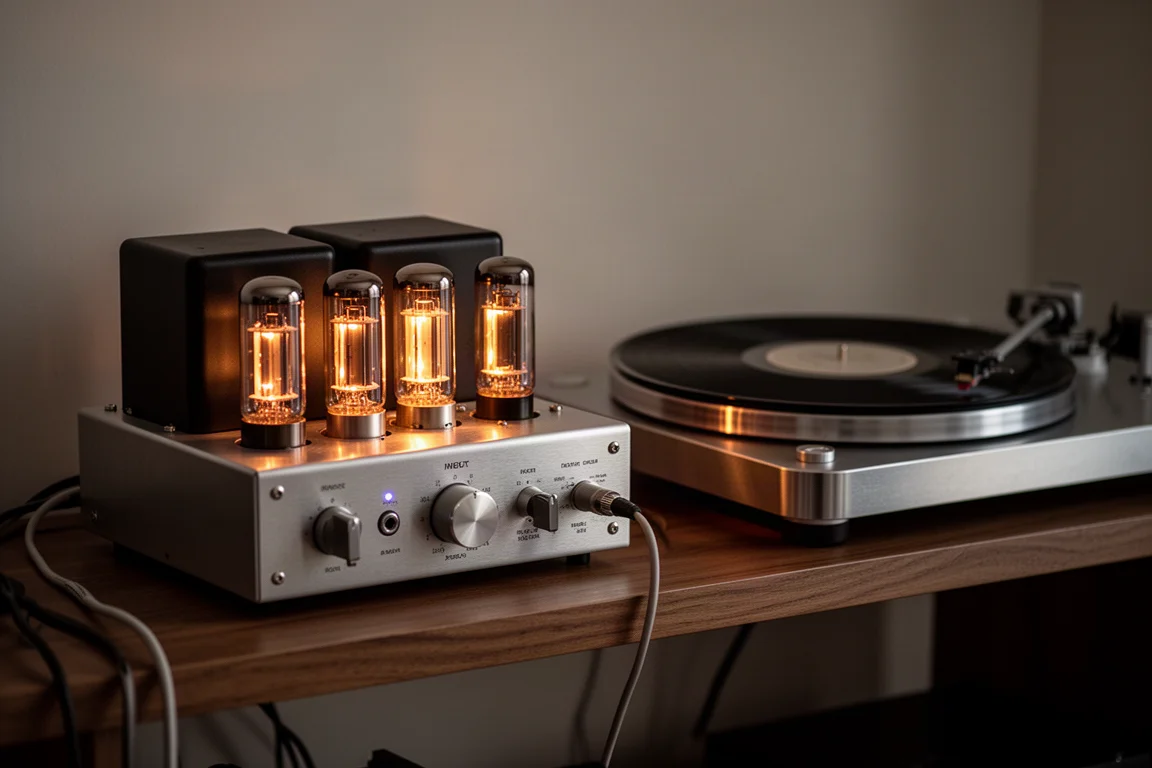
That transparency cuts both ways. A bright or thin-sounding source will be heard as exactly that.
Quiet listening and room needs
At very low levels, around 40 to 50 dB, the Celeste 8 is about average. It holds together, but it does not have the effortless low-volume presence of a large horn system, so buyers who do most of their listening quietly should weigh that carefully. Its strengths show up at moderate to high volume.
Because the port fires downward into the base, placement is a little more forgiving than a rear-ported tower, but the speaker still benefits from being given room to breathe.
Buying advice
The Celeste 8 makes the most sense for a listener who has already decided that clarity and midrange presence matter more than low-end weight. If that describes you, the speaker delivers a great deal for its price, and the four finishes mean you are not paying extra for the look you want.
Budget for the rest of the chain as well. A capable amplifier that can handle a 3.6-ohm dip is the baseline, and if you listen to bass-heavy material, a subwoofer should be part of the plan from the start. A tube amplifier is worth auditioning if you want more fullness and body from the same speaker.
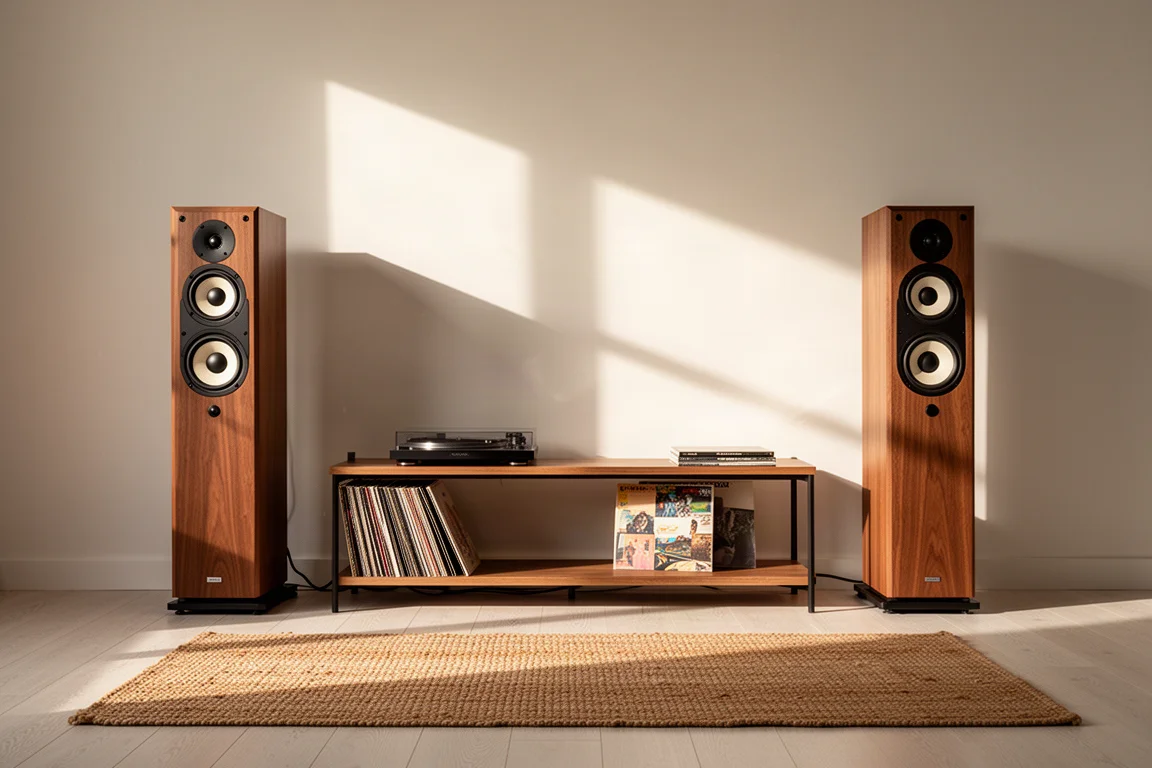
Approach it as a long-term system rather than a plug-and-play purchase. The Celeste 8 responds clearly to what you feed it, so the money you put into amplification and source quality will be audible.
Conclusion
The Triangle Celeste 8 is a revealing, midrange-forward three-way tower that prioritizes detail, transparency, and a wide soundstage over deep bass and easy warmth. At $2,800 per pair it is a considered purchase, and it rewards considered system building: a stable amplifier, a subwoofer if you need one, and a willingness to listen at real levels. For listeners who want to hear the recording rather than a flattering version of it, that is exactly the point.
Product link
View more details for Triangle Celeste 8
This product is mentioned in the review. Check the specifications, options, and compatibility before buying.
View more details for Triangle Celeste 8Further reading
Related Reviews
Floorstanding Speakers
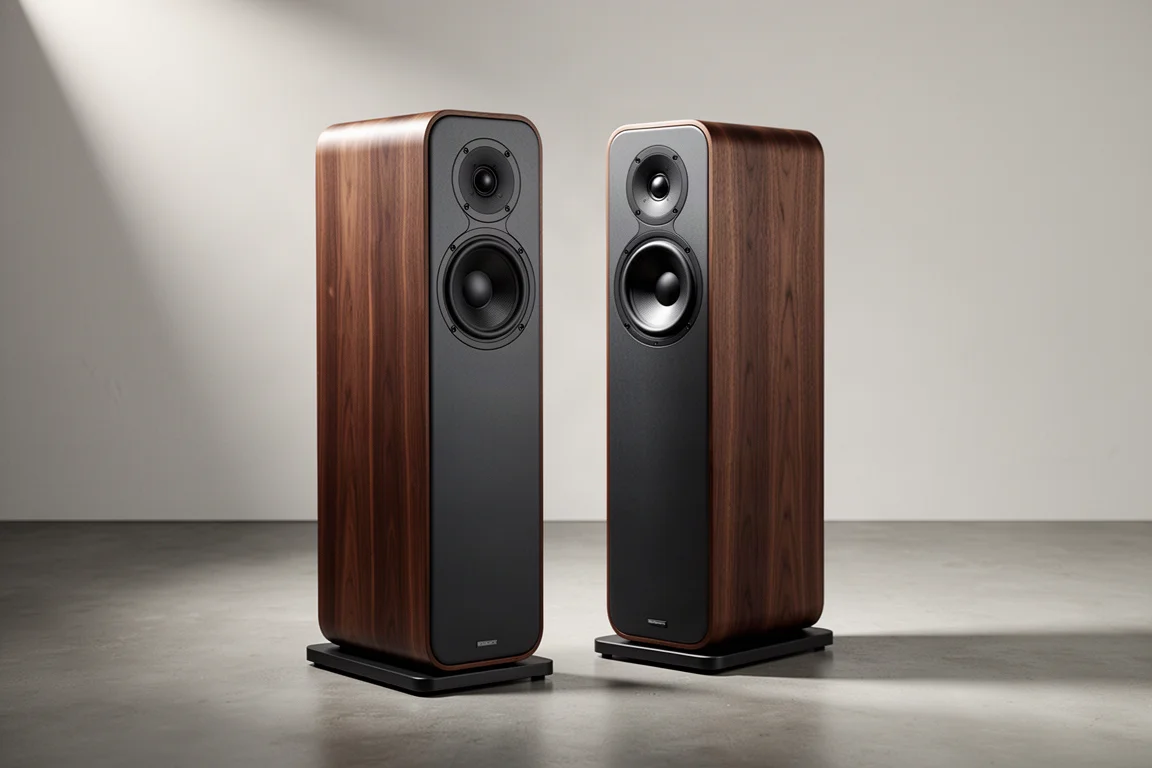
Acoustic Energy AE109 Mark II Review: A Refined Floorstander at £699
The Acoustic Energy AE109 Mark II is a slim, warm sounding floorstander that delivers clarity, midrange body and strong imaging in small to medium rooms.
Floorstanding Speakers
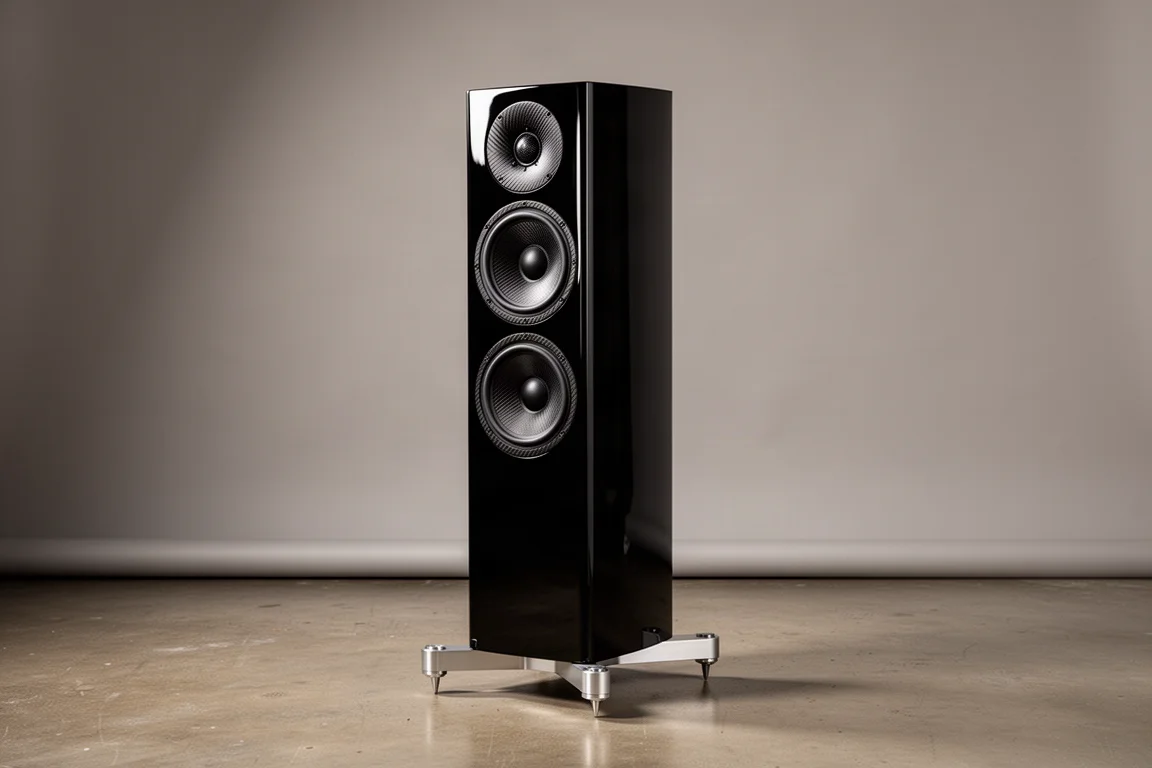
Acoustic Energy AE509 Review: A Slim Floorstander With Deep, Defined Bass
A practical look at the Acoustic Energy AE509, a slim floorstanding speaker with carbon fibre drivers, deep and well-defined bass, and an easy-going character that rewards careful system matching.
Floorstanding Speakers
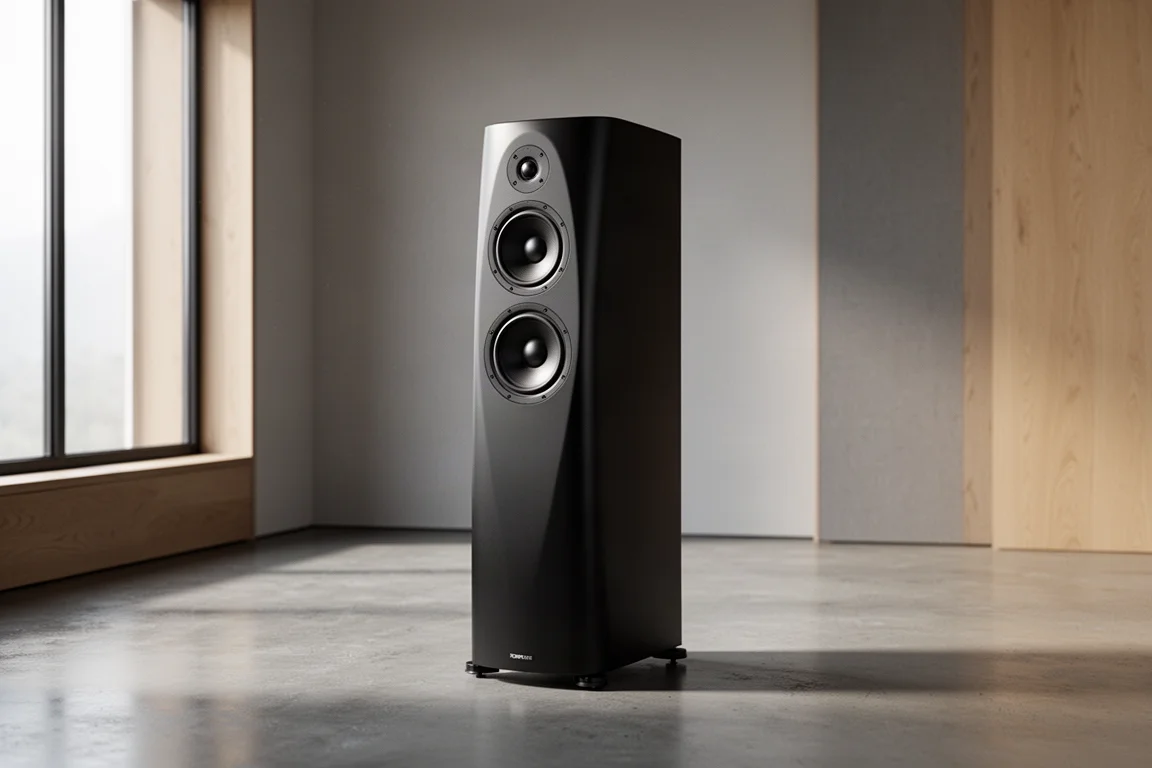
Arendal 1528 Tower 8 Review: Reference Neutrality With Real Demands
A close look at the Arendal 1528 Tower 8, a nearly five-foot, 200-pound floorstander that rewards generous space, serious power, and high listening levels with reference-grade neutrality.